Blog
Dive guides & stories
Everything about diving Isla Fuerte.
Everything about diving Isla Fuerte.
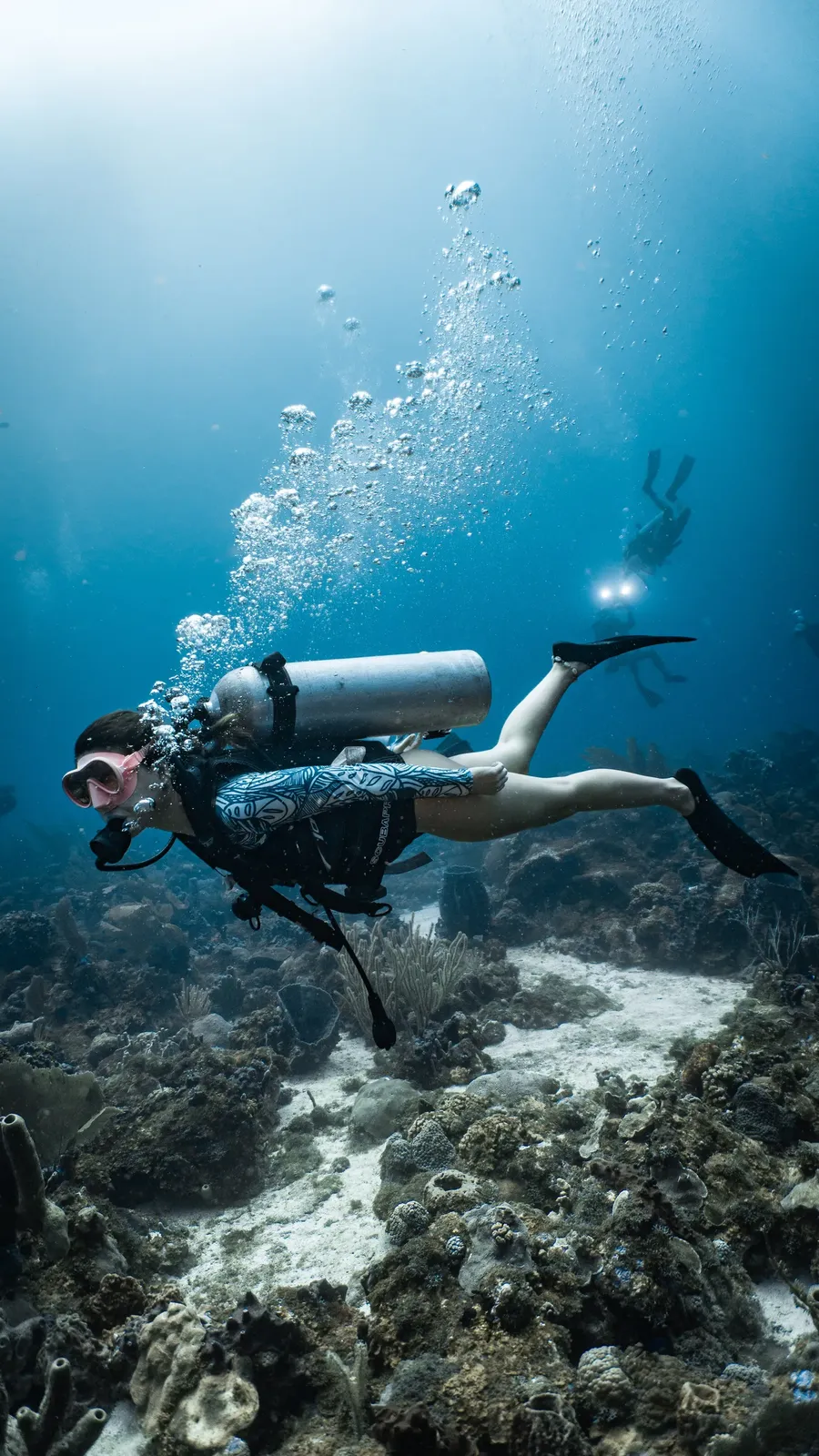
A 10 metros dive site for divers of all levels, including beginners in Isla Fuerte.
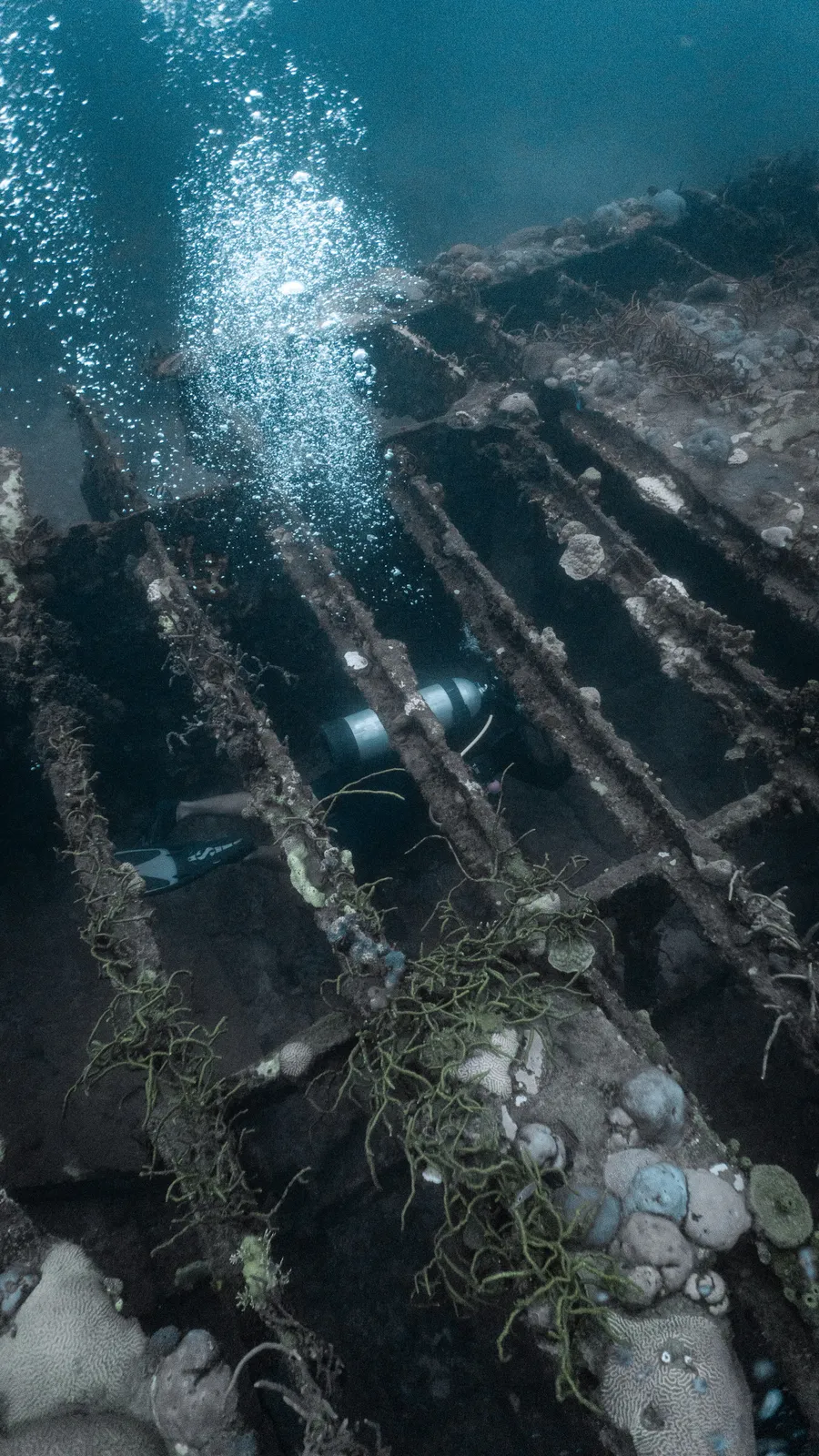
A 6 metros dive site for divers of all levels, including beginners in Isla Fuerte.
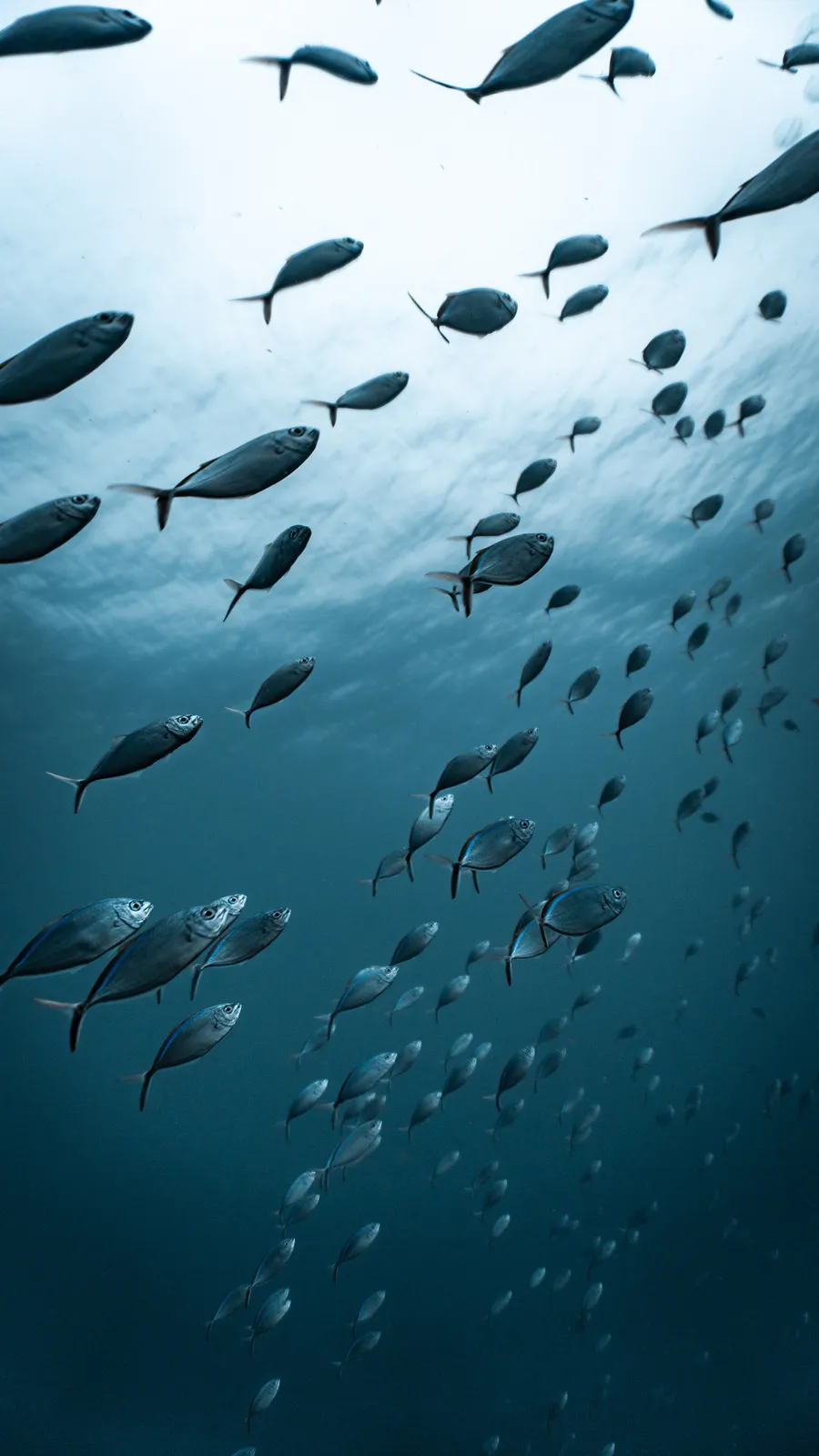
A 8 metros dive site for divers of all levels, including beginners in Isla Fuerte.
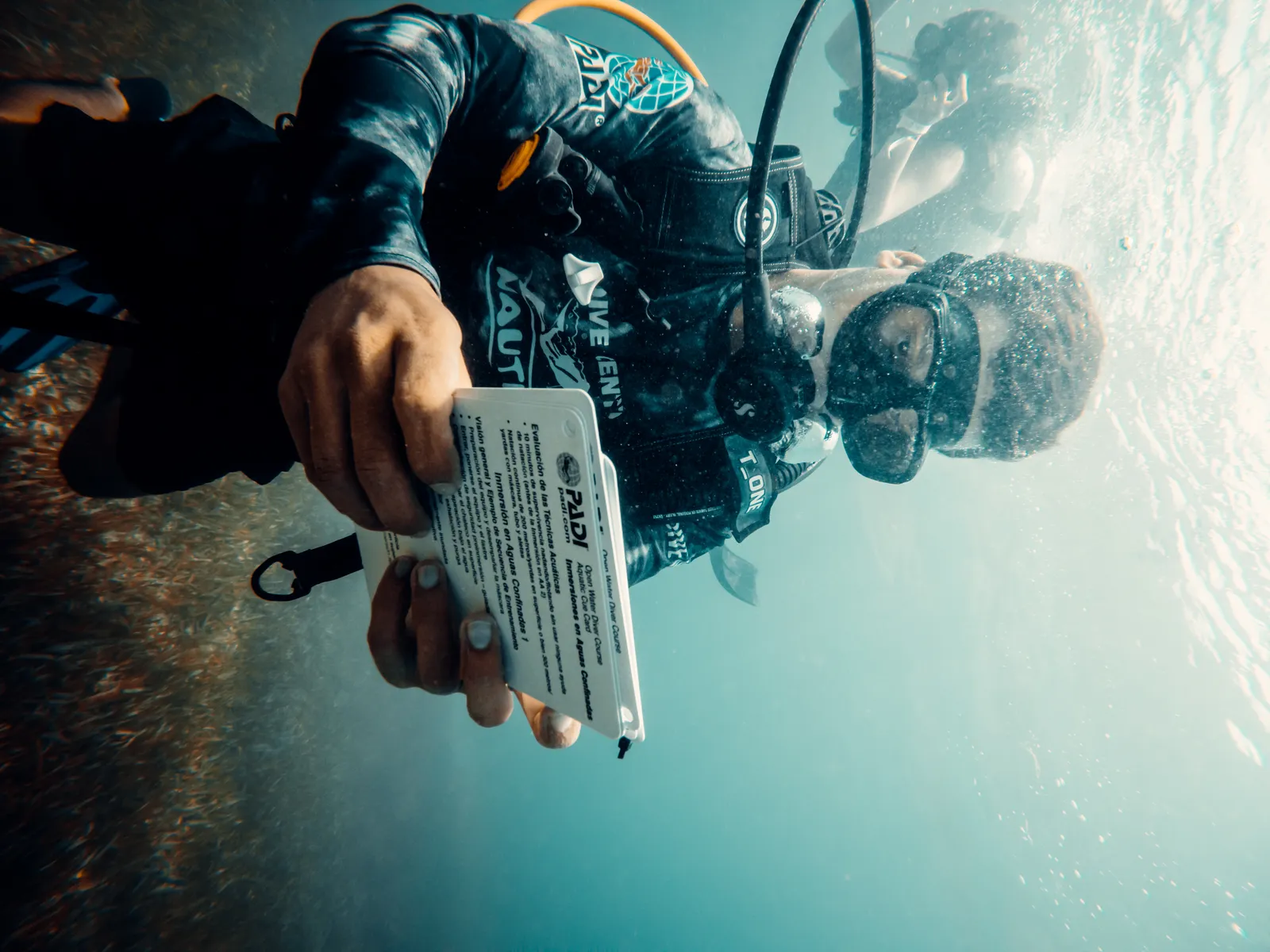
A 10 metros dive site for divers of all levels, including beginners in Isla Fuerte.
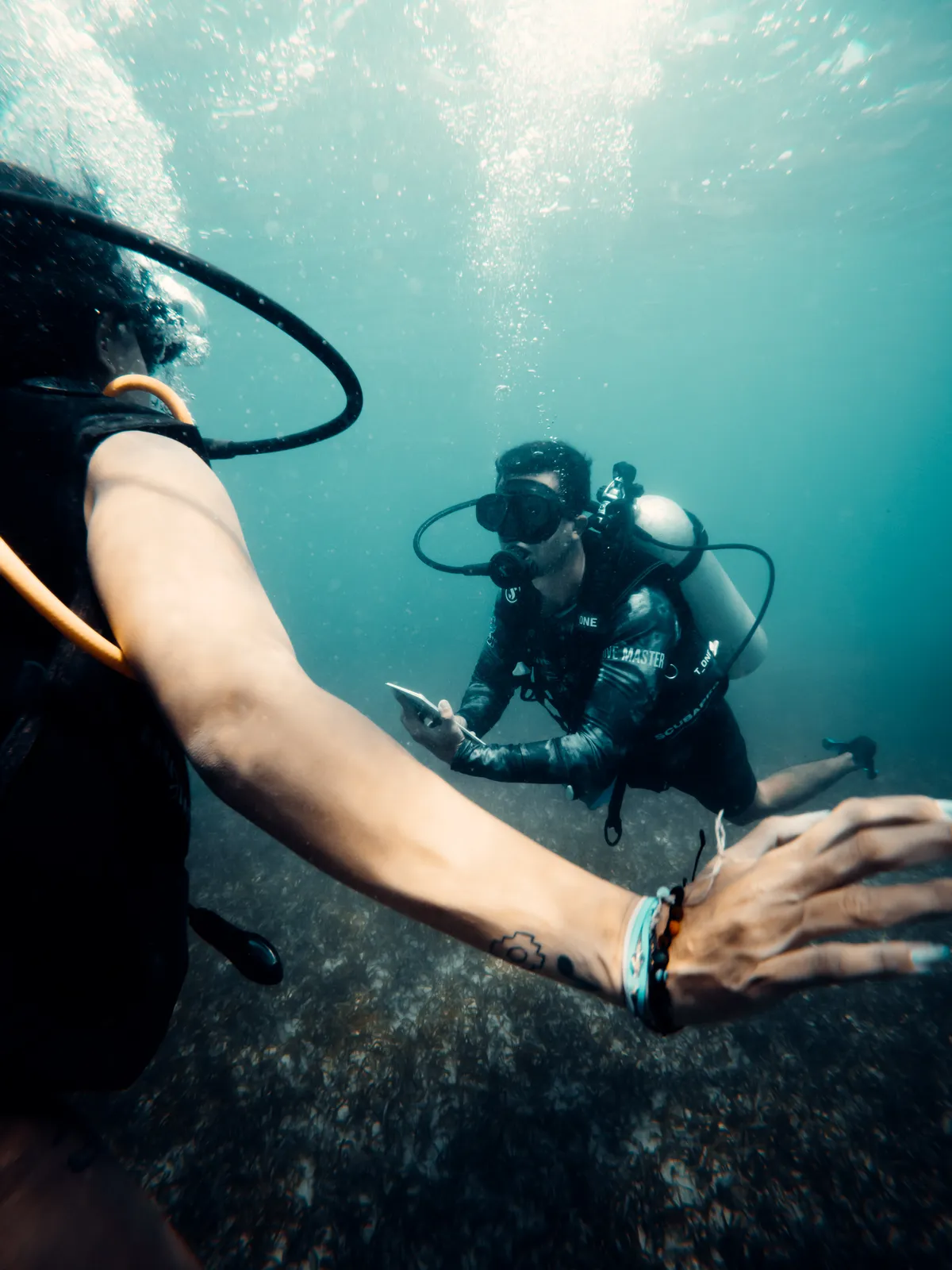
A 15 metros dive site for certified Open Water divers in Isla Fuerte.
A 18 metros dive site for certified Open Water divers in Isla Fuerte.
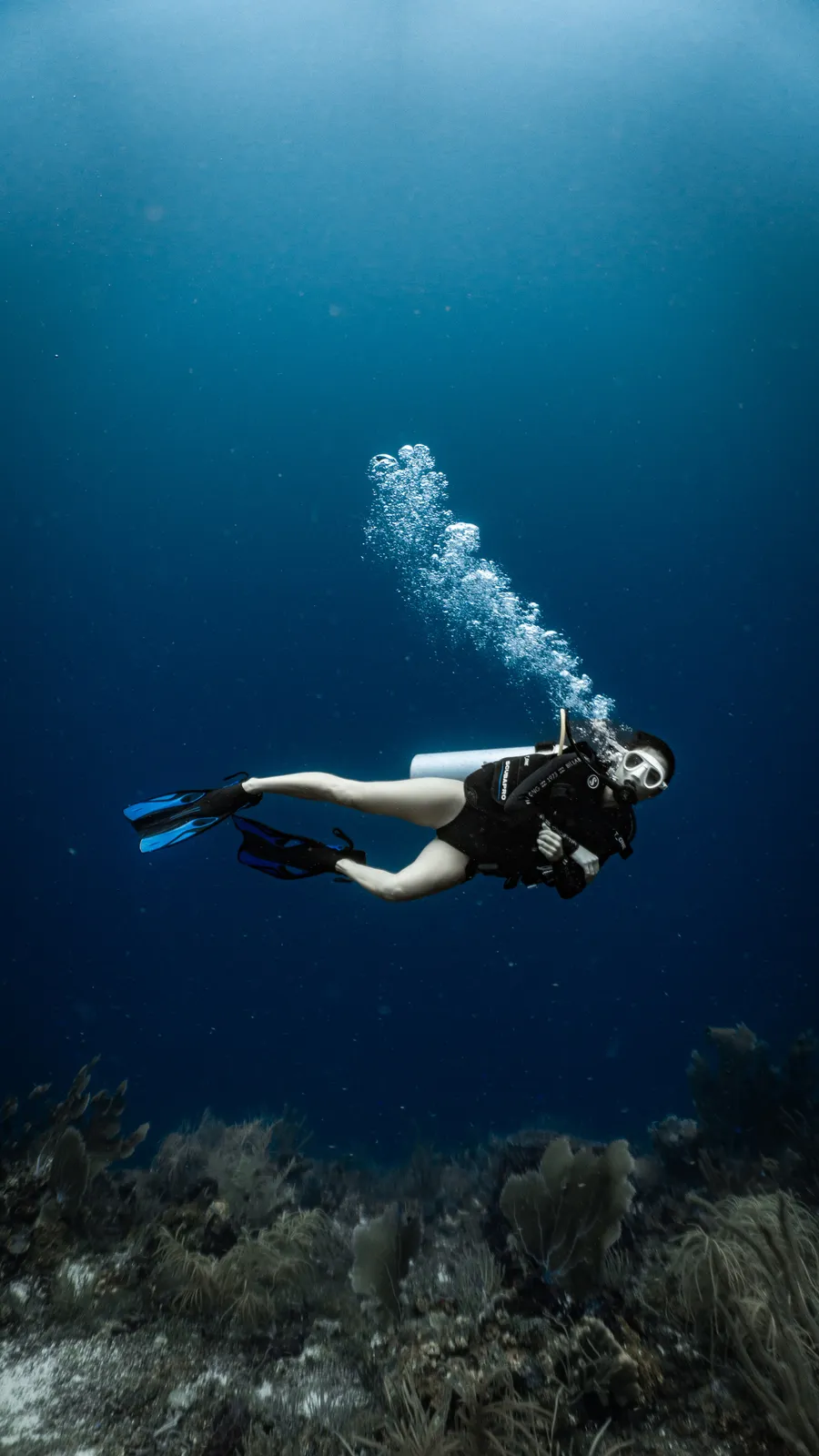
A 21 metros dive site for certified Open Water divers in Isla Fuerte.
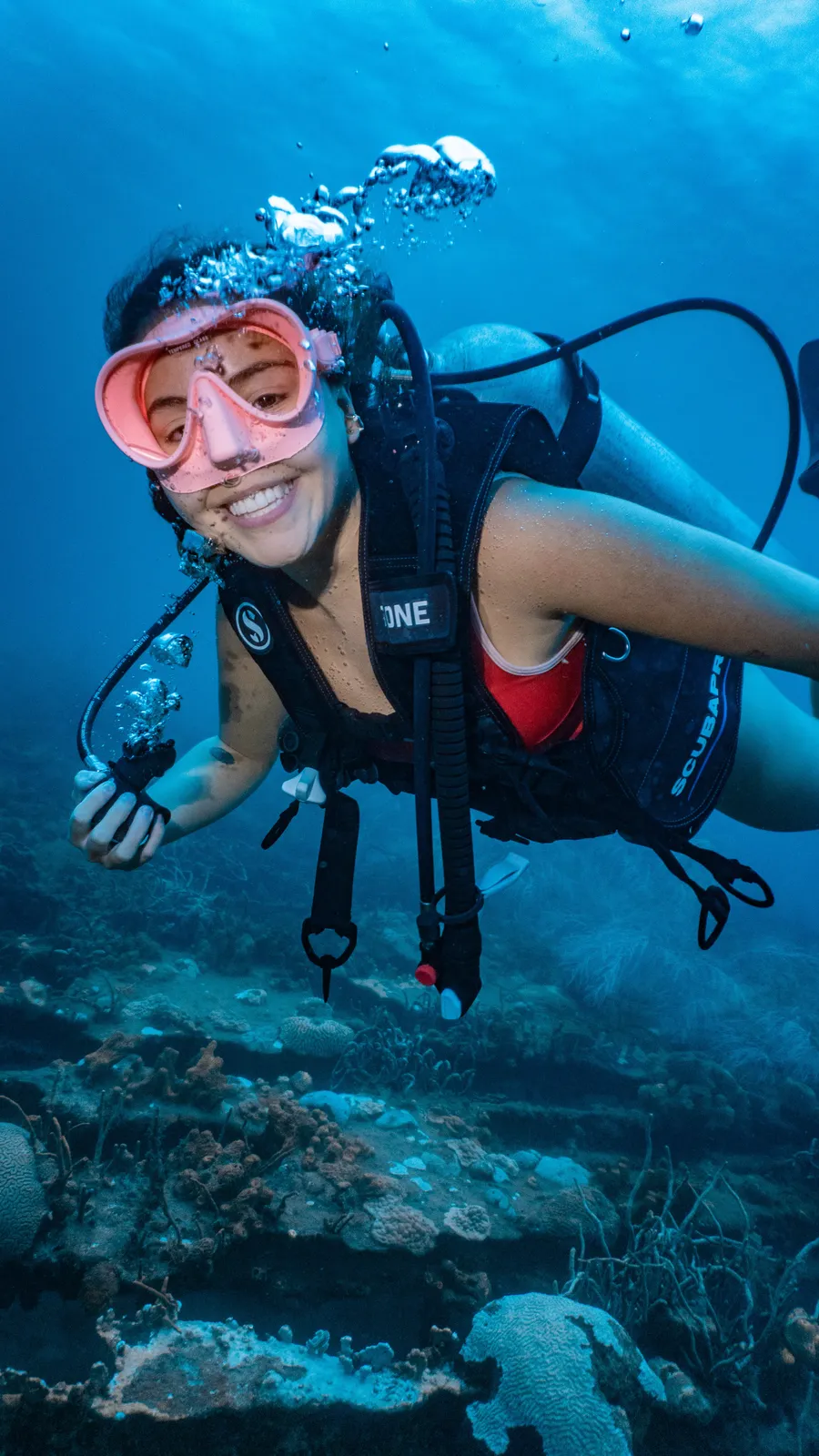
A 16 metros dive site for certified Open Water divers in Isla Fuerte.
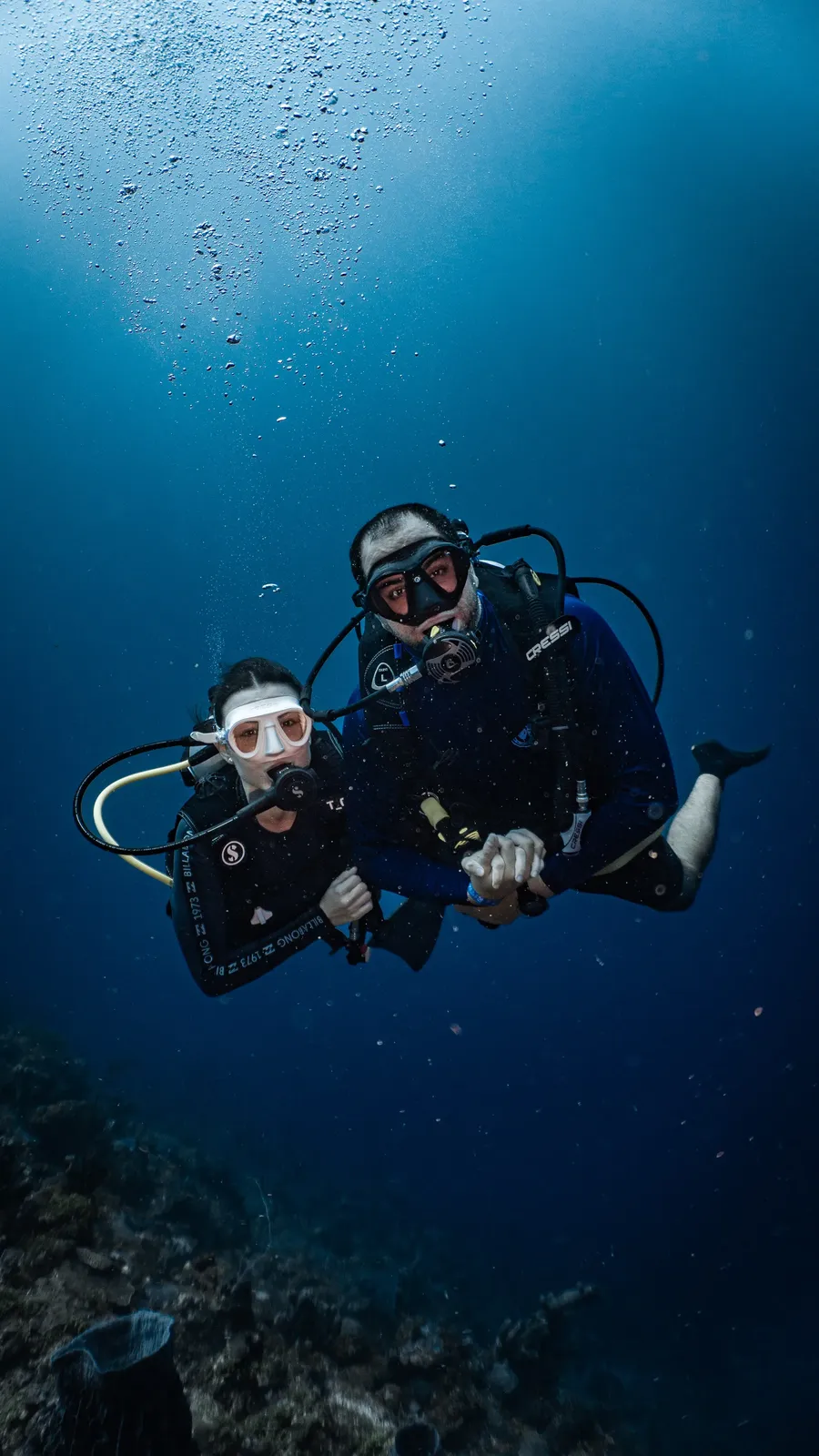
A 20 metros dive site for certified Open Water divers in Isla Fuerte.
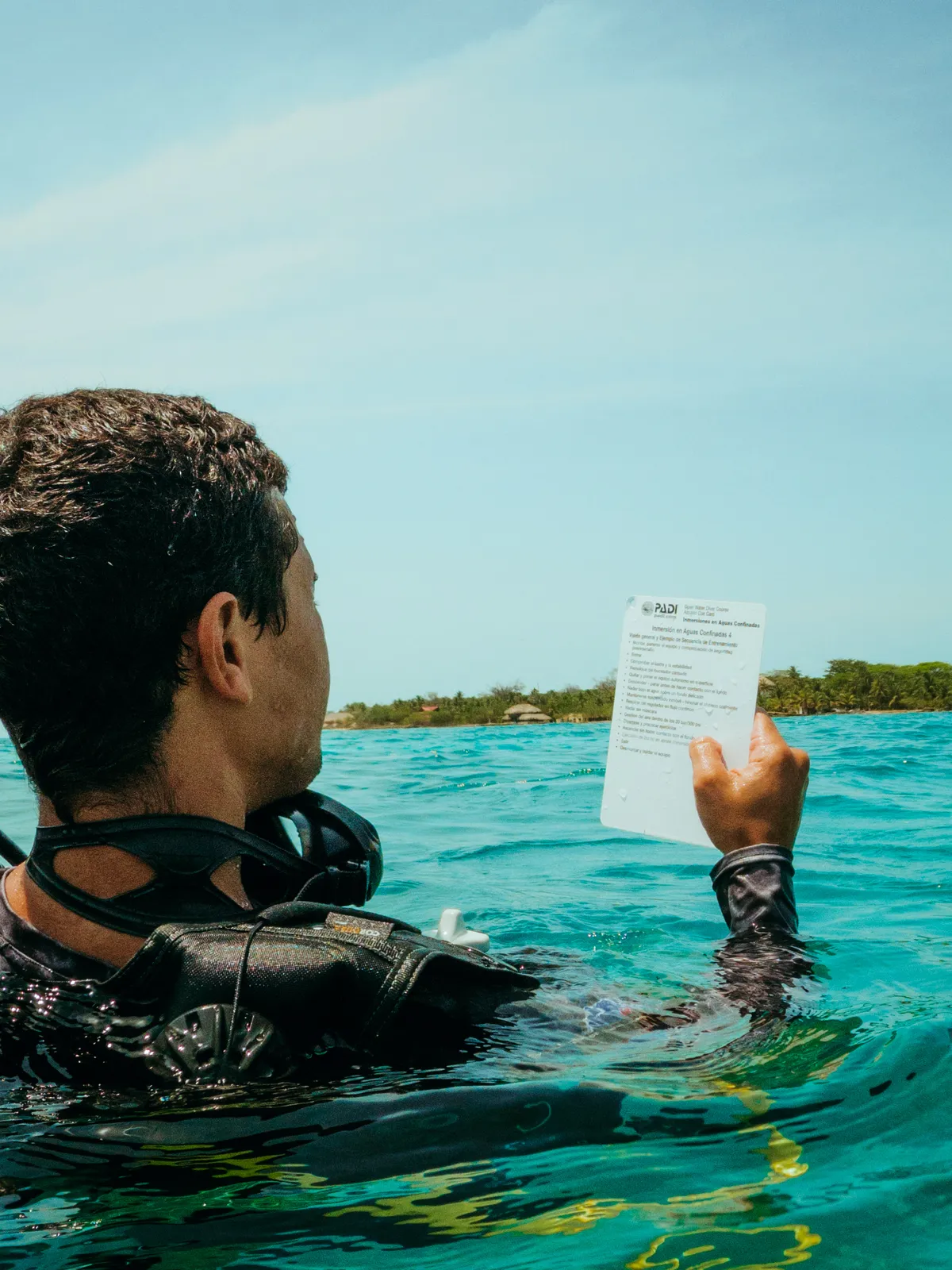
A 18 metros dive site for certified Open Water divers in Isla Fuerte.
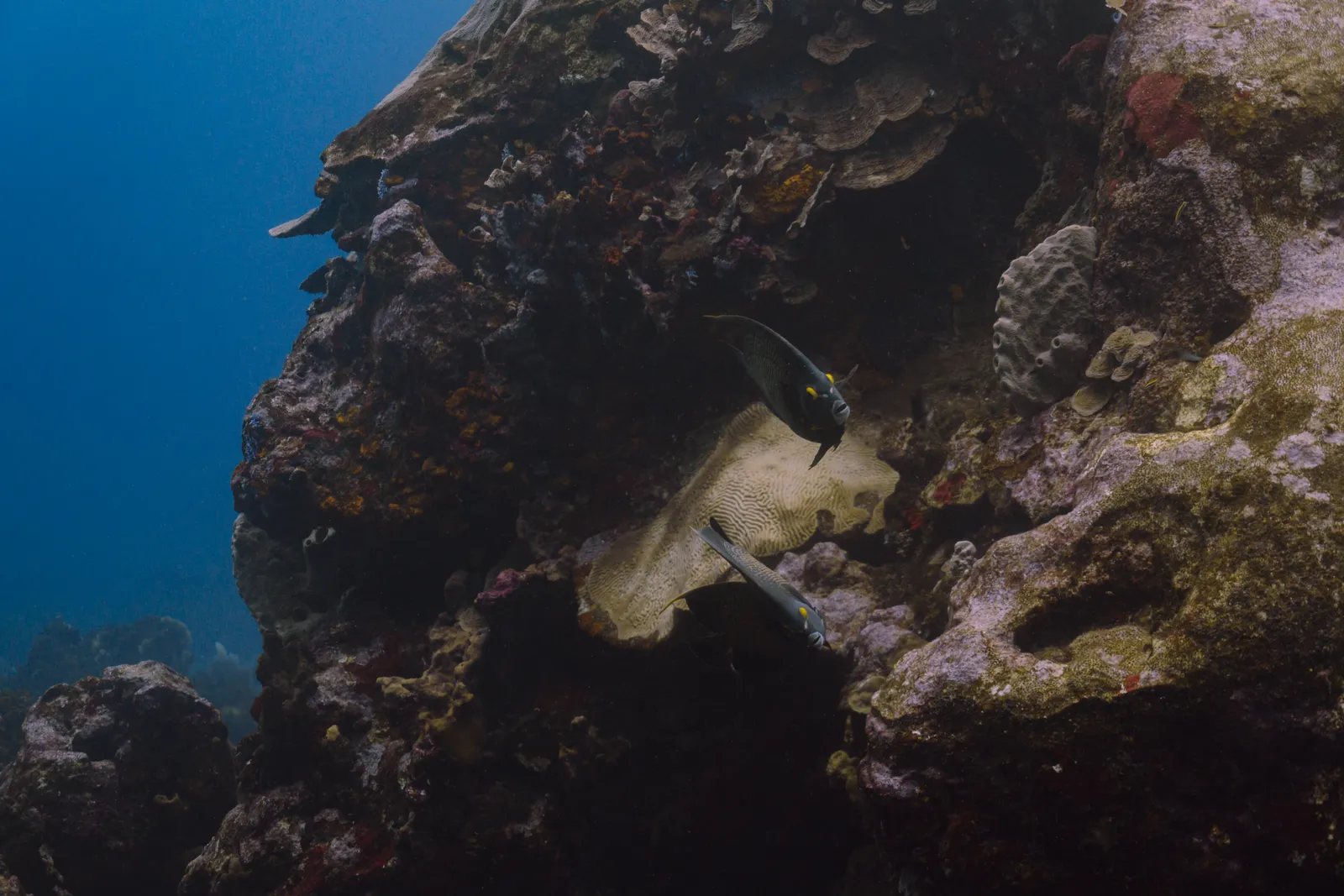
A 10 metros dive site for certified Open Water divers in Isla Fuerte.
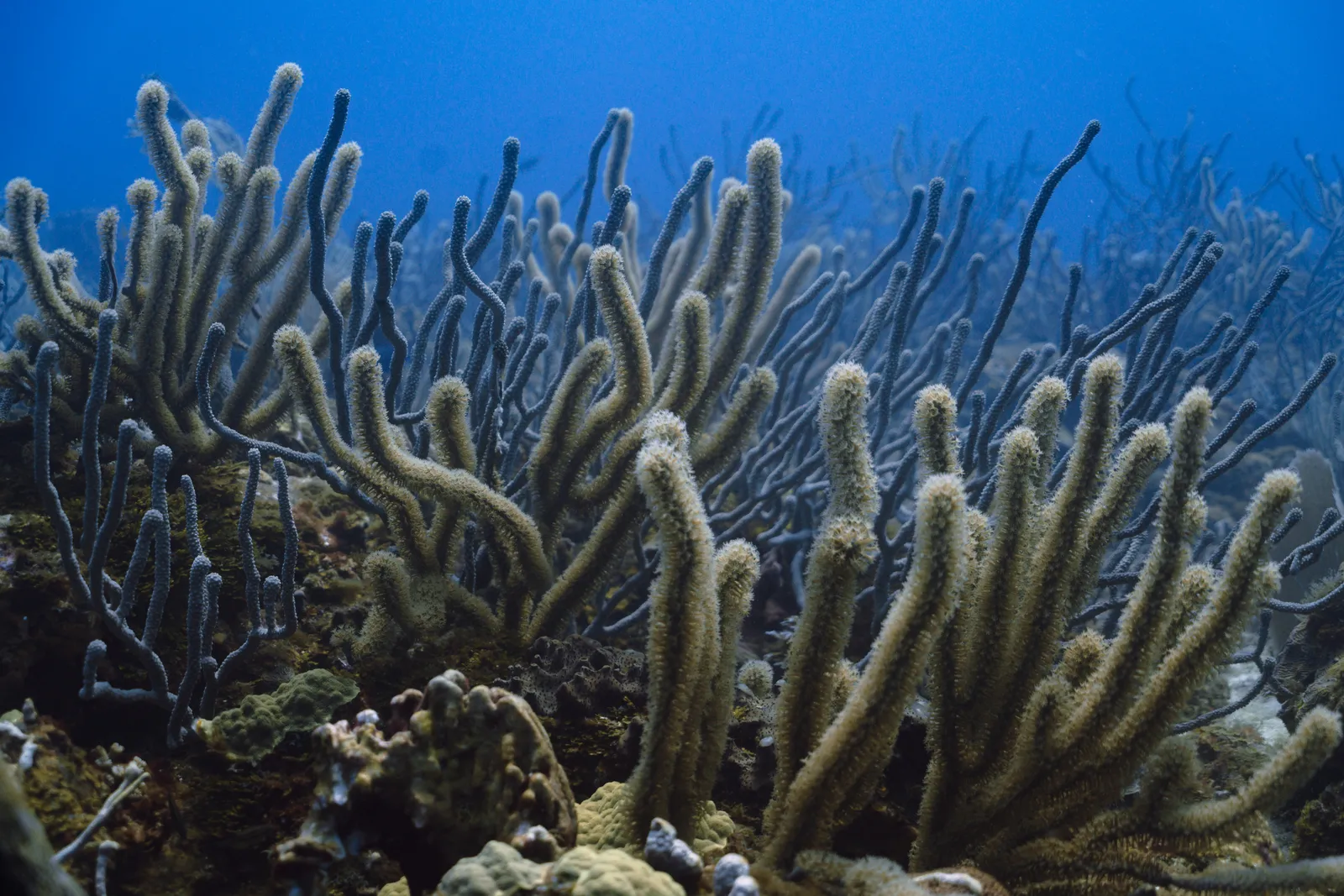
A 18 metros dive site for certified Open Water divers in Isla Fuerte.
A 8 metros dive site for certified Open Water divers in Isla Fuerte.
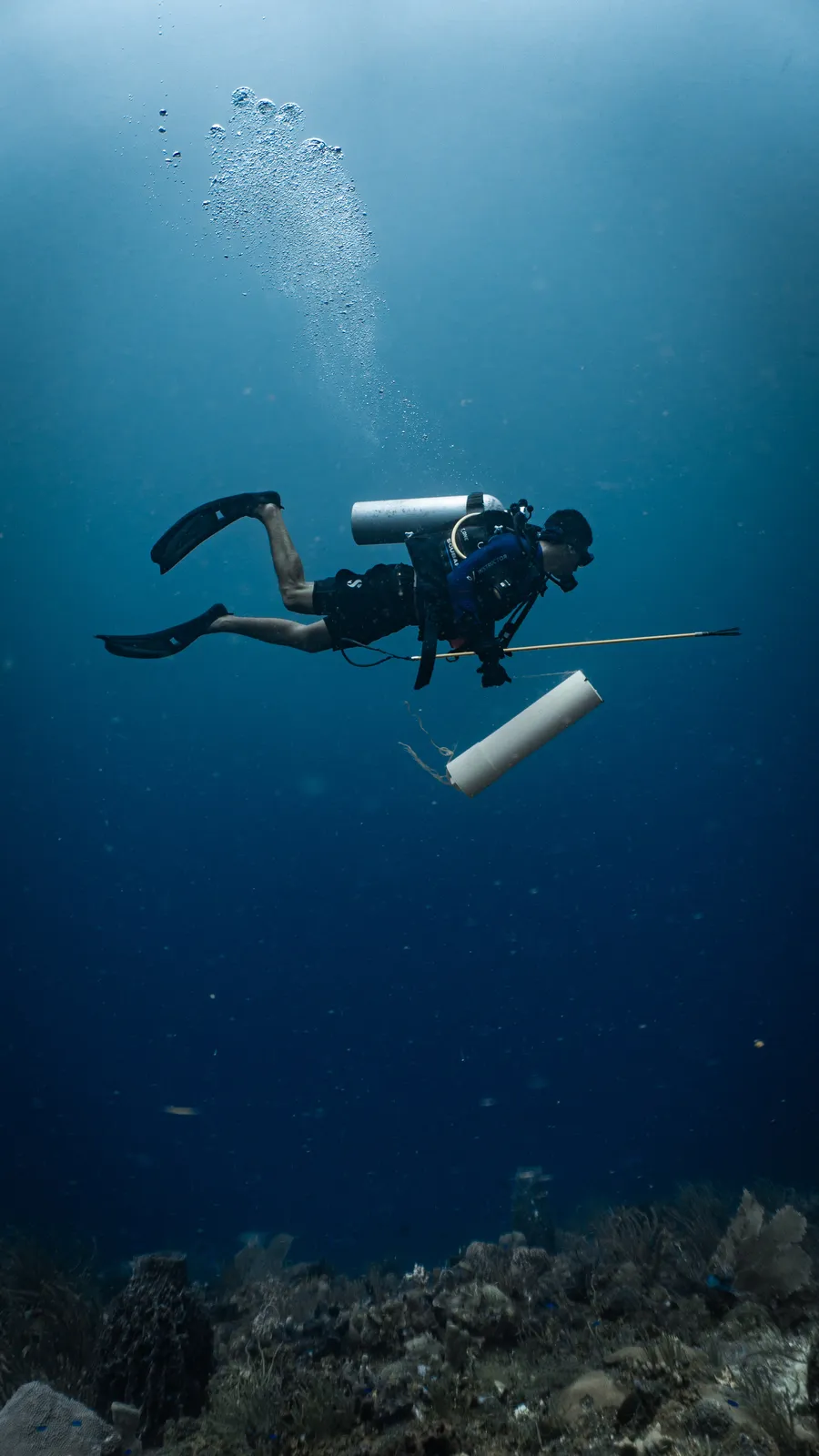
A 12 metros dive site for certified Open Water divers in Isla Fuerte.
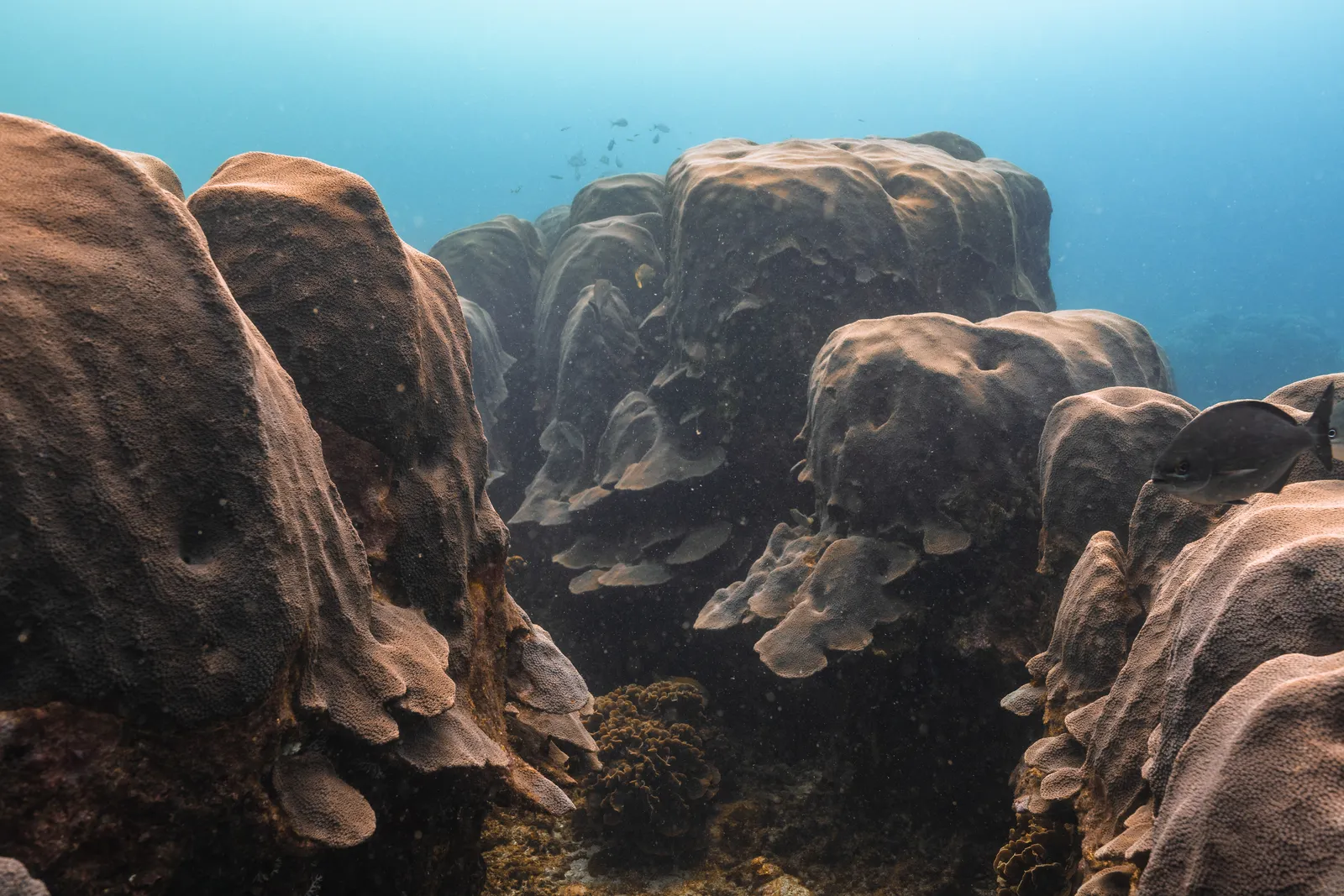
A 18 - 30 metros dive site for advanced divers in Isla Fuerte.
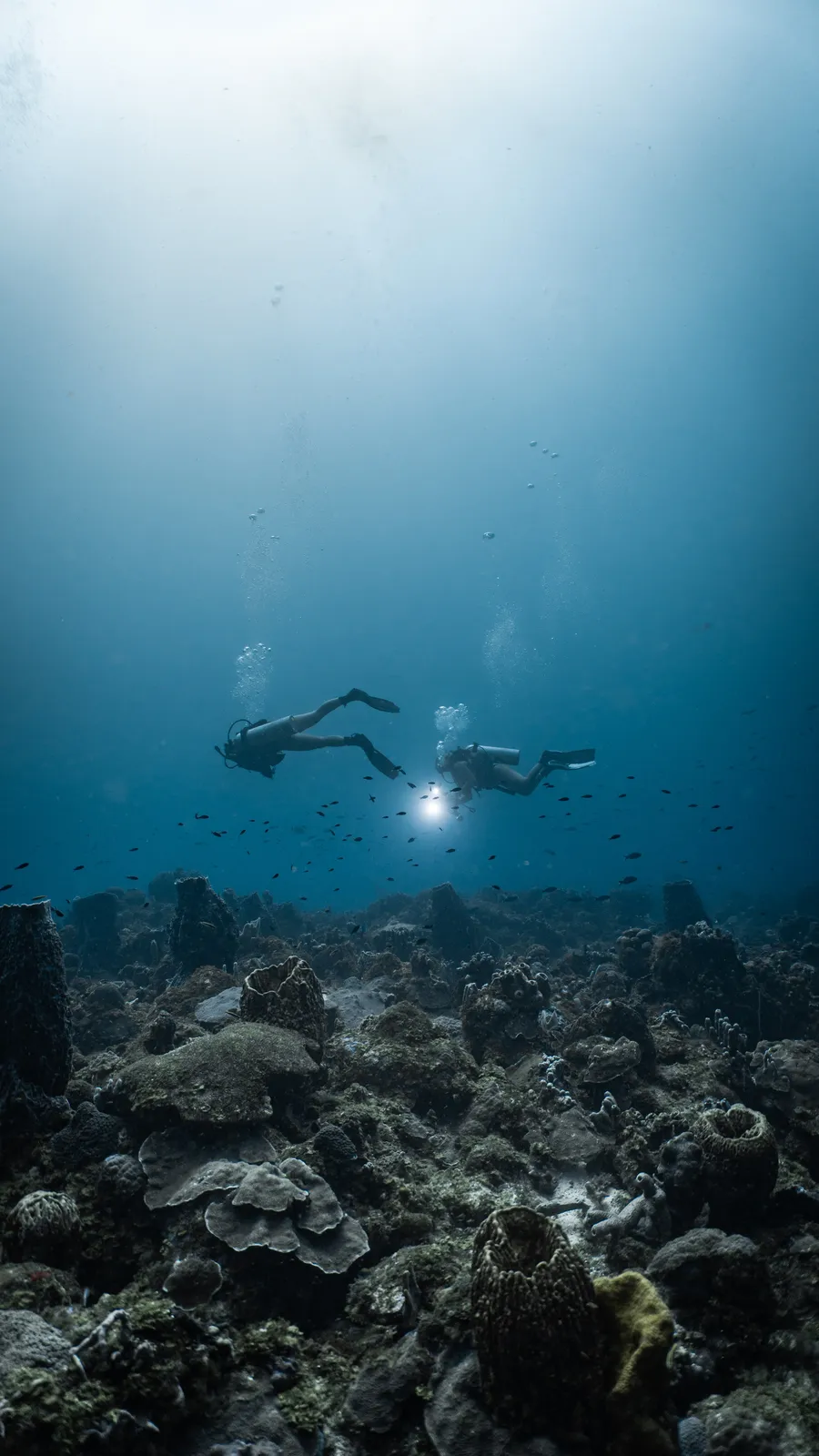
A 38 metros dive site for advanced divers in Isla Fuerte.
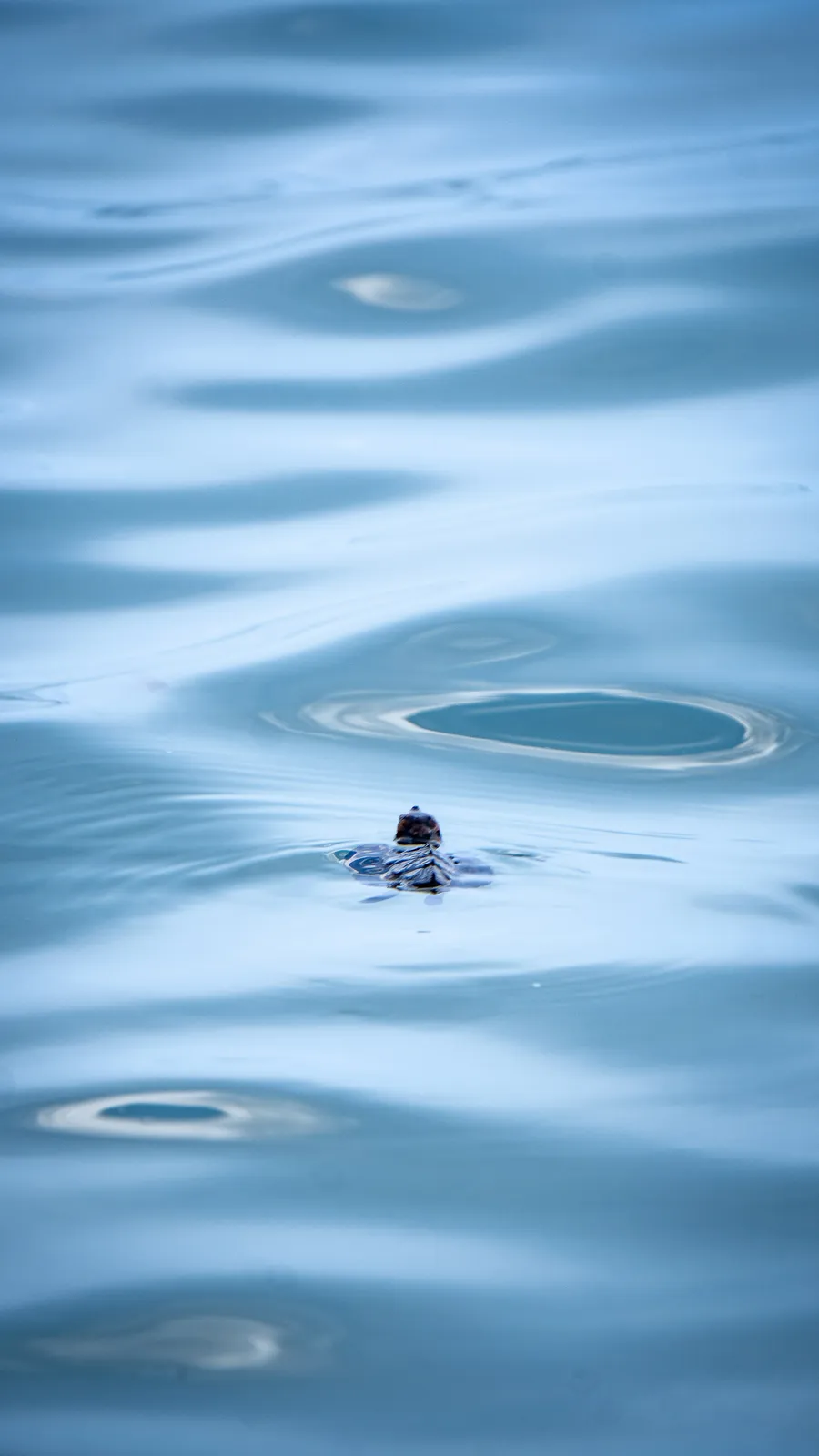
A 18 - 30 metros dive site for advanced divers in Isla Fuerte.
A 15 metros dive site for advanced divers in Isla Fuerte.
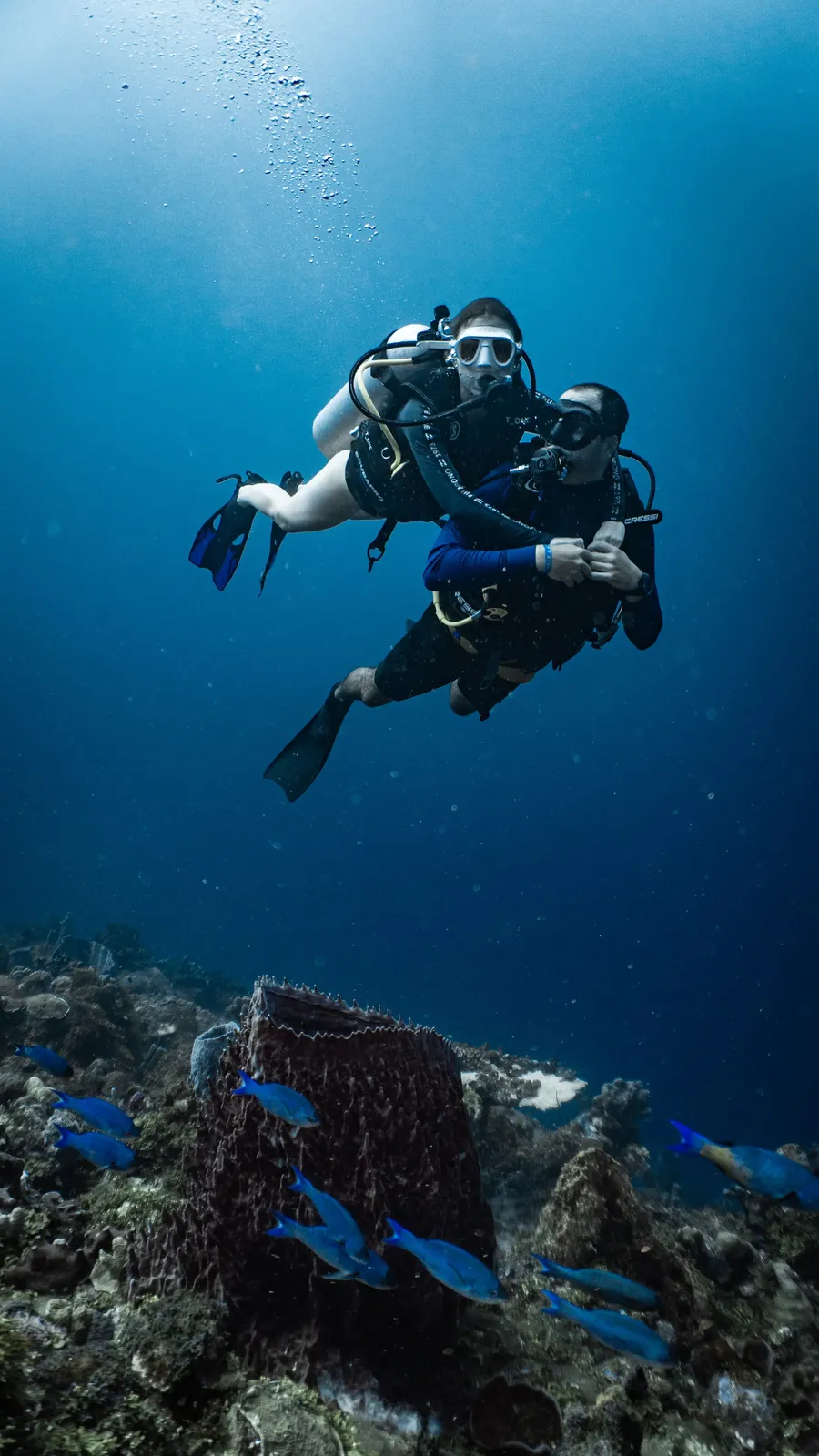
A 18 - 30 metros dive site for advanced divers in Isla Fuerte.
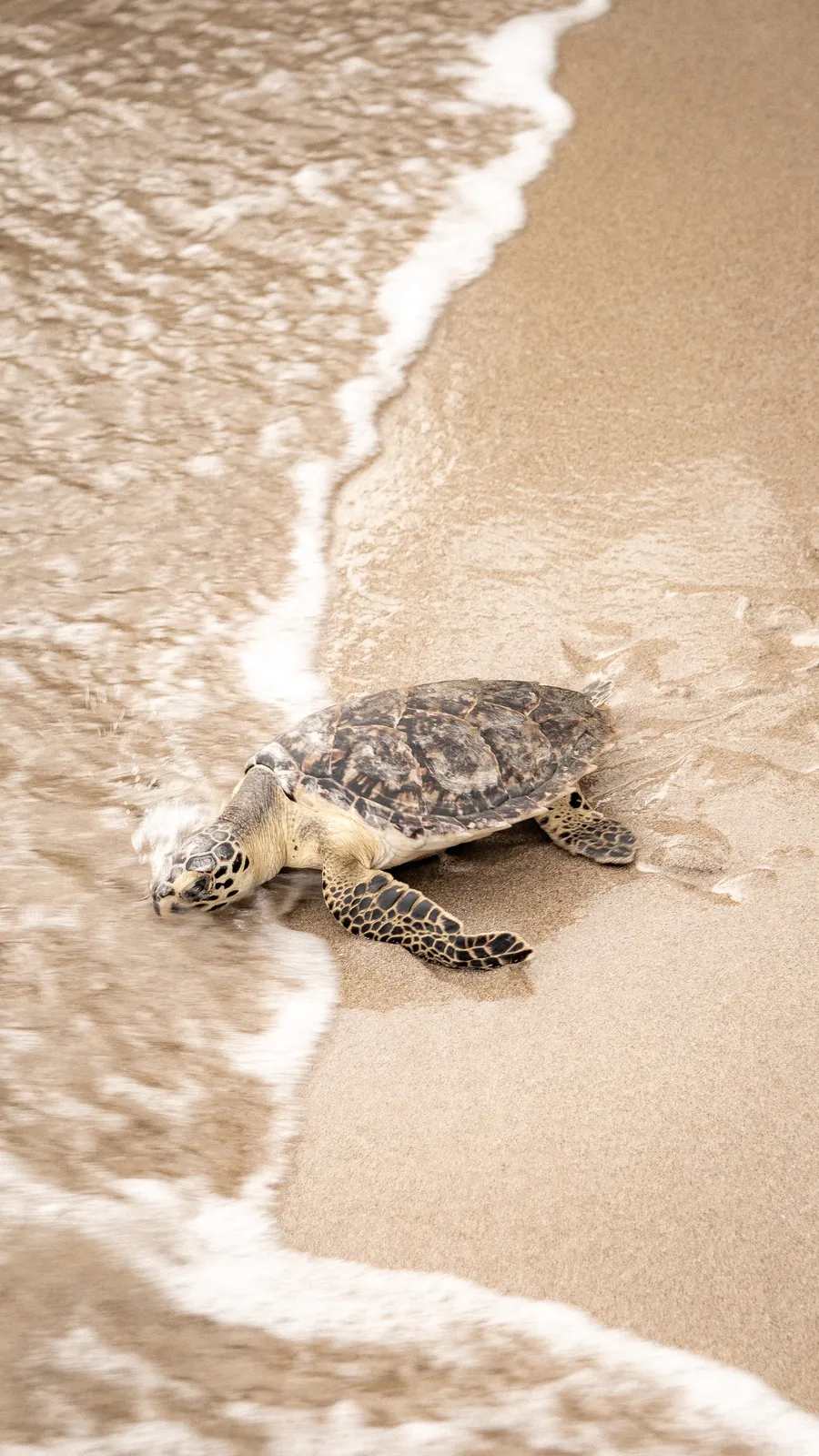
A 15 metros dive site for advanced divers in Isla Fuerte.
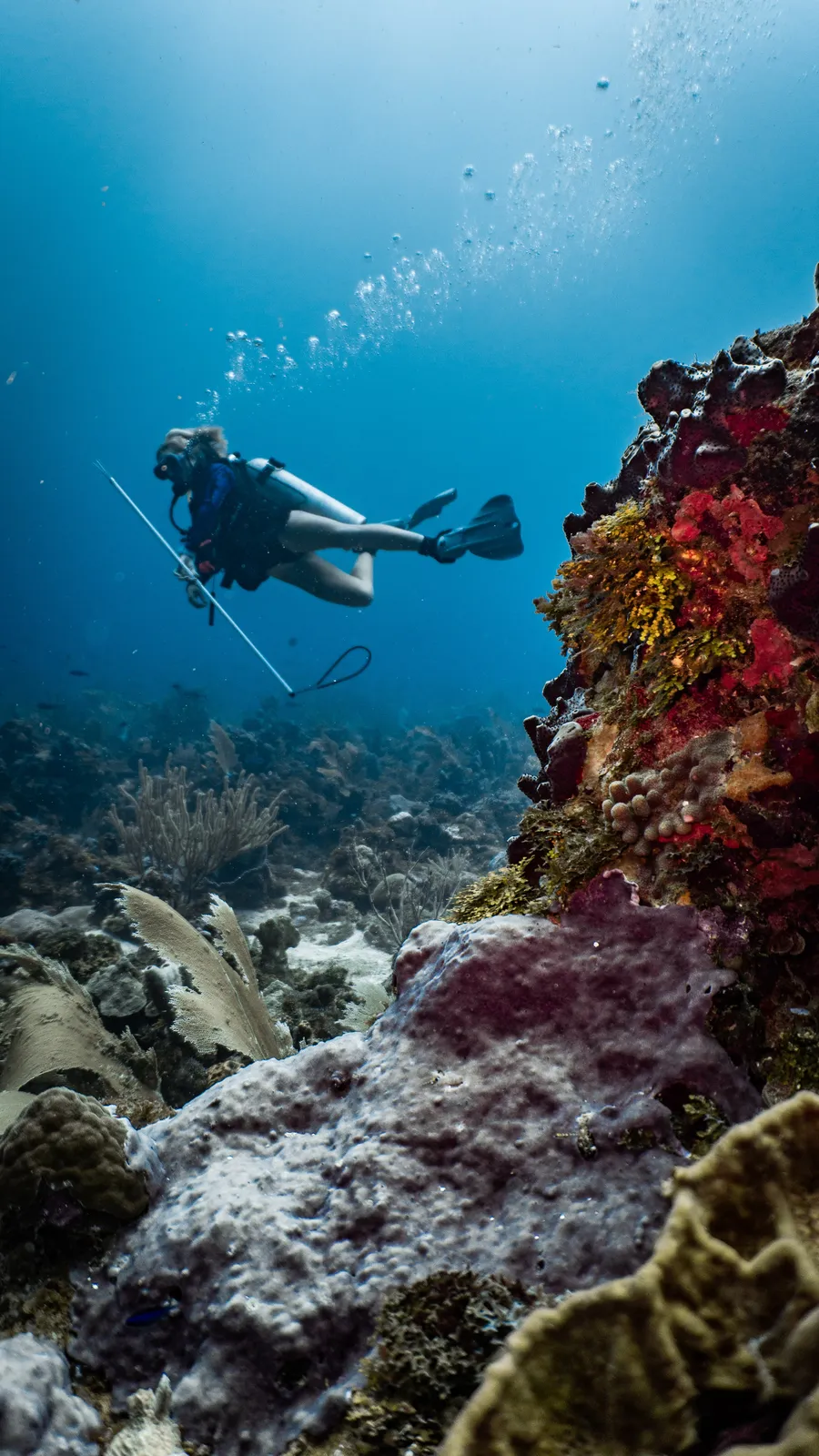
A 18 - 30 metros dive site for advanced divers in Isla Fuerte.
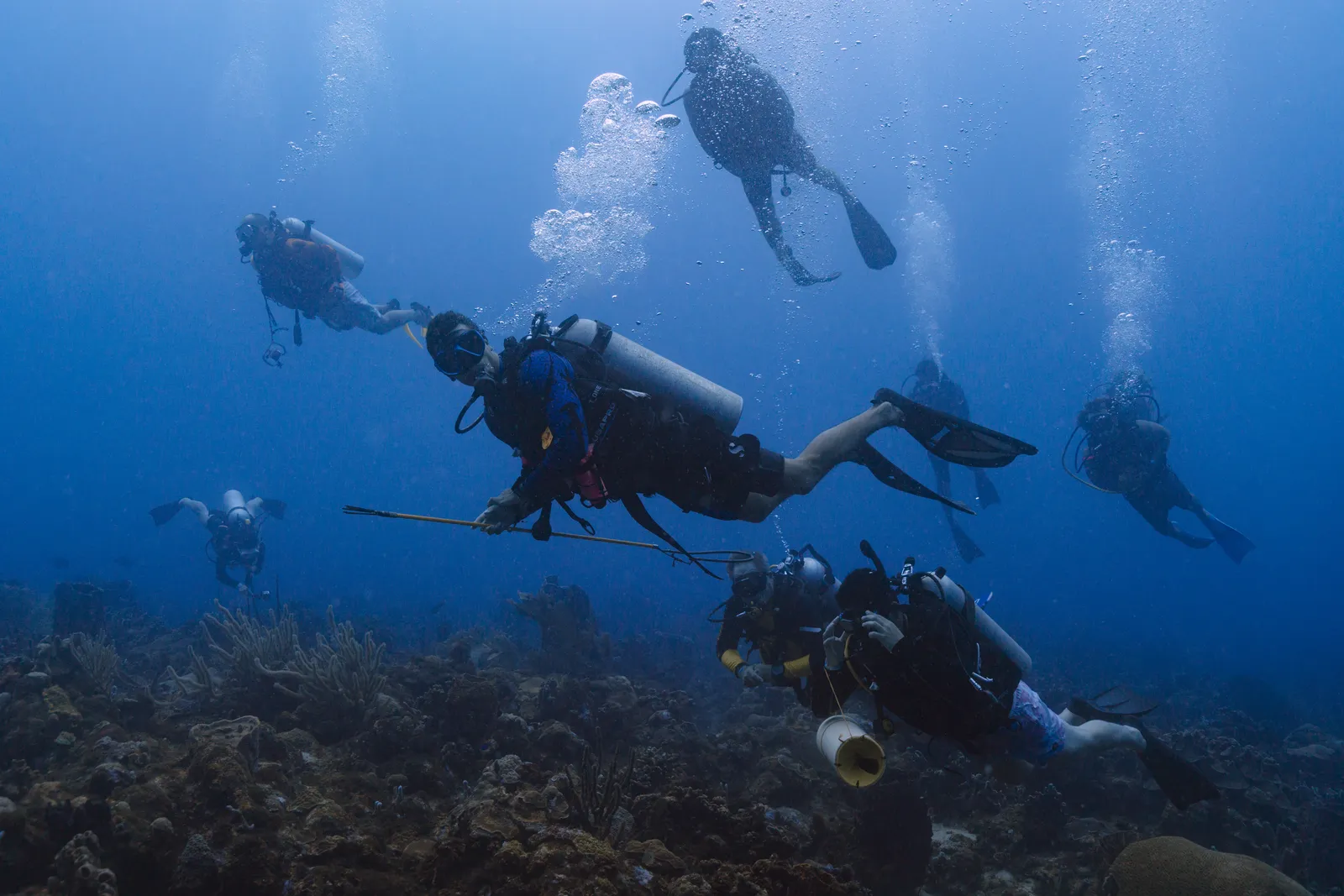
A 17 metros dive site for advanced divers in Isla Fuerte.
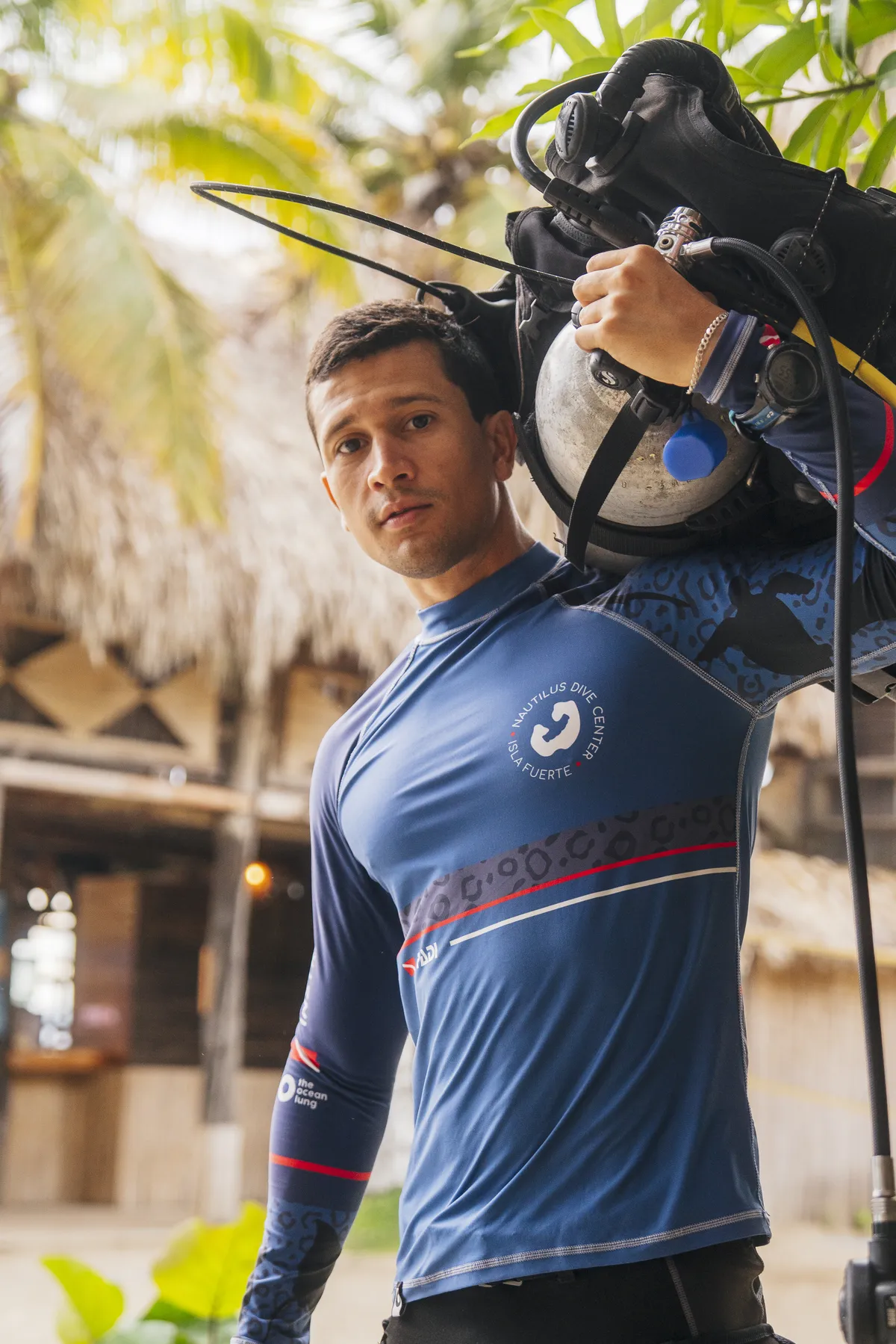
A 14 metros dive site for advanced divers in Isla Fuerte.
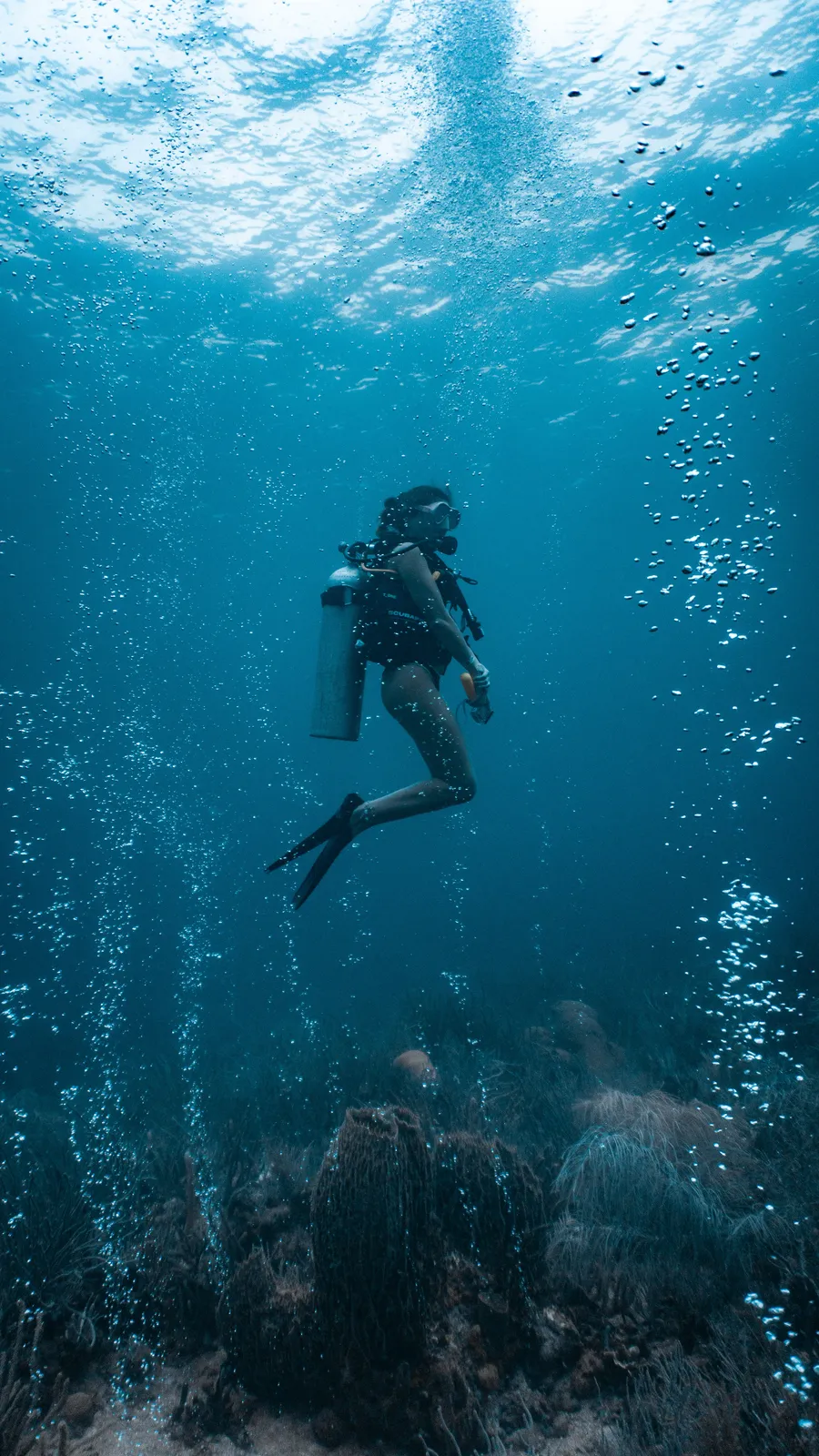
A 18 - 30 metros dive site for advanced divers in Isla Fuerte.
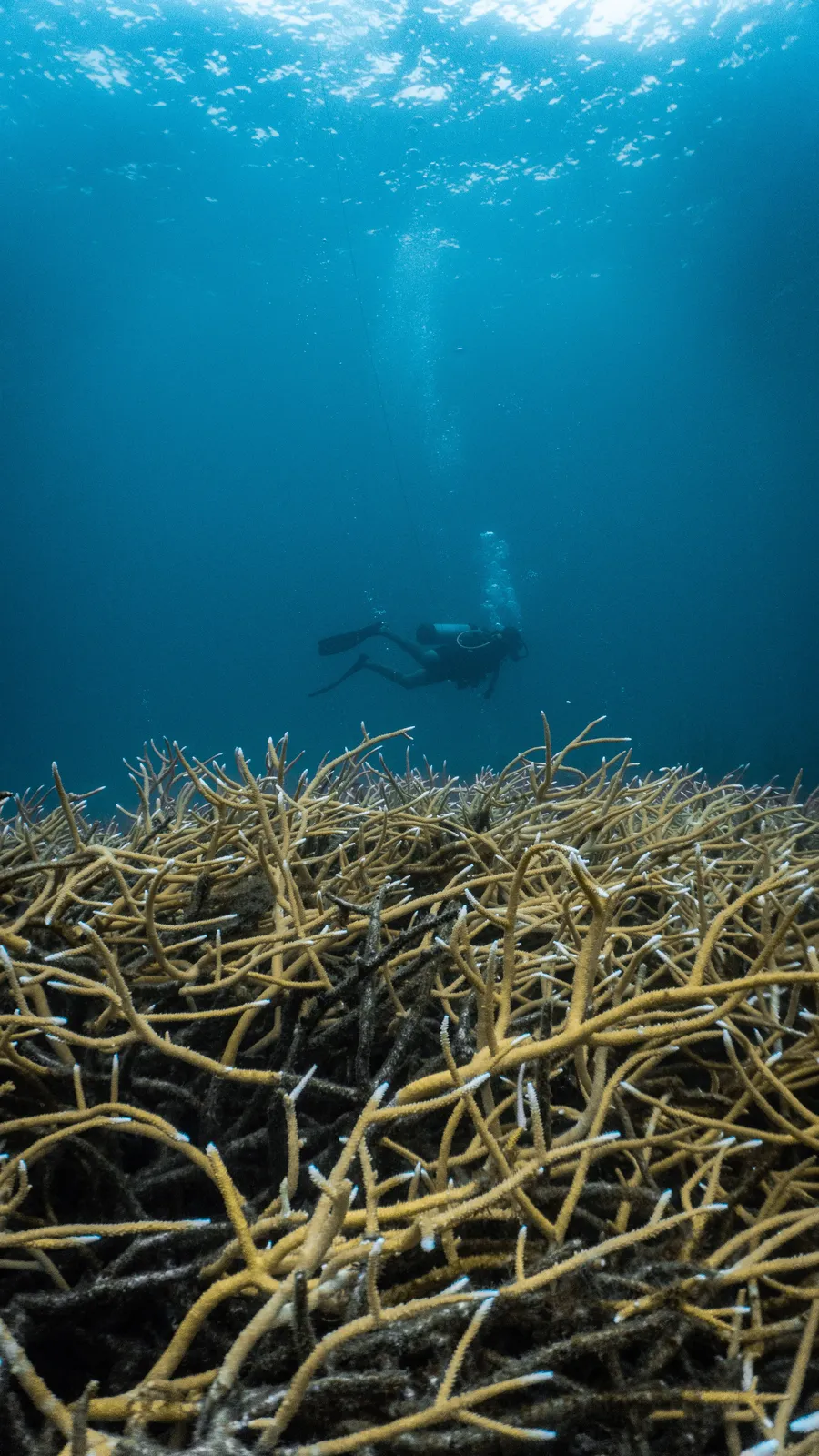
A 18 - 30 metros dive site for advanced divers in Isla Fuerte.
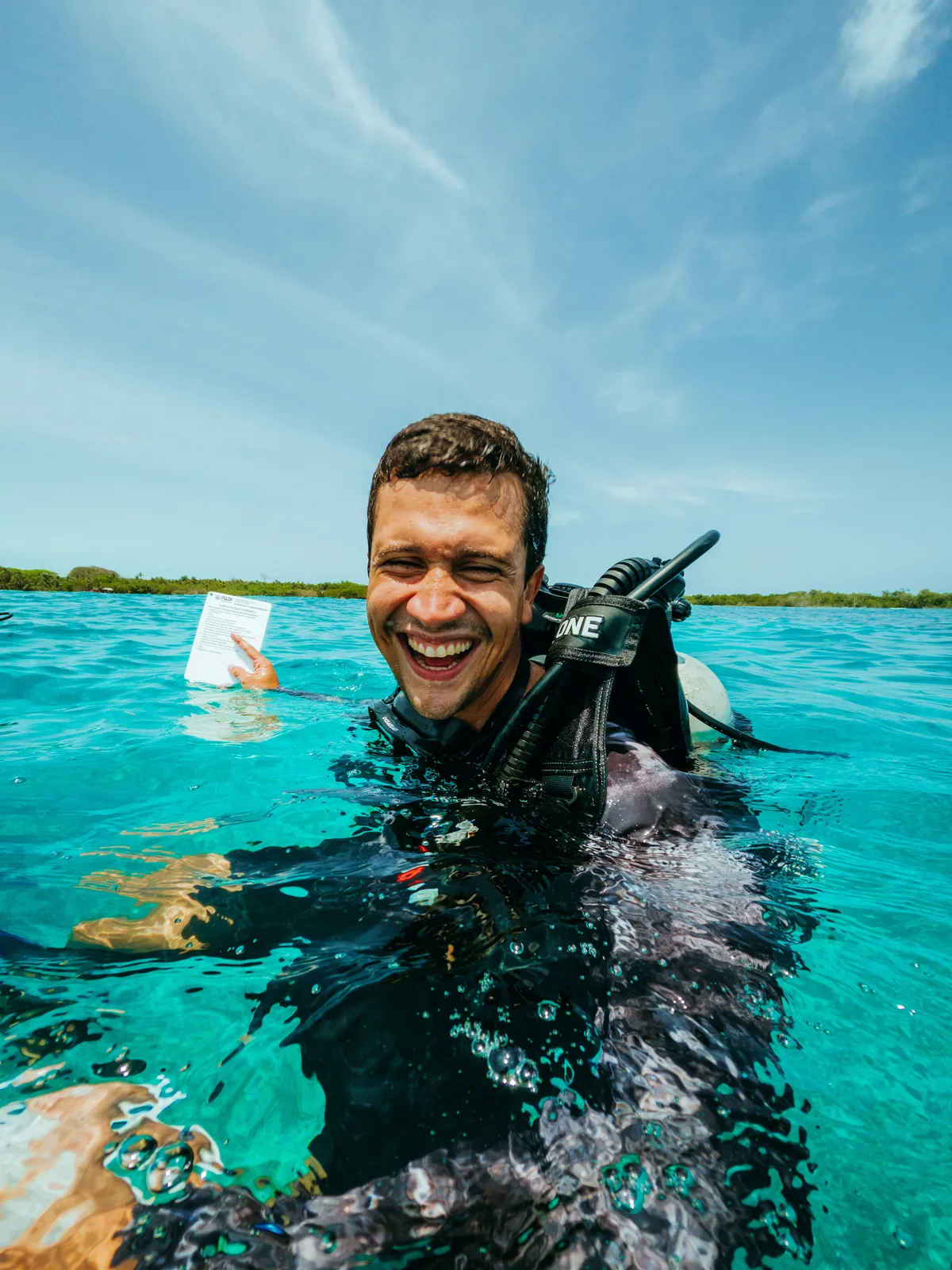
A 13 metros dive site for advanced divers in Isla Fuerte.
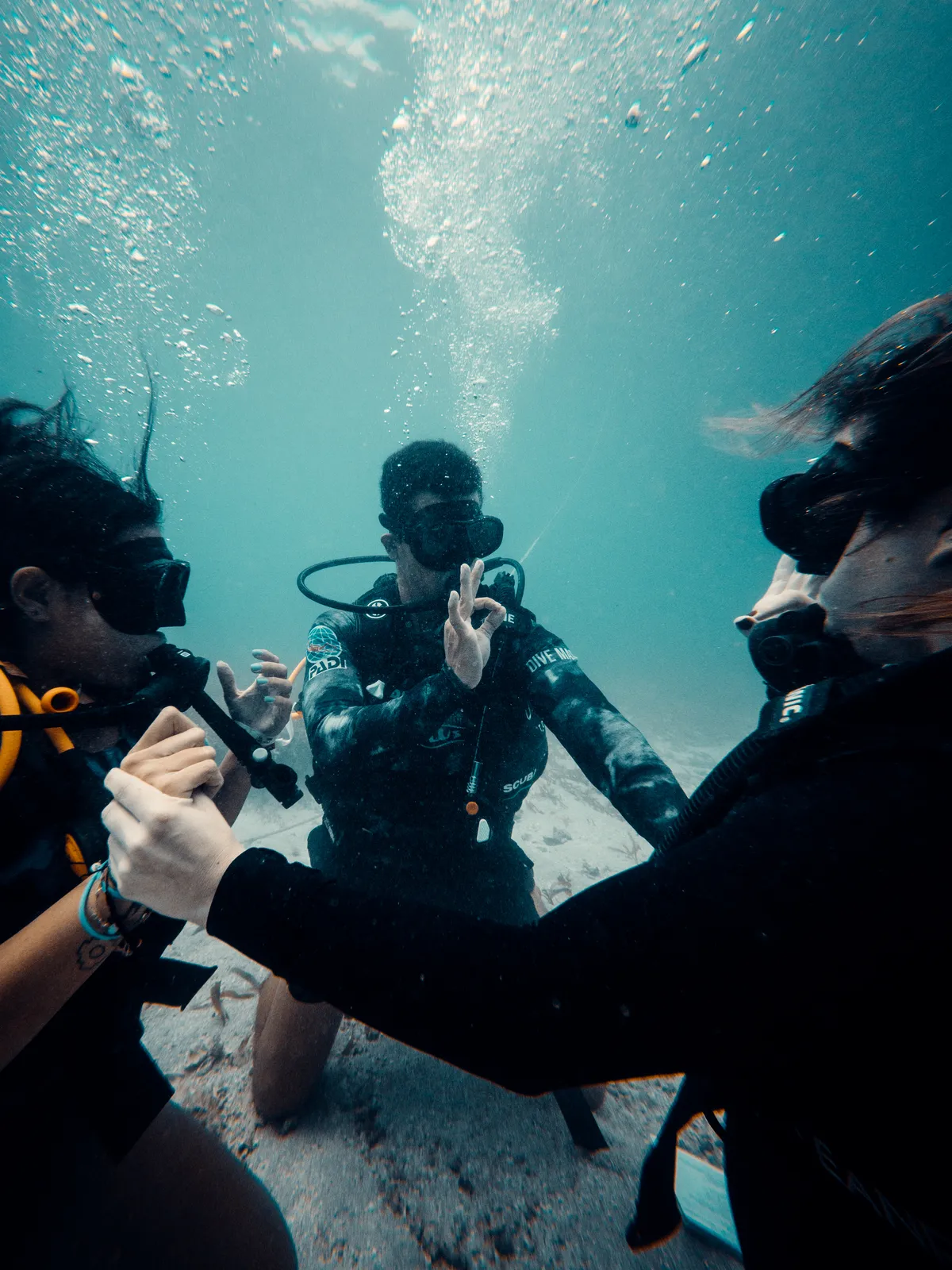
A 18 - 30 metros dive site for advanced divers in Isla Fuerte.
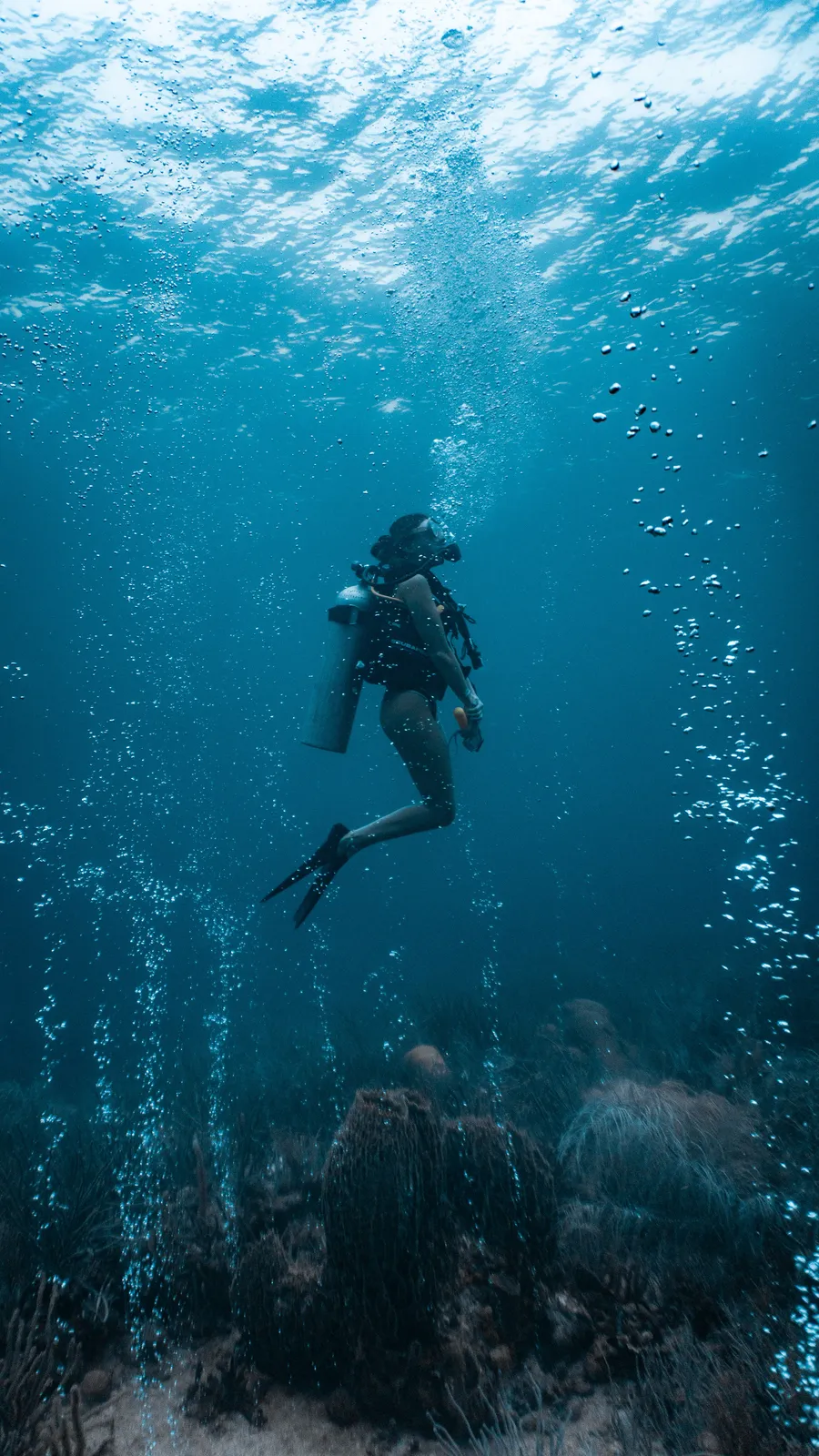
A 18 - 30 metros dive site for advanced divers in Isla Fuerte.
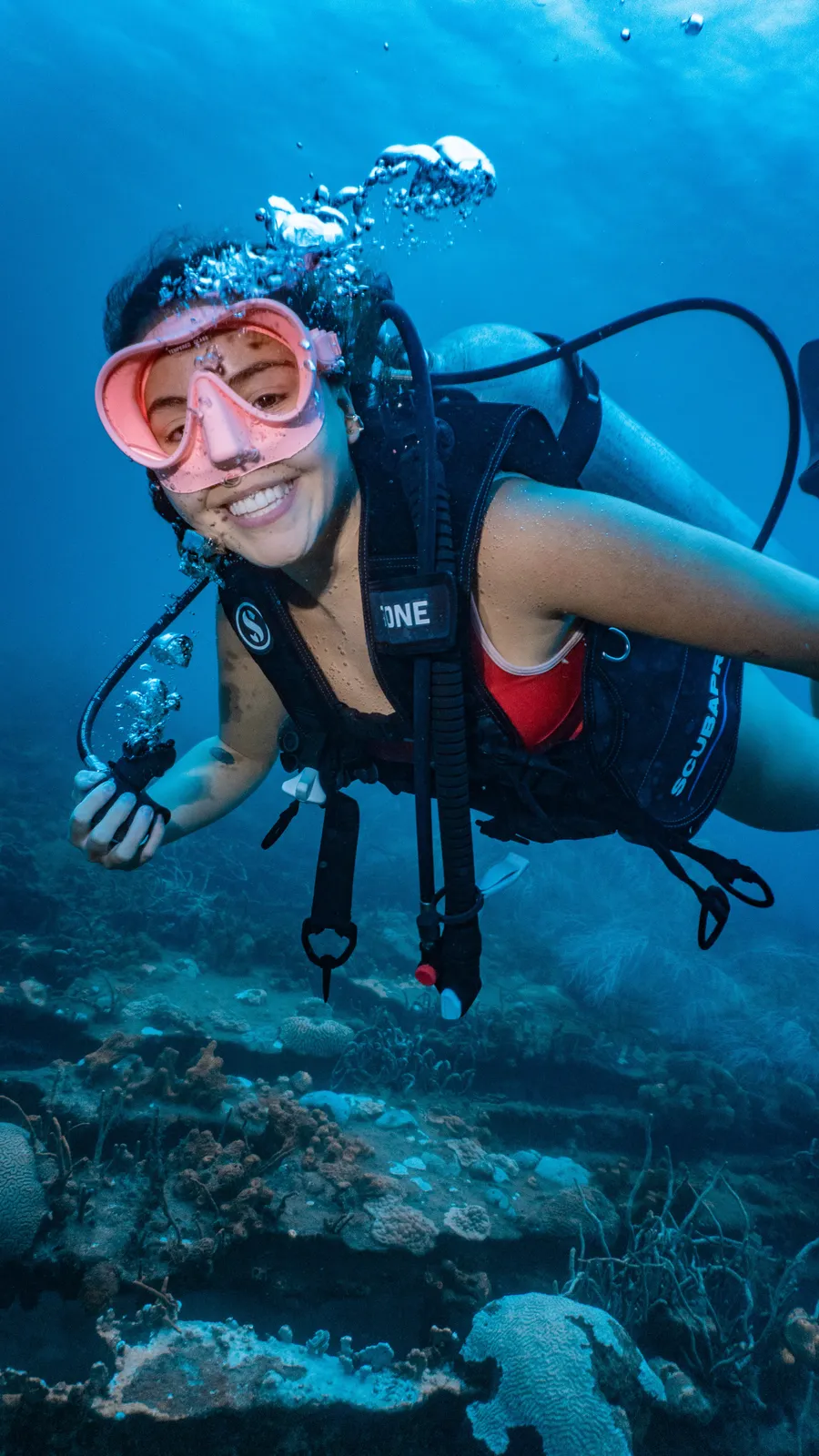
A 18 - 30 metros dive site for advanced divers in Isla Fuerte.
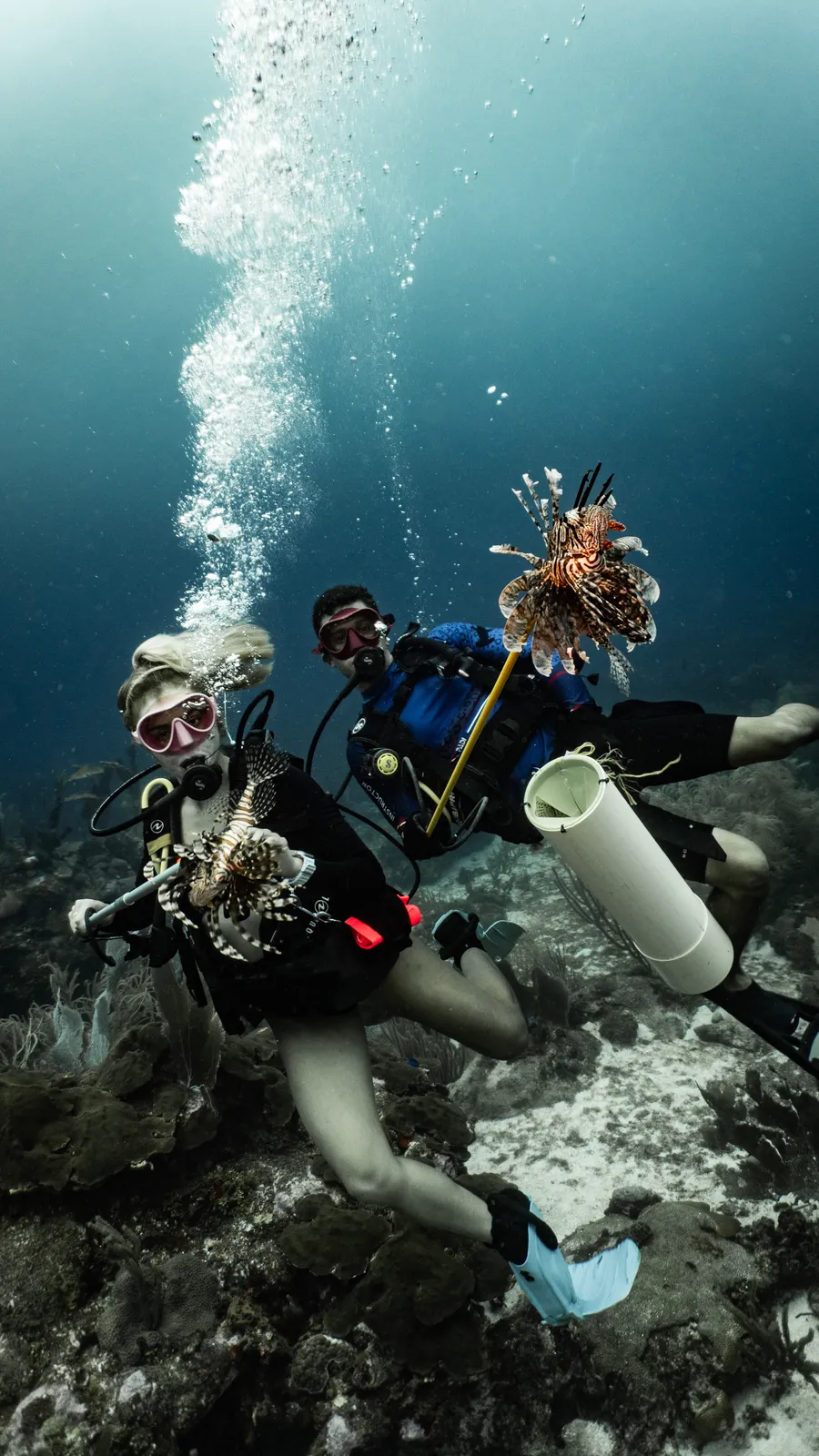
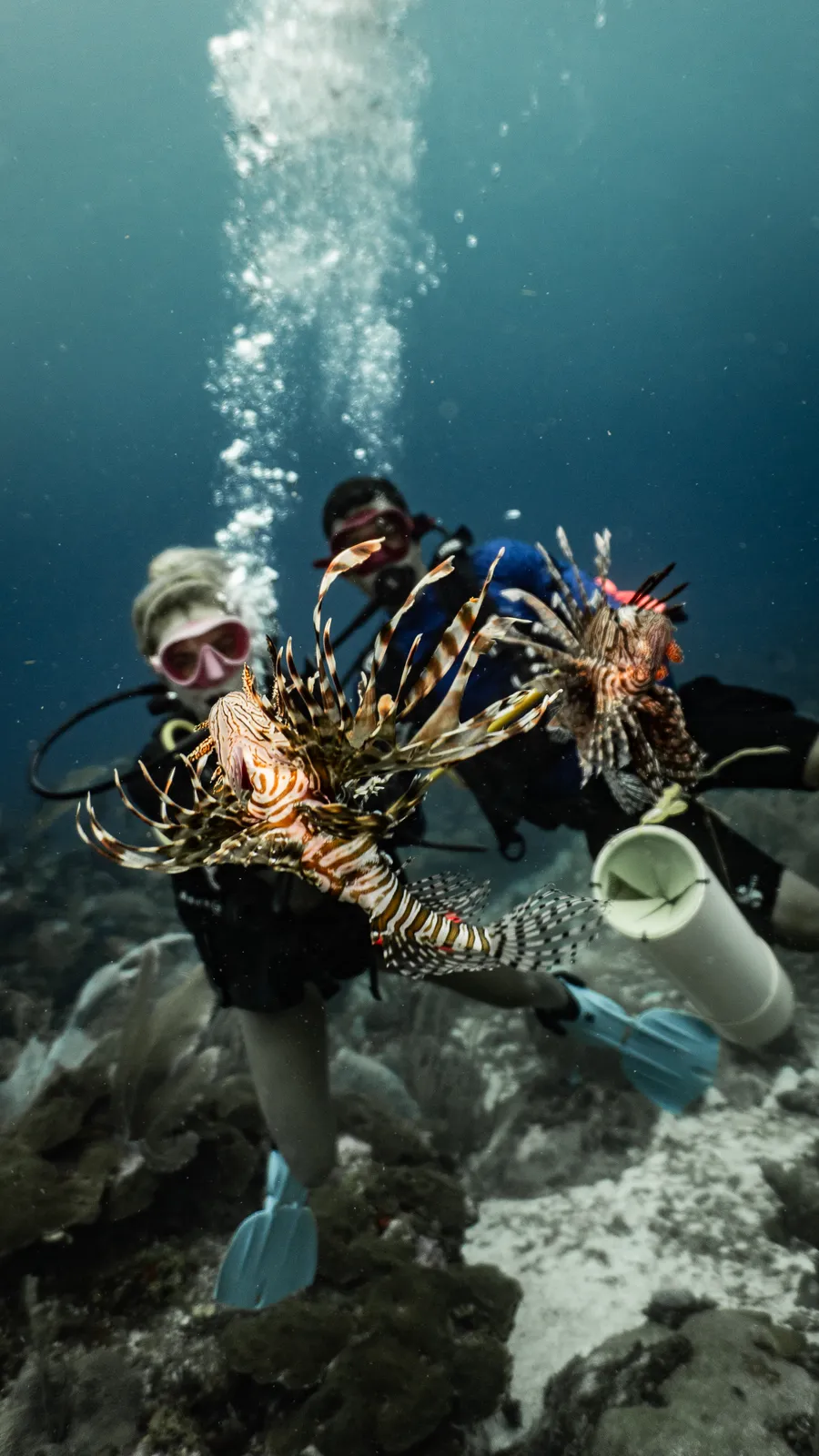
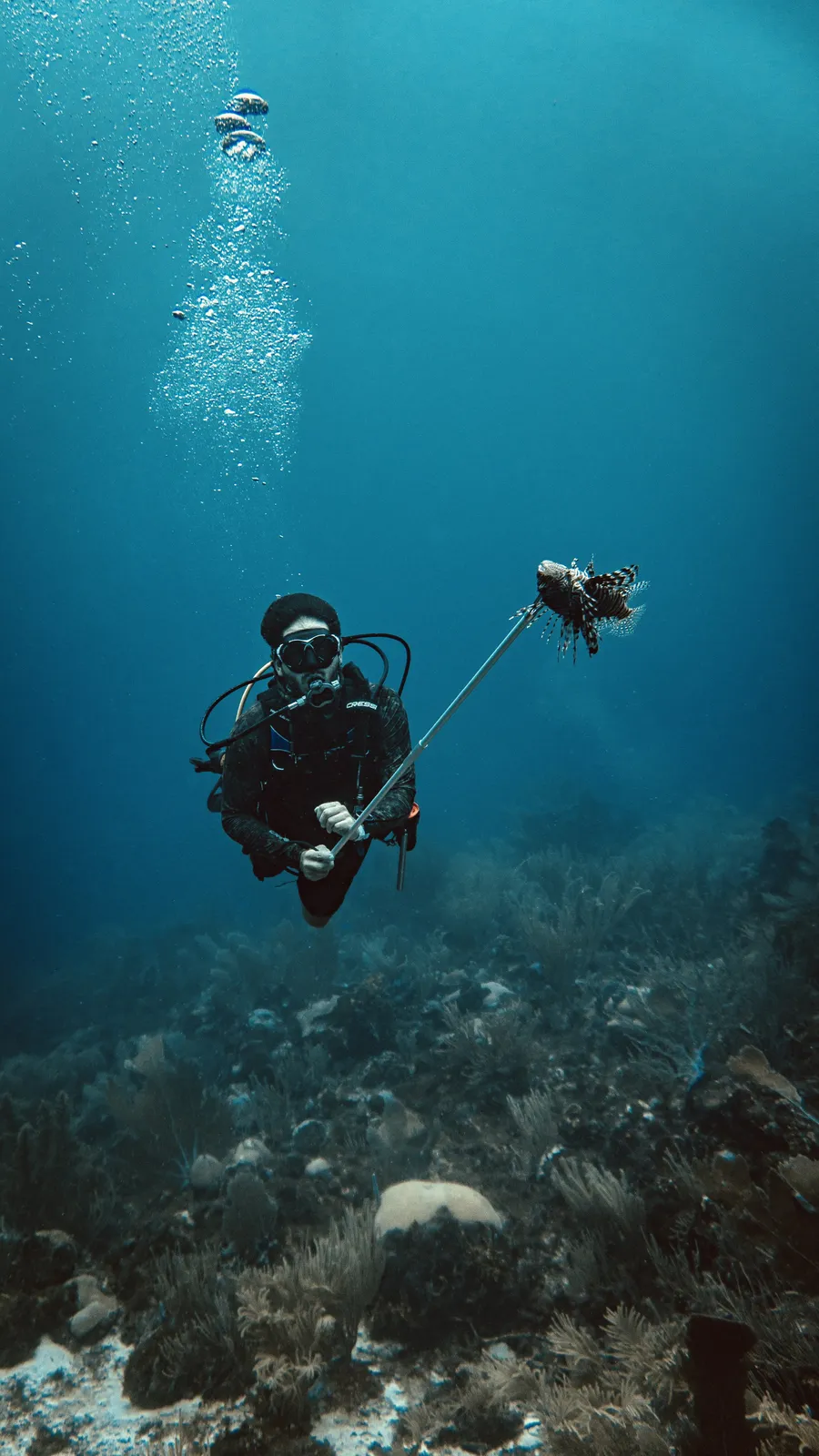
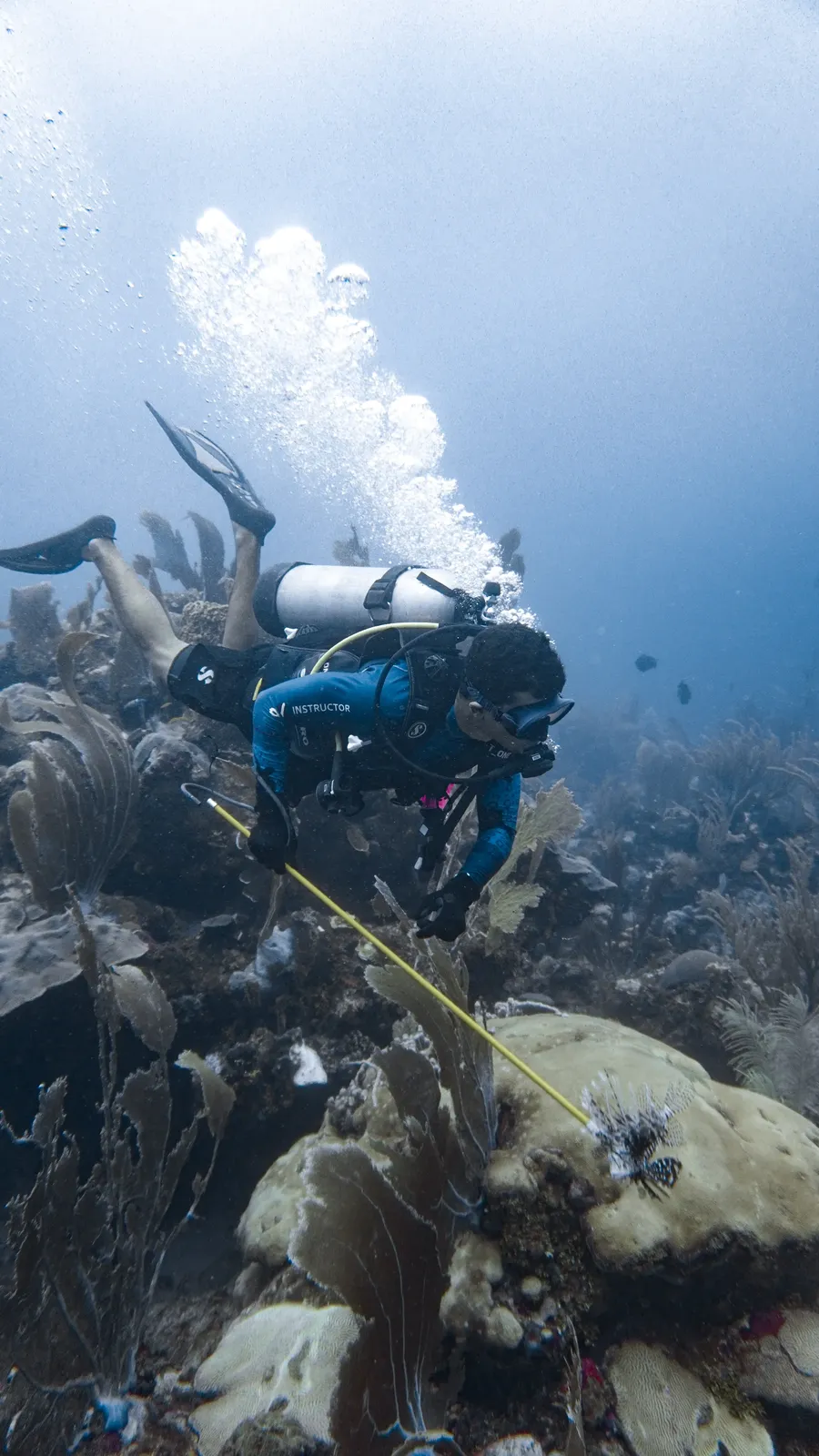
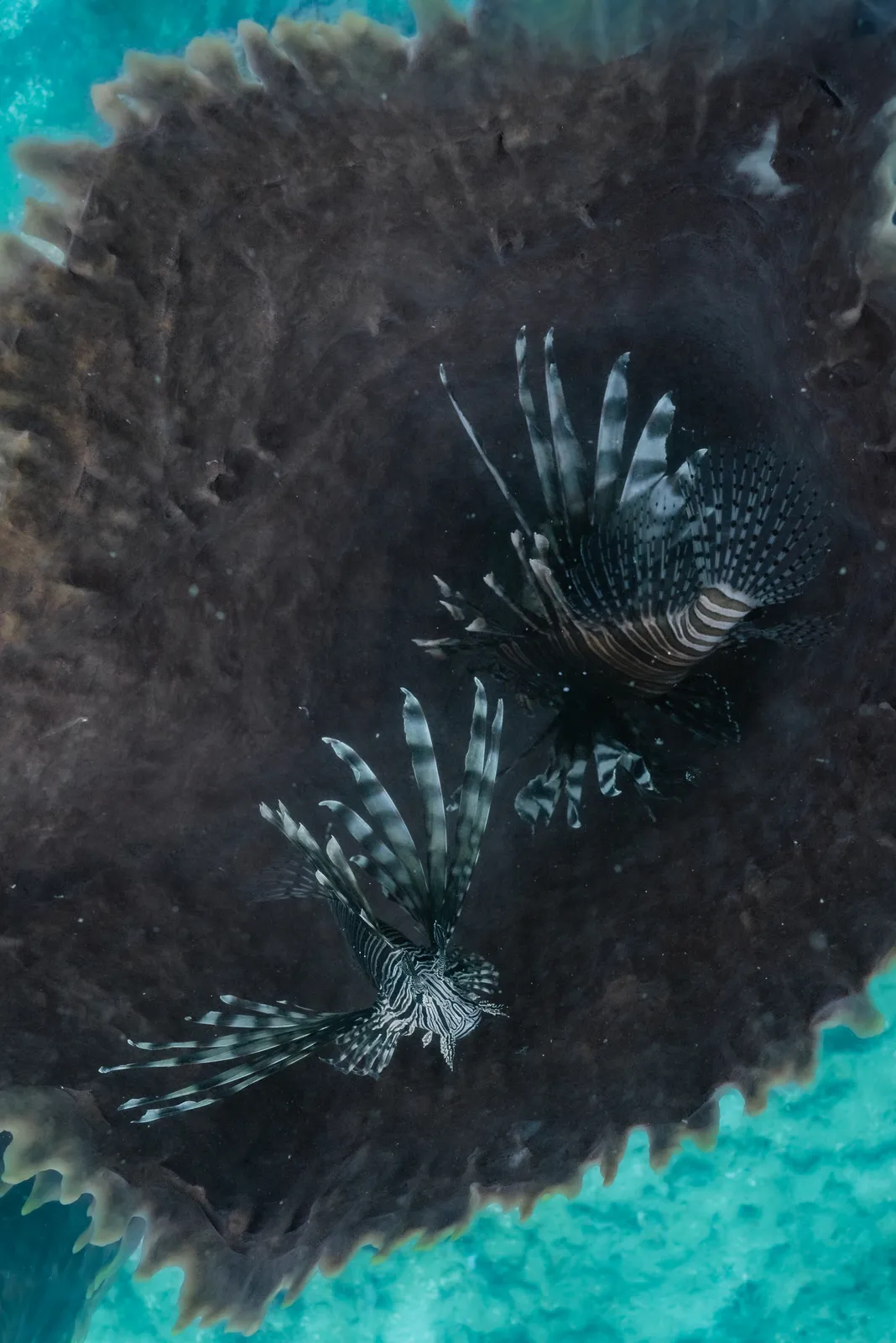
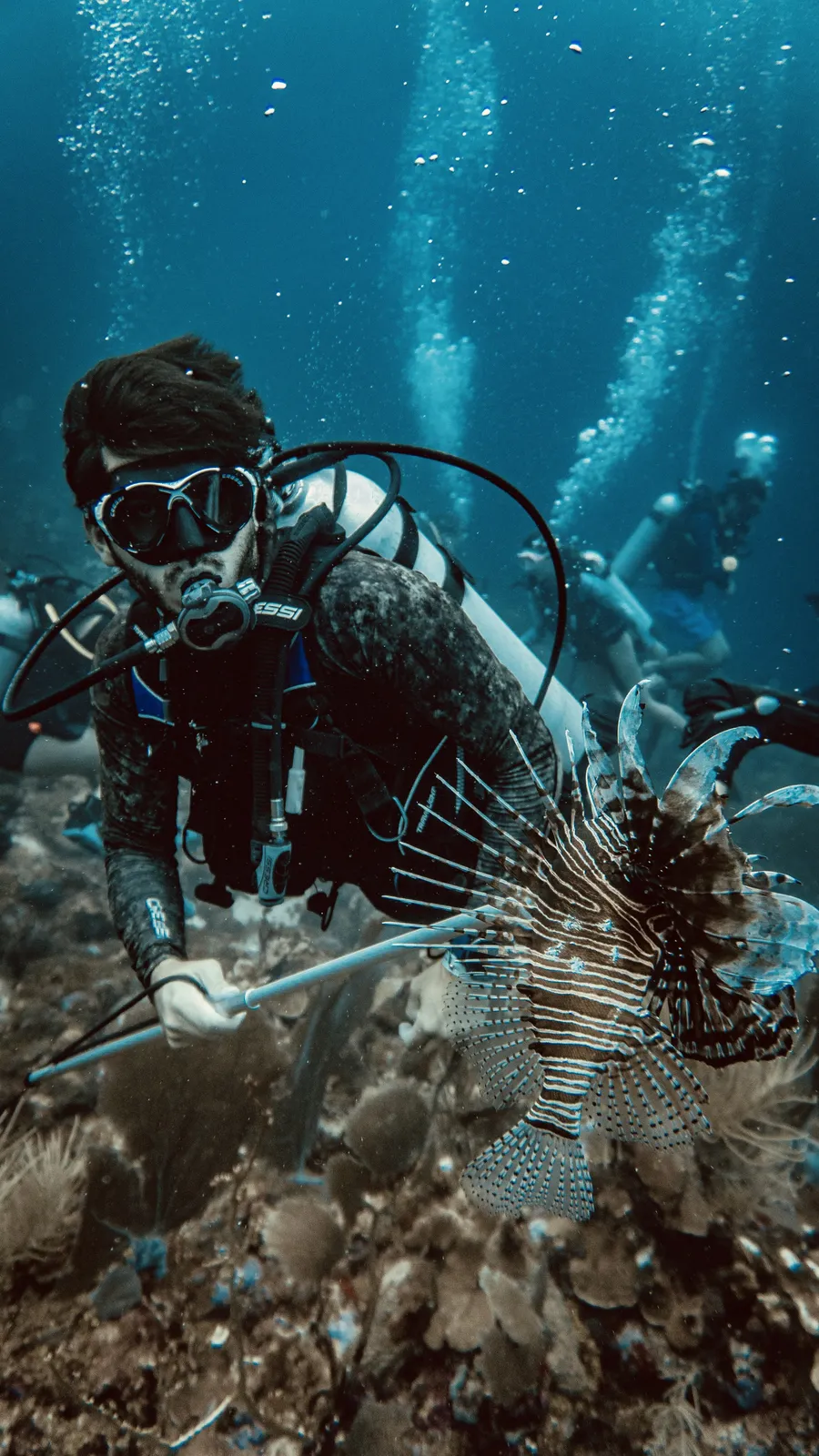
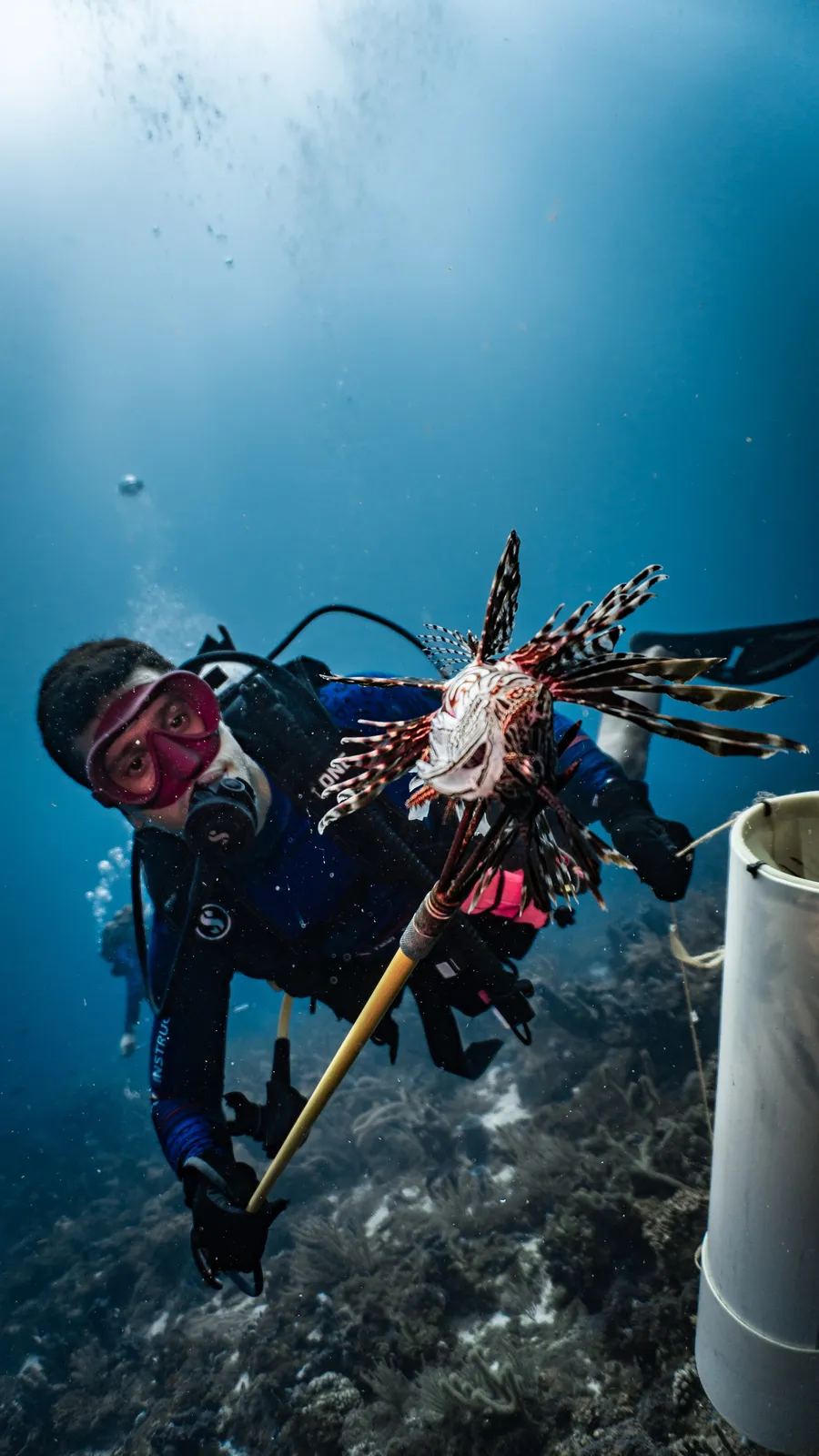
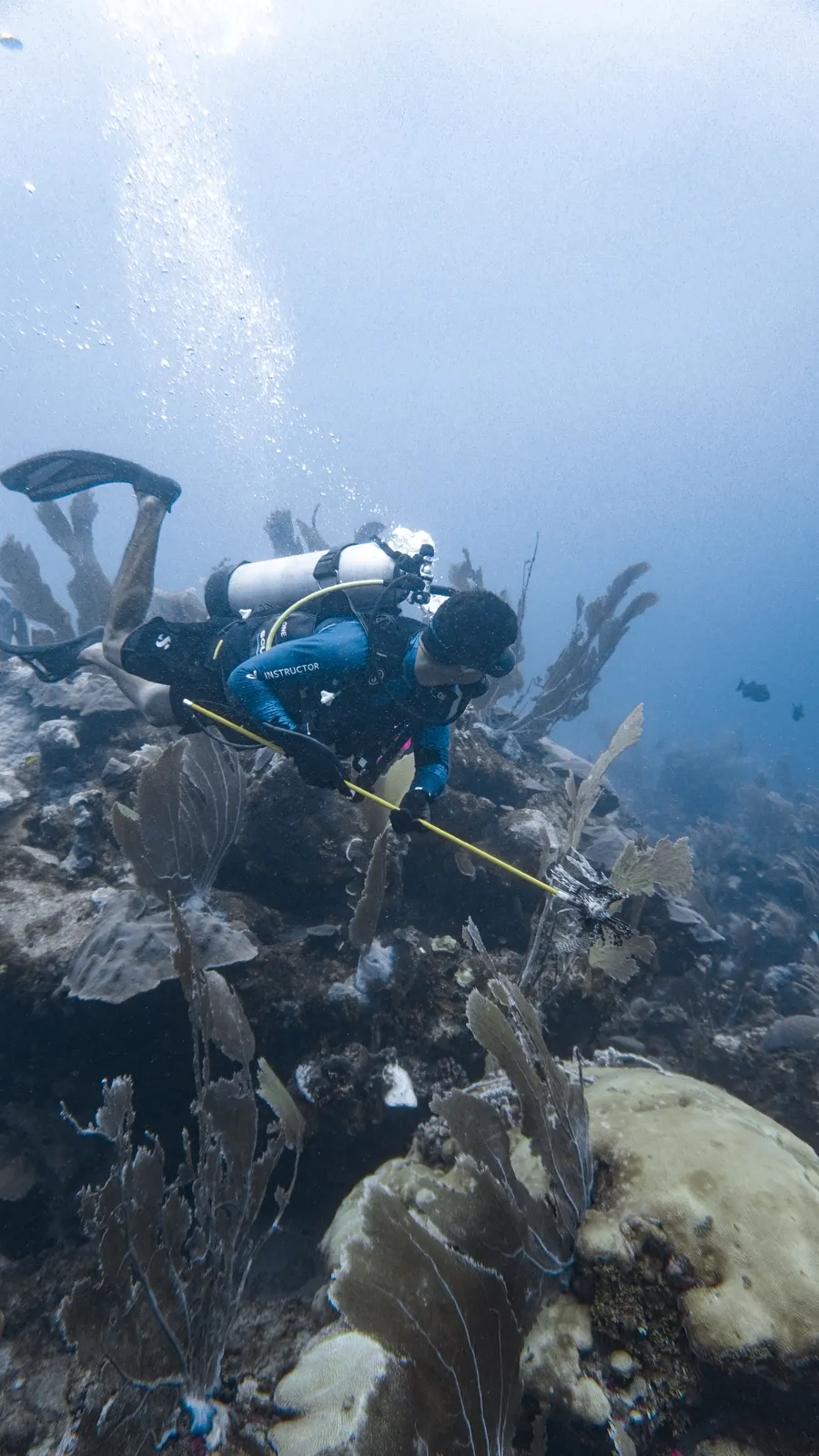
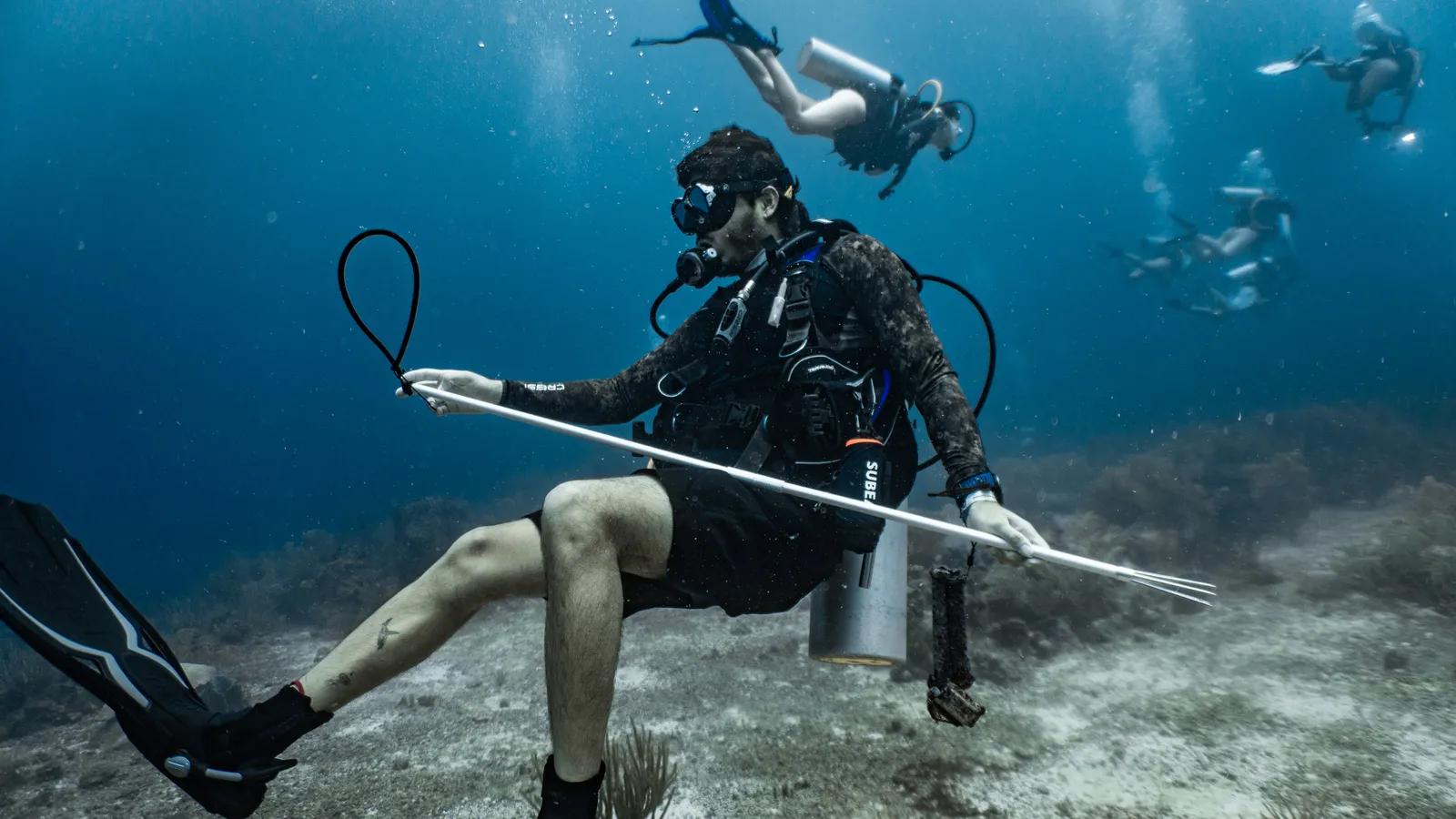
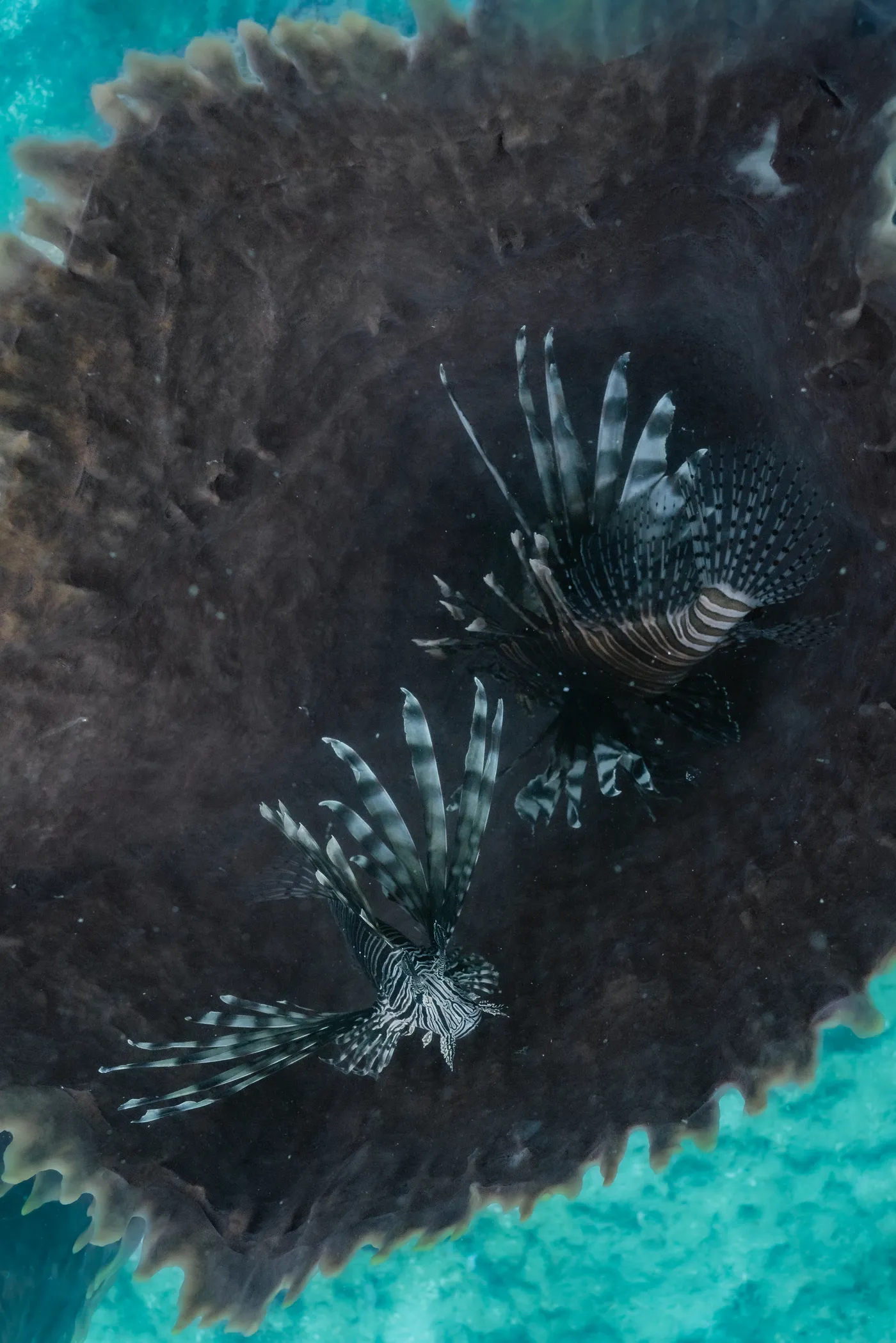
The lionfish is one of the most striking and most problematic animals on the reef: a beautiful invader with venomous spines and no natural predators in the Caribbean.
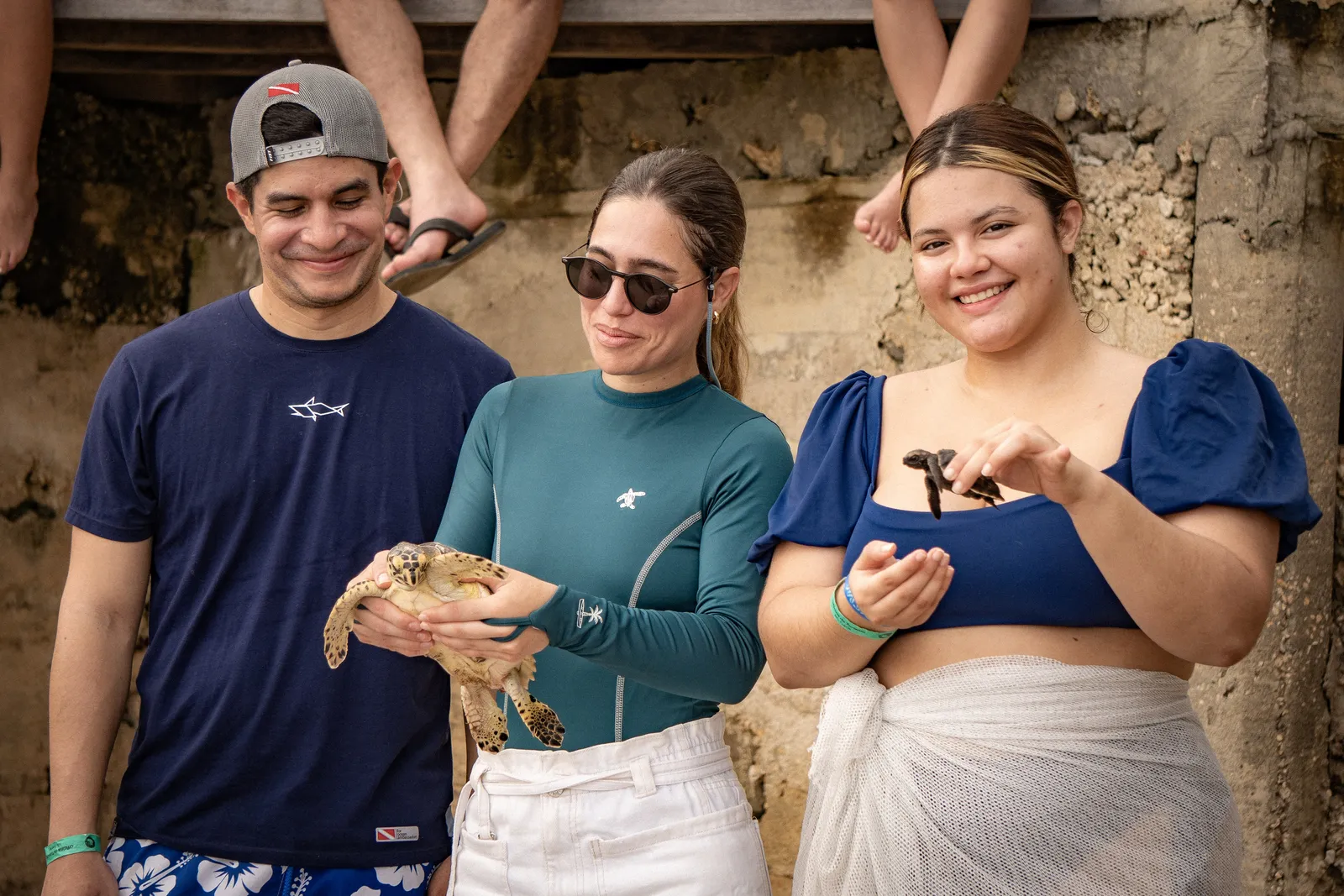
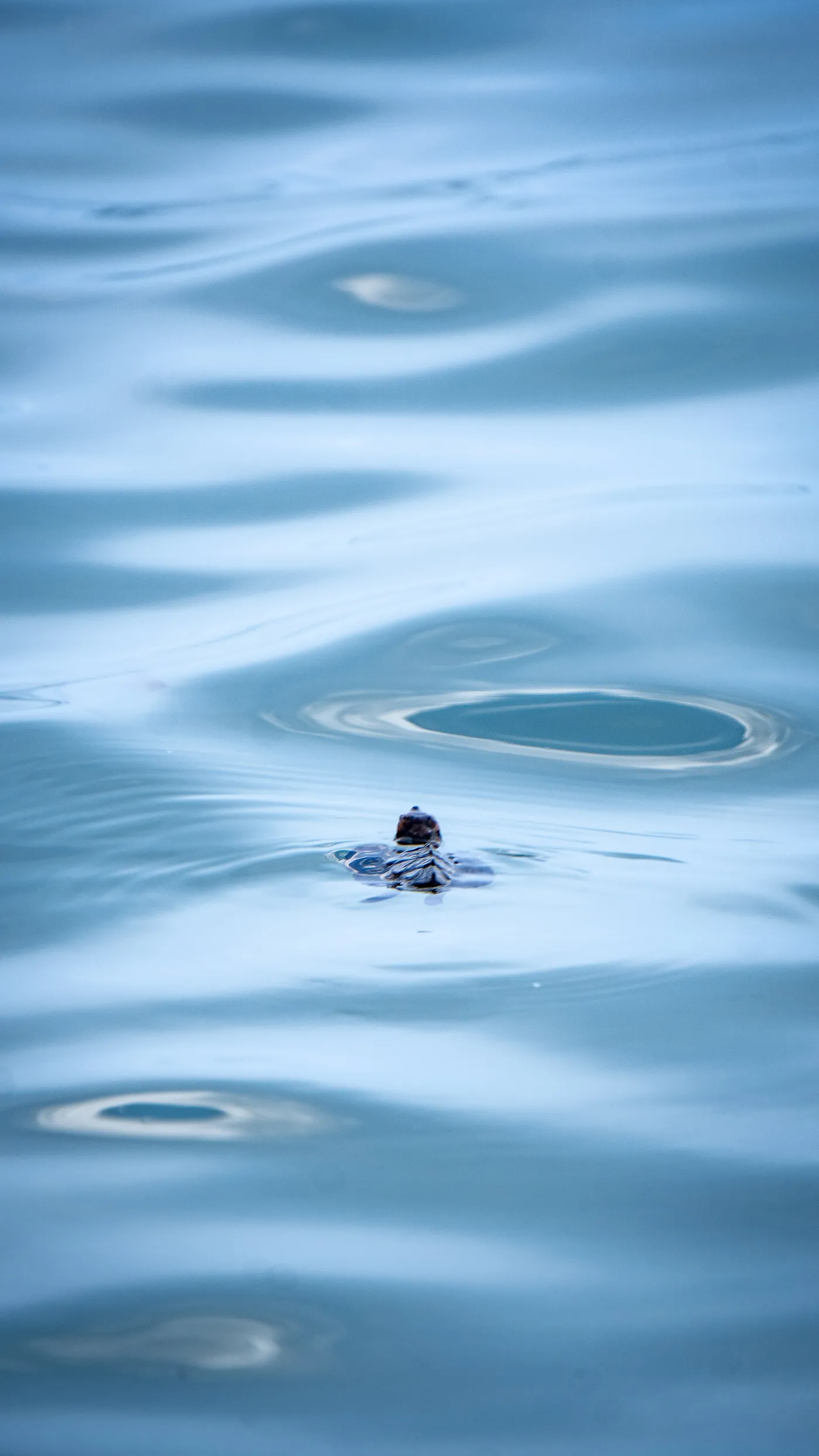
The hawksbill is a critically endangered sea turtle and one of the most treasured encounters on the reefs of Isla Fuerte.
The green turtle is a gentle grazer of seagrass beds and one of the most beloved animals of our shallow reefs.
The loggerhead is a large-headed sea turtle occasionally spotted at the deeper, open-water sites.
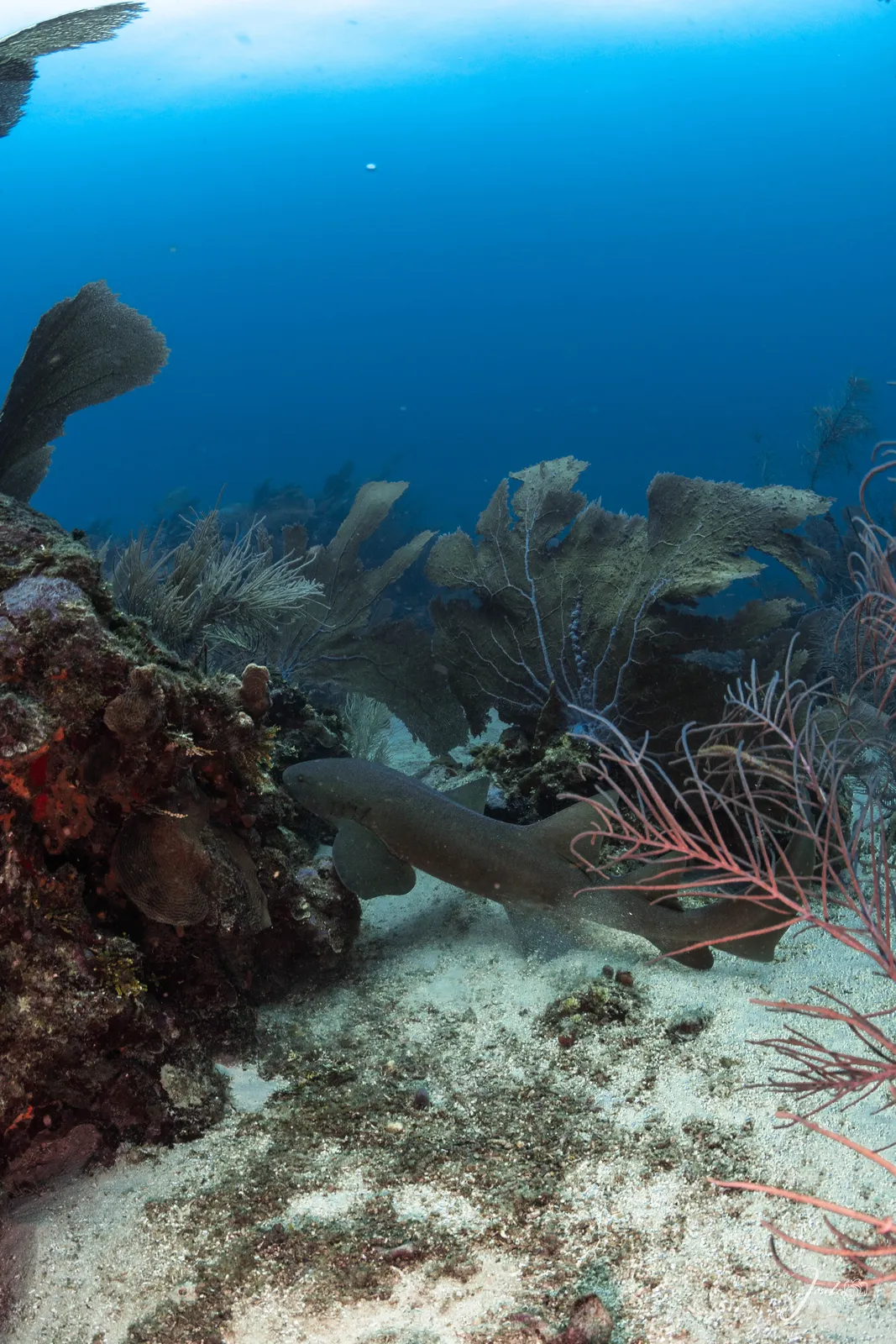
The nurse shark is a docile, bottom-dwelling shark that rests under ledges by day, a diver favorite and completely harmless.
The hammerhead is the crown jewel of the deep open-water sites around Bushnell, a bucket-list encounter for advanced divers.
The whitetip is a reef shark occasionally seen patrolling the deeper walls of Isla Fuerte.
The southern stingray is a graceful ray that cruises the sandy bottoms and reef edges, often trailed by small jacks.
The spotted eagle ray soars through the blue like a bird, and it is the animal that inspired the Nautilus logo.
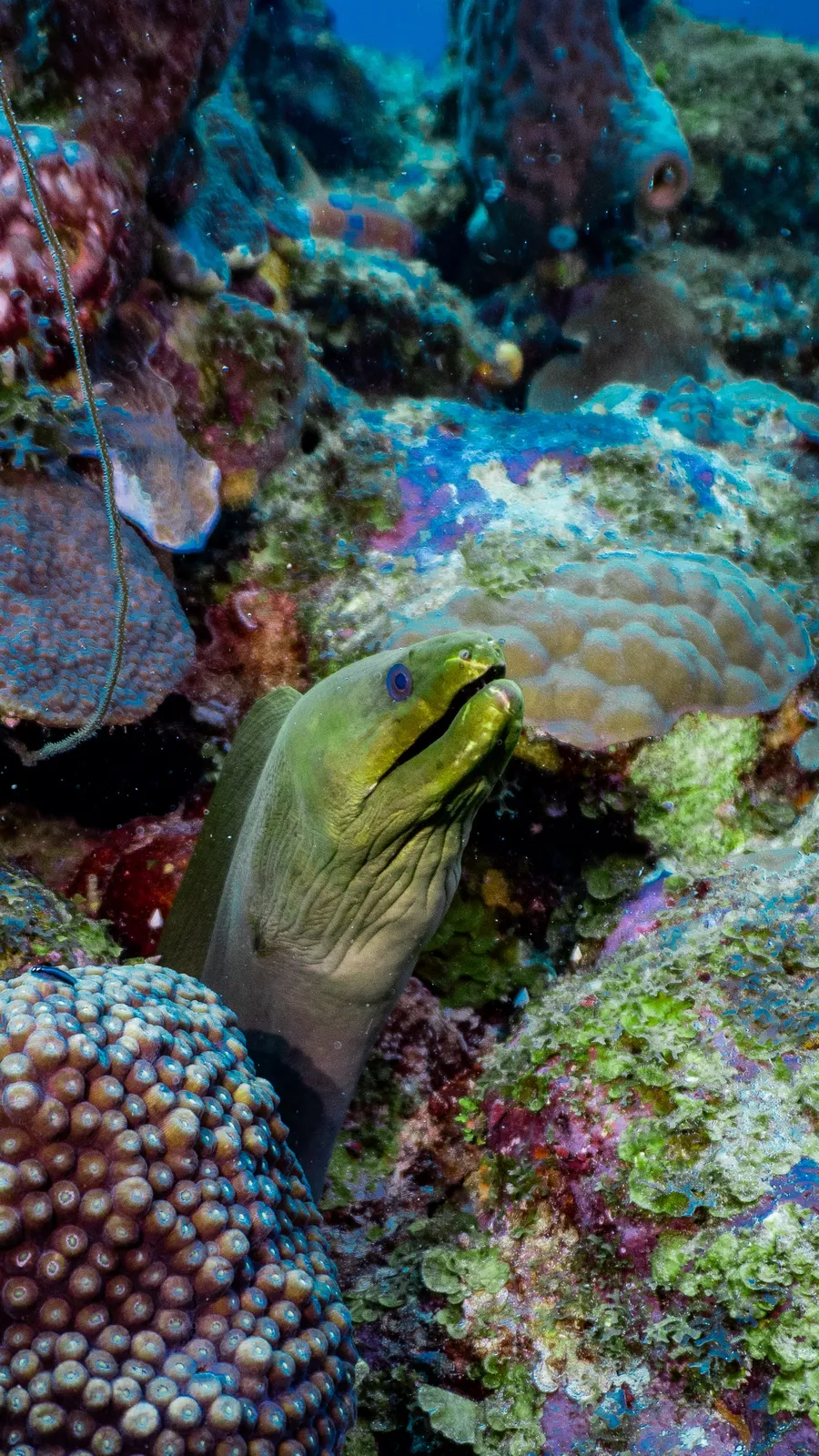
The moray eel is a curious predator that peeks from crevices in the reef, its mouth opening and closing as it breathes.
Snappers are the classic schooling reef fish of Isla Fuerte, common on nearly every site.
The cubera is the largest of the Caribbean snappers, a powerful predator of the deeper reefs.
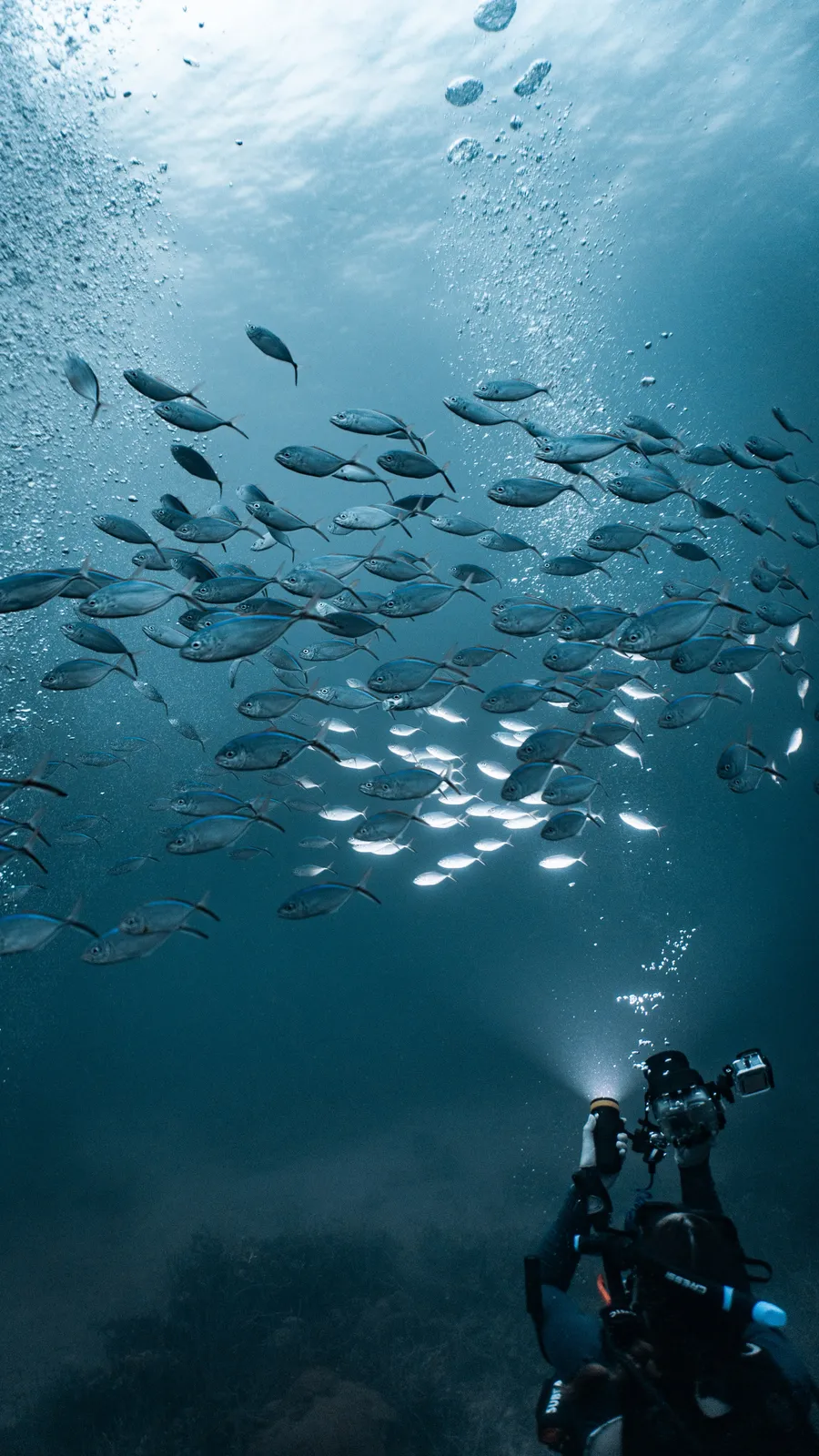
Groupers are large, territorial reef fish that hover near ledges, coral heads and wrecks.
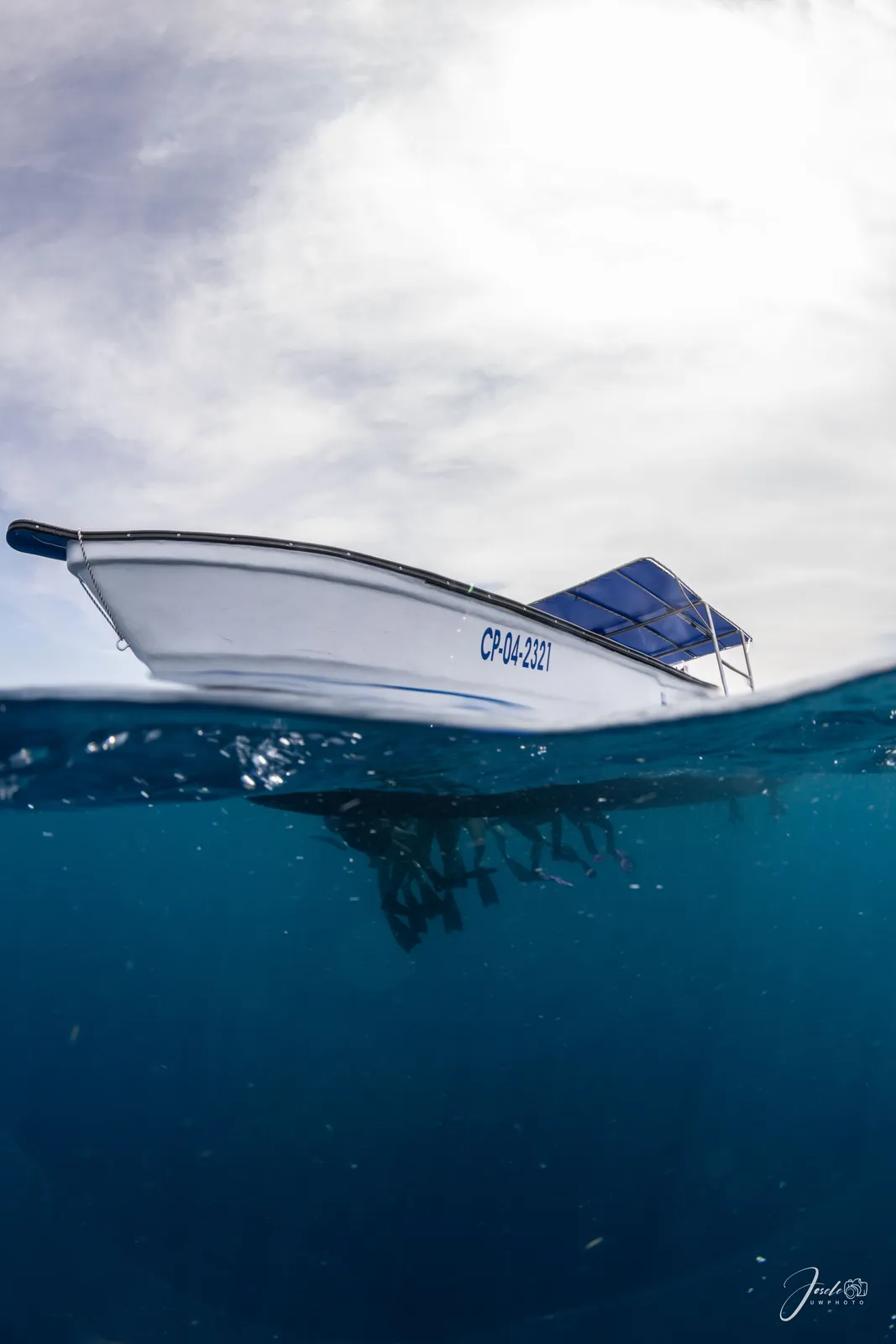
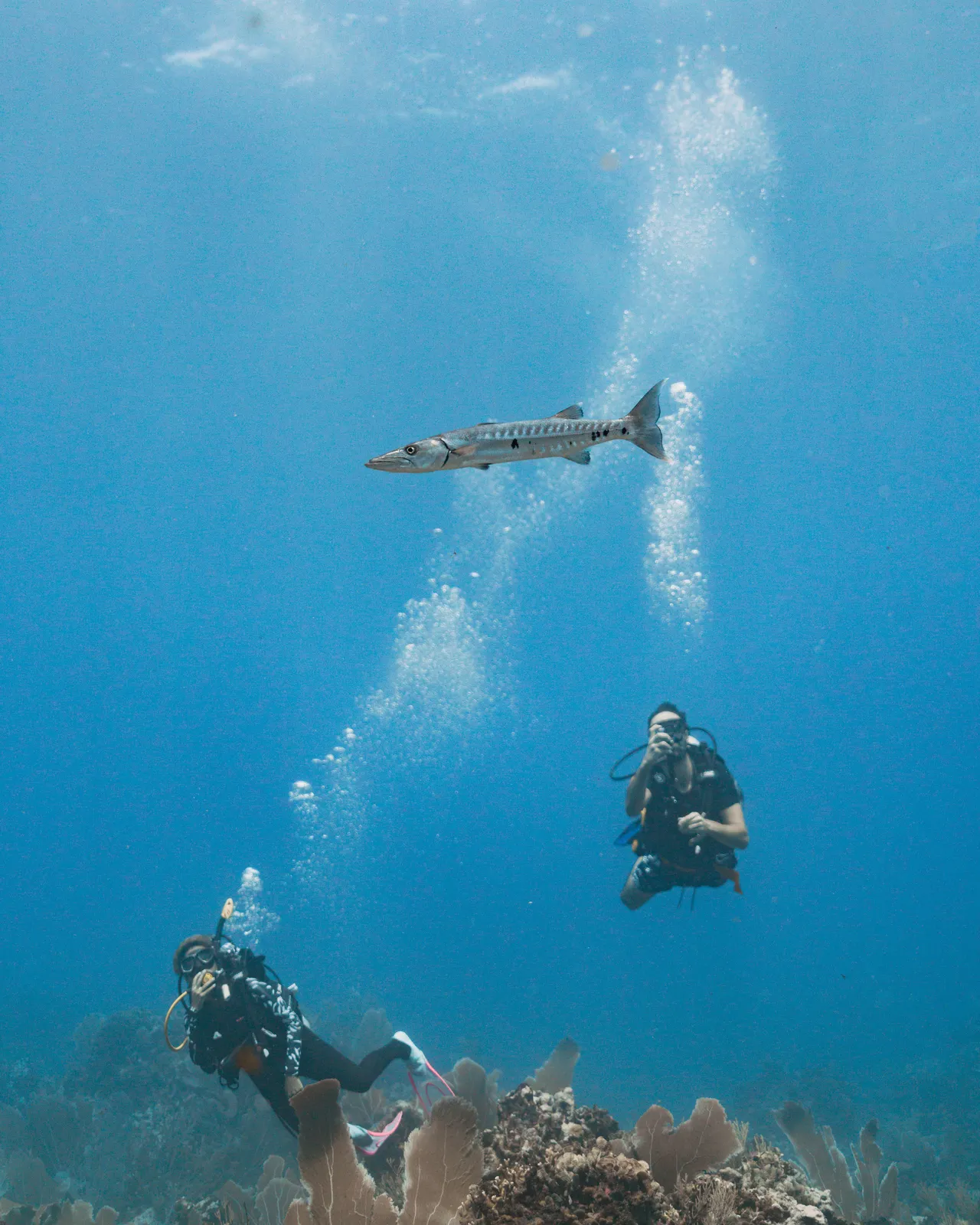
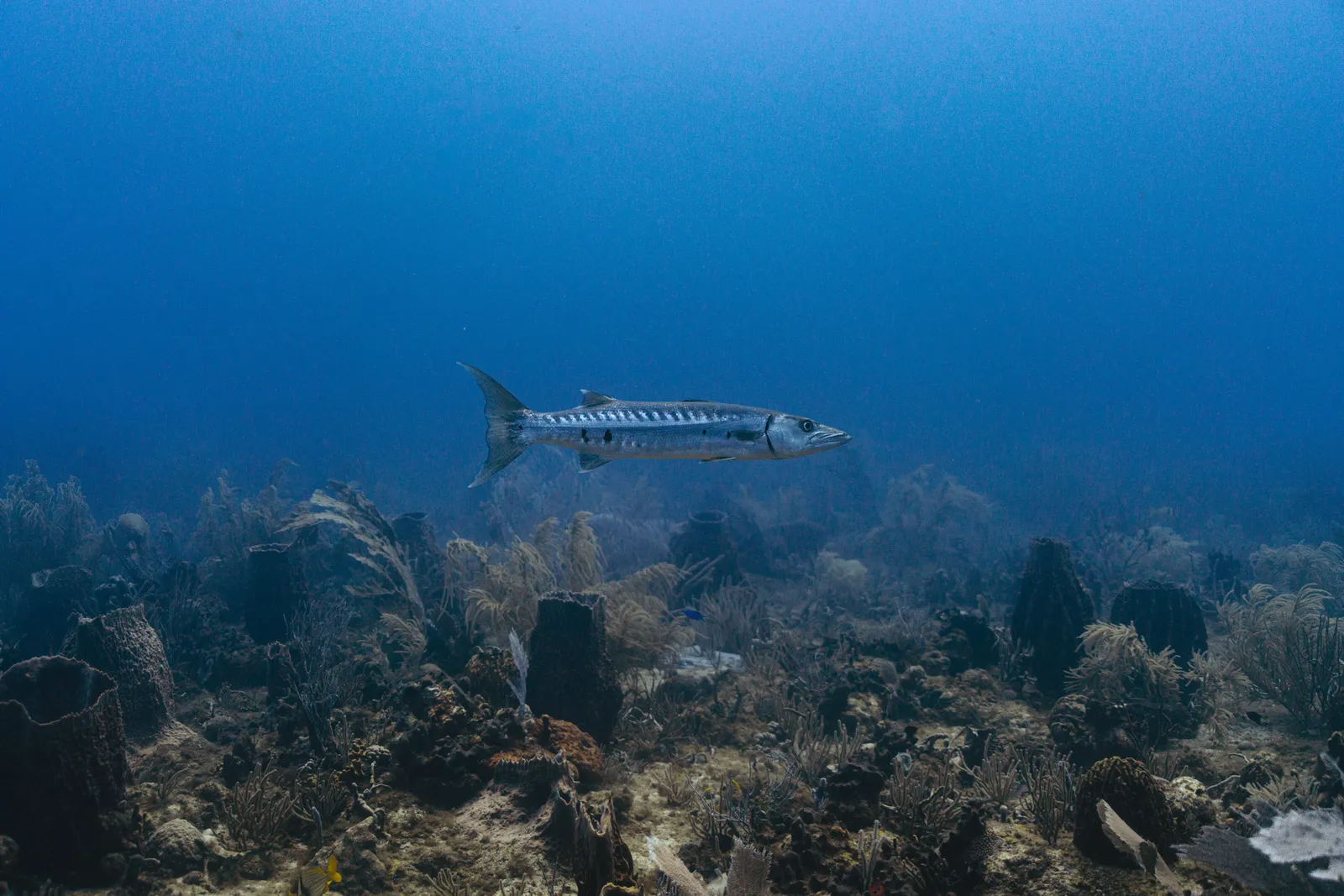
The barracuda is a silver, torpedo-shaped predator often seen hanging motionless in mid-water.
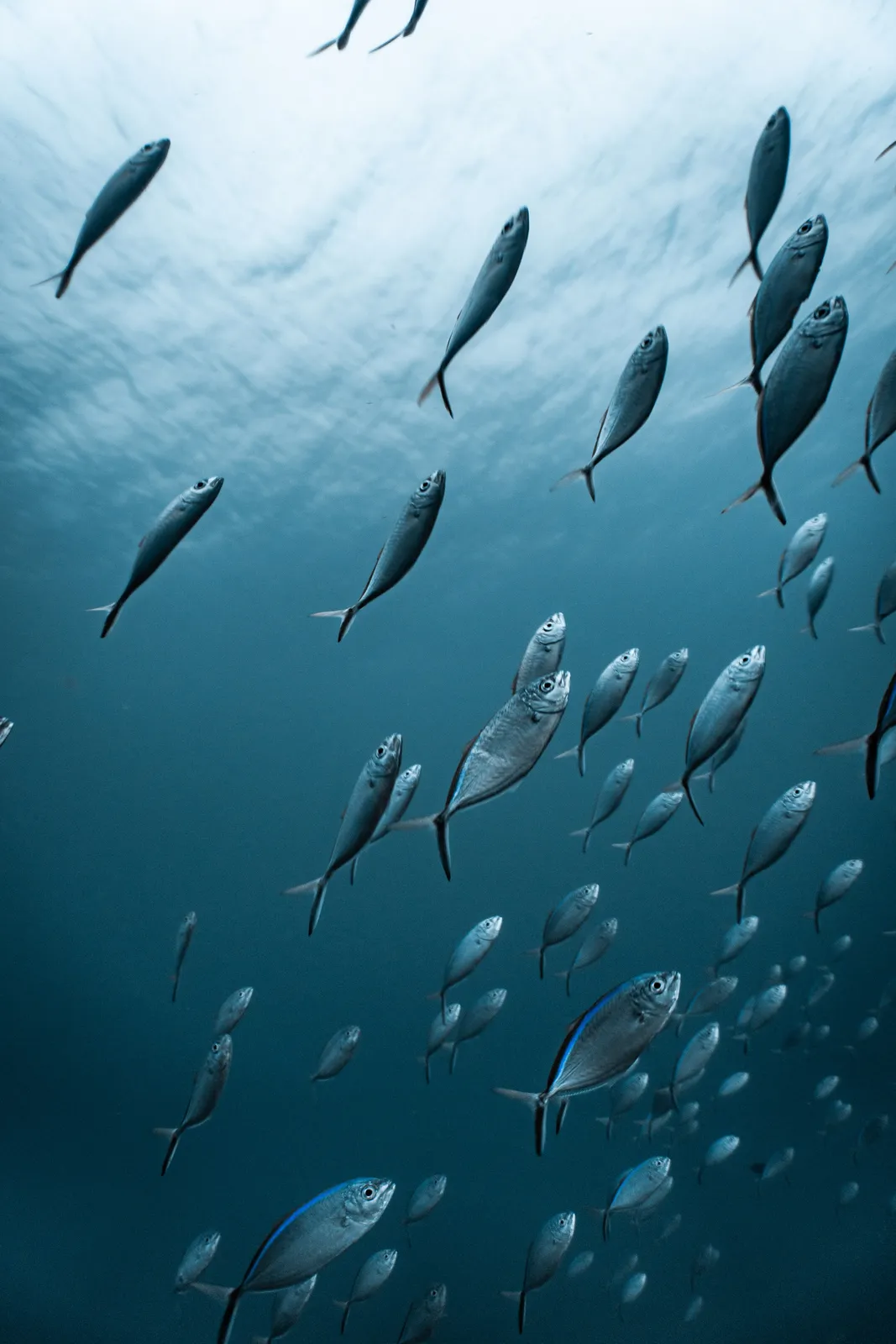
Jacks are fast, silver hunters that sweep through the reef in tight schools.
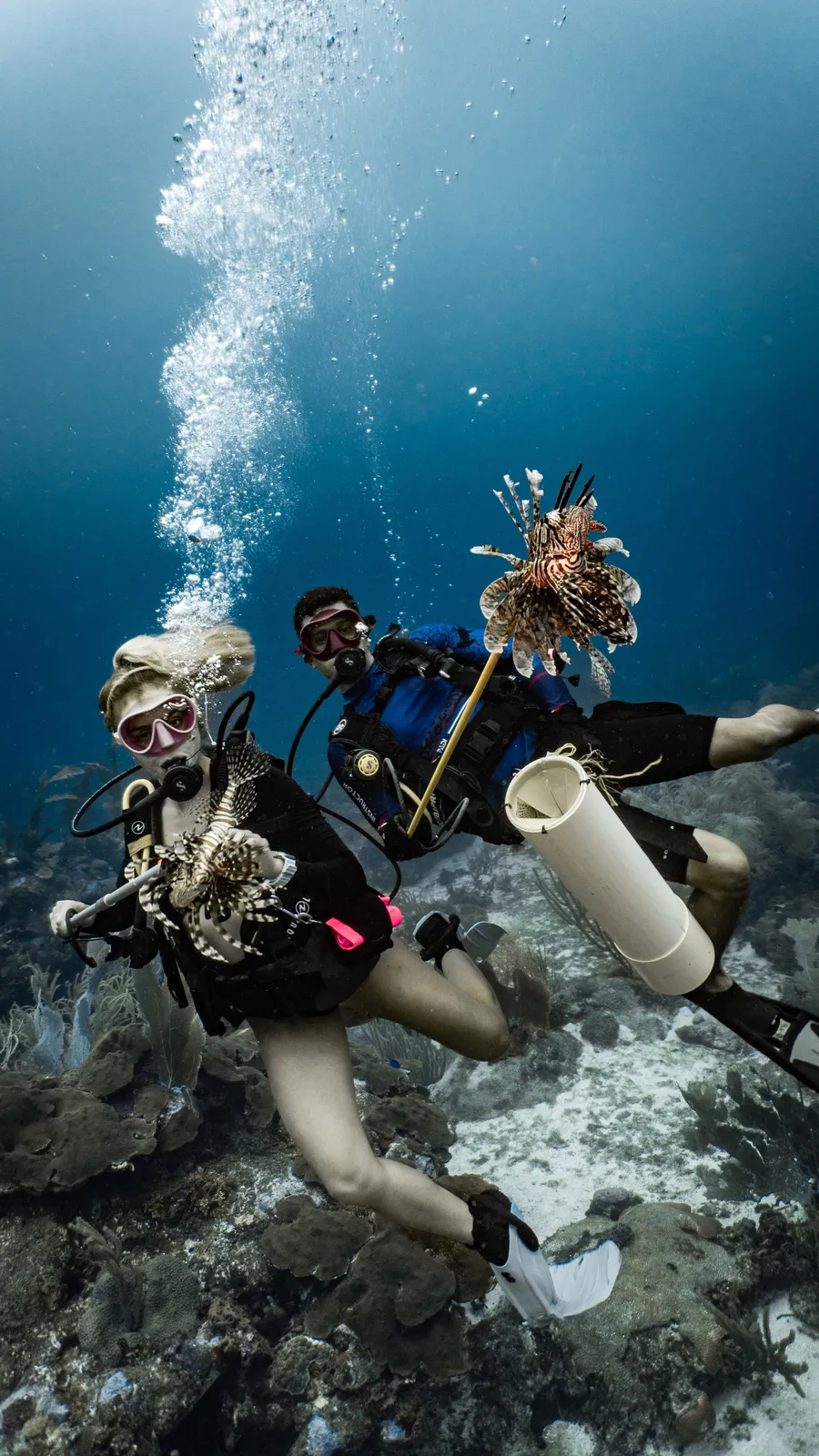
The amberjack is a strong, open-water jack found circling the deeper sites.
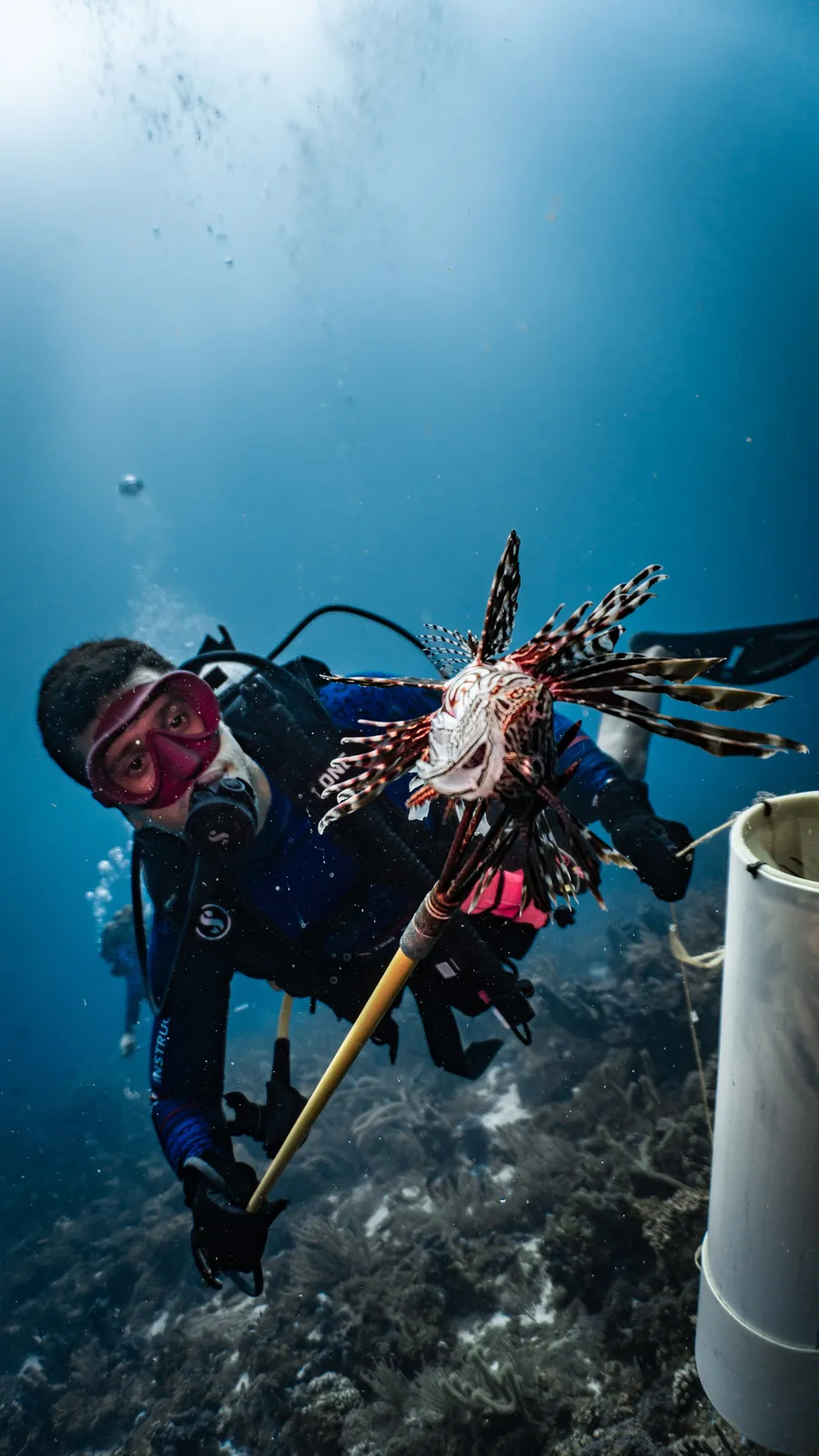
The sierra is a swift mackerel of the open water off Bushnell.
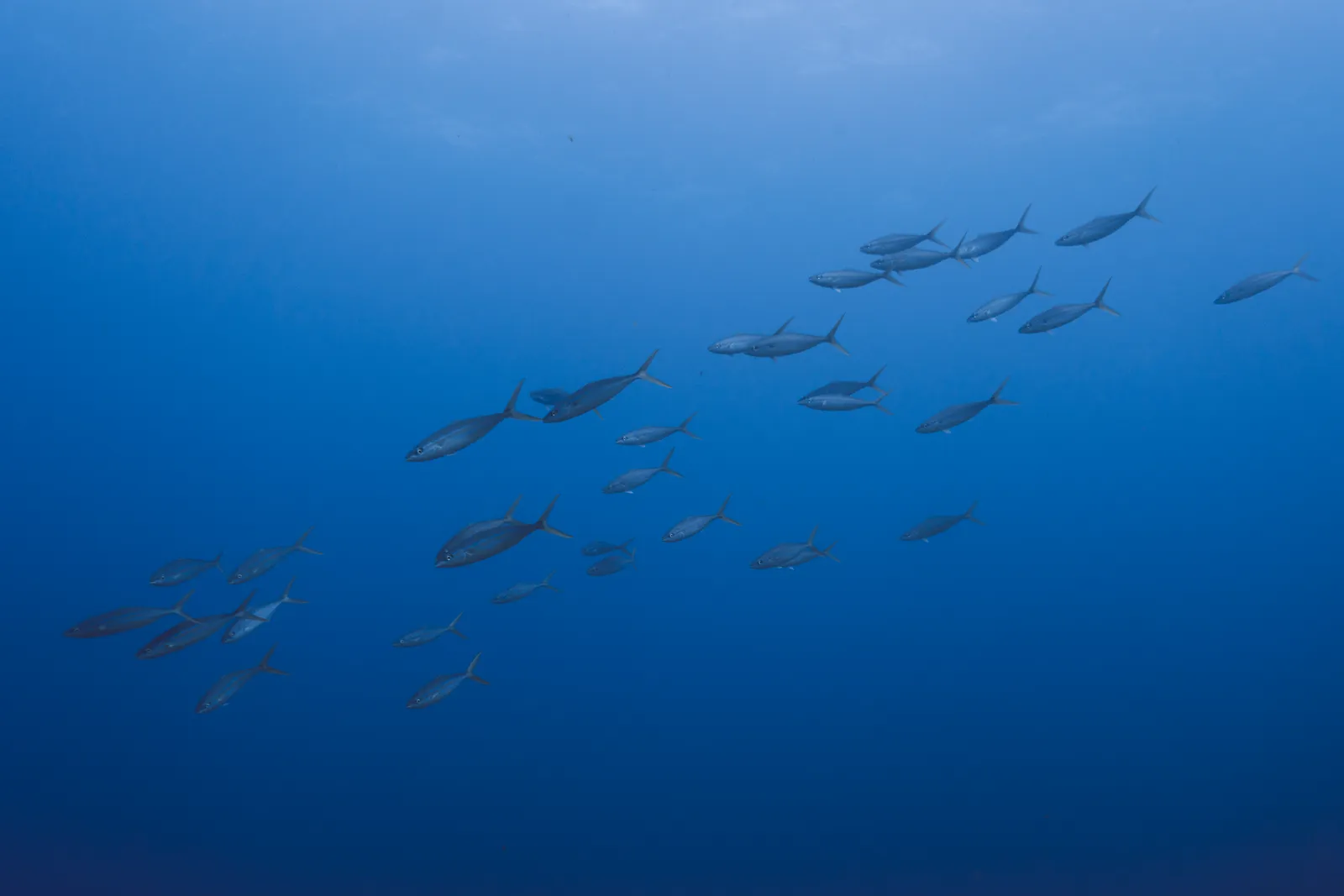
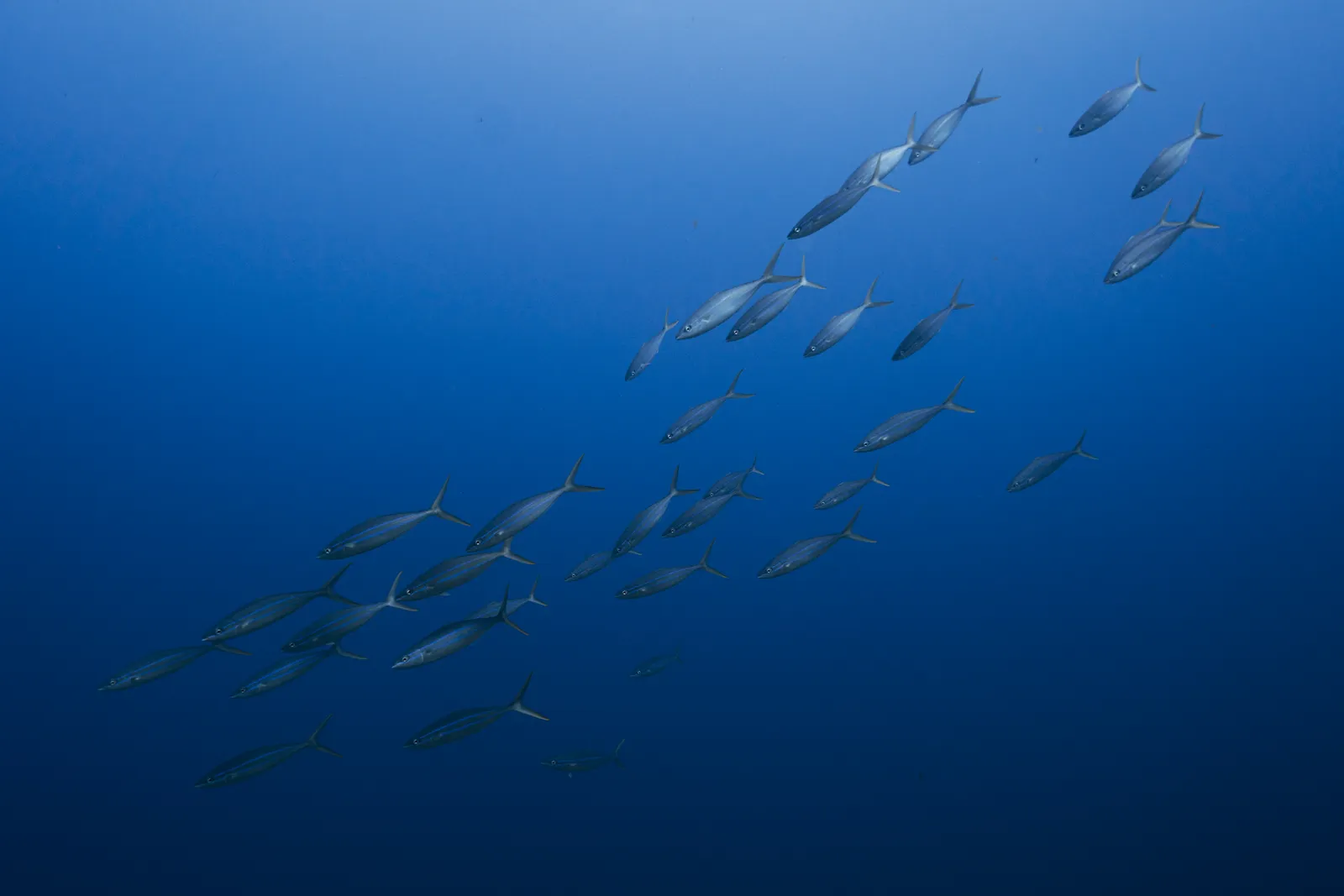
Mackerel are schooling pelagic fish that flash by in the blue at the open-water sites.
Tuna are powerful pelagics seen at the deep, advanced sites around Bushnell.
The wahoo is one of the fastest fish in the sea and a prized open-water sighting.
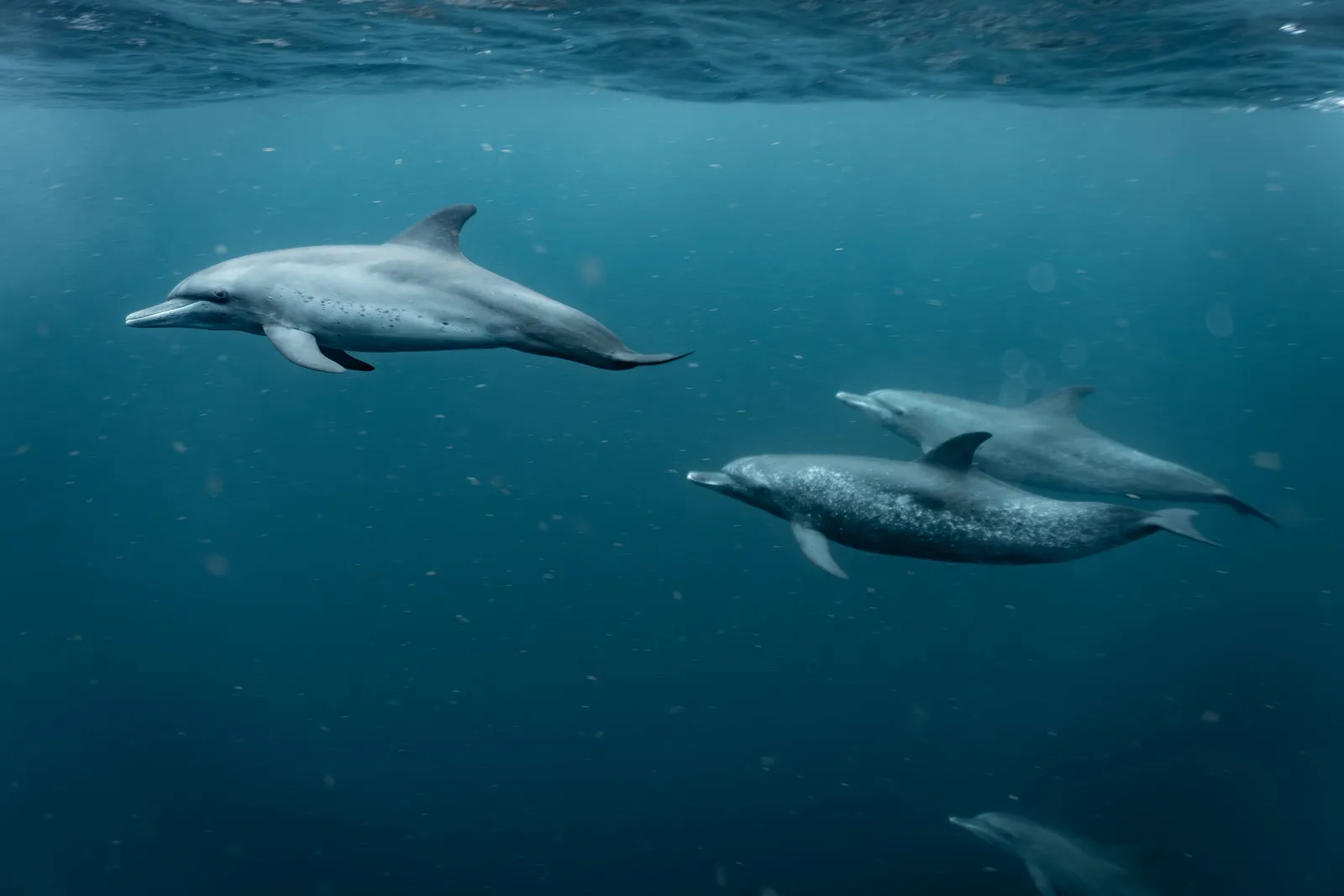
Dolphins sometimes join the boat or pass by on the deep-water sites, an unforgettable surprise.
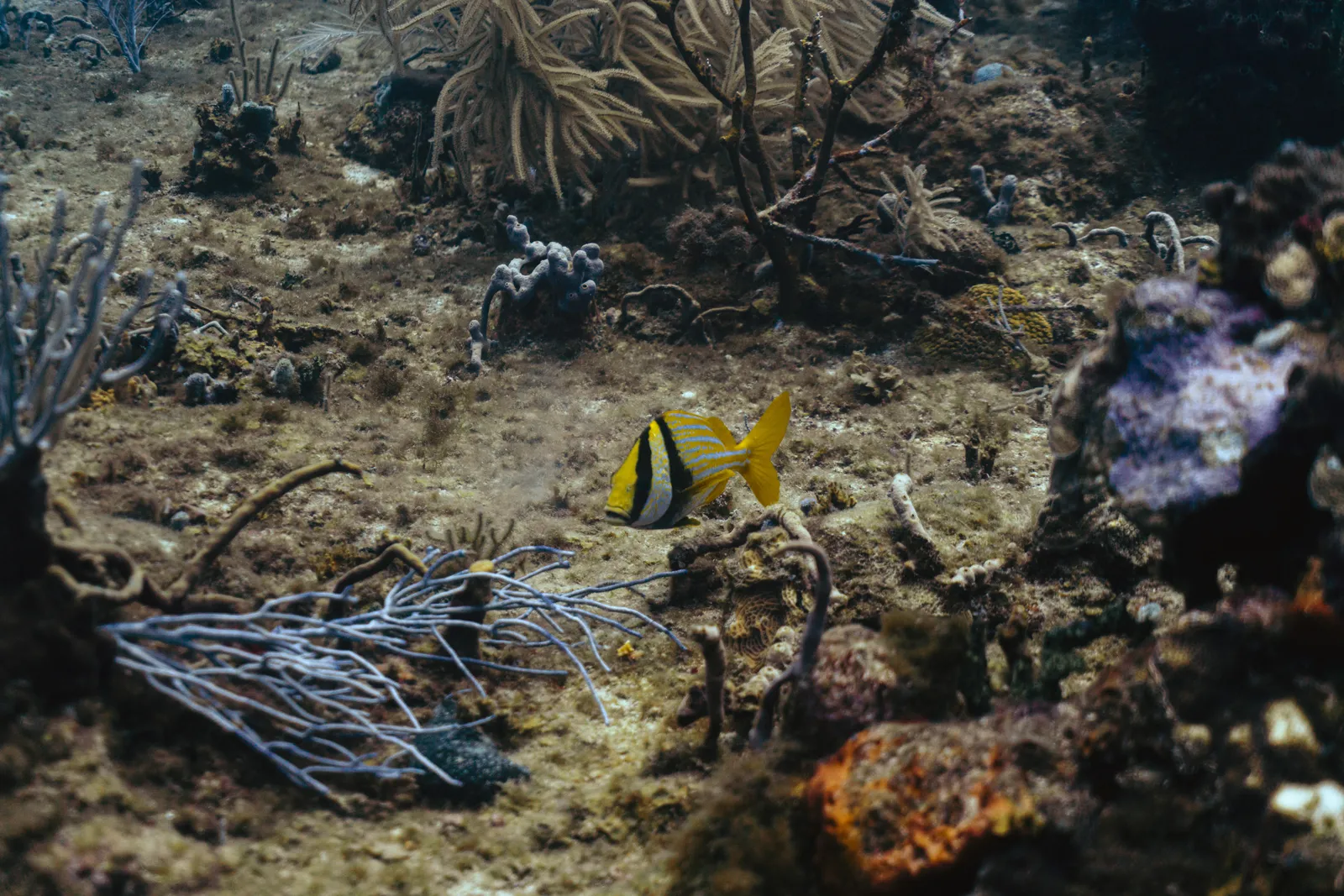
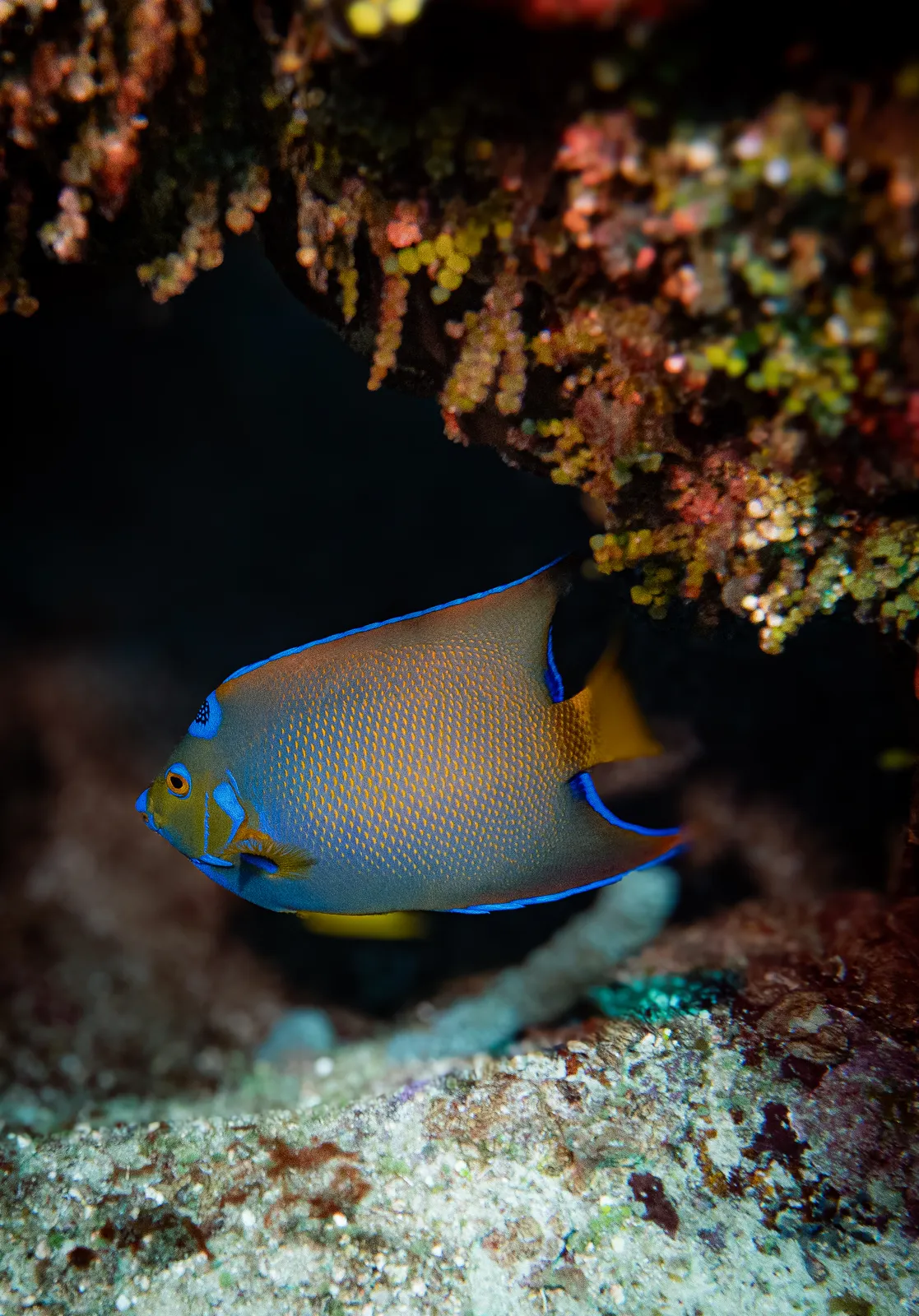
Angelfish are elegant, disk-shaped reef fish that patrol the coral in blue, gray and French varieties.
The French angelfish is a dark, elegant angelfish scaled with yellow rims, calm and photogenic.
Butterflyfish are small, bright reef fish that pair up over the coral.
Parrotfish are colorful grazers that keep the reef healthy and, quite literally, make the sand.
The trumpetfish is a long, thin ambush predator that hangs vertically among the corals.
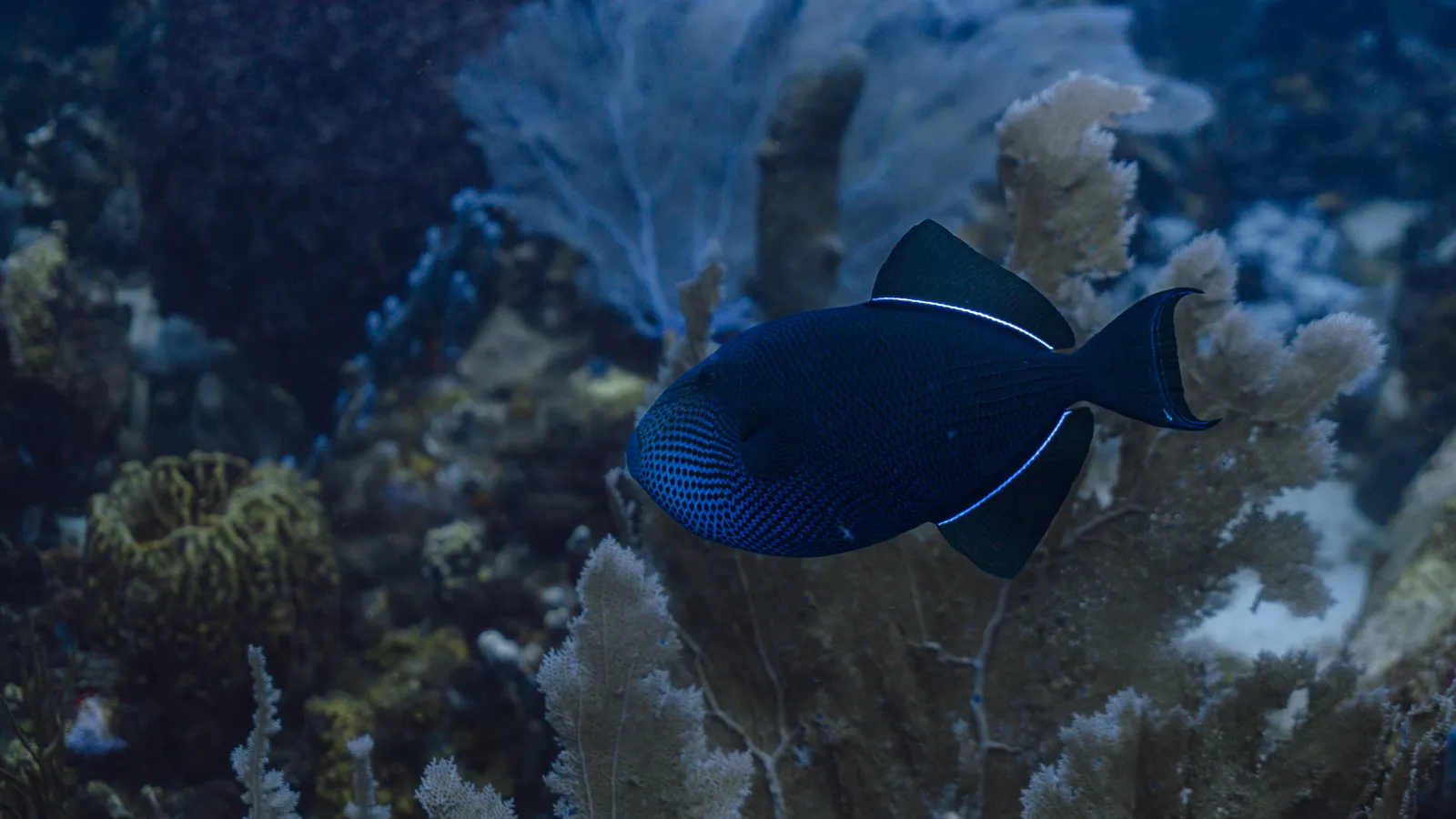
The triggerfish is a bold, oval reef fish with a locking dorsal spine it raises to wedge into holes.
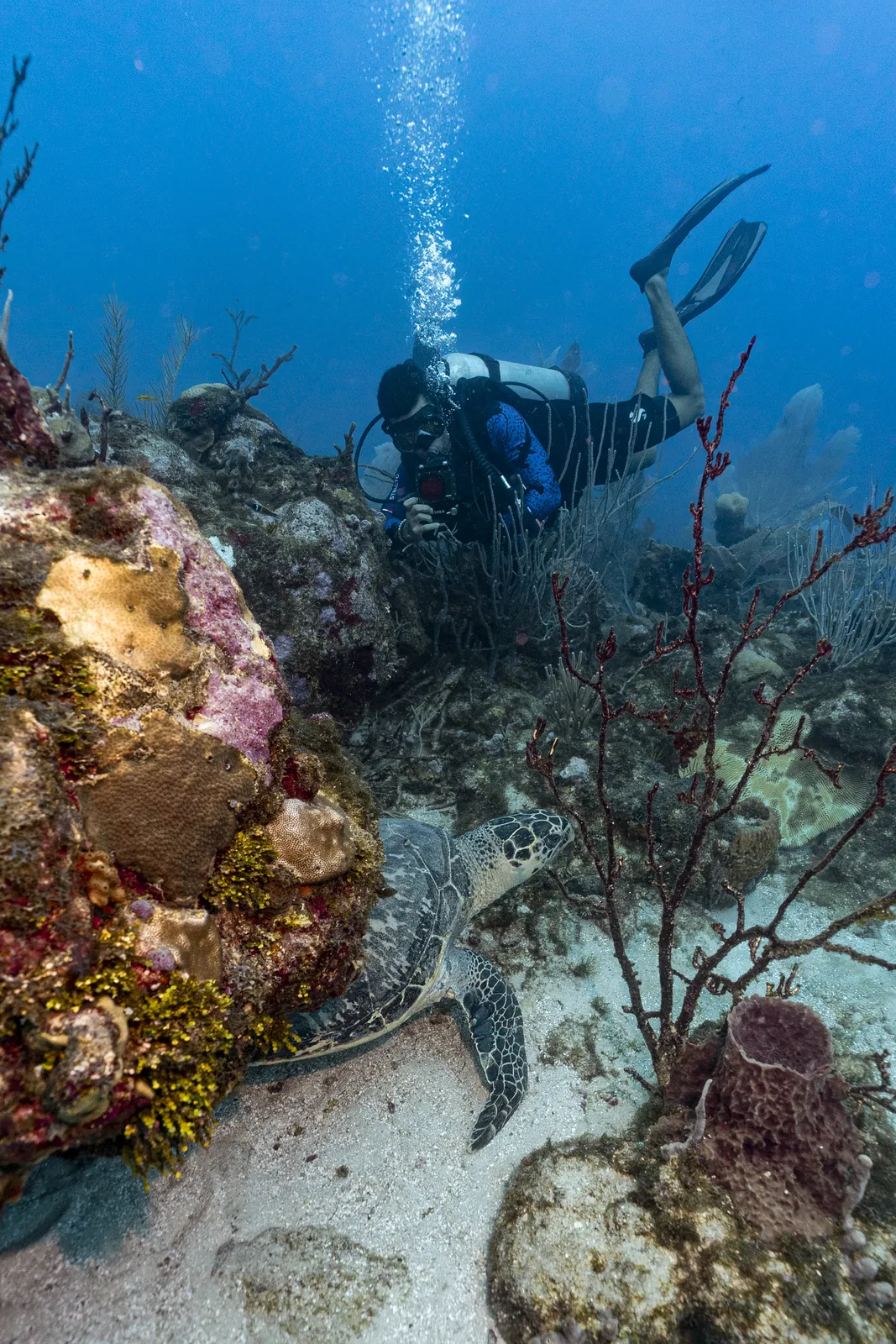
The queen triggerfish is a vividly colored triggerfish of the reef edges.
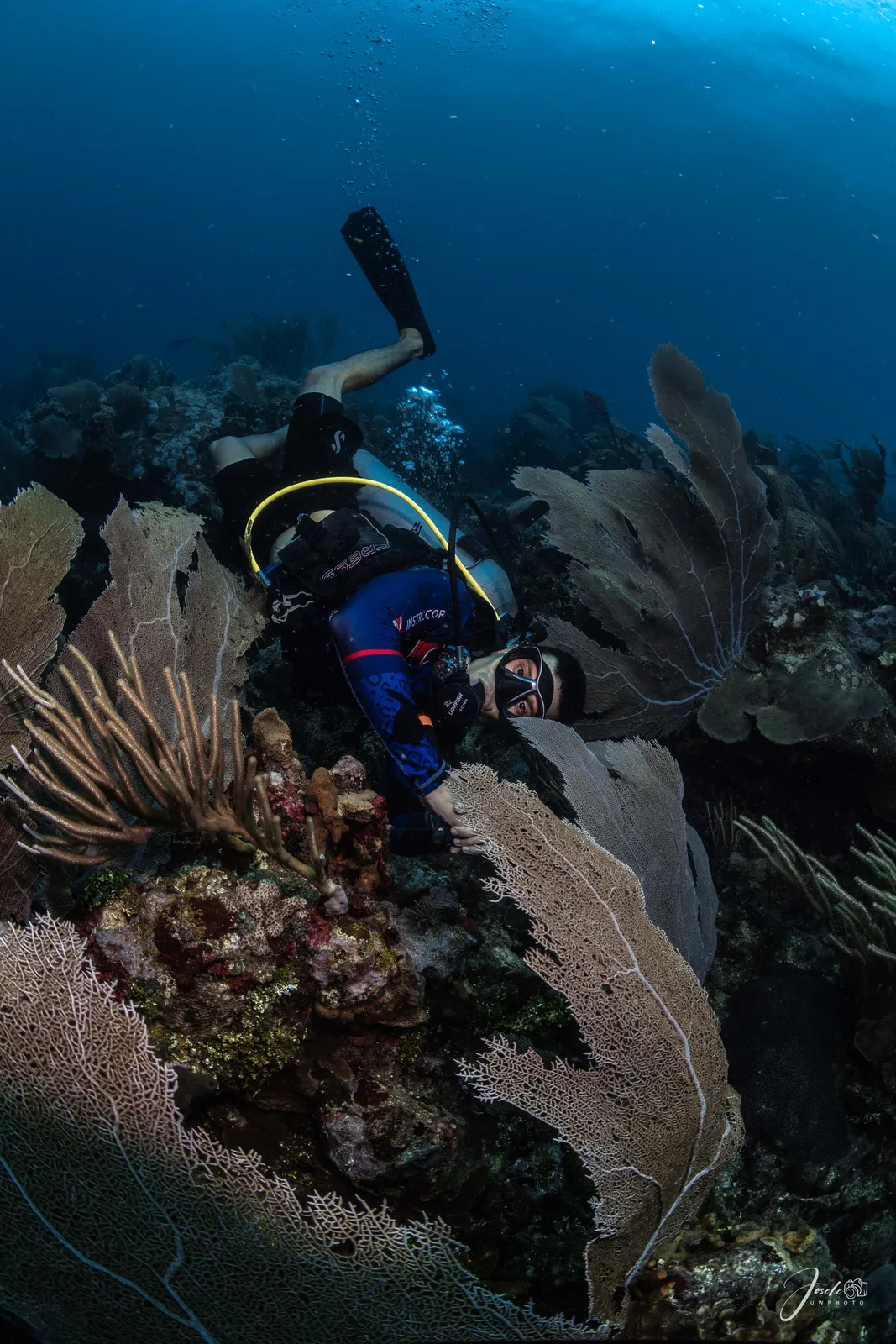
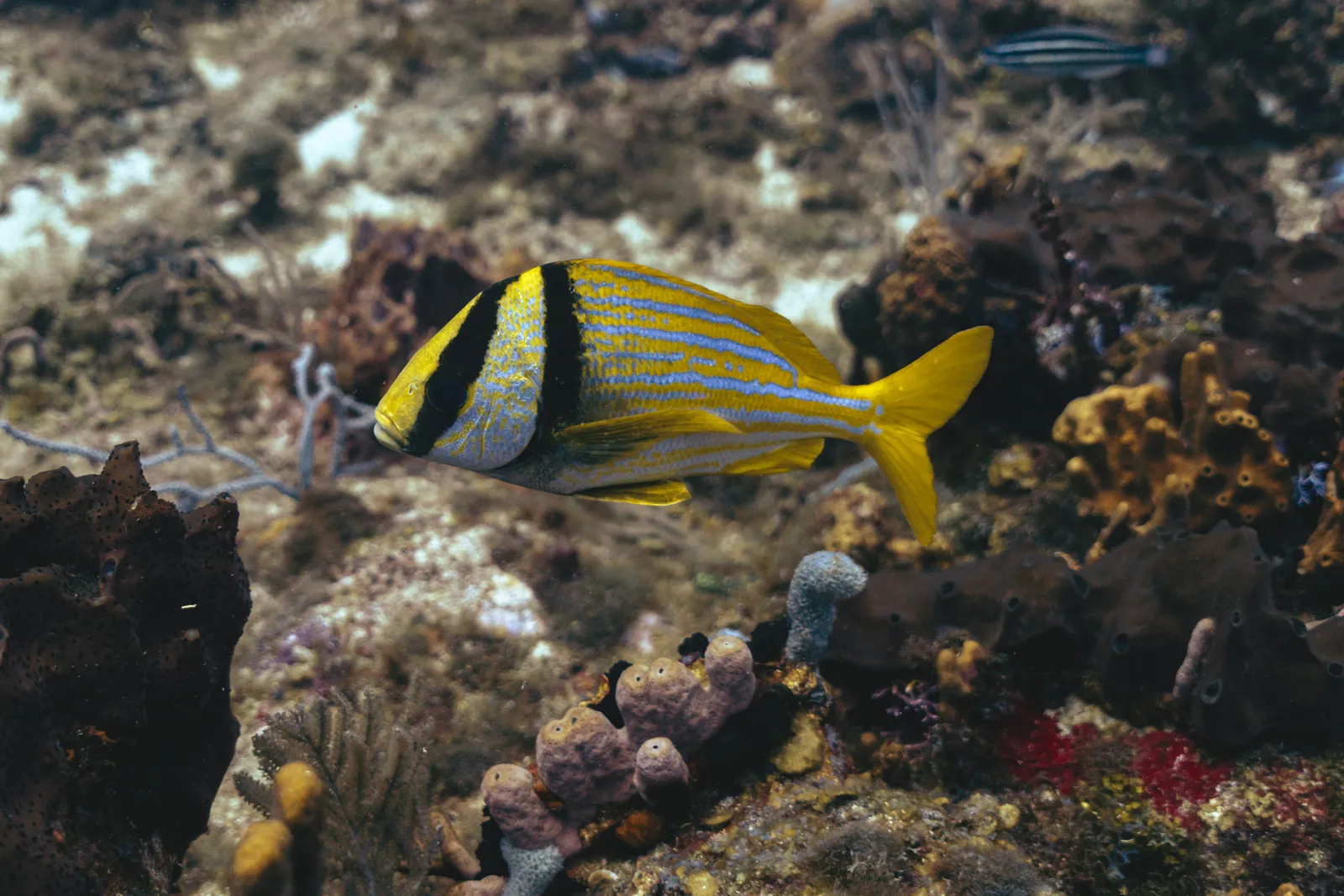
Grunts are schooling fish named for the sound they make by grinding their teeth, common on the reef.
Creole wrasses are purple fish that stream over the reef in loose, endless schools.
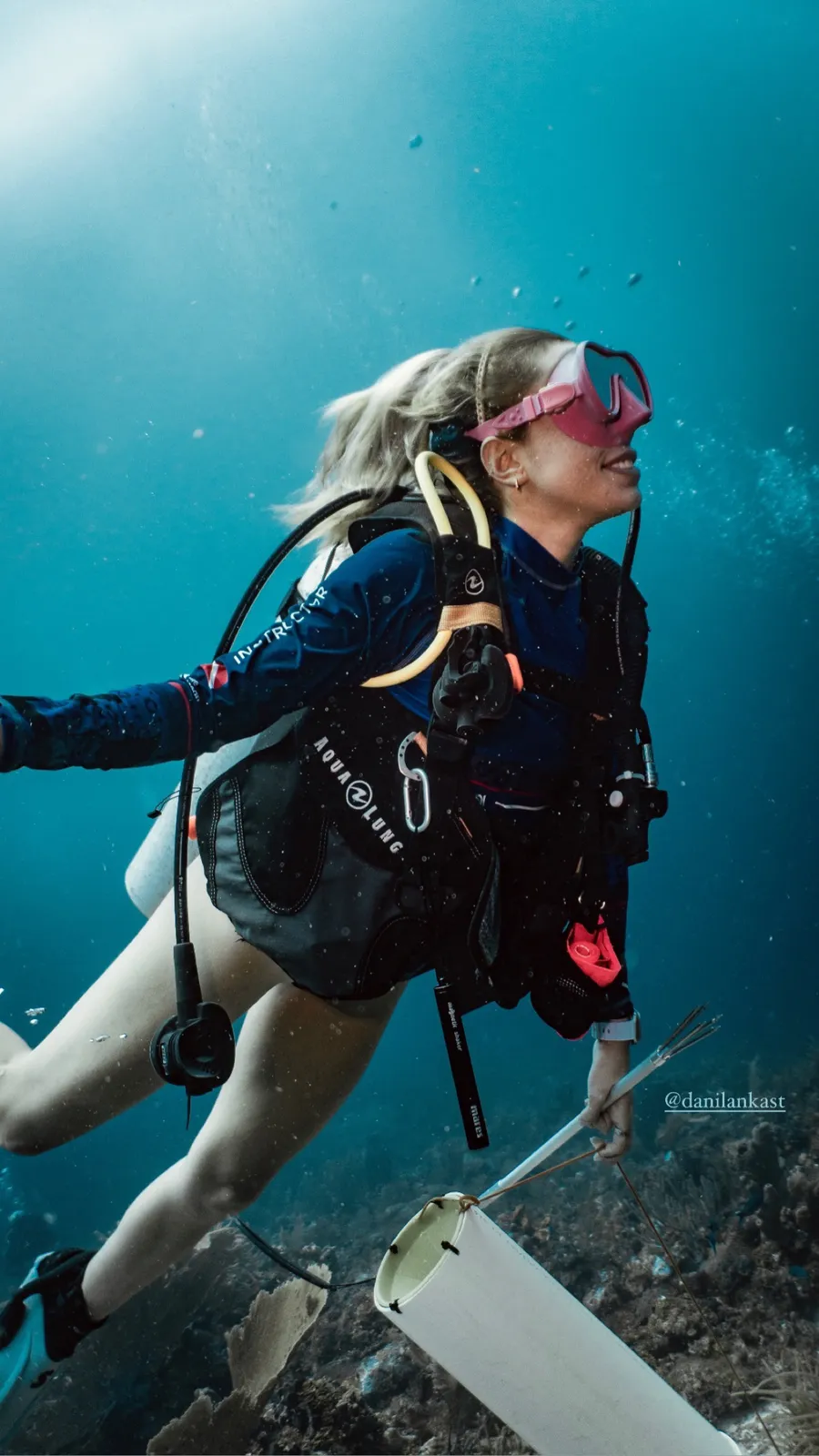
The bar jack is a slender jack often seen shadowing rays and turtles to snap up disturbed prey.
The coney is a small, color-changing reef bass that hovers around the coral heads.
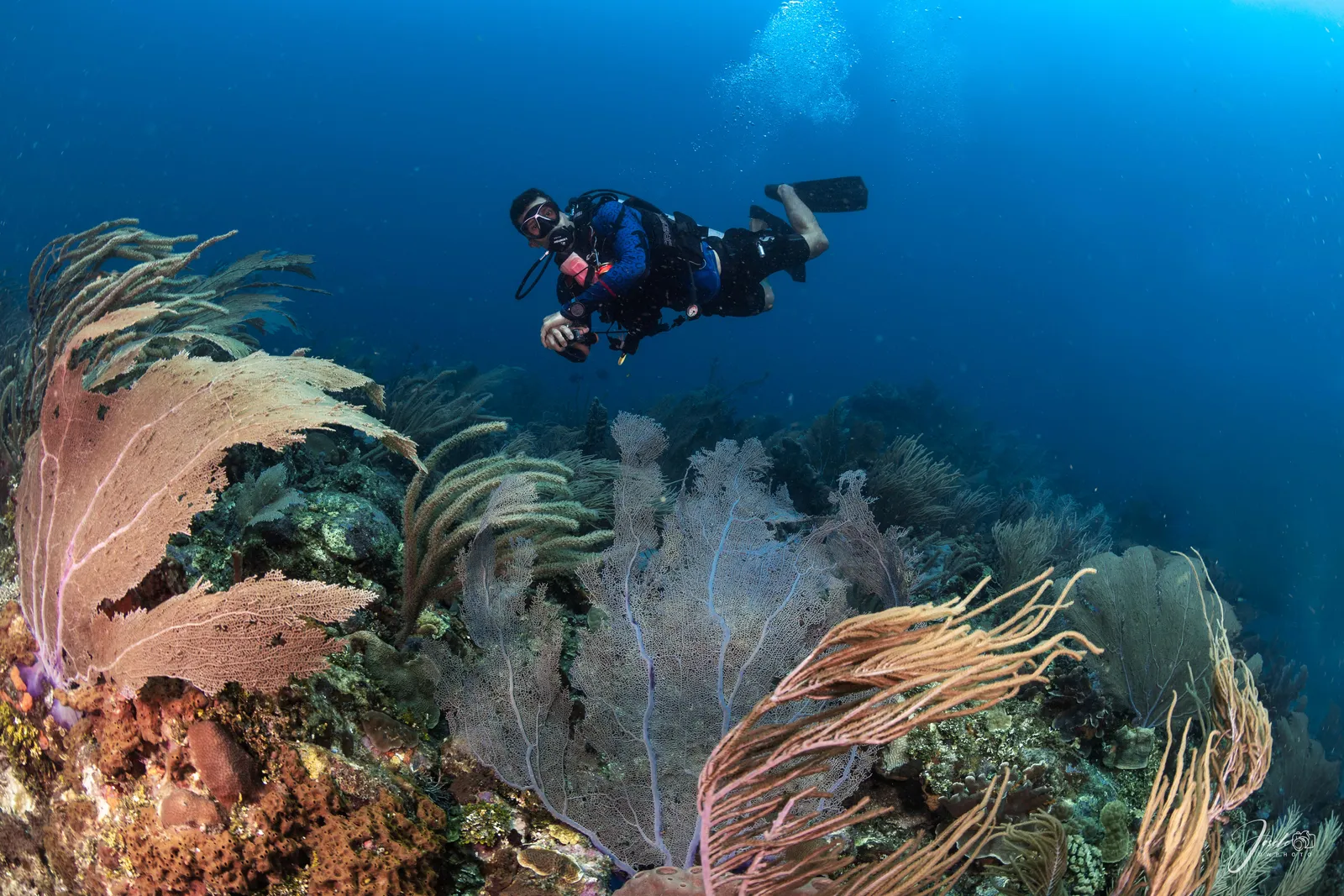
The scorpionfish is a master of camouflage that rests on the bottom, armed with venomous spines.
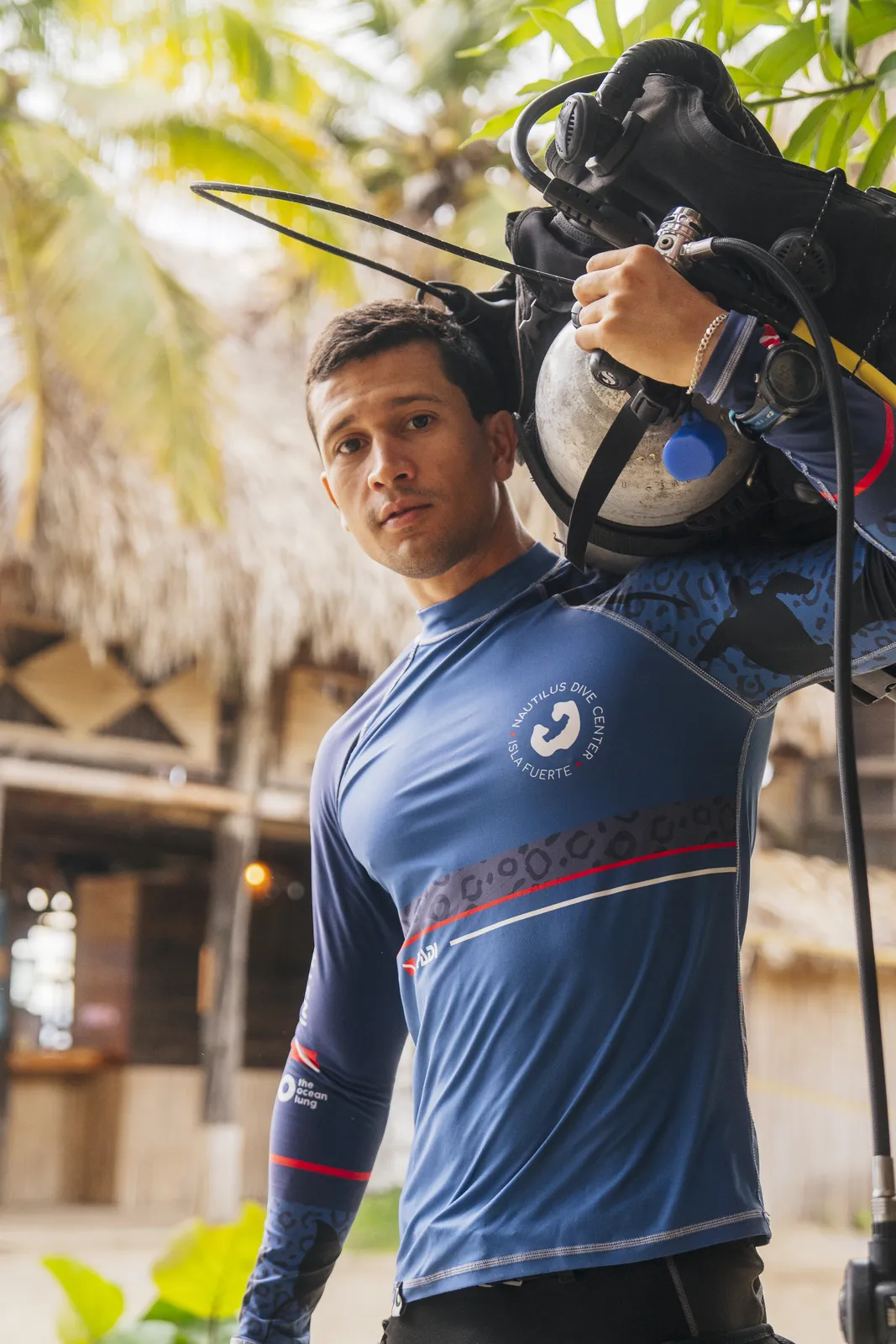
The pufferfish is a slow, comical fish that inflates into a ball when it feels threatened.
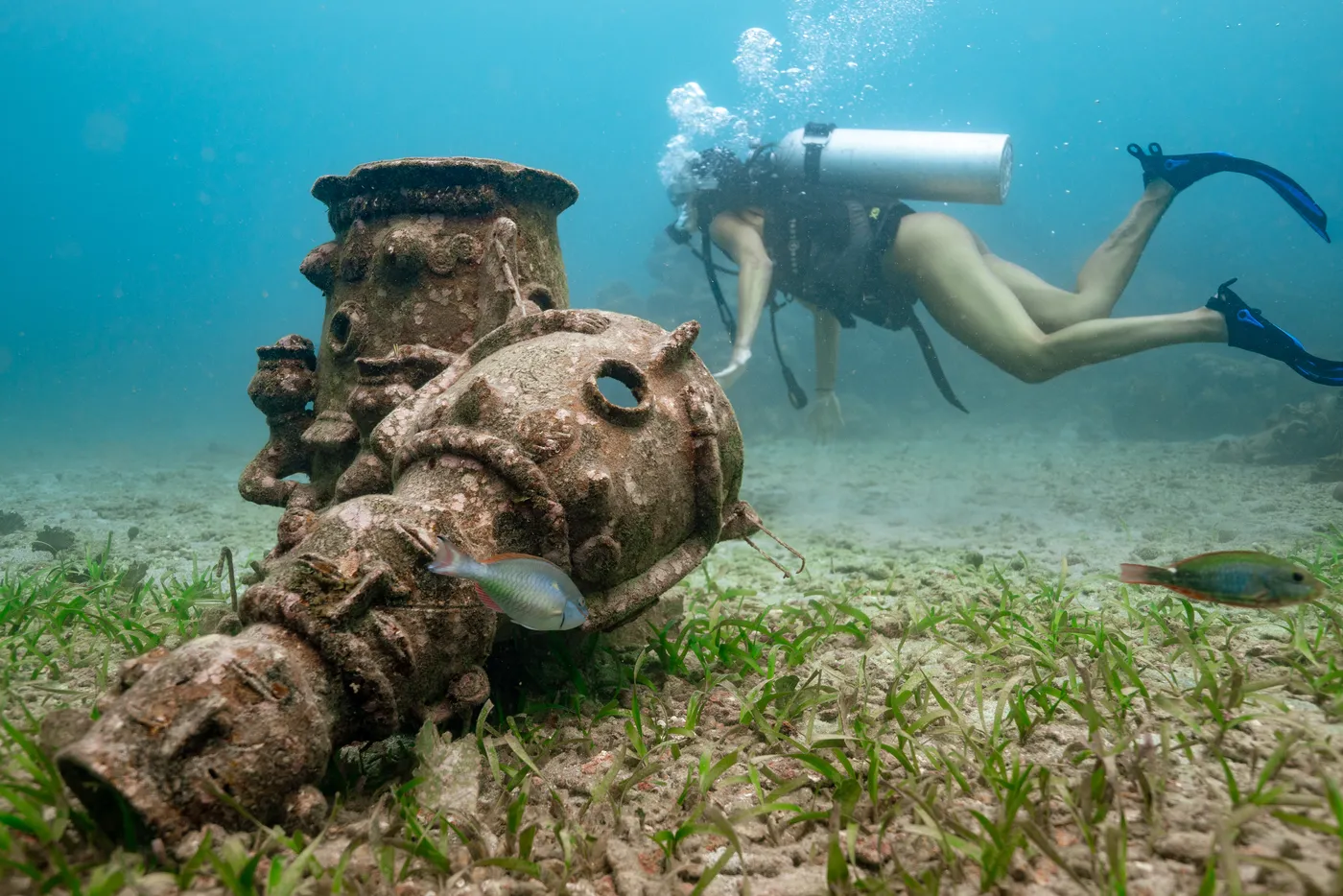
The boxfish is a boxy, armored little fish that hovers over the reef on tiny fins.
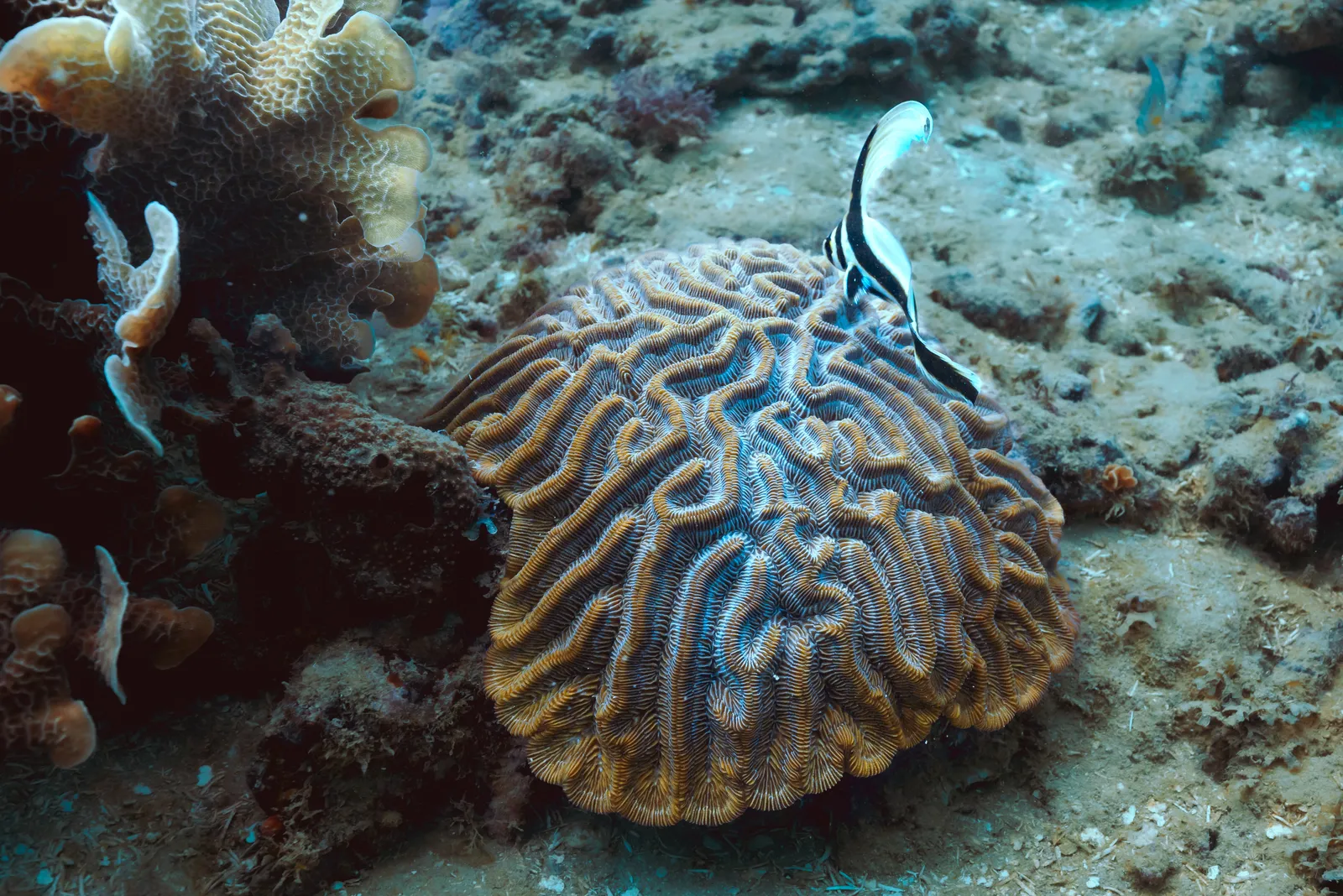
Damselfish are small, feisty fish that fiercely defend their patch of reef, even against divers.
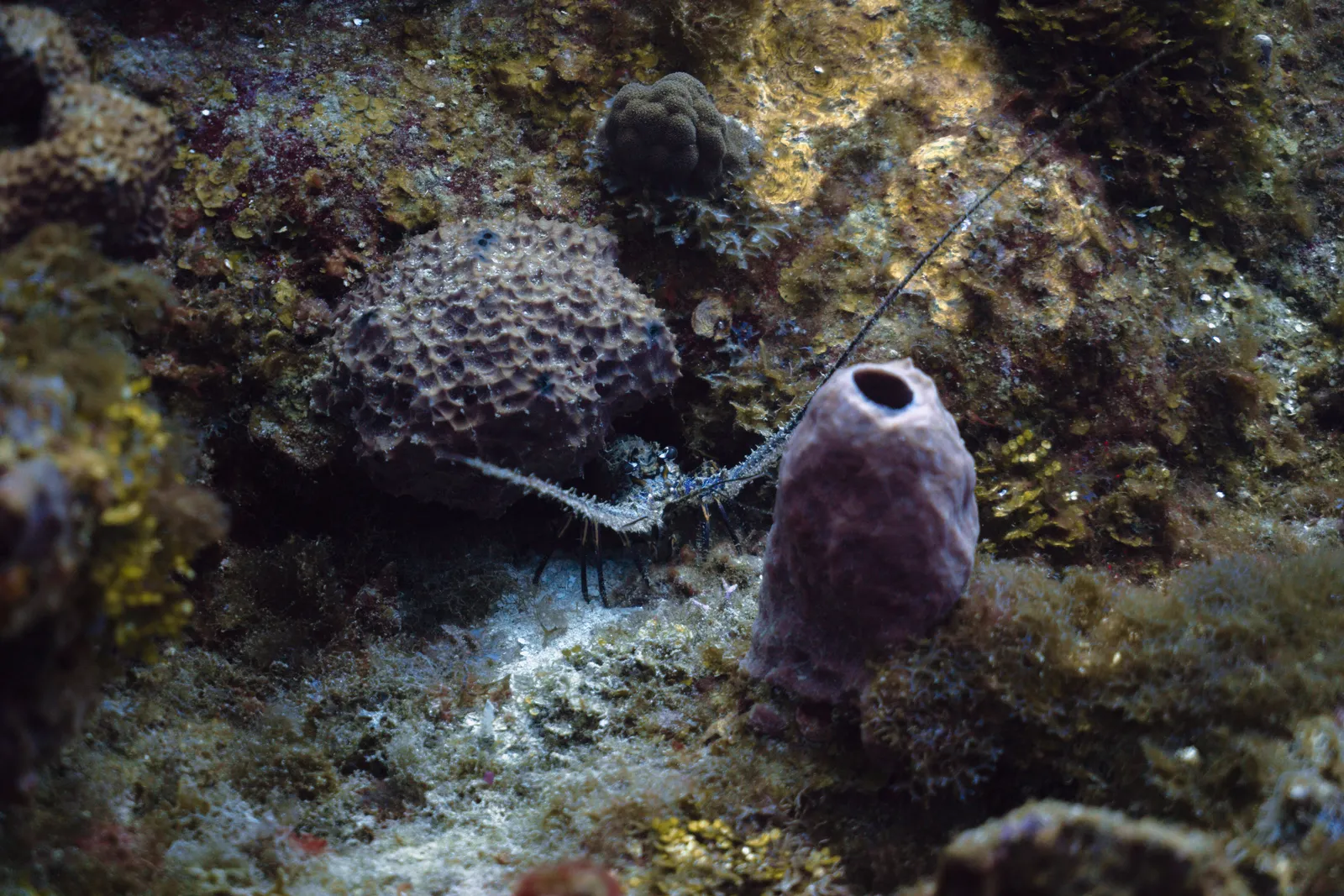
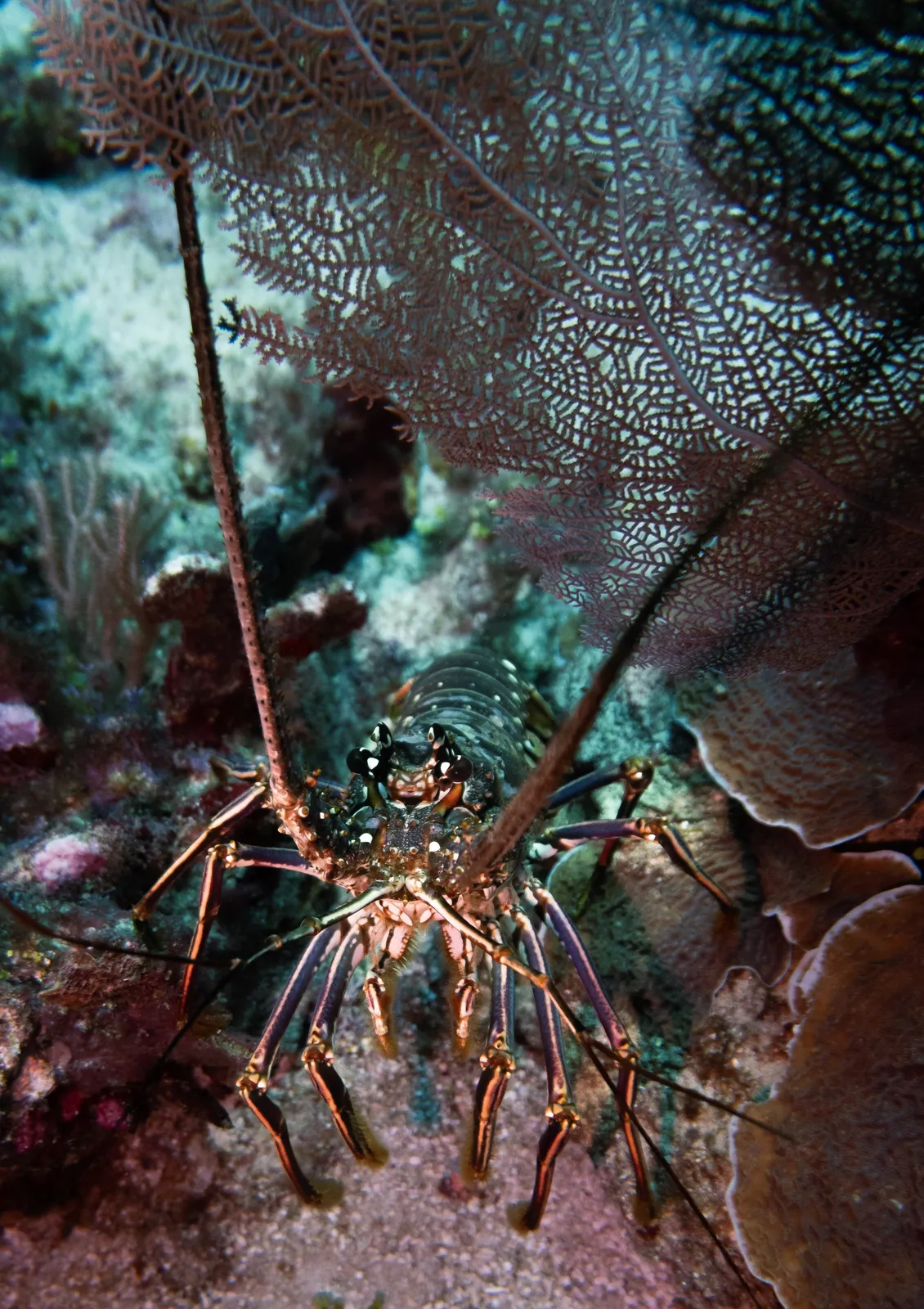
The Caribbean spiny lobster waves its long antennae from under ledges across the reef.
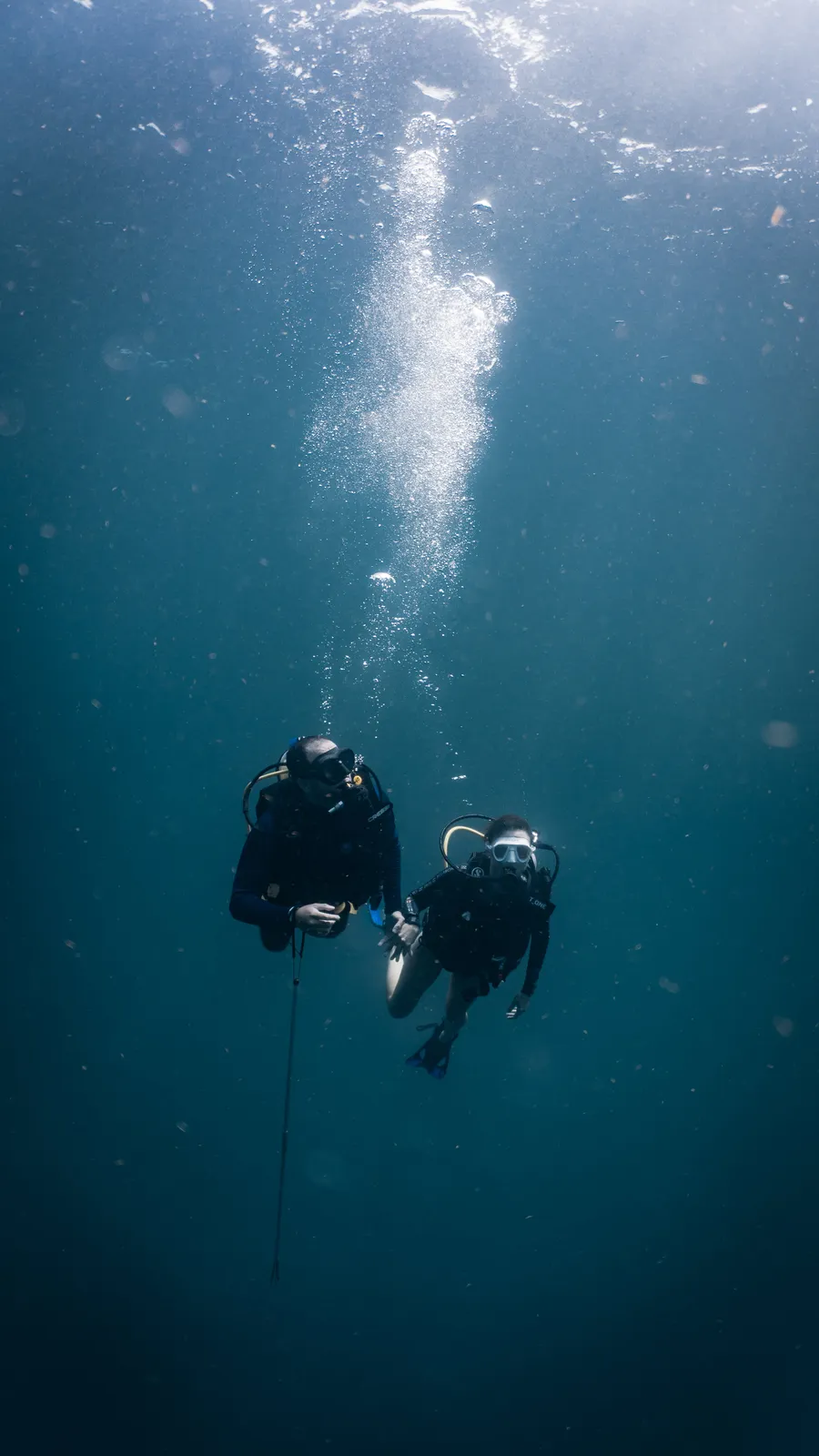
The Caribbean king crab is a long-legged crab that clambers over the reef at night to graze algae.
The octopus is a shape-shifting master of camouflage and one of the smartest animals on the reef.
Reef squid hover in formation over the reef, rippling with color as they communicate.
The seahorse is a tiny treasure clinging to the soft corals, most famously at El Planchón.
The sergeant major is a striped little damselfish that swarms the shallow reef.
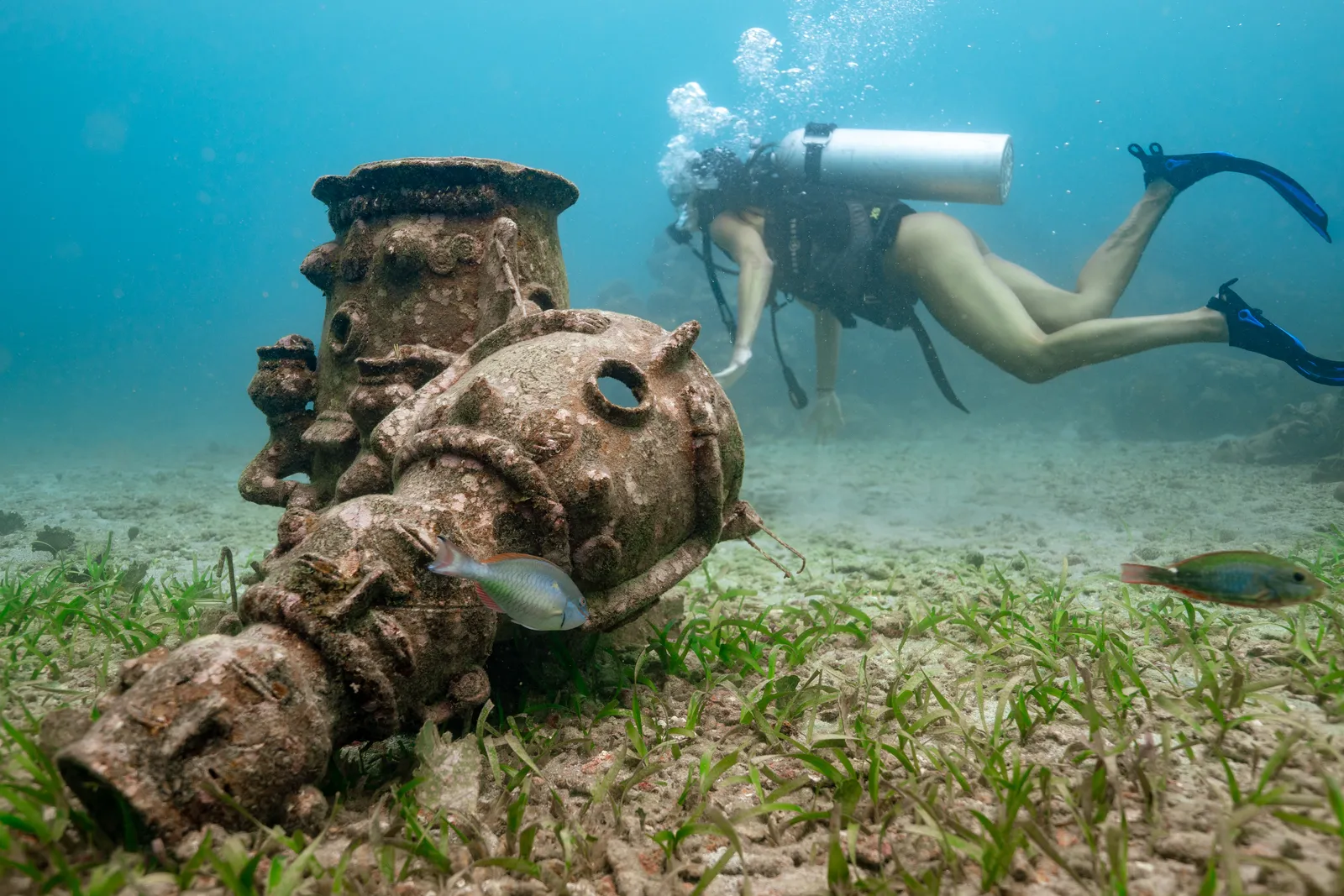
The squirrelfish is a red, big-eyed night fish that hides in reef holes by day.
The batfish is a tall, disk-shaped fish often seen near the submerged Zenú museum.
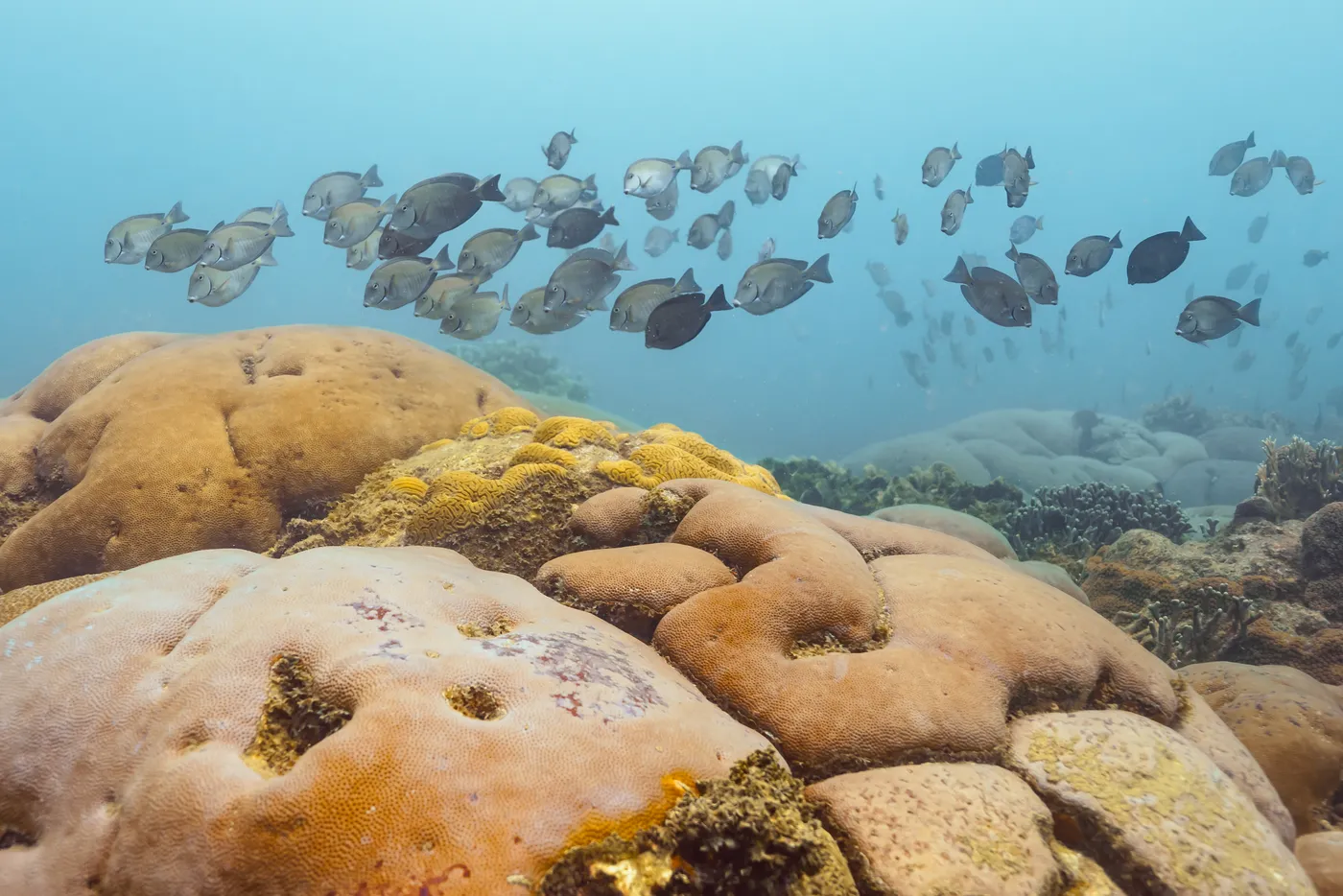
Surgeonfish are grazers armed with a scalpel-sharp spine near the tail, hence the name.
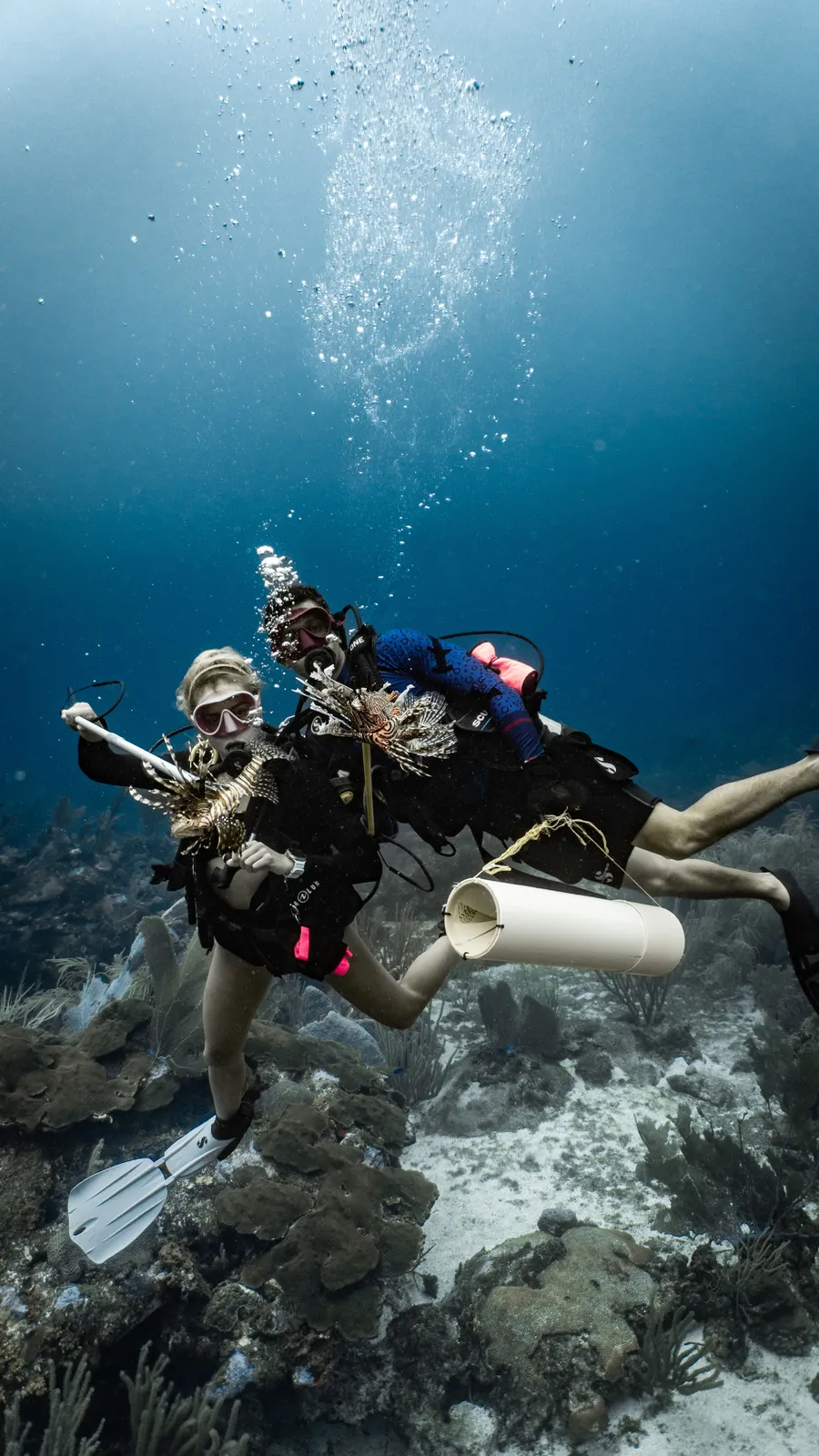
The torpedo ray is an electric ray that rests half-buried in the sand.
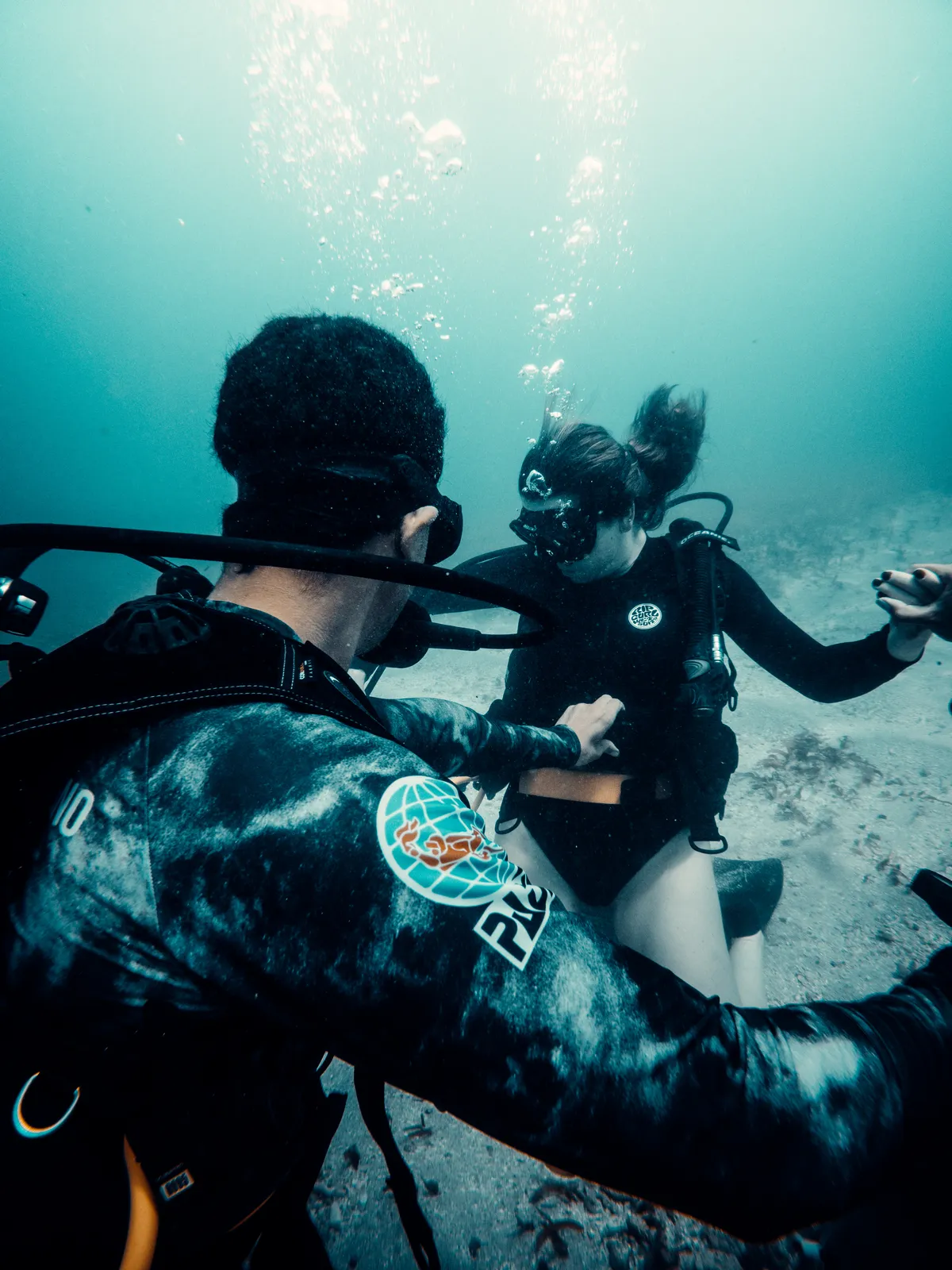
The lizardfish is a slender ambush predator that rests, perfectly still, on the sand.
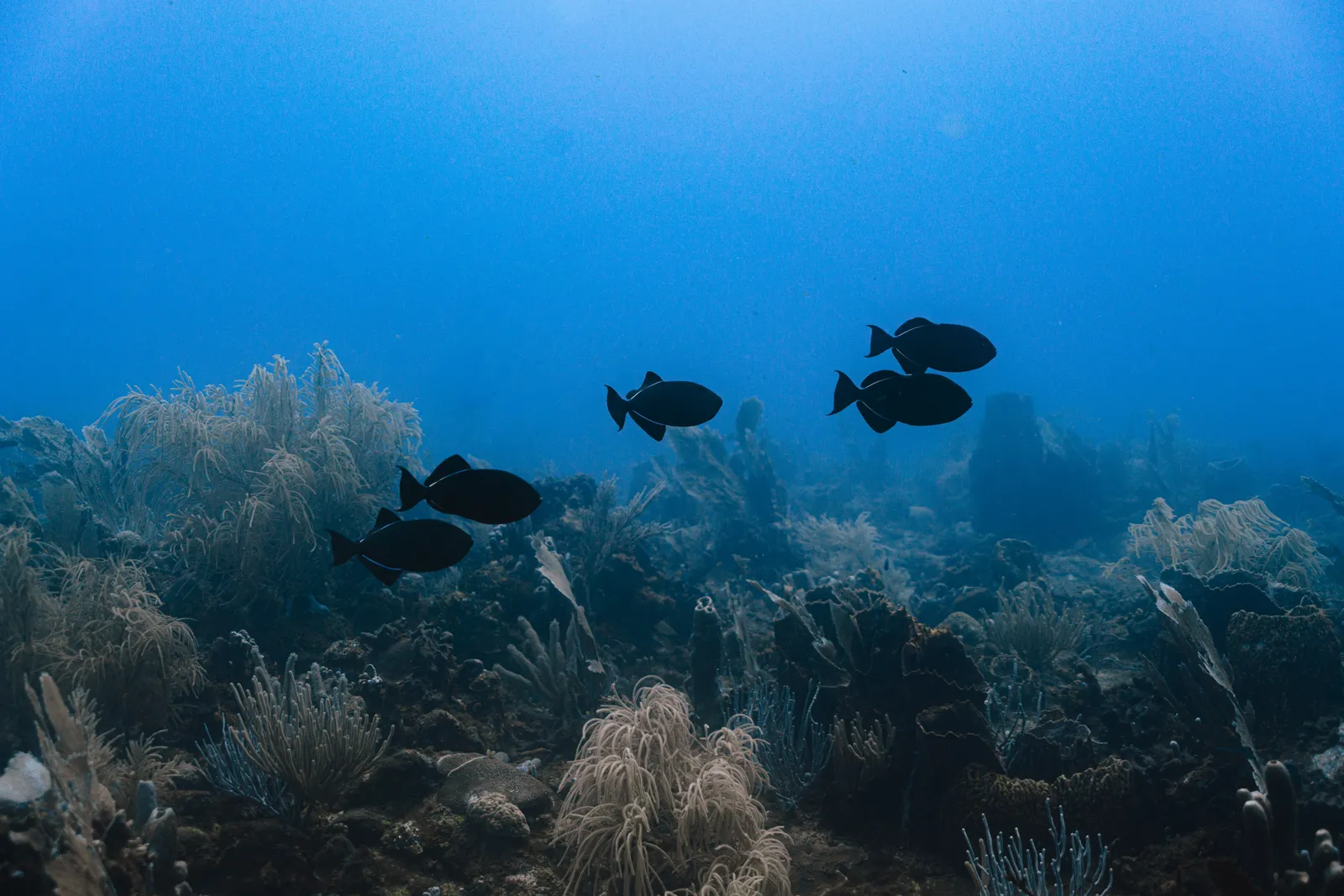
Porites are mounding corals that build the backbone of the shallow reefs of Isla Fuerte.
Orbicella, the boulder star corals, are key reef-builders of the Caribbean.
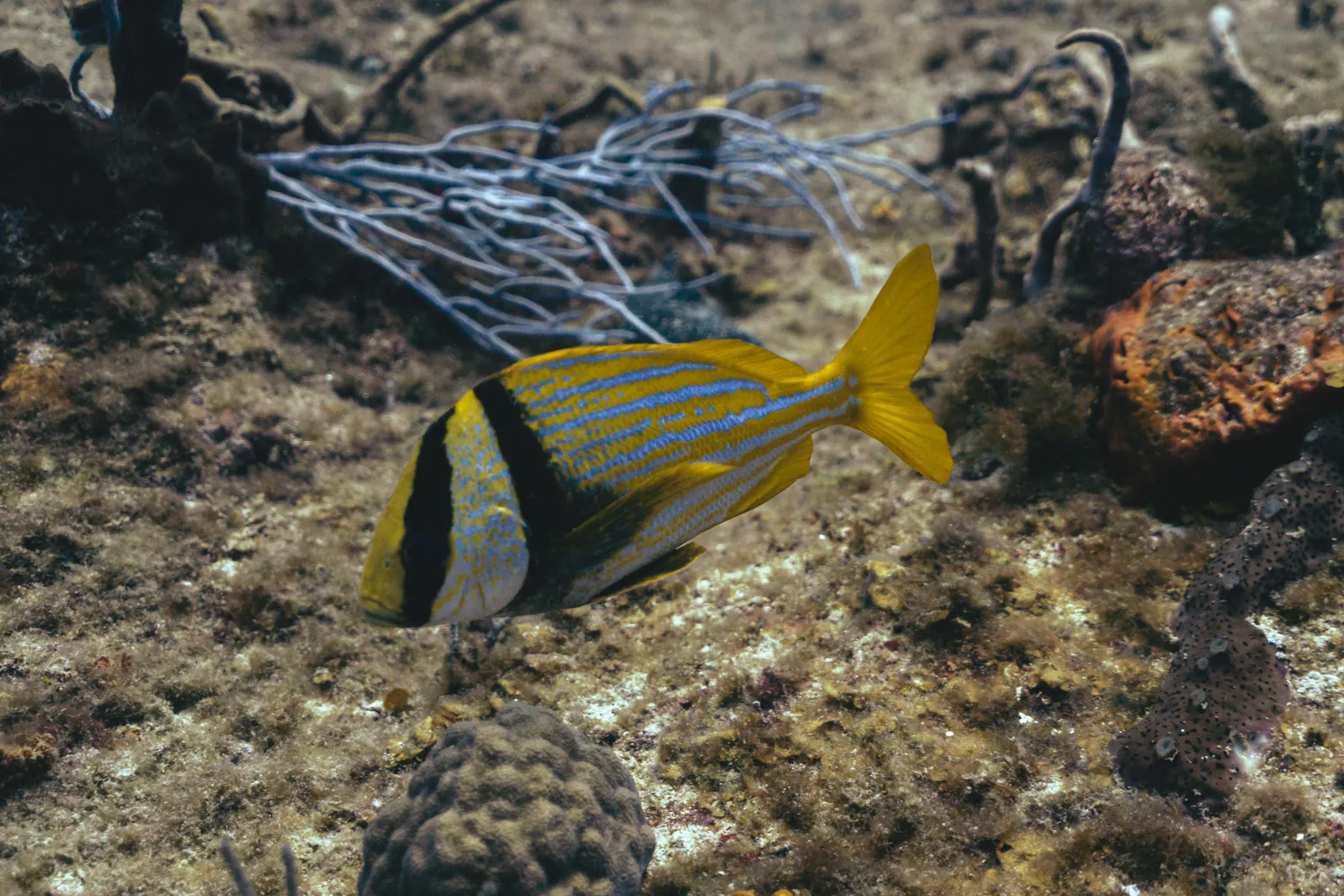
Agaricia, the lettuce corals, form delicate plates and folds across the reef.
Elkhorn coral is a threatened branching coral shaped like the antlers of an elk.
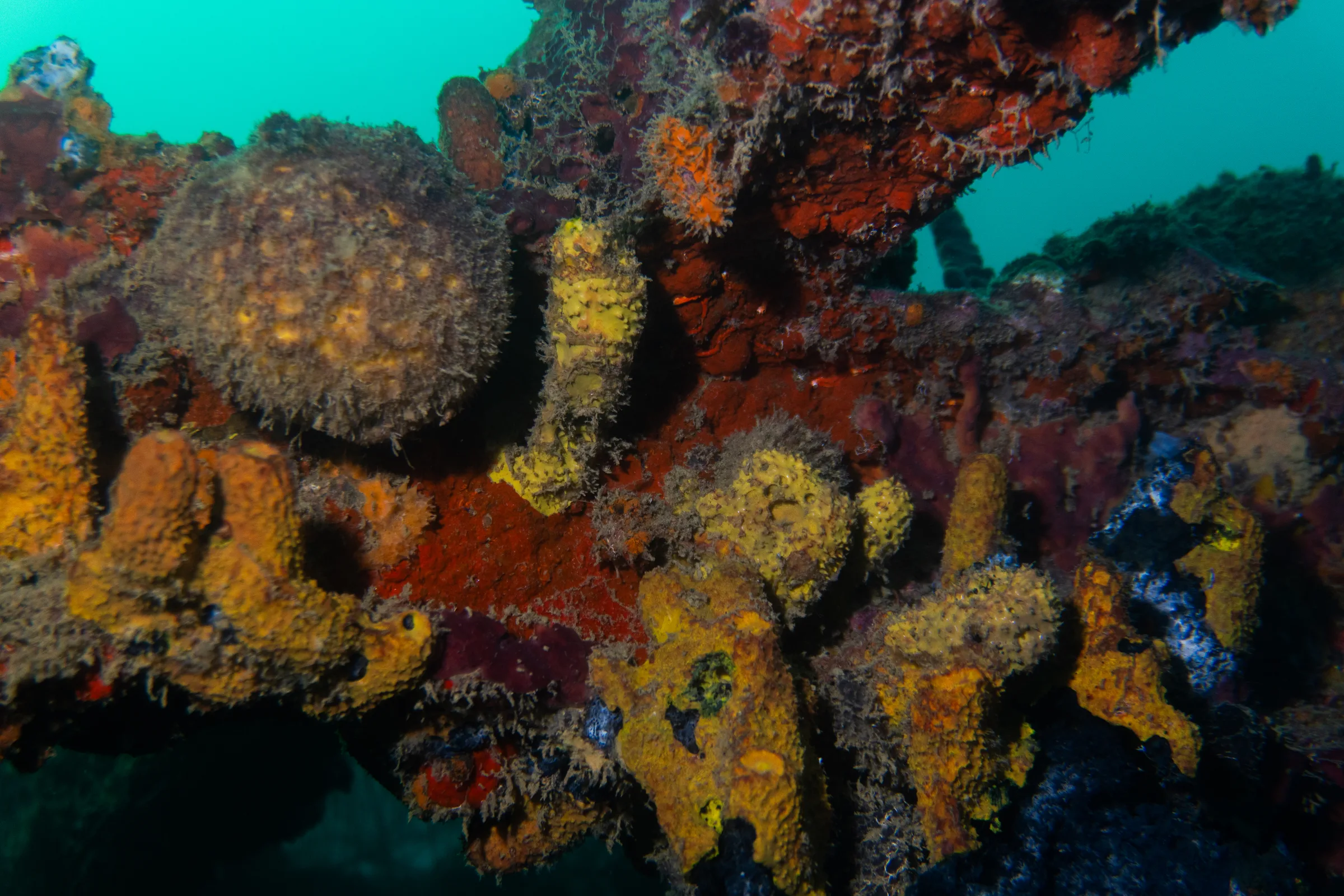
Staghorn is a fast-growing branching coral and a priority for reef restoration.
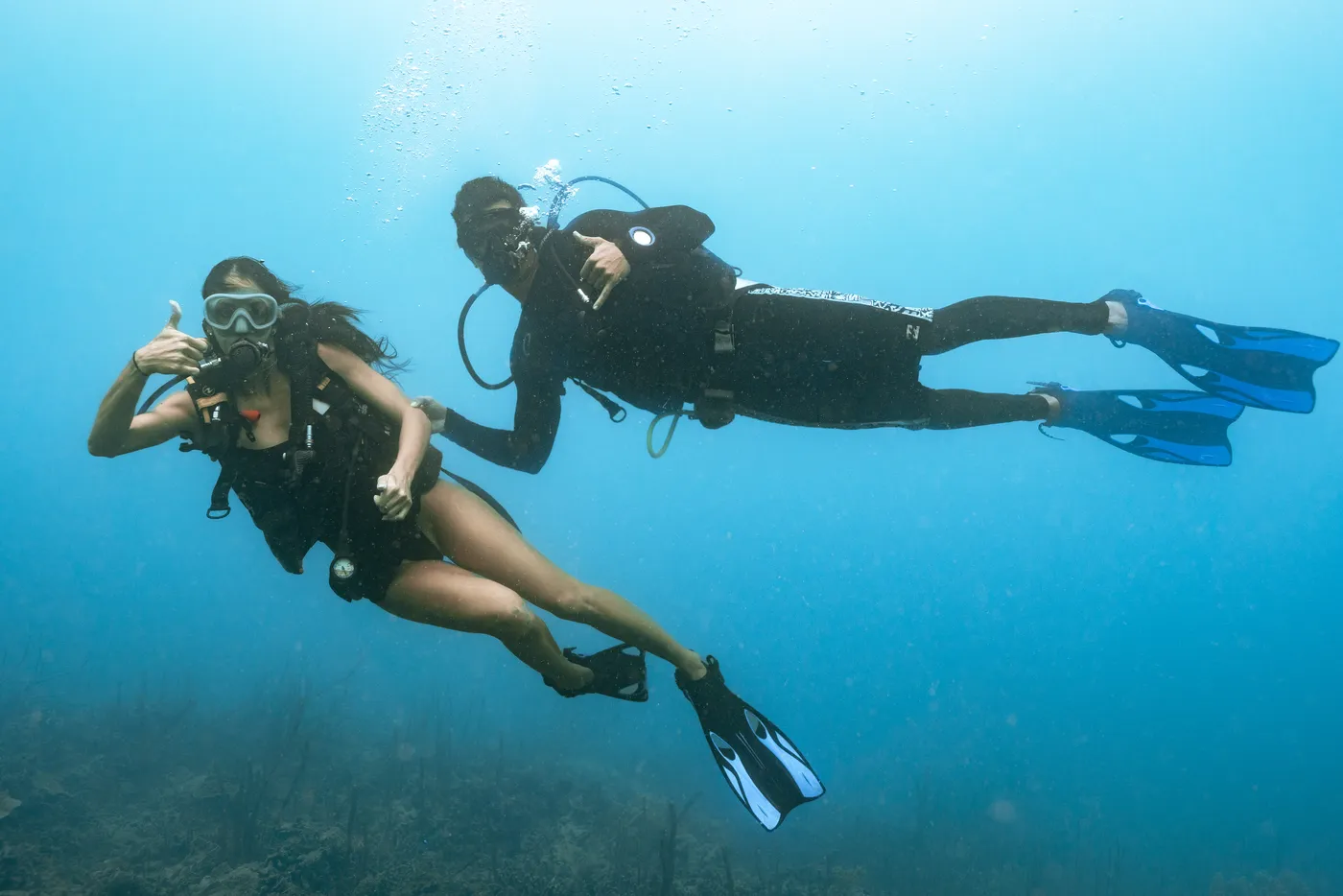
Brain corals are round colonies with maze-like ridges, some of them centuries old.
Montastraea is a massive reef-building coral of the deeper walls.
Siderastrea, the starlet corals, are hardy builders found across the reef.
Fire coral is not a true coral, and it stings on contact, so admire it but never touch it.
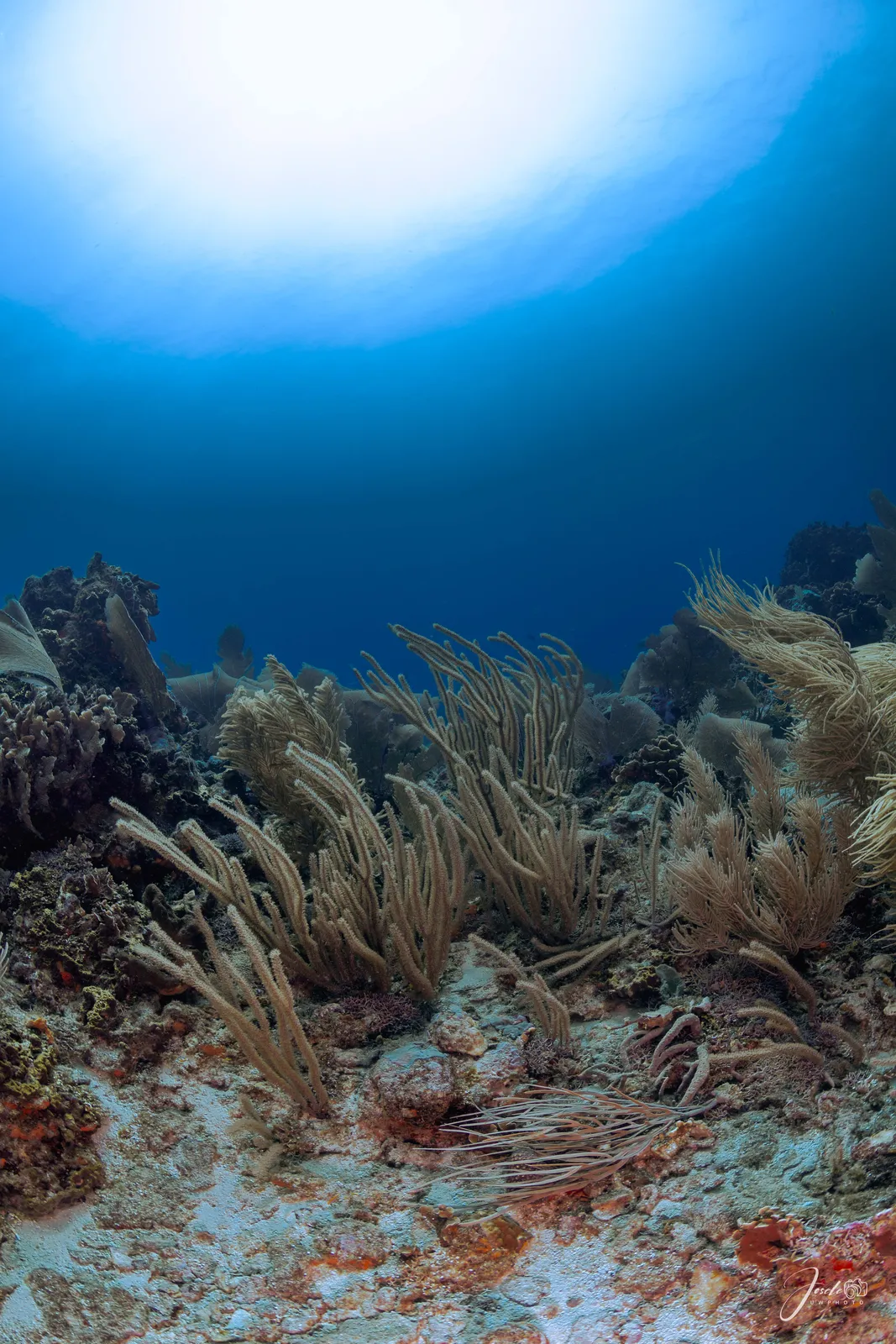
Sea fans and gorgonians are soft corals that sway like fans and feathers in the current.
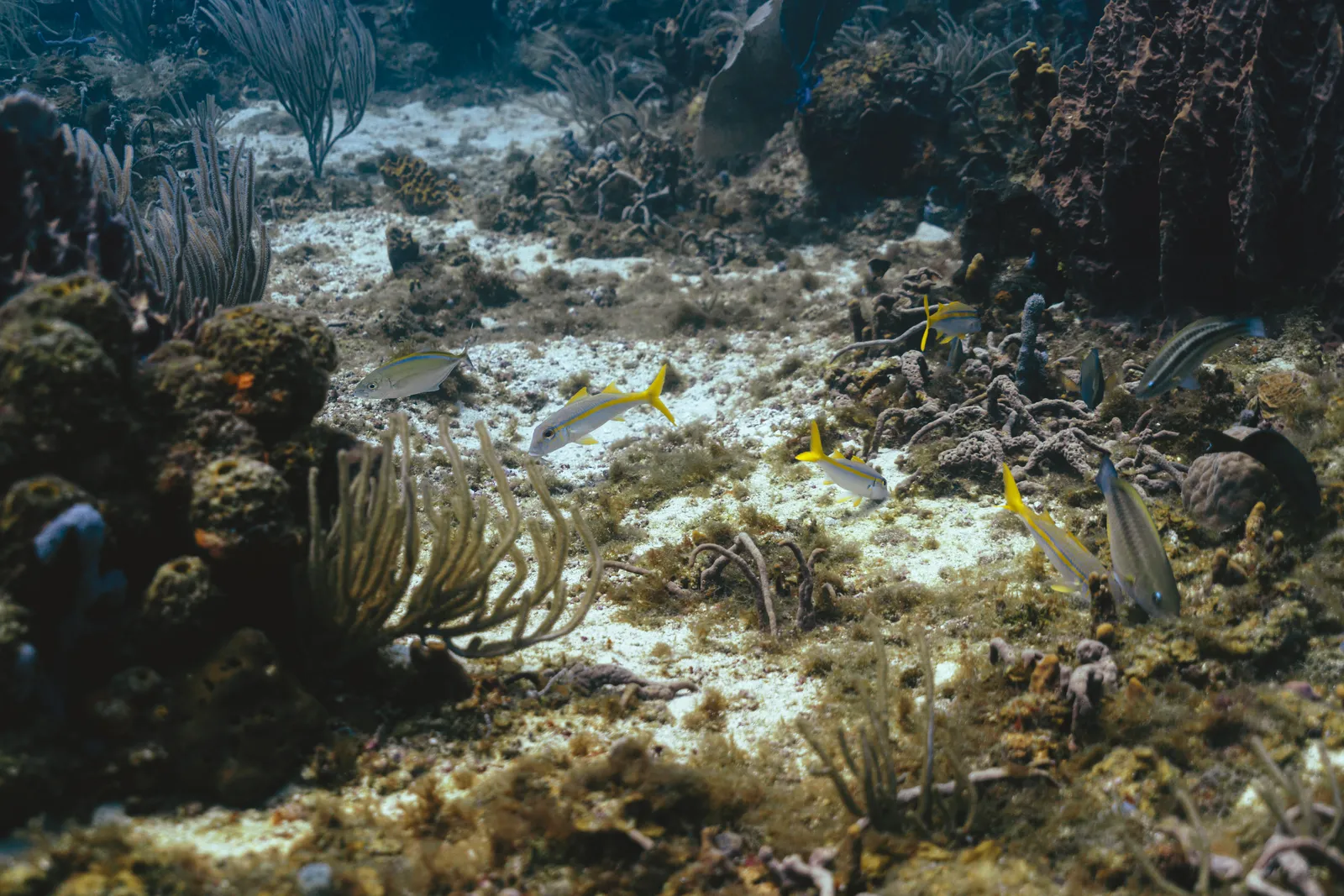
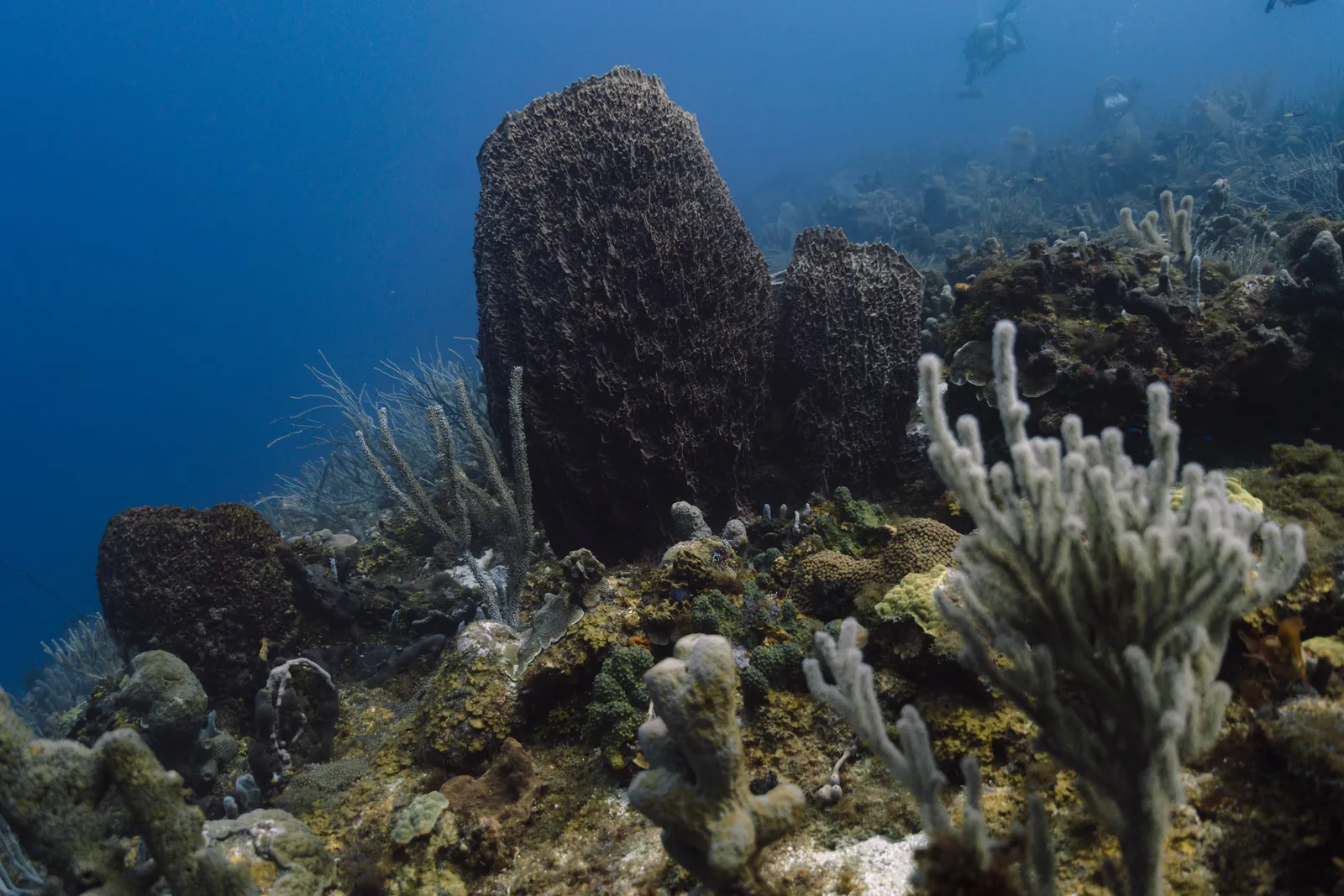
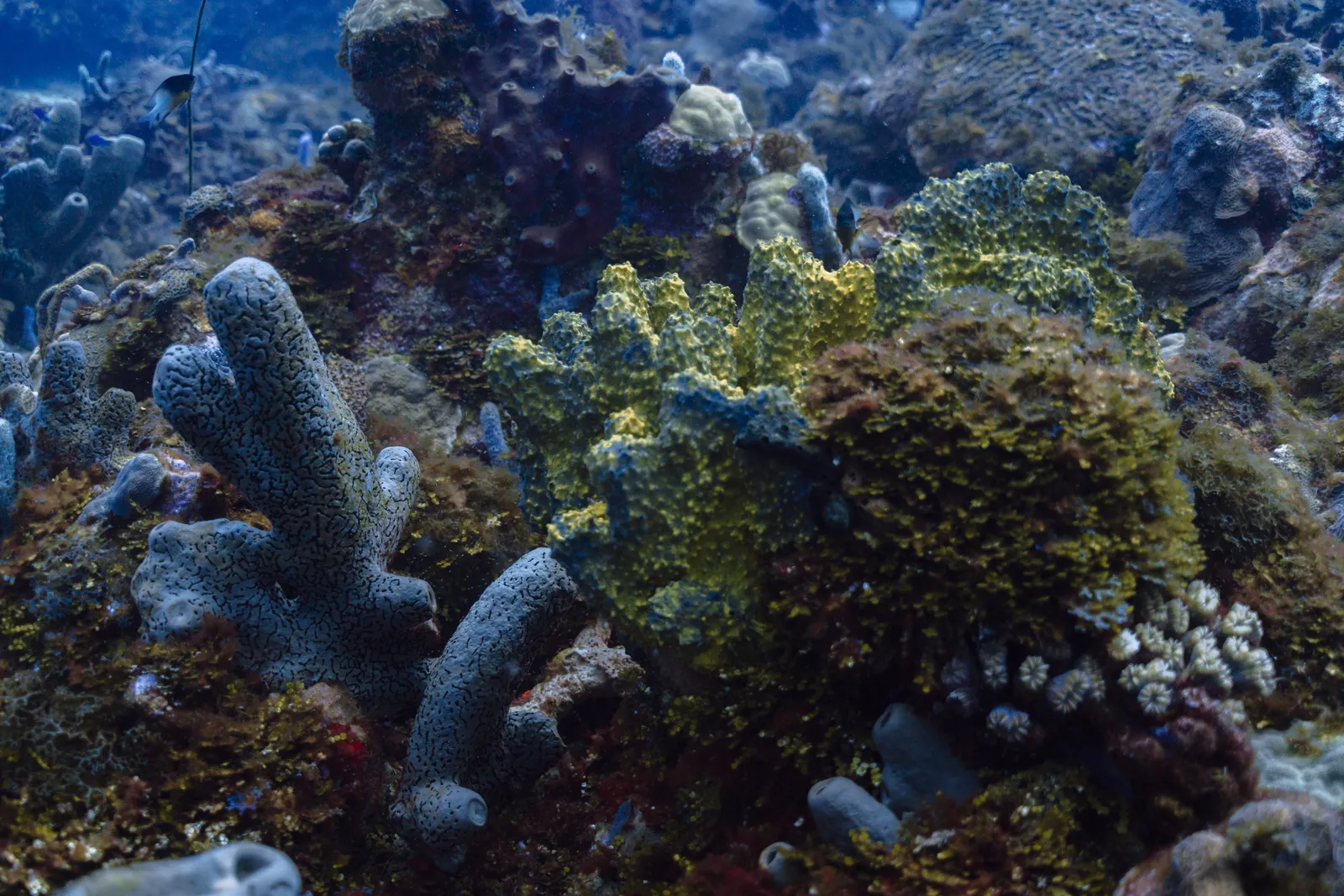
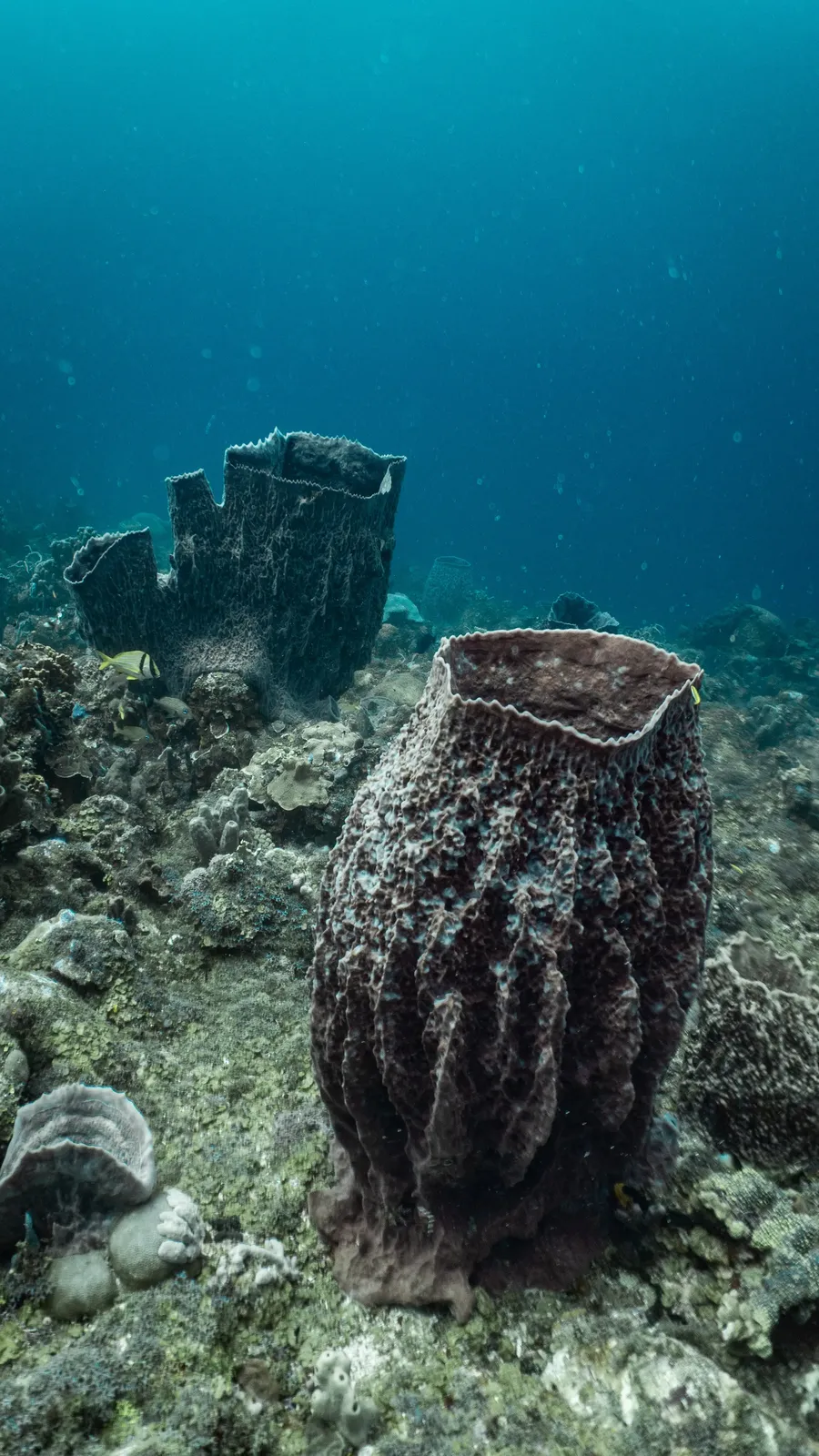
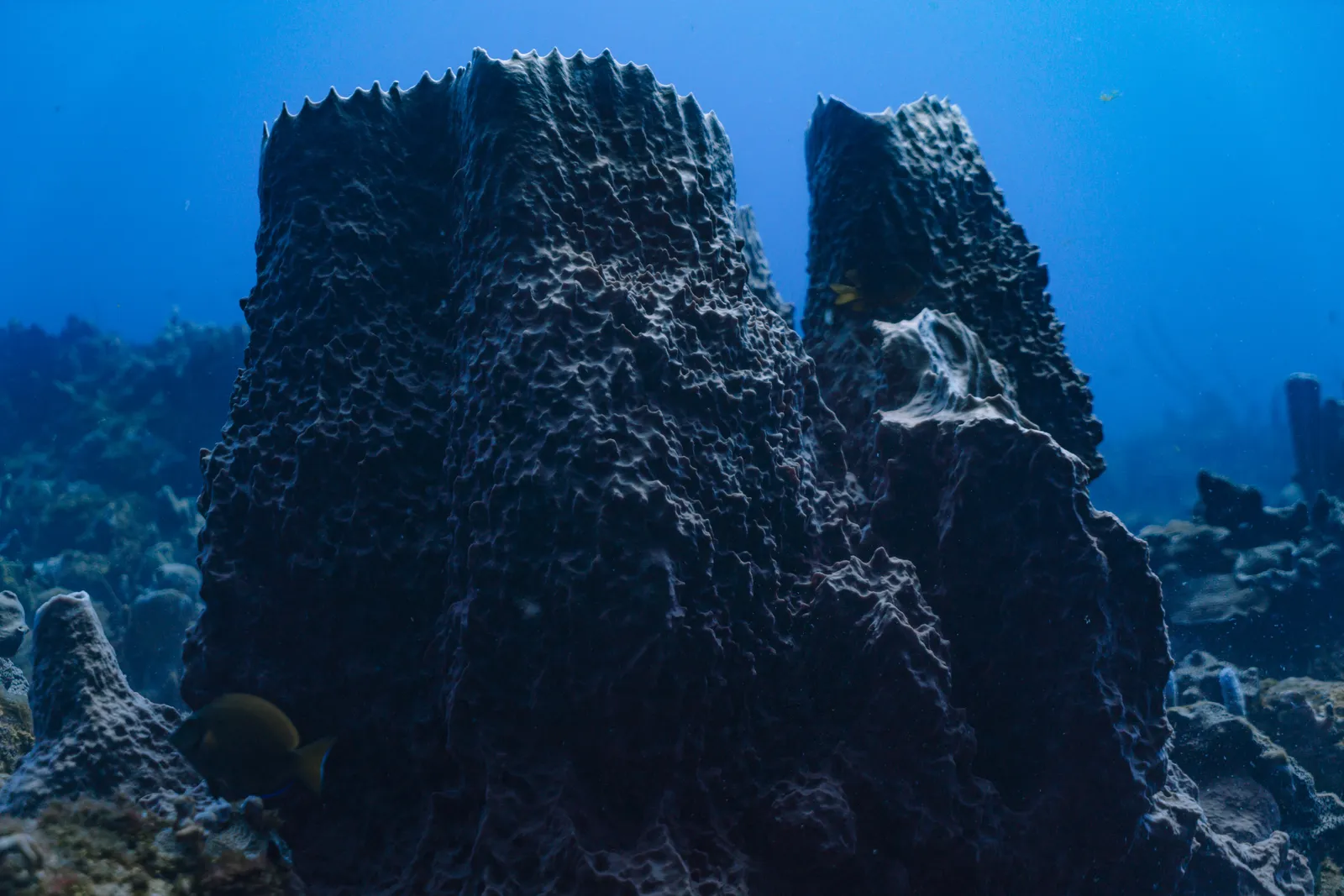
Barrel and tube sponges filter the water and shelter countless tiny animals.
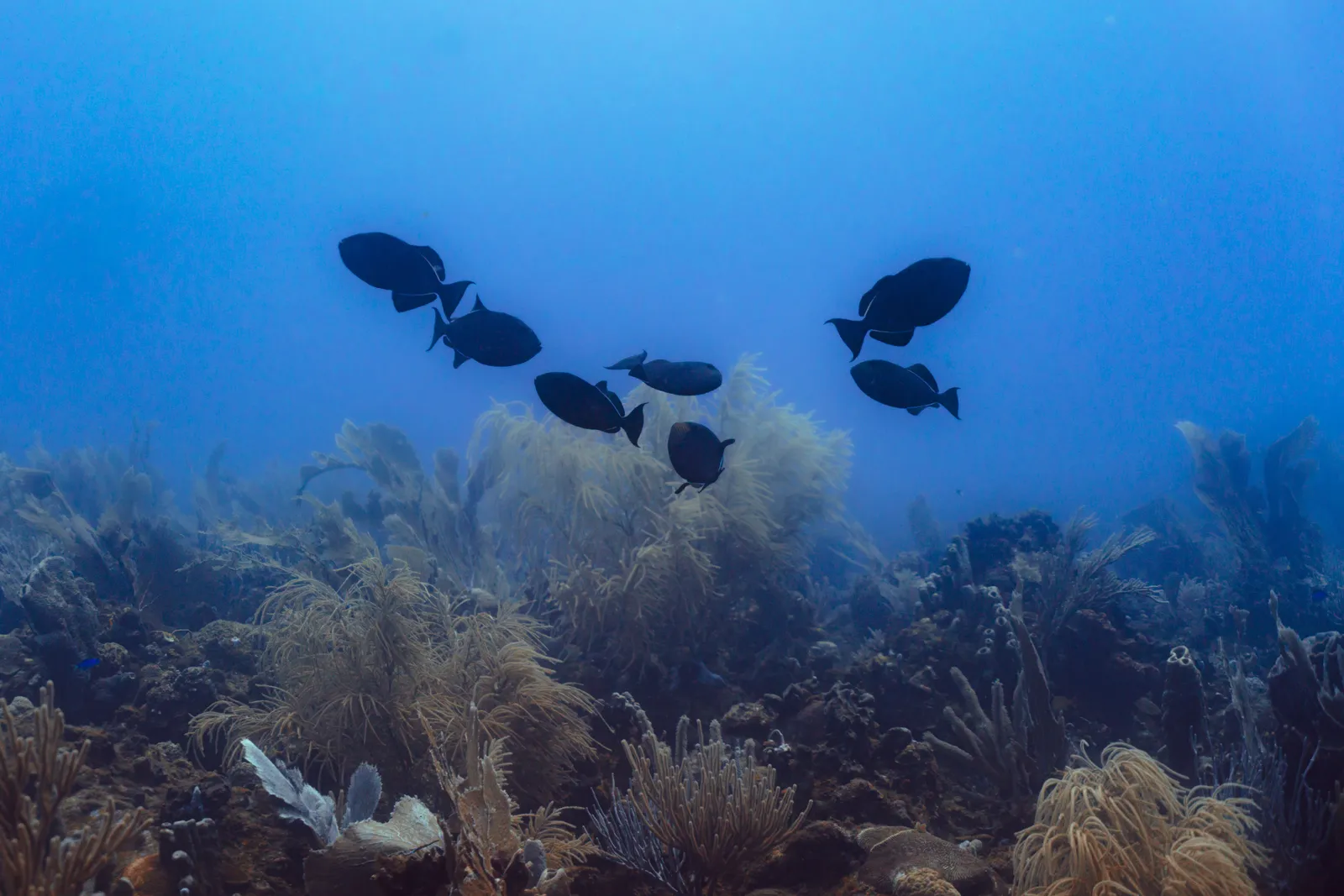
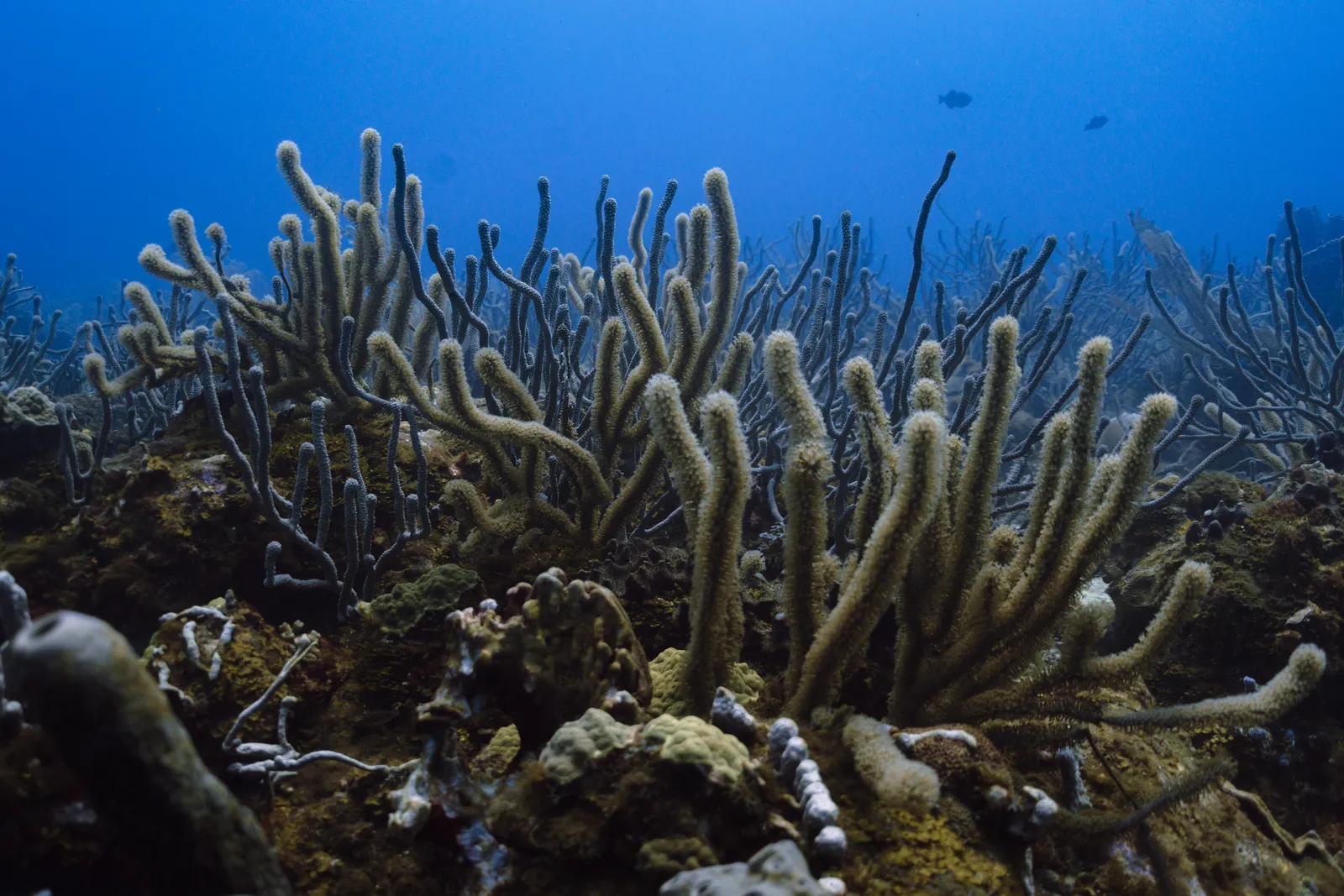
Soft corals give the reef its swaying, living texture between the hard coral heads.
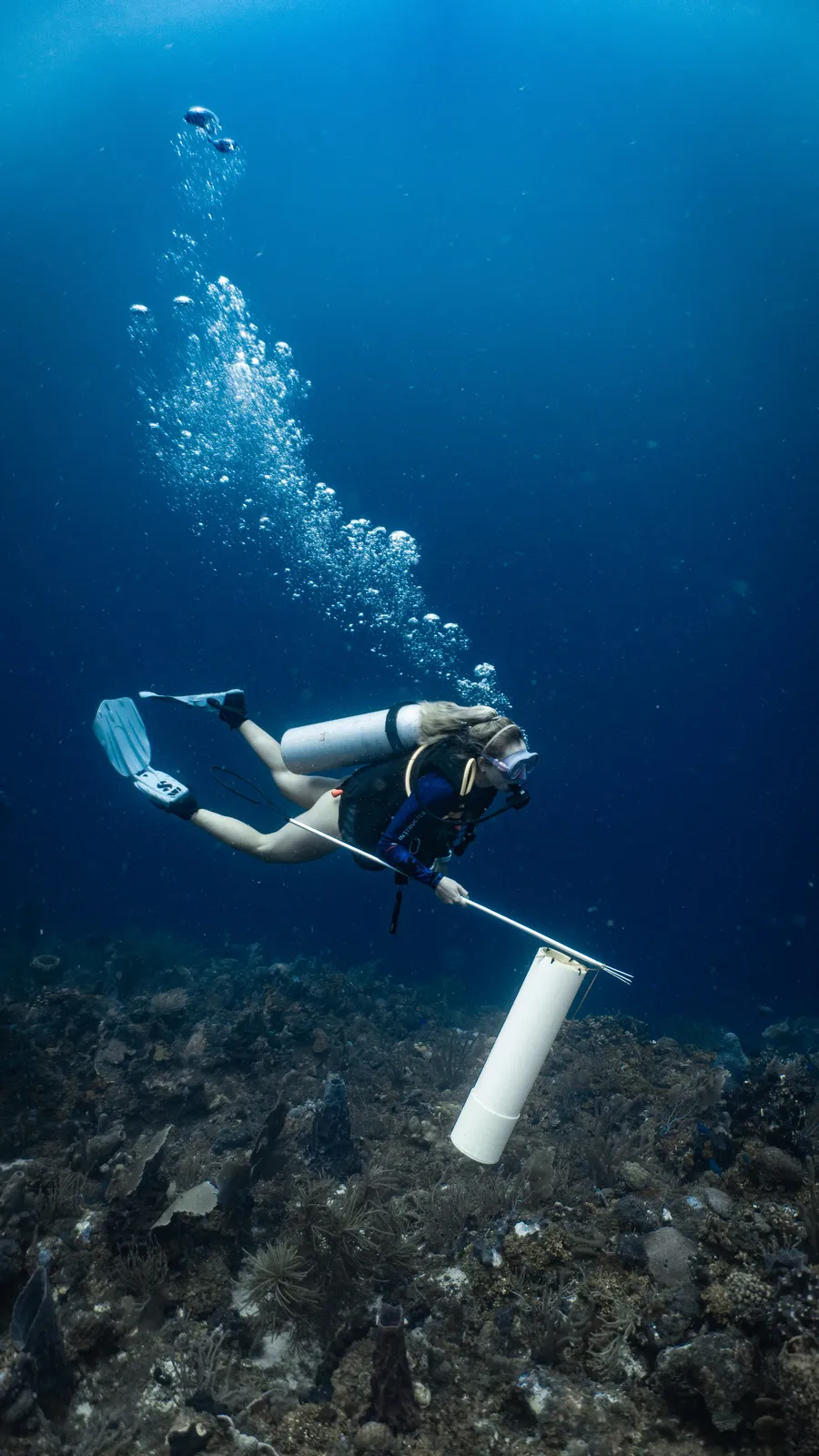
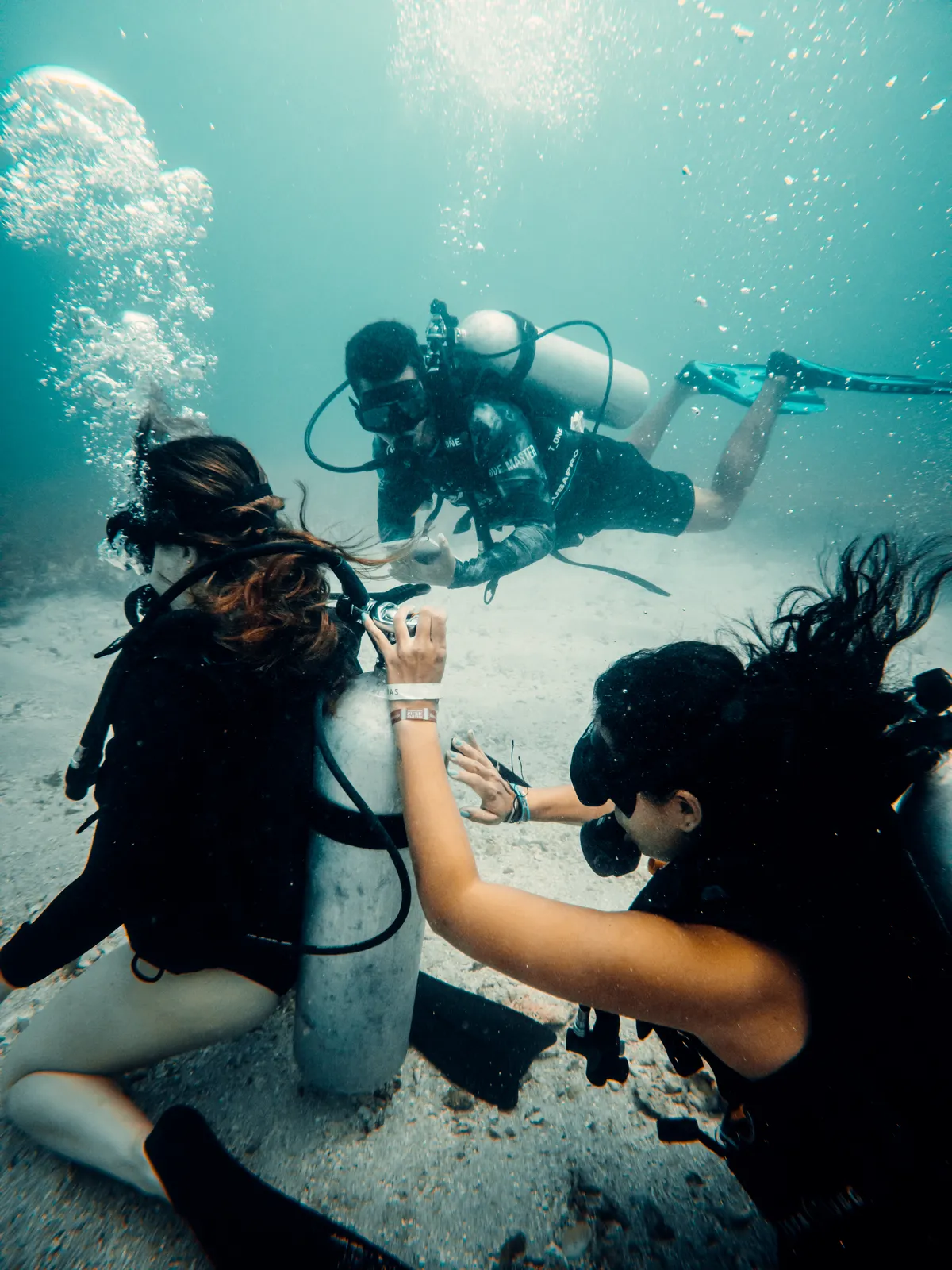
Your very first breath underwater, no experience or certification needed.
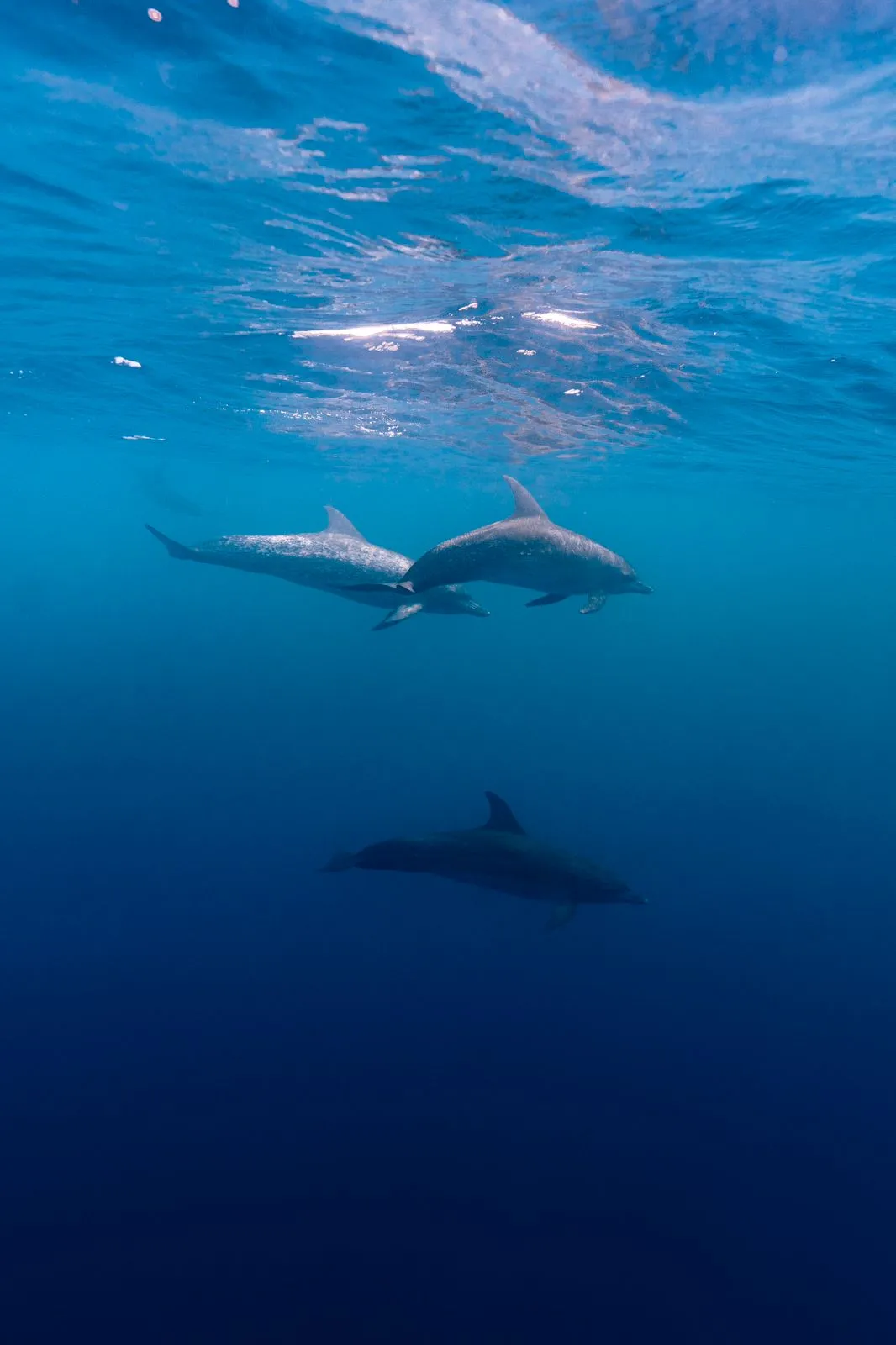
The international certification that lets you dive anywhere in the world.
Five adventure dives that expand your range to 30 meters.
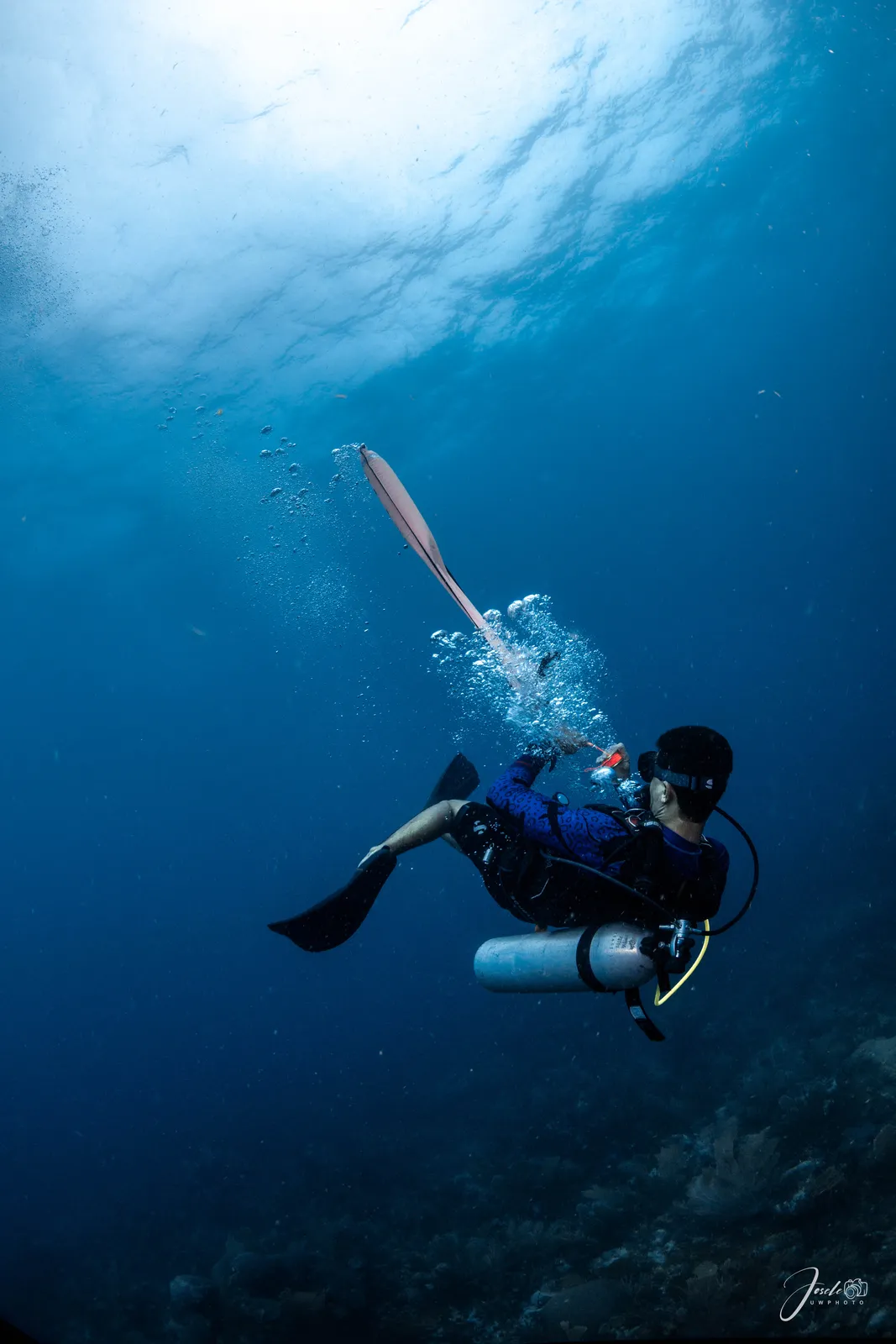
Learn to prevent, spot and manage diving emergencies.
Your first professional rating in diving.
A distinctive PADI specialty that turns diving into conservation.
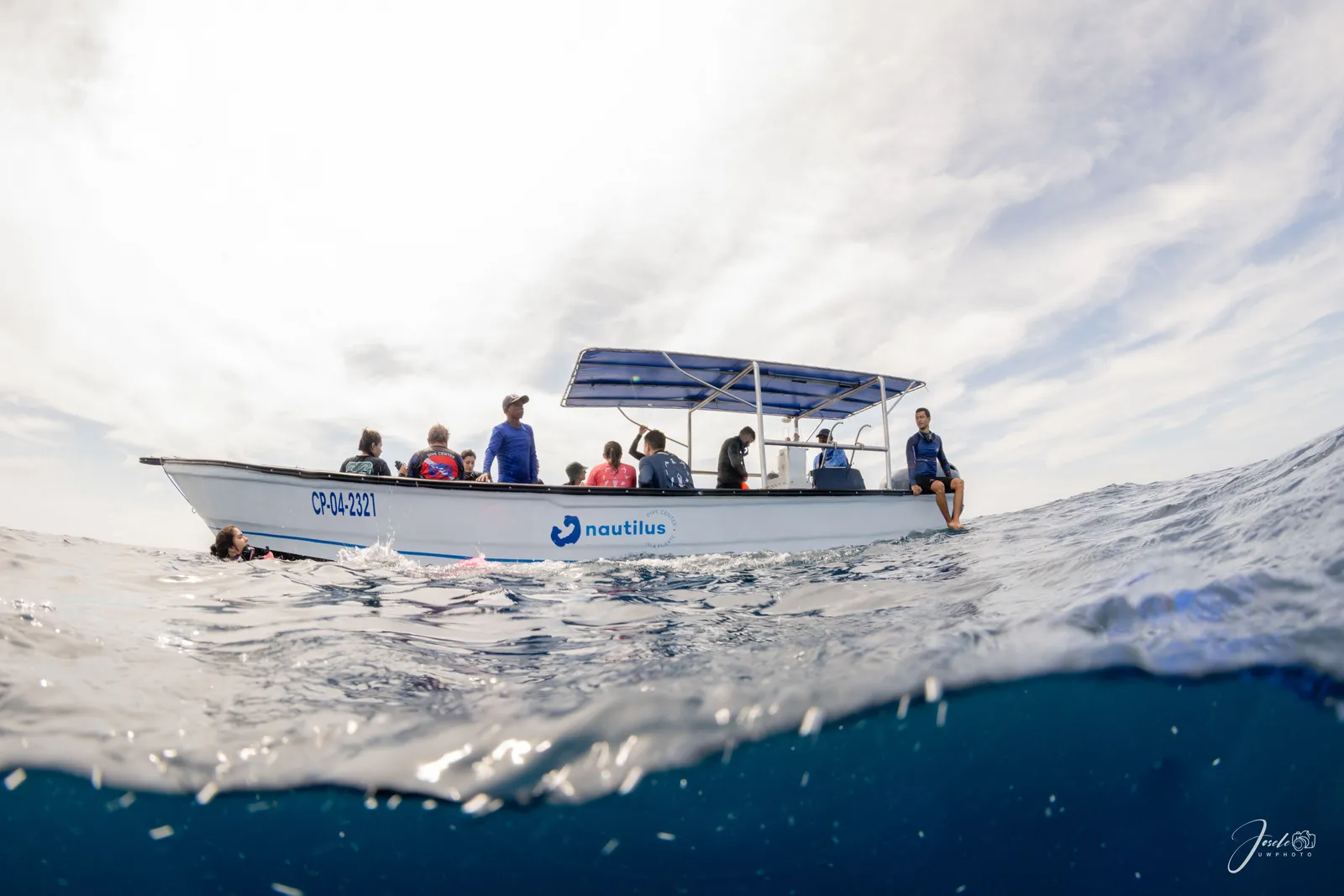
Plan and enjoy deeper dives safely, to 40 meters.
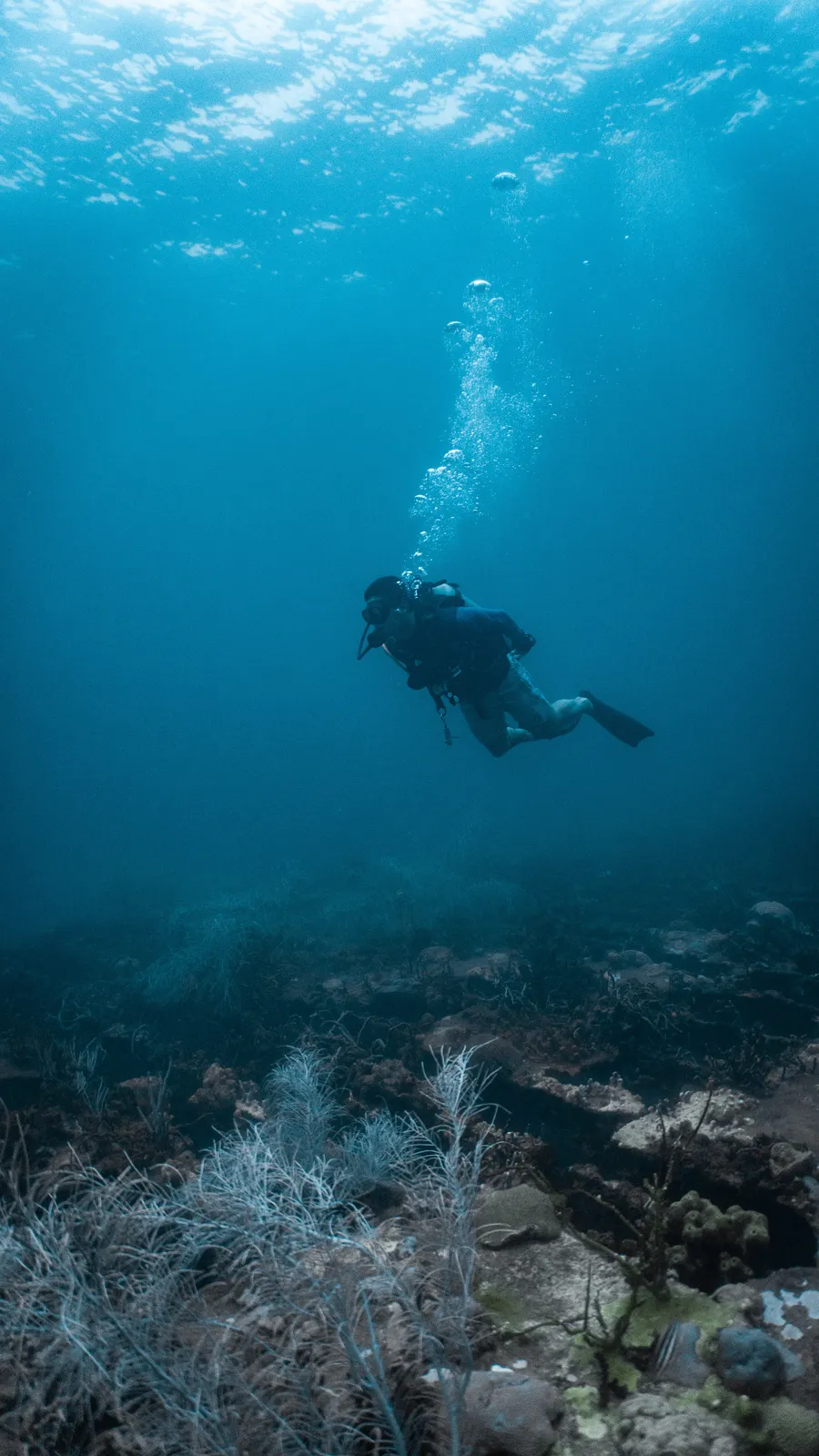
Learn to recognize the fish and corals of Isla Fuerte.
The reef transforms into a different world after dark.
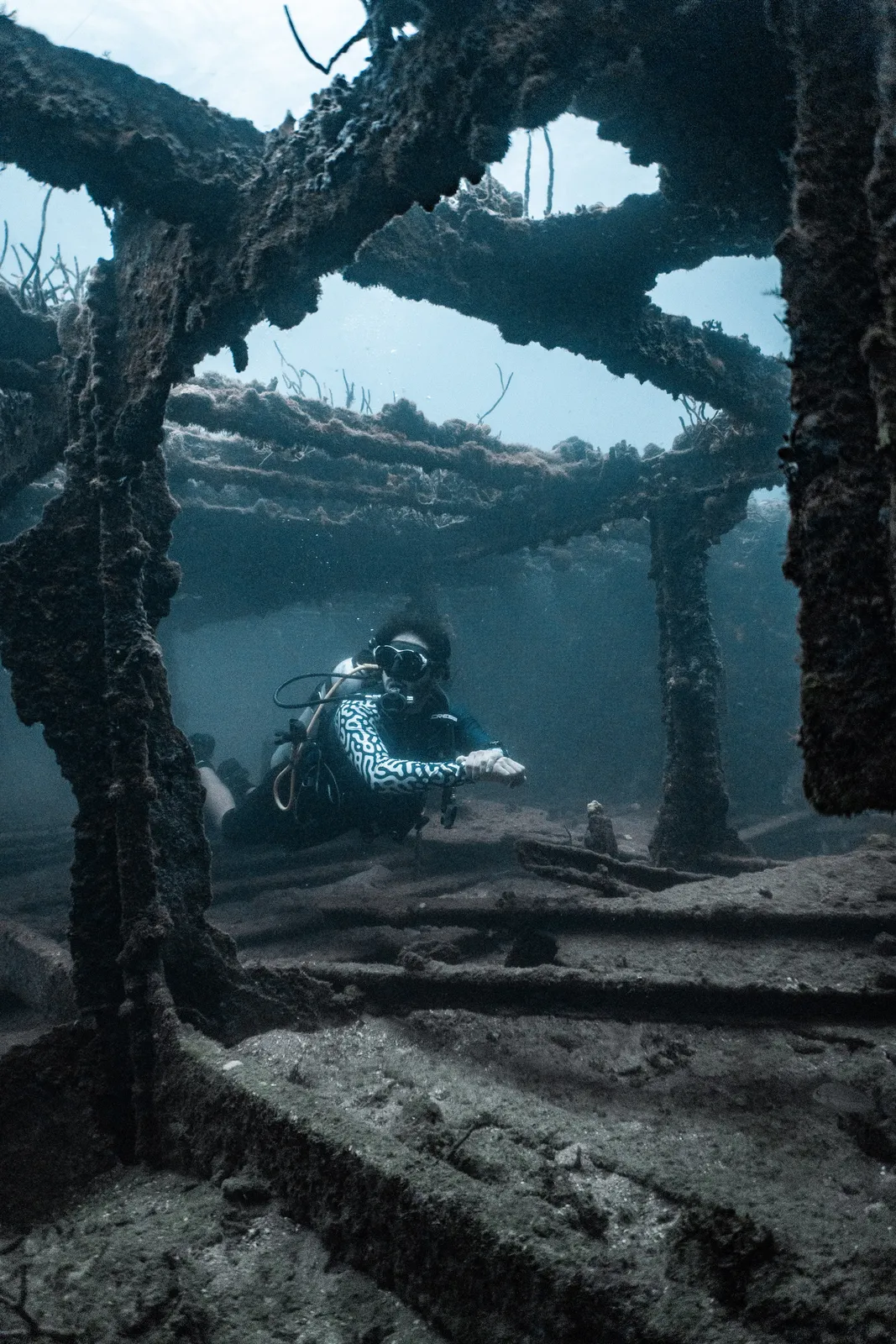
Explore the wrecks around the island, artificial reefs full of life.
The simplest way to enjoy Isla Fuerte if you are already certified.
The best-preserved reef of the continental Caribbean.

The most talked-about diving illness, explained simply and calmly.

Simple, repeatable habits that keep every dive well inside the safe zone.

The most common diving discomfort, and the easy technique that prevents it.
When blocked sinuses meet water pressure, and how to stay clear.
The single most important rule in scuba, and why it exists.
The "rapture of the deep", why it happens, and how we manage it.
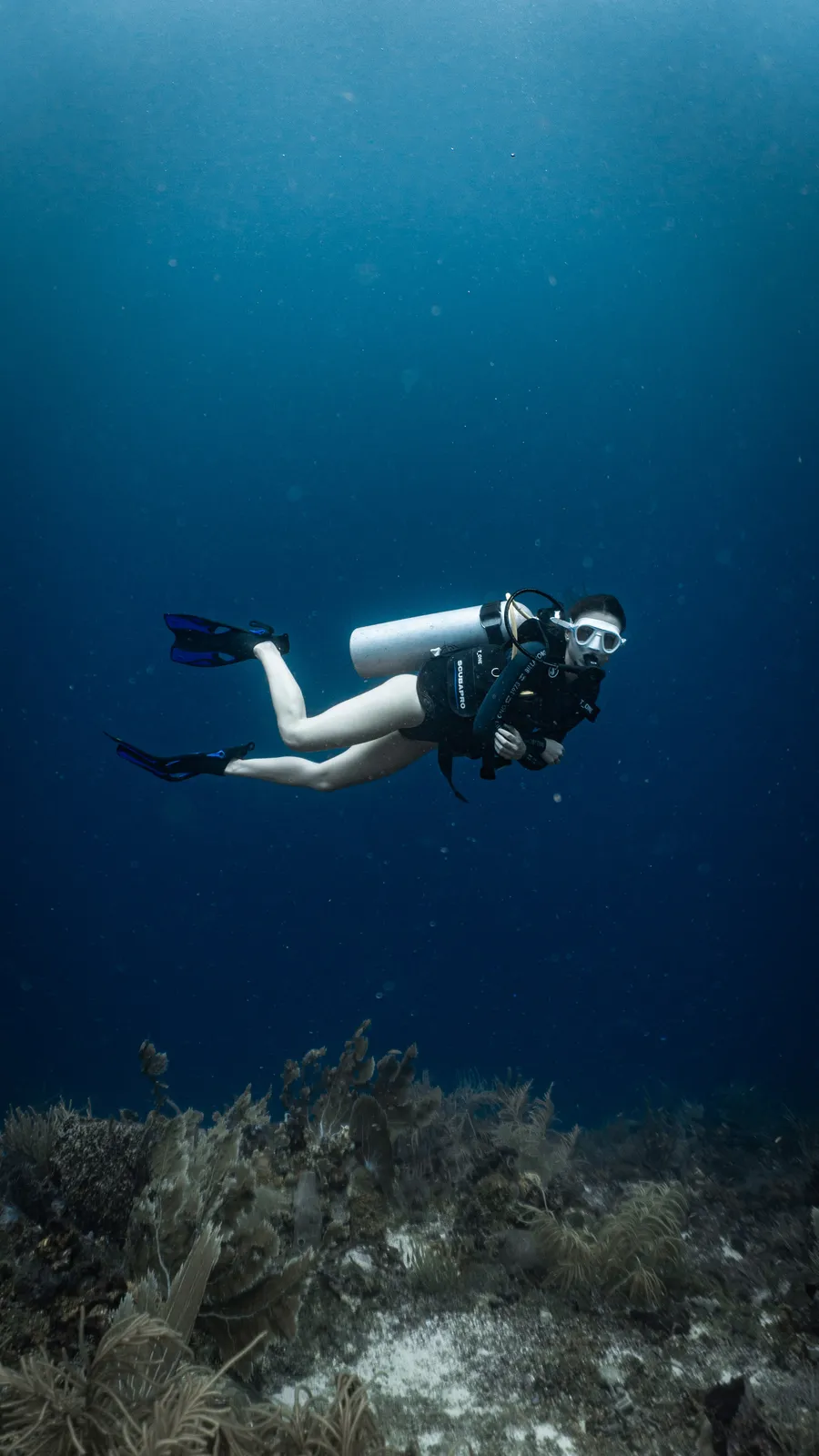
What a well-prepared dive operation does if something goes wrong.
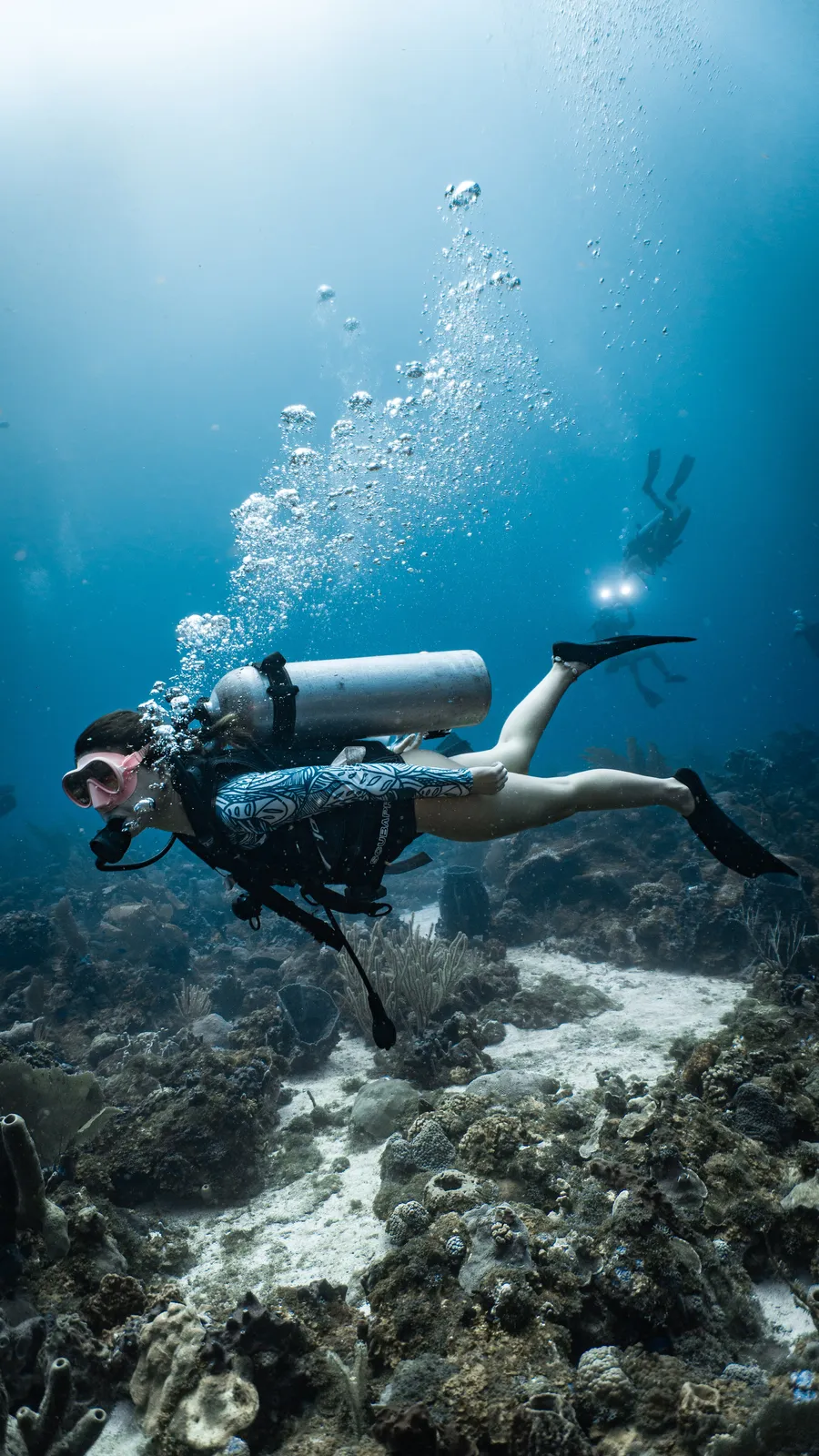
Painful but rarely dangerous, and straightforward to treat.
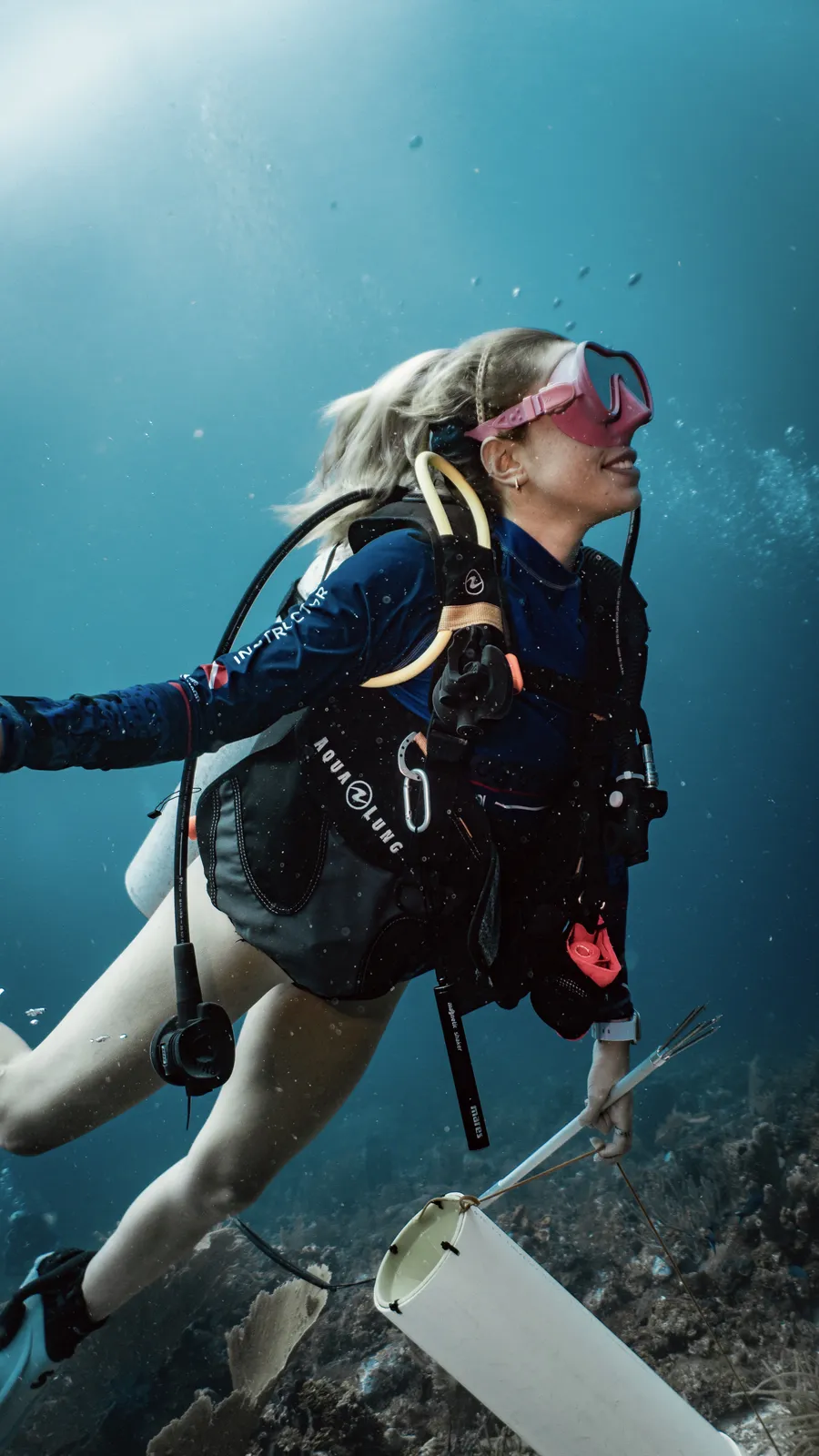
A burning brush against the reef, easy to avoid with good buoyancy.
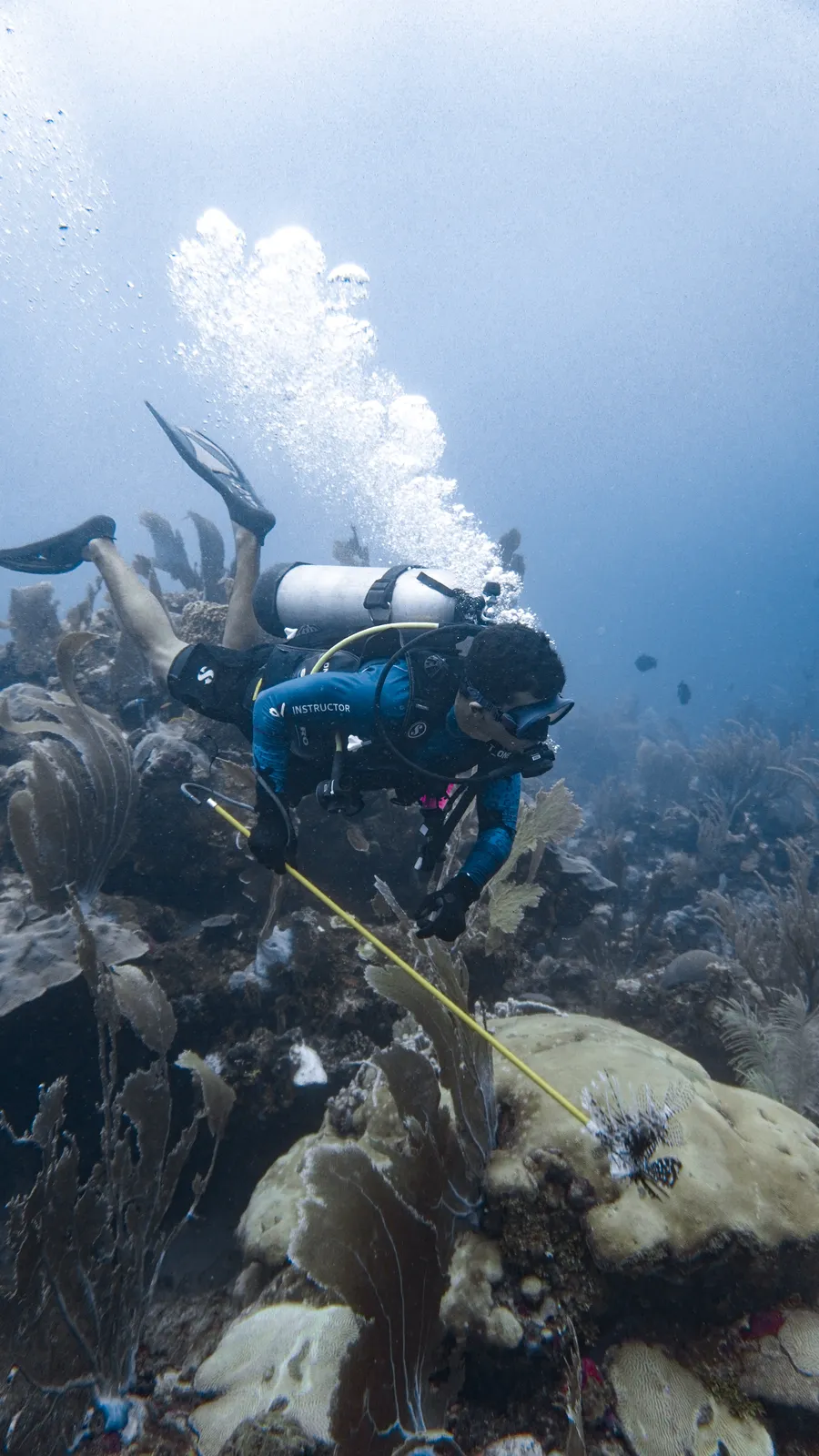
Uncommon in Isla Fuerte, but useful to understand.
Watch where you put your hands and fins, and you will never meet one.
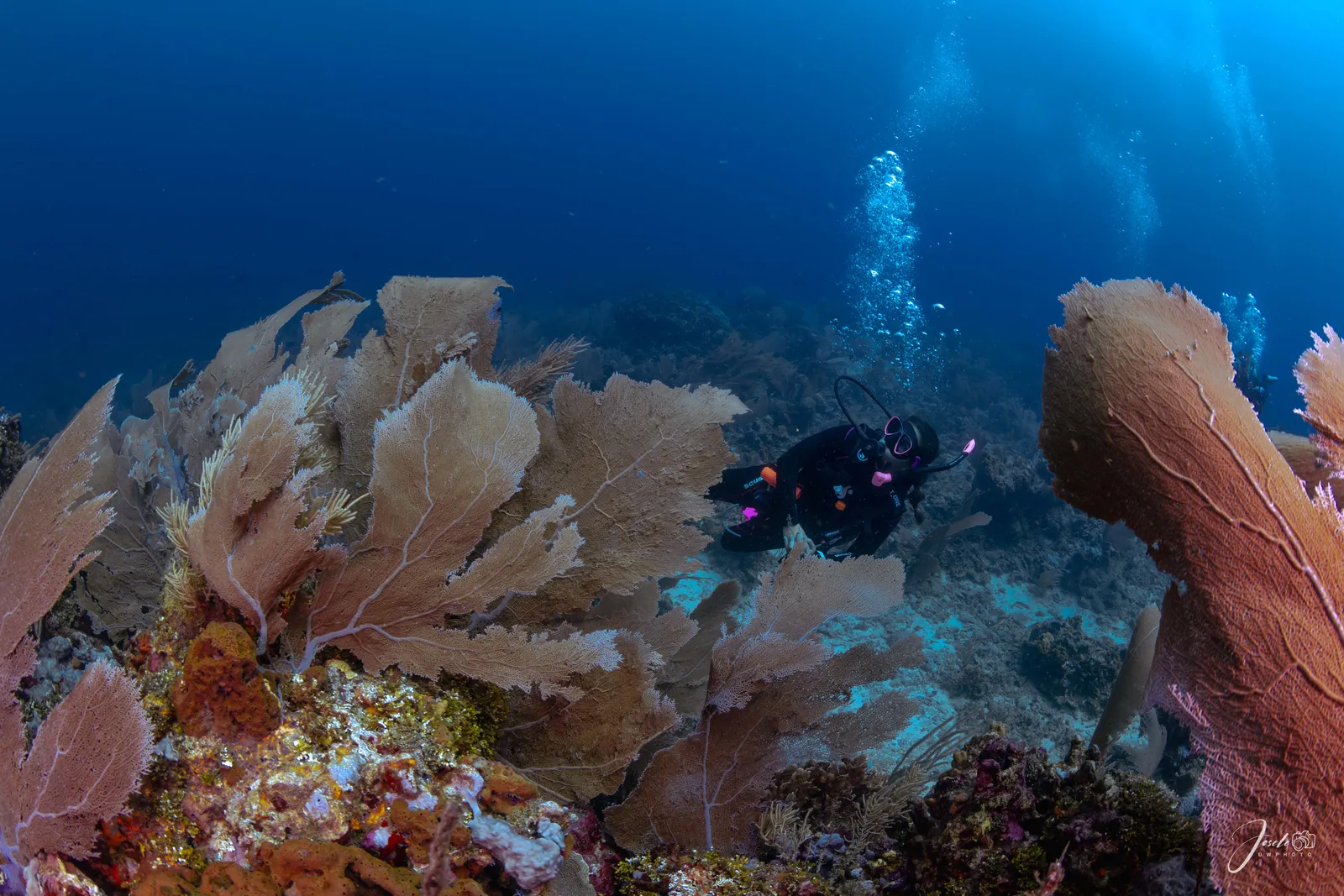
Rare defensive injuries from beautifully camouflaged animals.
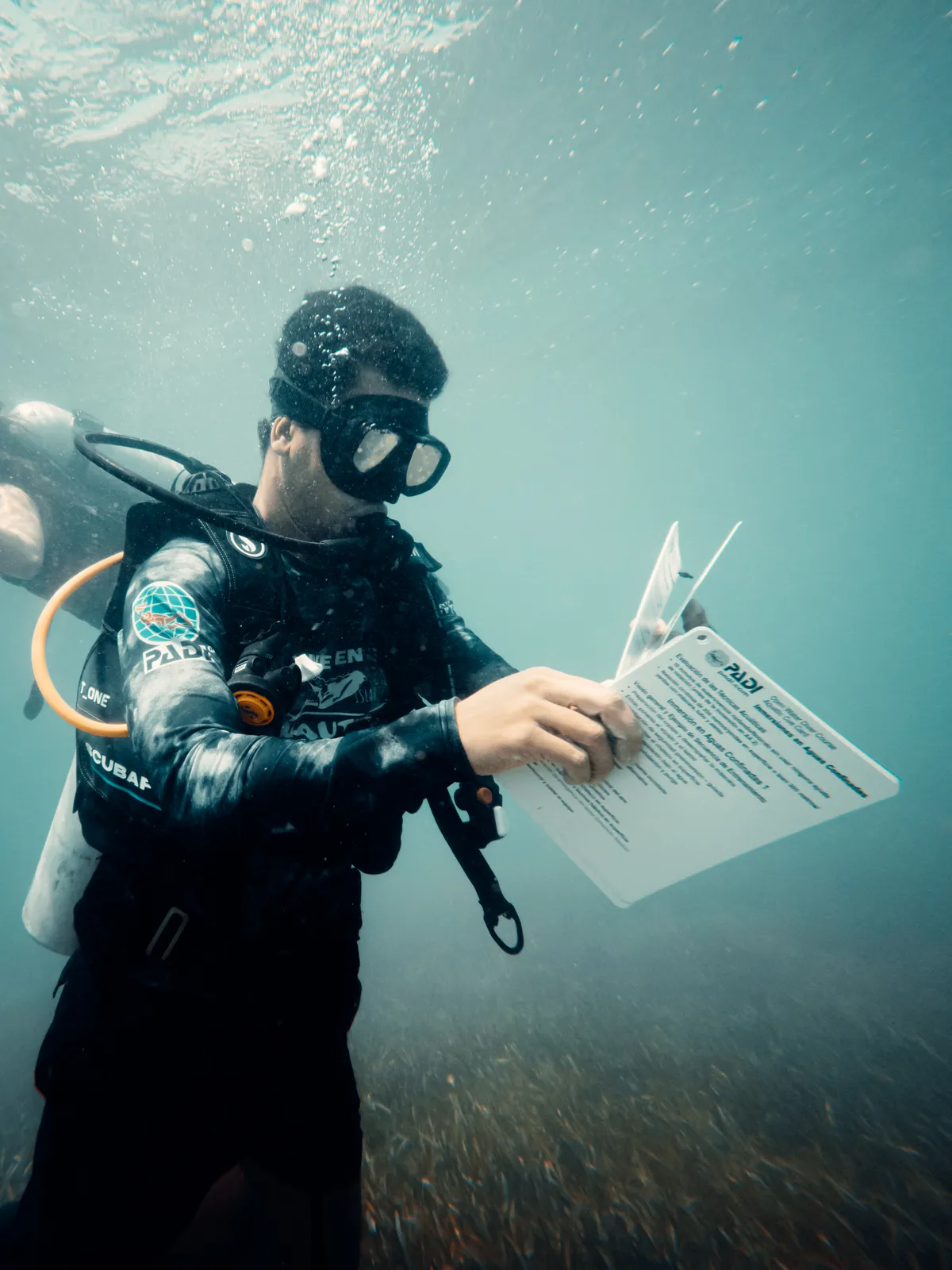
Short crossings, simple tricks to keep you feeling great.
More water in means safer, more comfortable dives out.
The tropics are strong, protect yourself.
Common after days in the water.
Why "just this once" is a bad idea.
Often yes, with medical clearance.
Your heart works hard underwater.
Possible, with planning and control.
The clear, cautious answer.
Some help, some hide problems.
Not the night before.
What "fit to dive" really means.
Give the nitrogen time to leave.
Knowing when to sit one out is a skill.
Your safety net for the unexpected.
Safe when done right, and we do it right.
It depends on what you want to do.
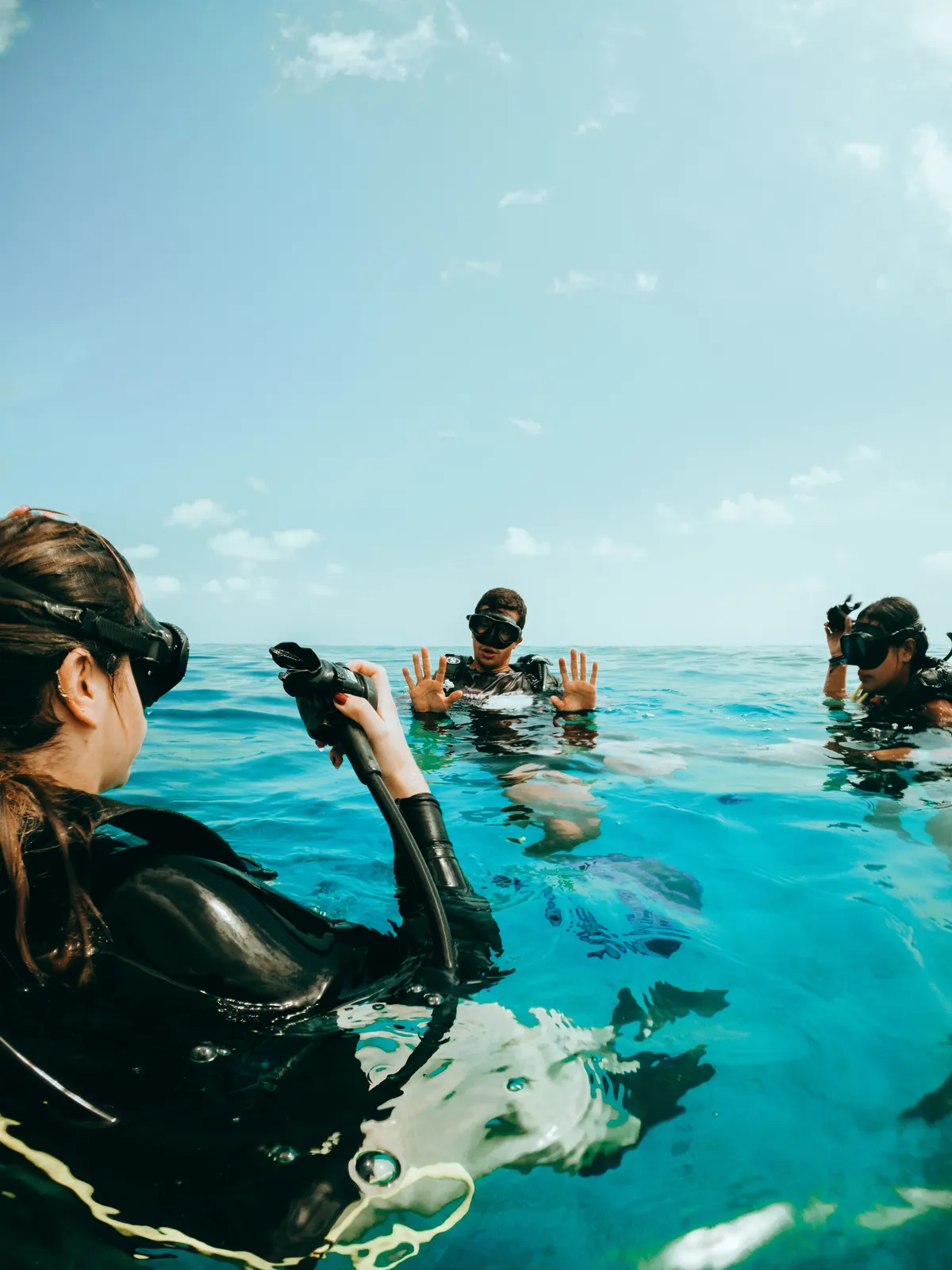
Kids from 10 can start.
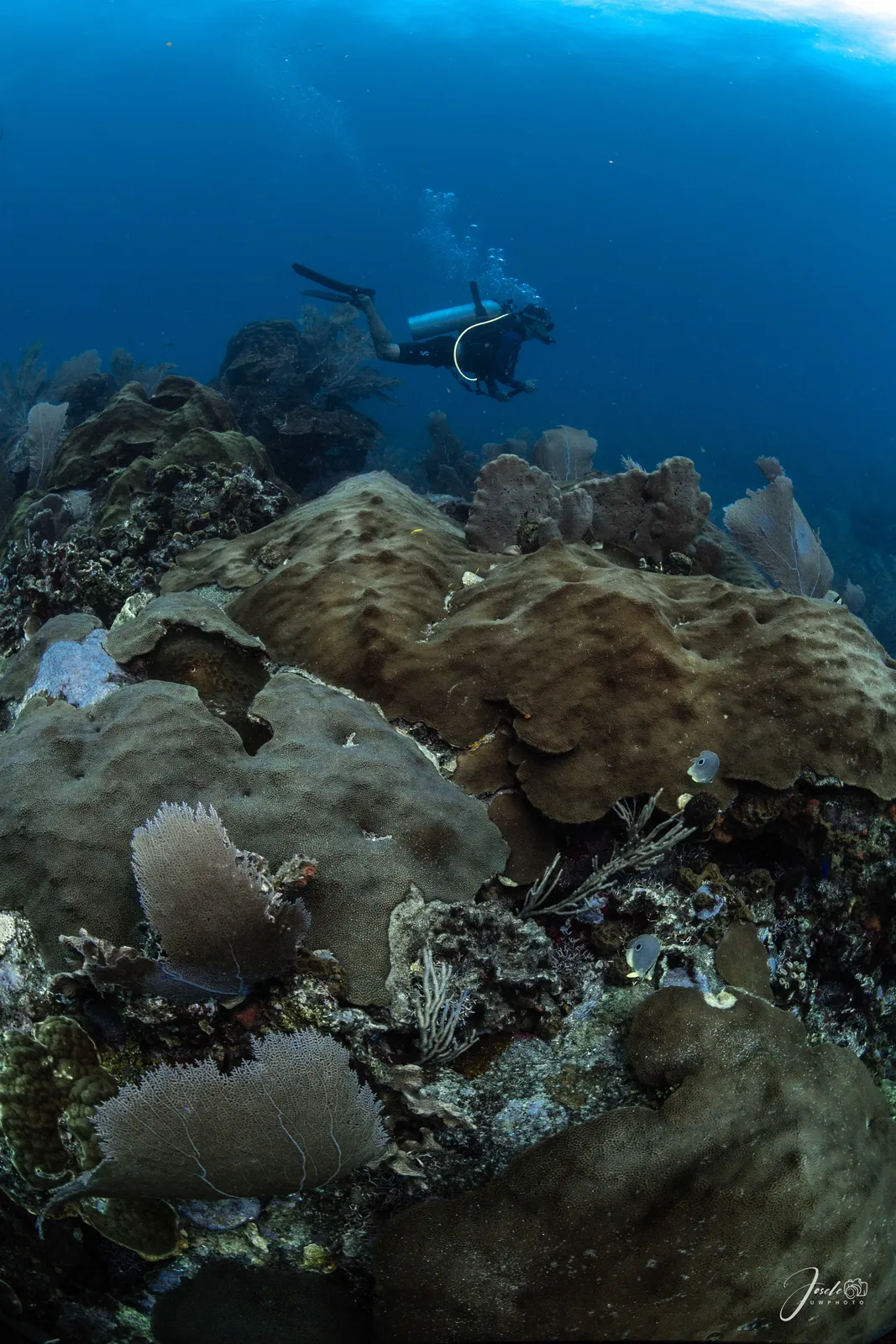
A normal fear, easily managed.
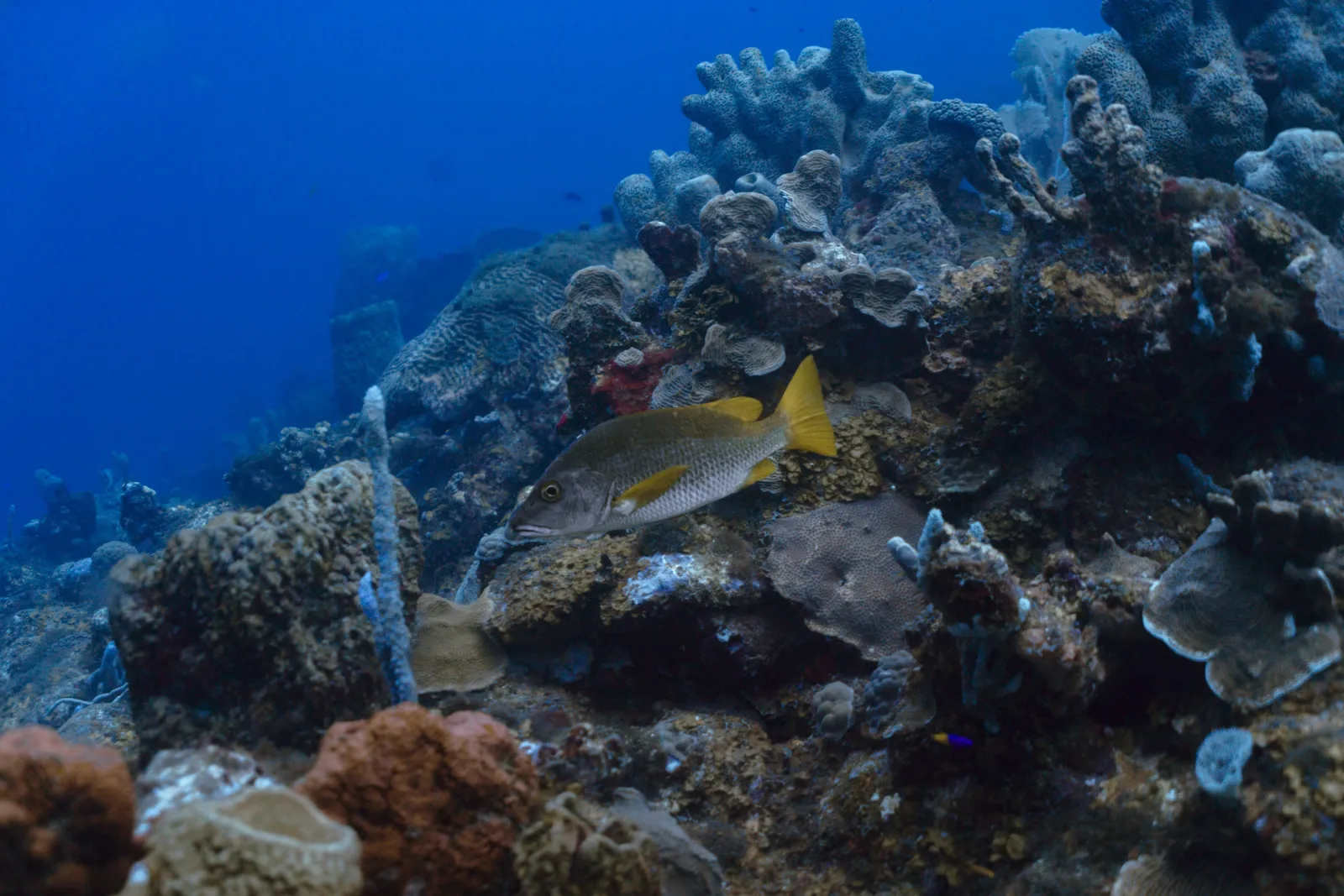
It's a privilege, not a threat.
No. Meet the locals.
Almost never, and only if provoked.
It depends on your training.
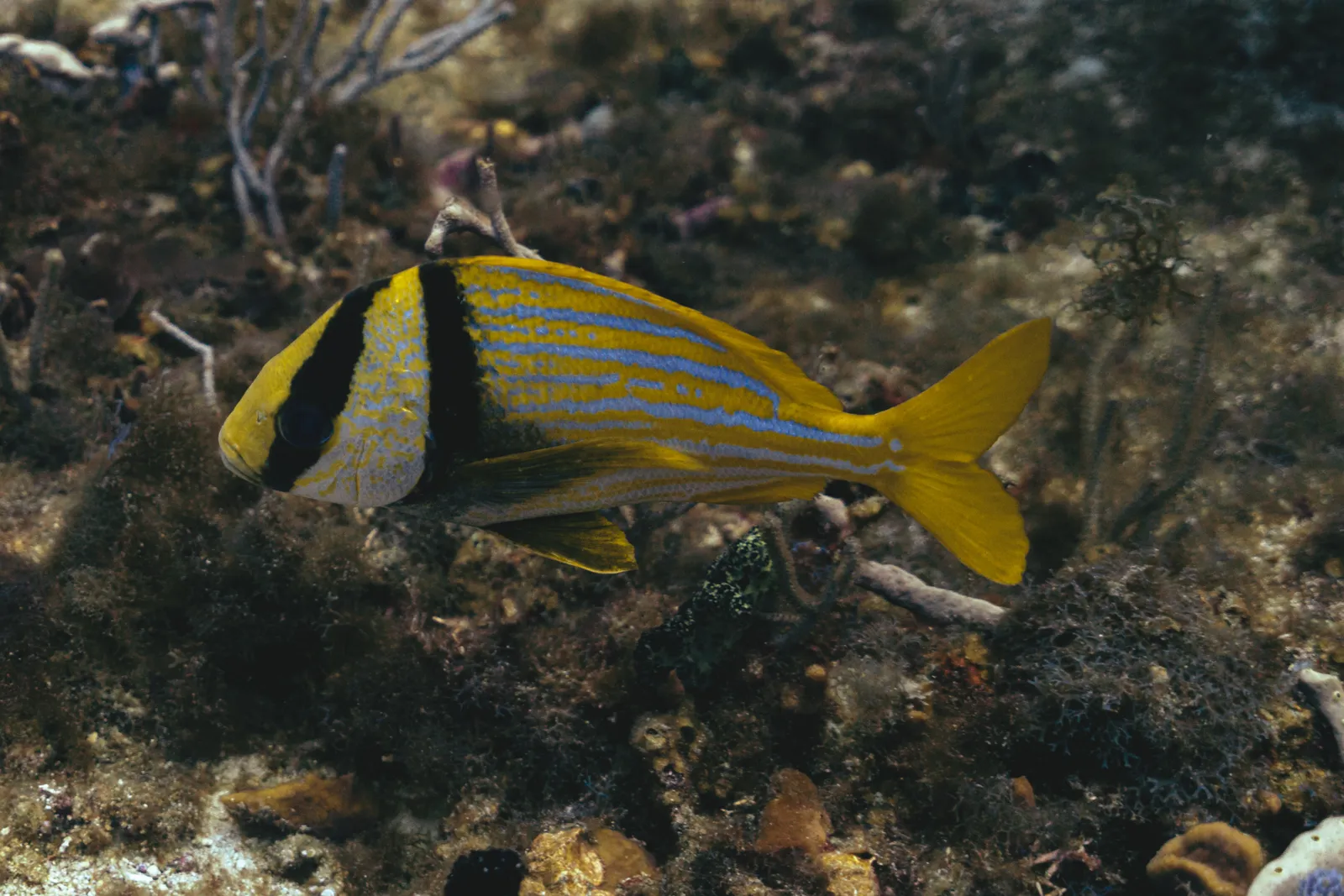
Around 40 to 50 minutes.
It's just filtered air.
The most important rule, explained.
Pressure, and the easy fix.
Warm, all year round.
Less than you'd think.
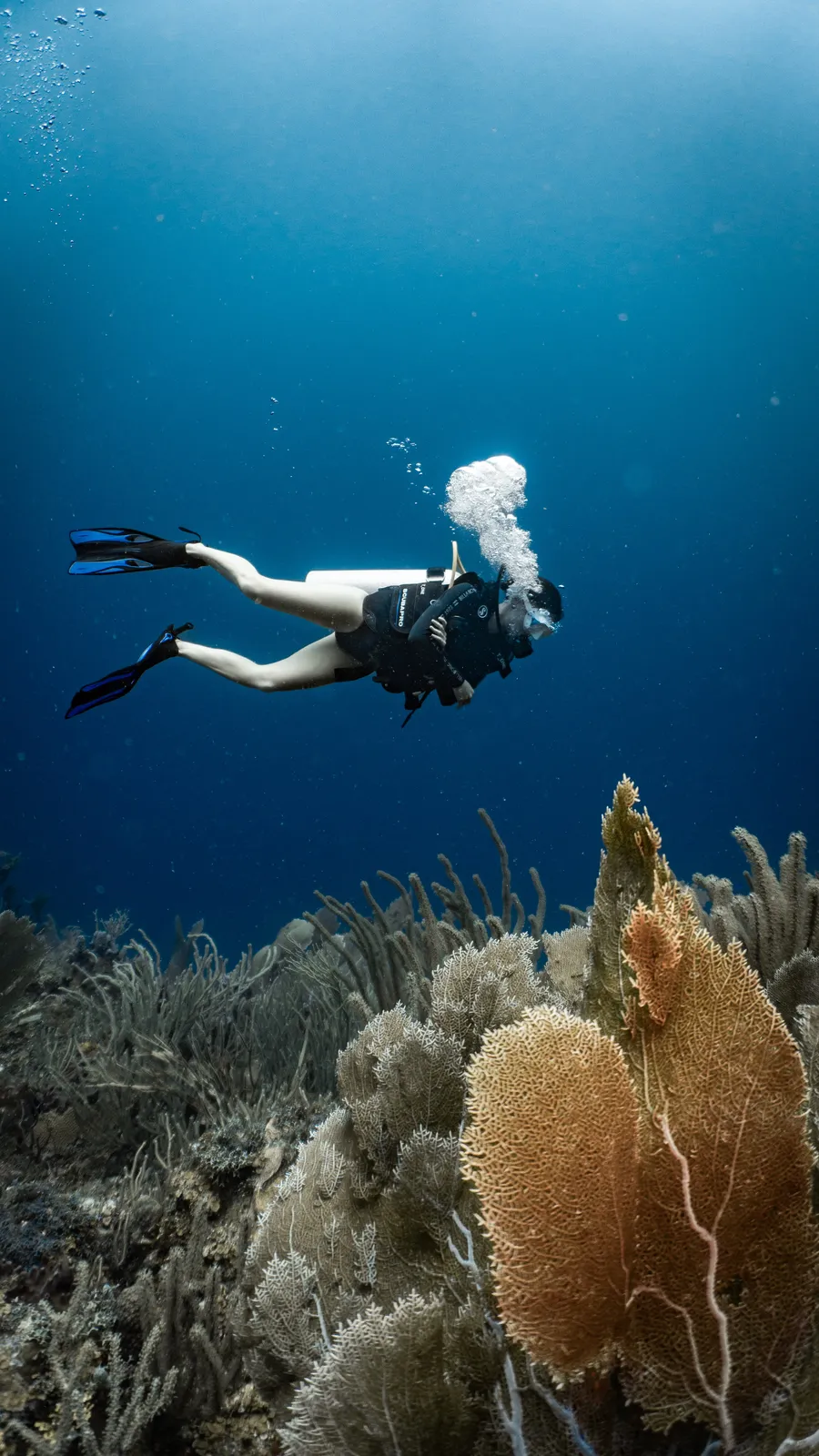
No, we provide everything.
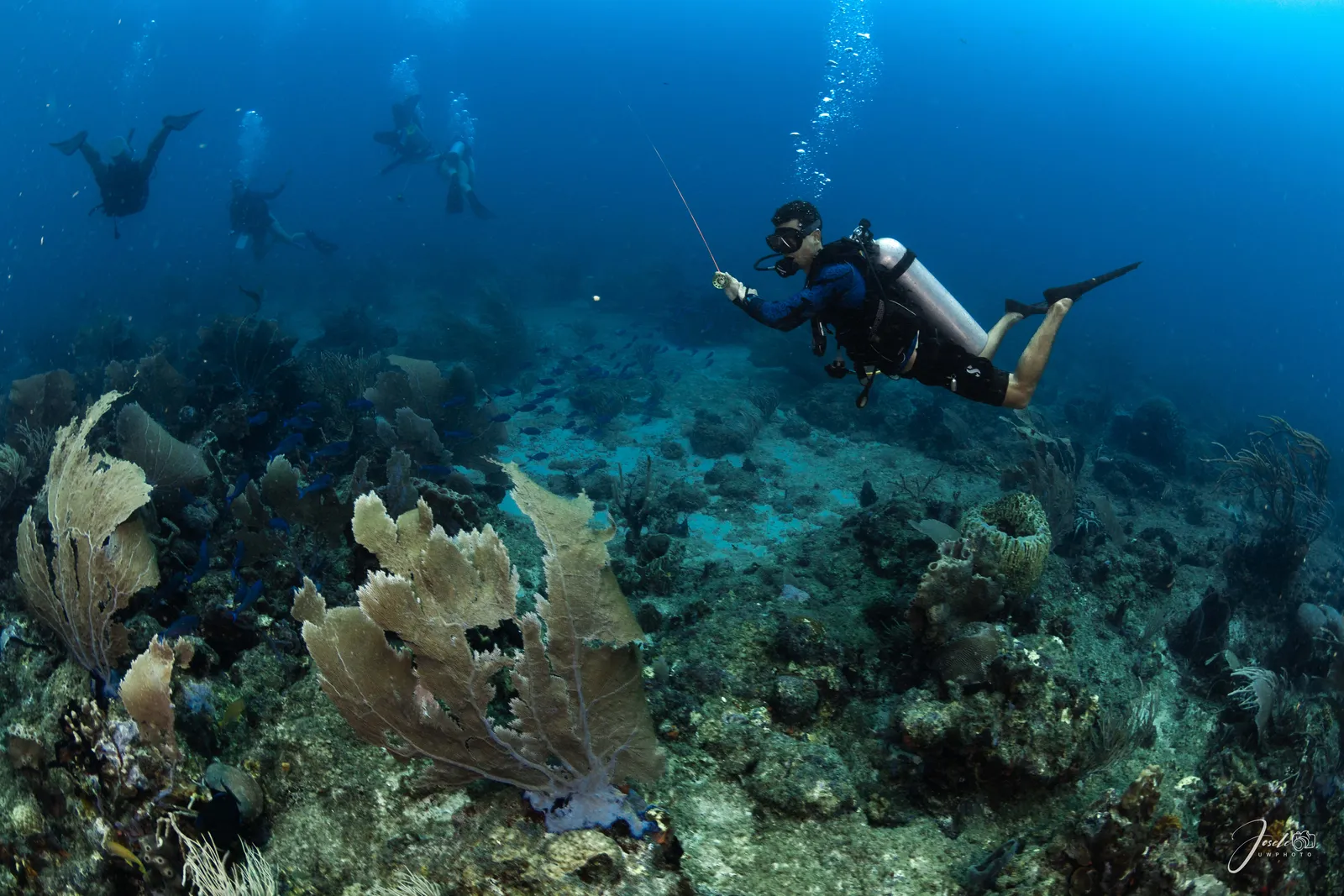
From a first try to full certification.
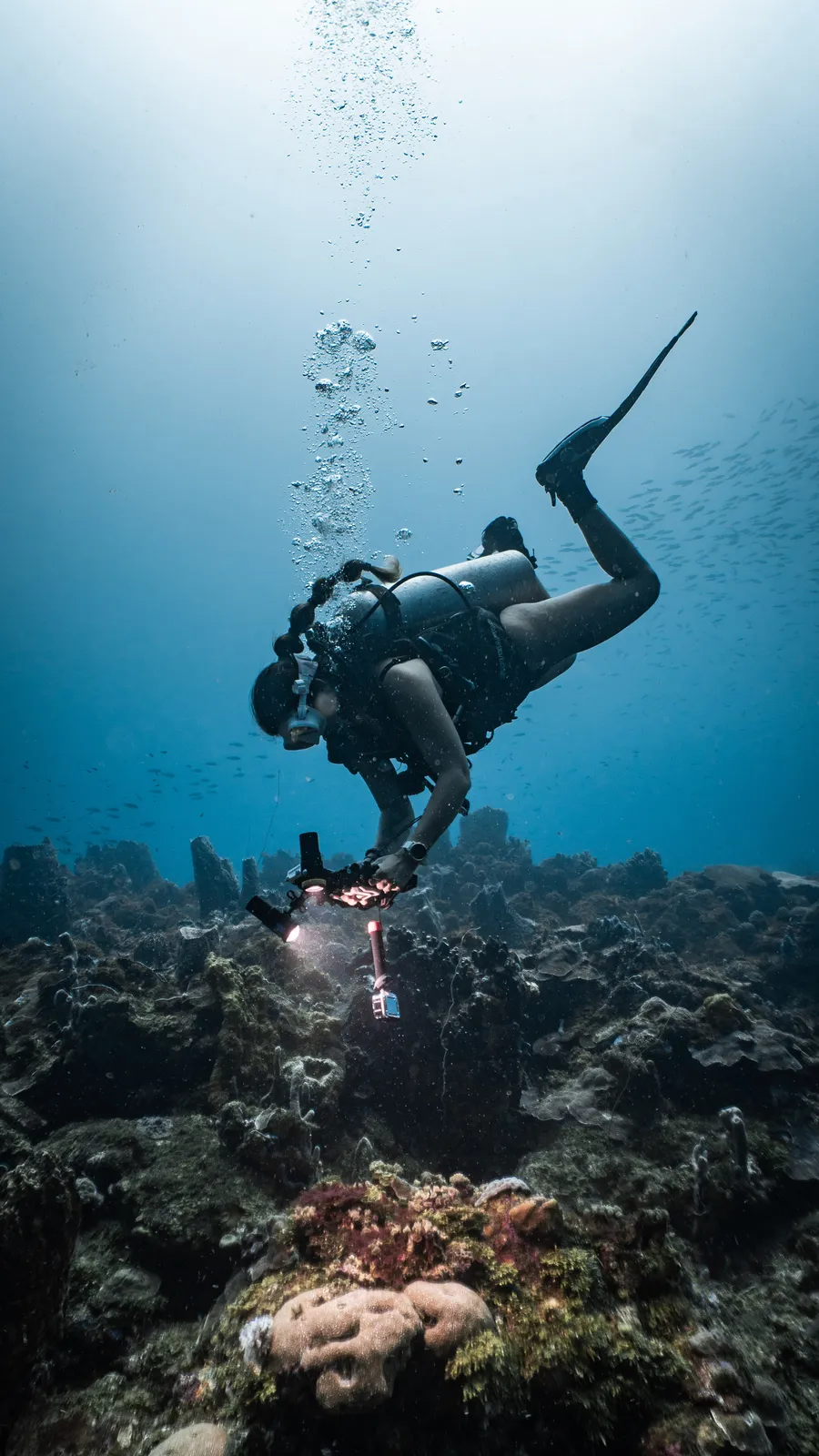
It depends on the dive.
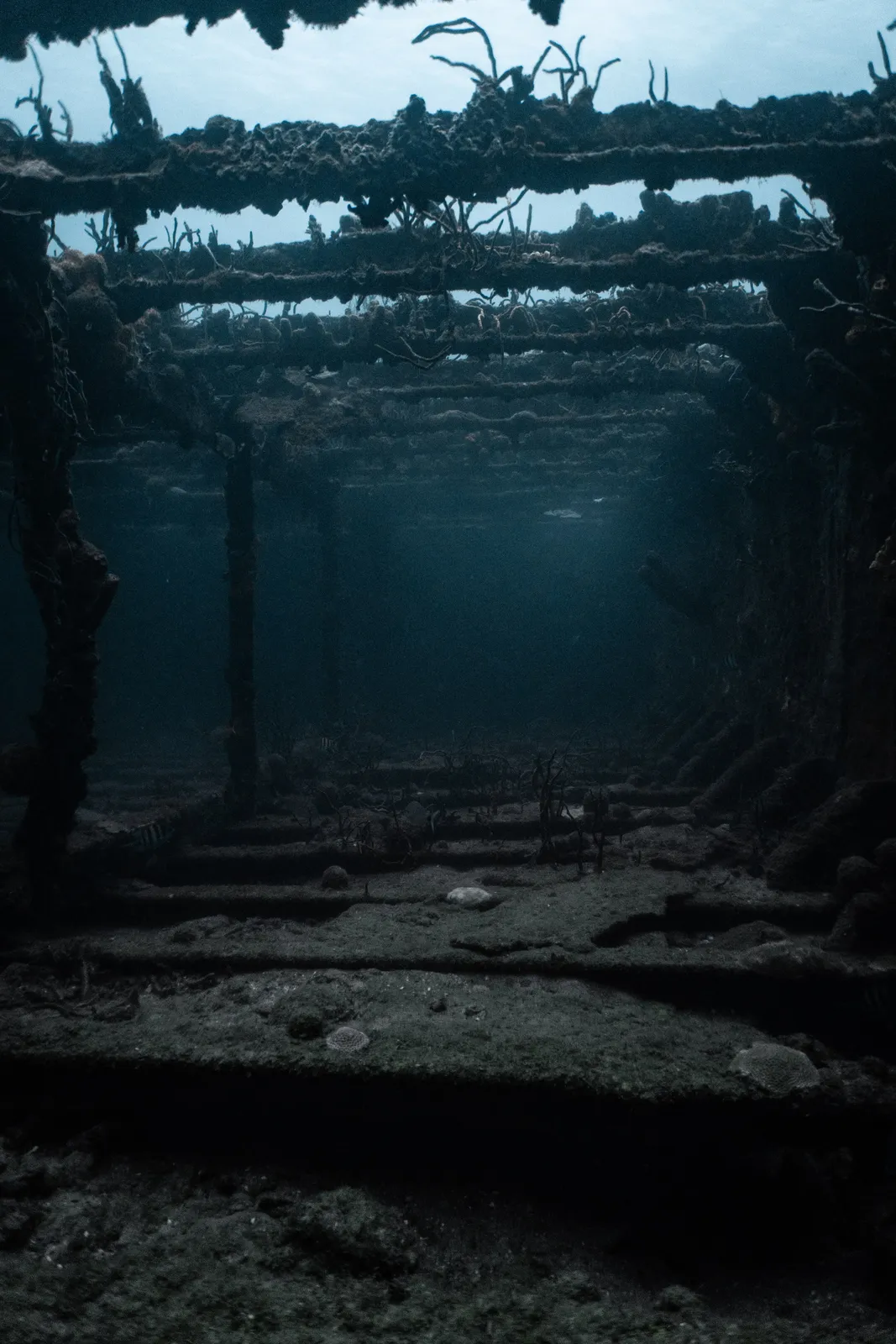
Usually three to four days.
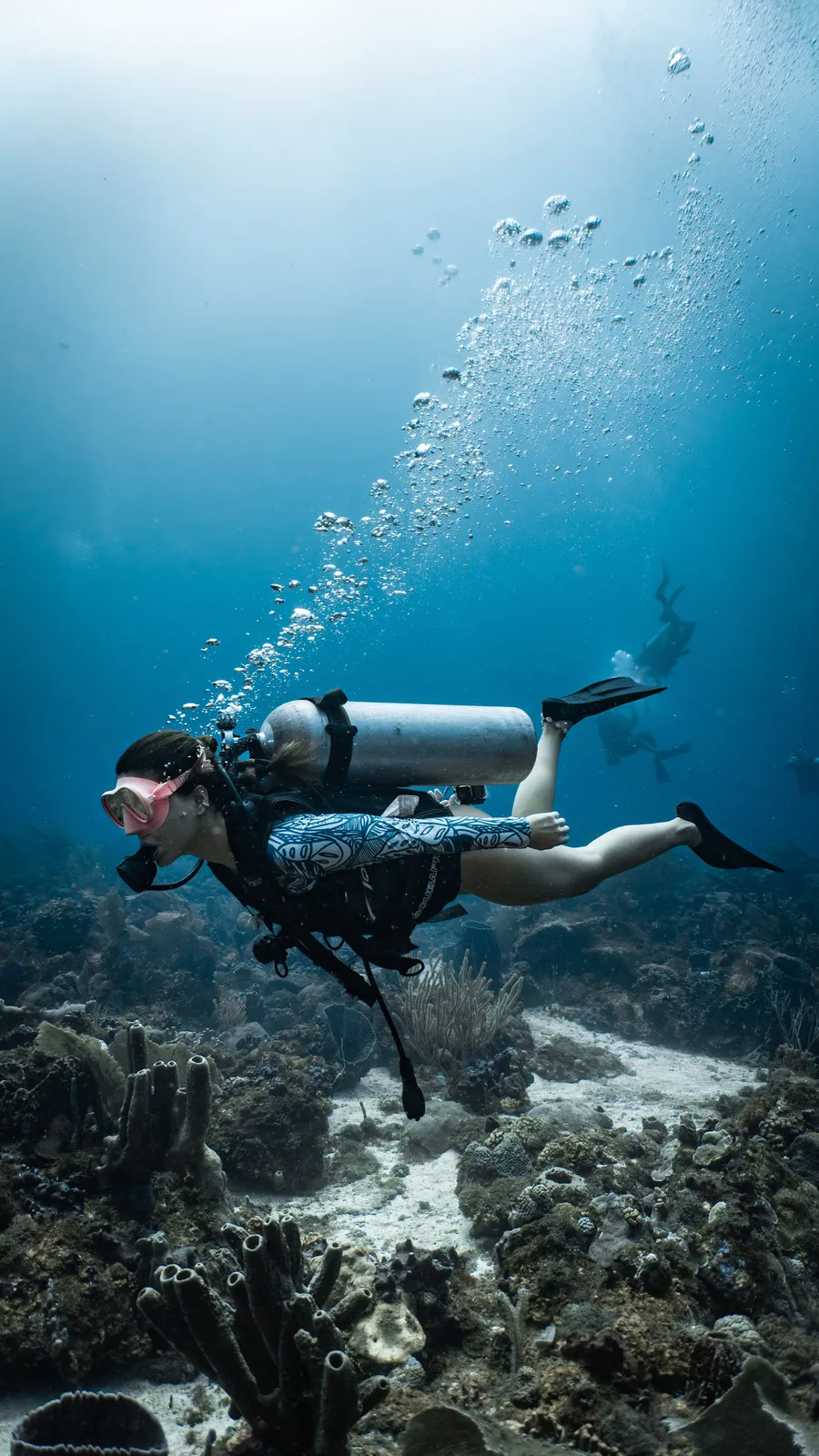
No, but skills fade.
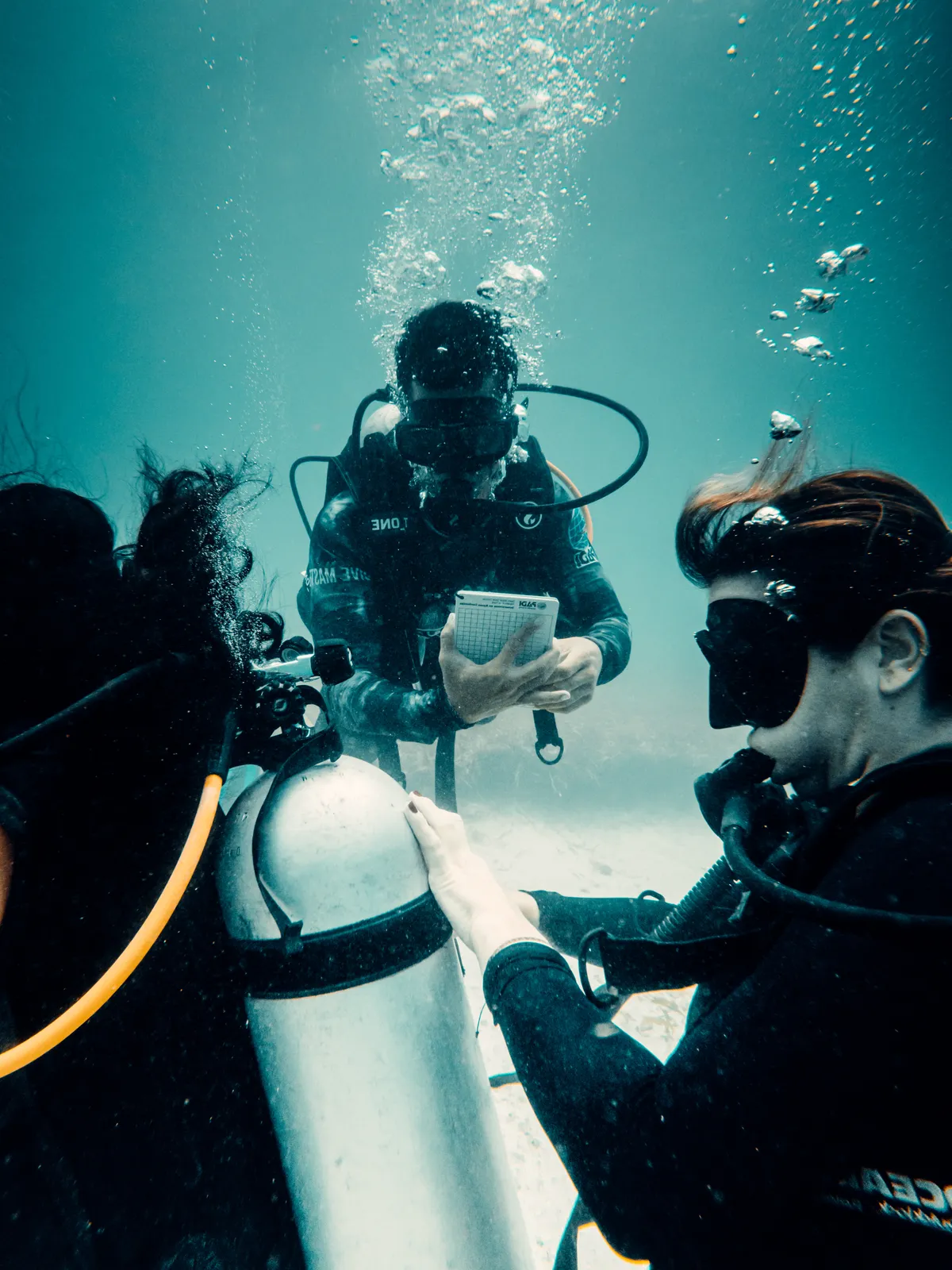
Yes, with a quick refresher.
Yes, with a small workaround.
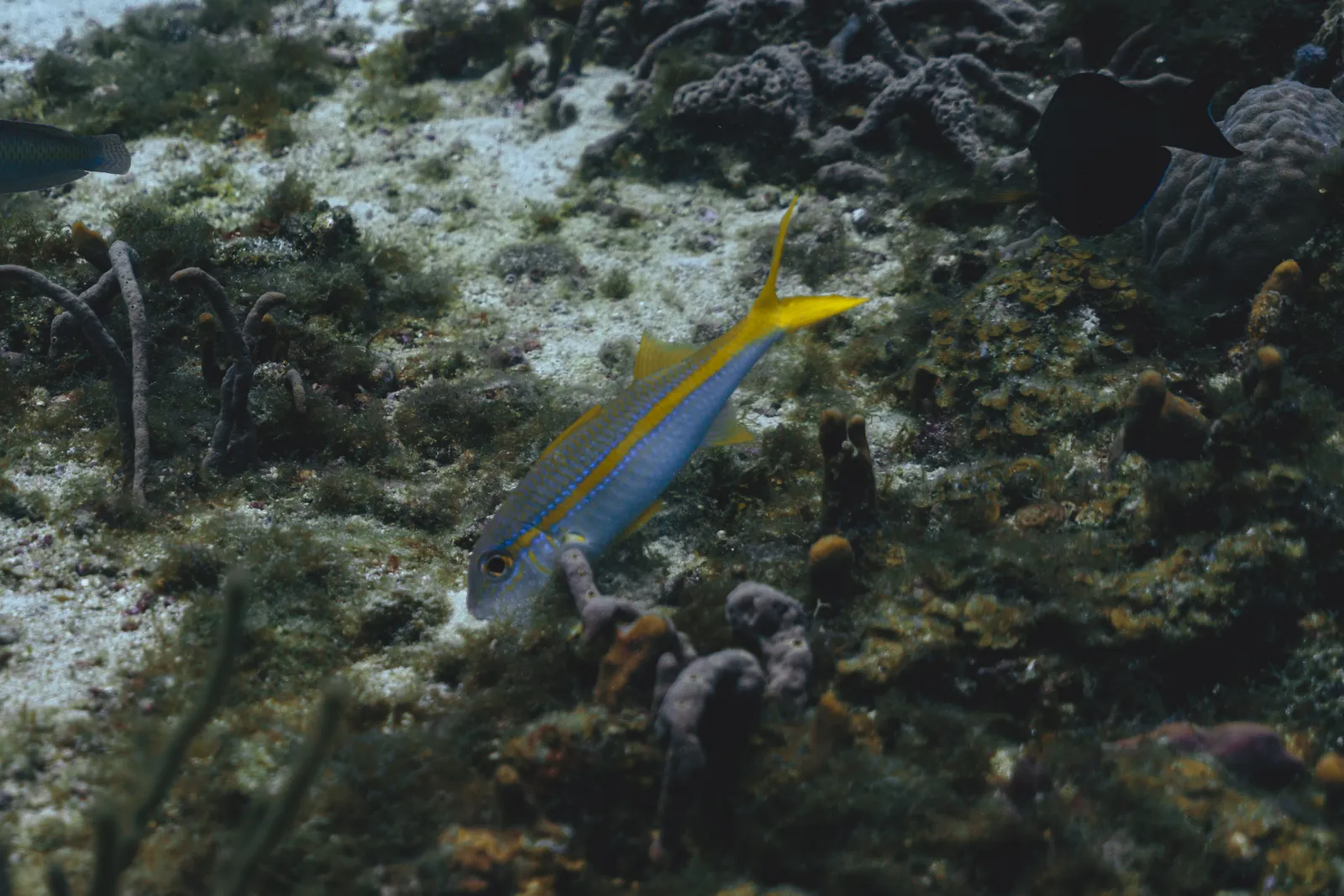
Probably yes.
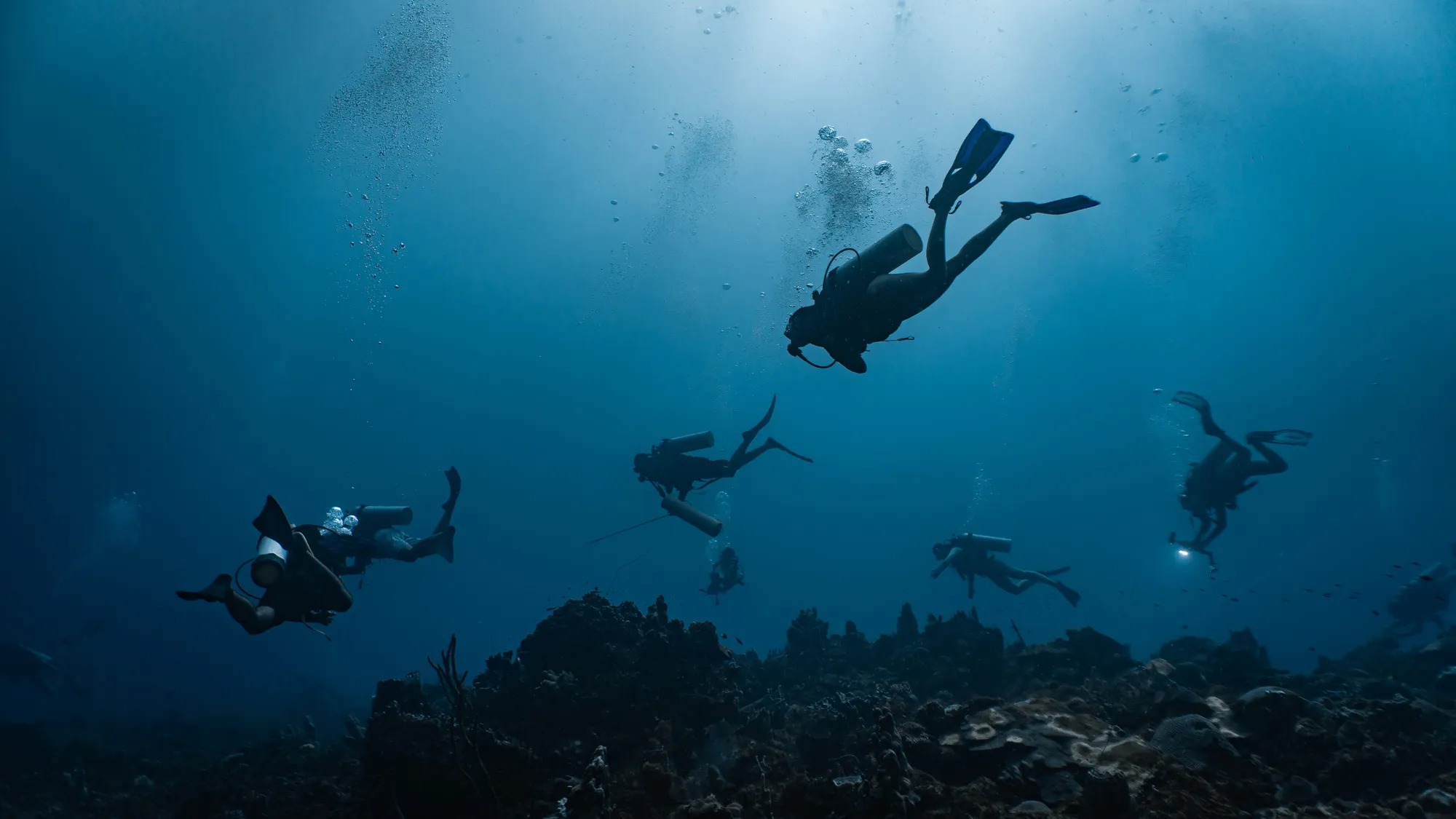
Yes, absolutely.
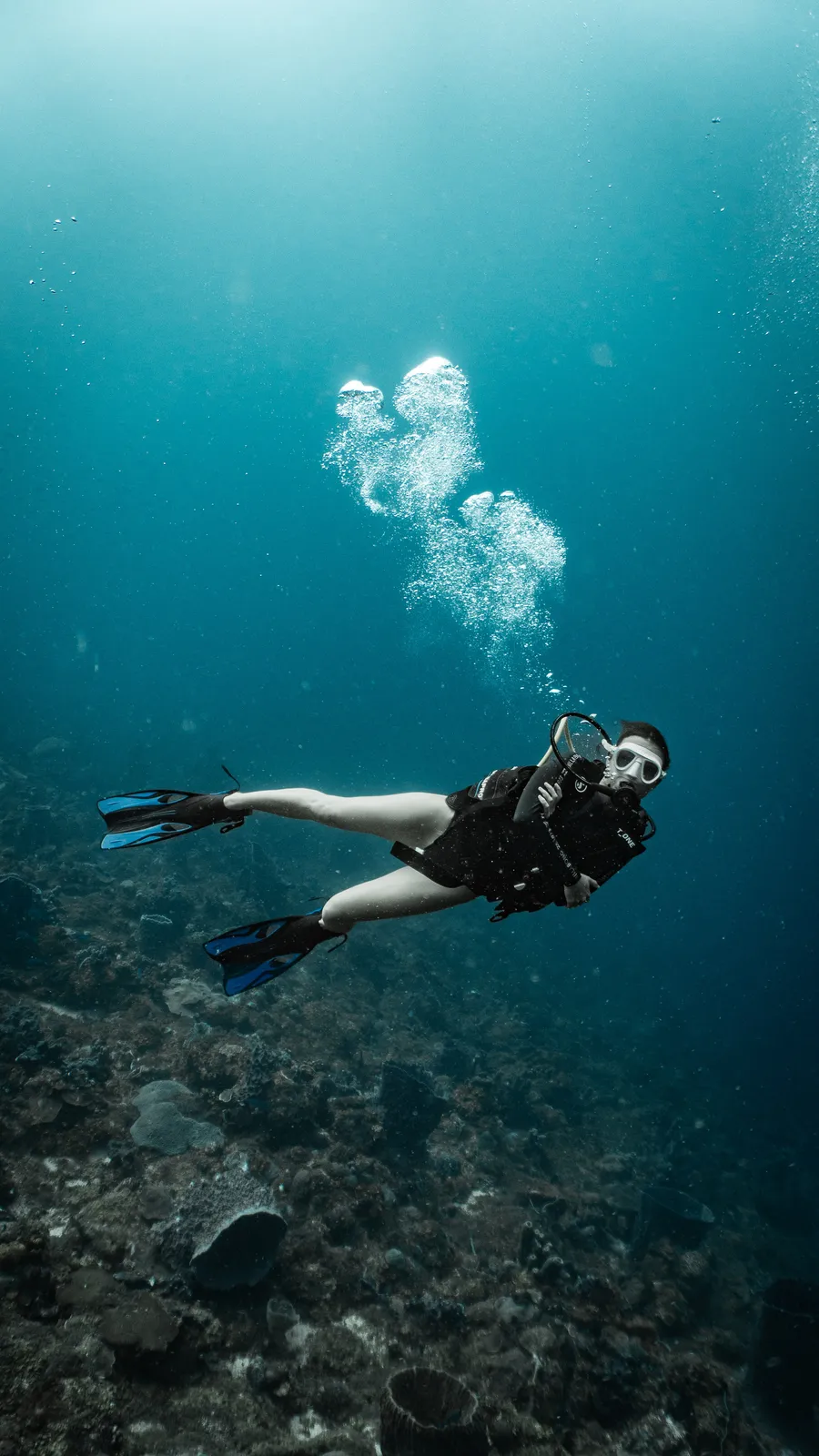
A whole new reef after dark.
Mostly gentle, and we plan for them.
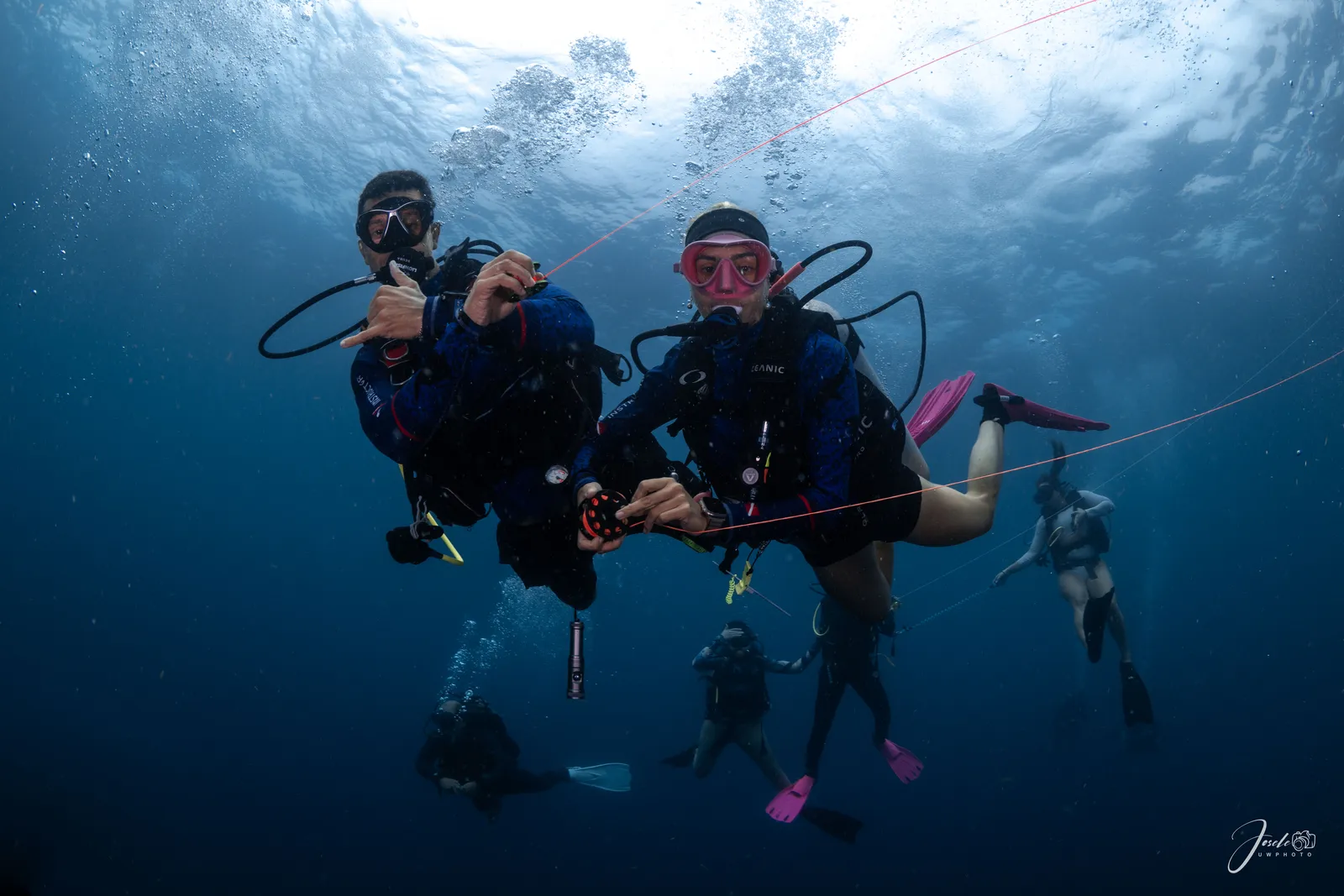
Yes, and we can film for you.
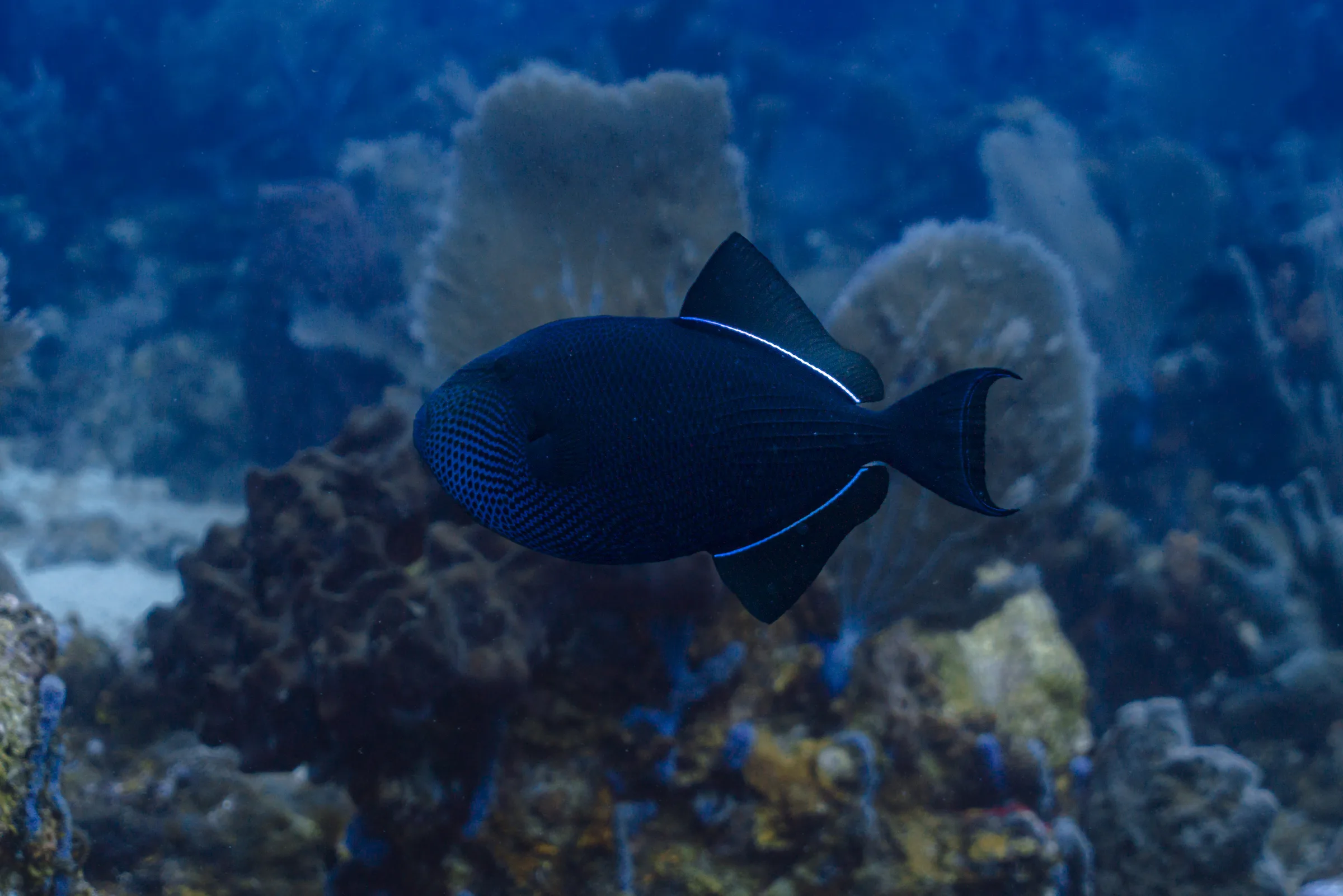
Usually two or three.
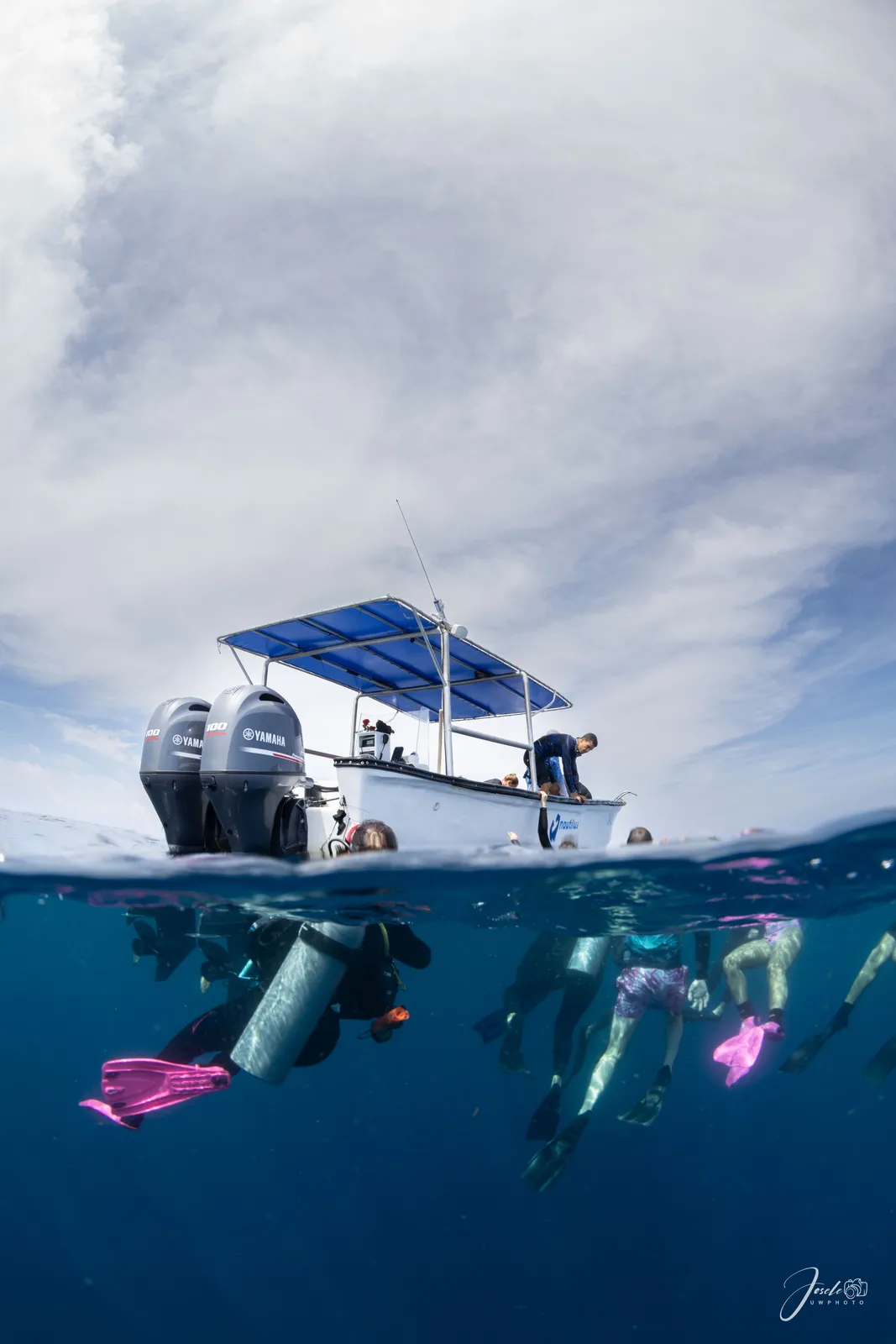
Two beautiful ways to meet the reef.
The simple idea behind breathing underwater.
The device that lets you breathe.
Your buoyancy control device.
The balance that lets you fly underwater.
Your personal dive-safety brain.
Talking without words, underwater.
Nobody dives alone.
The first skill every diver learns.
The skill that separates good divers.
Three minutes that make diving safer.
Always know how much you have.
Five minutes that shape the whole dive.
Staying warm in warm water.
Your diary of the underwater world.
The best-kept secret of the Colombian Caribbean.
From the Zenú people to today.
Diving and lodging in one place.
Pack light, pack smart.
Take the reef home.
The more of you, the better.
Work from the Caribbean, dive after.
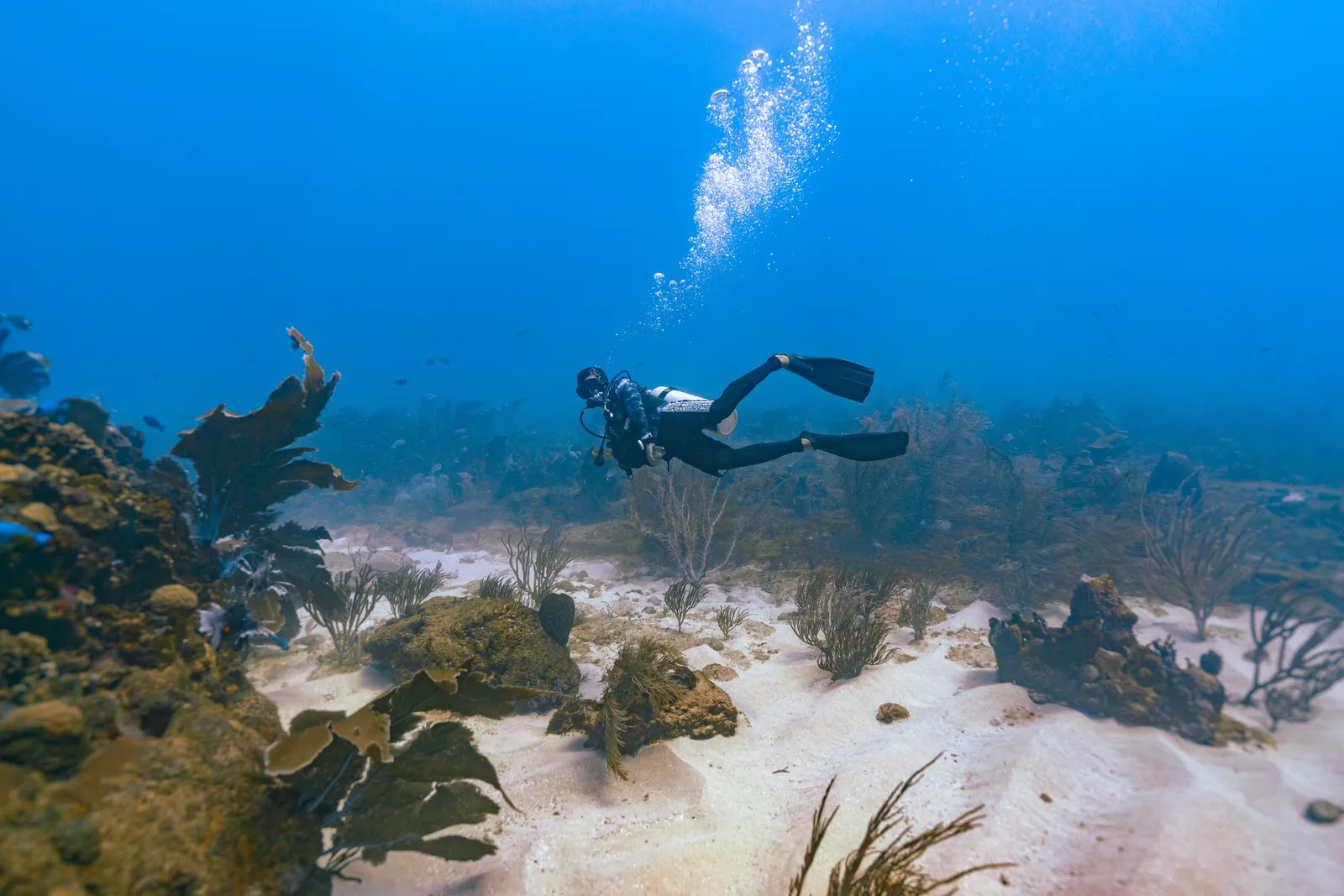
Diving that gives back.
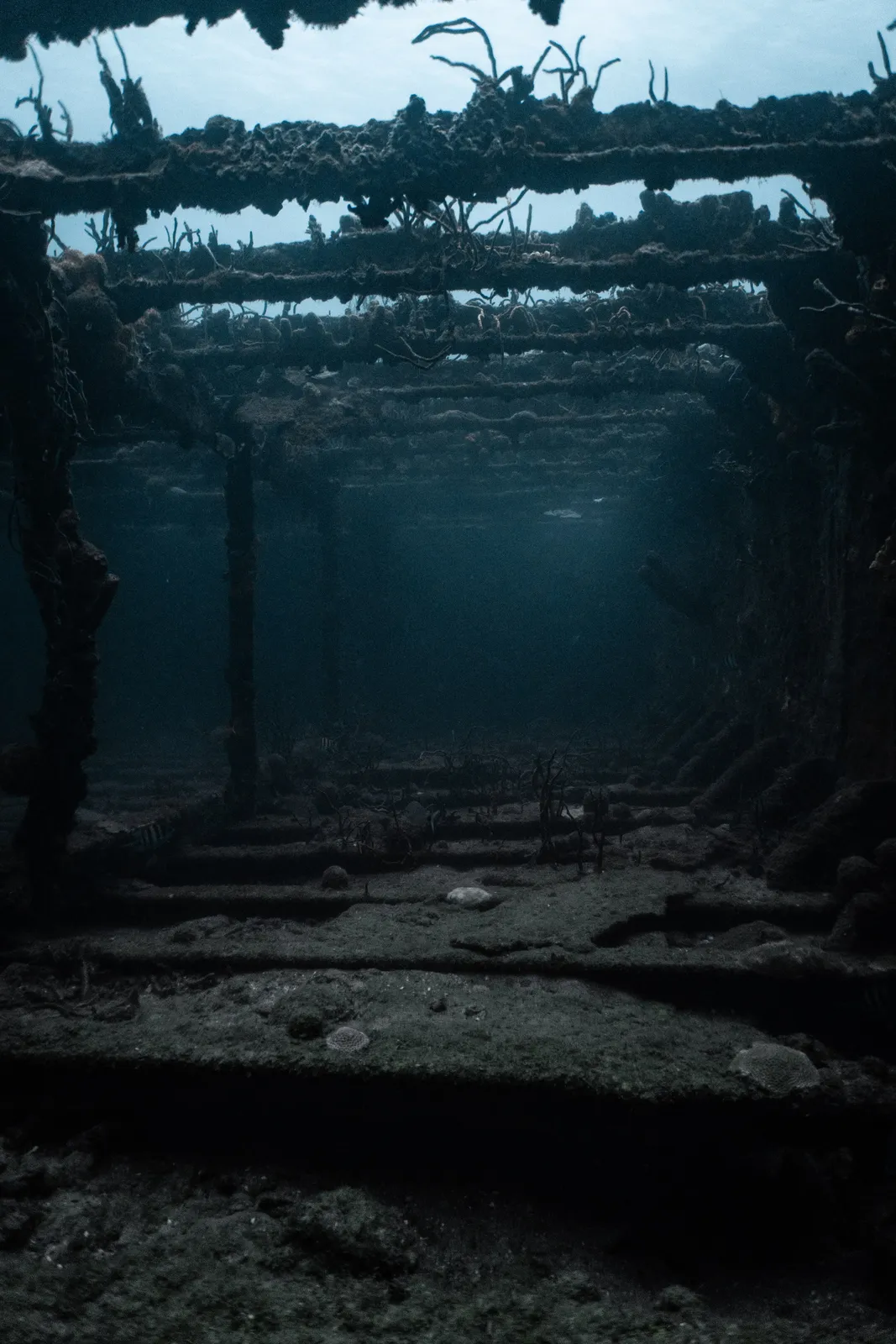
Everything a beginner should know.
Culture under the sea.
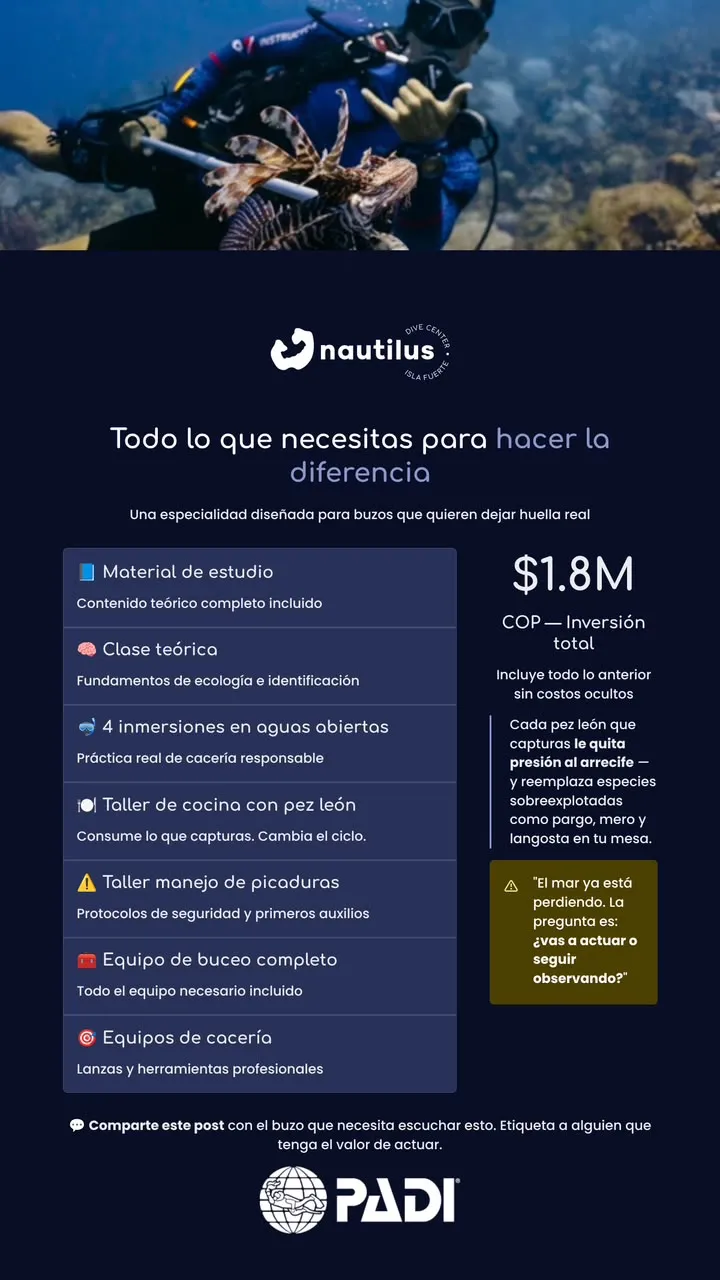
A global bucket list of 25 legendary dive sites, and where Colombia fits in.
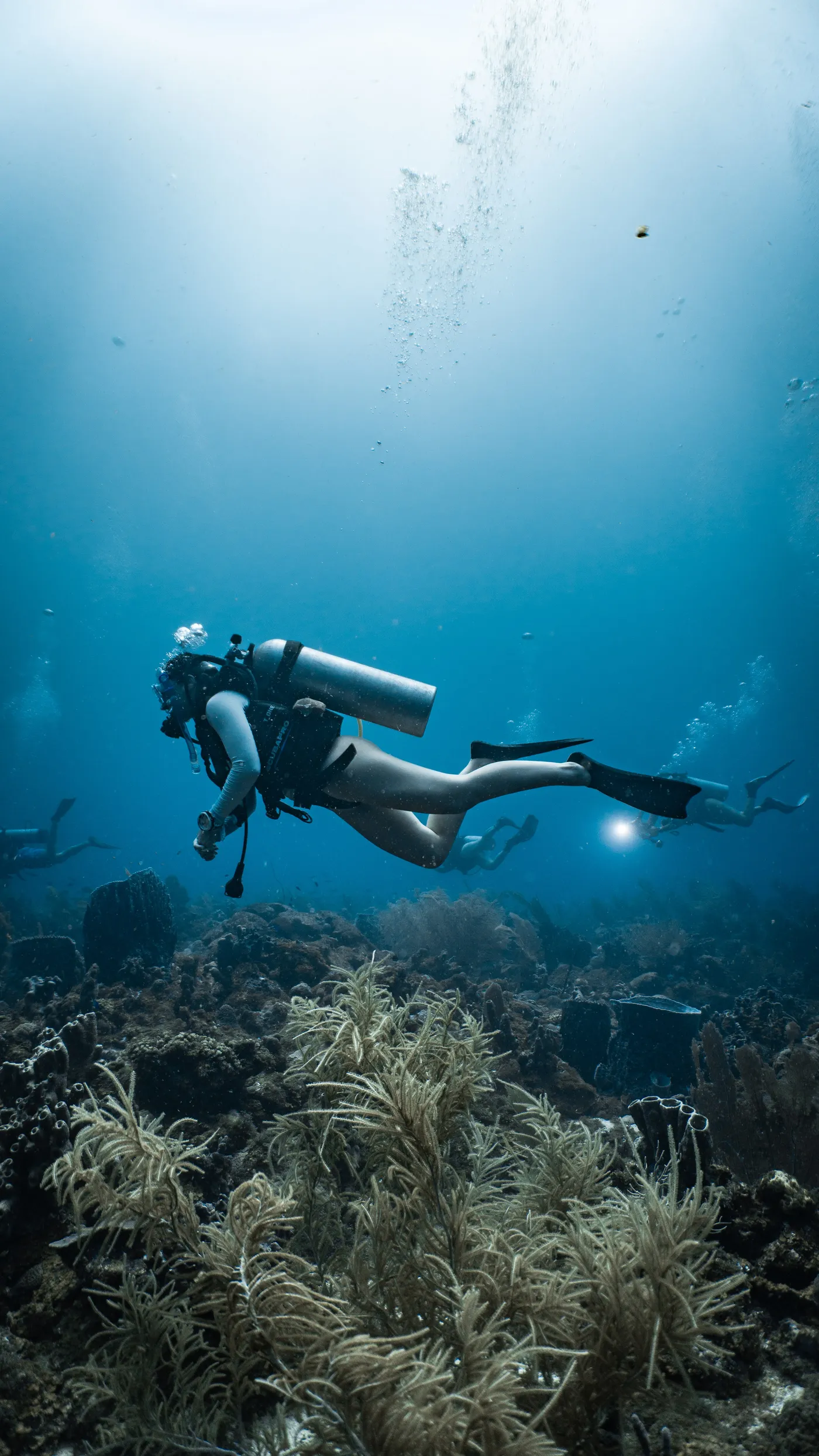
From Malpelo to Isla Fuerte, a ranked guide to diving Colombia's two oceans.
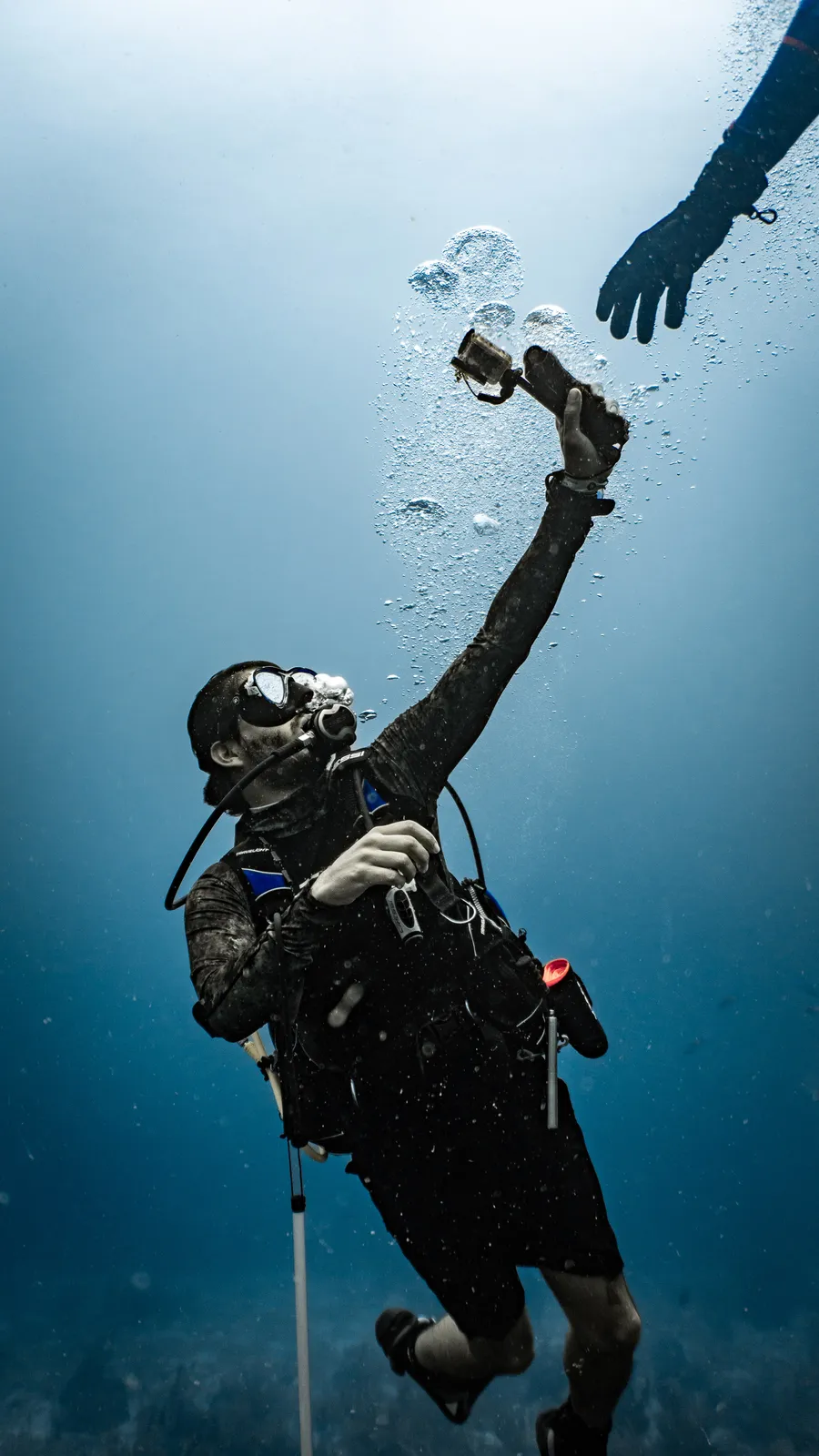
Ten warm, calm, shallow sites where new divers thrive, plus one you can reach in Colombia.
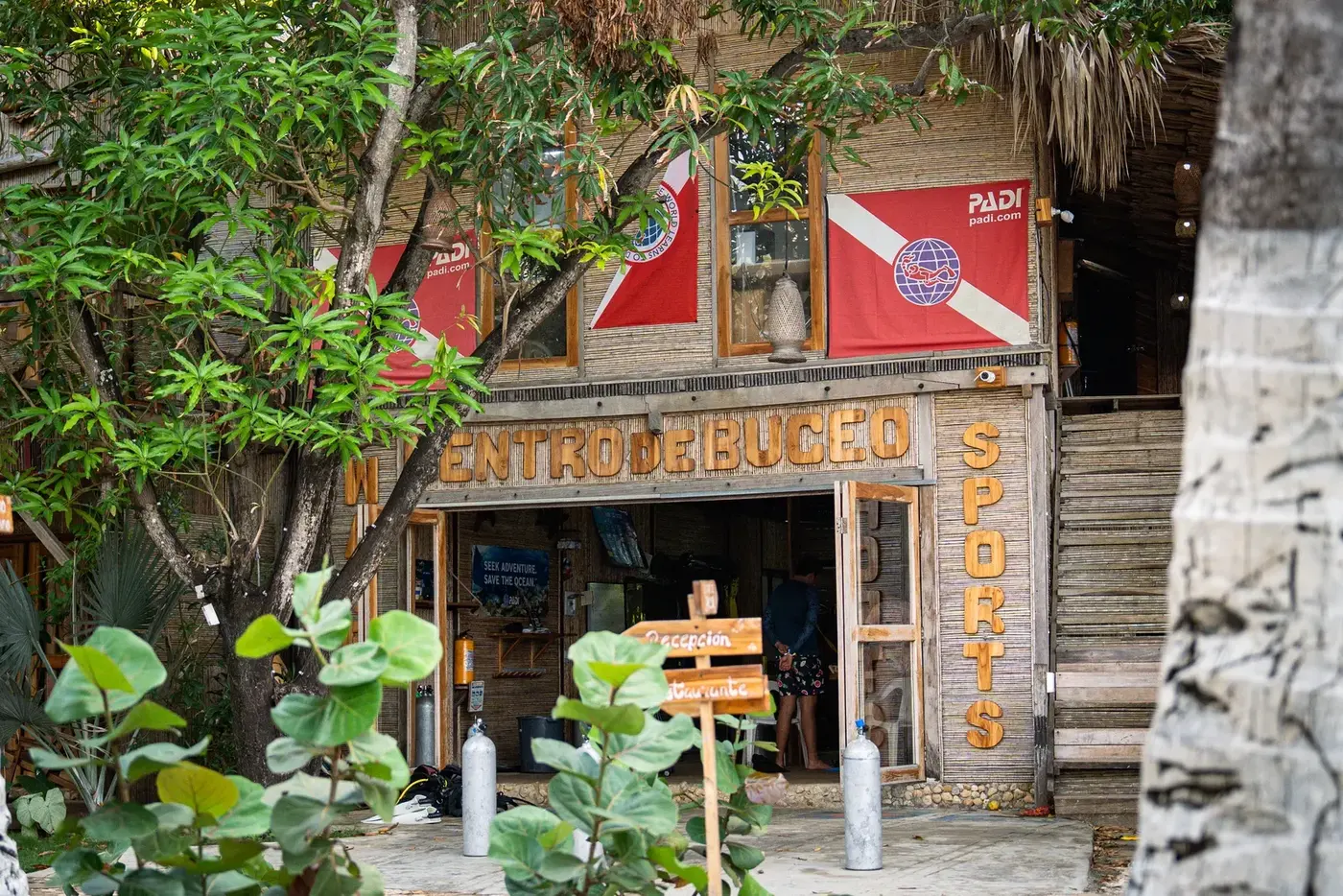
The ten greatest shipwrecks and planes on the seabed, and how to build the skills to dive them.
Ten vertical reefs that plunge into the blue, and where to find one in Colombia.
Where to swim with whale sharks, mantas, hammerheads and whales, plus Colombia's own giants.
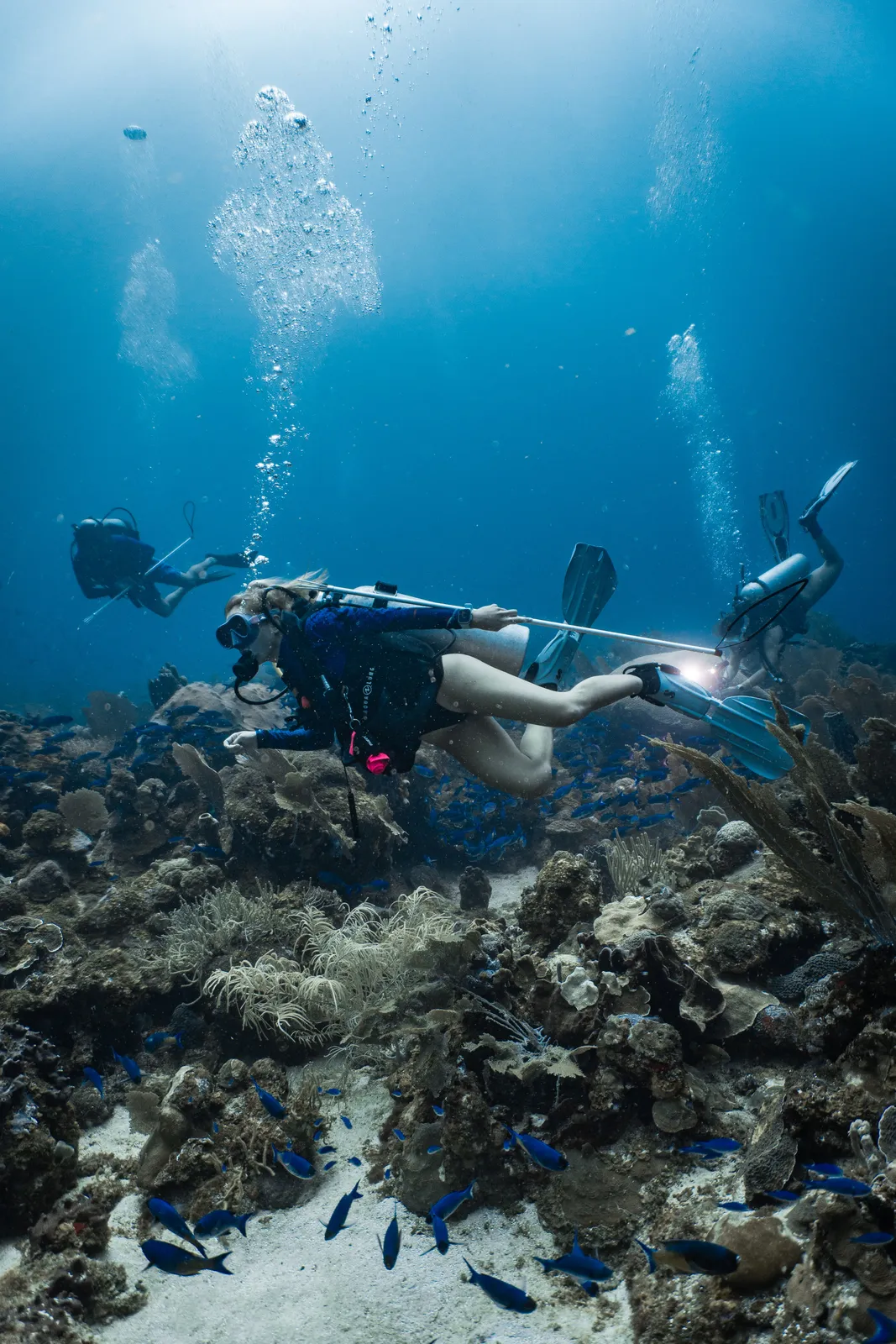
Ten places to fly along a current, plus how to master the skill in calm Colombian water.
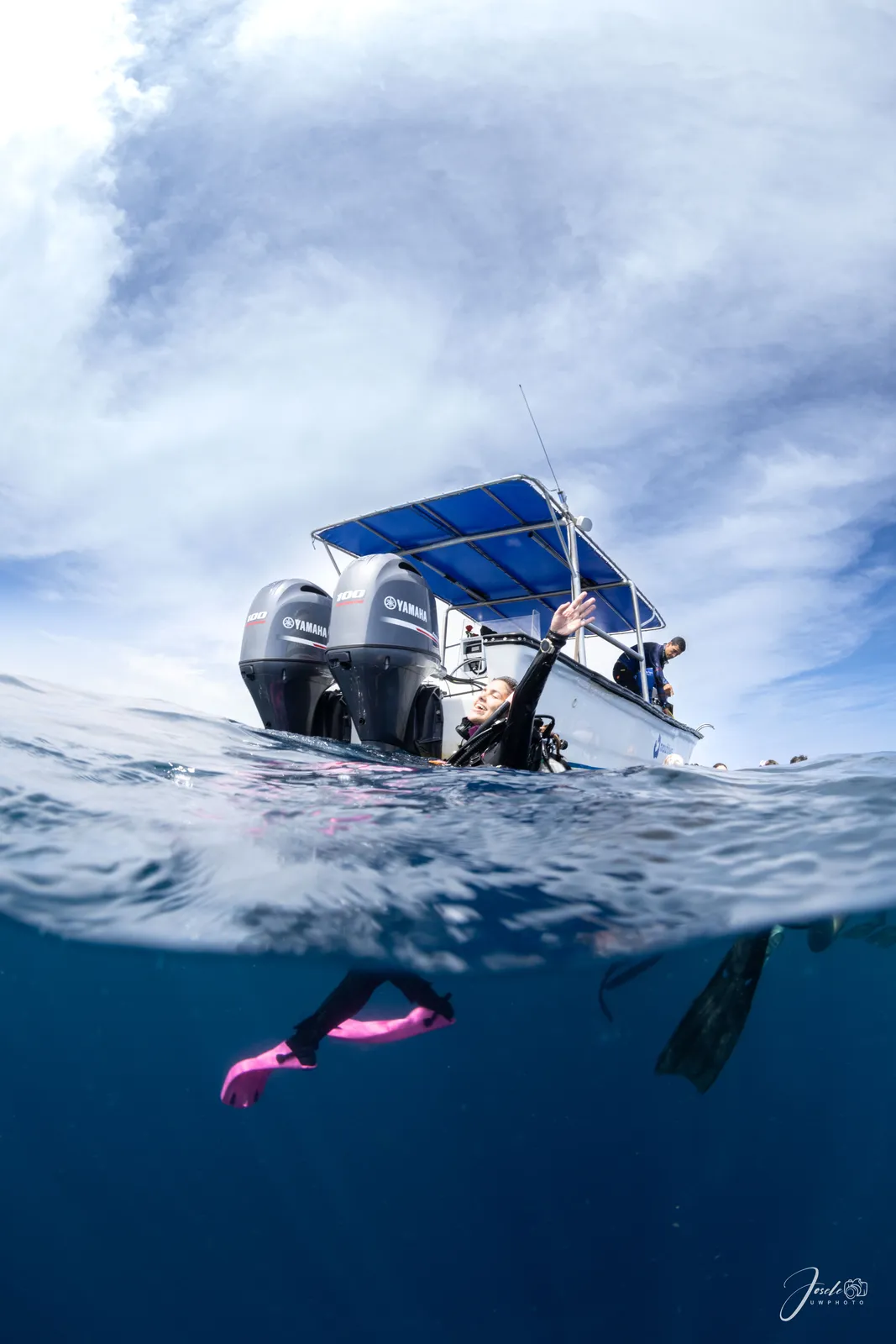
Ten breathtaking overhead dives, why they demand special training, and how to prepare safely.
Ten thrilling cold-water sites, and why warm Colombian reefs are the perfect training ground.
A ranked tour of the Caribbean's finest reefs and walls, ending with Colombia's hidden gem.
From the Galapagos to Isla Fuerte, a ranked guide to a continent of underwater wonders.
The complete case for diving Isla Fuerte: reefs, history, conservation and warm quiet water.
The Seaflower Biosphere Reserve holds the third largest barrier reef on Earth.
A remote Pacific rock famous for hammerhead schools and hundreds of sharks.
A former prison island turned national park with humpback whales and Pacific reefs.
Colombia's most popular place to learn, with cheap courses and Tayrona reefs.
Untouched reefs at the wild border with Panama, reached only by boat.
A coral national park an hour from Cartagena, ideal for first-time divers.
A tranquil Caribbean archipelago near Isla Fuerte with calm, warm reefs.
Wild Pacific diving with humpback whales, big fish and jungle-fringed reefs.
A perfect sapphire sinkhole with ancient stalactites, off the coast of Belize.
A tornado of barracuda and turtles on Malaysia's most famous wall.
The world's greatest wreck dive, a WWII cargo ship frozen in the Red Sea.
A current-swept reef corner packed with sharks in the heart of Micronesia.
The legendary Galápagos site where hammerheads and whale sharks gather.
The Galápagos shark capital, wild and remote in the far north.
The most biodiverse marine region on Earth, in the Coral Triangle.
Bali's most beloved shore-accessible wreck, alive with fish at Tulamben.
Snorkel or dive between two continents in Iceland's crystal-clear glacial water.
Otherworldly freshwater caverns and light beams beneath the Mexican jungle.
A remote Pacific island where hammerhead schools darken the water.
The Mexican Galápagos, famous for giant mantas and friendly encounters.
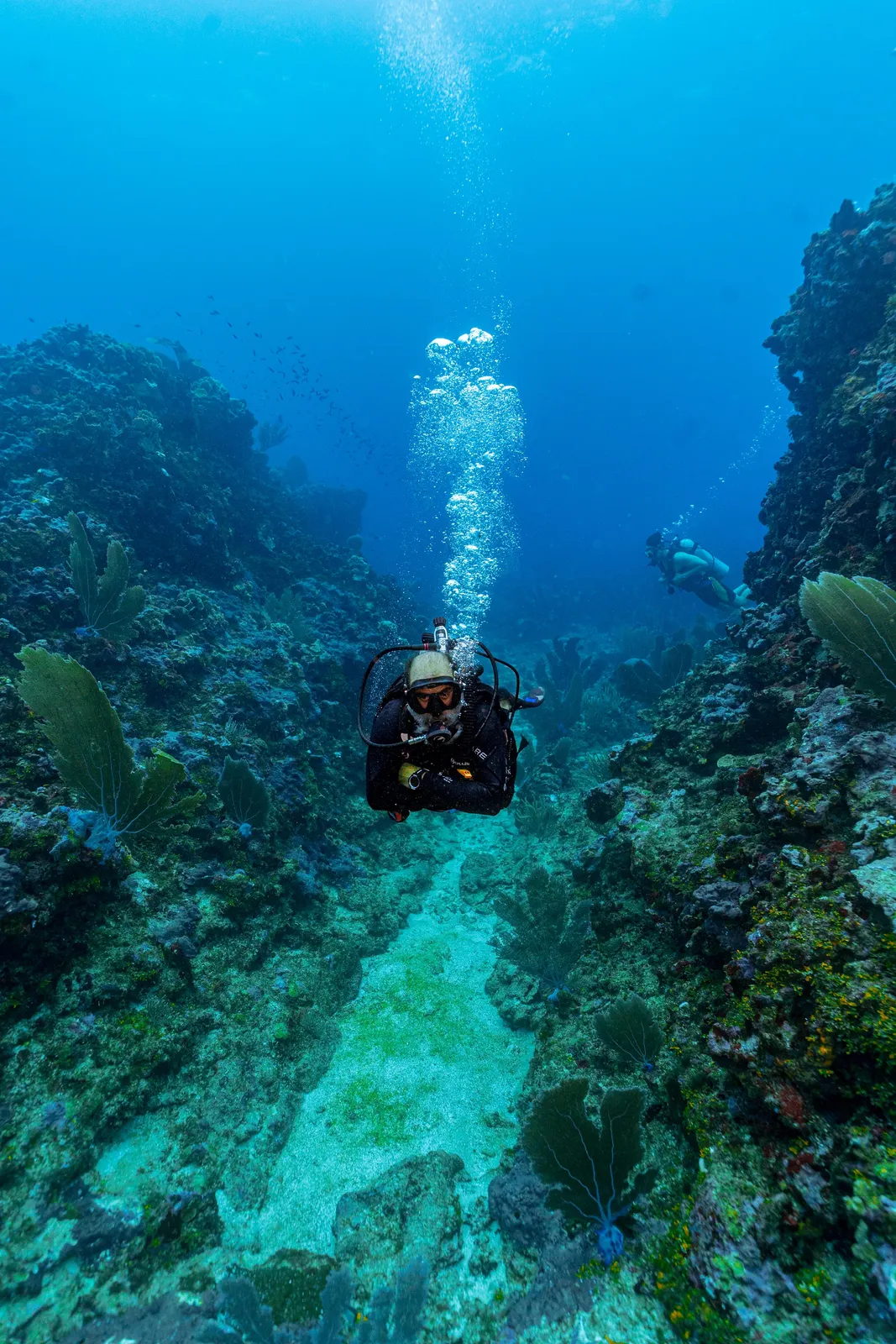
Australia's greatest wreck, a marine oasis teeming with giant life.
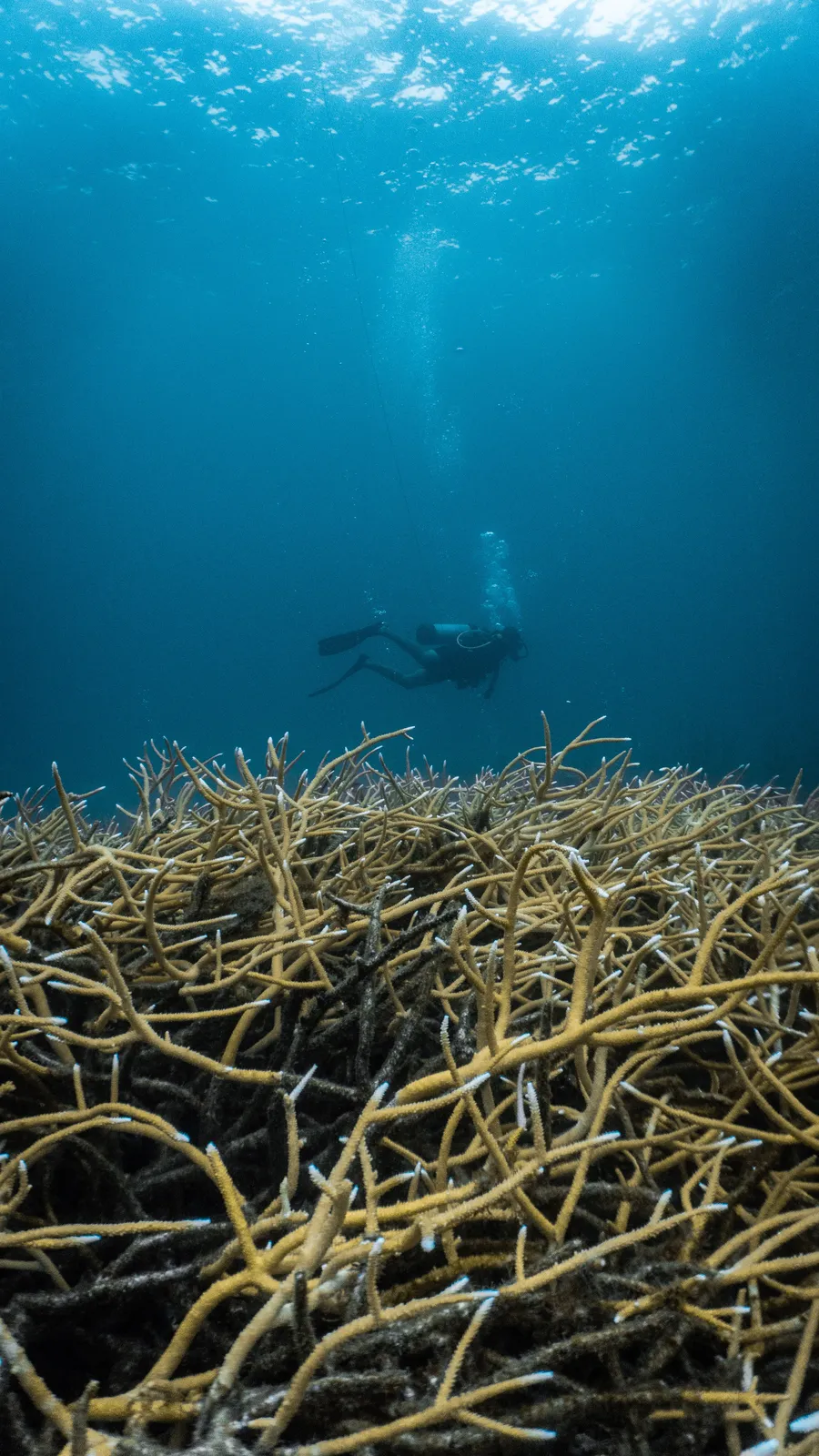
The world's largest reef system, a living wonder visible from space.
Thailand's crown jewel, a purple pinnacle rich with life in the Andaman Sea.
Manta rays, whale sharks and drift dives across a thousand Indian Ocean atolls.
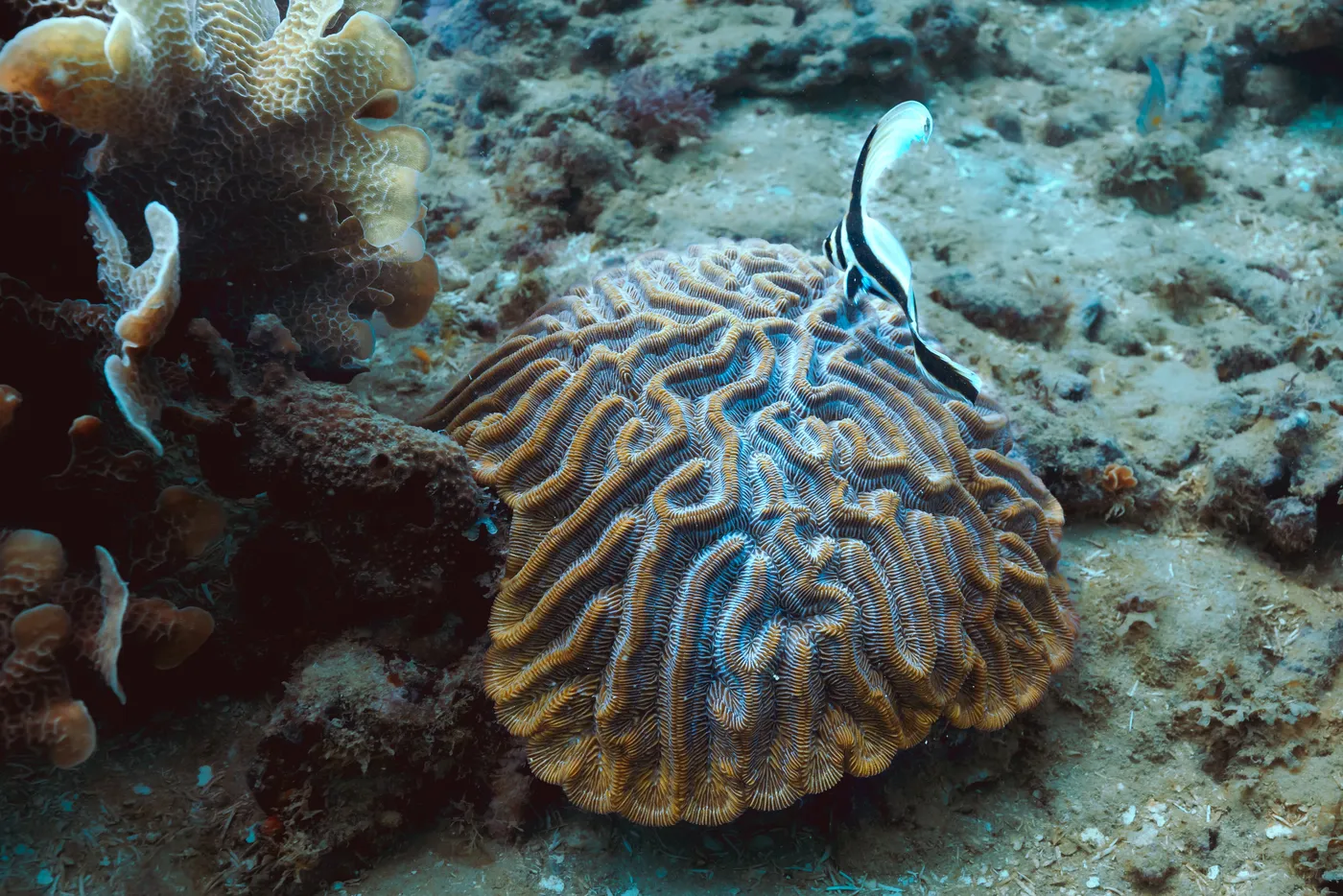
Twin reefs at Ras Mohammed where pelagic walls meet a scattered shipwreck cargo.
A shallow sand flat off Grand Bahama where tiger sharks meet divers face to face.
A sunken volcanic crescent off Maui with glassy water and a dramatic back wall.
A recovered marine park in Baja where a fishing village rebuilt an entire reef.
Subtropical arches and caves off New Zealand that Cousteau ranked among his favorites.
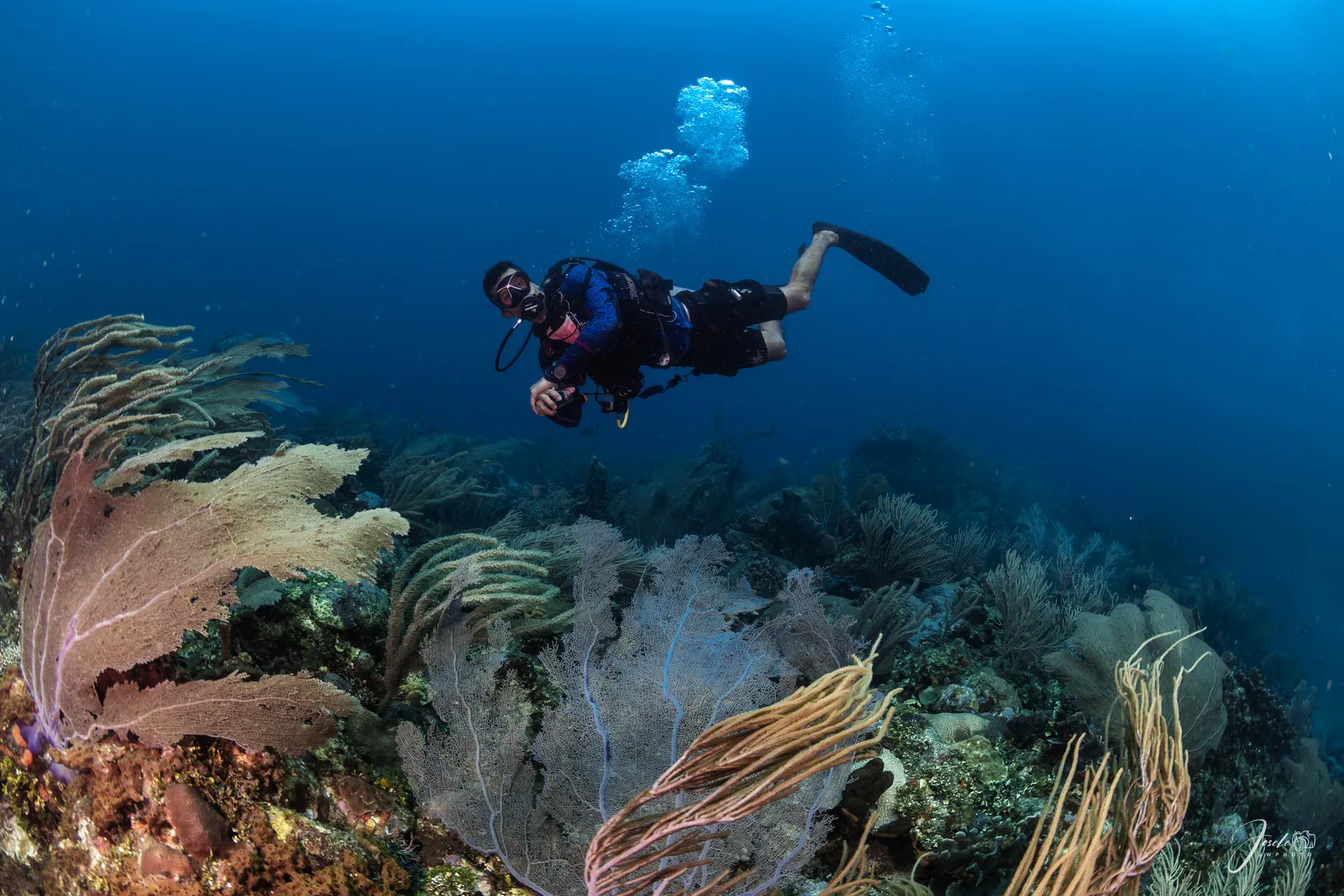
A fossilized dune reef off KwaZulu-Natal known for ragged-tooth sharks and raw action.
A WWII luxury liner turned troopship, dived straight from a black-sand beach in Vanuatu.
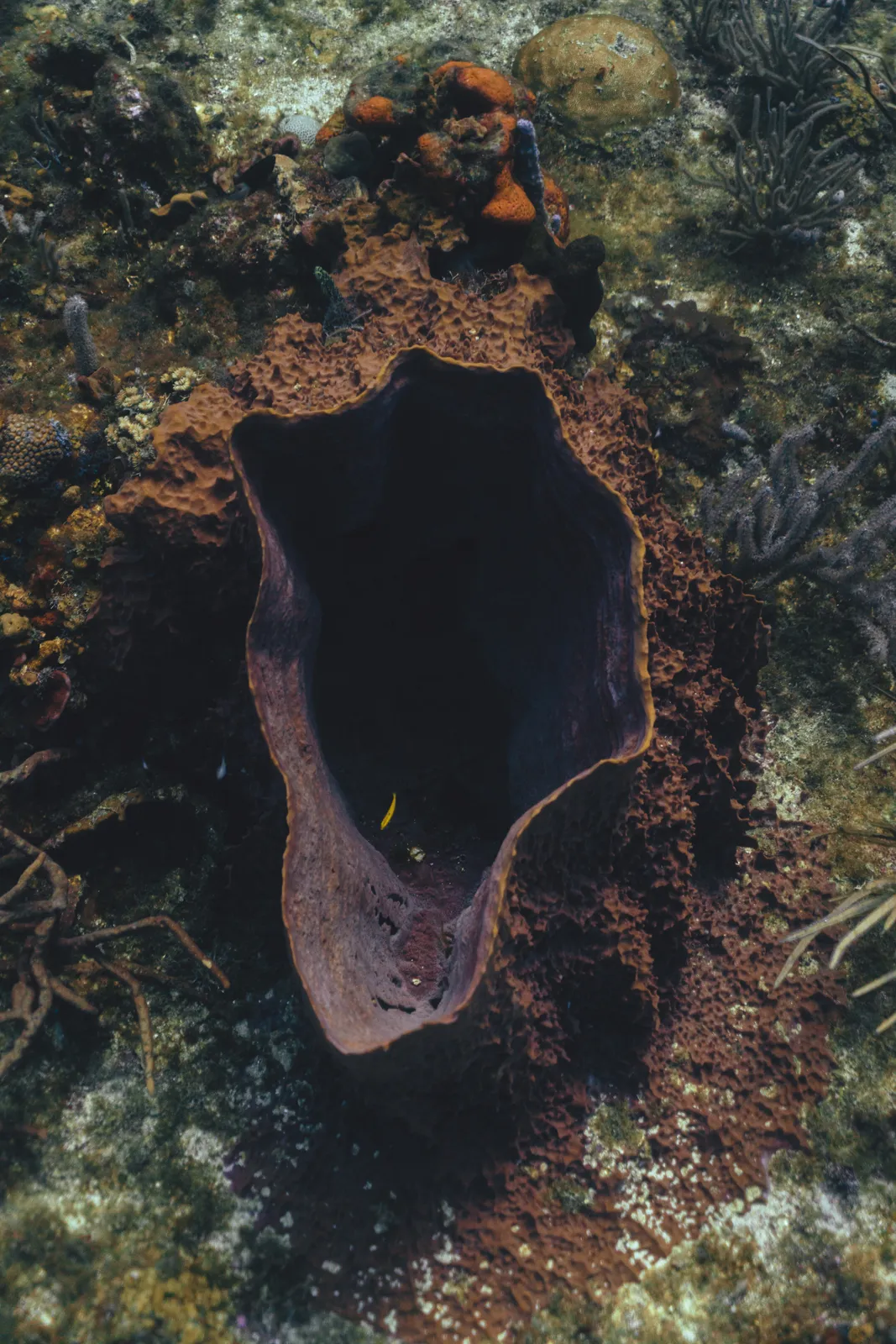
A sheer vertical wall off Little Cayman that plunges from shallows into the abyss.
Manta cleaning stations and the elusive mola mola in the cool channels off Bali.
The Ghost Fleet: a sunken WWII Japanese armada resting in a Micronesian lagoon.
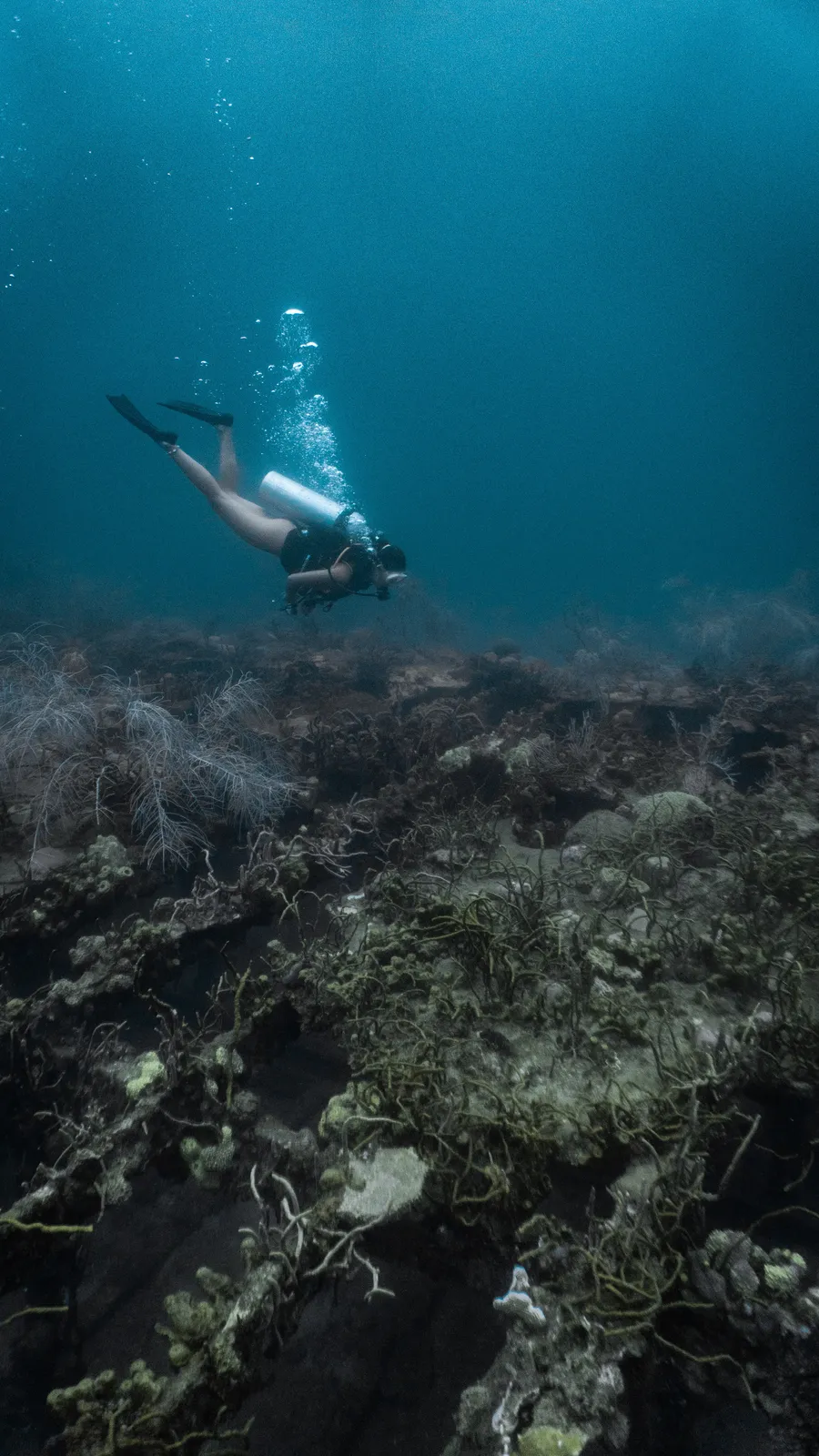
The winter home of great hammerheads, an hour by boat from the Florida coast.
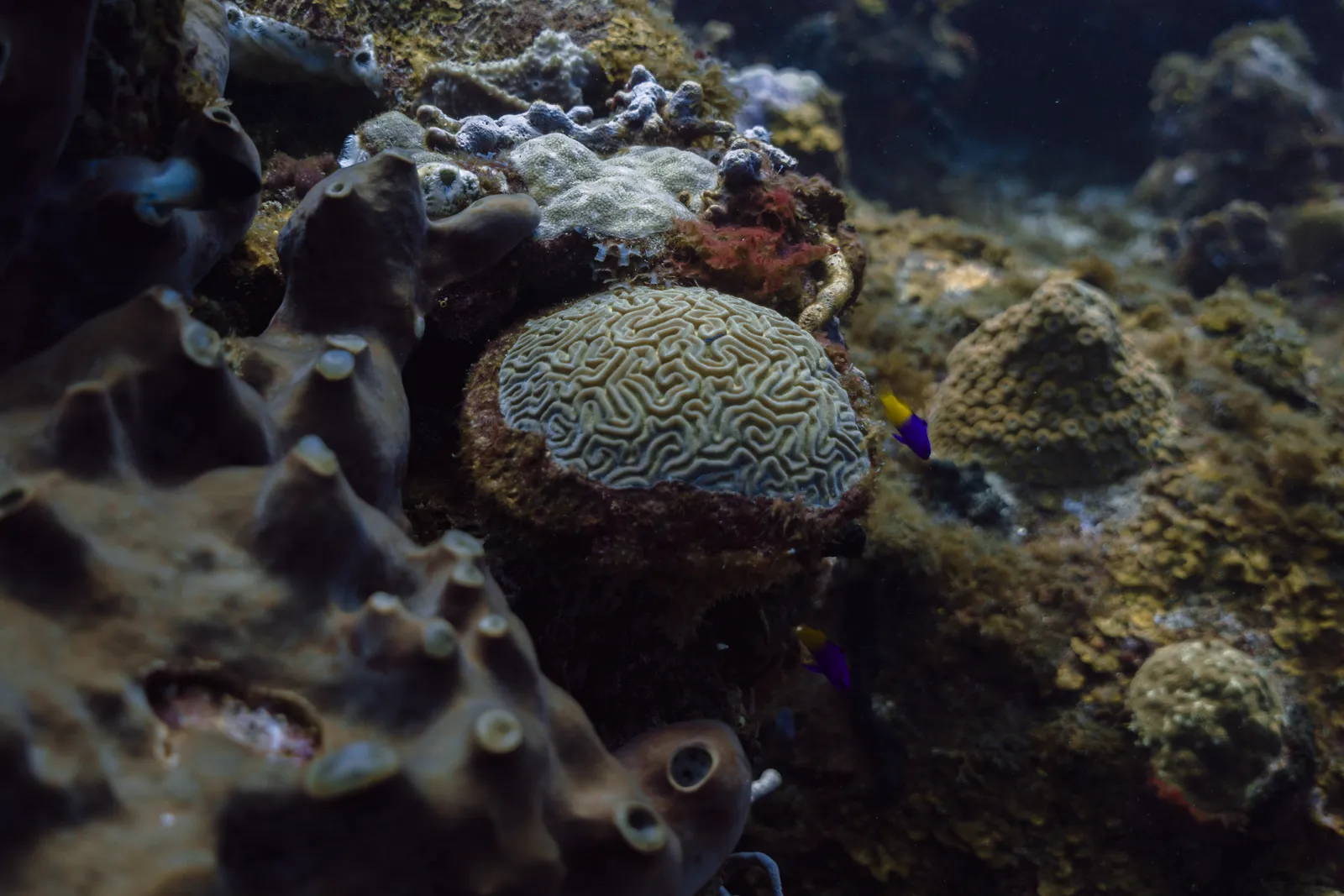
Roaring currents, manta highways and macro treasures between Indonesia's dragon islands.
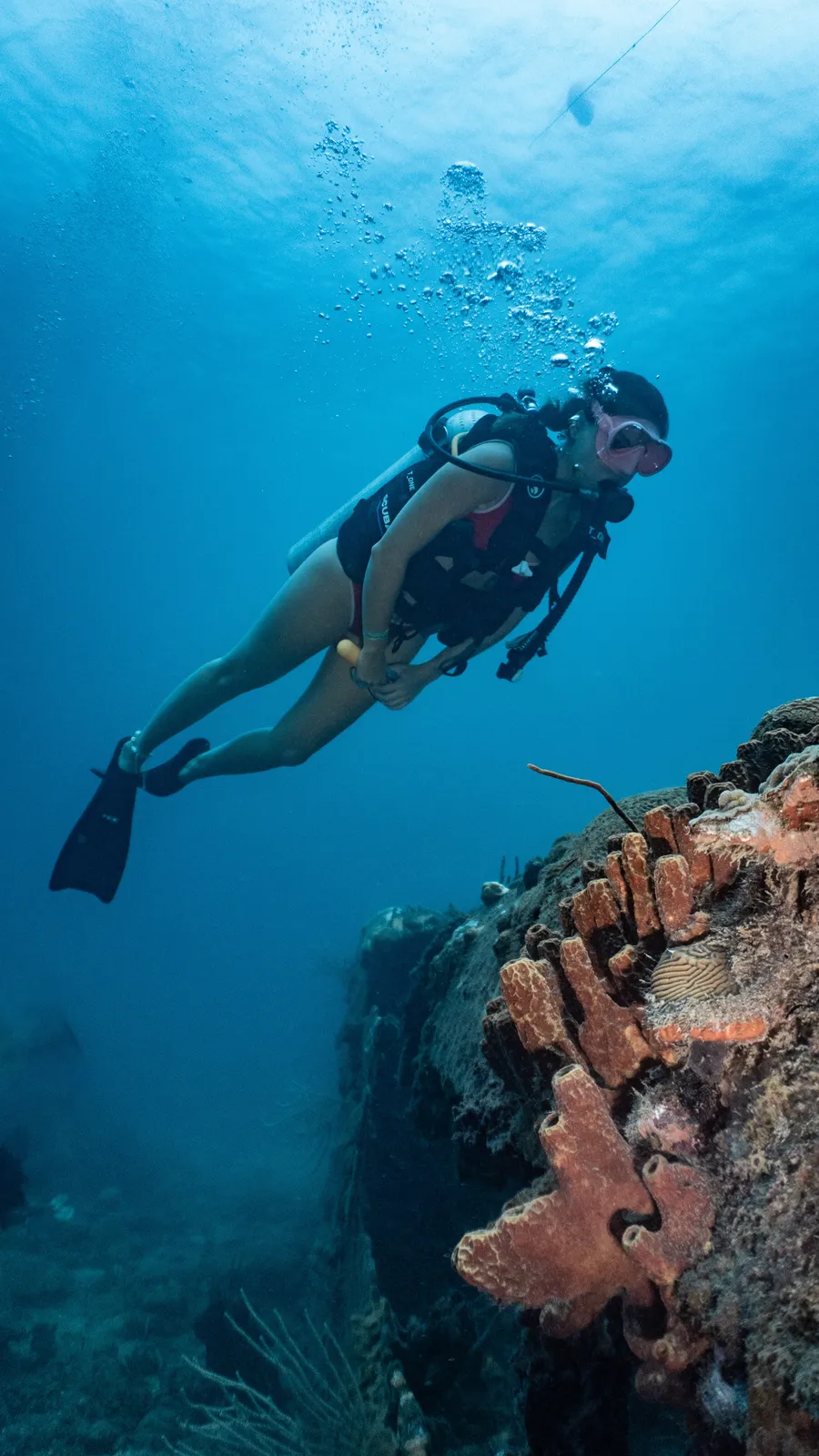
Affordable walls and turtle-filled reefs on the Mesoamerican Barrier in the Bay Islands.
Effortless drift diving over Cozumel's coral walls, home to the endemic splendid toadfish.
The best places on Earth to see wild clownfish, and why you will not find them in the Caribbean.
Where to find the real Dory in the wild, and the Caribbean blue tang you can meet in Colombia.
The best places and seasons to swim with the world's biggest fish, the gentle whale shark.
The top destinations to dive with giant manta rays, plus the rays you will meet in Colombia.
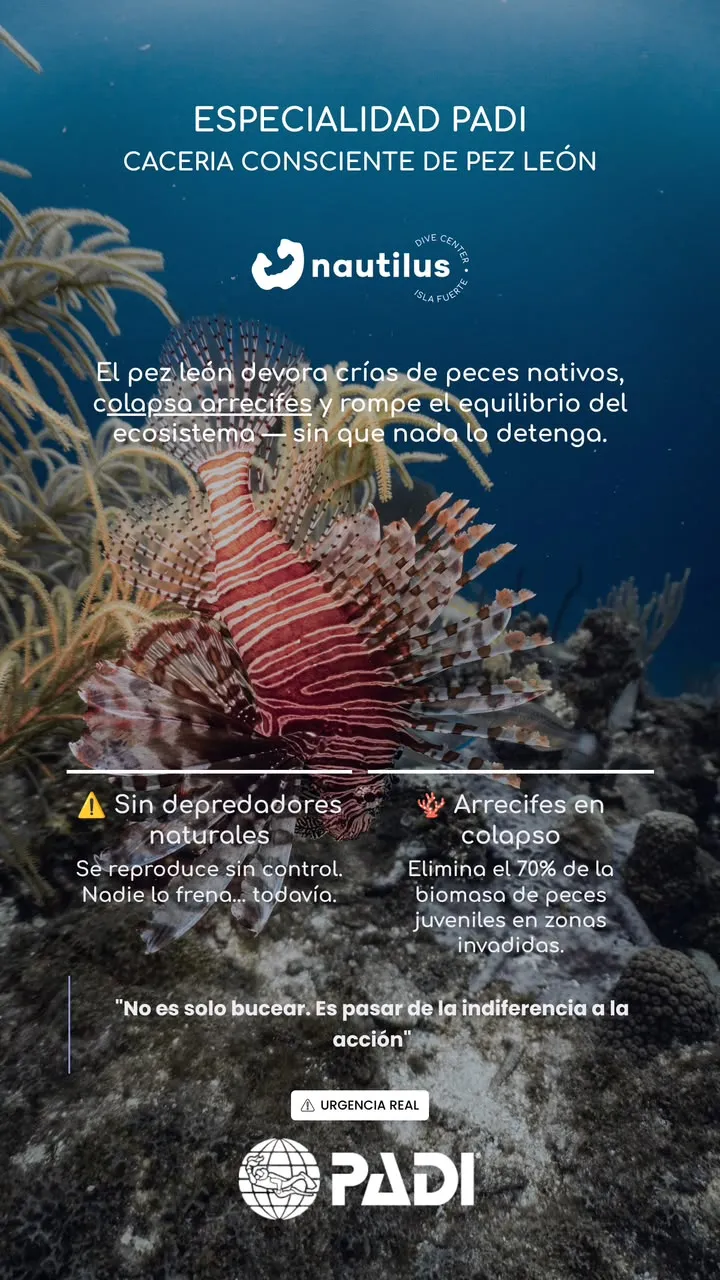
The world's best hammerhead shark dives, and the martillos that pass Isla Fuerte's deep walls.
Where and when to dive with the strange, enormous ocean sunfish, the mola mola.
Where to see the great white shark safely by cage diving, and the truth about them in the Caribbean.
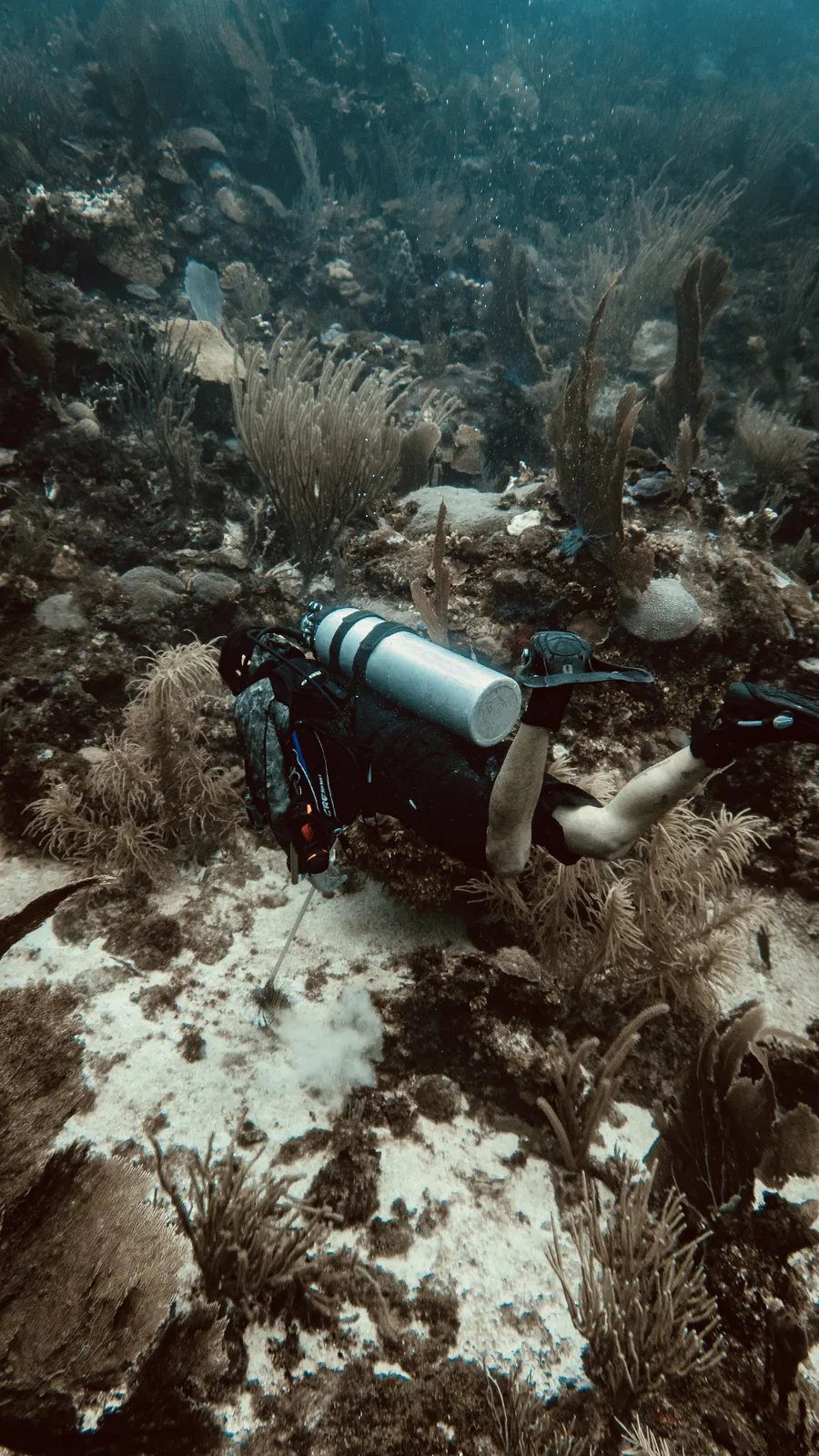
The best places to swim with or watch humpback whales, including Colombia's Pacific coast.
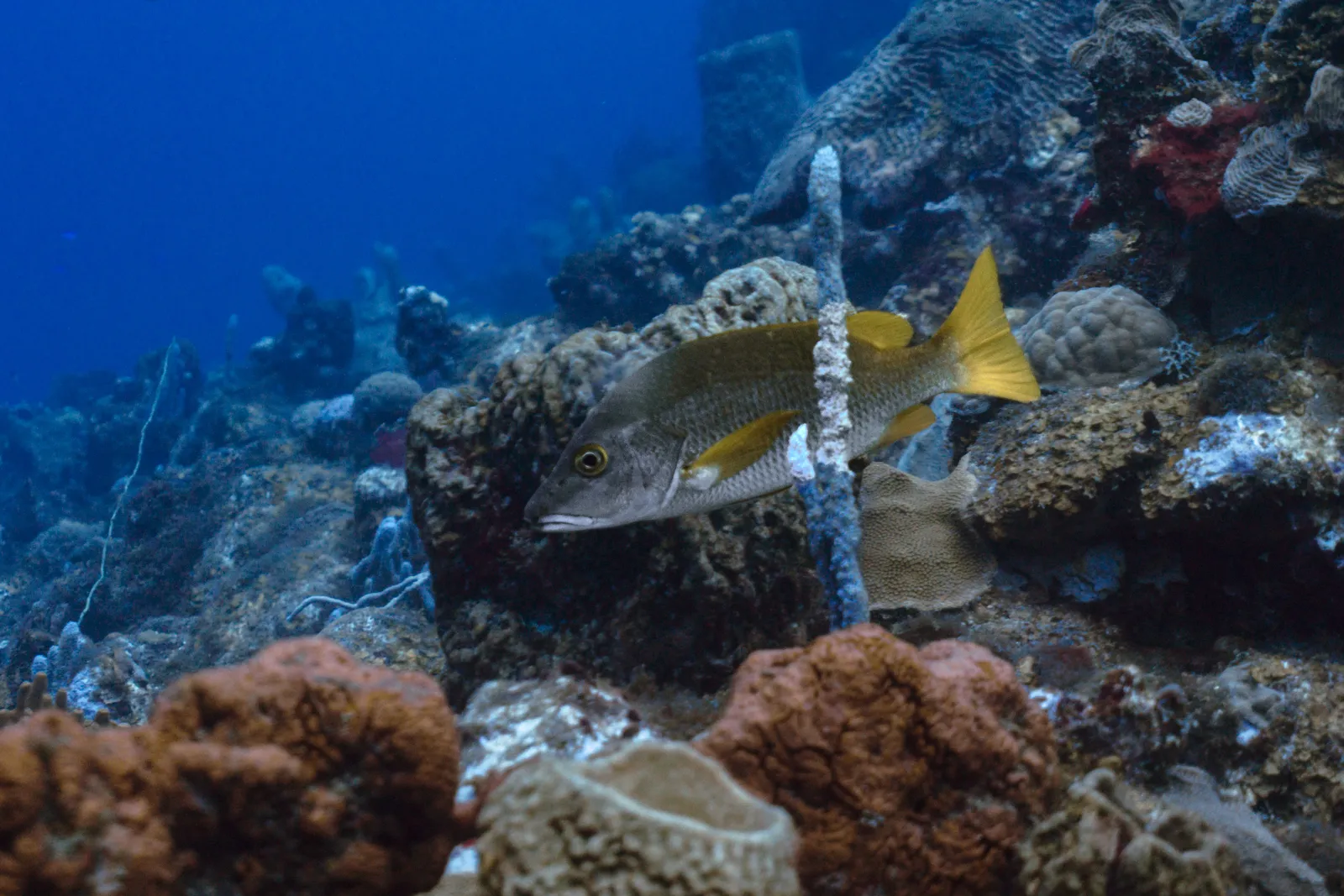
The best places to dive with sea turtles worldwide, and how often you will meet them at Isla Fuerte.
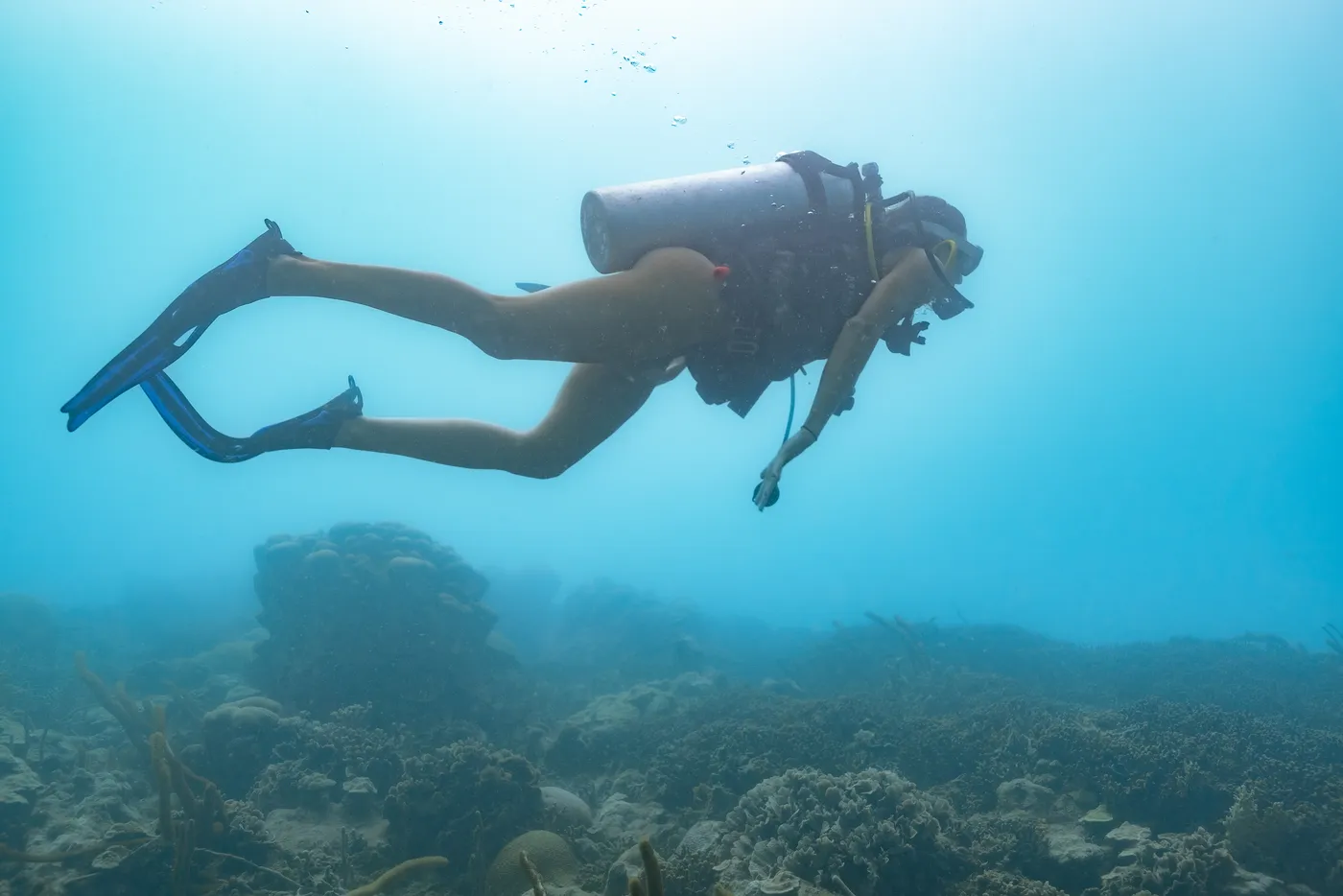
The best places to find wild seahorses, and how to spot these masters of camouflage in the Caribbean.
Where and when to see the psychedelic mandarinfish, one of diving's most colorful bucket-list species.
Where to find the astonishing mantis shrimp, one of the ocean's most powerful and colorful hunters.
Where to find the leafy sea dragon, a magical seahorse relative found only in southern Australia.
The best places to dive with playful sea lions, the puppies of the sea, around the world.
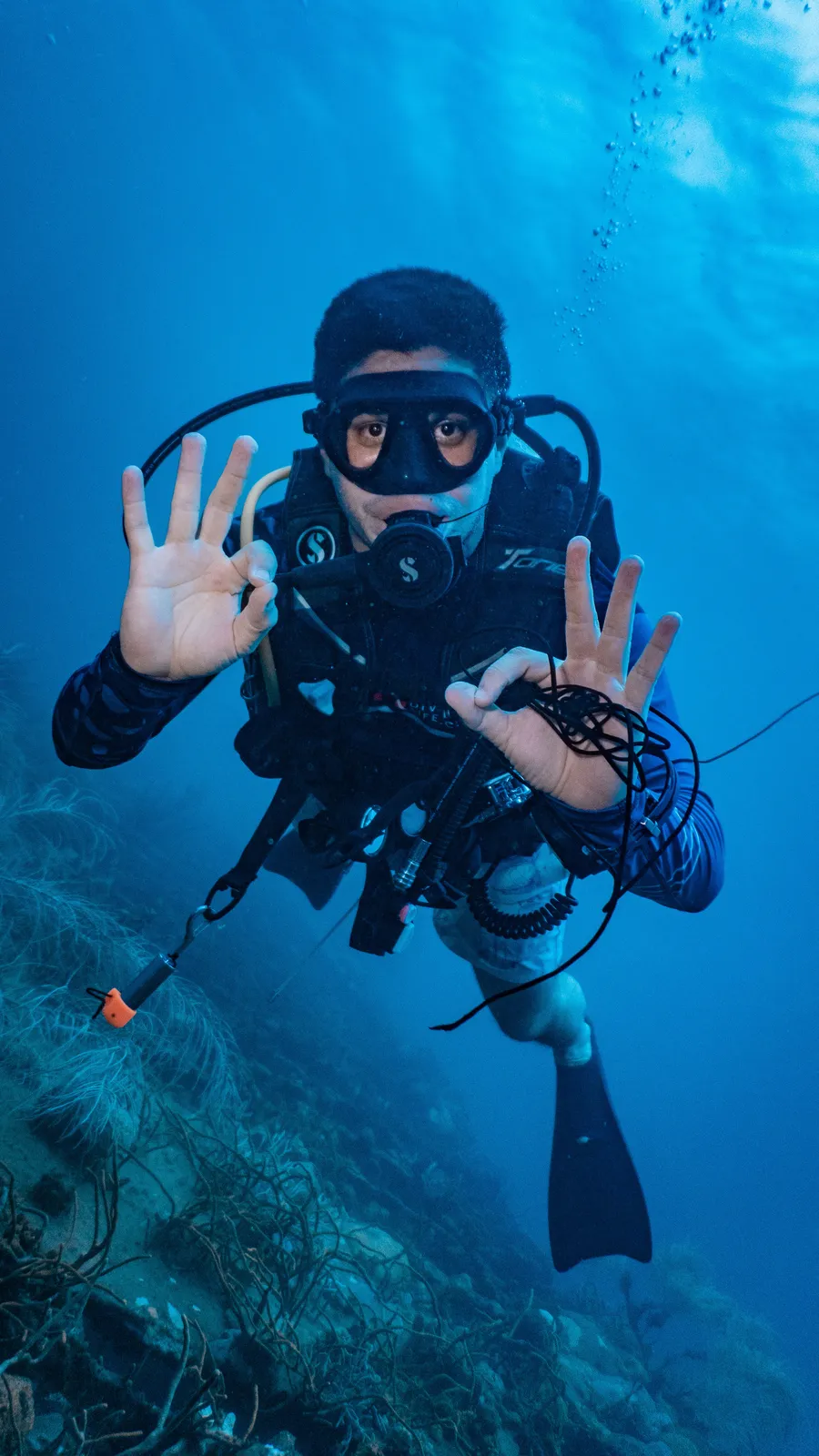
Where to snorkel with orcas, the ocean's top predator, and why the Caribbean is not on the map.
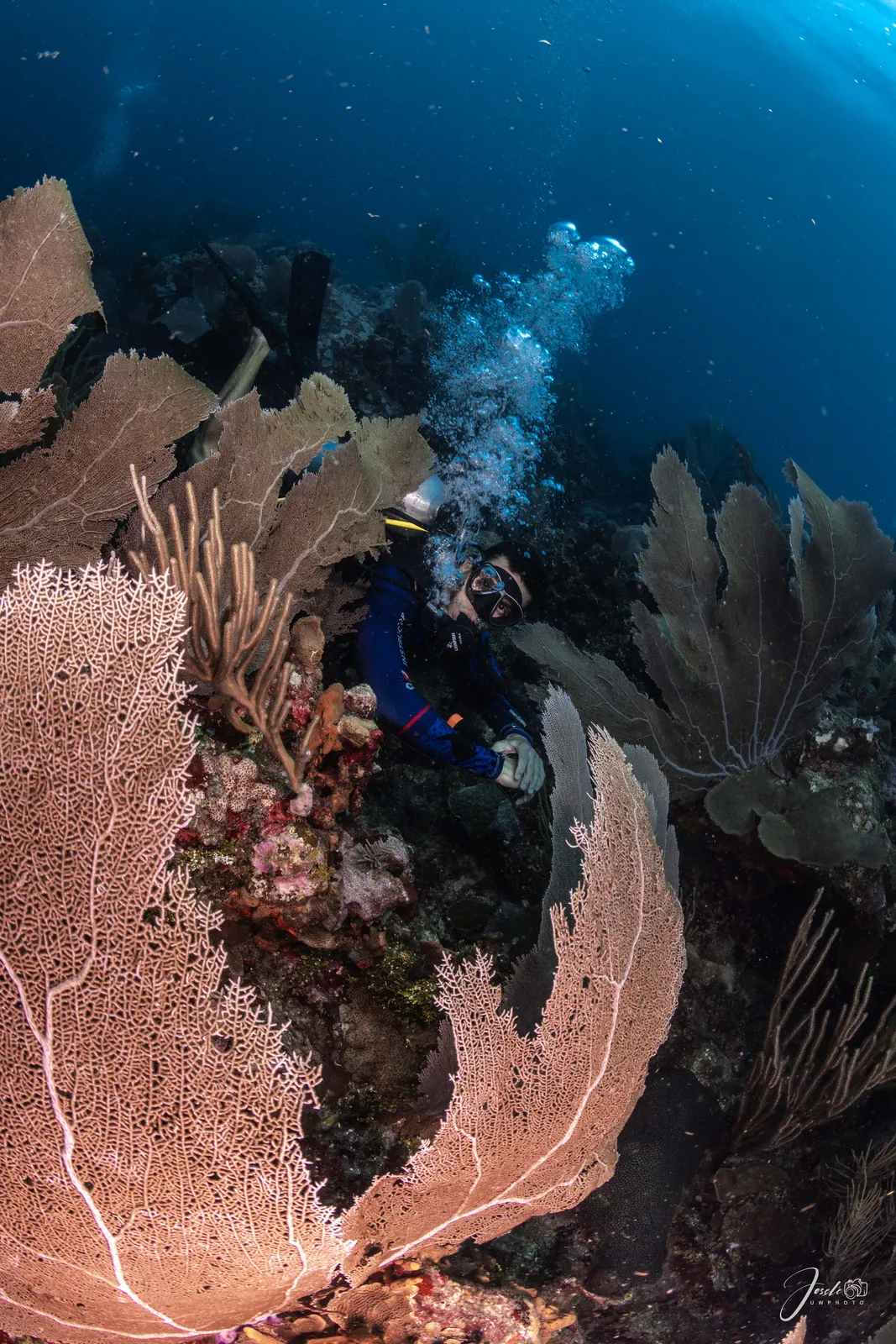
The best places to find frogfish, and how to spot these masters of camouflage.
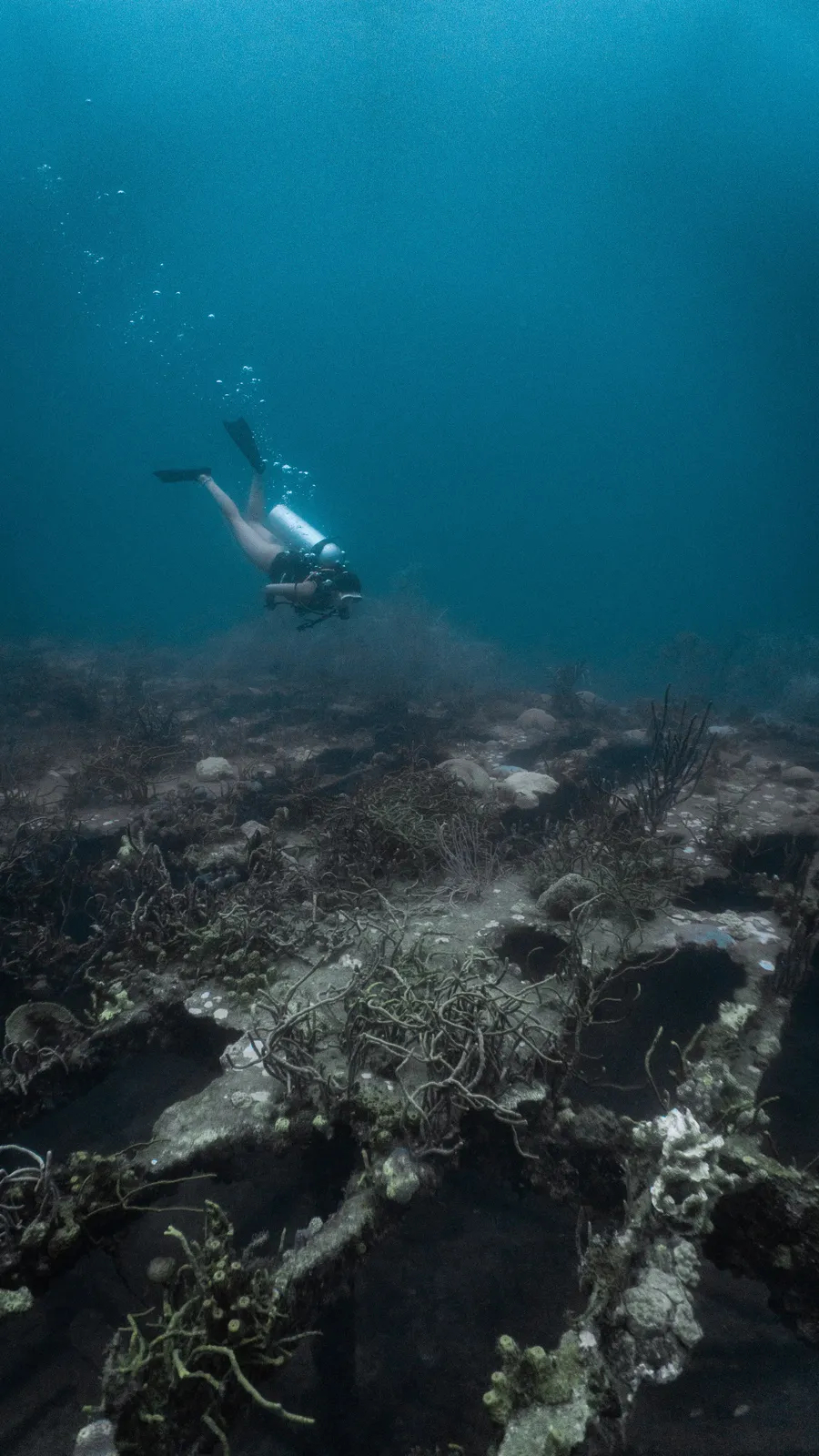
The best places to swim with wild dolphins, ethically and unforgettably.
The best places and techniques to find octopus on a dive.
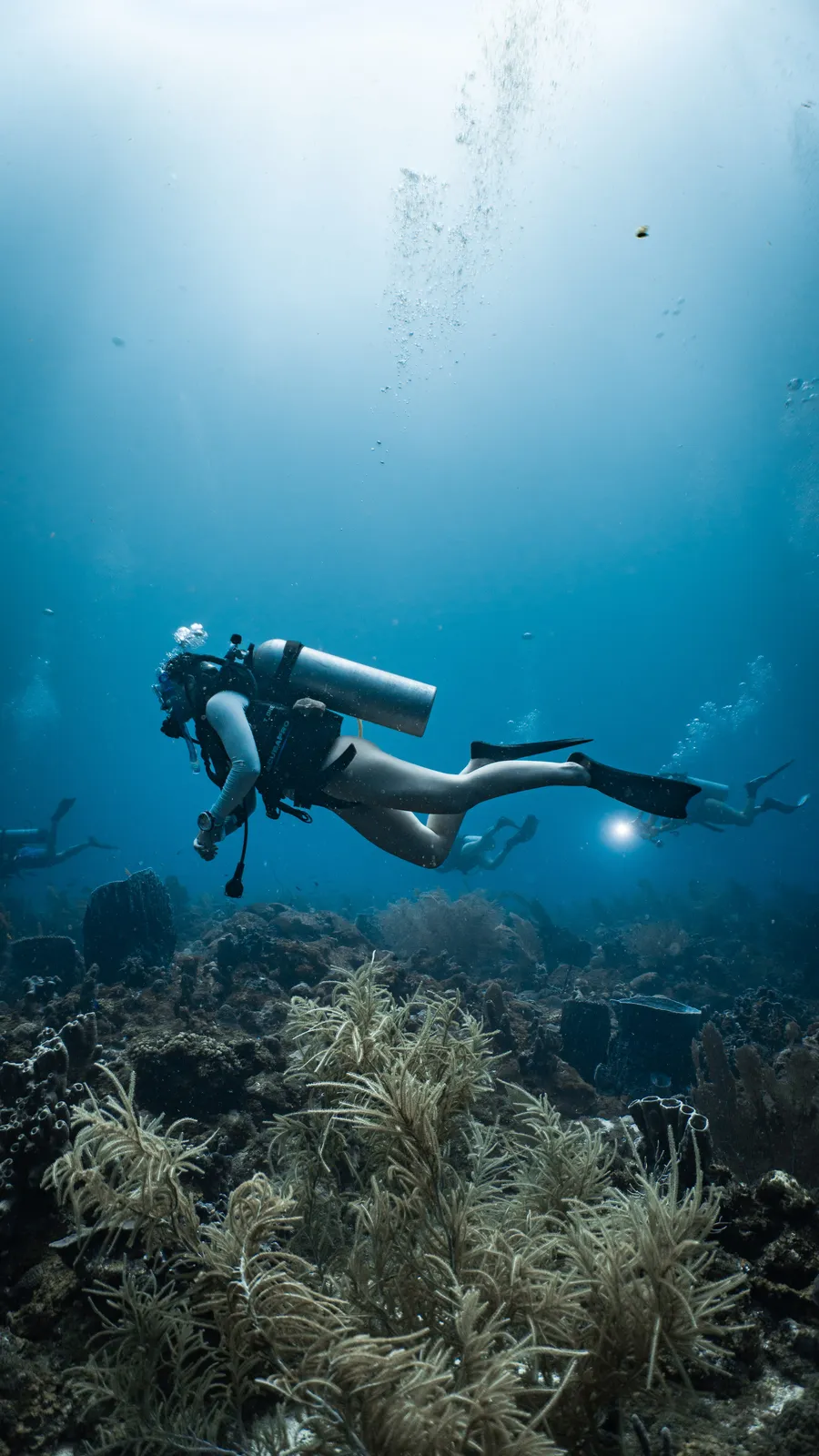
The best places to dive with reef sharks safely and responsibly.
Where to find the tiny, deadly blue-ringed octopus, and how to admire it safely.
The best places to find nudibranchs, the ocean's living jewels.
Where to dive with the giant Pacific octopus, the largest octopus on earth.
The best places to witness glowing bioluminescent water, and how it works.
Where to find dugongs, the gentle sea cows of the Indo-Pacific.
The best places to see cuttlefish, the shape-shifting geniuses of the reef.
A dive-guide countdown of the ocean's most stunning fish.
The ocean's most feared animals and the calm truth about diving with them.
From whale sharks to giant rays, the ocean's true giants and where they swim.
A ranked tour of the reef's brightest, most vivid fish.
A tour of the deep ocean's most bizarre and alien residents.
The living lights of the ocean and how they make their own glow.
The ocean's most venomous animals and the simple rule that keeps divers safe.
The curious, gentle animals that make diving feel like a welcome.
The elusive, seldom-seen animals every diver dreams of spotting.
The ocean's great minds, from problem-solving octopus to social dolphins.
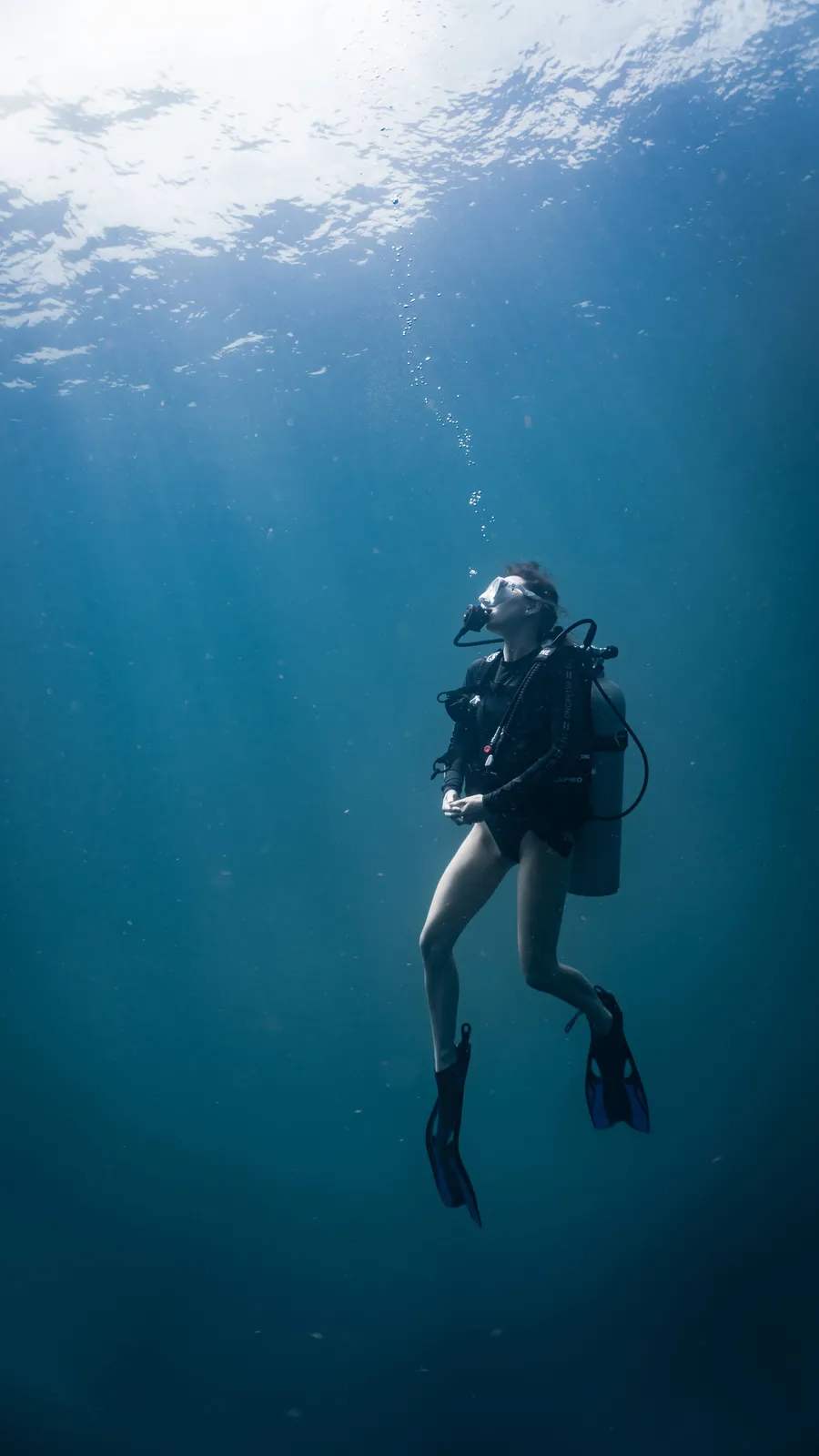
Meet the whale shark, the biggest fish in the sea and one of the most harmless.
Discover the manta ray, a gentle giant that glides and somersaults through open water.
The great hammerhead, largest of the hammerheads and a shy apex predator.
The green sea turtle, a gentle seagrass grazer and a beloved reef companion.
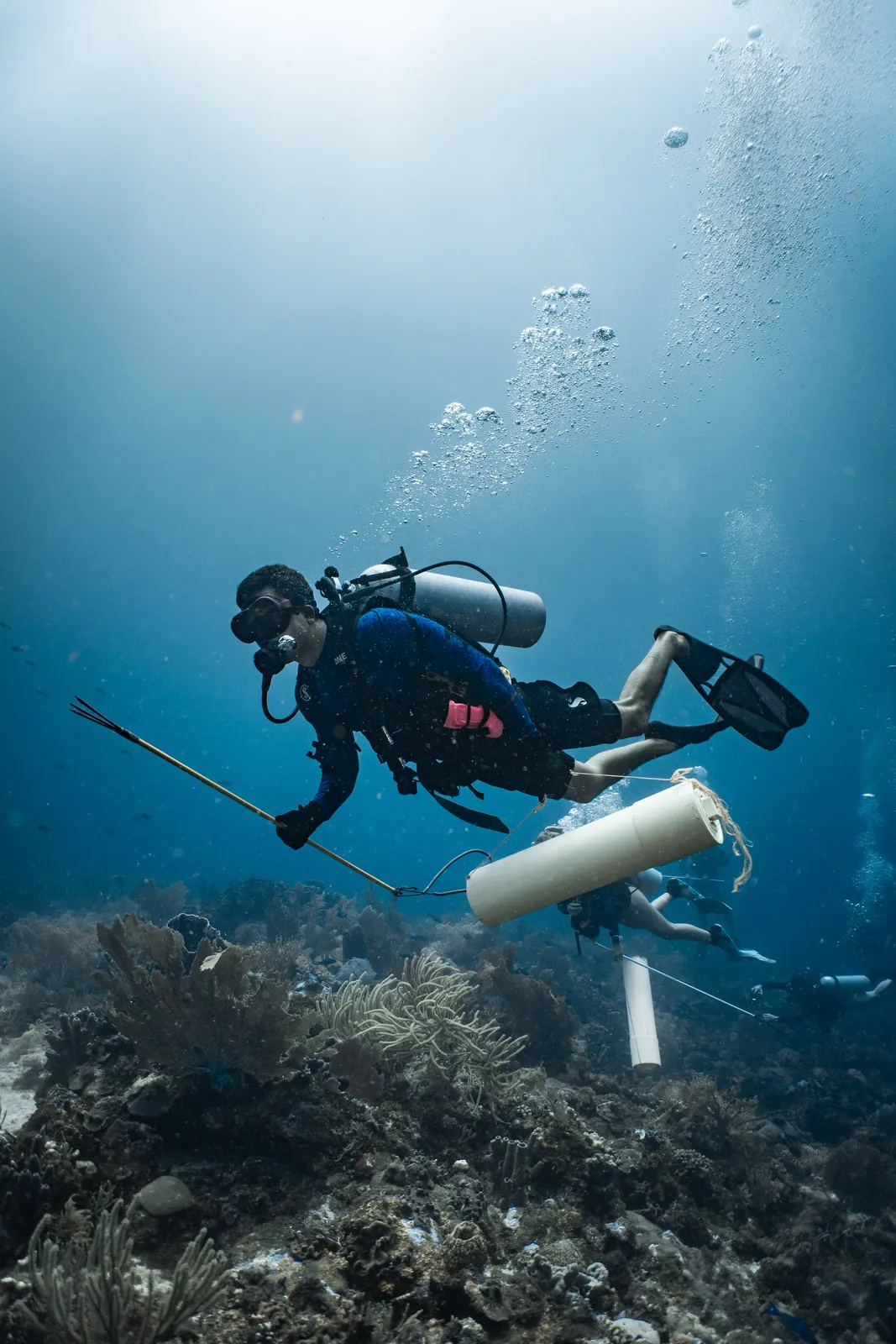
The hawksbill sea turtle, a jewel-shelled reef specialist in critical danger.
The clownfish, an anemone-dwelling icon with a real life stranger than the movie.
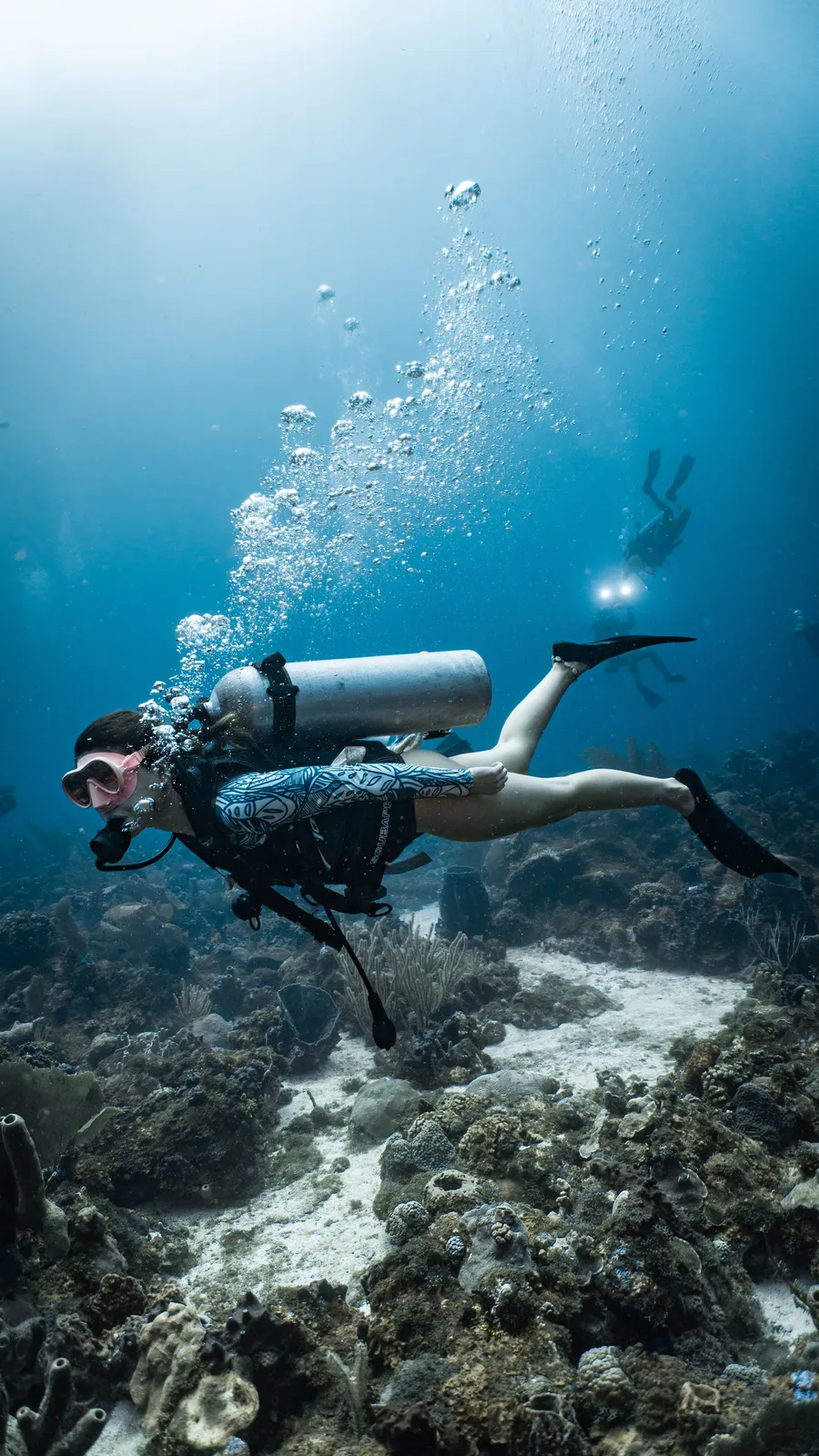
The blue tang, the real fish behind Dory, and its Caribbean cousin.
The mandarinfish, one of the most colorful animals in the sea and a shy jewel of the reef.
The moray eel, a misunderstood reef predator that is far gentler than it looks.
The common octopus, a shape-shifting genius hiding in plain sight on the reef.
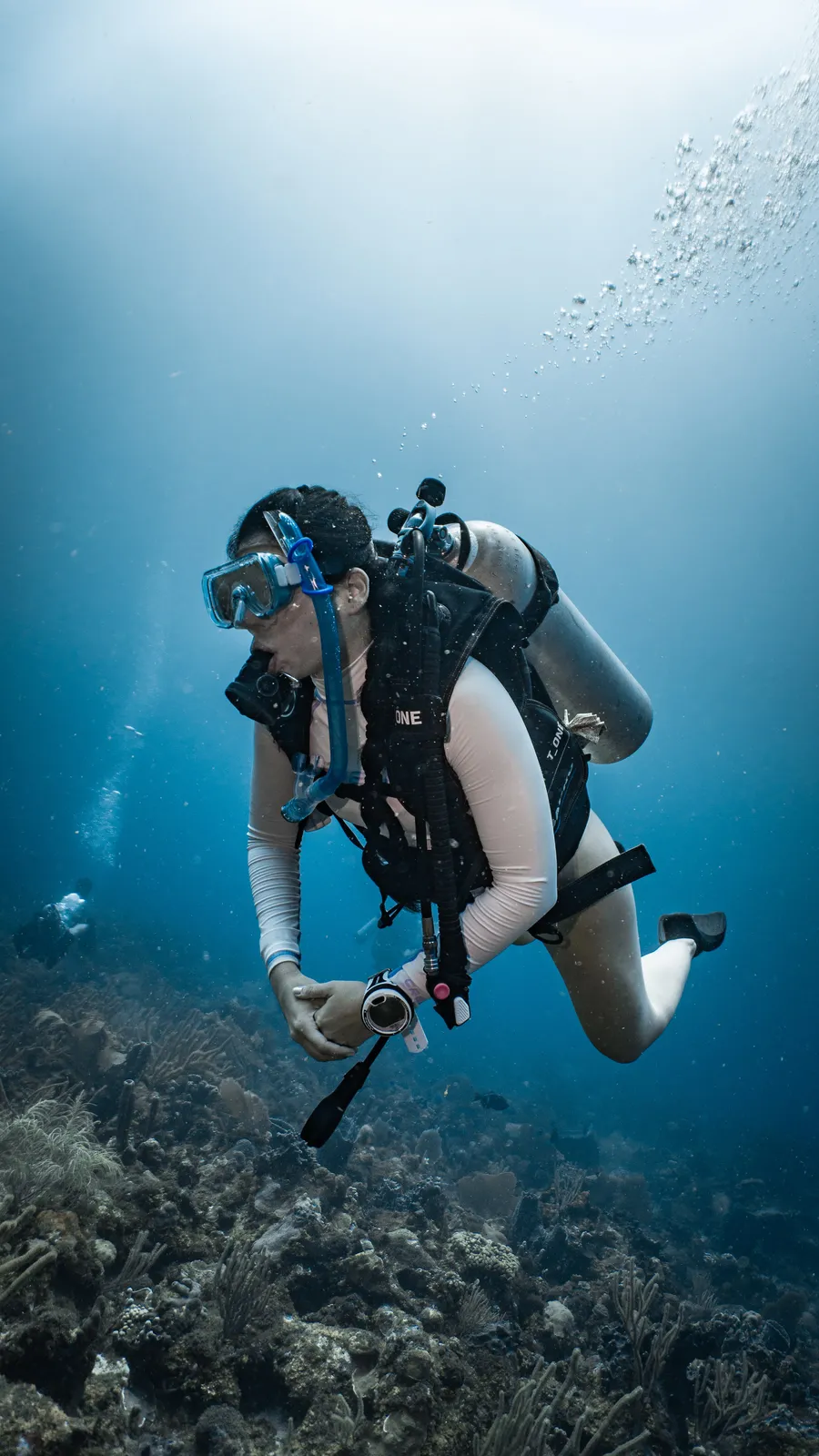
The seahorse, a tiny, enchanting fish where the fathers carry the babies.
The nurse shark, a docile bottom-dweller and one of the friendliest sharks to meet.
The bull shark, a powerful coastal predator that deserves respect, not fear.
The tiger shark, a striped ocean giant and one of the sea's great apex predators.
The spotted eagle ray, a spotted acrobat that soars through open water like a bird.
The great barracuda, a sleek silver predator that looks fierce but stays calm.
The parrotfish, a colorful grazer that literally makes the white sand beneath you.
The pufferfish, a slow, comical reef fish that inflates into a spiny ball for defense.
The full path from zero experience to a lifetime scuba certification.
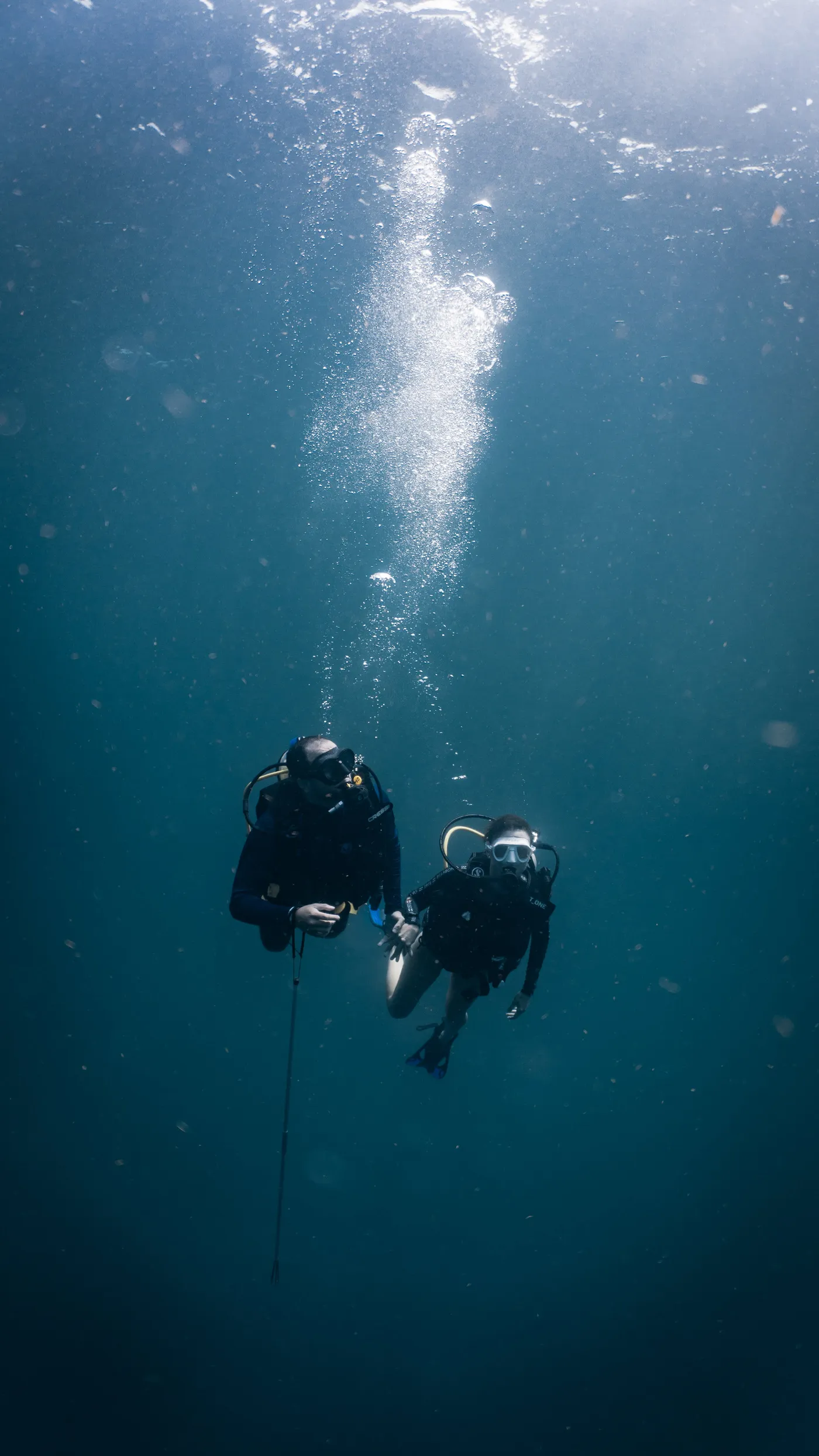
From a single morning to a full four-day course, depending on the path.
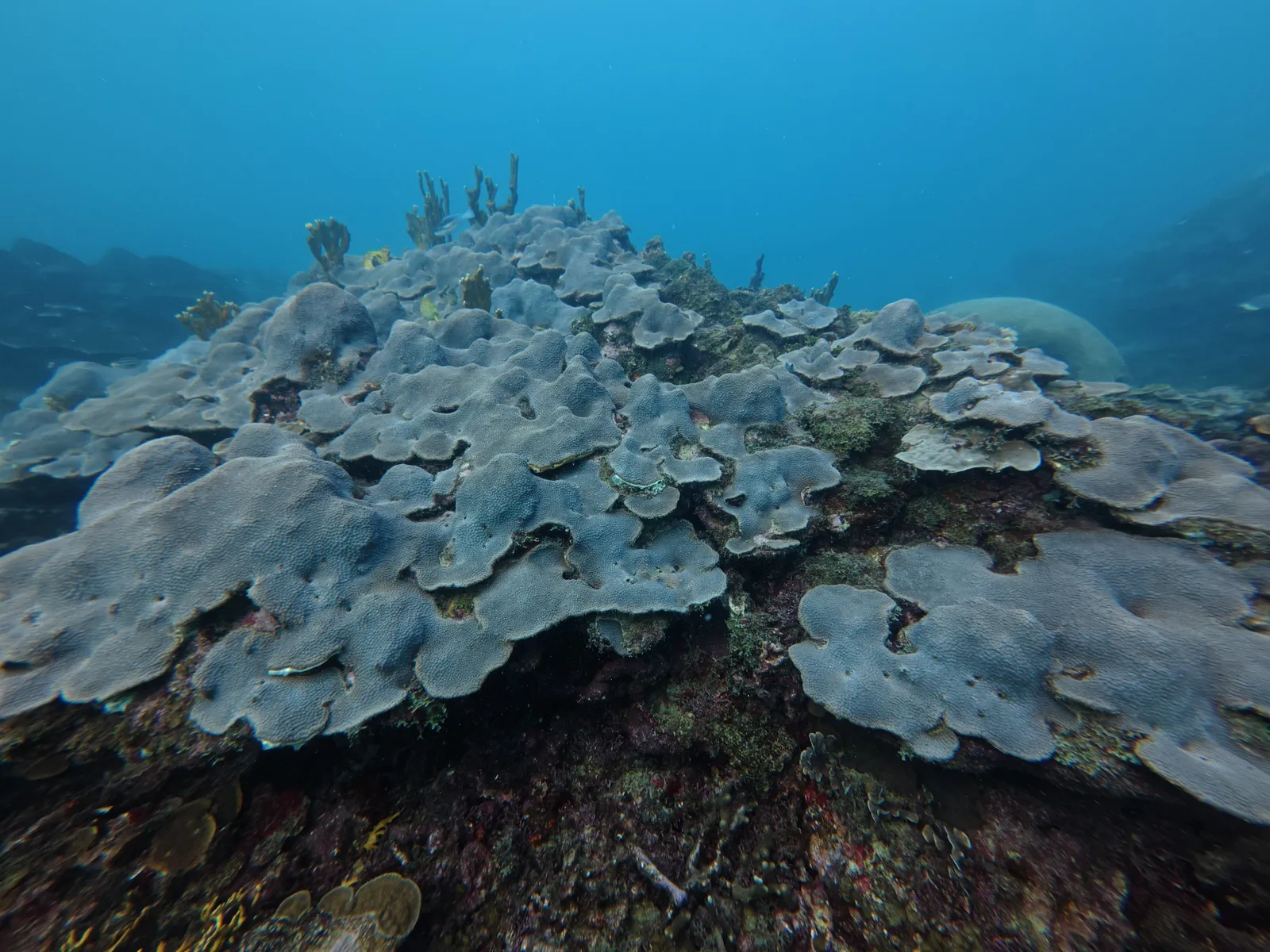
What you actually pay for, and how to compare prices honestly.
The real differences between the big training agencies, explained plainly.
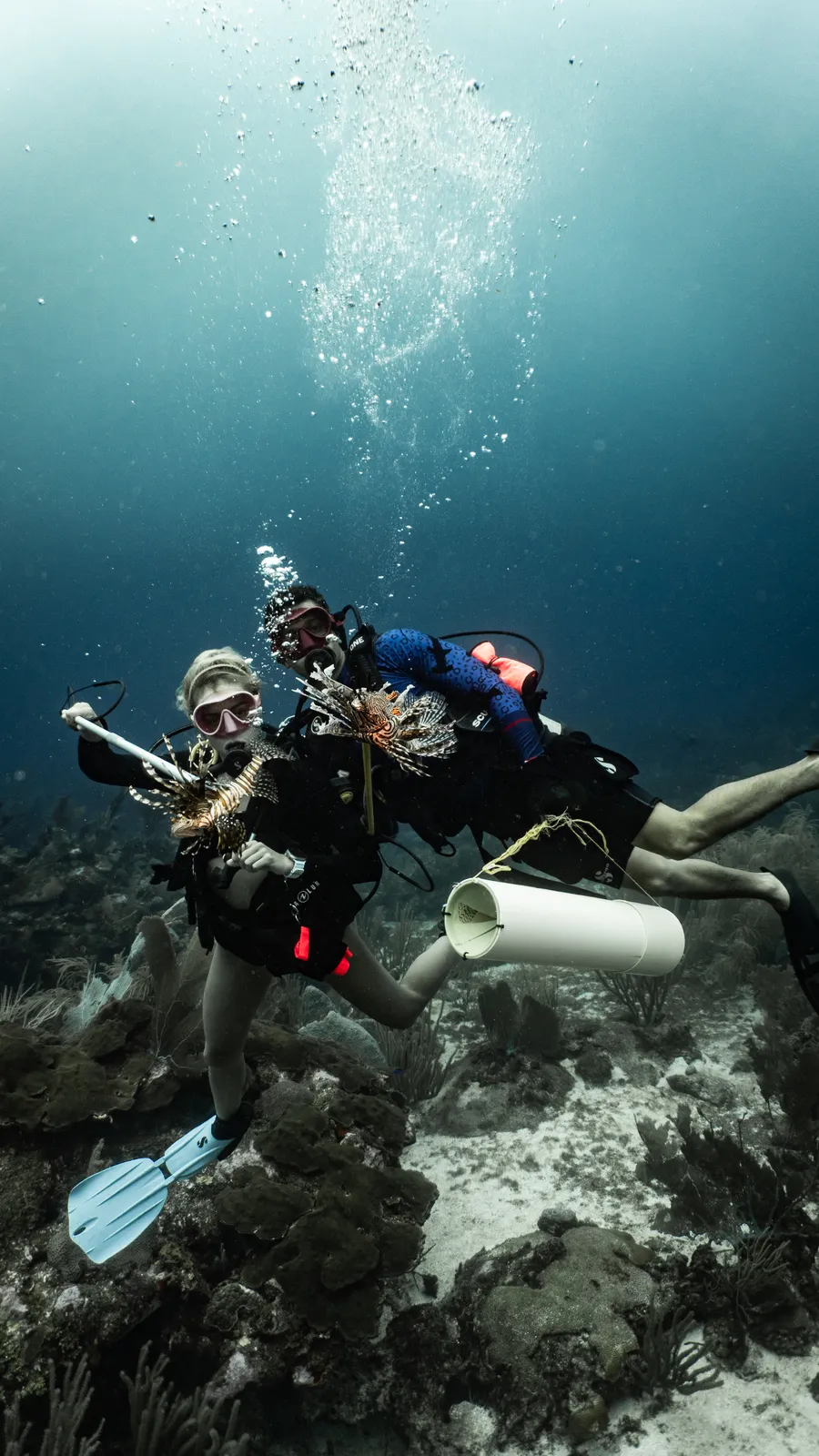
The world's most popular scuba certification, and what it lets you do.
Five adventure dives that expand your depth, skills and confidence.
The course that transforms you from a self-focused diver into a dive buddy others trust.
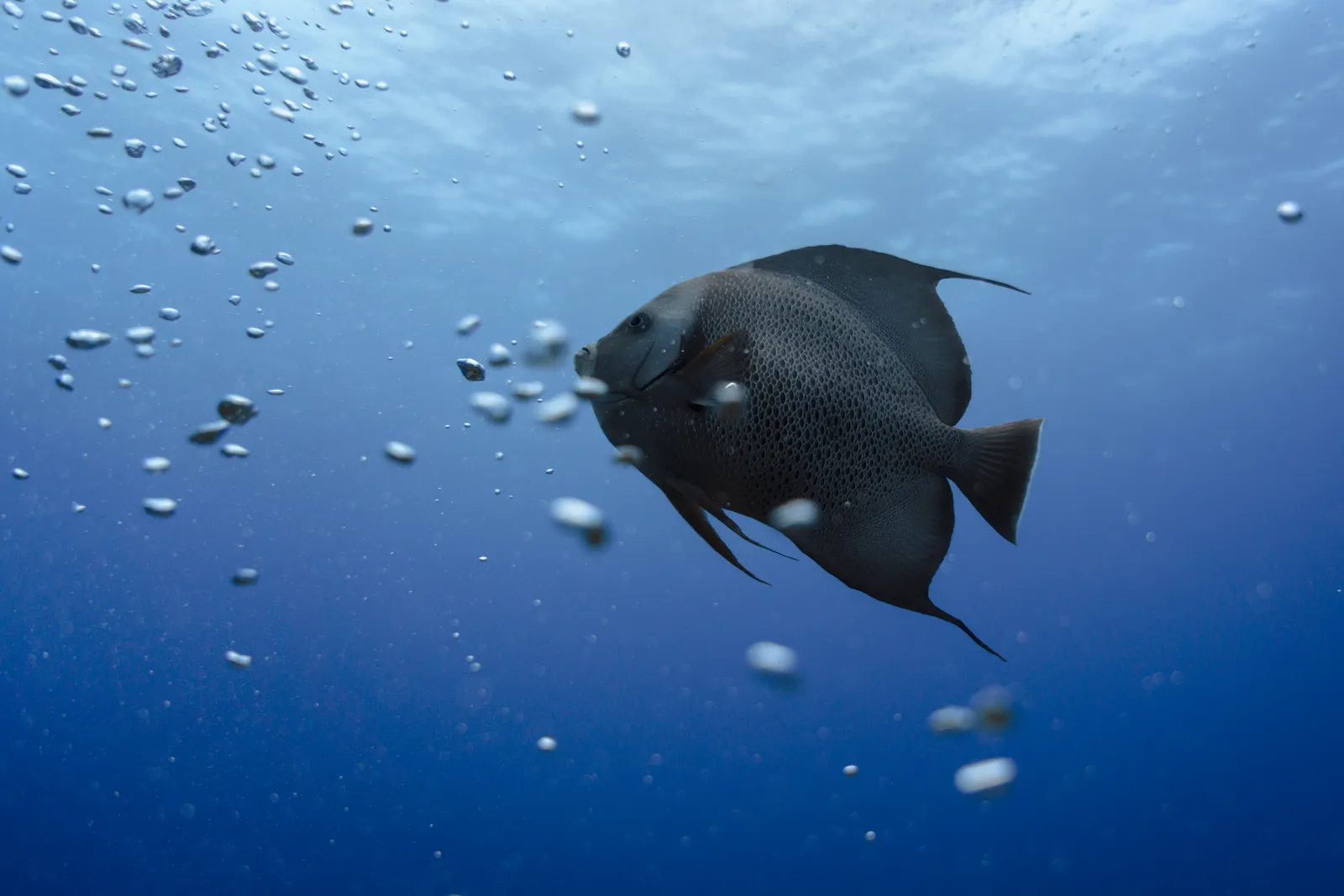
The first professional rating in diving, and how to earn it.
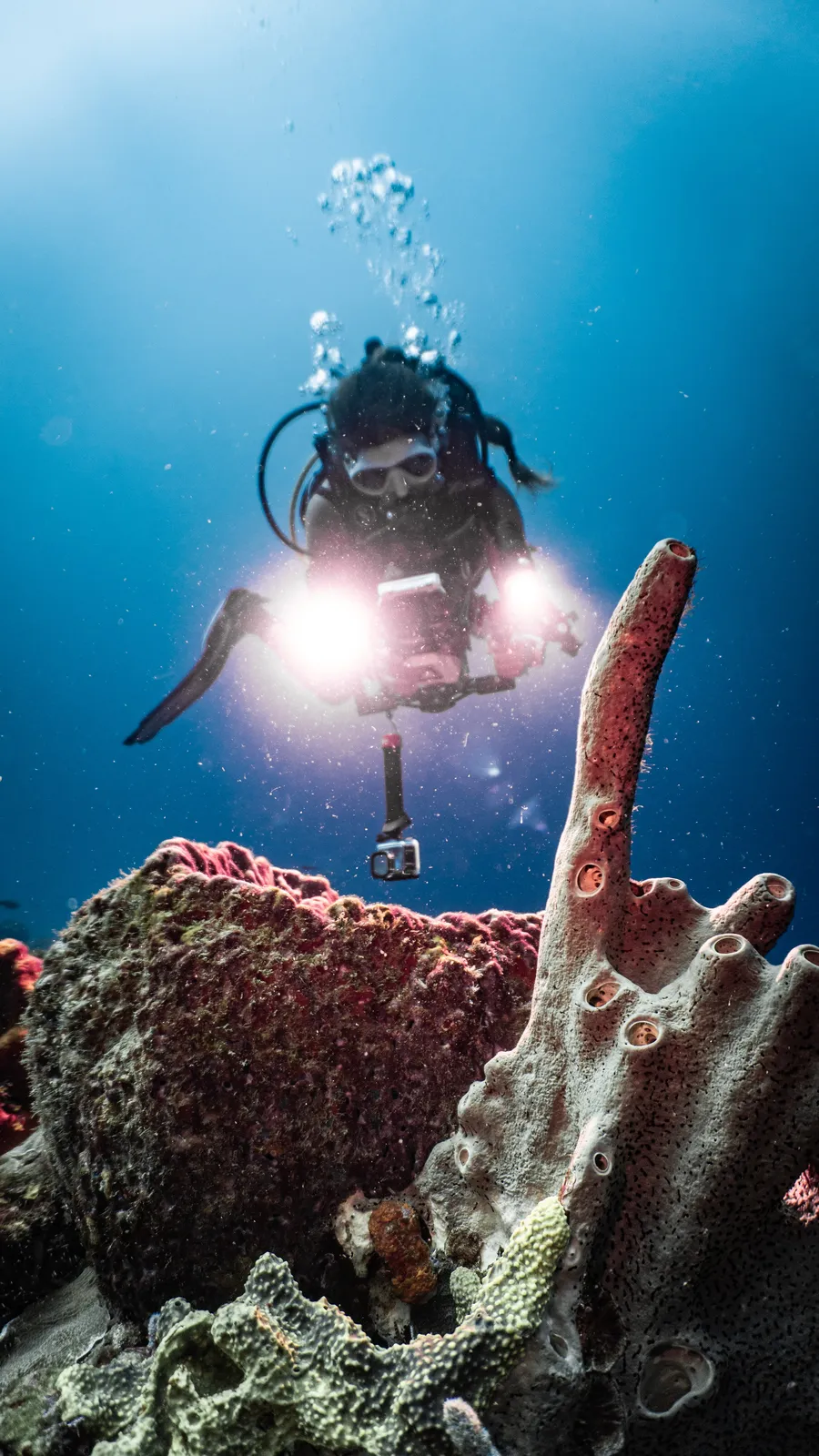
The path to teaching diving and turning the ocean into your office.
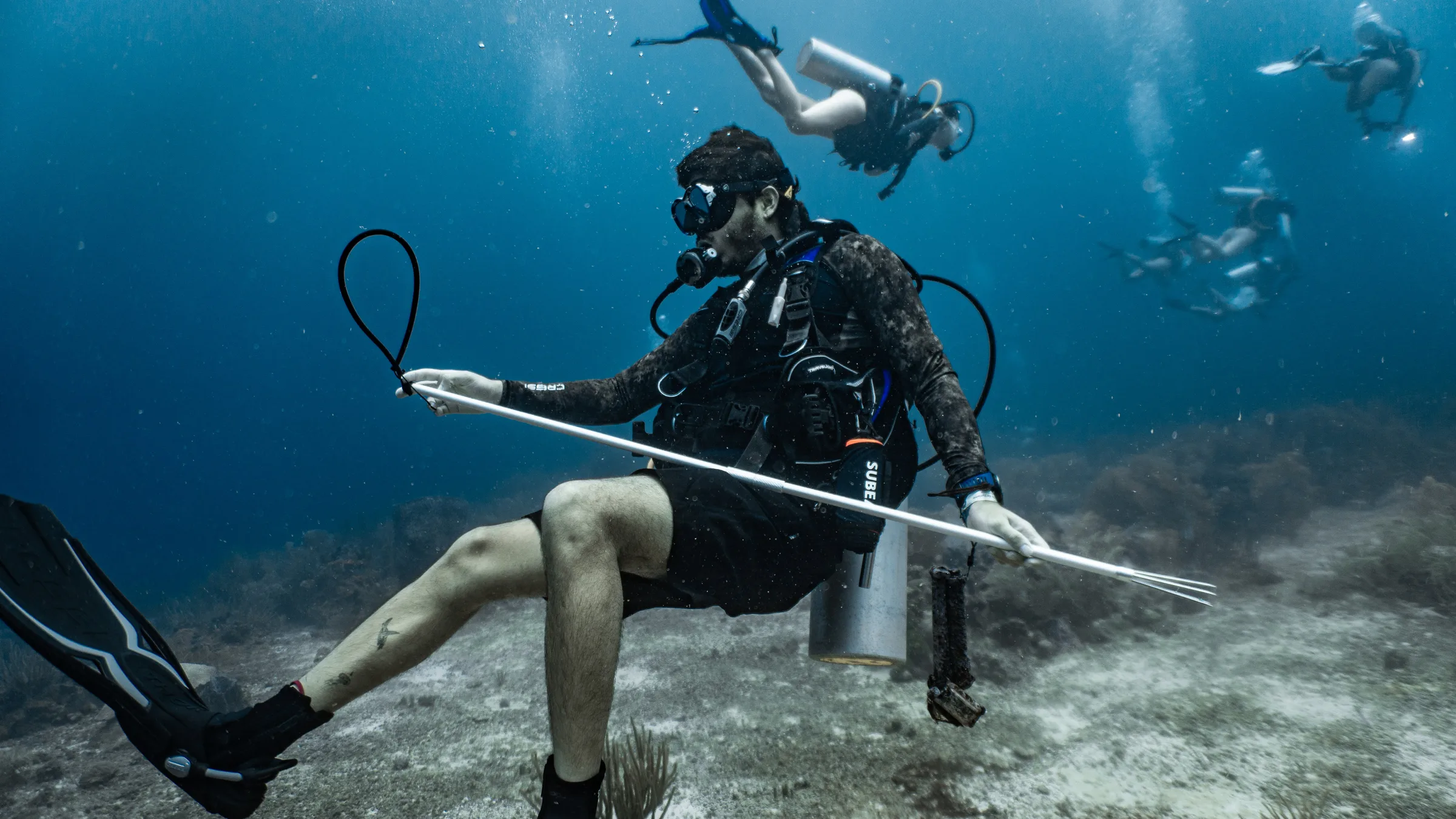
Your very first breath underwater, with no certification and no experience needed.
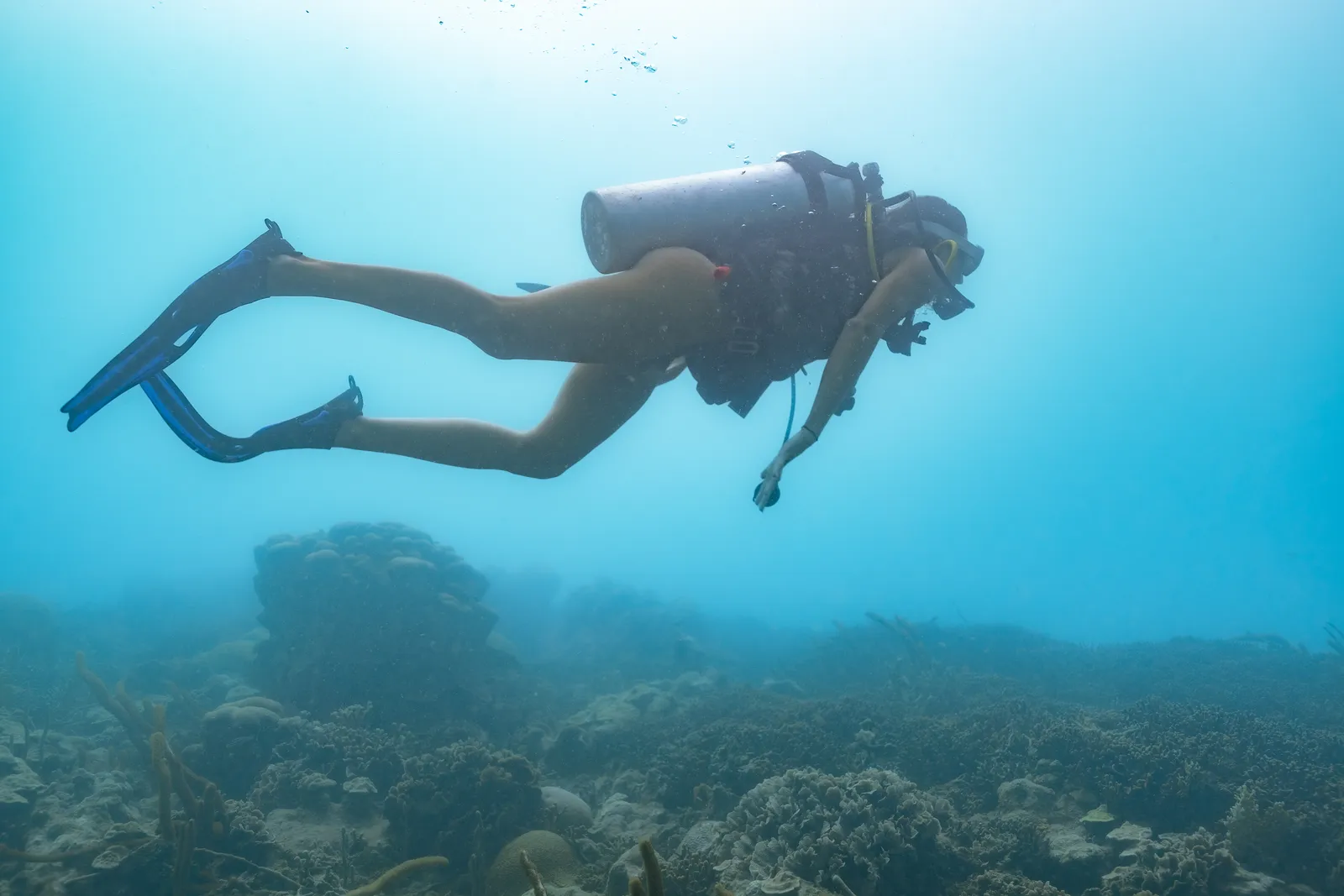
The real age rules for diving, and why there is no upper limit.
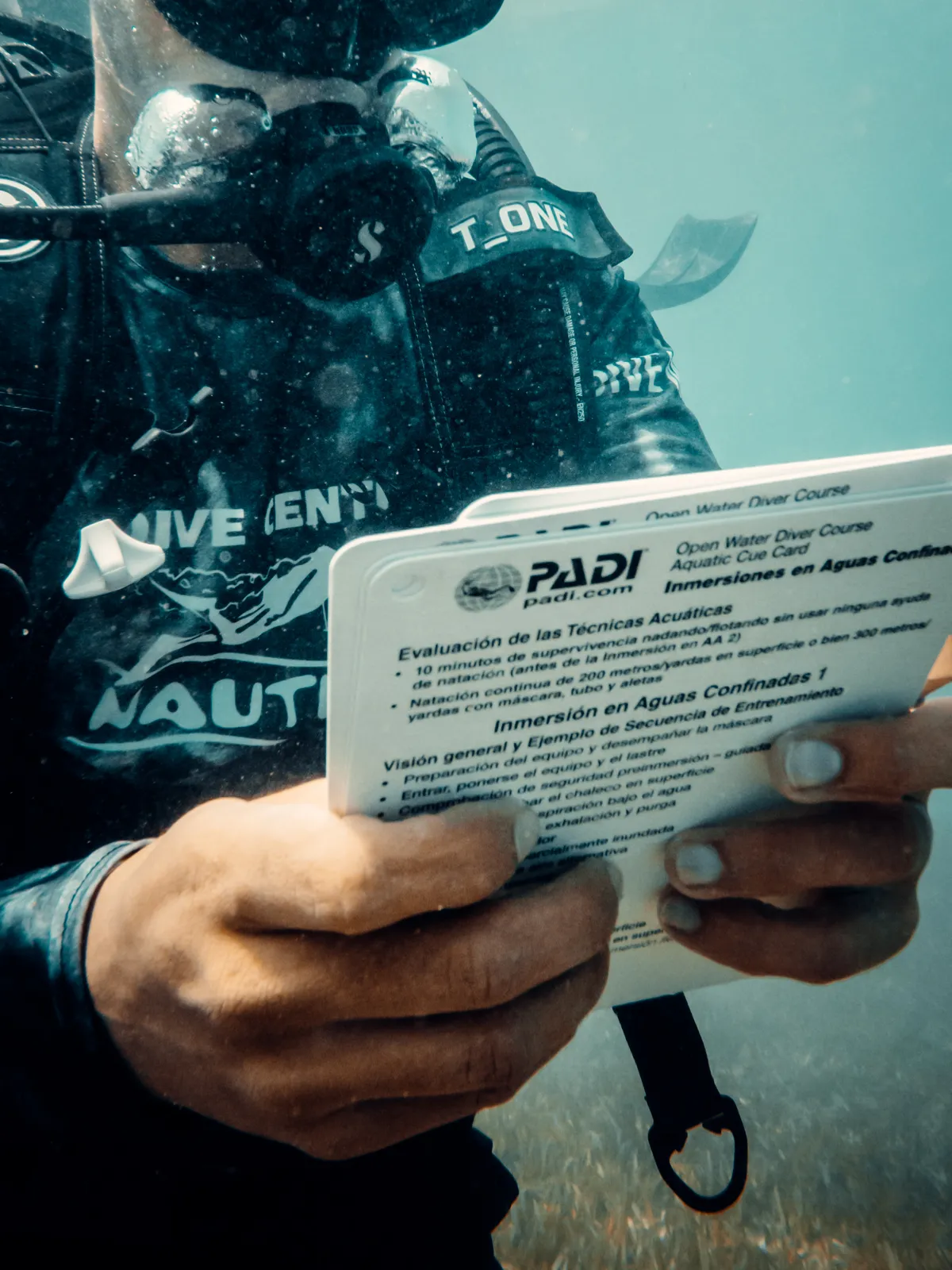
Your card is for life, but your skills need a little upkeep.
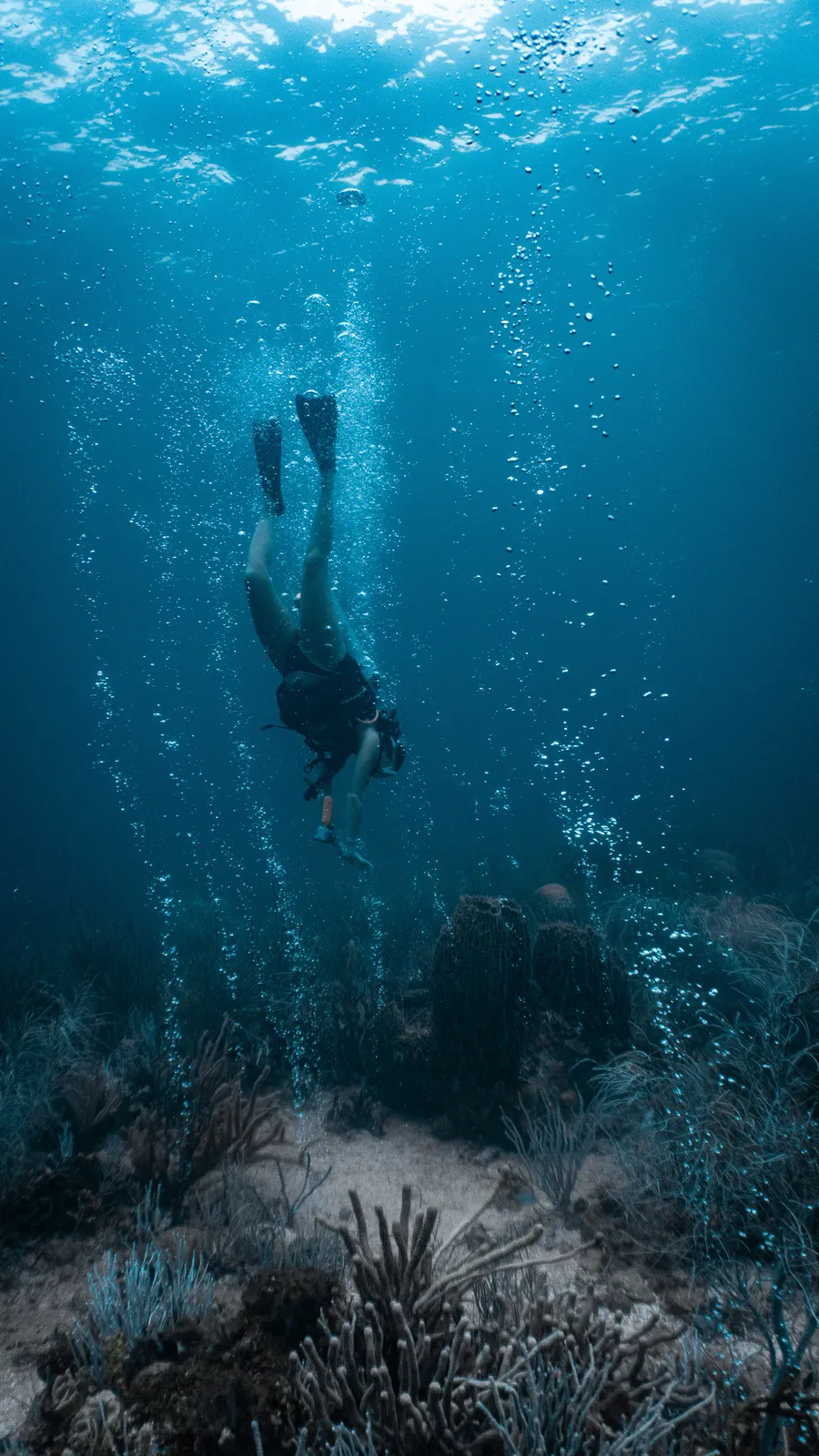
Longer bottom times and less fatigue, explained without the myths.
The health questionnaire, common conditions and when you need a doctor.
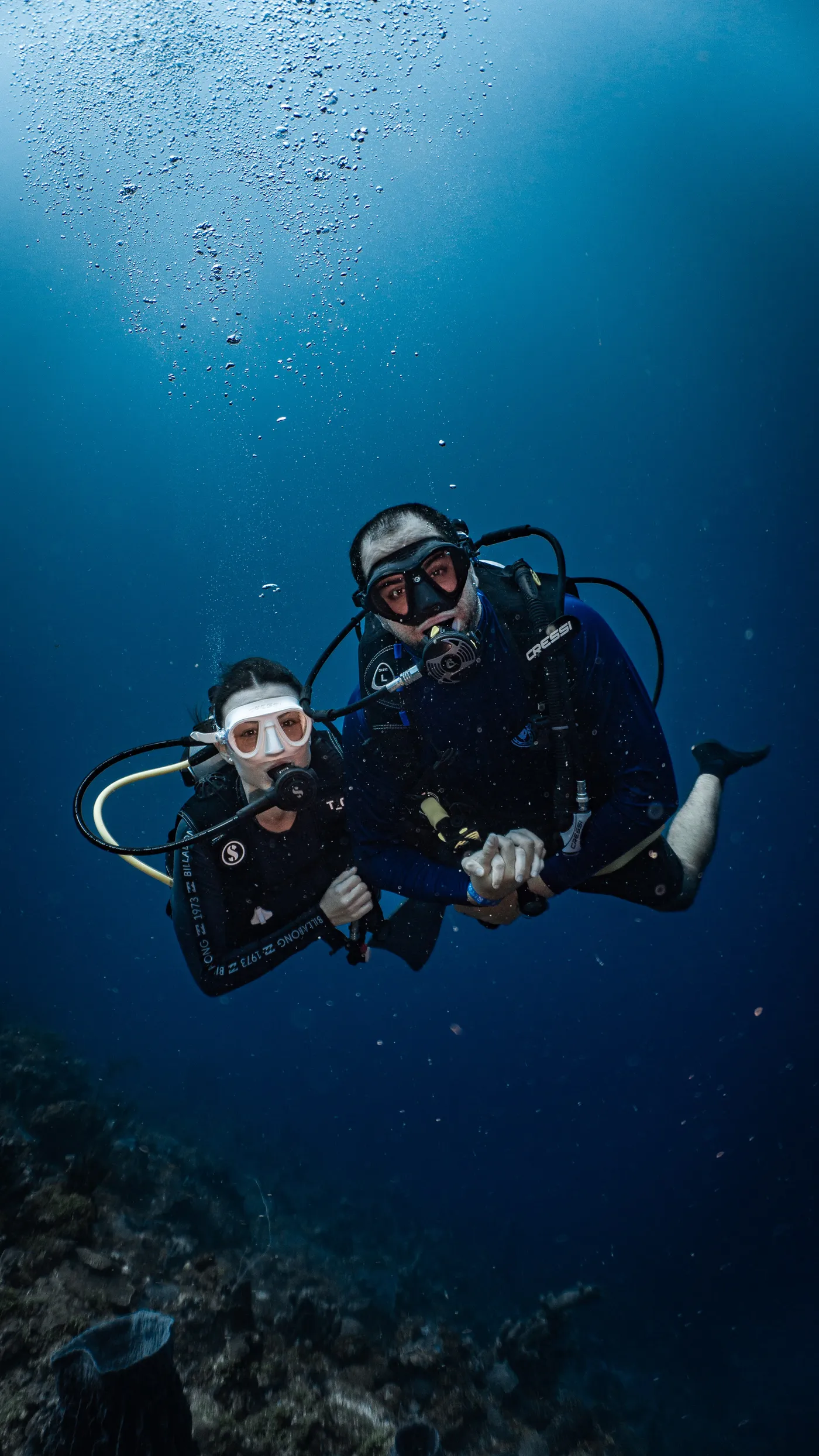
The honest answer for nervous beginners, and why most fears fade fast.
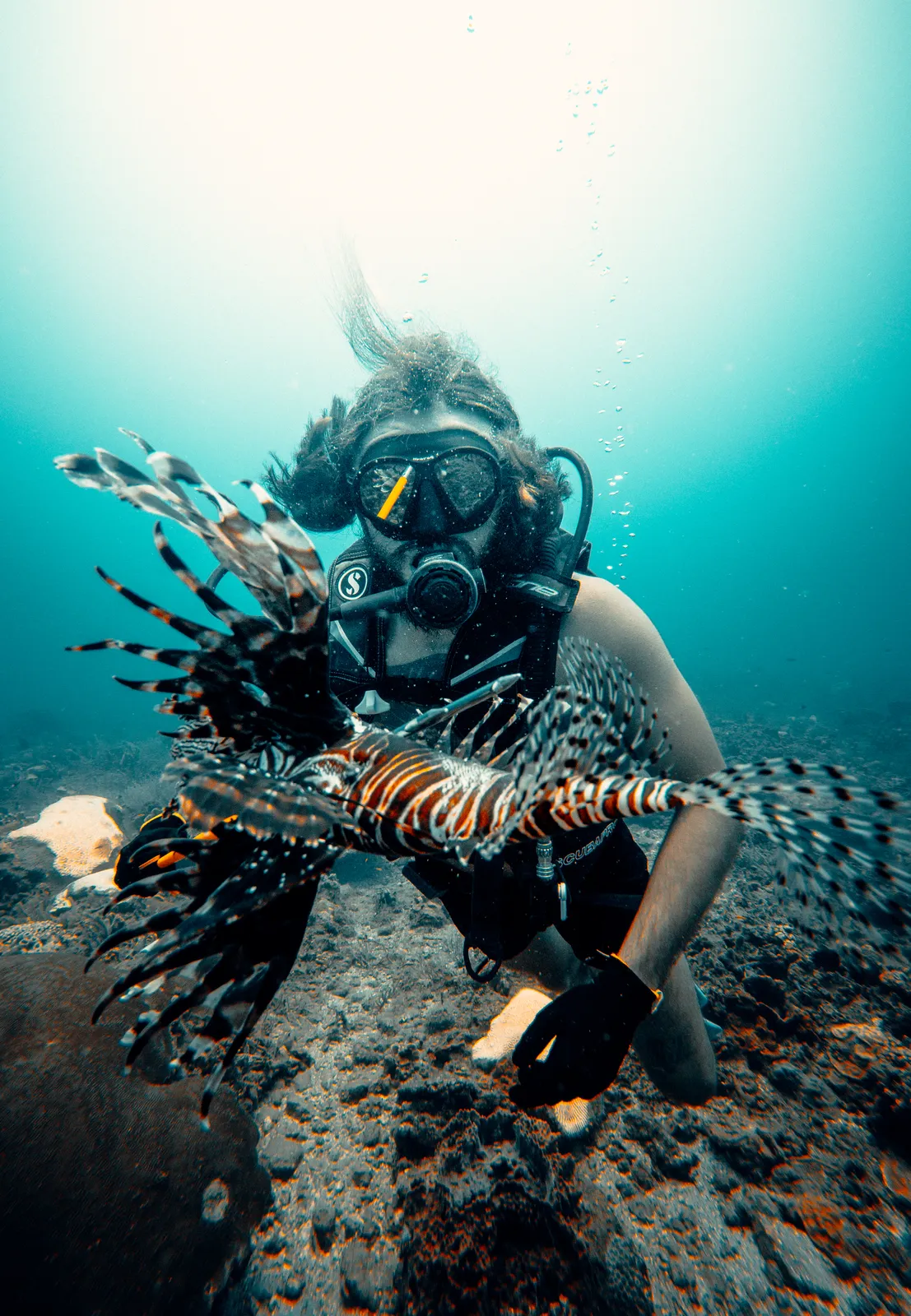
The PADI course that safely extends your range to 40 meters.
Explore shipwrecks safely as living reefs and windows into history.
Discover a completely different reef after the sun goes down.
Fly effortlessly along the reef, carried by the current.
Master the single skill that separates good divers from great ones.
Learn to capture the reef the way your eyes remember it.
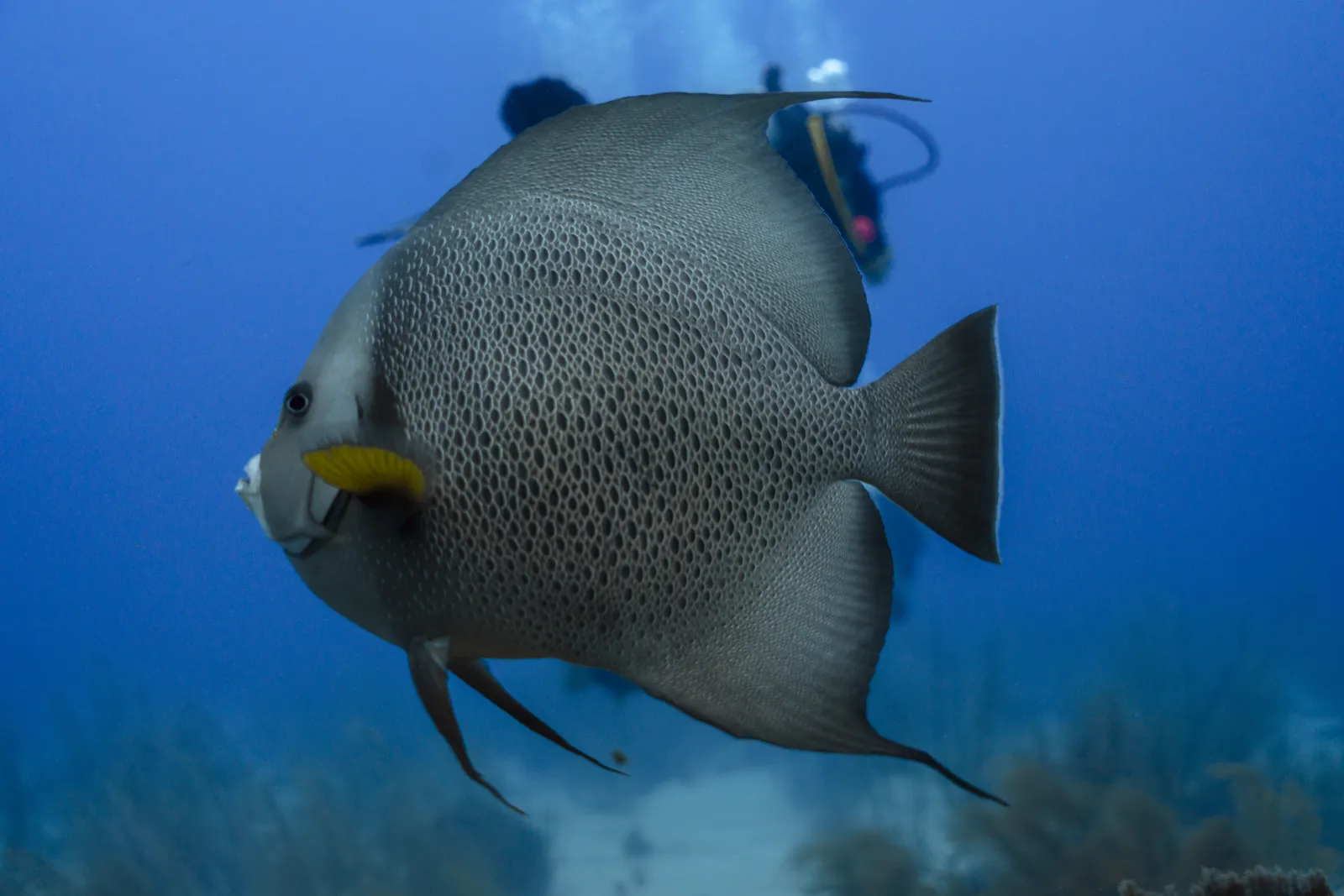
Do the theory from home, then dive the fun part with us.
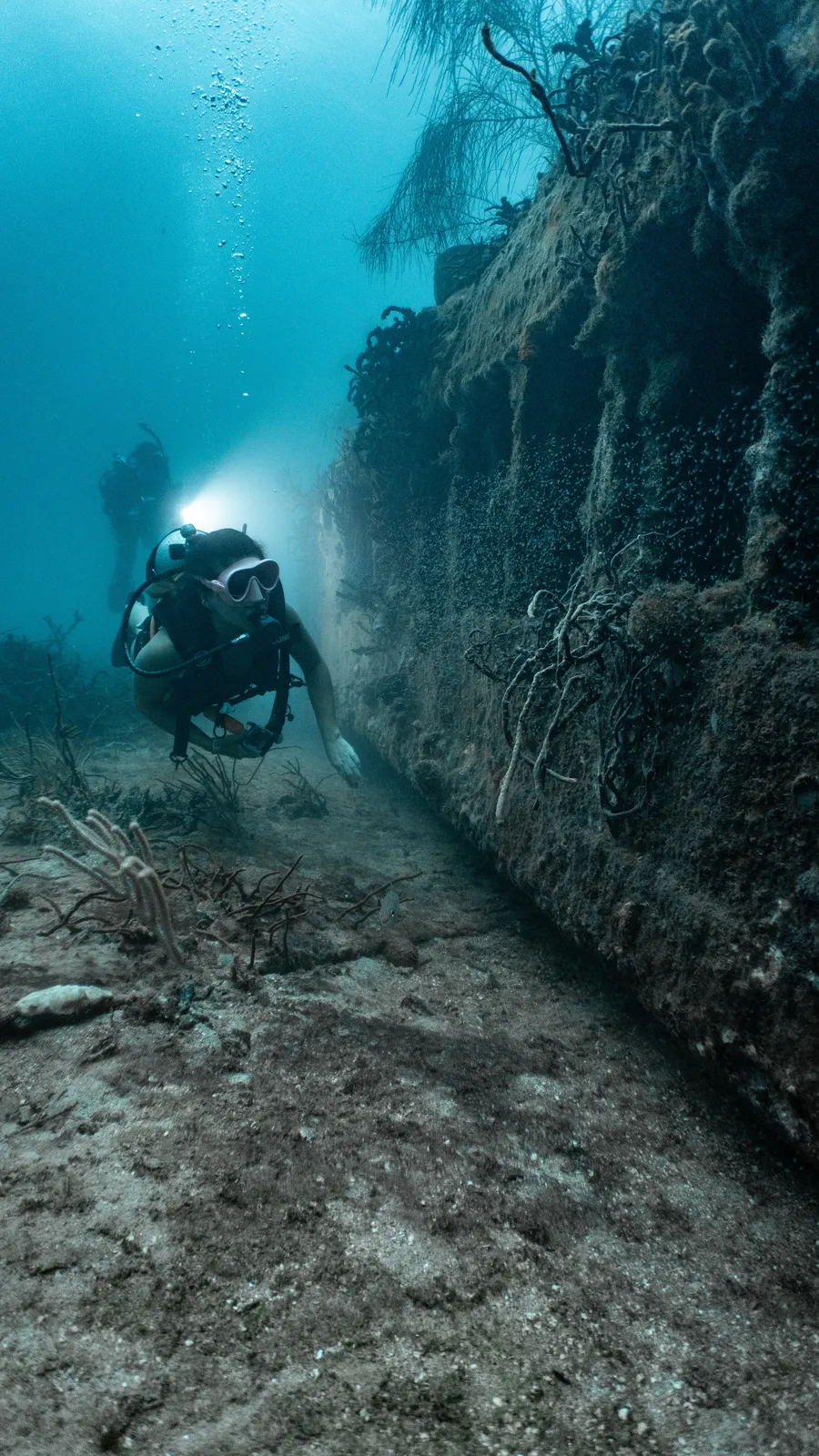
Understand the two in-water stages of every scuba course.
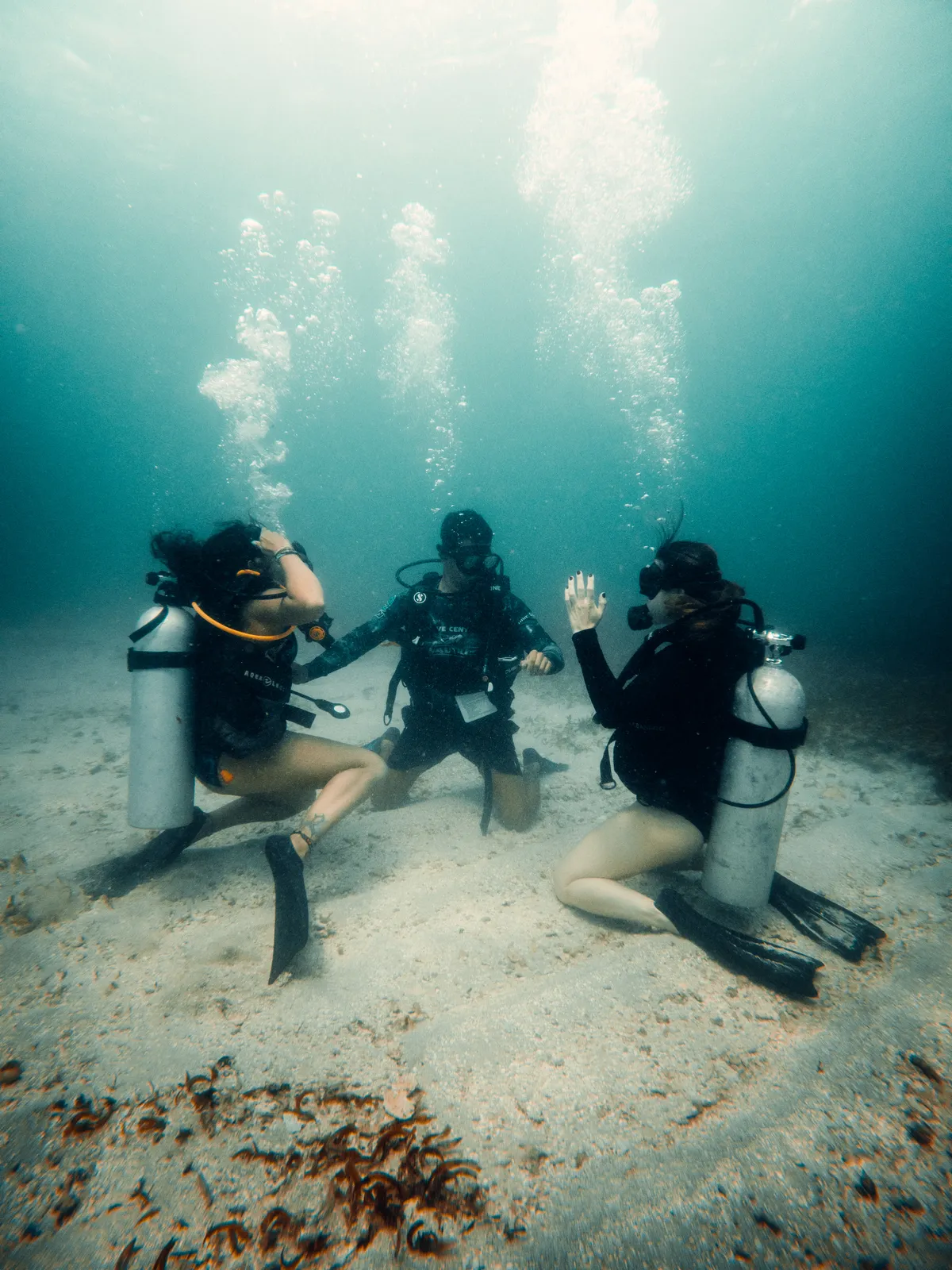
The core skills that turn a beginner into a certified diver.
Two ways to explore the ocean, and how to choose between them.
Do your theory and pool work at home, your ocean dives on holiday.
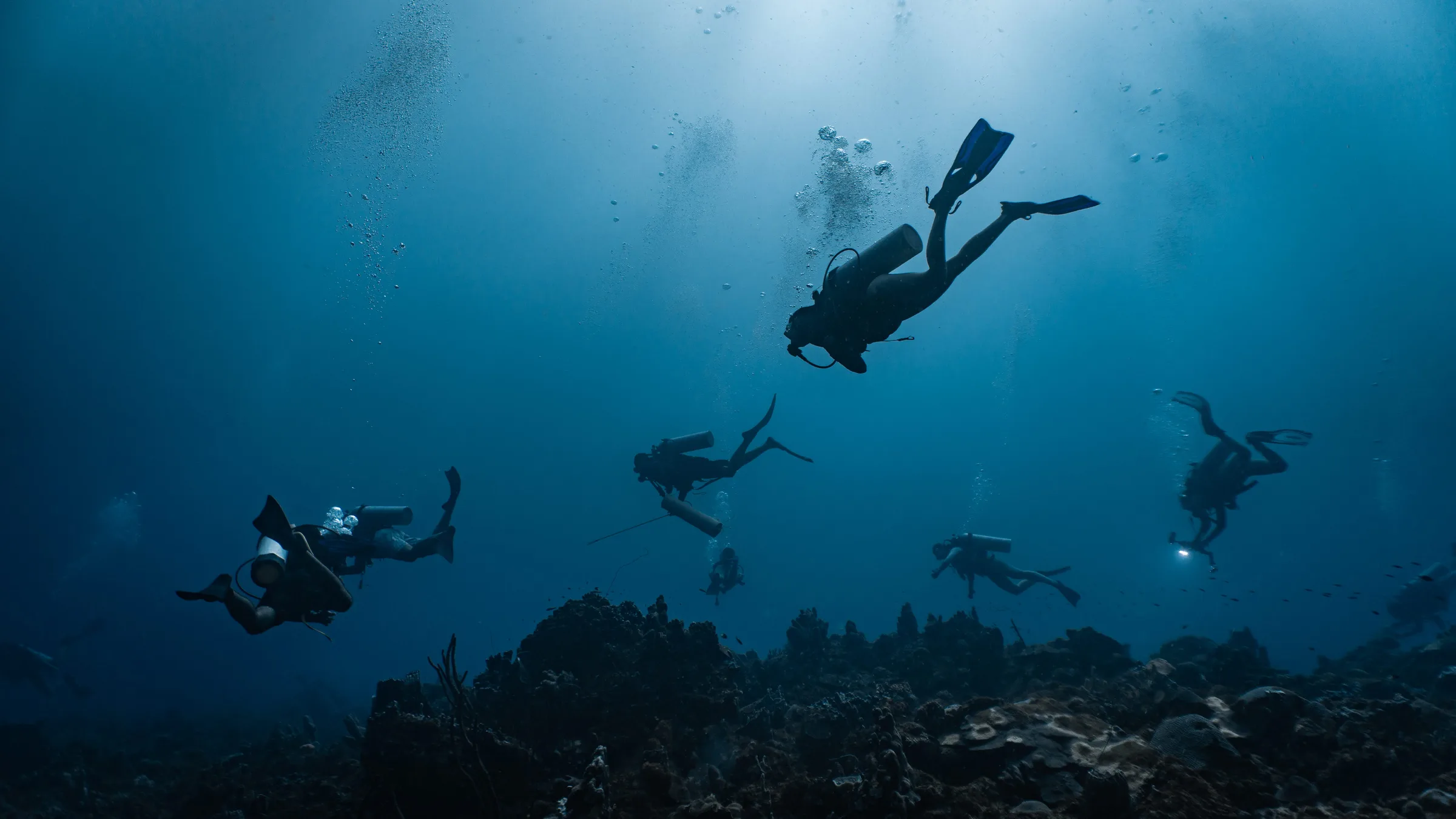
Been away from diving for a while? Here is how to return safely.
Where recreational diving ends and technical diving begins.
The first professional level in diving, and what it involves.
Where every new diver should start, and why.
A funny question with a genuinely interesting physics answer.
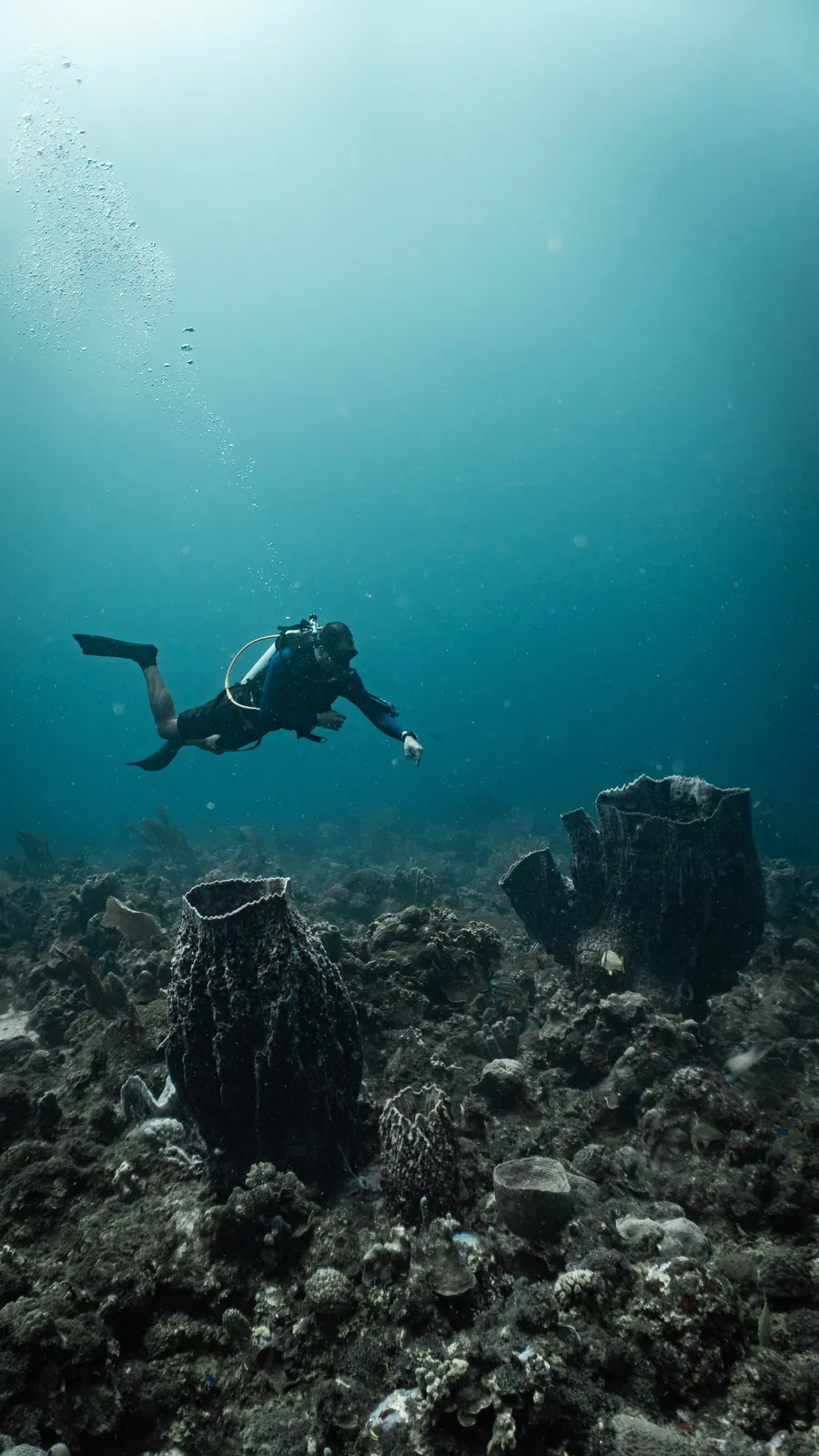
Sneezing underwater is normal, safe, and easy to handle.
How long to wait so your fresh ink and your health both stay safe.
Why healing time and a doctor's clearance come before your next dive.
Both are usually fine with a few small adjustments.
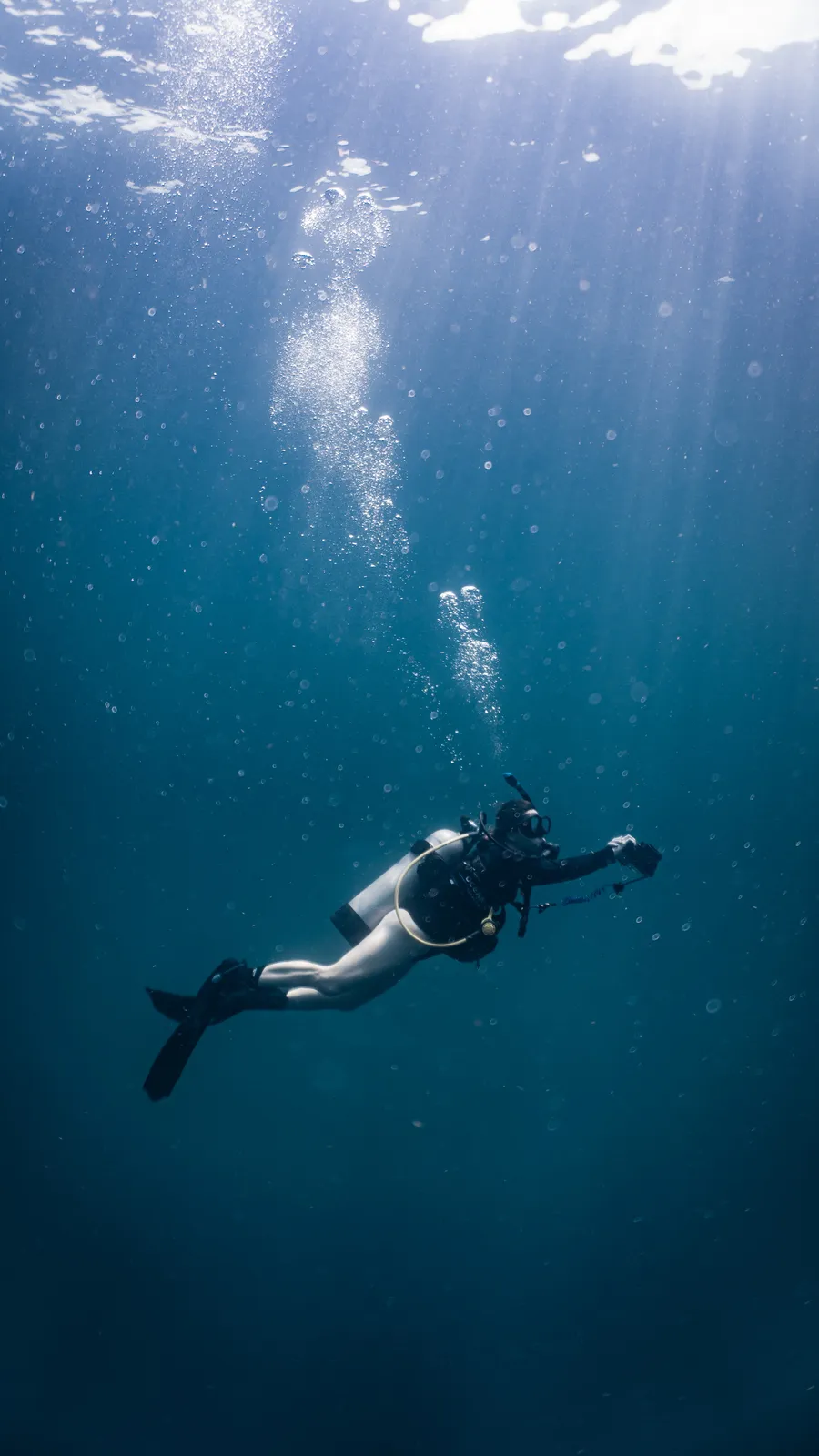
The numbers behind the fear, and why divers are remarkably safe.
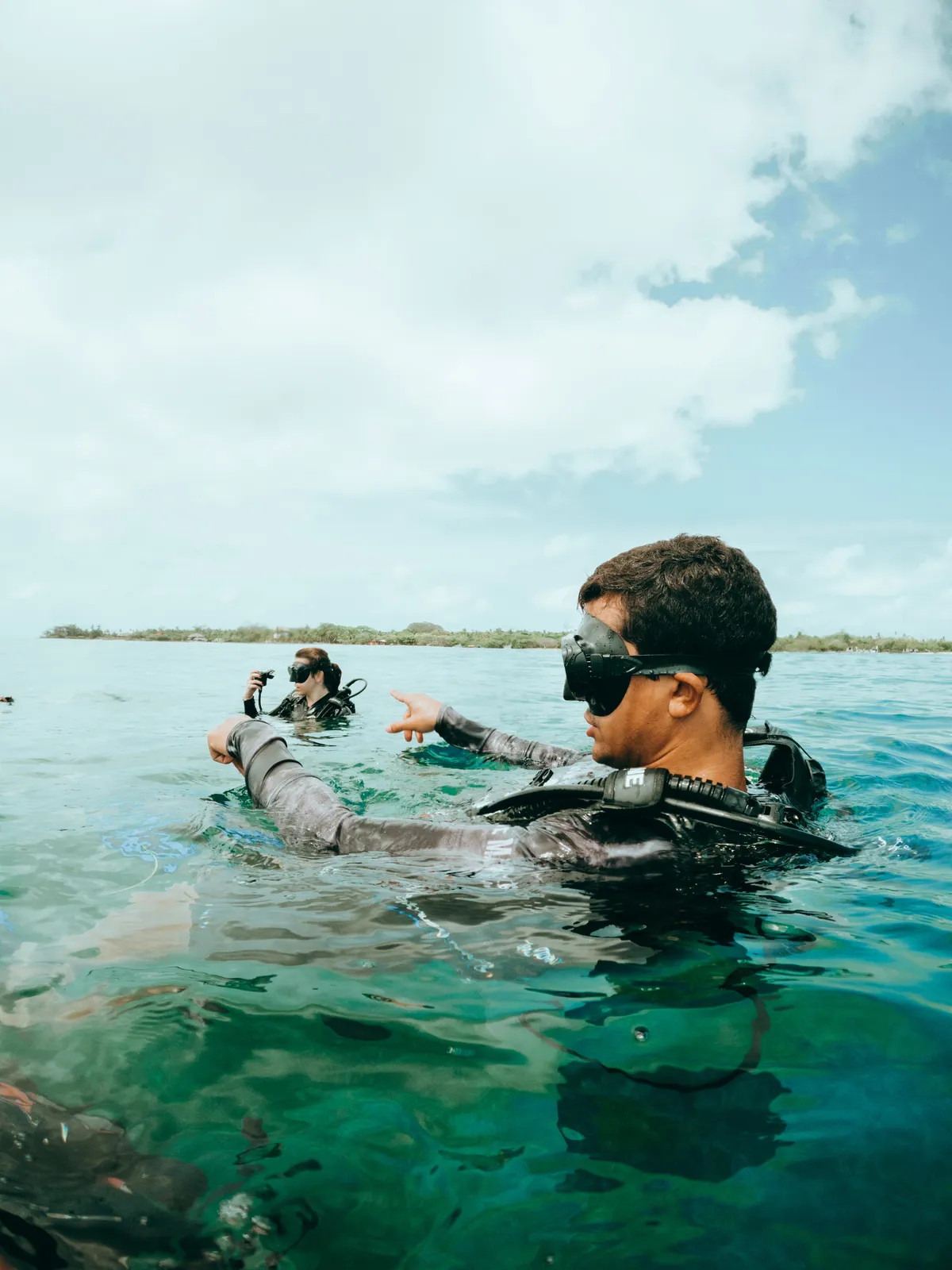
Why it almost never happens, and exactly what to do if it does.
The simple, calm plan every diver learns for reuniting underwater.
A basic skill that turns a startling moment into a non-event.
Redundancy and training mean a regulator problem is rarely serious.
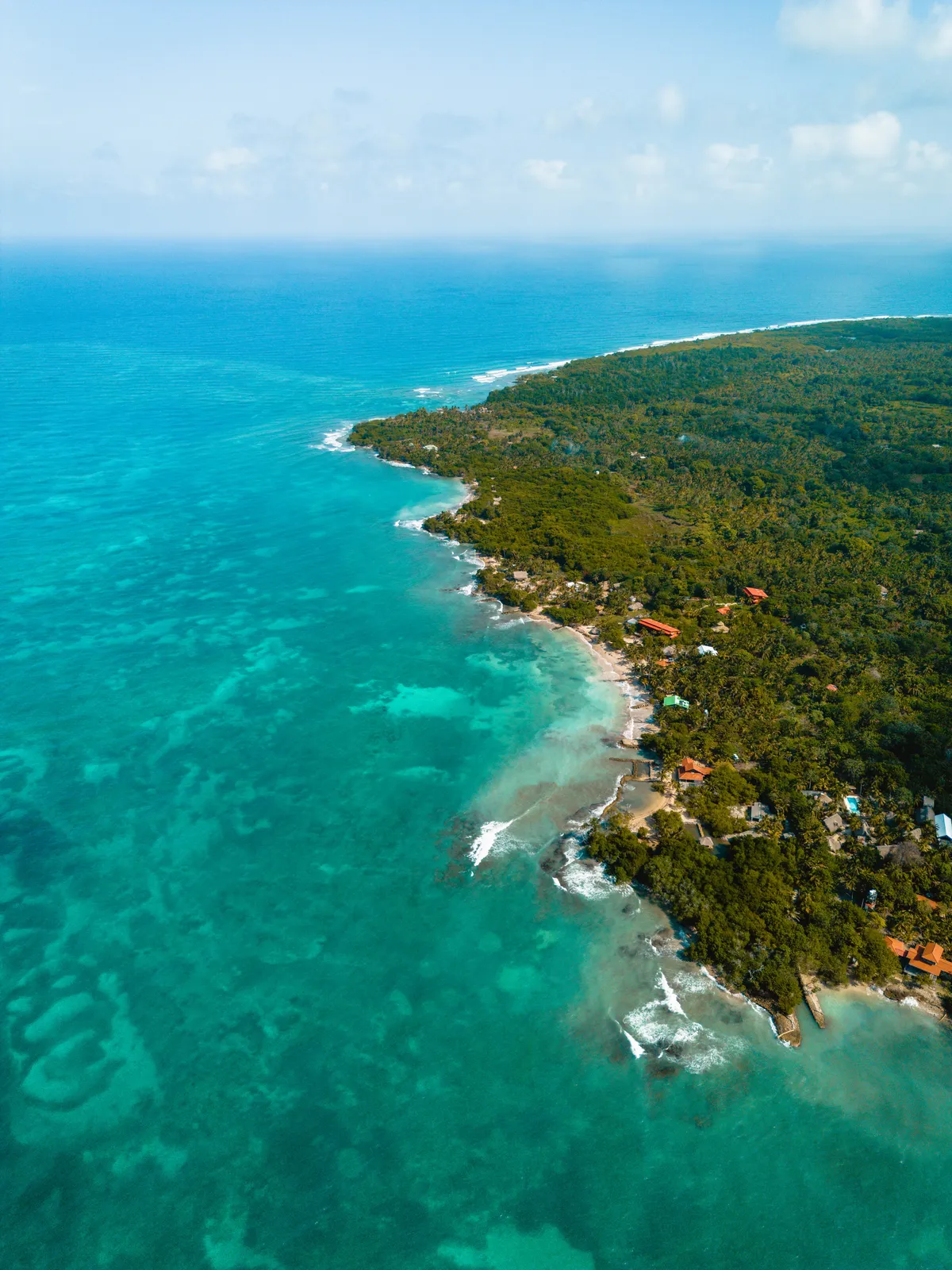
Why a mountain lake dive is not the same as a sea-level dive.
The difference between recreational limits and extreme technical dives.
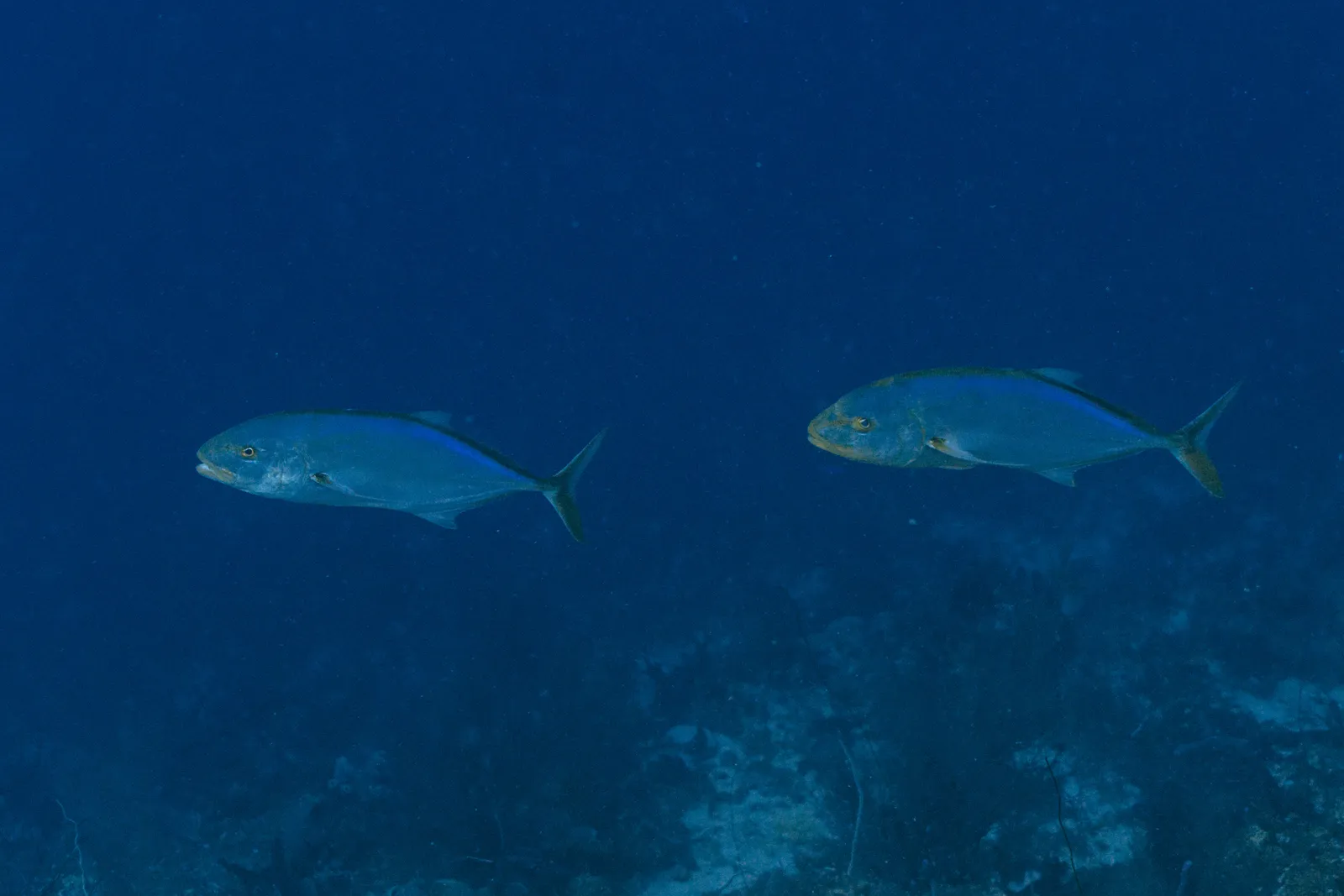
The astonishing record, and why it is a stunt, not a goal.
Often yes, when it is well controlled and cleared by a doctor.
Recovery and a check-up matter before returning to the water.
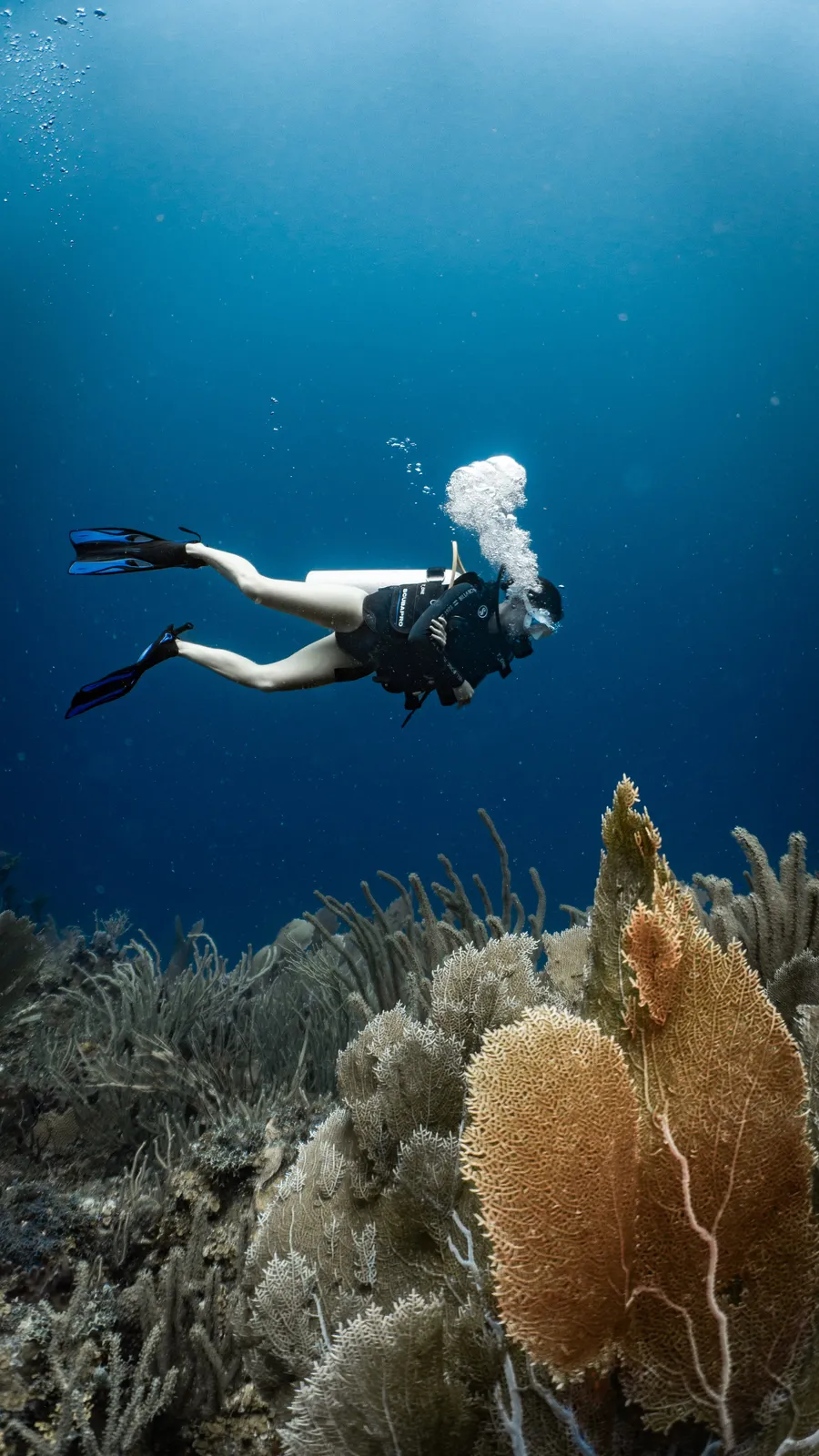
A calm look at epilepsy and diving, and what a dive doctor will want to see.
Why an open eardrum and scuba do not mix, and when you can dive again.
The good news for nursing mothers who want to get back in the water.
The gas we cannot live without can, in the wrong conditions, become a hazard.
A quiet danger of breath-hold diving that every water lover should understand.
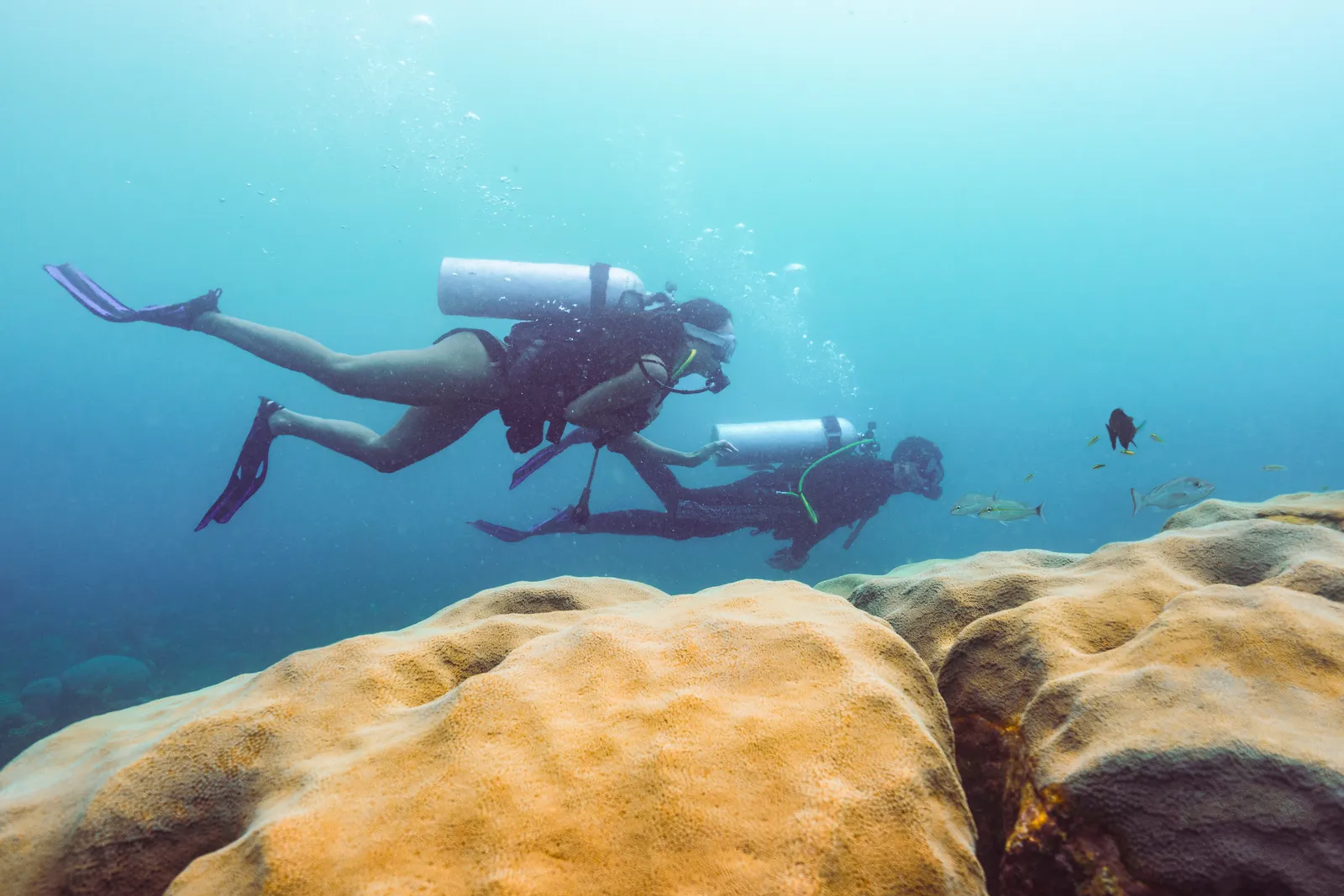
How the body loses heat underwater and how to stay warm and safe.
A lesser-known condition worth recognizing, especially for older divers.
Diving can be calm and rewarding even if you are prone to anxiety, with the right approach.
What to pack so small problems on a dive trip stay small.
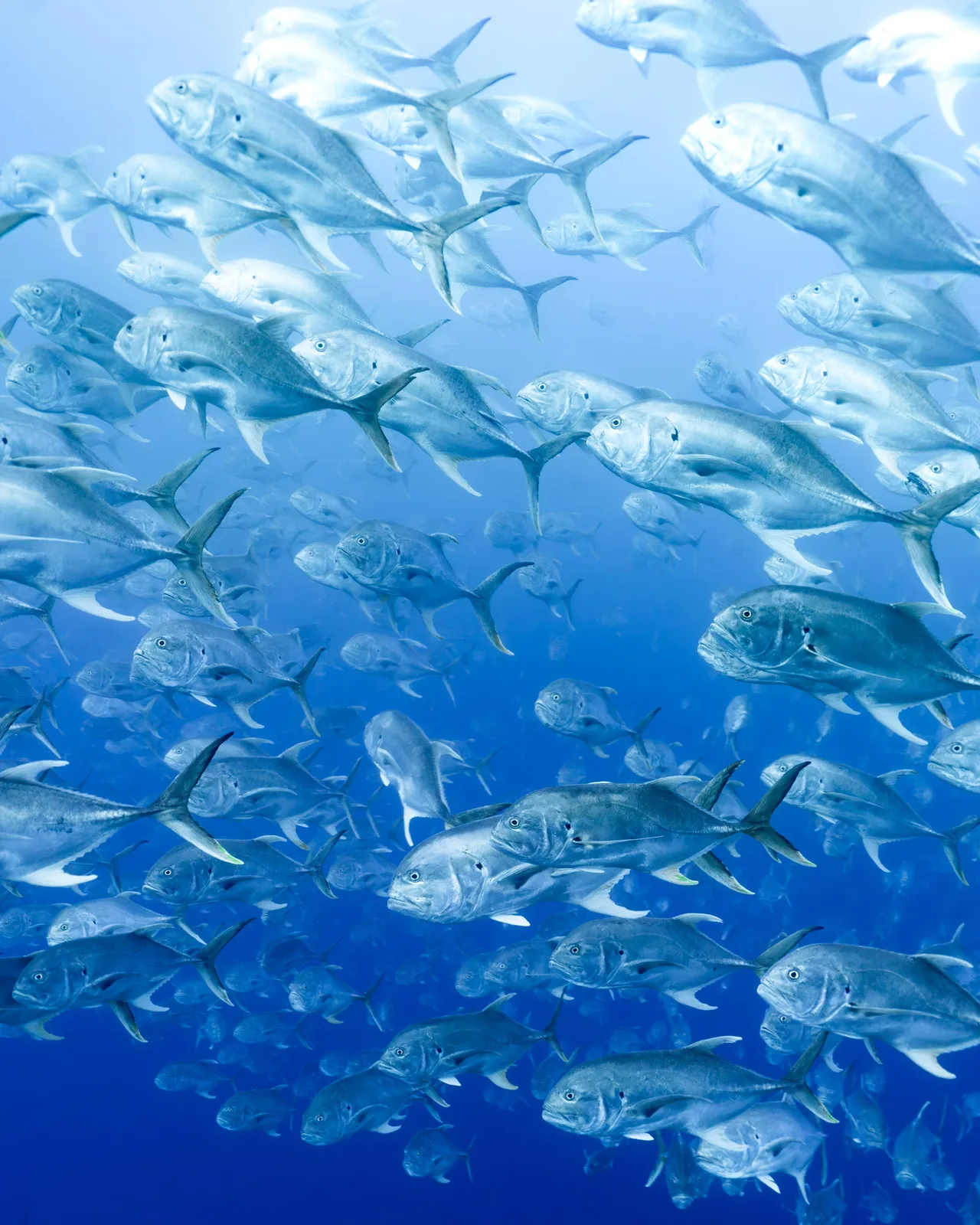
The situations where a specialist medical check is genuinely worth it.
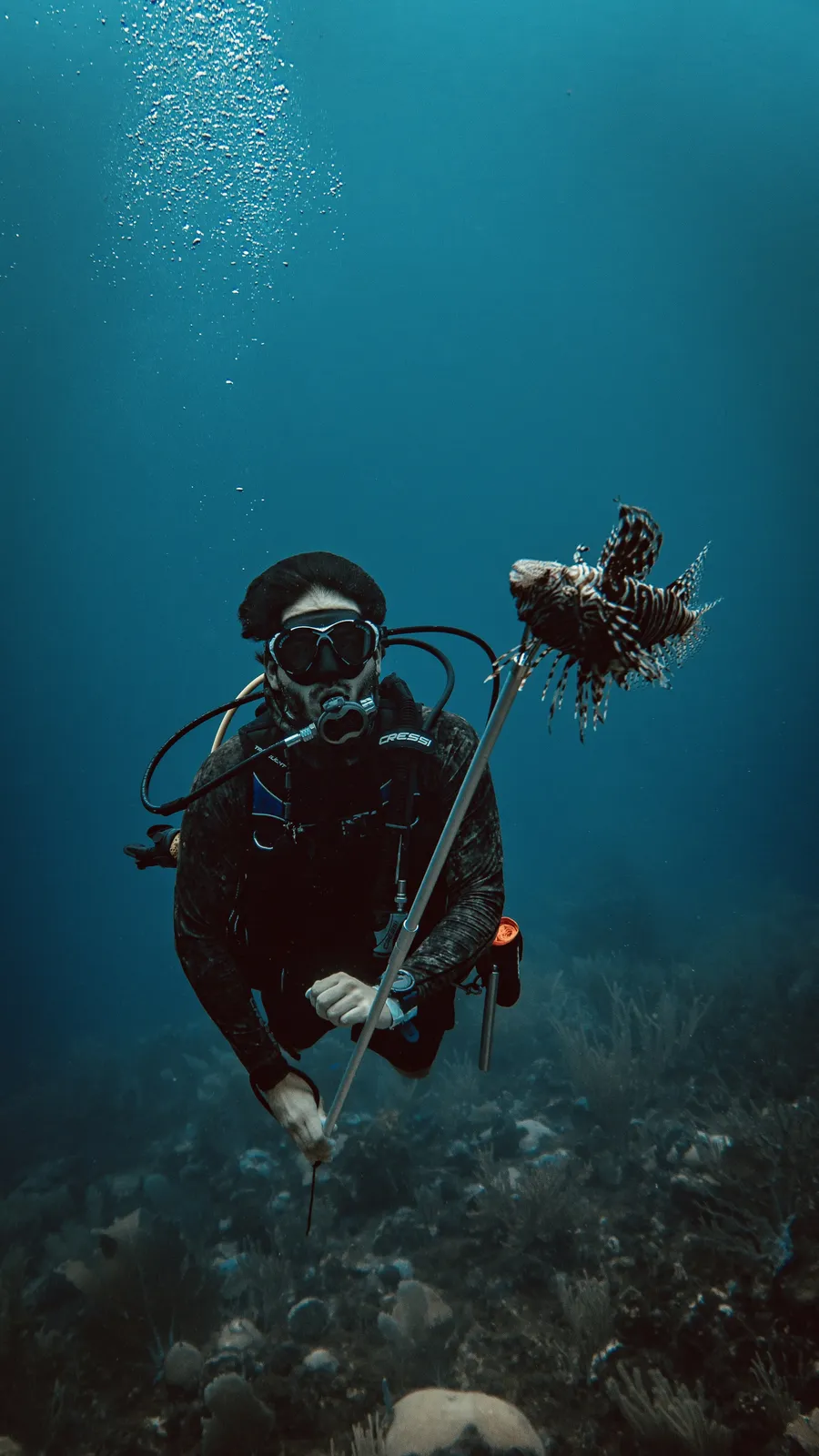
How divers who manage diabetes stay safe in the water, with a doctor's guidance.
Practical ways to beat the boat ride so you arrive at the reef feeling great.
When a common bug means you should skip the dive, and when it does not matter.
The single most important rule in scuba, and the physics behind it.
The handful of habits that keep the vast majority of divers safe for life.
A single dive runs roughly 40 to 150 USD; certification, more.
For most people who try it, yes, without hesitation.
From age 10 up, and it is never too late to start.
Yes for a first-try dive; certification needs basic swimming.
Typically 45 to 60 minutes, depending on depth and air use.
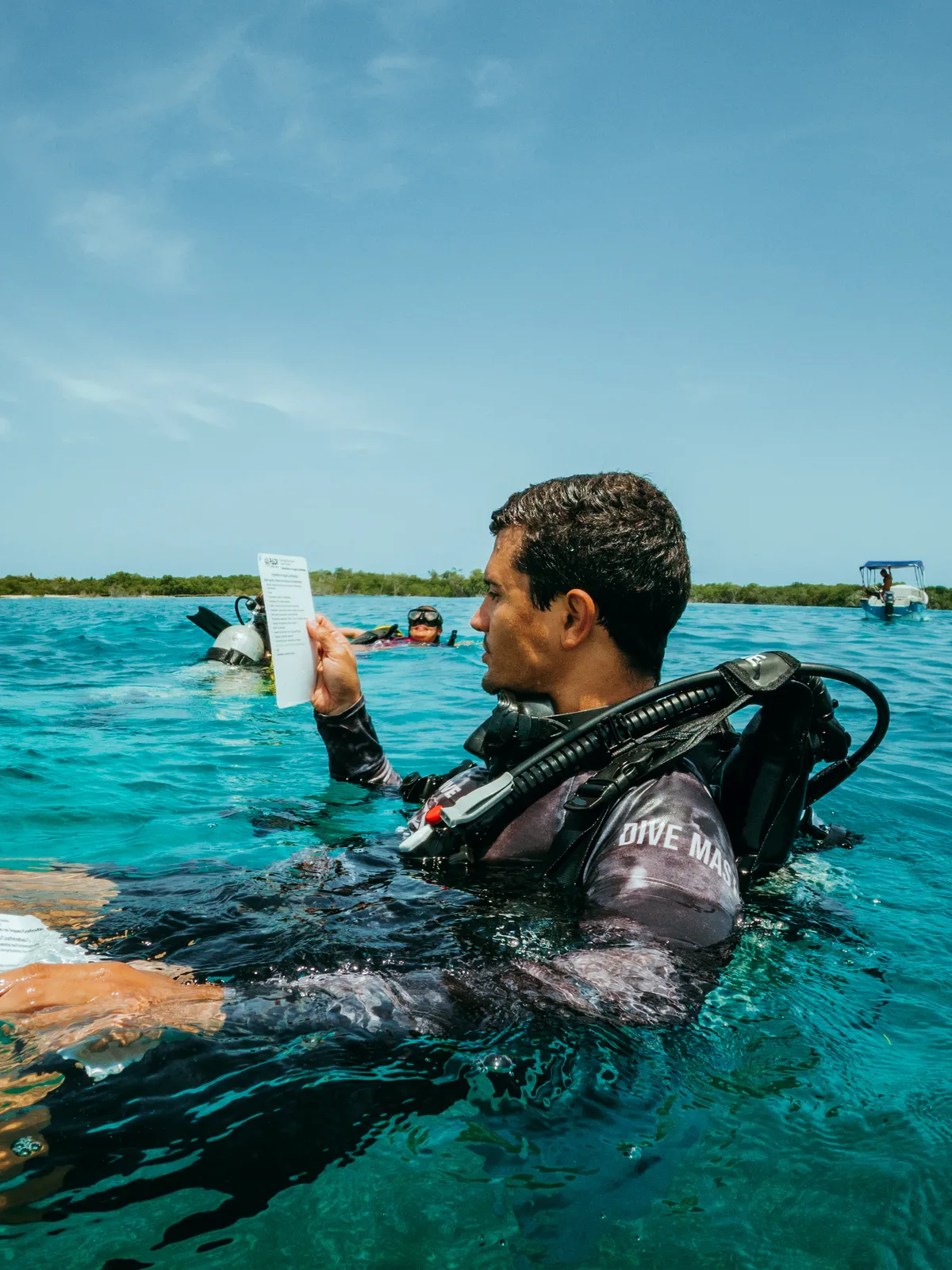
A little nerves are normal; most feel calm within minutes.
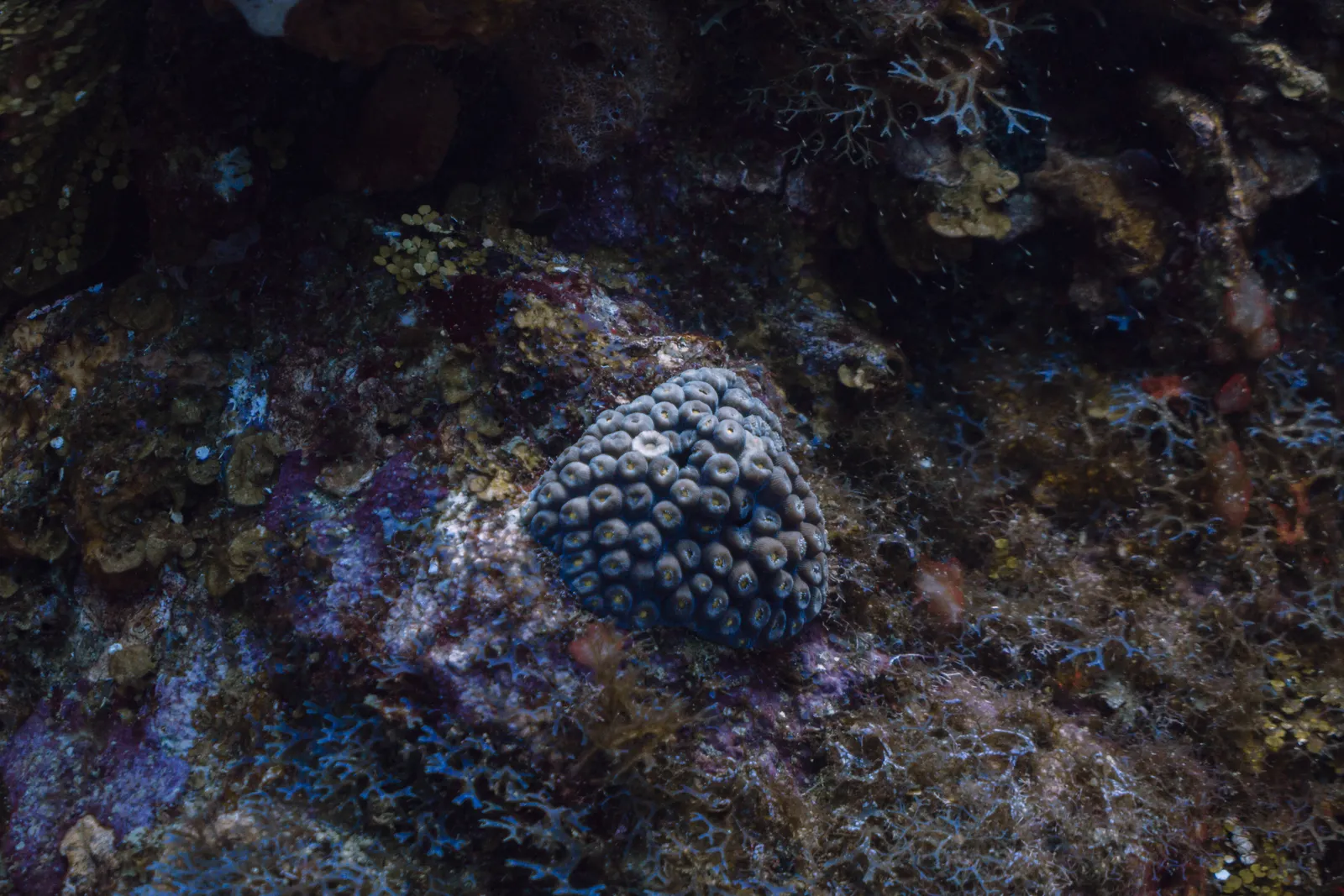
Not in normal speech; divers use hand signals instead.
Yes, and most divers do; here is the etiquette.
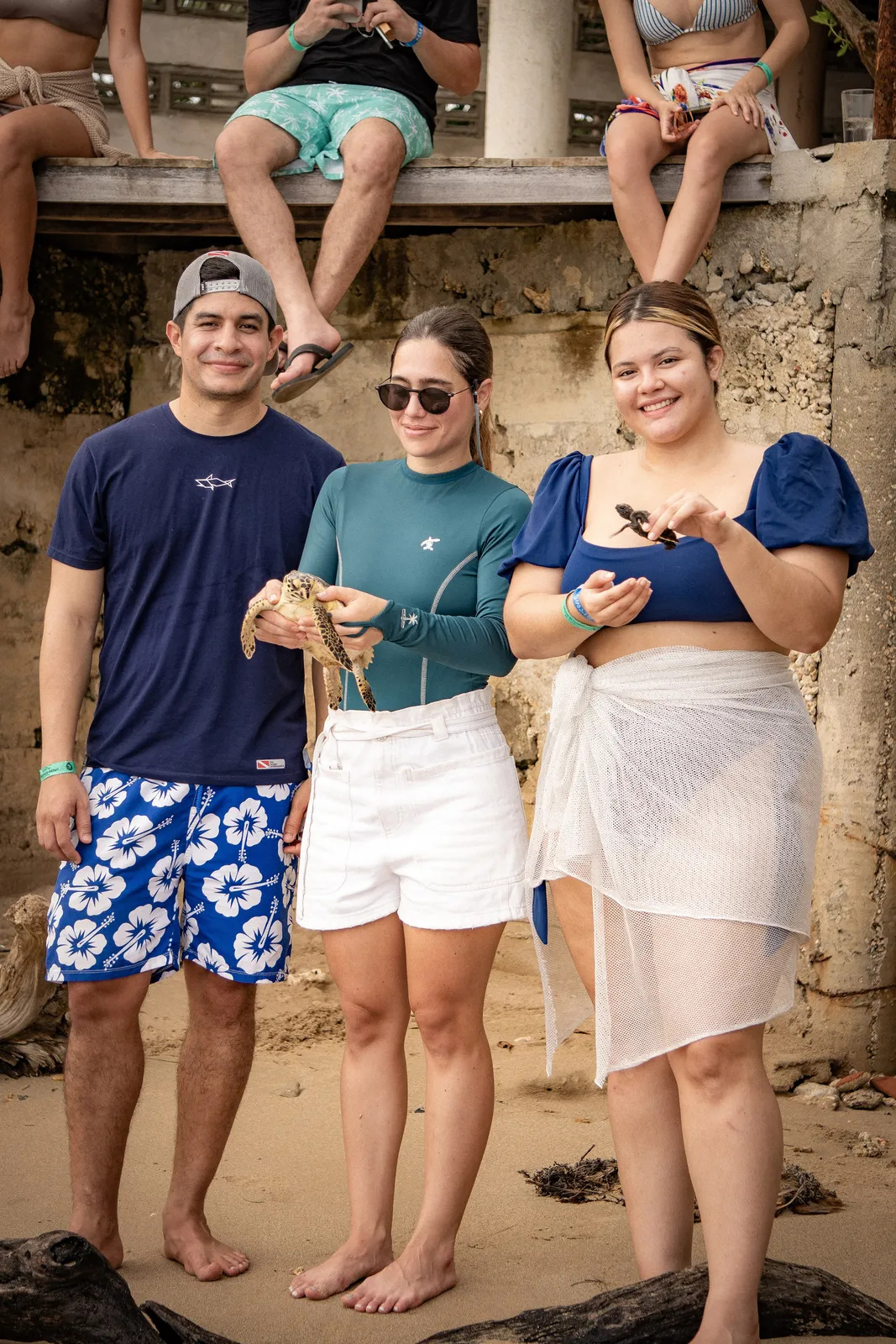
Roughly 10 percent of body weight, then fine-tuned.
Warm, calm, affordable water; Colombia is a rising star.
Depends on your goal; each suits different moments.
Very few; the fatality rate is remarkably low.
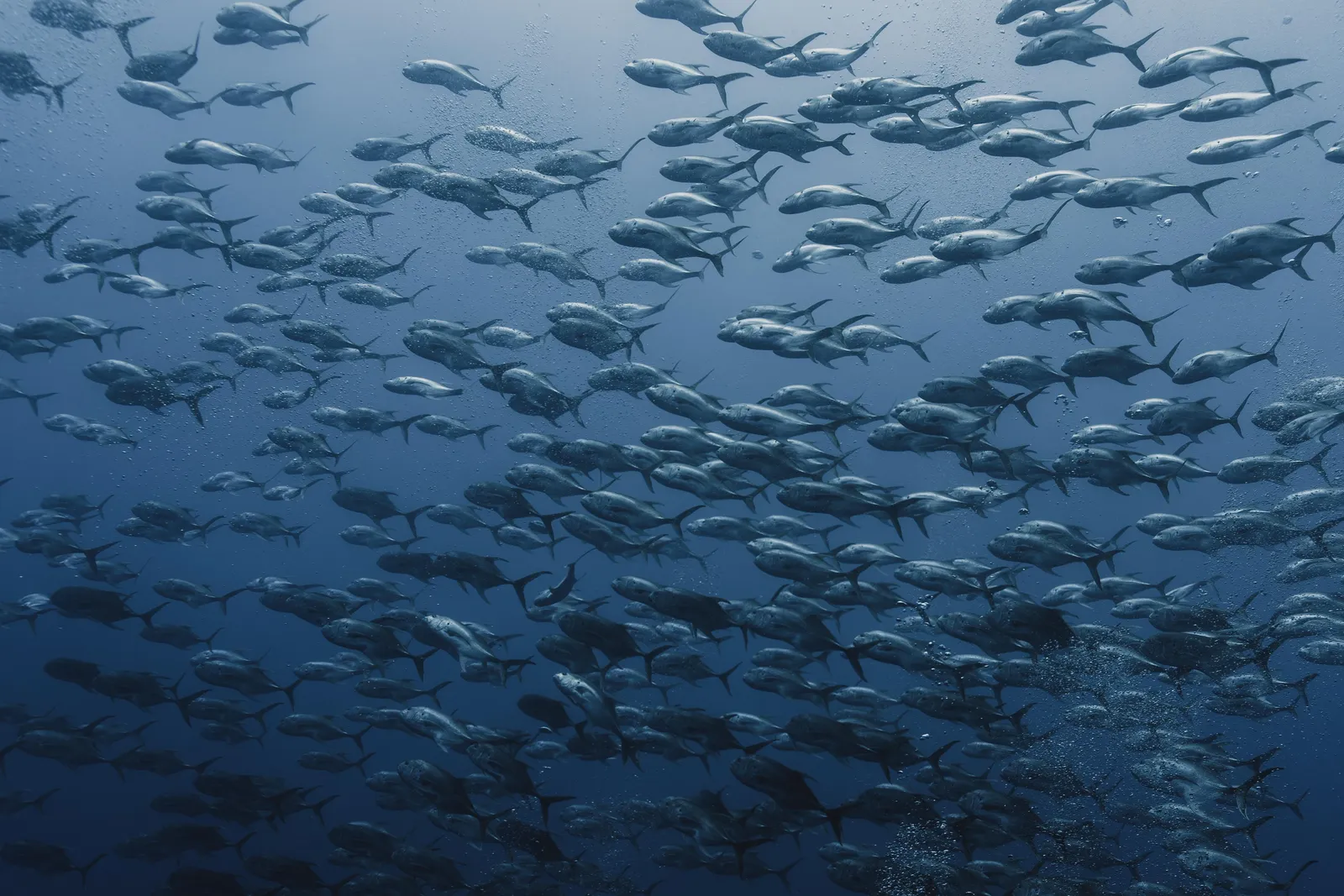
It is the safest, most controlled way to enter the water.
The best month depends on your destination and its dry season.
Avoid alcohol, heavy meals, and flying right before you dive.
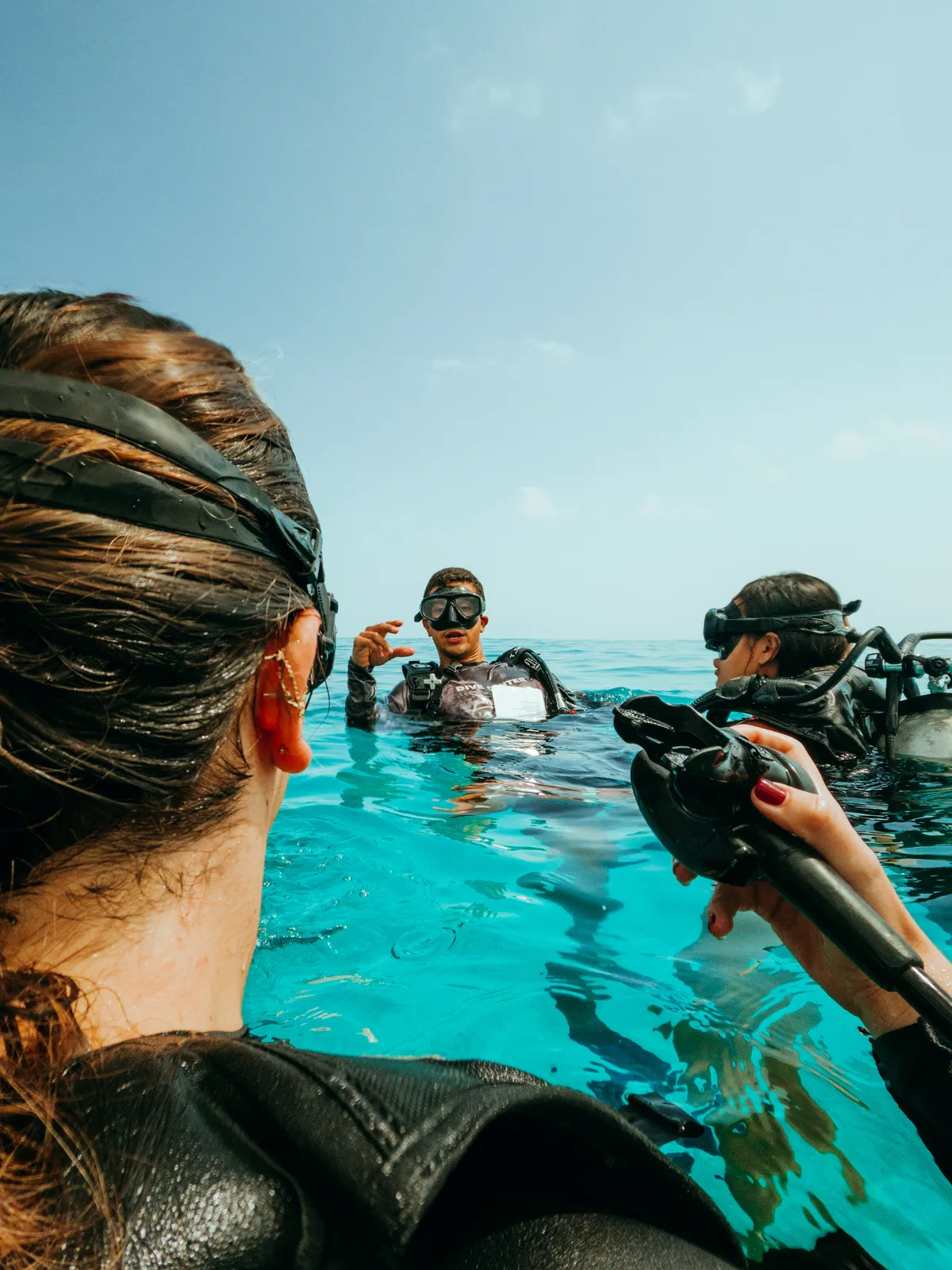
It gets colder as you descend, but tropical reefs stay warm.
To dive on your own, yes; to try it with an instructor, no.
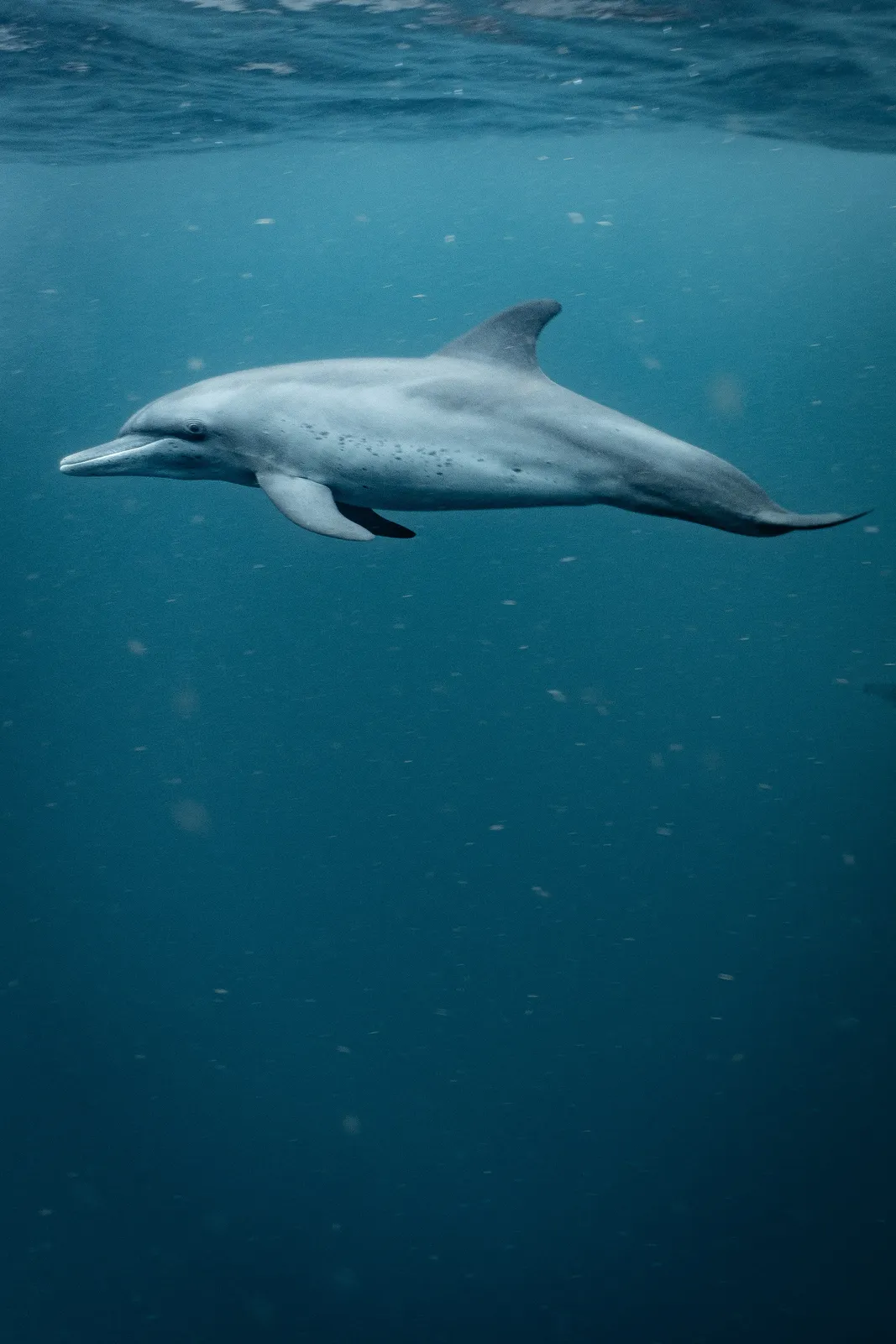
The best beginner computer is simple, clear, and easy to read.
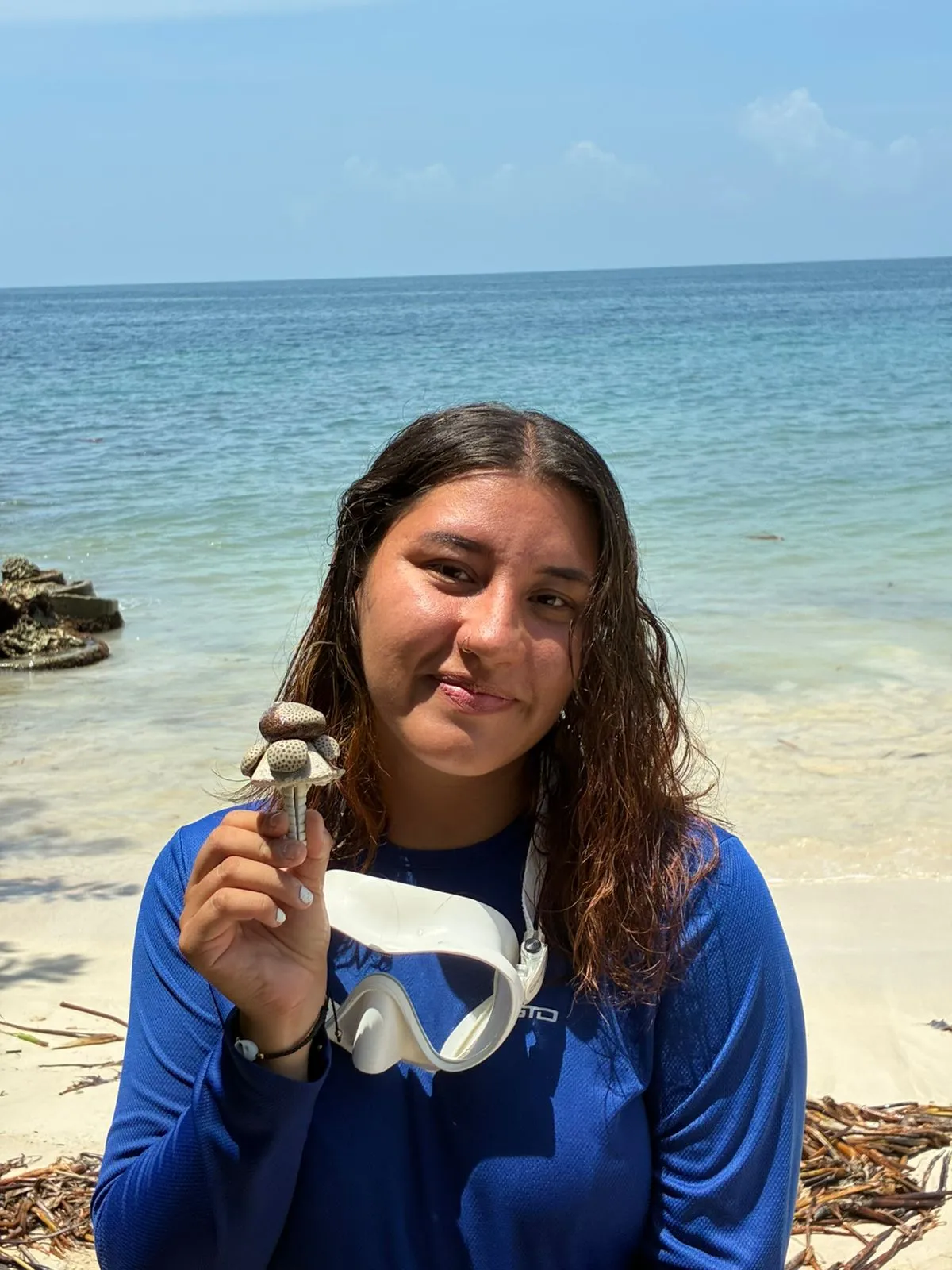
You check your gauge often and ascend with air to spare.
Yes, it is rewarding, social, and opens up the whole ocean.
You need reasonable health, not athletic fitness.
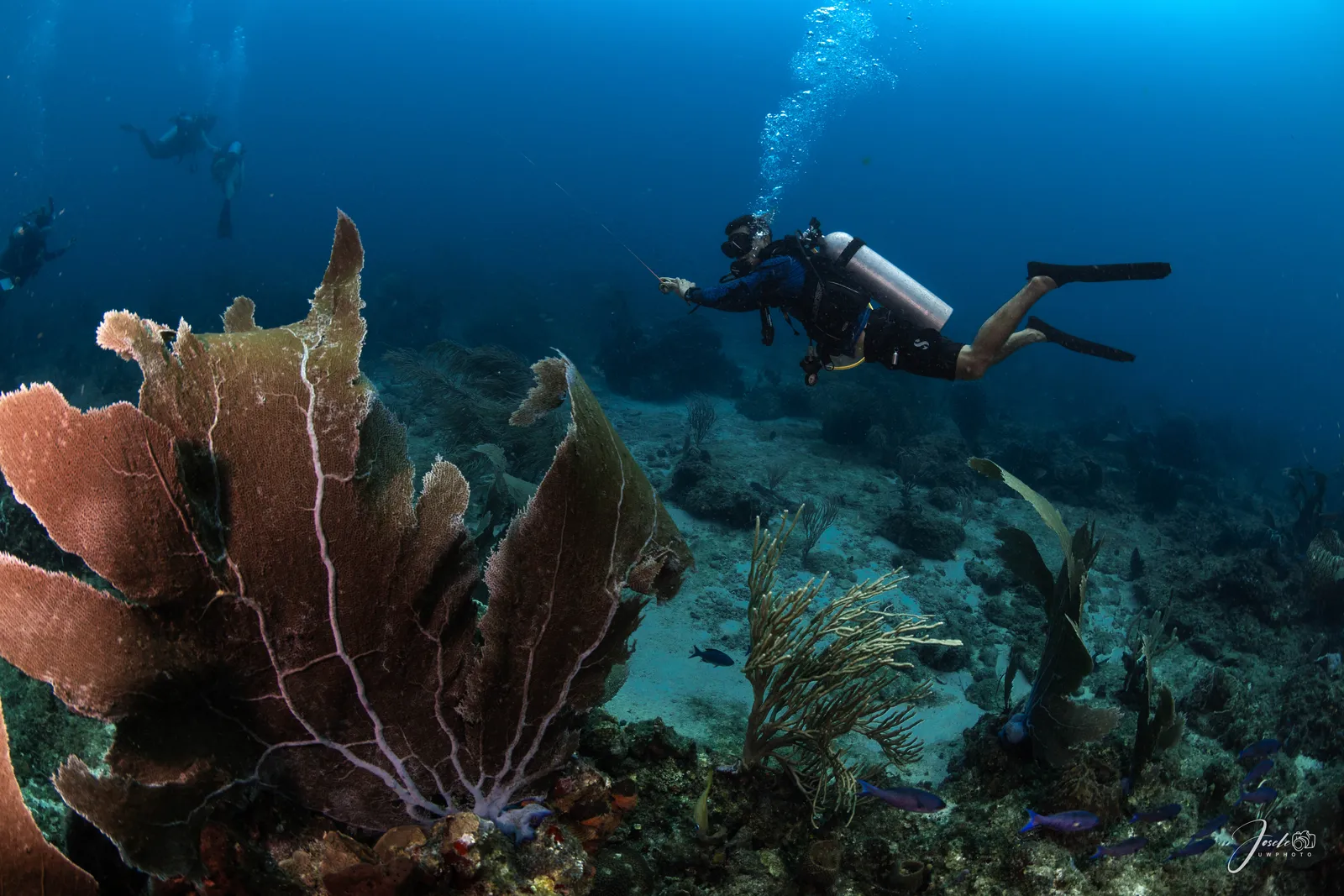
Not glasses, but there are great solutions for divers who need correction.
Snorkeling stays at the surface; scuba takes you below it.
Beginners stay shallow, usually 12 to 18 meters at most.
Pressure affects your ears, lungs, and how your body handles gases.
The everyday word for breathing underwater, spelled out.
The enriched-air blend that can stretch your bottom time.
Inside the cylinder that carries your air underwater.
How long a cylinder really lasts, and what changes it.
Why fins move you so efficiently, and how to pick a pair.
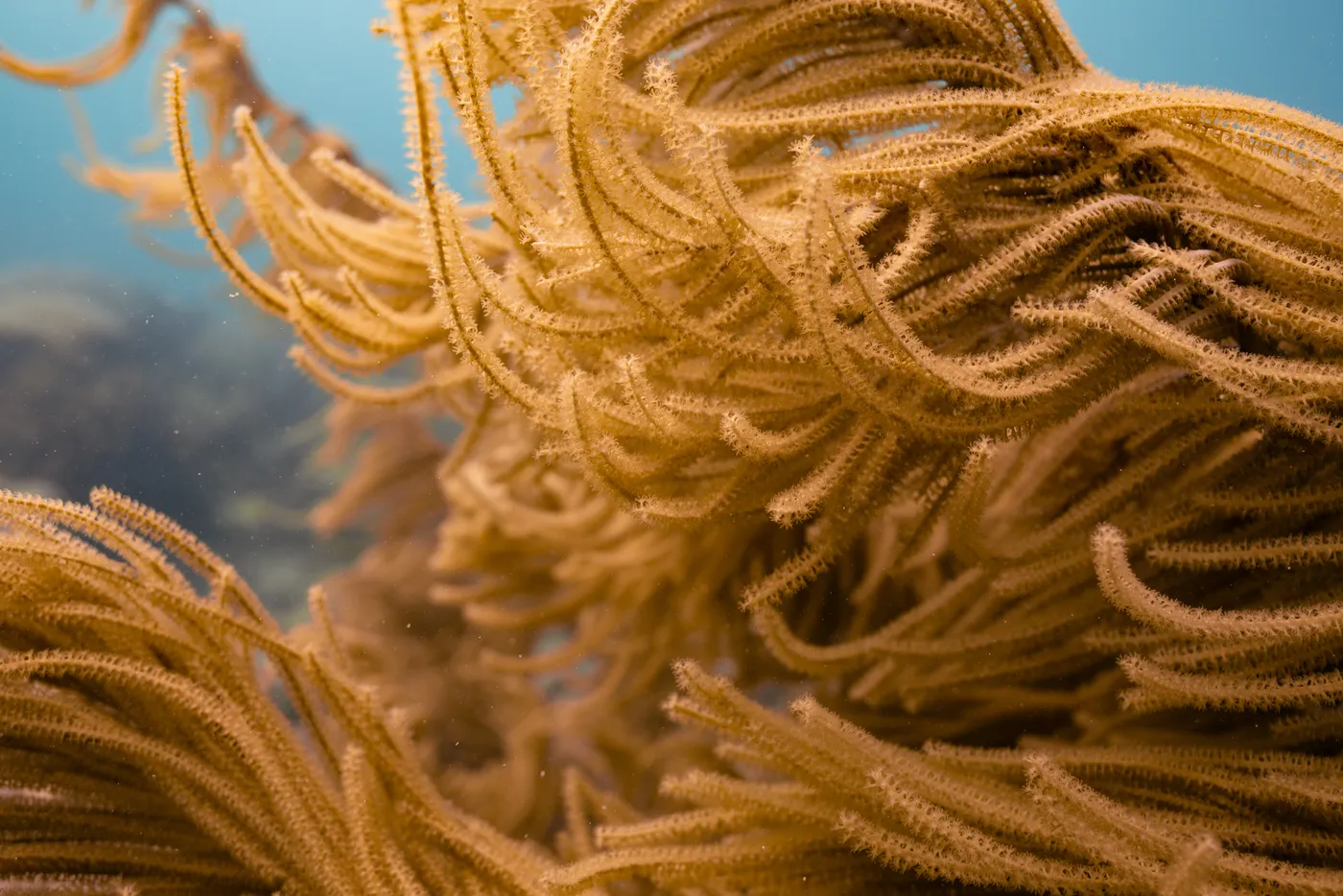
The controlled way divers go down and come back up.
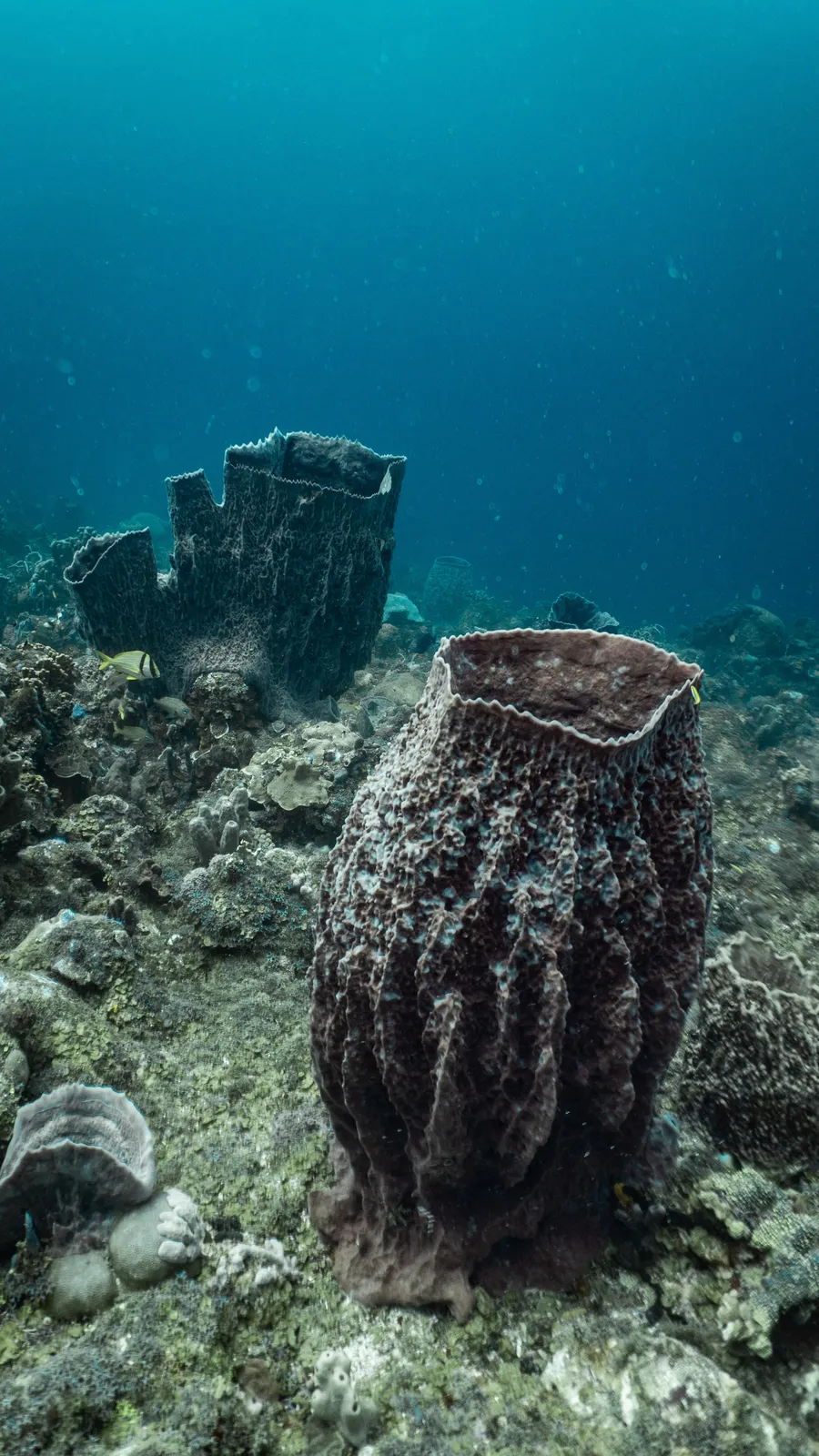
The weightless balance every good diver chases.
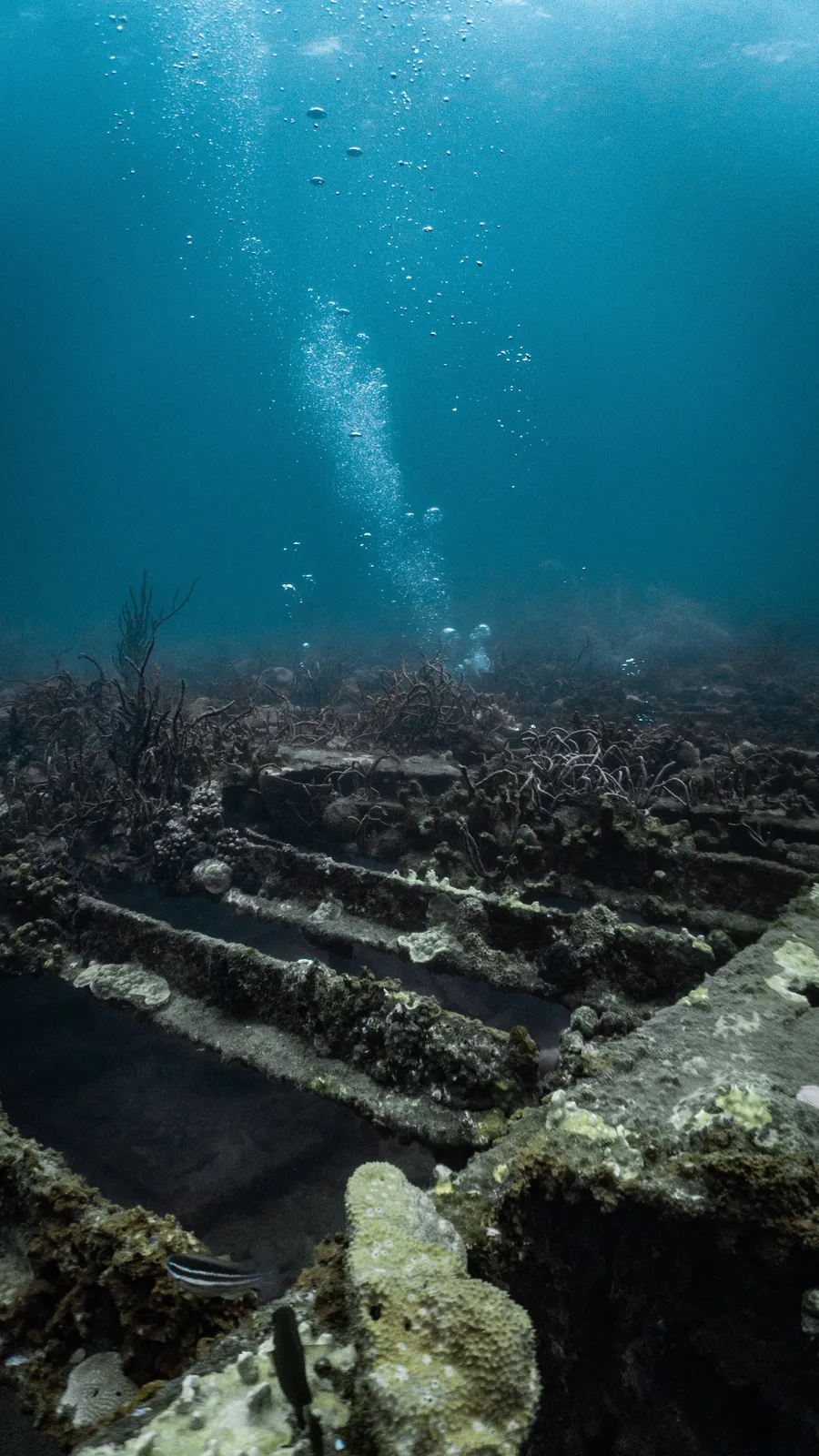
The bright signal that tells the world where you are.
The invisible squeeze that shapes every rule of diving.
The pause that lets nitrogen leave your body safely.
A simple way to manage your air and always keep a reserve.
The classic big step off the boat, done right.
Your body position underwater, and why it changes everything.
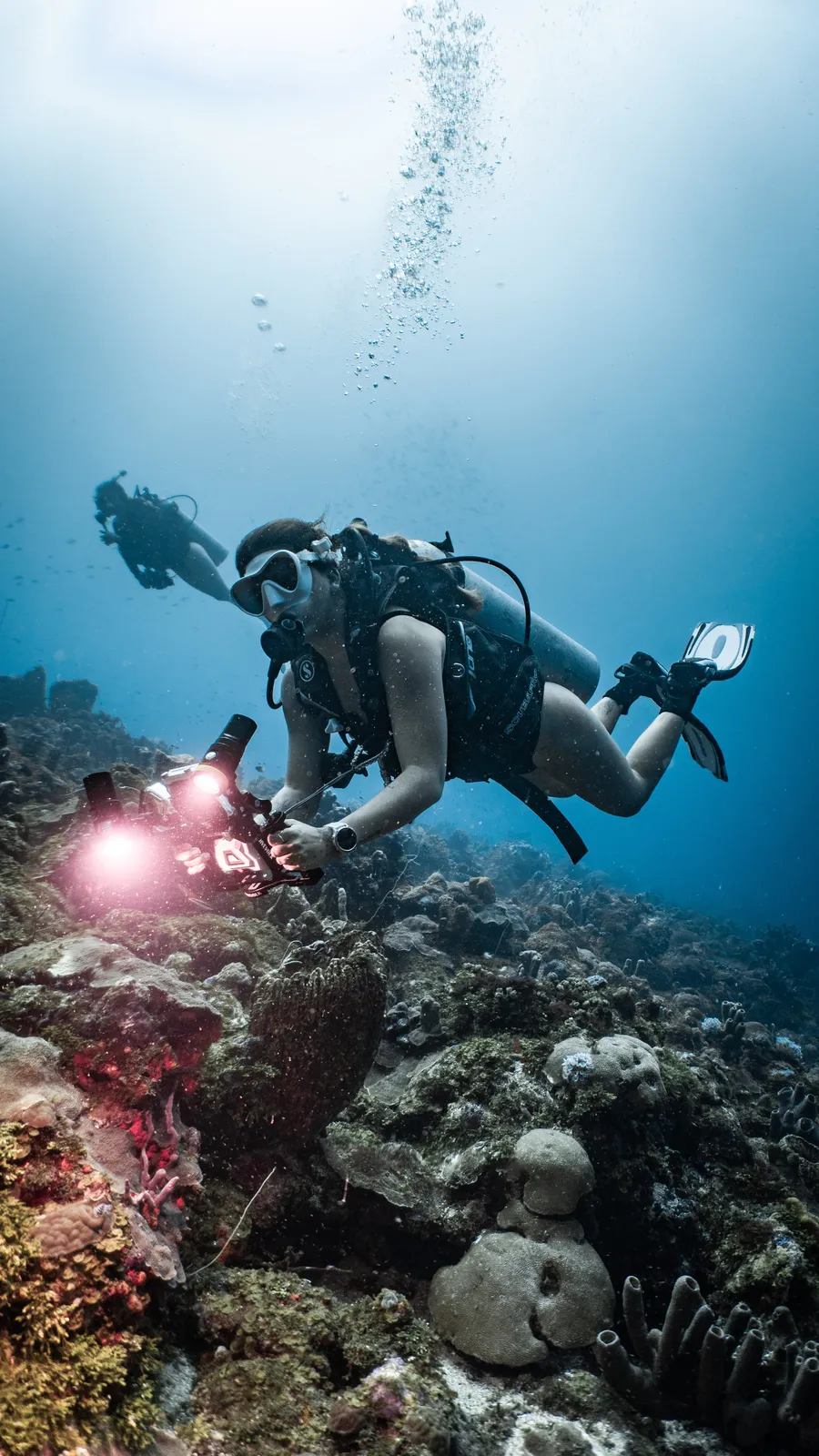
Simple tricks to keep your mask crystal clear underwater.
The signals that tell boats there are divers below.
Bringing back the true colors of the deep.
Two ways to stay warm underwater, for two kinds of water.
The device that turns tank pressure into an easy breath.
Why divers watch their time and depth so carefully.
The simple tube that saves air at the surface.
Travel that adds a whole hidden planet to every destination.
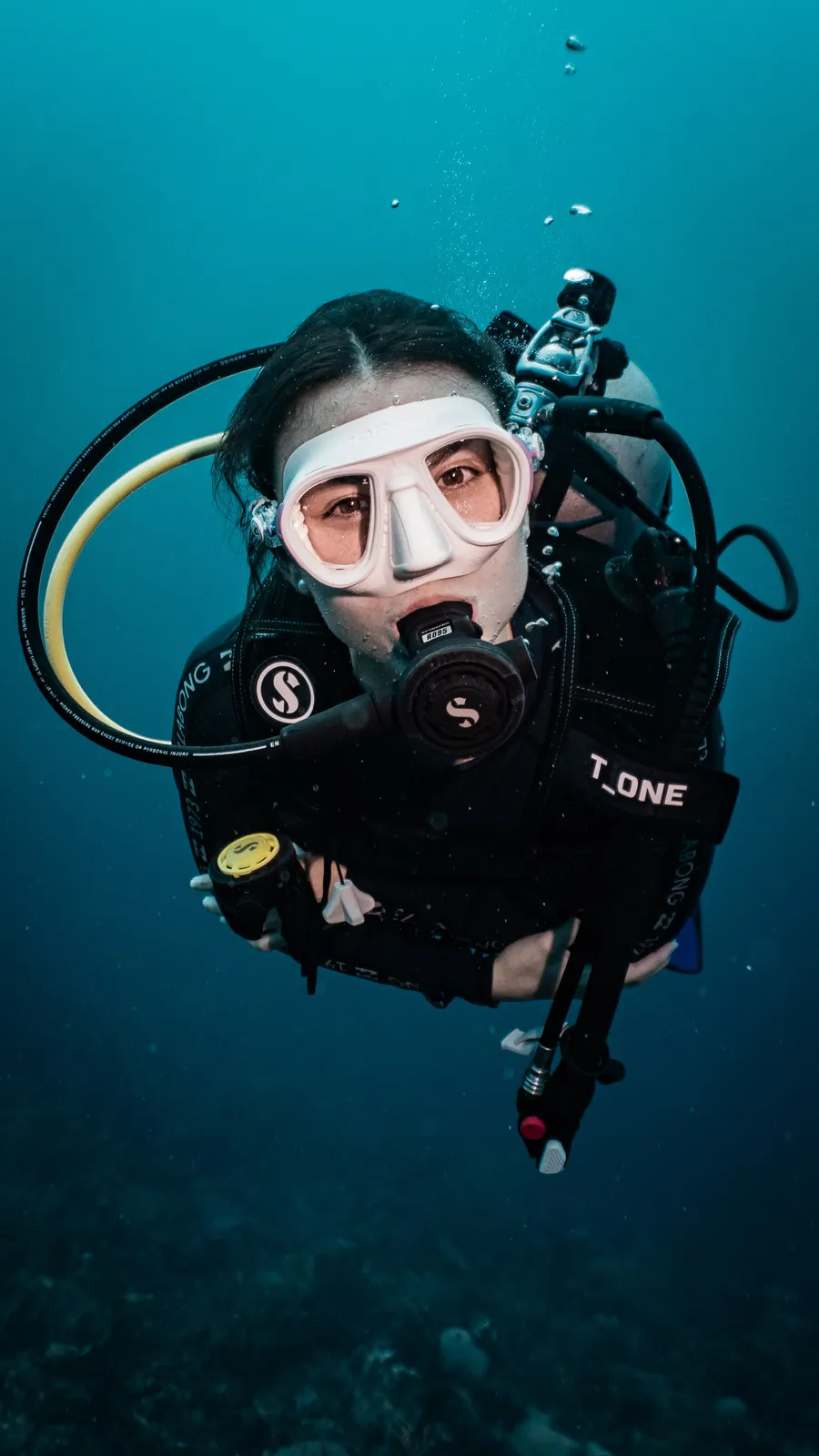
A hidden planet of coral cities, walls and drifting giants.
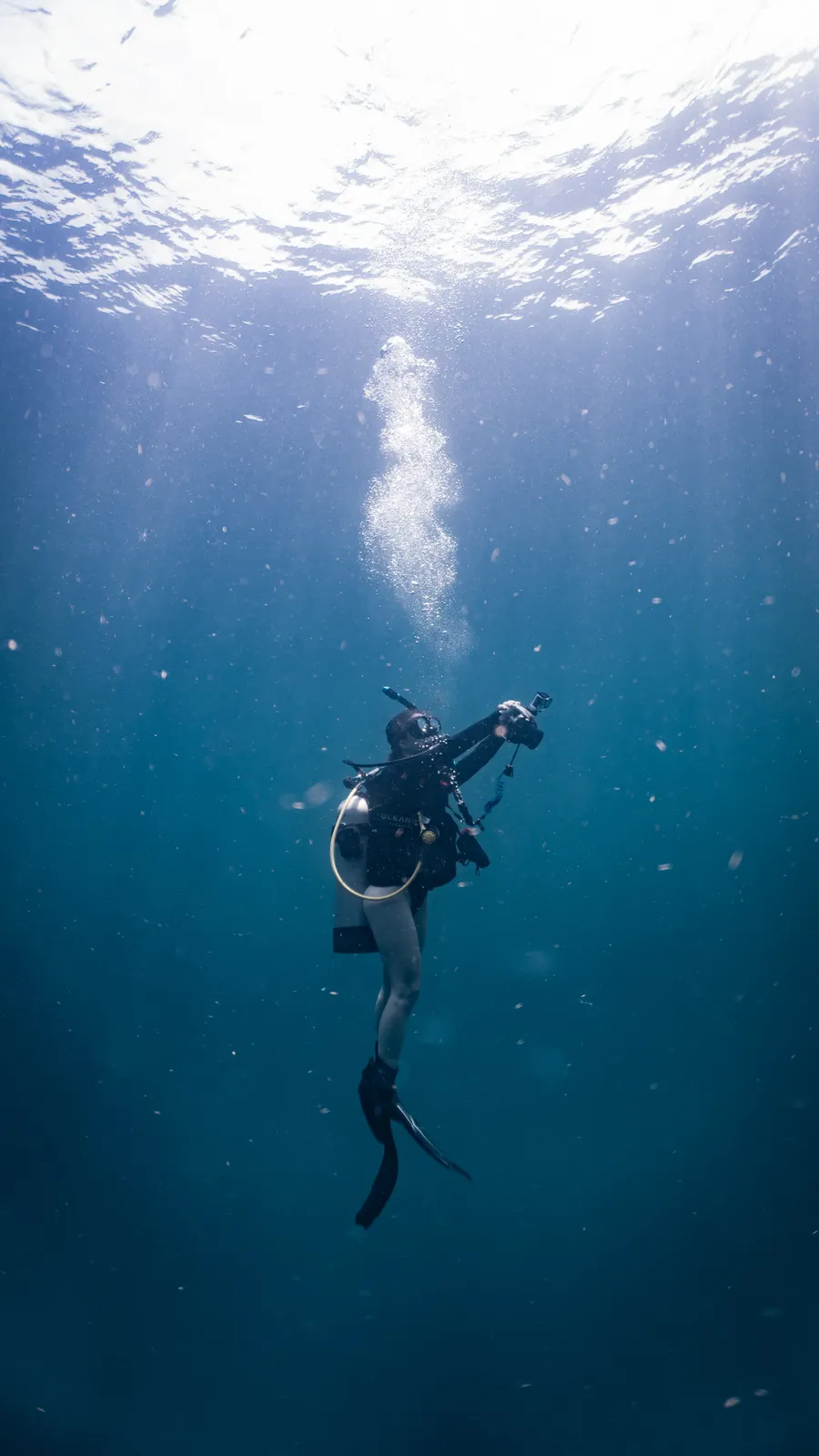
A shortlist of the planet's most legendary dive regions.
Warm, calm, shallow reefs where new divers thrive.
Where world-class diving costs surprisingly little.
Living on a dive boat to reach reefs no day trip can.
Dream dives matched to whatever thrills you most.
Destinations where you can ride waves and explore reefs.
Why diving is one of the best ways to travel alone.
Where you can dive comfortably in just a thin wetsuit.
Practical ways to dive more while spending less.
From volcanic islands to warm Caribbean reefs.
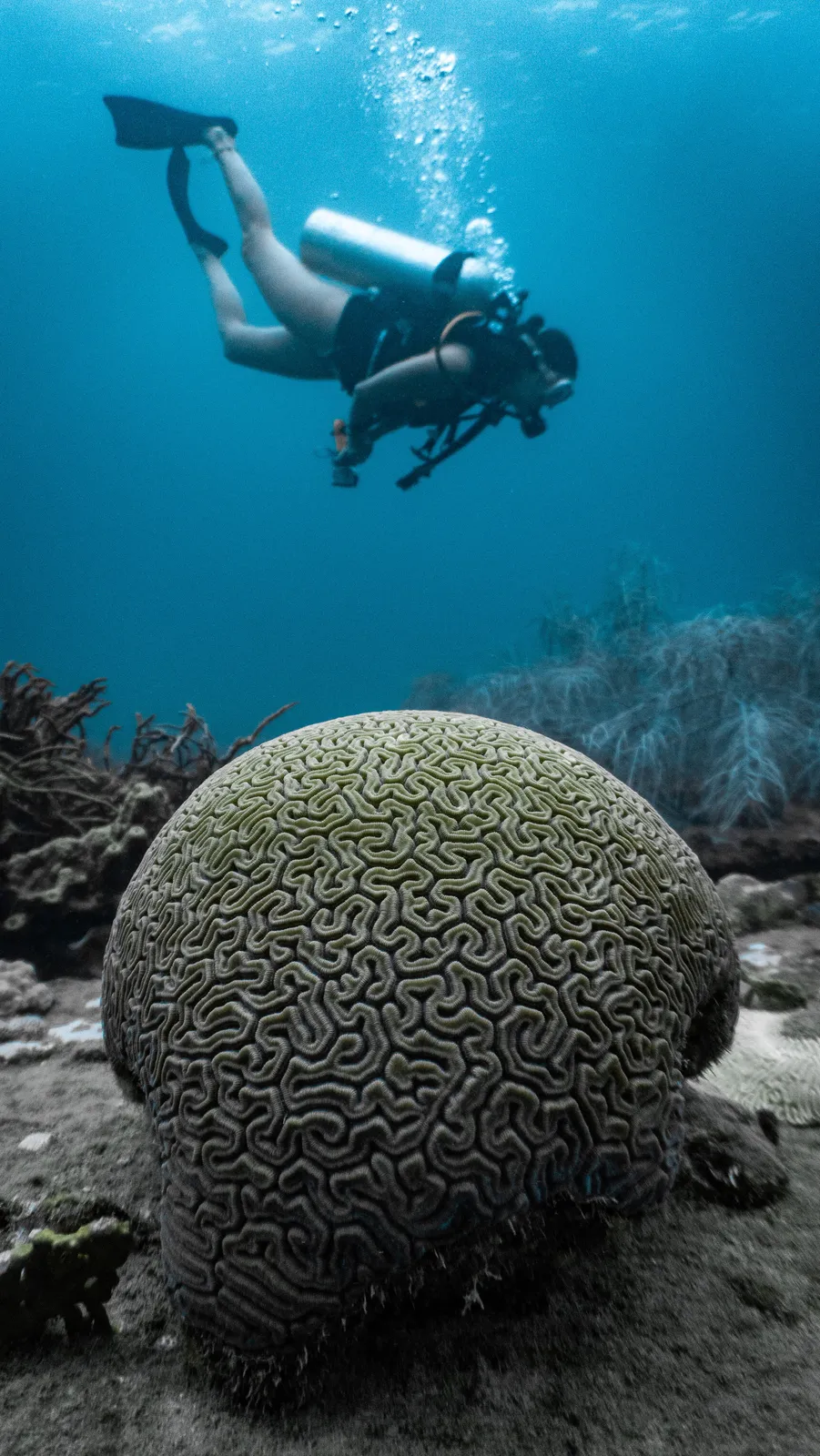
The most biodiverse and affordable diving on Earth.
Warm, clear, iconic reefs perfect for every level.
A step-by-step guide to your first international dive trip.
How to blend remote work with a life of diving.
How to plan a trip where every generation gets in the water.
Romantic reefs and quiet islands for two divers in love.
Where clear water, light and marine life meet for the perfect shot.
How to explore the ocean without leaving a mark on it.
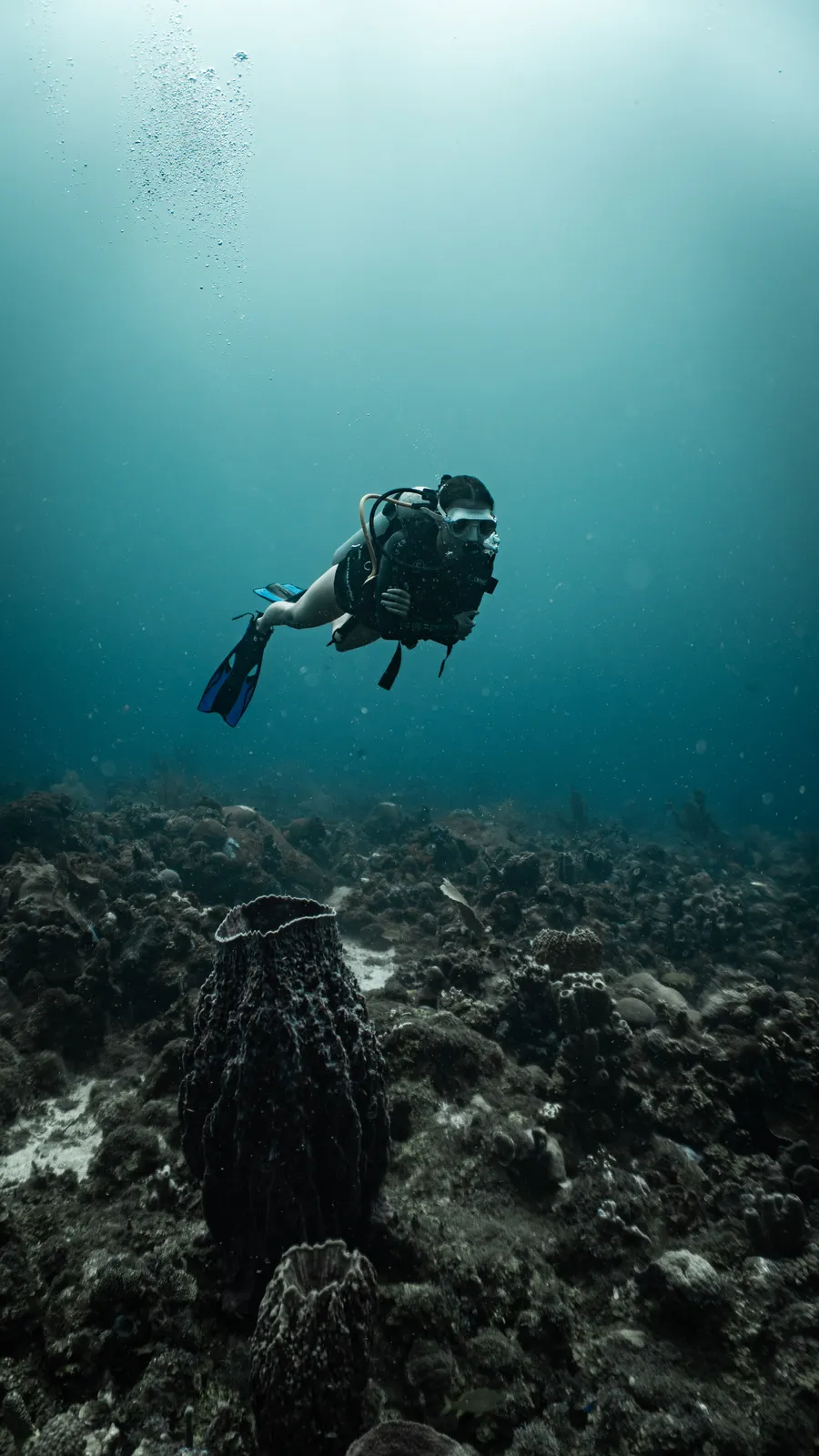
From a first breath underwater to a life shaped by the ocean.
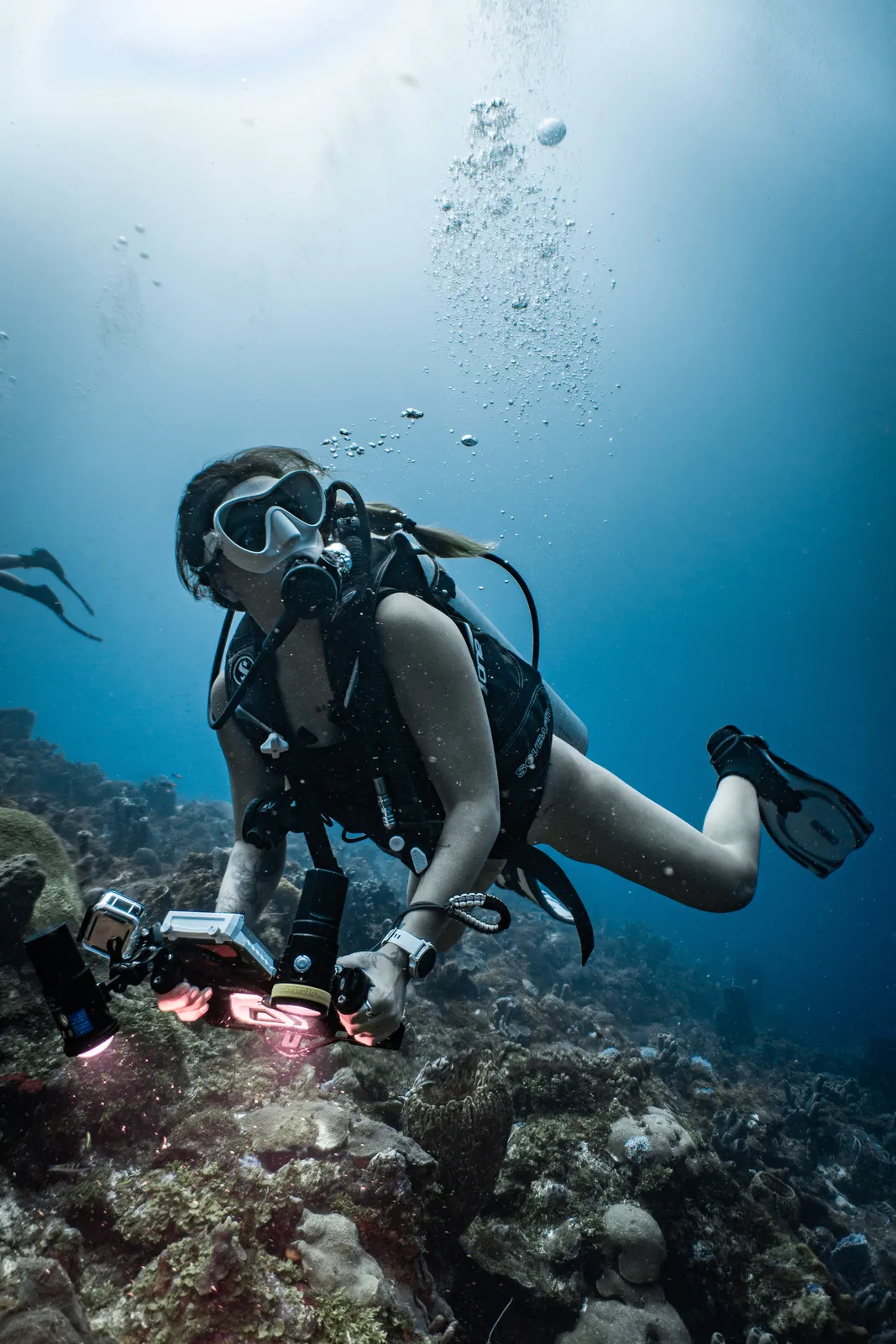
Turn a holiday into a lifelong certification in warm, easy water.
The case for the ocean over the mountain, the trail and the sky.
The complete checklist so nothing keeps you off the boat.
What it covers, why you need it and how to choose the right policy.
Two oceans, warm reefs and secrets the diving world is only starting to find.
How to trade a city weekend for a reef, in just a couple of days.
One short course that unlocks two-thirds of the planet, for life.
Where new divers can start easy, warm and confident.
A month-by-month map to always be diving somewhere at its best.
Diving around Cartagena, plus the quieter reefs of Isla Fuerte down the Córdoba coast.
A guide to diving around Santa Marta and Tayrona, and how it compares to Isla Fuerte.
What scuba diving in Tayrona National Park is really like, and where to find calmer coral.
Diving near the beach town of Coveñas and the short hop down to Isla Fuerte.
Diving around Tolú and the Gulf of Morrosquillo, with Isla Fuerte a short trip away.
Montería has no diving of its own, but Isla Fuerte is only a couple of hours away.
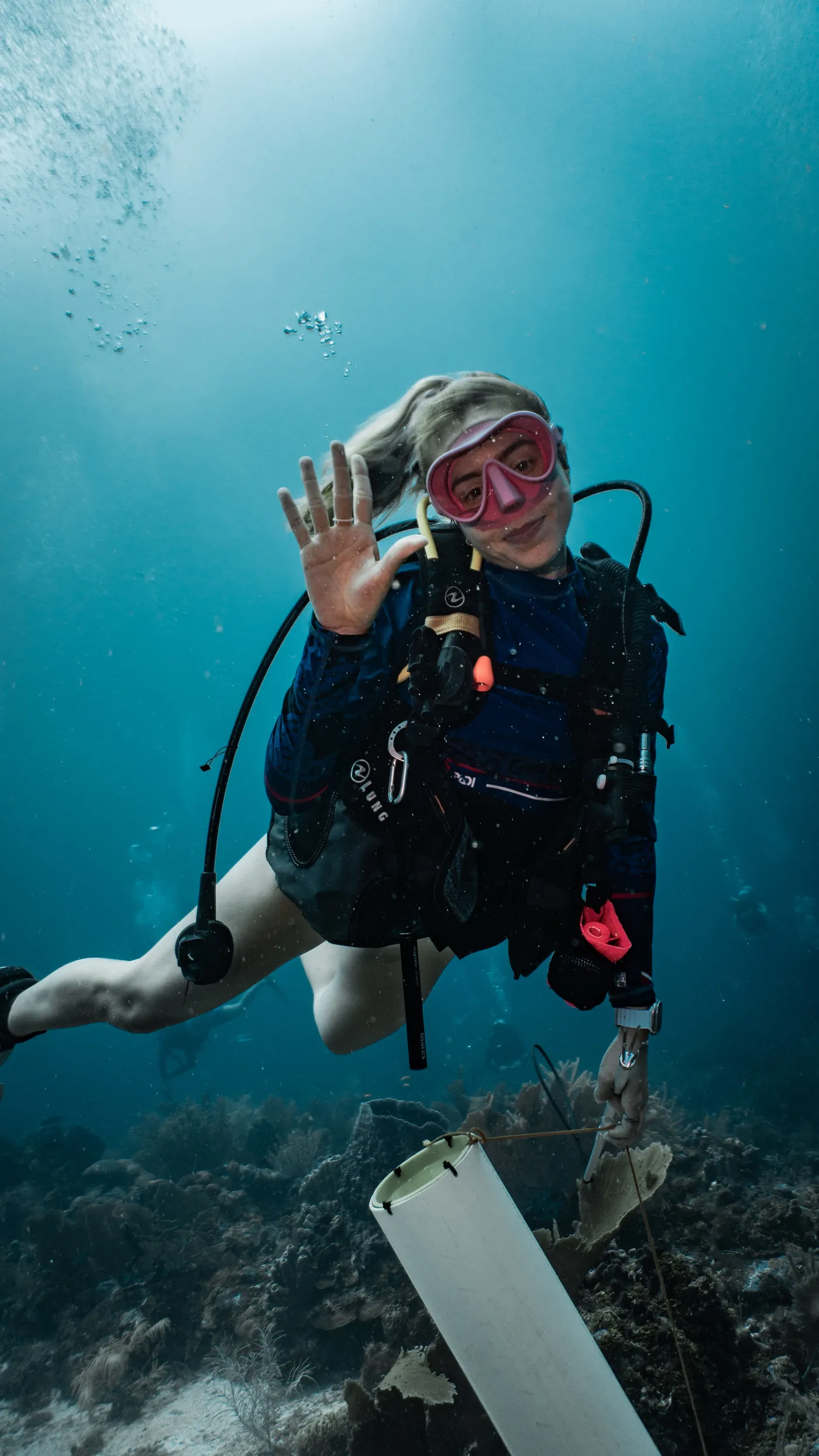
Barranquilla is a river-mouth city, not a dive spot, but Isla Fuerte lies down the coast.
Medellín is landlocked, but the nearest great Caribbean diving is Isla Fuerte off Córdoba.
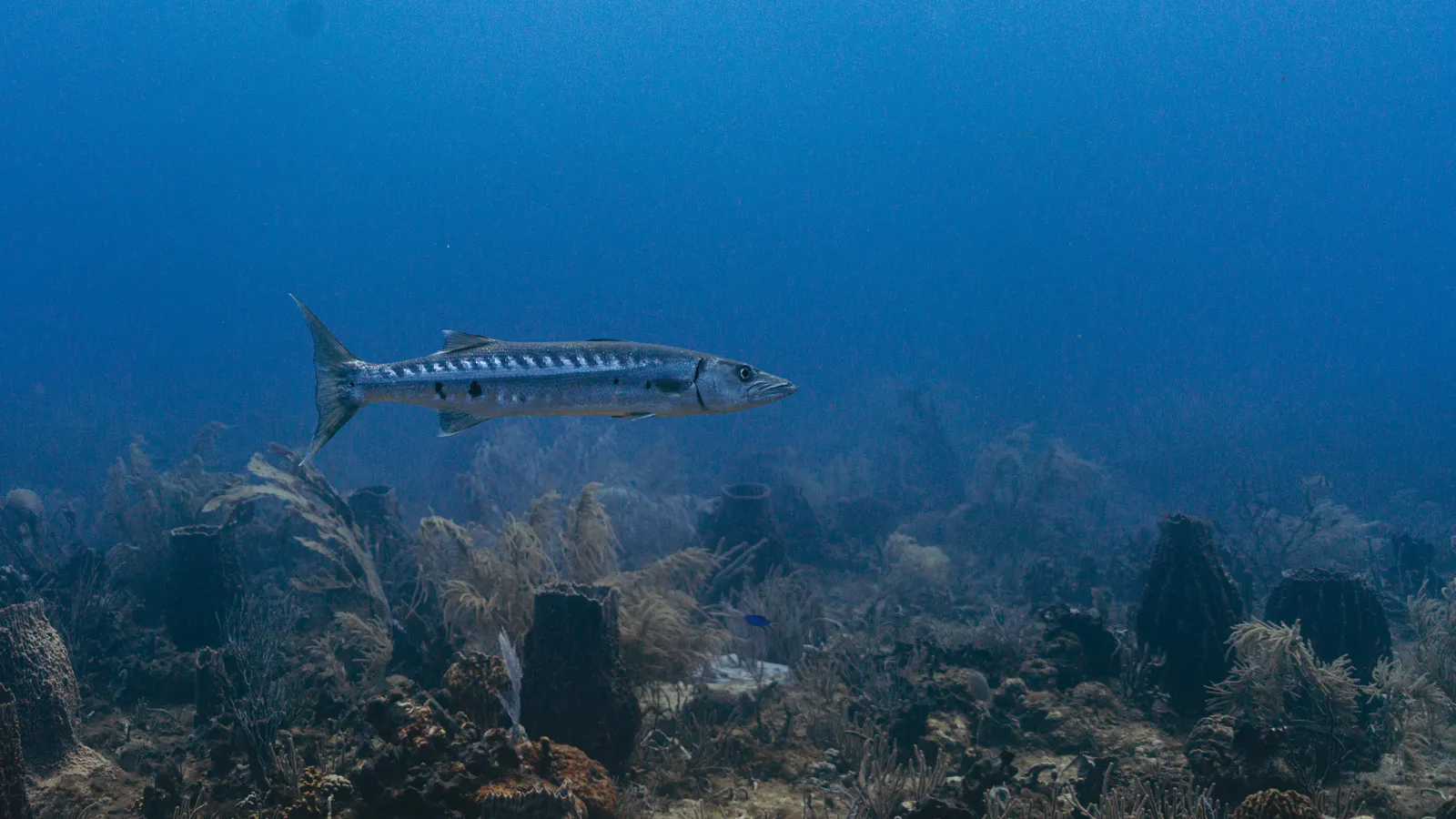
Where Bogotá divers head in the Colombian Caribbean, including the hidden gem of Isla Fuerte.
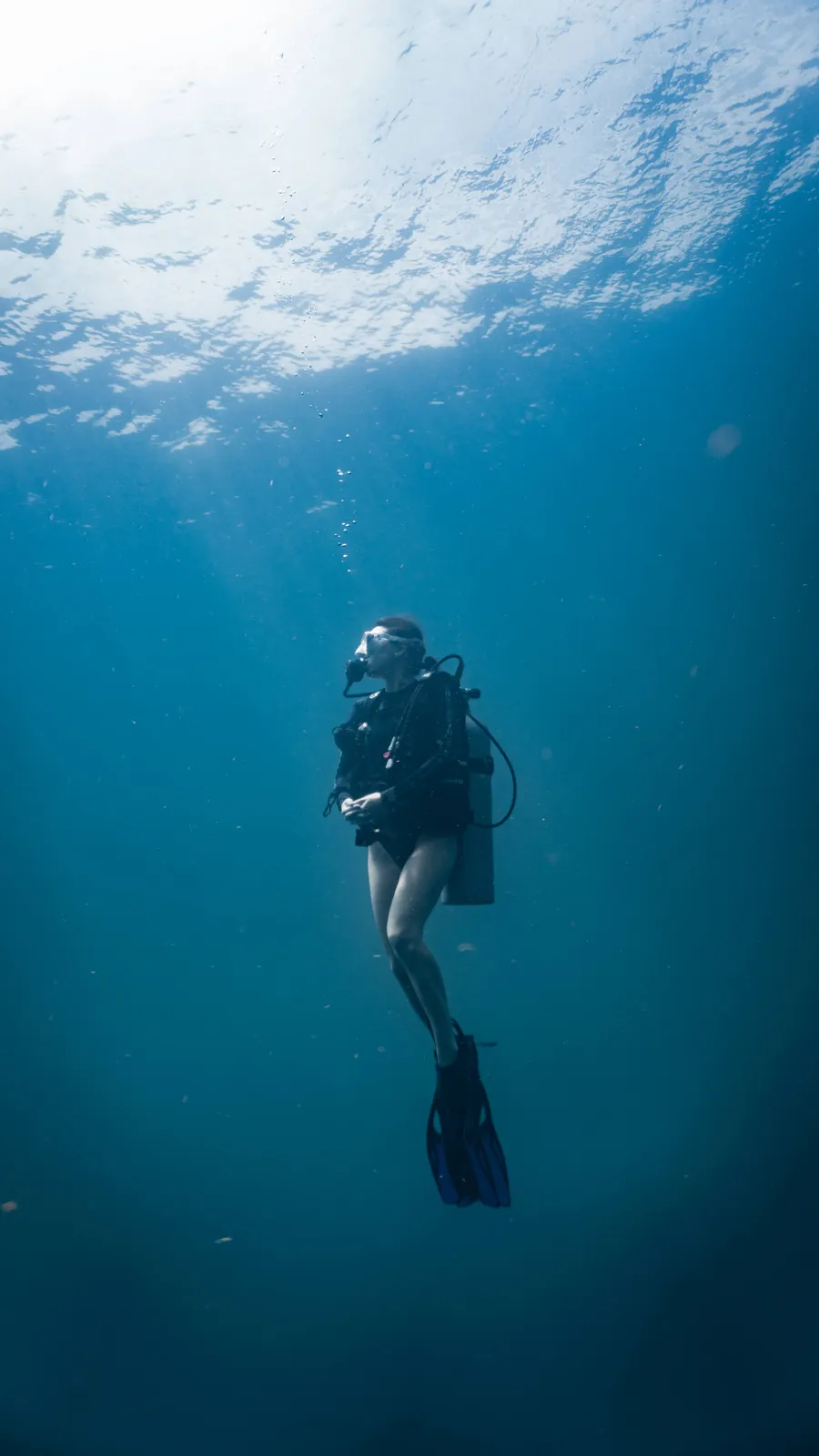
A complete overview of diving in the Colombian Caribbean, from San Andrés to Isla Fuerte.
A tour of the best islands on the Colombian Caribbean coast, ending with the diver's pick, Isla Fuerte.
Trade Cartagena's crowds for quiet reefs and open sea in a single weekend.
From the mountains of Medellín to warm Caribbean reefs in one long weekend.
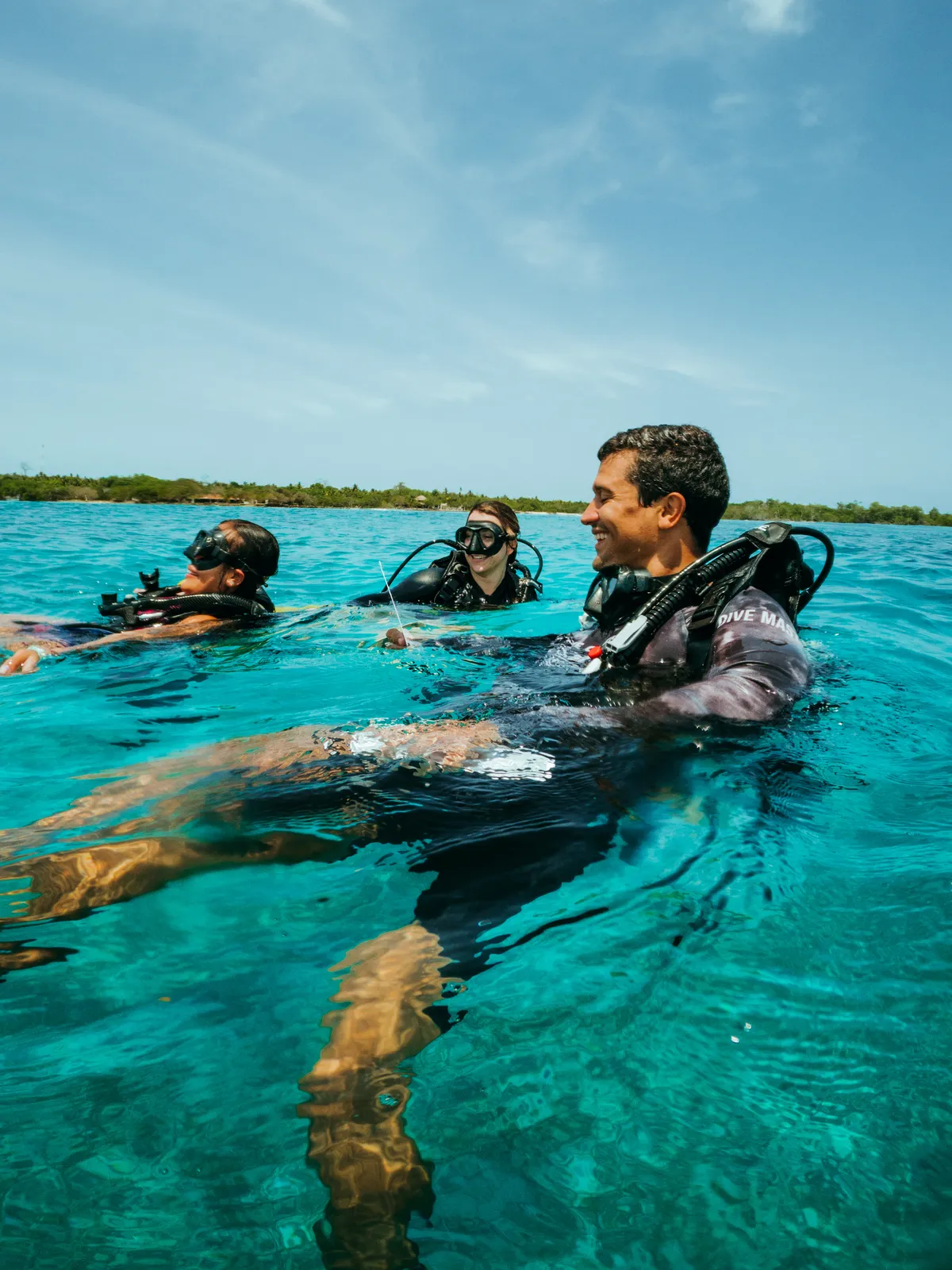
Montería is the closest city to Isla Fuerte, and the perfect launch point for a beach and diving weekend.
Beaches, sunsets and boat trips around Coveñas, plus the island escape most visitors miss.
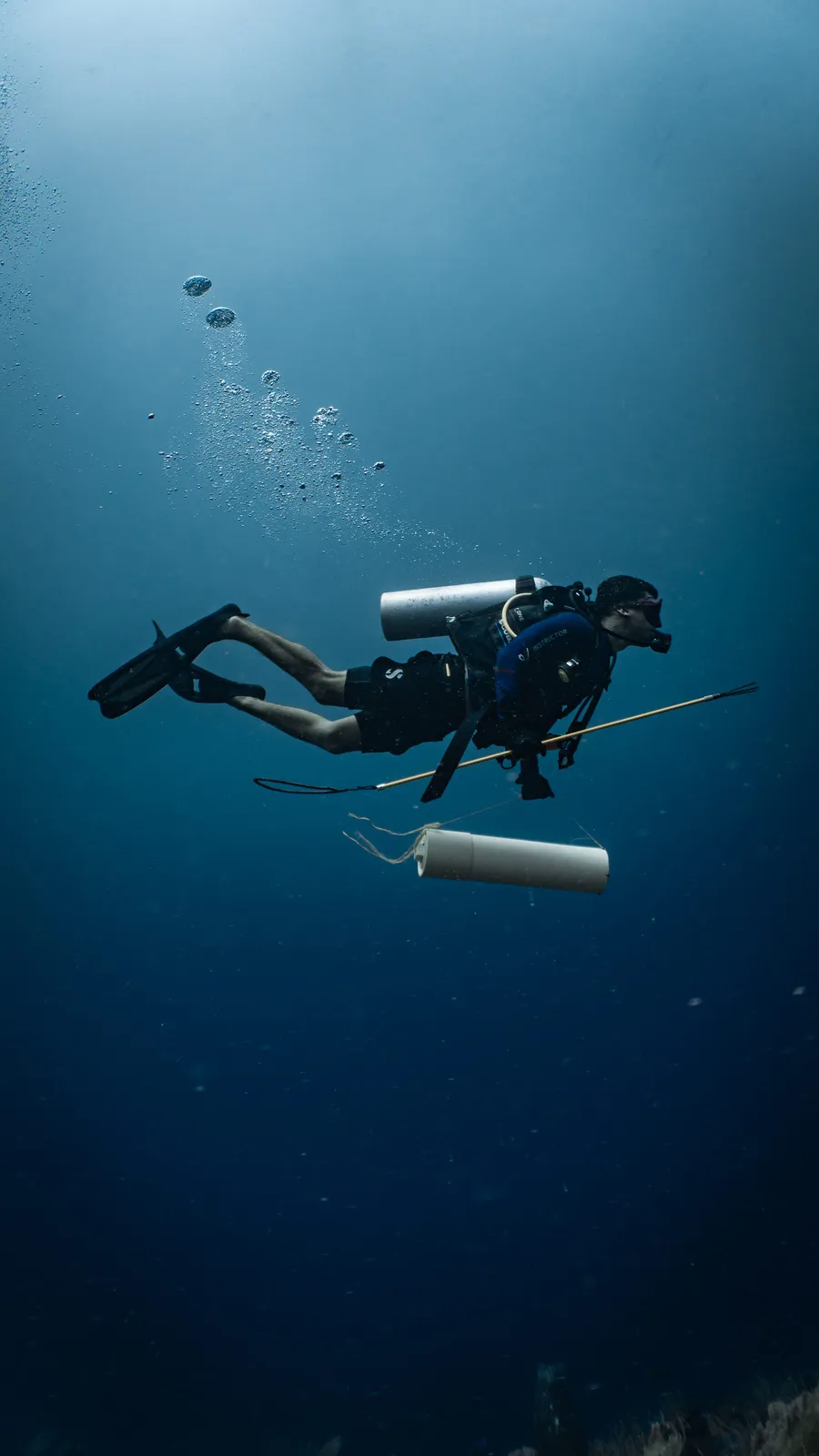
Bike the boardwalk in Tolú, island-hop the San Bernardo archipelago, then dive deeper at Isla Fuerte.
A guide to the best beaches near Isla Fuerte, from mainland gulf sand to the island's own quiet shores.
A complete guide to the Gulf of Morrosquillo, from its beach towns and islands to the best diving nearby.
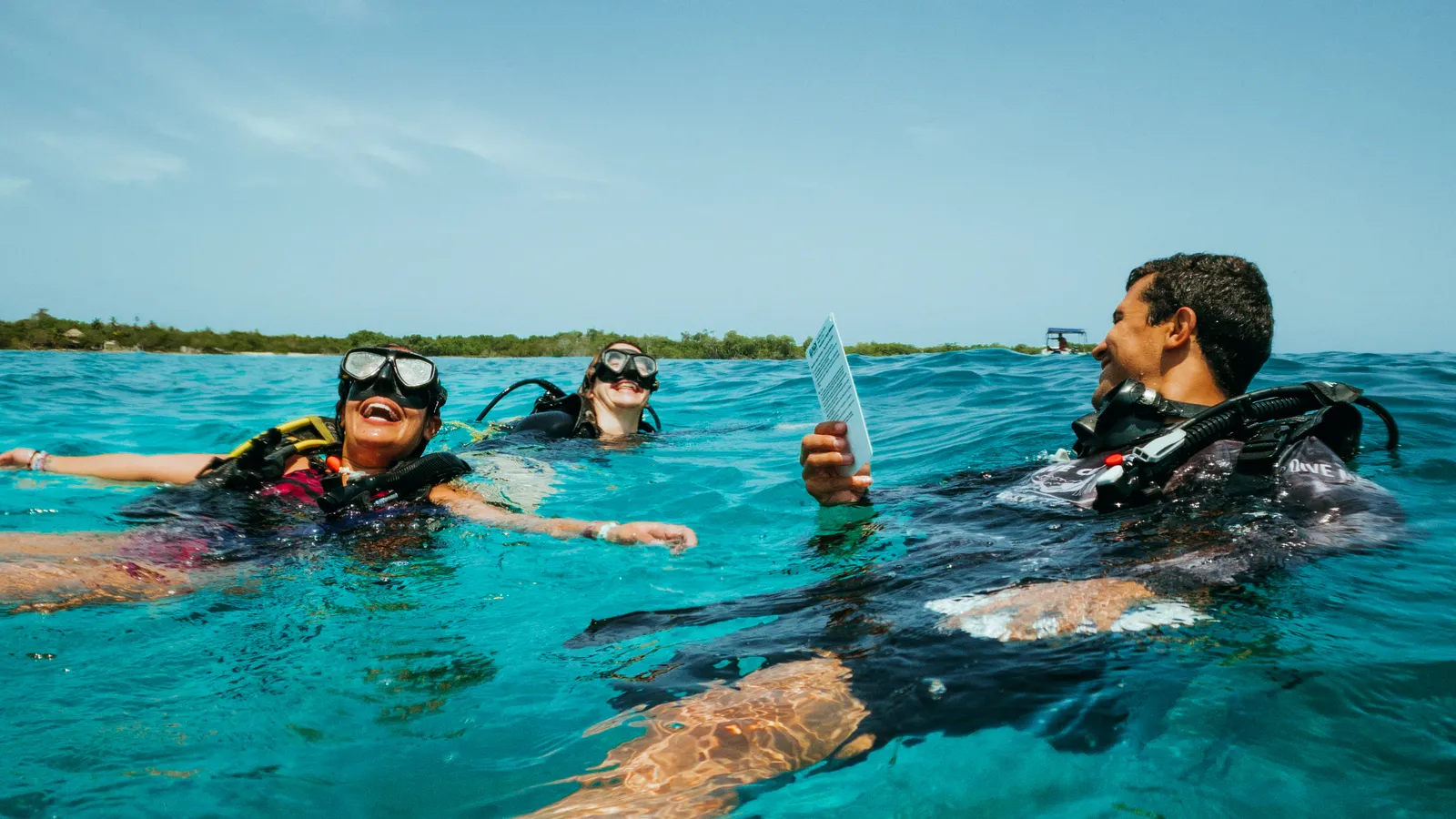
Map out the classic Caribbean road trip from Cartagena south to Isla Fuerte, stop by stop.
When to visit the Colombian Caribbean coast for the best weather, water and diving conditions.
A guide to where to stay on the Córdoba coast, from mainland towns to island lodging on Isla Fuerte.
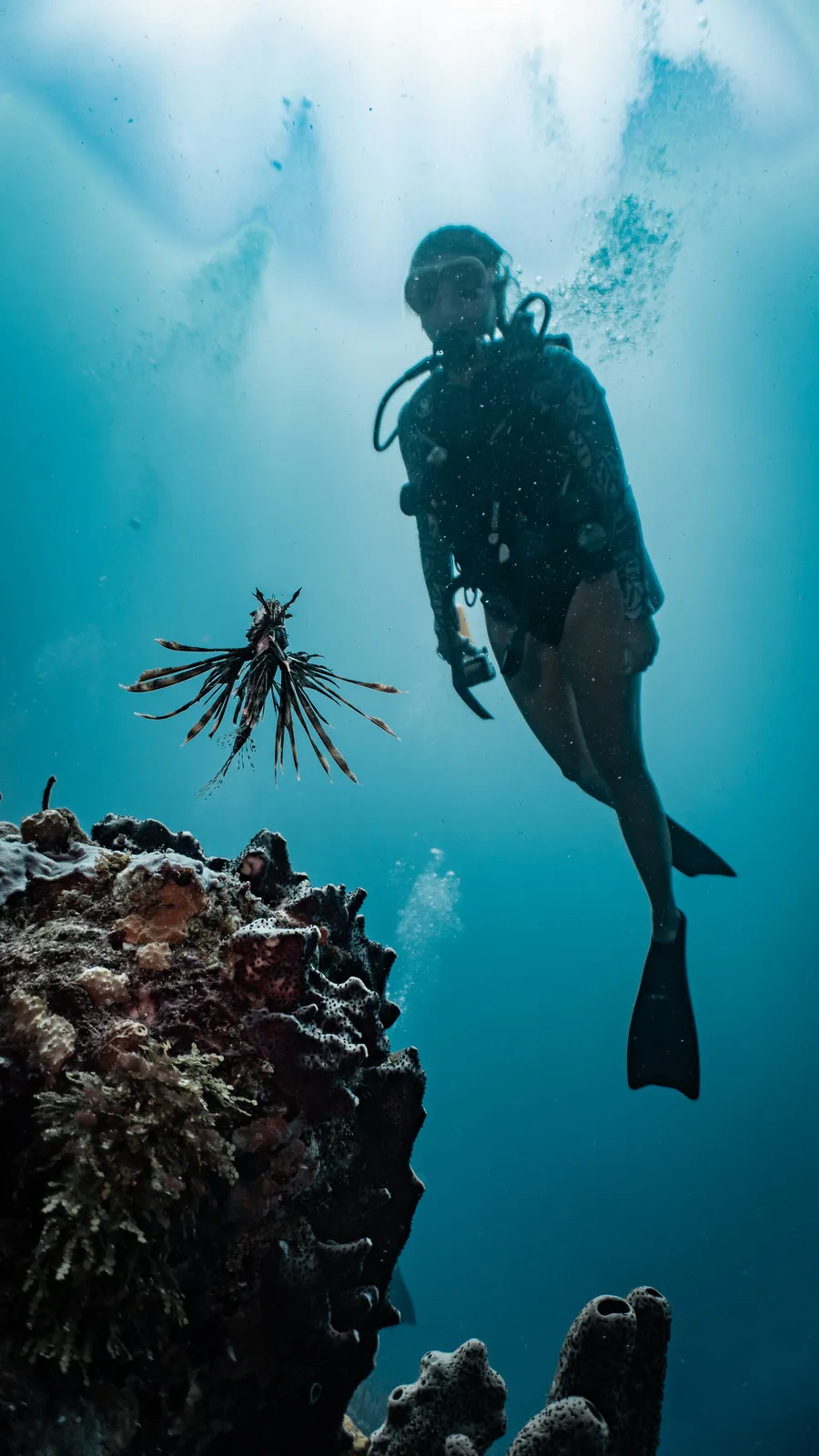
Step-by-step directions to get from Coveñas or Tolú to Isla Fuerte by road and boat.
Paso Nuevo is the small Córdoba fishing village where the boat to Isla Fuerte departs.
San Bernardo del Viento is the nearest mainland municipality to Isla Fuerte, where the coastal road meets the sea.
Moñitos is a laid-back beach town on the Córdoba coast, a short hop from the gateway to Isla Fuerte.
Cispatá Bay is a protected mangrove reserve on the Córdoba coast, a natural companion to a trip to Isla Fuerte.
Rincón del Mar is a bohemian fishing village and the mainland gateway to the San Bernardo Islands.
Necoclí sits on the Gulf of Urabá in Antioquia, a gateway town with a warmer clearer alternative offshore at Isla Fuerte.
A fair comparison of Isla Fuerte and the Rosario Islands for divers and beach travelers in the Colombian Caribbean.
An honest comparison of Isla Fuerte and the San Bernardo Islands for divers and island travelers.
Comparing Isla Fuerte's reefs with Tayrona's jungle beaches to help you choose the right Colombian Caribbean trip.
Comparing Isla Fuerte with the famous San Andrés and Providencia archipelago for Colombian diving trips.
A guide to the best diving and snorkeling day trips along Colombia's Caribbean coast, from Cartagena to Isla Fuerte.
Isla Fuerte is the quiet coral island near Cartagena and Coveñas that most travelers have never heard of.
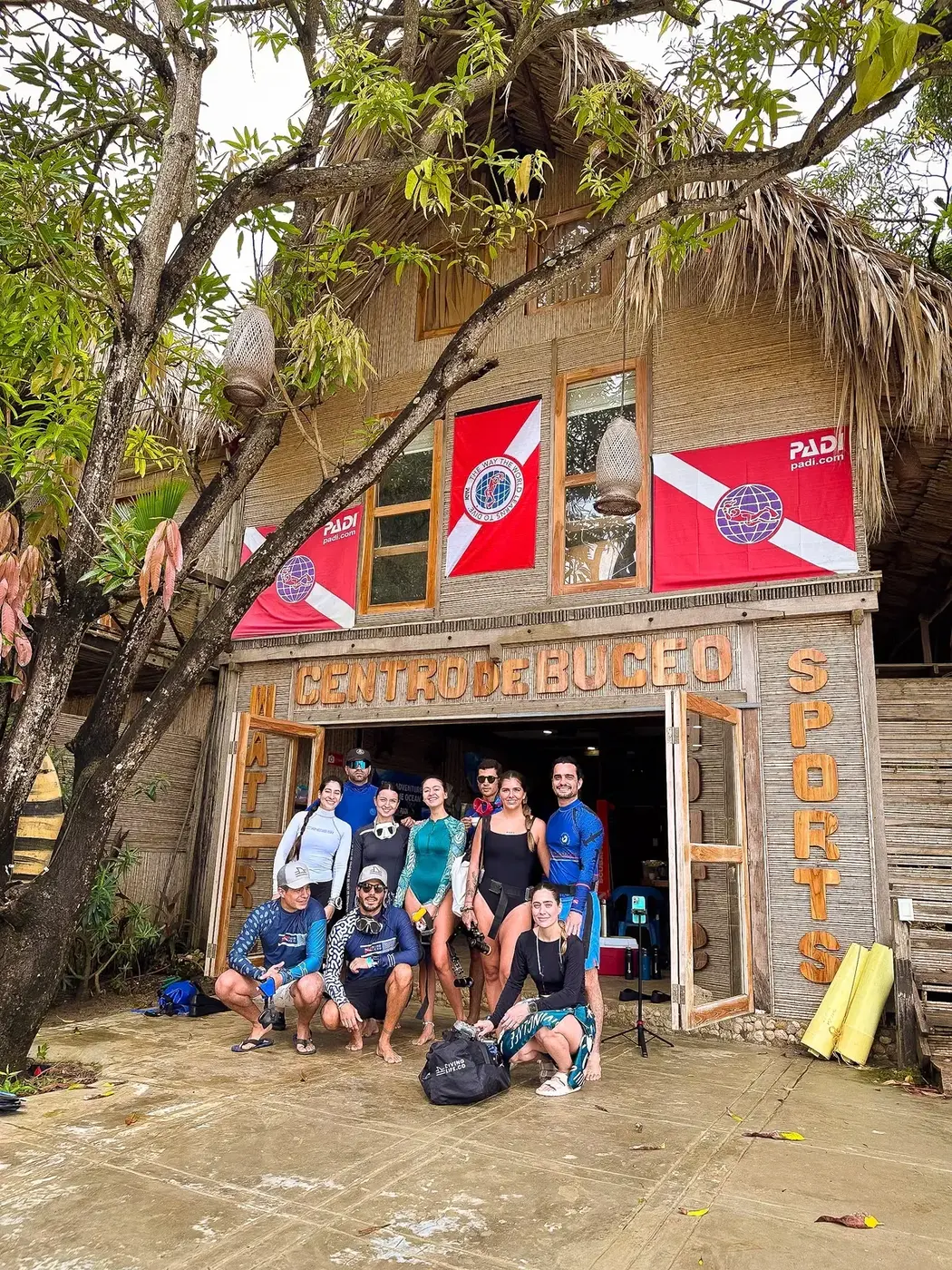
Diving in Isla Fuerte, Colombian Caribbean: 29 dive sites, warm 27-29°C water and the island's first PADI Dive Resort. Plan your dive trip.
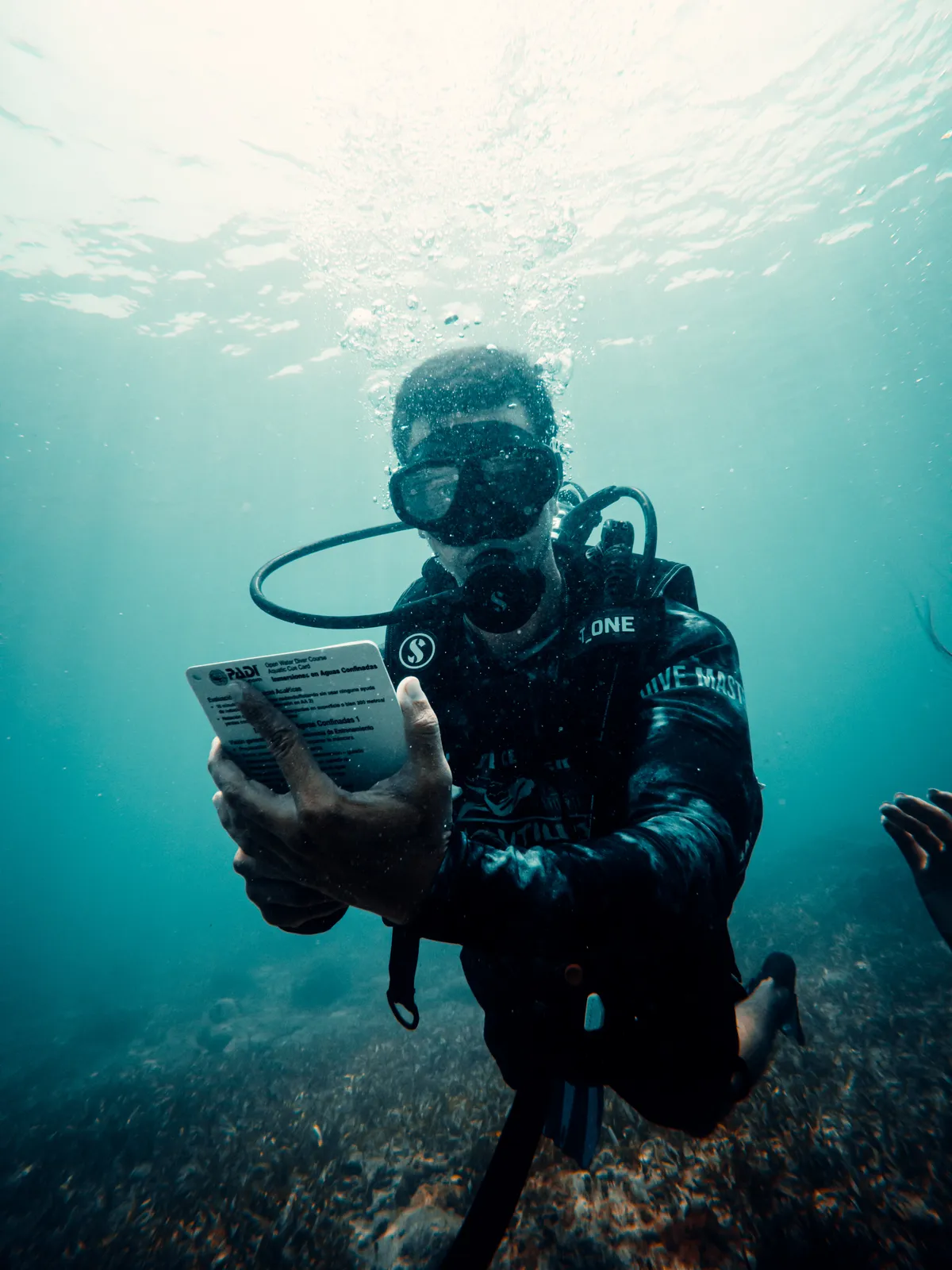
PADI Open Water diving course in Colombia at Isla Fuerte: certified instructors, warm 27-29°C water and small groups. Learn to dive for life.
Try scuba diving without a certification in Isla Fuerte: a guided Discover Scuba mini course with real dives, for absolute beginners. No experience needed.
How to get to Isla Fuerte, Colombia: boat from Paso Nuevo, and overland from Montería (Los Garzones), Cartagena or Medellín. Full step-by-step route.
What to do in Isla Fuerte, Colombia: diving among 29 sites, an underwater museum, beaches and slow island days. Your complete Isla Fuerte plan.
Diving near Cartagena, Colombia: escape the crowds and dive Isla Fuerte's 29 sites in warm, clear water. Why it beats the usual Cartagena dive trips.
Scuba diving for beginners in Colombia: how to start safely in Isla Fuerte's warm 27-29°C water with certified PADI instructors and small groups.
Plan a diving vacation in Colombia in Isla Fuerte: 29 dive sites, warm 27-29°C water, all-inclusive beachfront lodging and a real off-the-grid escape.
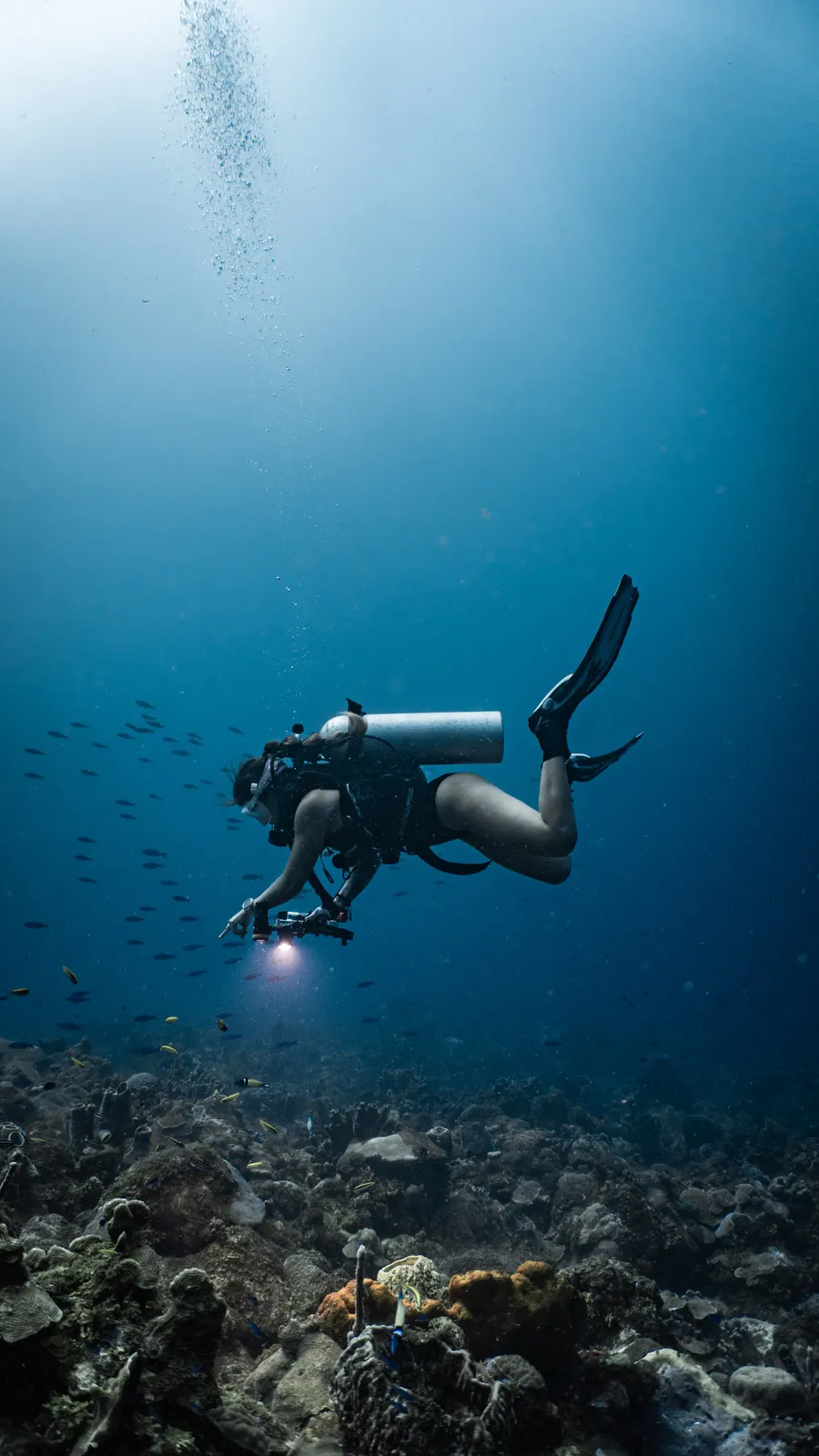
The best time to dive the Colombian Caribbean: warm 27-29°C water all year in Isla Fuerte, best visibility March to May, and how to plan around the seasons.
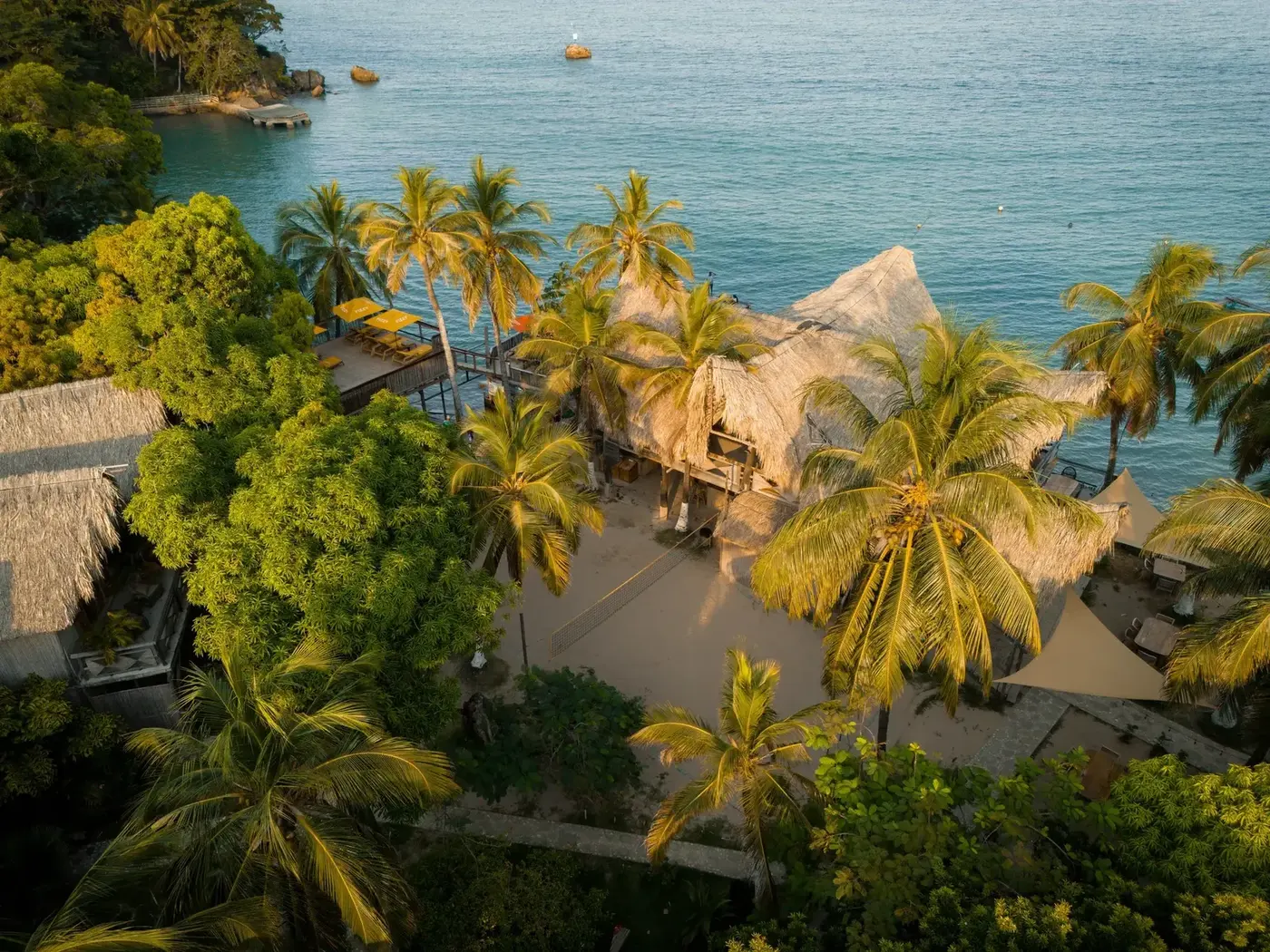
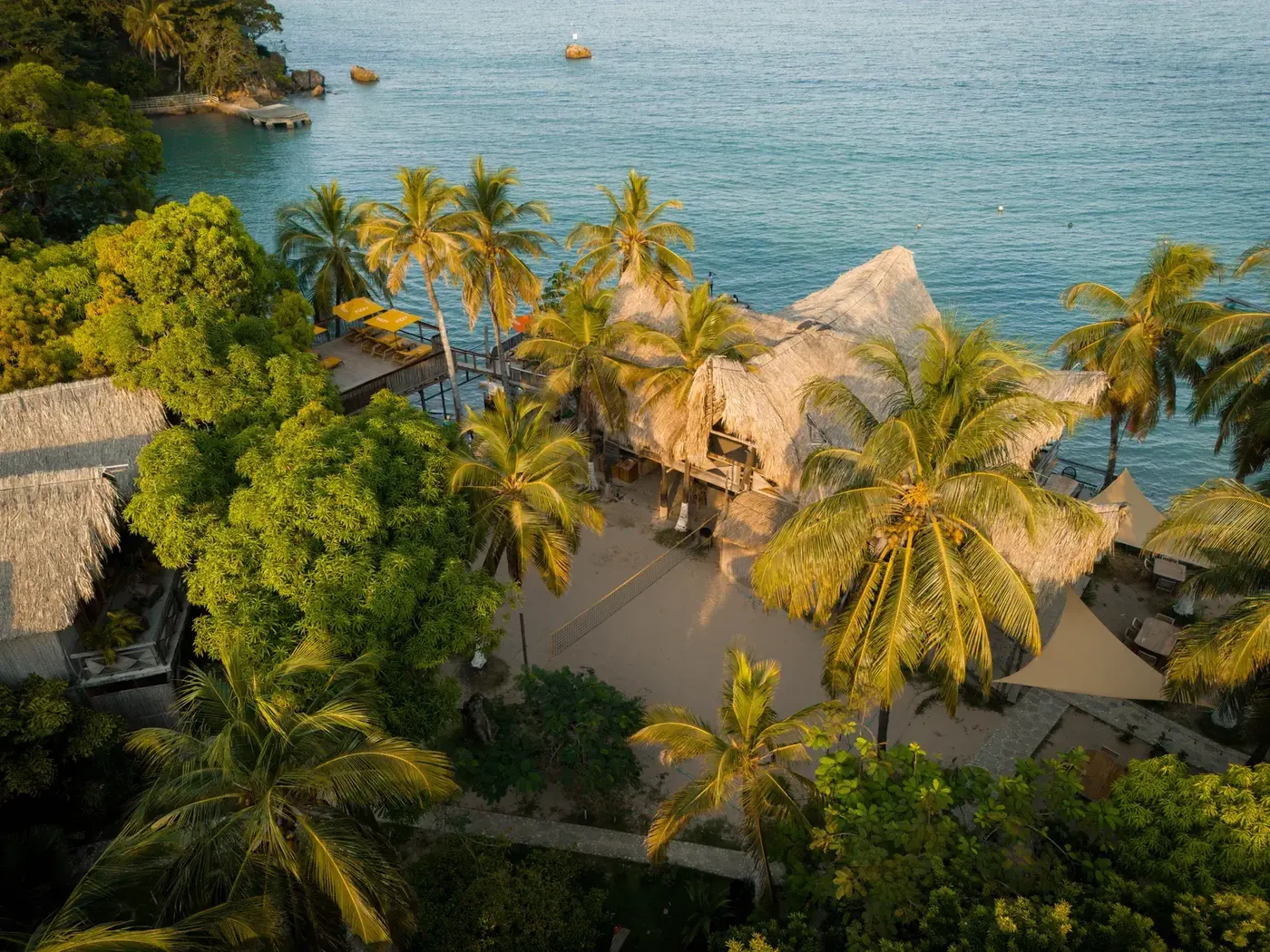
Dive and stay package in Isla Fuerte: diving with certified PADI instructors plus all-inclusive beachfront lodging at Hotel La Playita. Plan the whole trip in one place.
PADI diving certification levels explained: from try-scuba to Open Water and beyond. Learn which level to choose in Isla Fuerte's warm 27-29°C water.
Snorkeling in Isla Fuerte: warm 27-29°C water, healthy reefs close to the surface and easy access from the beach. Perfect for families and non-divers.
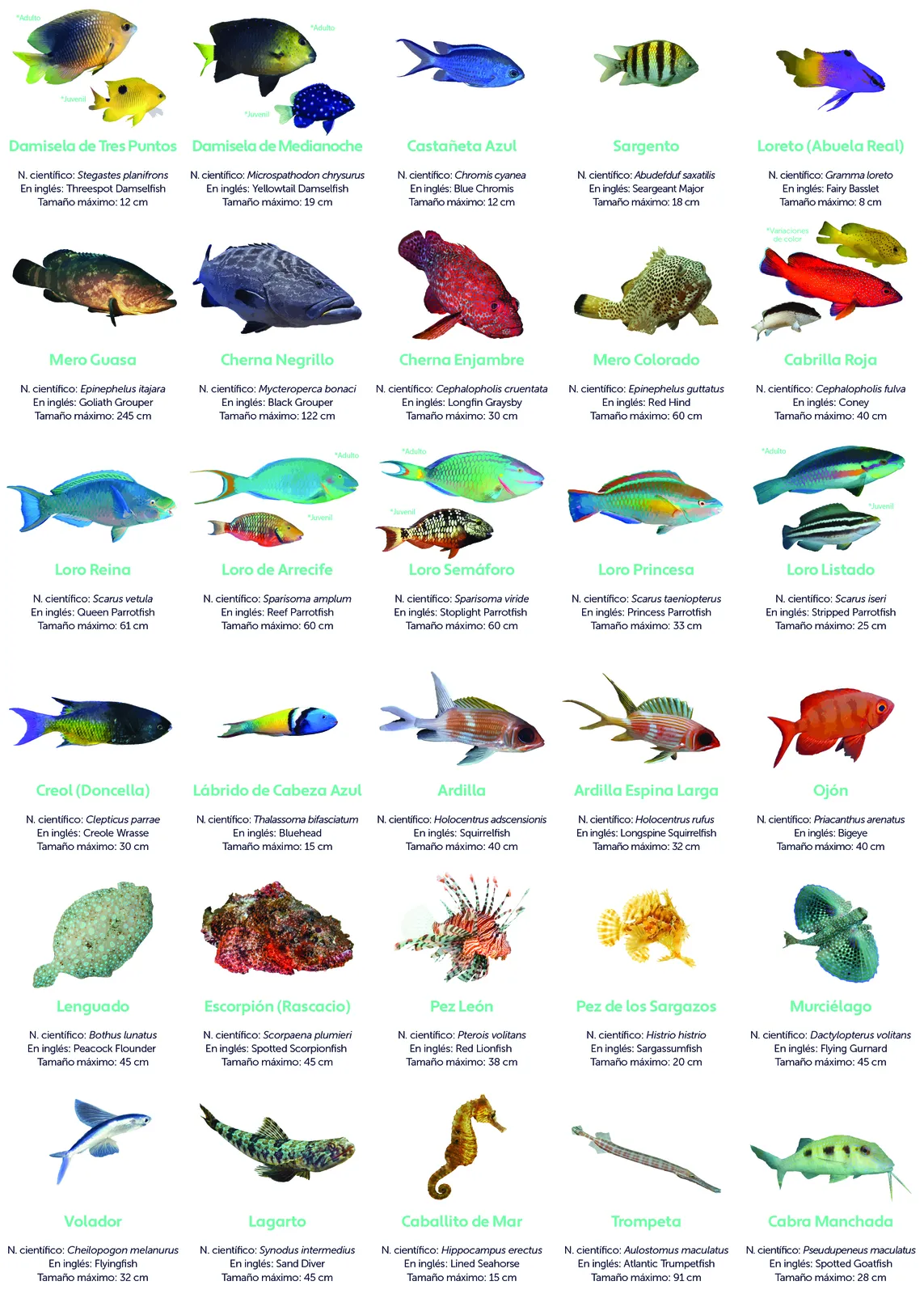
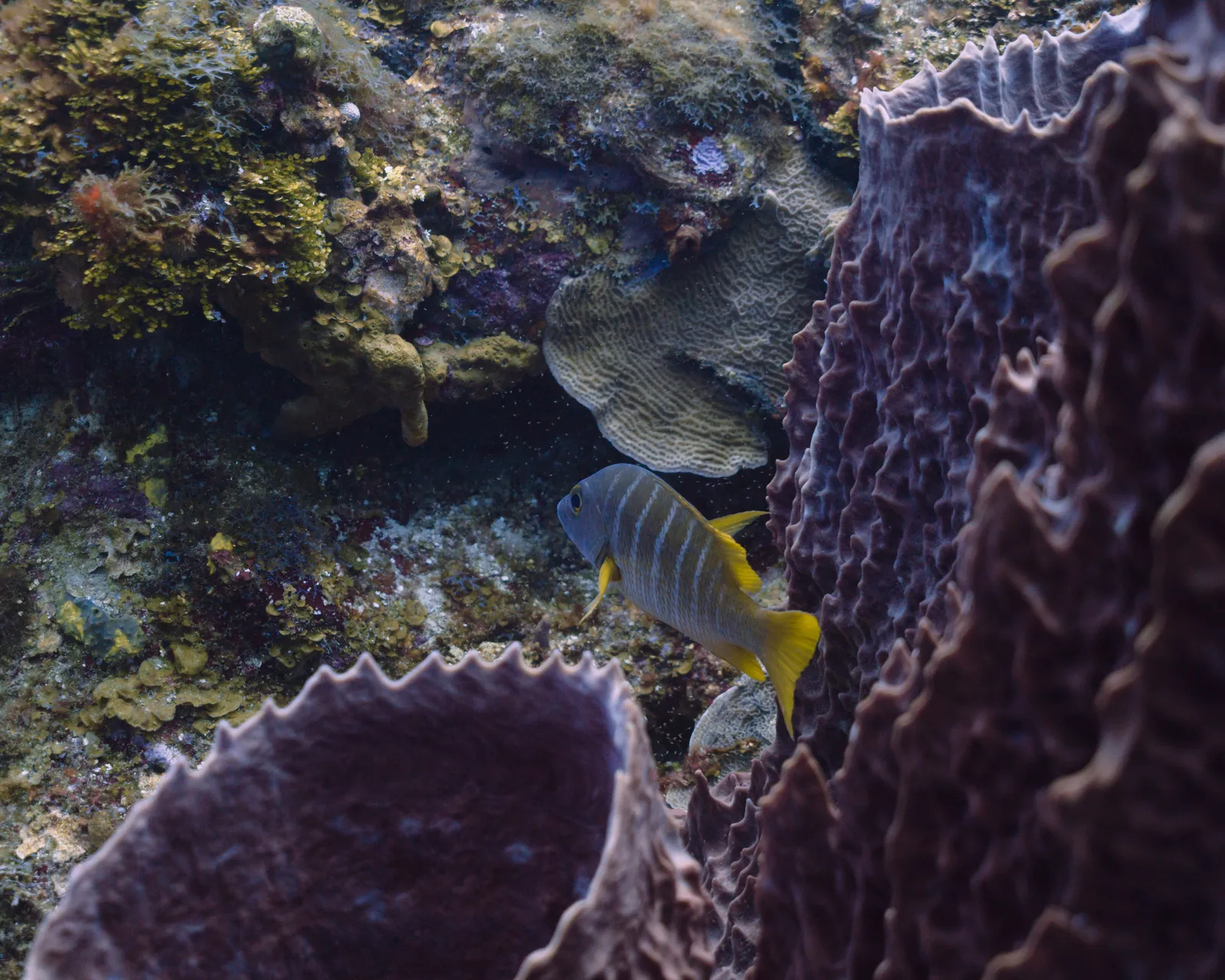
The marine life of Isla Fuerte: coral gardens, sea fans, reef fish, rays, turtles and a Zenú underwater museum across 29 dive sites in warm Caribbean water.
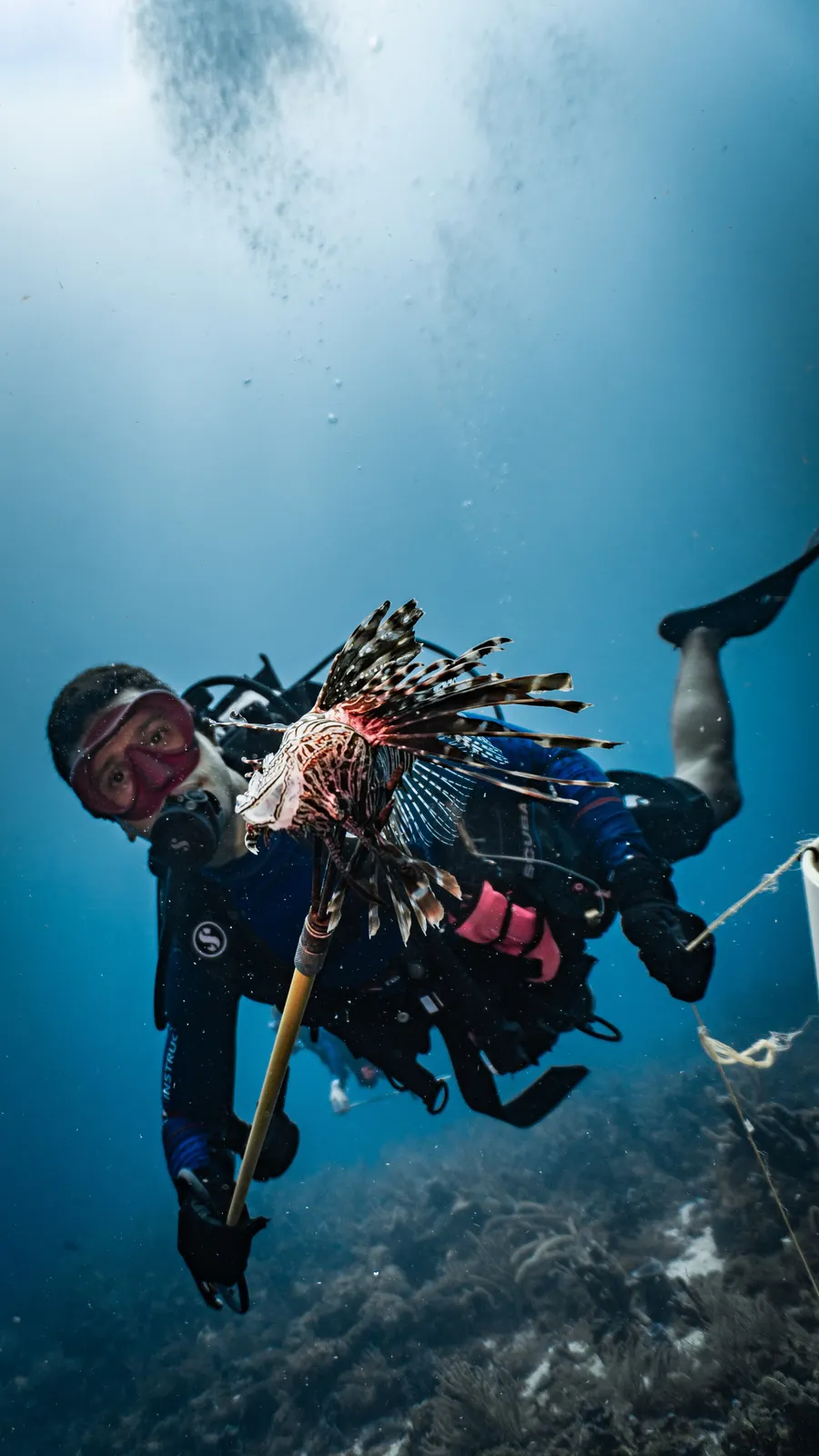
Diving from Medellín: how to escape to Isla Fuerte for warm 27-29°C water, 29 dive sites and healthy reefs. Routes, timing and planning for paisas.
Diving from Montería is the shortest route to Isla Fuerte: Los Garzones is the nearest airport, then land to Paso Nuevo and a boat to the island's 29 dive sites.
Diving from Barranquilla to Isla Fuerte: how to reach the island by land to Paso Nuevo, then a boat to 29 dive sites in warm 27-29°C Caribbean water.
Diving from Bogotá to Isla Fuerte: fly to Montería or Cartagena, continue by land to Paso Nuevo, then a boat to 29 dive sites in warm 27-29°C water.
Night diving in Isla Fuerte reveals a different reef: hunting predators, glowing plankton and animals you never see by day, guided by certified instructors in warm 27-29°C water.
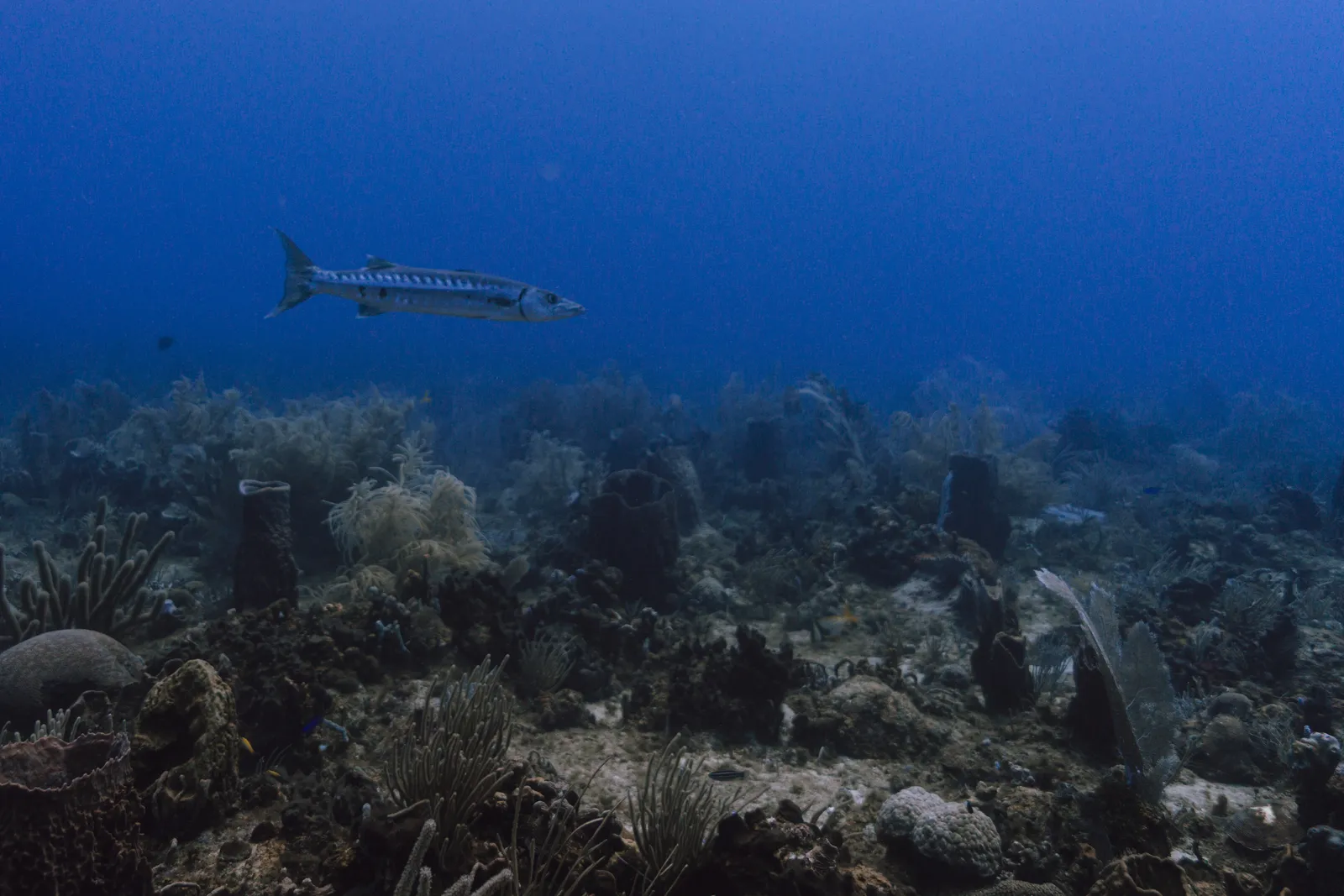
Underwater photography in Isla Fuerte: healthy reefs, sea fans, turtles and a submerged museum in warm, clear 27-29°C water make it a rewarding place to shoot.
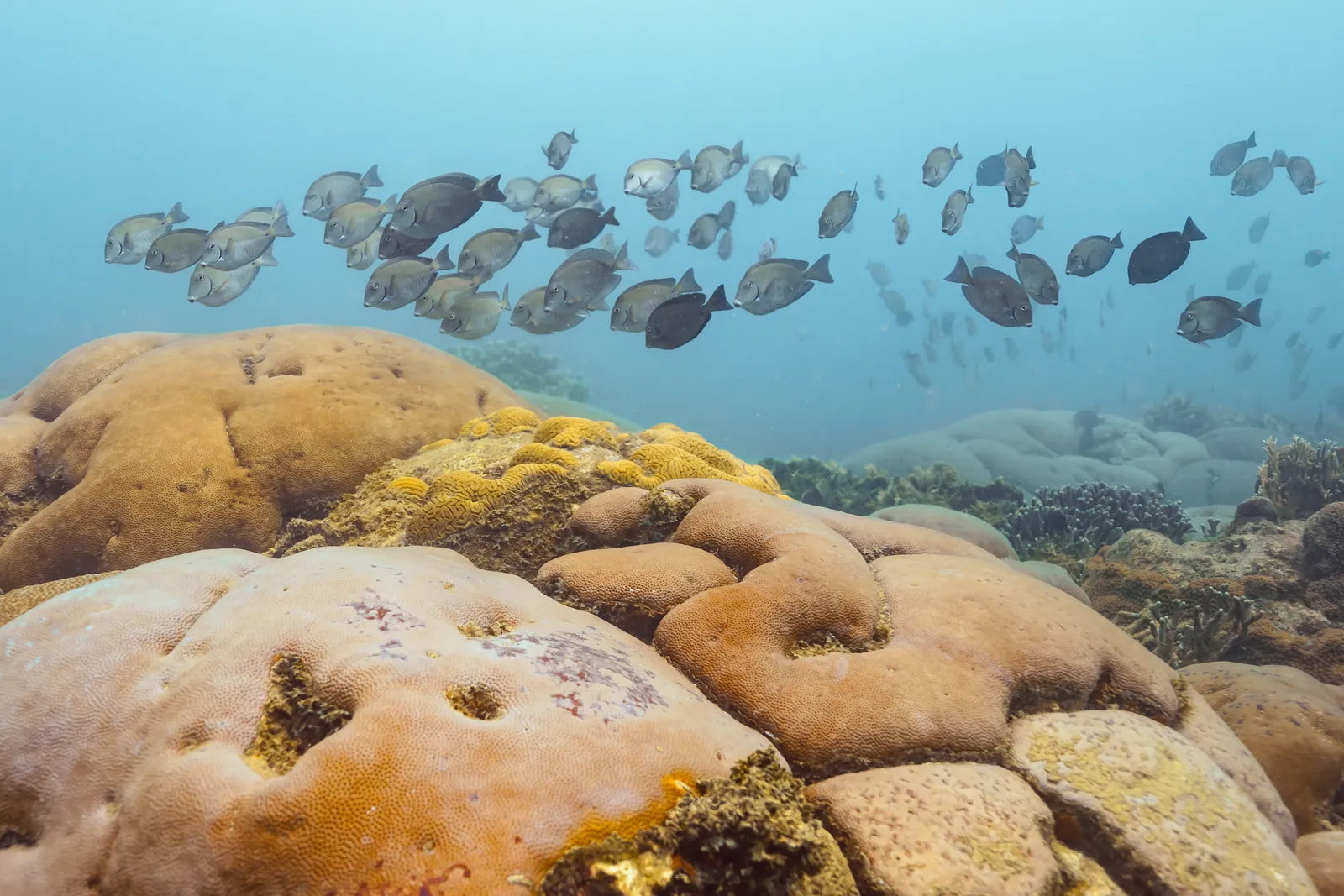
The underwater museum of Bajo Bonito in Isla Fuerte pays tribute to the Zenú heritage: culture and living coral meet on a single dive in warm 27-29°C water.
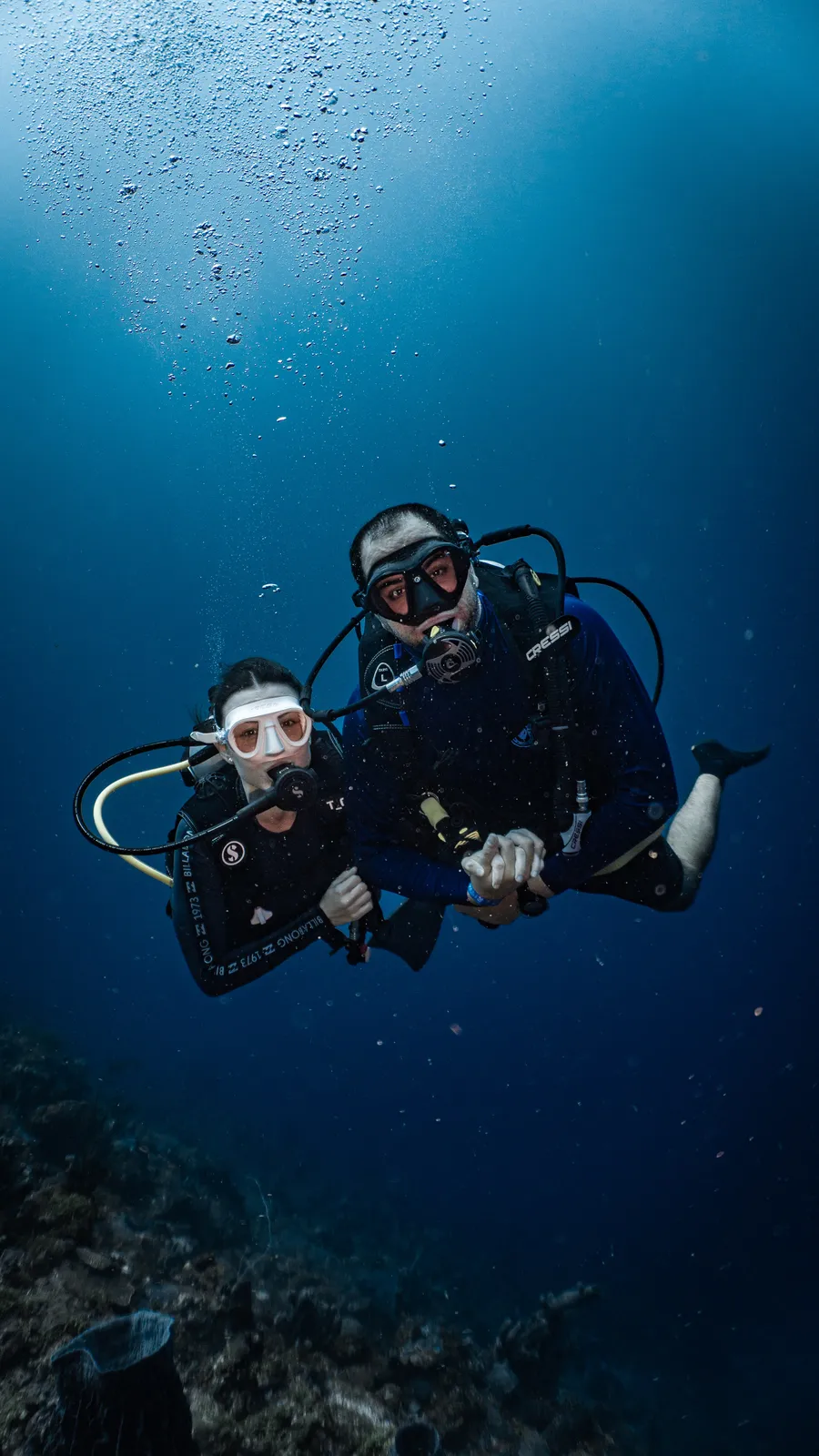
Diving as a couple in Isla Fuerte: learn together, share the reef and unplug on a quiet Caribbean island with beachfront lodging and warm 27-29°C water.
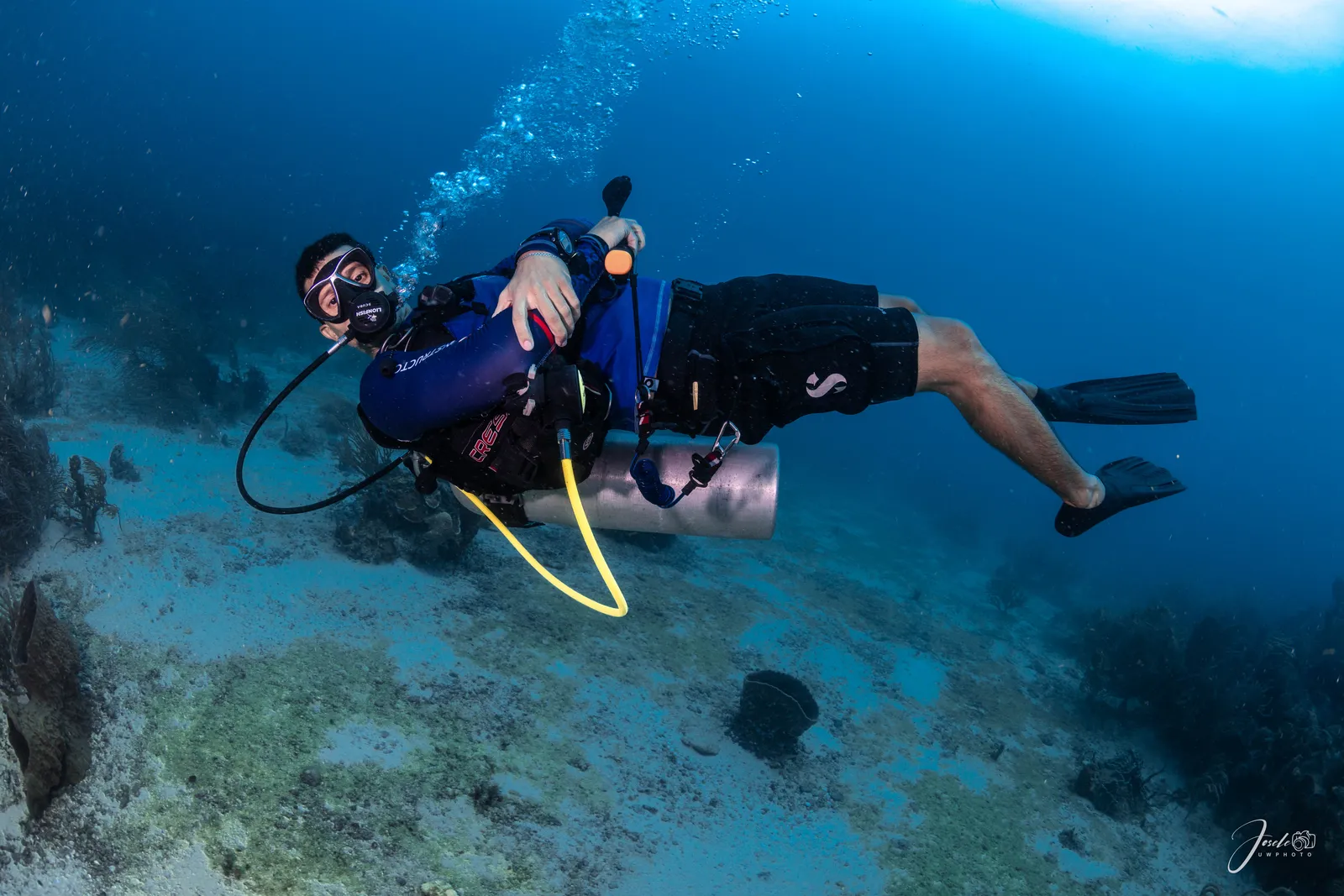
Where to see turtles diving in Isla Fuerte: healthy reefs, sea grass and 29 dive sites in warm 27-29°C water give you real chances to meet sea turtles responsibly.
Diving from Sincelejo is a short hop to Isla Fuerte: reach Paso Nuevo by land, then a boat to the island's 29 dive sites in warm 27-29°C Caribbean water.
The PADI Advanced Open Water course in Isla Fuerte expands your diving with deep and navigation dives plus adventure specialties, in warm 27-29°C water and small groups.
What to pack for a diving trip to Isla Fuerte: the essentials for a small Caribbean island with warm 27-29°C water, from sun protection to documents and gear.
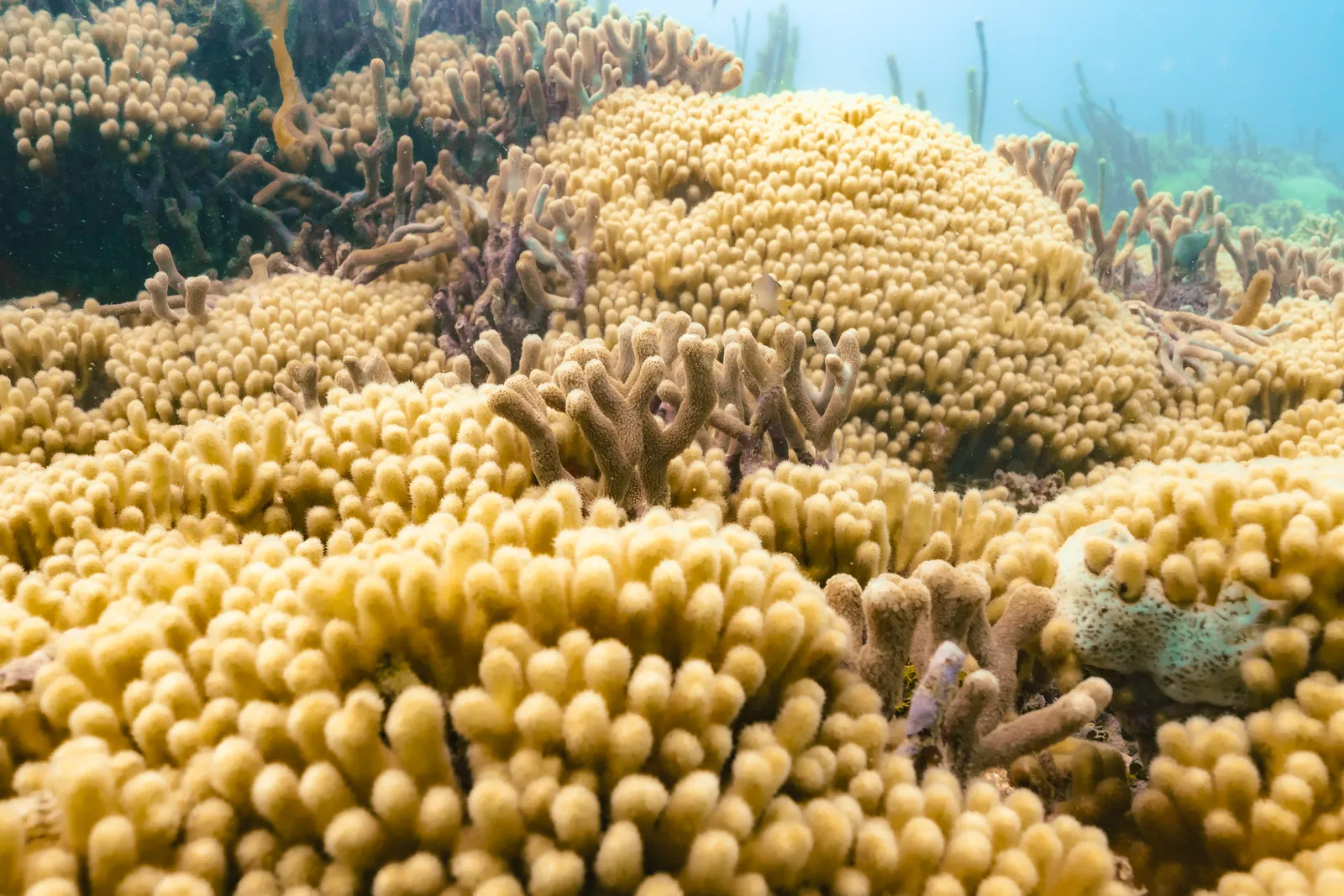
Is it safe to dive in Isla Fuerte? Yes, with the right operator: PADI standards, certified instructors, small groups, a medical questionnaire and conservative dive plans.
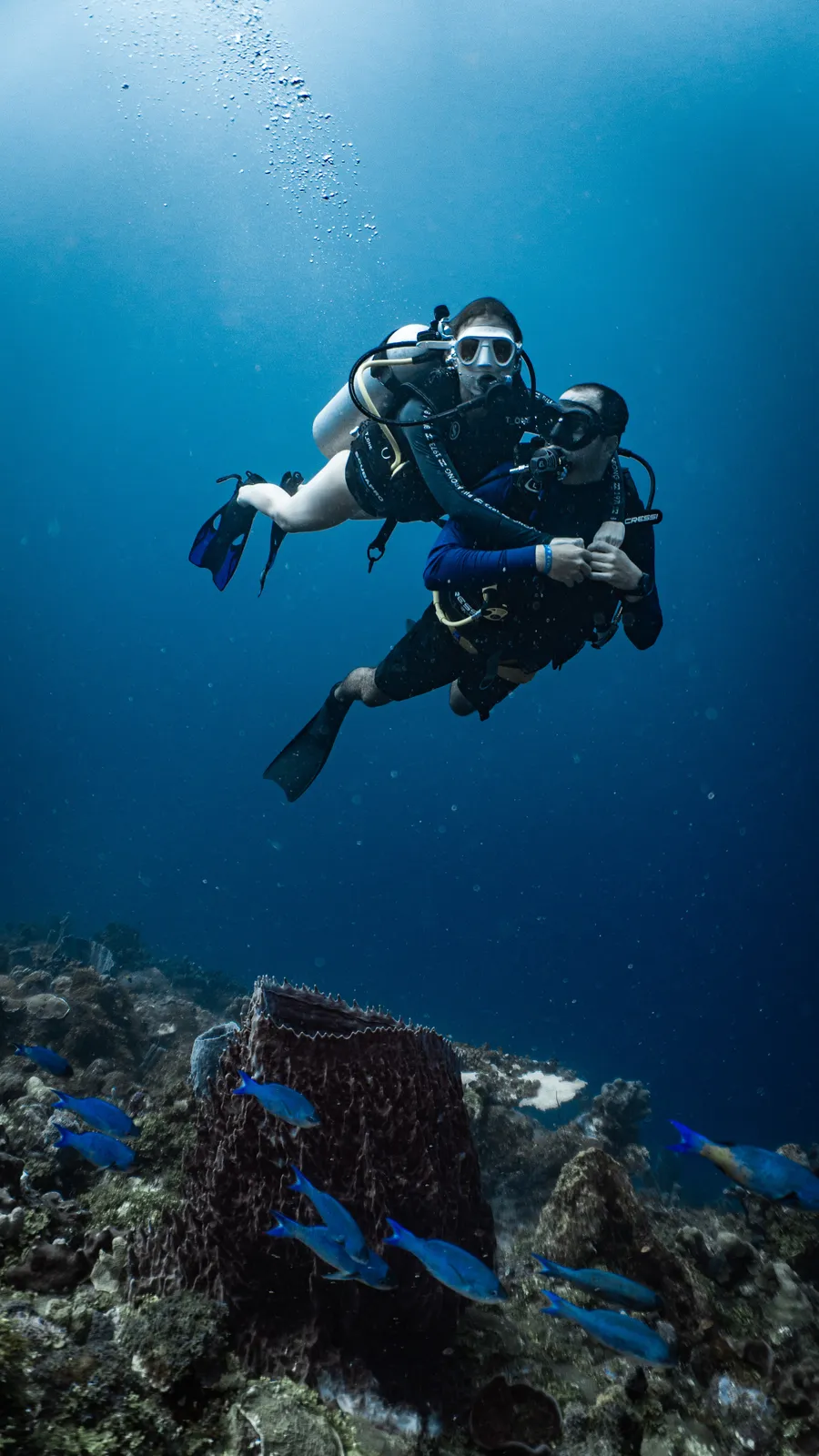
Family diving trips in Isla Fuerte: PADI programs for kids and teens, snorkeling for everyone and warm, calm 27-29°C water make it a great plan for the whole family.
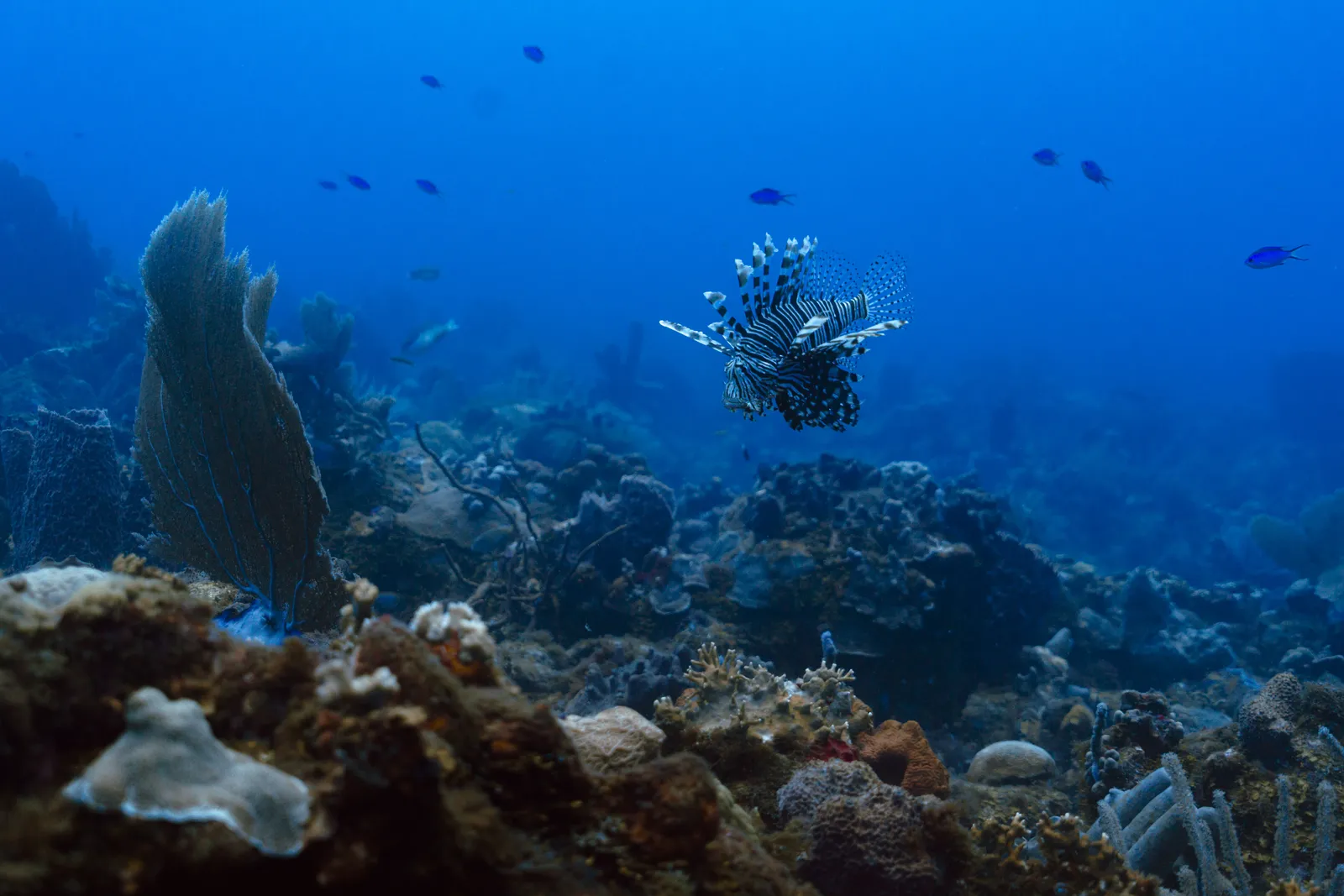
Diving expeditions in Isla Fuerte for certified divers: explore the island's 29 dive sites over several days, from coral walls to the submerged museum, in warm 27-29°C water.
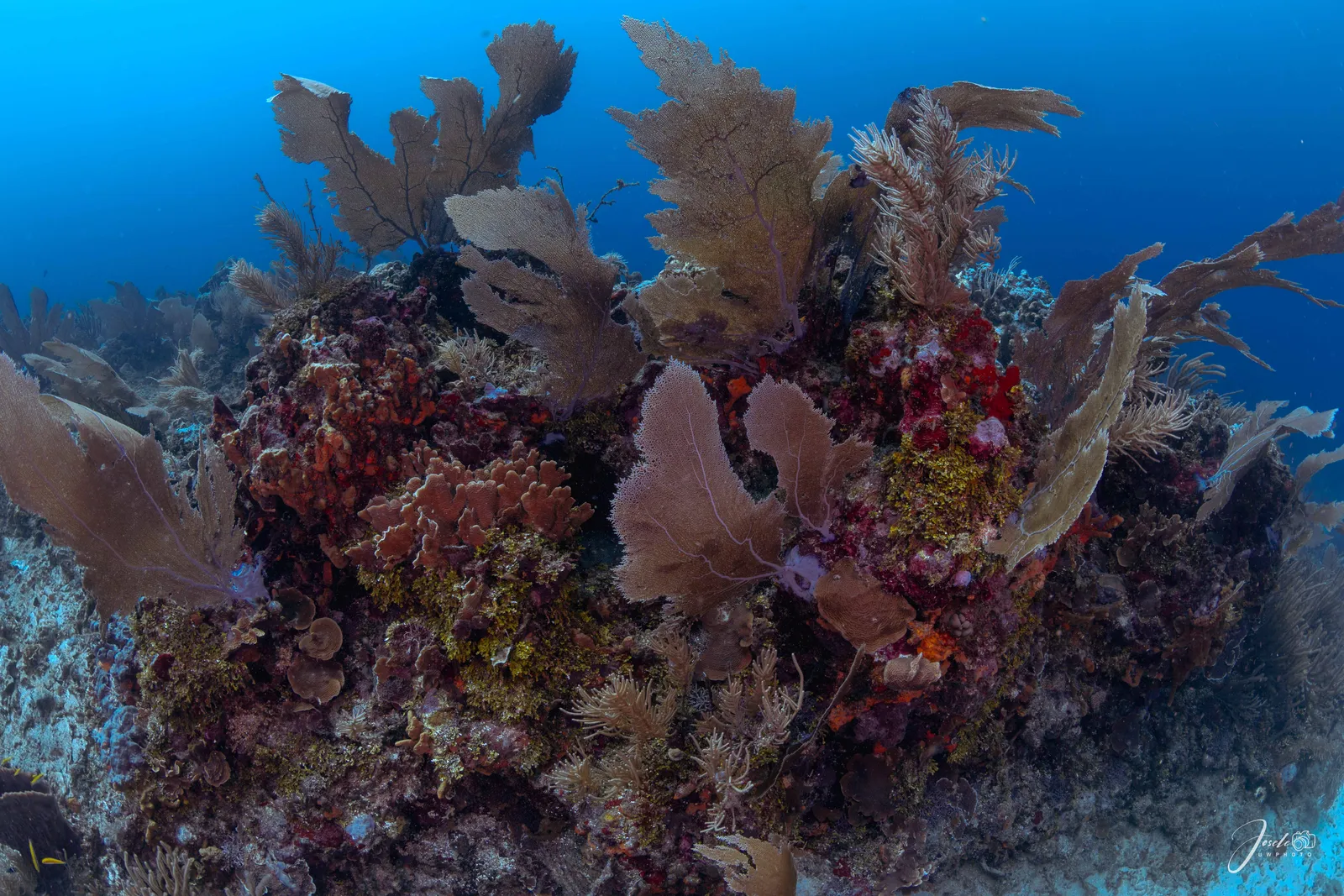
The coral reefs of Isla Fuerte are healthy and alive: hard and soft corals, sea fans, sponges and the fish, rays and turtles they shelter, in warm, clear 27-29°C water.
A weekend of diving in Isla Fuerte: how to make the most of two or three days on a small Caribbean island with 29 dive sites and warm 27-29°C water.
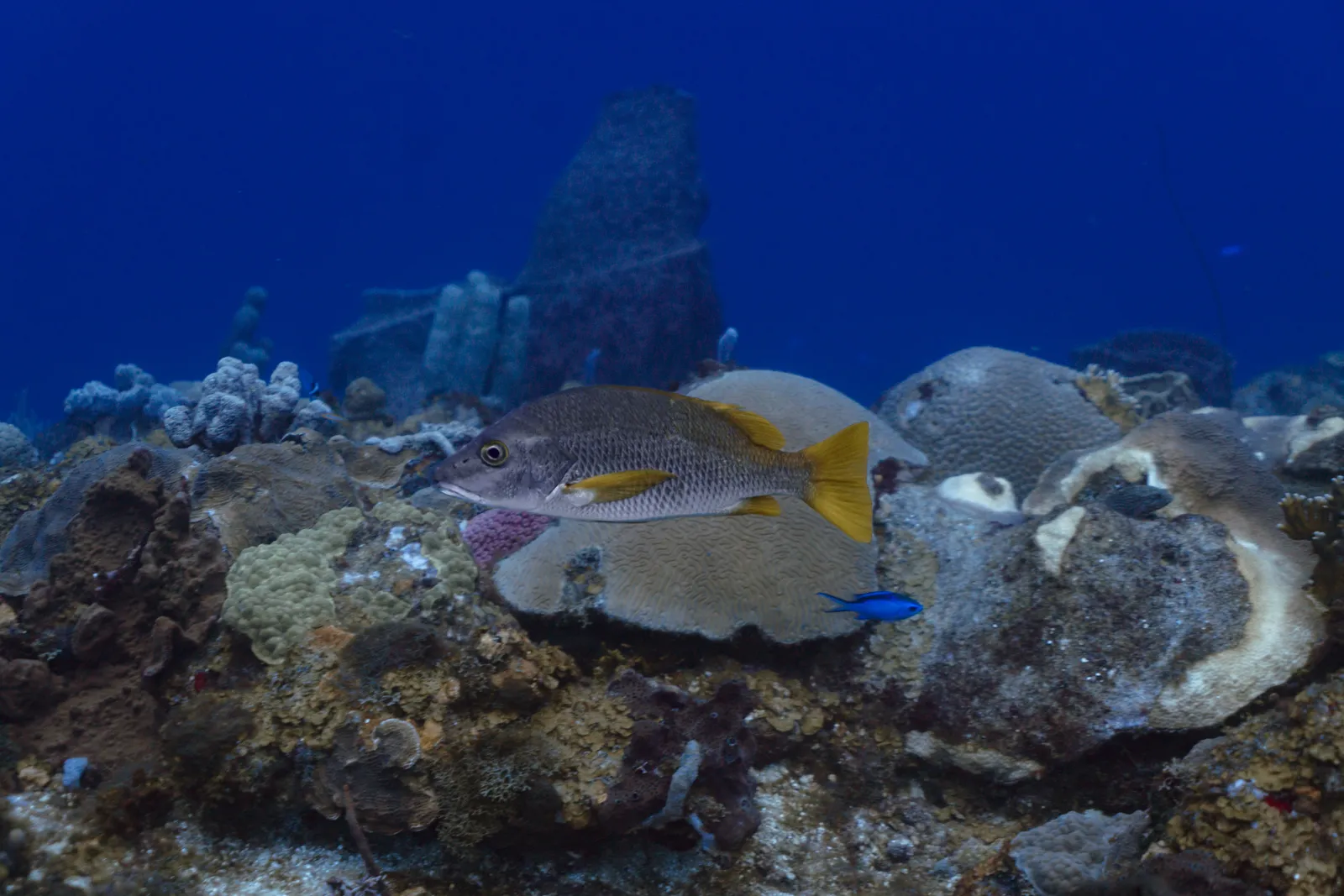
A month-by-month guide to diving Isla Fuerte in January: conditions, visibility, marine life and how to plan.
A month-by-month guide to diving Isla Fuerte in February: conditions, visibility, marine life and how to plan.
A month-by-month guide to diving Isla Fuerte in March: conditions, visibility, marine life and how to plan.
A month-by-month guide to diving Isla Fuerte in April: conditions, visibility, marine life and how to plan.
A month-by-month guide to diving Isla Fuerte in May: conditions, visibility, marine life and how to plan.
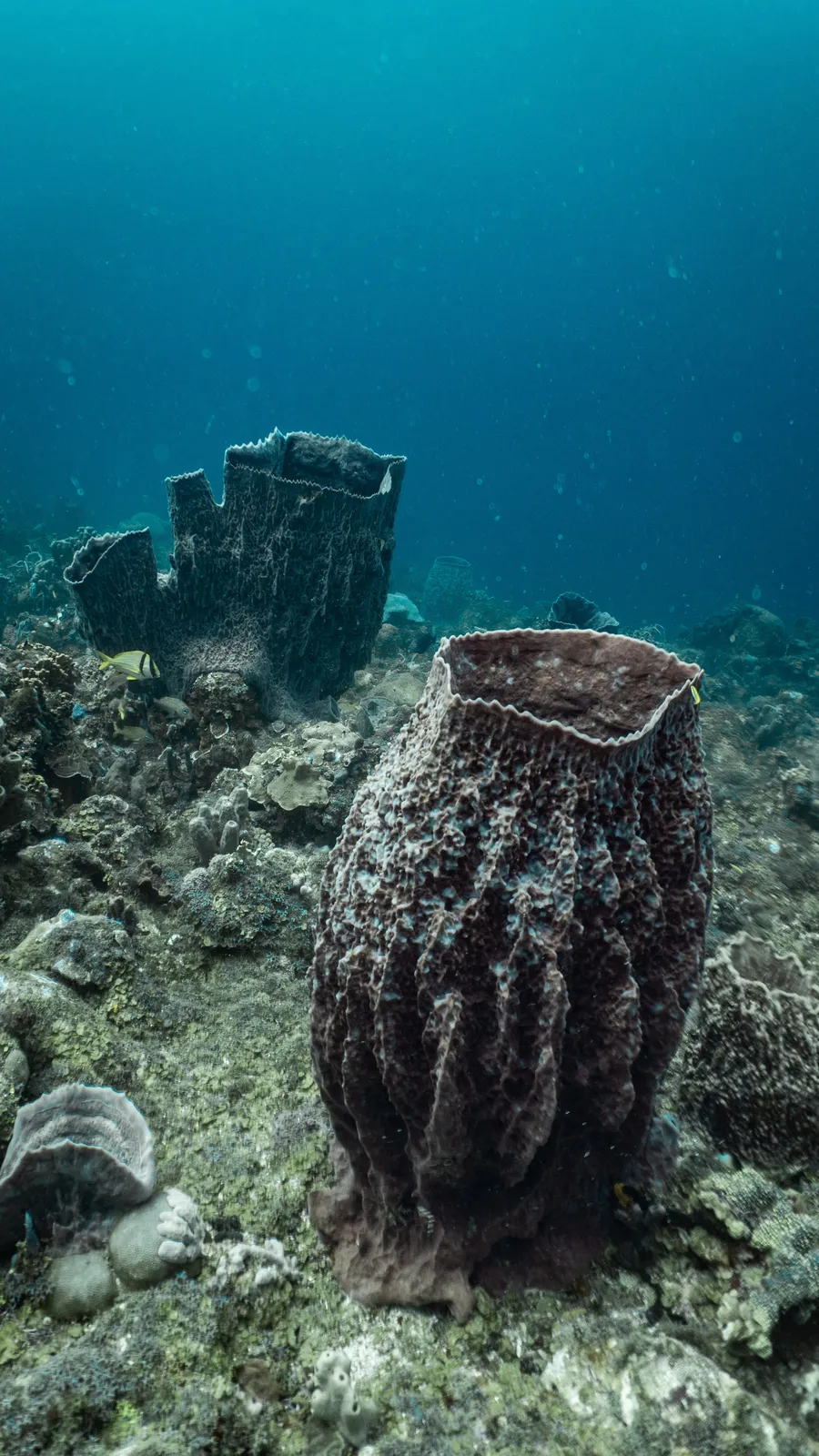
A month-by-month guide to diving Isla Fuerte in June: conditions, visibility, marine life and how to plan.
A month-by-month guide to diving Isla Fuerte in July: conditions, visibility, marine life and how to plan.
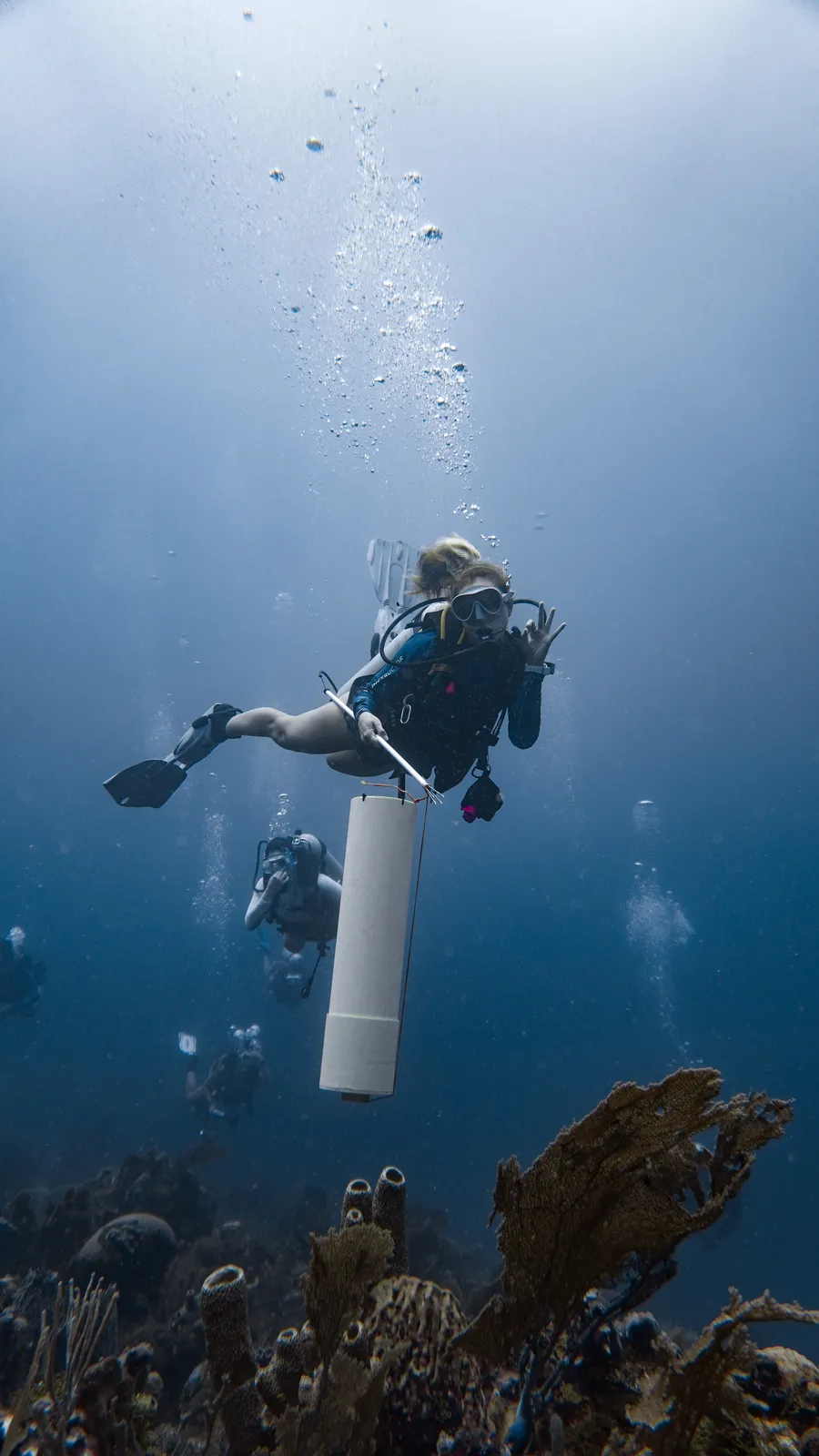
A month-by-month guide to diving Isla Fuerte in August: conditions, visibility, marine life and how to plan.
A month-by-month guide to diving Isla Fuerte in September: conditions, visibility, marine life and how to plan.
A month-by-month guide to diving Isla Fuerte in October: conditions, visibility, marine life and how to plan.
A month-by-month guide to diving Isla Fuerte in November: conditions, visibility, marine life and how to plan.
A month-by-month guide to diving Isla Fuerte in December: conditions, visibility, marine life and how to plan.
Step-by-step directions to reach Isla Fuerte from Montería: road, airport, the boat from Paso Nuevo, timing and parking.
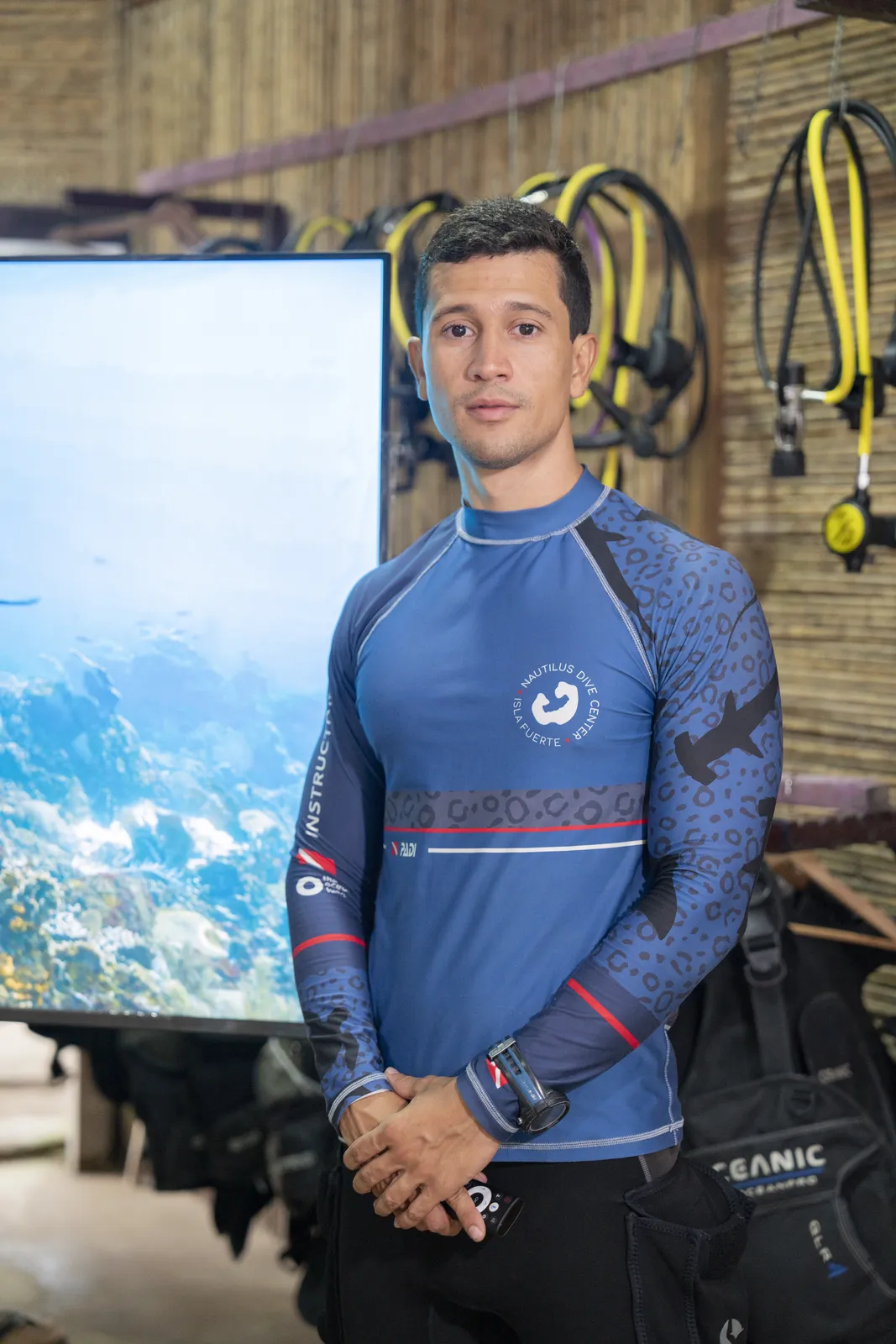
Step-by-step directions to reach Isla Fuerte from Medellín: road, airport, the boat from Paso Nuevo, timing and parking.
Step-by-step directions to reach Isla Fuerte from Cartagena: road, airport, the boat from Paso Nuevo, timing and parking.
Step-by-step directions to reach Isla Fuerte from Bogotá: road, airport, the boat from Paso Nuevo, timing and parking.
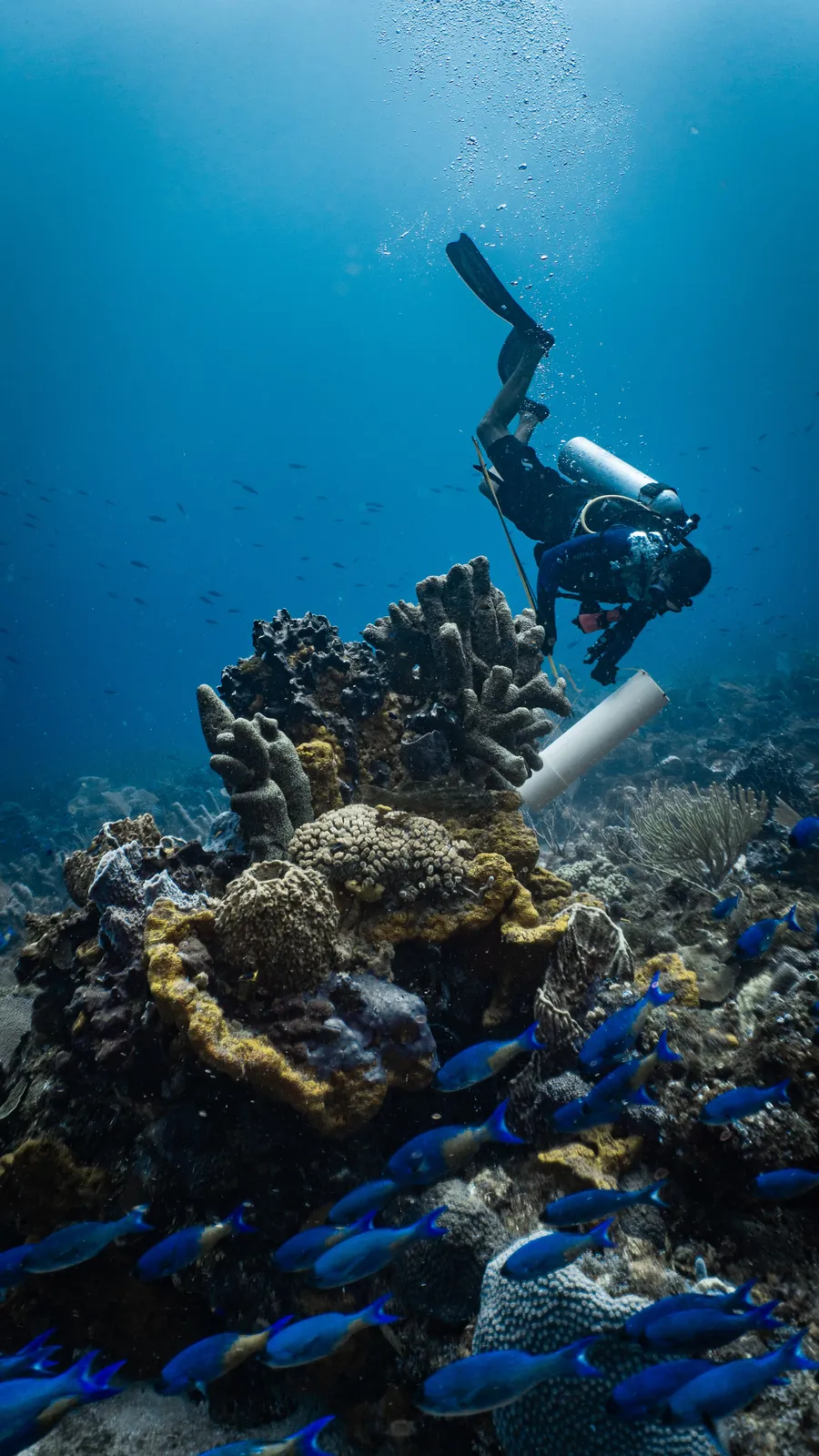
Step-by-step directions to reach Isla Fuerte from Barranquilla: road, airport, the boat from Paso Nuevo, timing and parking.
Step-by-step directions to reach Isla Fuerte from Sincelejo: road, airport, the boat from Paso Nuevo, timing and parking.
The best dive sites in Isla Fuerte for first-timers and new divers, and how to plan them with Nautilus.
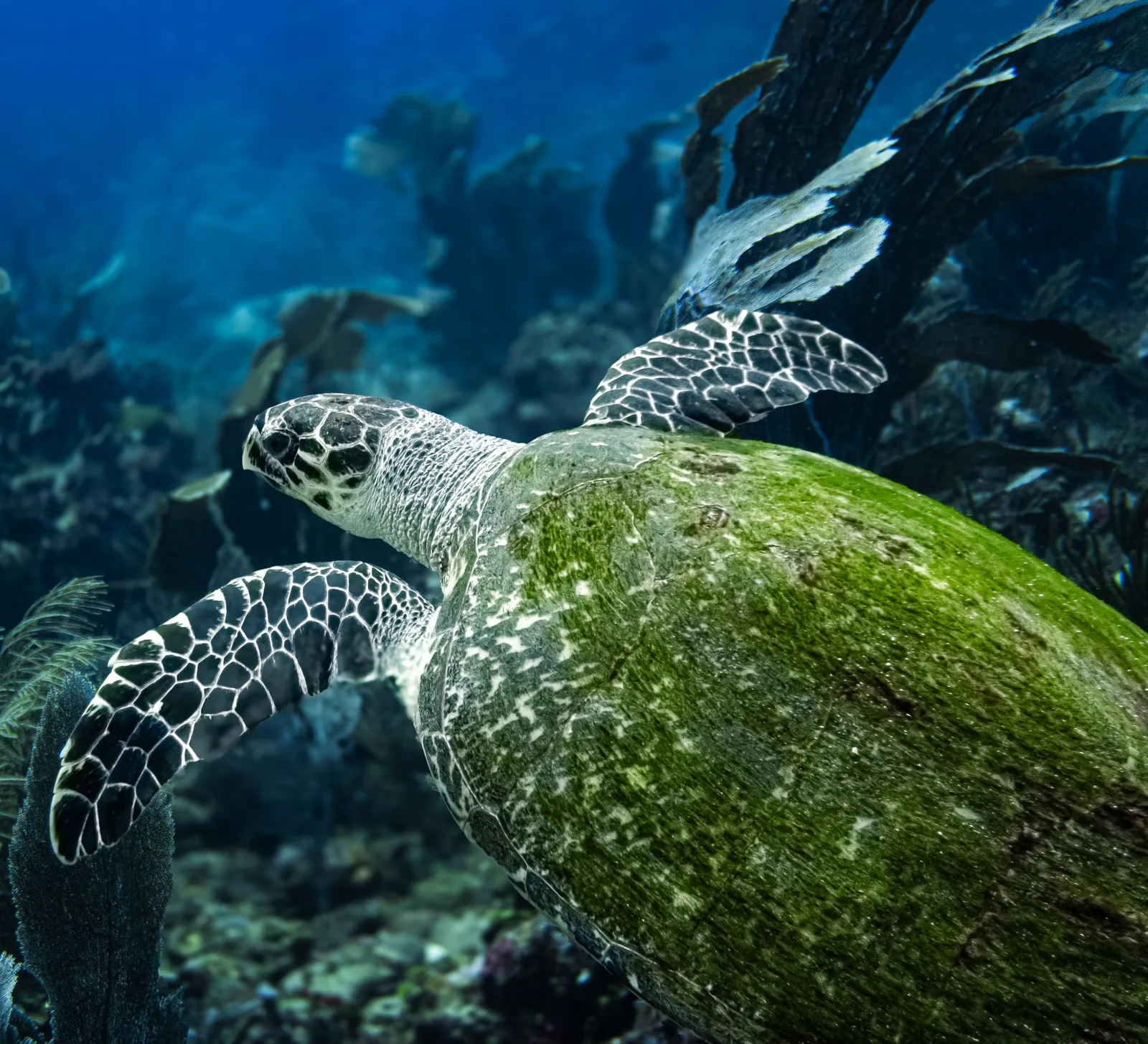
The best dive sites in Isla Fuerte for underwater photographers, and how to plan them with Nautilus.
The best dive sites in Isla Fuerte for divers who want sharks, and how to plan them with Nautilus.
The best dive sites in Isla Fuerte for turtle lovers, and how to plan them with Nautilus.
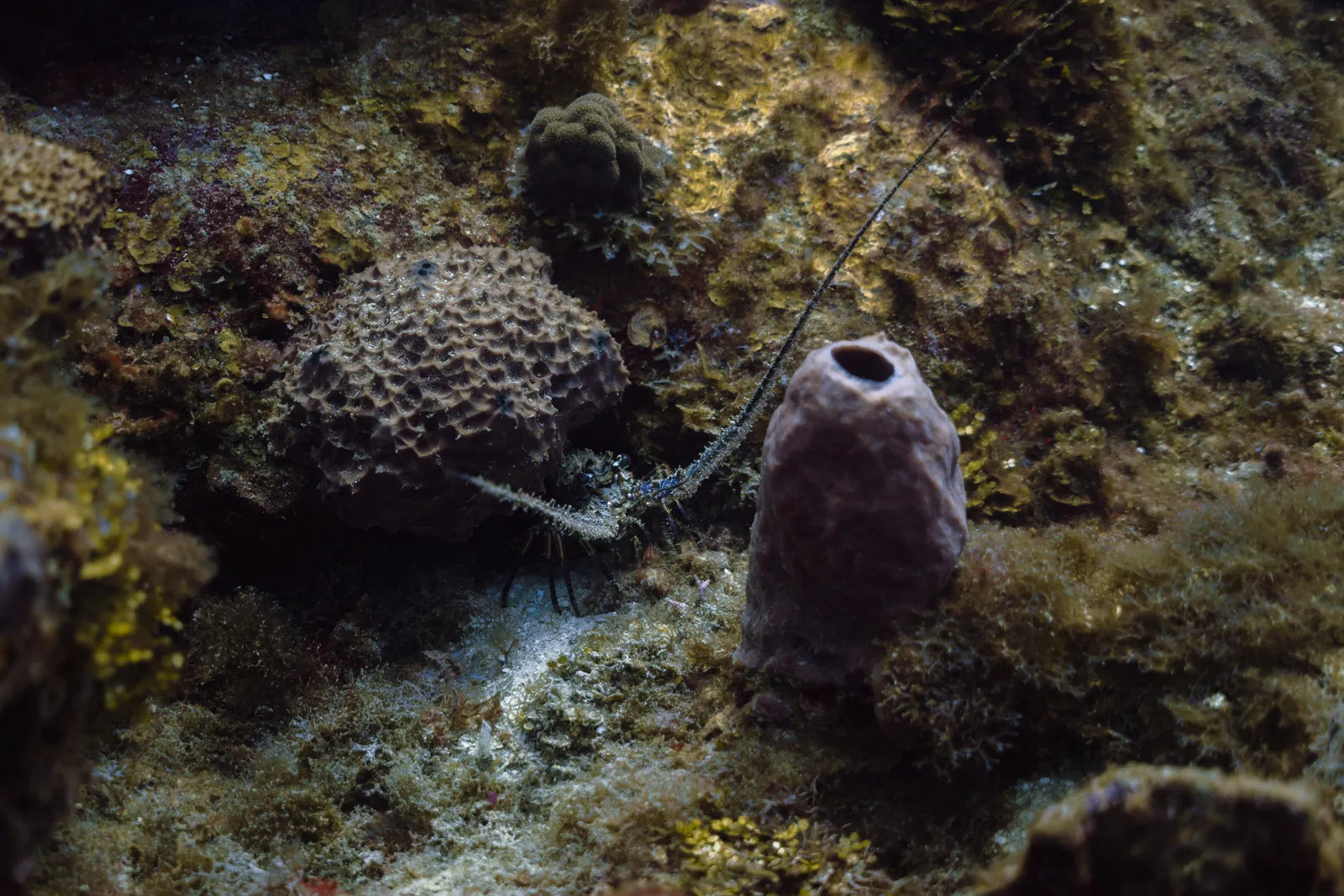
The best dive sites in Isla Fuerte for lovers of the small stuff, and how to plan them with Nautilus.
The best dive sites in Isla Fuerte for advanced divers, and how to plan them with Nautilus.
The best dive sites in Isla Fuerte for divers ready for the dark, and how to plan them with Nautilus.
The best dive sites in Isla Fuerte for coral lovers, and how to plan them with Nautilus.