The moray eel is one of the reef's most misunderstood residents, its constant open-mouthed gape looking fierce when it is simply breathing. In reality morays are shy, mostly nocturnal predators that spend the day tucked into crevices. They have poor eyesight but an excellent sense of smell, and they pose no threat to divers who keep their hands to themselves. A second set of jaws hidden in the throat helps them pull prey down, one of the strangest adaptations on the reef. Once you understand them, that toothy face becomes fascinating rather than frightening, and morays turn into one of the most rewarding animals to watch.
How to recognize it
Look for a long, muscular, snake-like body wedged into a hole in the reef, with only the head showing. The green moray is a large uniform olive, while the spotted moray wears a pale coat covered in dark speckles.
That open mouth full of teeth is the classic image, but remember it opens and closes simply to pump water over the gills to breathe.
Behavior
Morays hunt mainly at night, using their keen sense of smell to hunt fish, octopus and crustaceans, sometimes even cooperating with groupers to flush prey from the reef. By day they rest in their den.
They are not aggressive, but bites happen when divers reach into holes or try to feed them. The rule is simple: never put your hands where you cannot see.
Where it lives
Around 200 species of moray live in warm and temperate seas worldwide, hiding in reef crevices, rocky ledges and wrecks. Each eel tends to keep to a favorite hole for long periods.
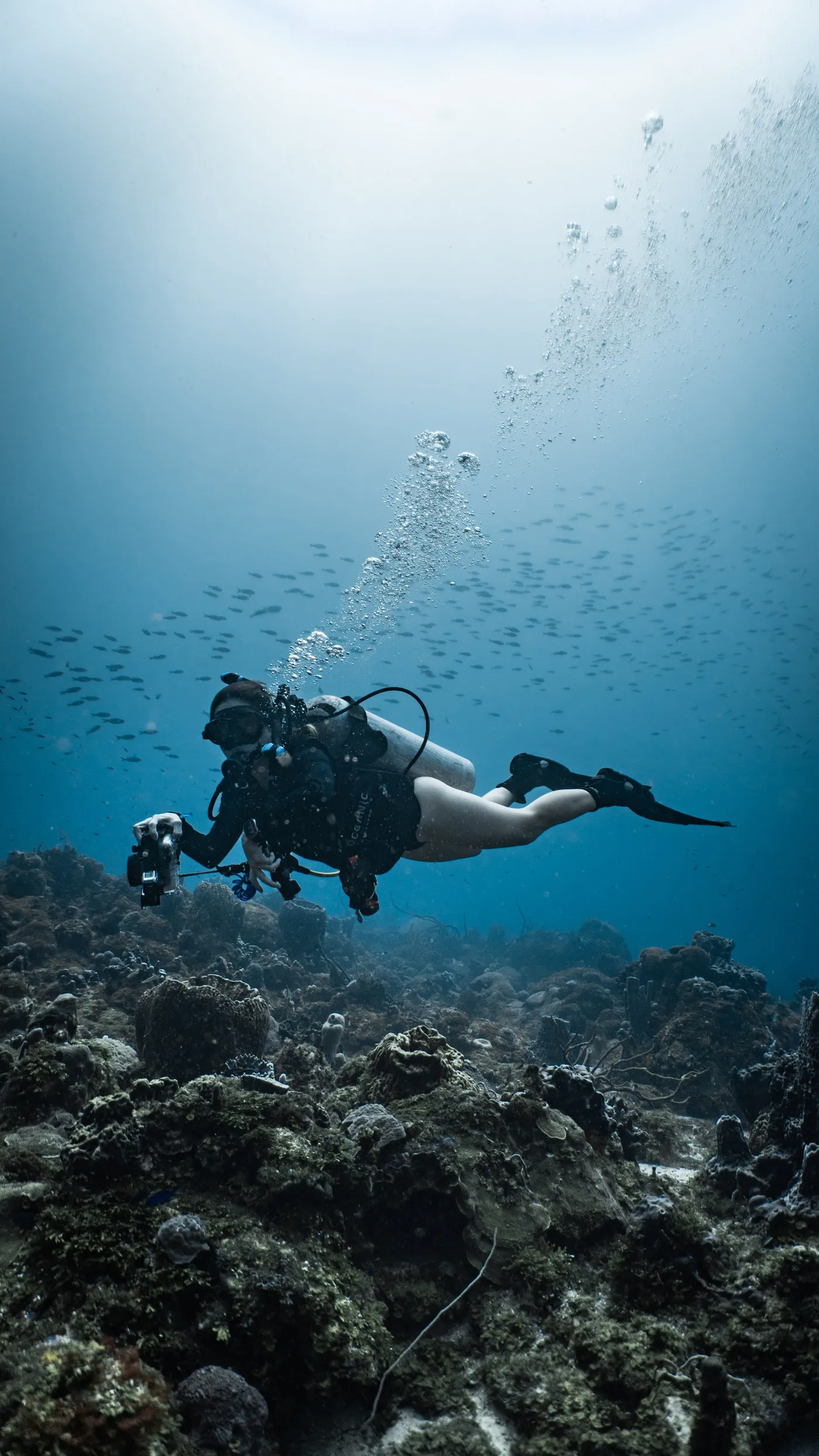
They are common on the reefs of Isla Fuerte, so peering into the ledges here you may well meet a moray watching you calmly from its den.
Conservation
Morays are not generally threatened, but they suffer from reef degradation and from being caught for food or the aquarium trade in some regions. As important reef predators, they help keep fish and invertebrate populations balanced.
Never feed morays, which teaches them to associate divers with food and can lead to bites. Just observe and let them be.
A diver's note from Isla Fuerte
Meeting a moray is a rite of passage, and Isla Fuerte gives you gentle, well-preserved reefs to do it on. Our instructors will show you how to read the animal's body language and enjoy it safely, part of the calm, small-group diving that makes this hidden Caribbean reef so special.
Come see them for yourself through our courses and dives, and pick your reef on the interactive dive map.