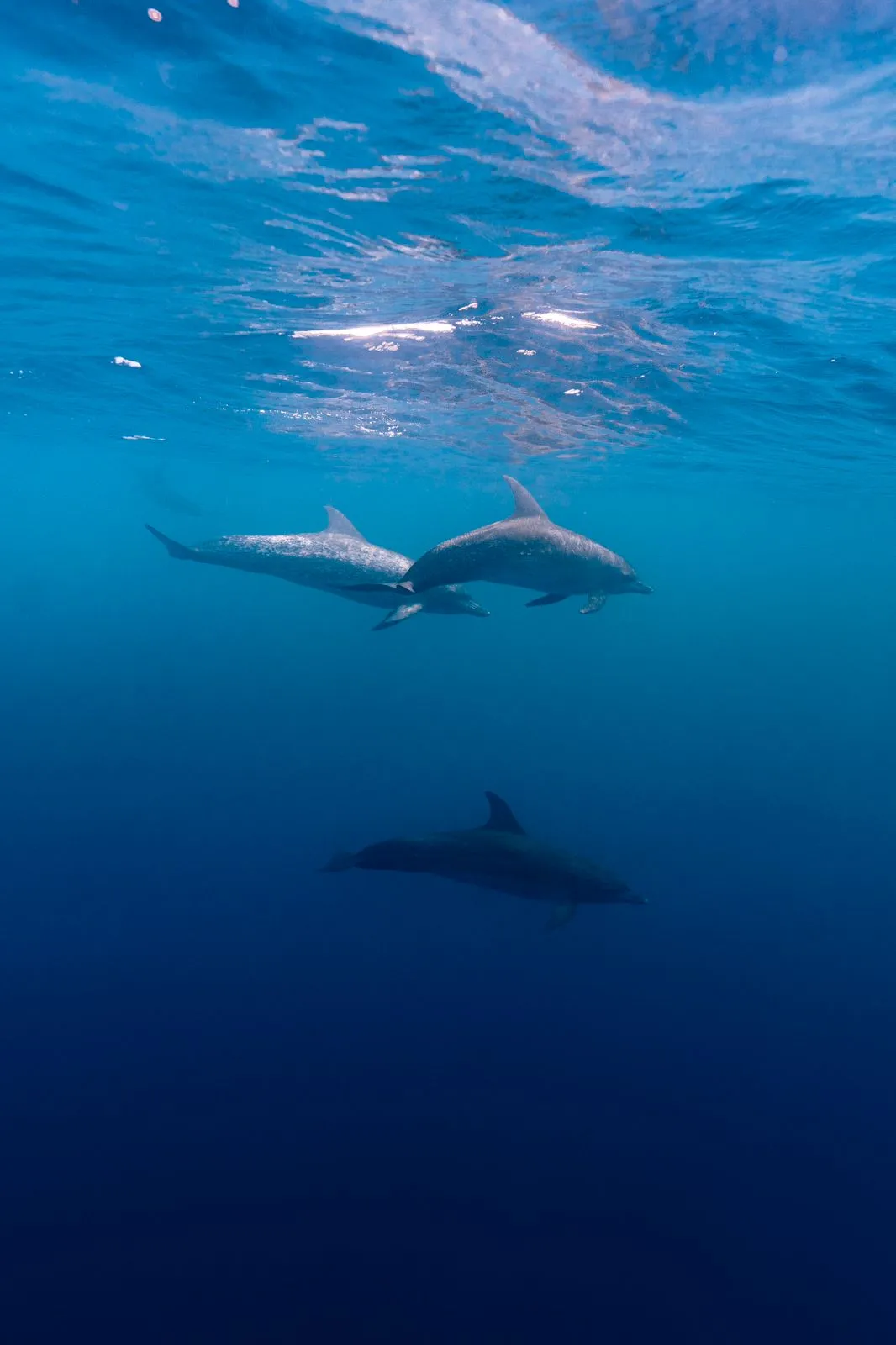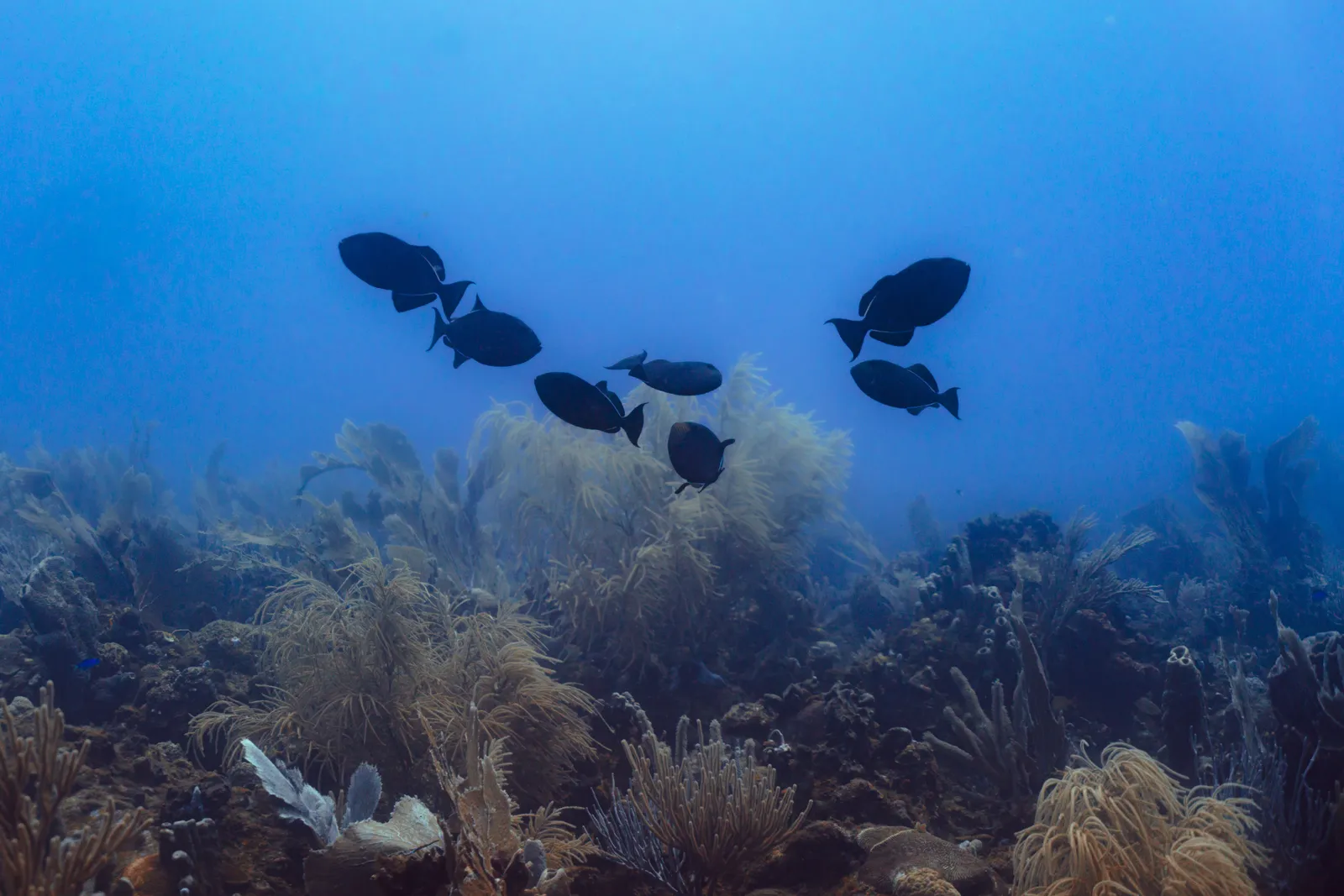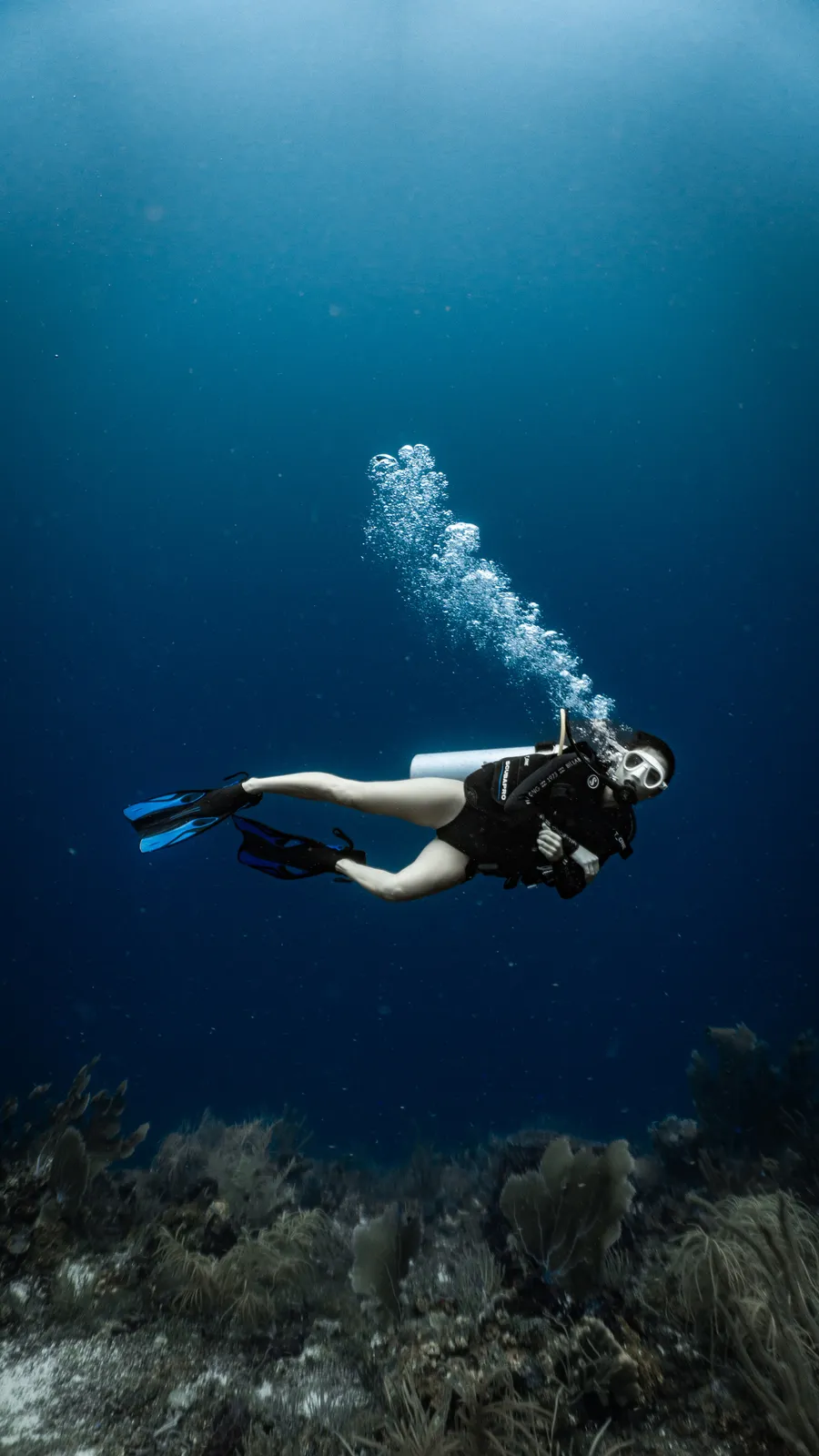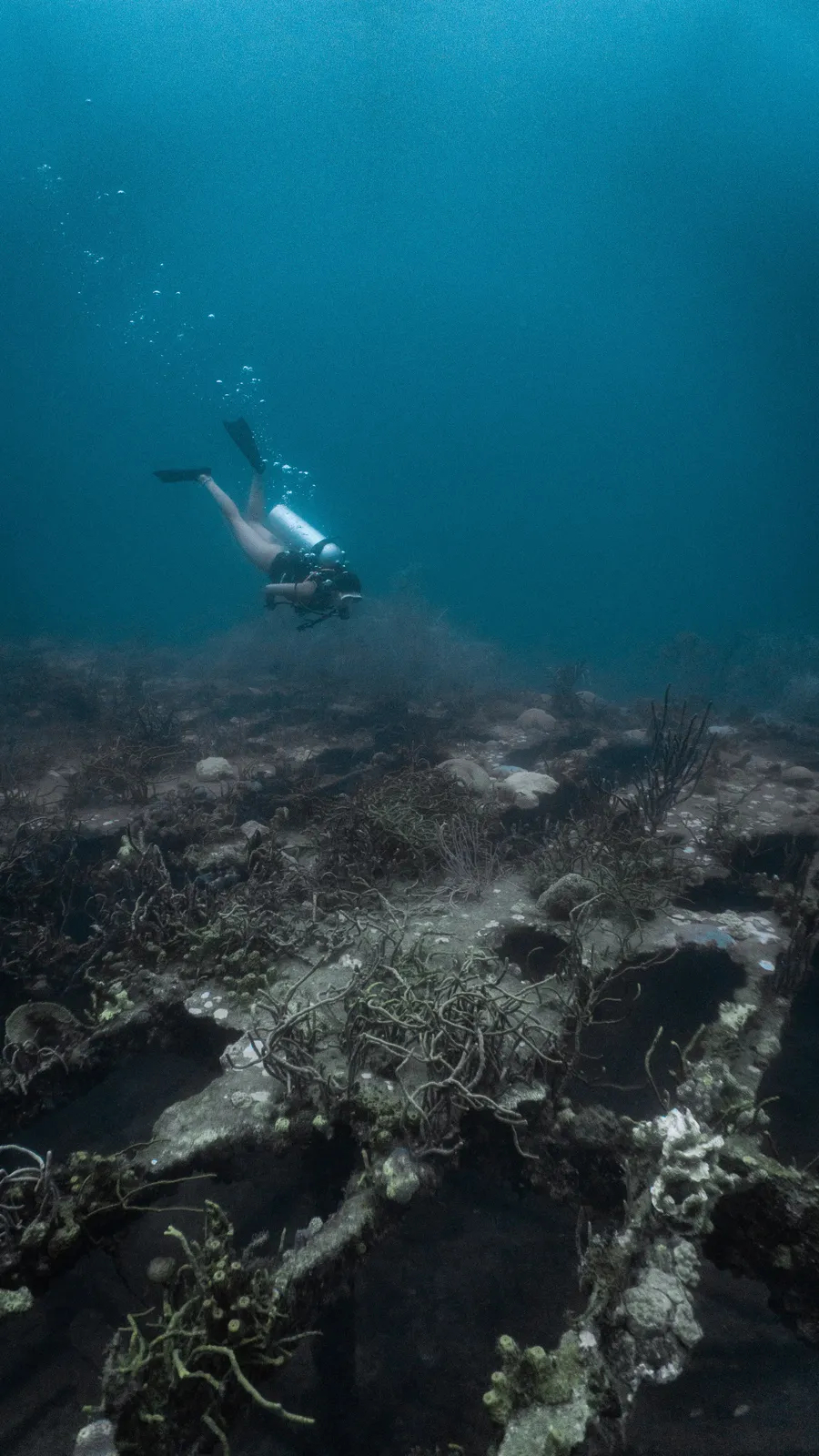
The PADI Underwater Photographer specialty teaches you to bring home images that actually look like what you saw. Water eats light and color, so photos taken without technique come out blue and flat. This course shows you how modern cameras, from action cams to housed compacts, can capture the true colors and life of the reef. It is one of the most rewarding specialties, because every future dive becomes a chance to create something beautiful.
The challenge of light
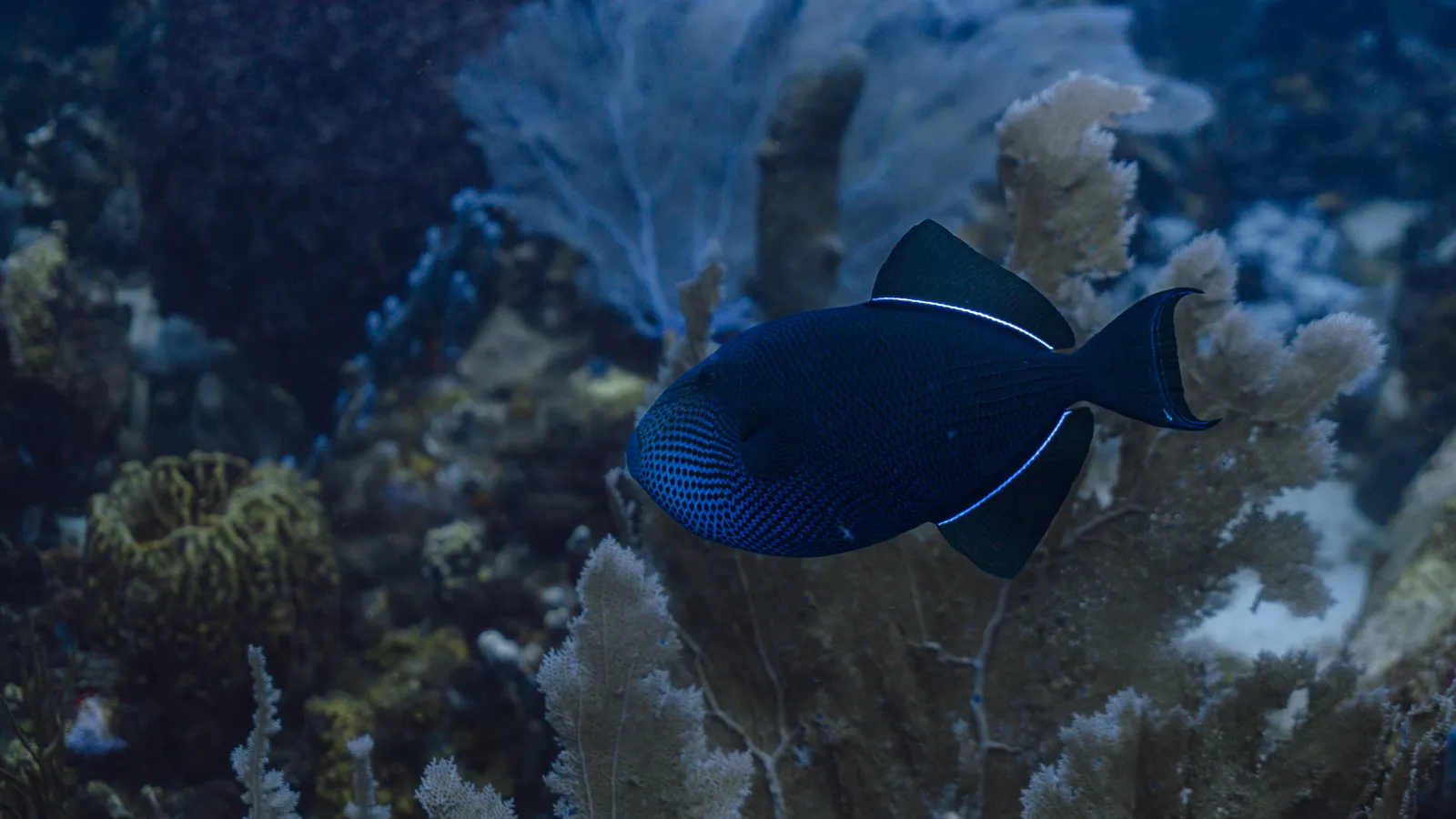
Water absorbs red light within the first few meters, then orange and yellow, which is why deep photos look blue. The course teaches you to solve this with white balance, with getting close to your subject, and with artificial light from a strobe or video light.
Understanding this one problem changes every photo you take from that day on.
PADI's SEA method
The course is built around a simple framework: Shoot, Examine and Adjust. You take a photo, review it immediately on your screen, and change your settings or position before shooting again.
This loop teaches you faster than any manual, because the reef gives you instant feedback. You also learn composition basics like shooting slightly upward and filling the frame.
Buoyancy comes first
Good underwater photography depends on rock-solid buoyancy, because you need both hands on the camera and you must never brace on the coral. That is why calm, controlled diving matters more than an expensive camera.
You need a PADI Open Water certification and to be at least 10 years old. The specialty usually takes two dives.
Choosing your camera
You do not need expensive gear to start. A simple action camera in a housing, or a compact camera with a basic underwater case, is enough to learn on, and many divers begin with exactly that.
As you progress you can add a red filter for natural light shooting, or a strobe and video light to restore color and freeze motion. The most important upgrade, though, is always technique: getting close, staying steady and shooting slightly upward matters far more than the price of the camera.
Photogenic reefs at Isla Fuerte
Isla Fuerte is a photographer's dream: warm, clear water, best visibility from March to May and September to October, and standout sites like Bajo Bonito with its submerged Zenú museum and coral restoration. As one of the continental Caribbean's best-preserved reefs, it rewards patient shooters.
At Nautilus, small groups and certified instructors give you the space to compose your shots. Check our courses and dives and start building your portfolio here.