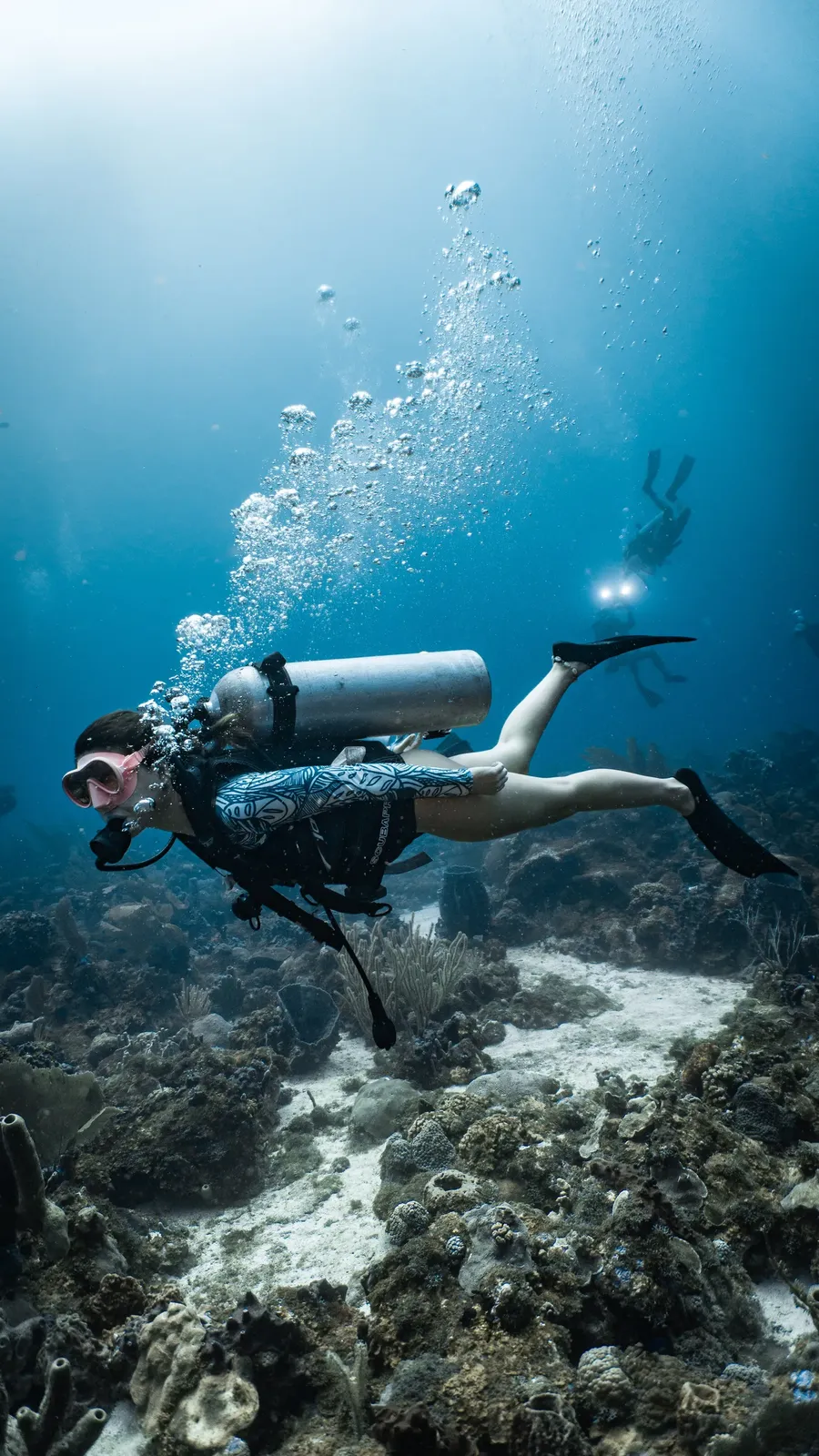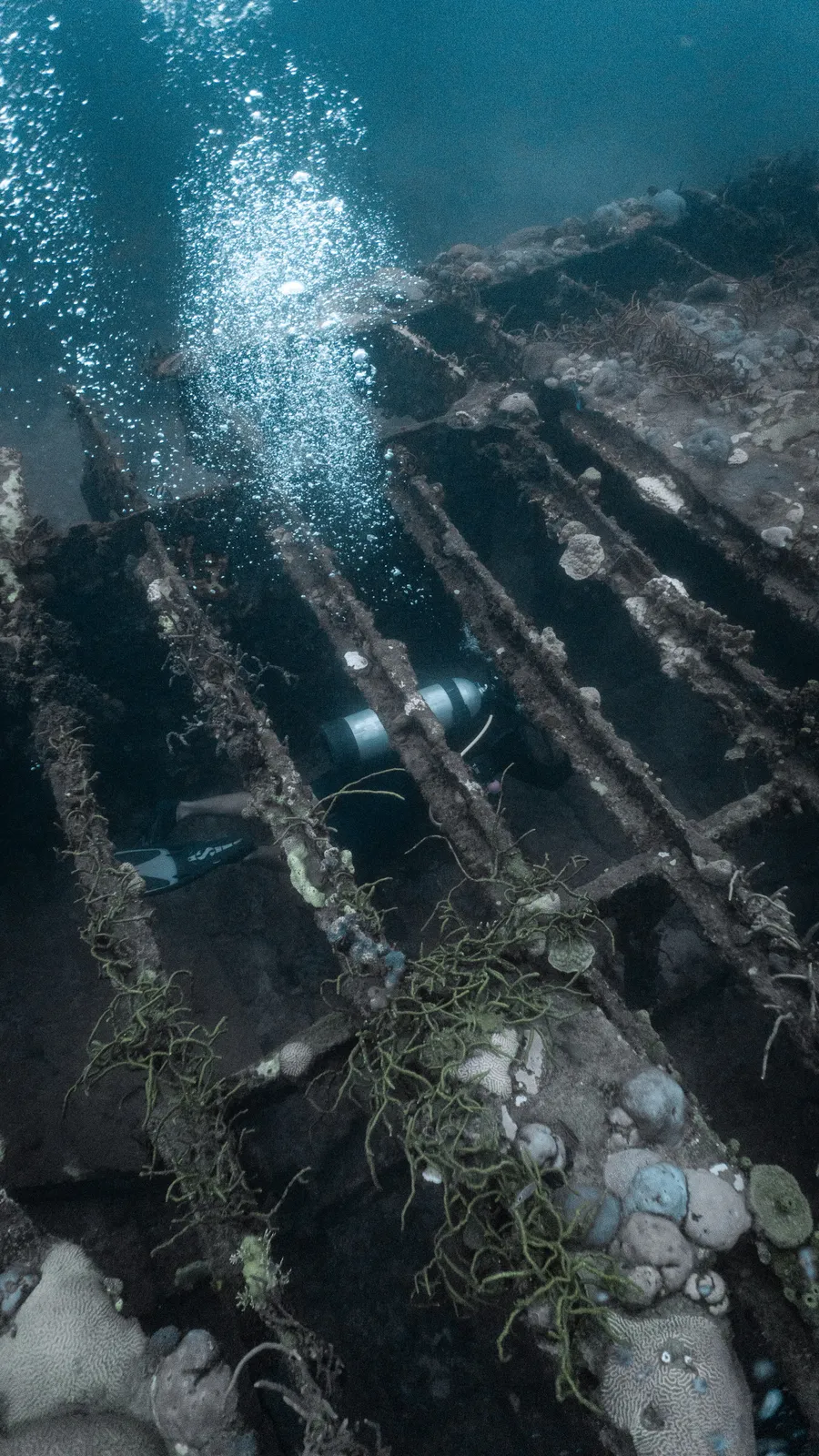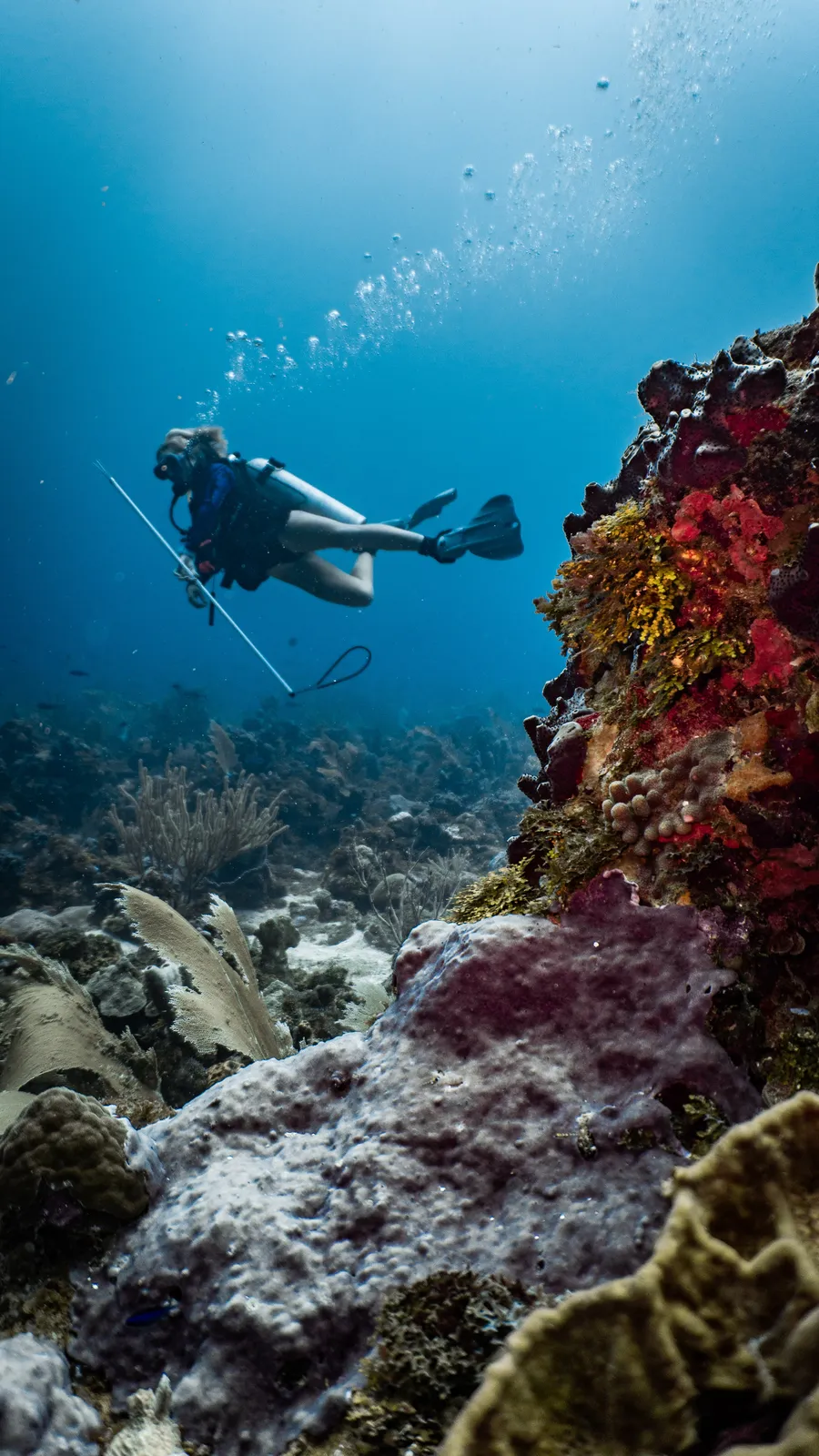
Cocos Island, roughly 500 kilometers off Costa Rica's Pacific coast, is one of the greatest big-animal dive destinations on Earth. This uninhabited national park and UNESCO World Heritage Site rises from the deep ocean, drawing enormous schools of scalloped hammerhead sharks that can number in the hundreds. Jacques Cousteau called it the most beautiful island in the world, and divers know it as a place where the water can literally darken with sharks overhead. Reaching it takes a long ocean crossing, but the reward is diving at its wildest and most alive.
What makes it special
Cocos is famous for its hammerhead aggregations, among the largest and most reliable anywhere. Cleaning stations on the reef draw the sharks in close, letting divers watch them being tended by small fish.
Its remoteness and protection have kept the ecosystem intact, making it a rare window into how a healthy, predator-rich ocean should look. As a strictly protected national park, it also shows what the sea can recover when fishing pressure is removed.
Marine life you may see
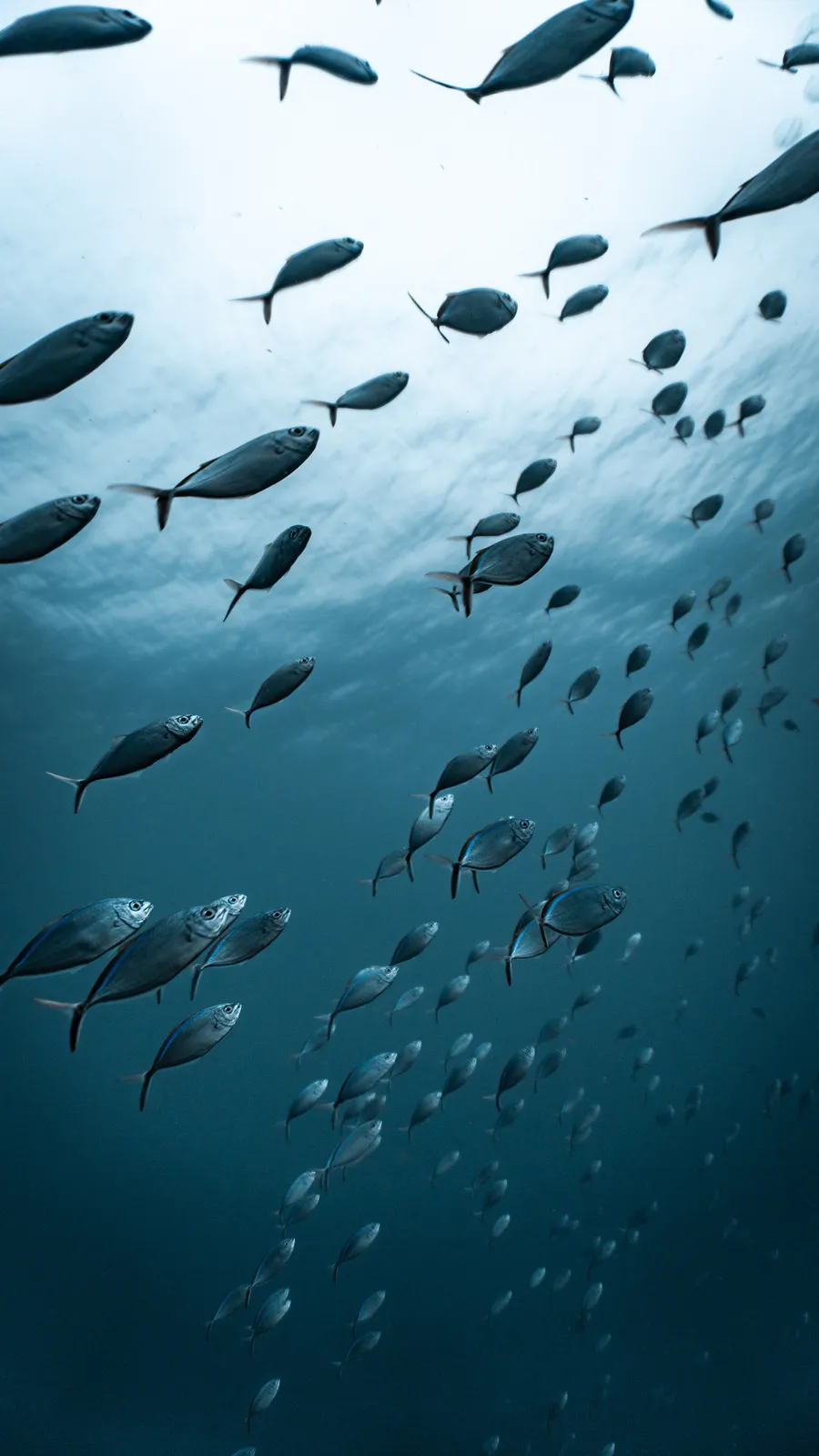
Beyond hammerheads, Cocos hosts whitetip reef sharks that hunt in packs at night, Galápagos and silky sharks, and huge schools of jacks and creolefish. Manta rays, eagle rays, marbled rays and sailfish are regular sights.
Whale sharks and even tiger sharks appear seasonally. Few places offer such a consistent parade of large marine animals, and the packs of hunting whitetips at night are a spectacle in their own right.
Level and conditions
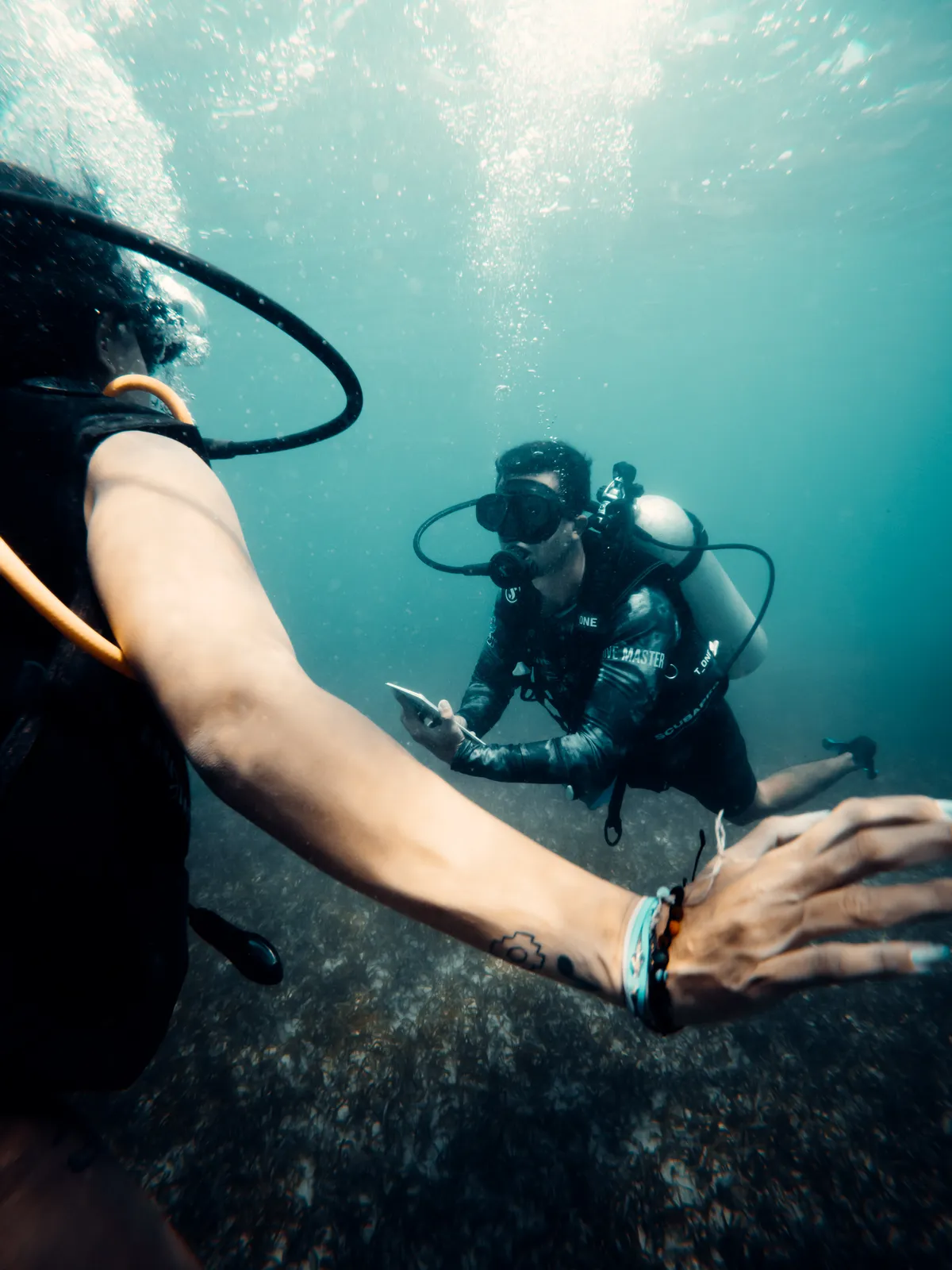
Cocos is an advanced destination. Currents can be strong, surge is common, and dives often involve holding position at cleaning stations in the blue. Operators typically require advanced certification and significant logged experience.
Water is warmer than Galápagos but thermoclines bring cooler layers, so a good wetsuit is needed. Nitrox and reef-hook skills are valuable here.
Best time and how to reach it
Cocos is accessible only by liveaboard, on a crossing of around 32 to 36 hours from Puntarenas on Costa Rica's mainland. The rainy season from June to November brings the biggest hammerhead schools and mantas, while the drier months offer calmer seas.
Trips are multi-day and permits are limited, so plan and book well ahead of time.
Colombian Caribbean sharks
Cocos represents the pinnacle of shark diving, the kind of trip you prepare for over years. You can begin that preparation in Colombia, where the deep walls of Bushnell at Isla Fuerte host hammerheads and whitetip sharks.
Nautilus is a PADI center and AWARE conservation partner, so diving here supports the reef while you build advanced-water experience. See our courses and dives to start.