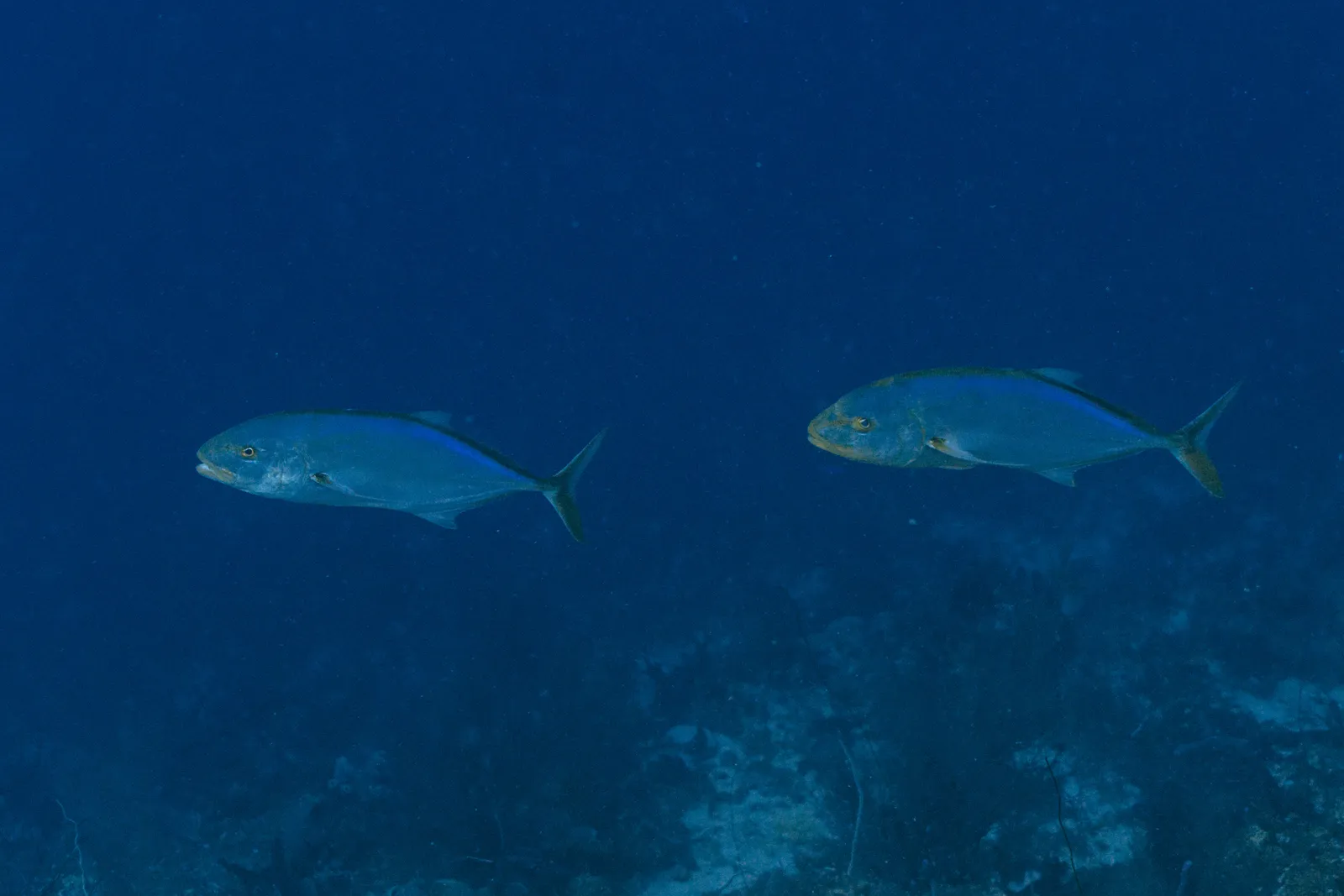
The deepest scuba dive ever recorded is a jaw-dropping feat of preparation and nerve, and it sits far outside anything a normal diver should attempt. The record stands at roughly 332 meters, achieved with immense support and real danger. It is a fascinating story that also illustrates exactly why recreational diving stays shallow.
The record itself
In 2014, Egyptian diver Ahmed Gabr descended to about 332.35 meters in the Red Sea off Dahab, setting the Guinness World Record for the deepest scuba dive. The descent took only around 12 minutes; the ascent took nearly 14 hours of careful decompression.
That imbalance tells the whole story. Getting deep is fast and easy; coming back safely is slow, complex and where the danger lives.
What such a dive requires
A dive like this is a major expedition, not a sport outing. It demands:
- Years of technical training and progressive deep experience
- Multiple gas mixtures with helium to manage narcosis and oxygen toxicity
- A large support team and many staged tanks
- Hours of decompression to avoid deadly bubble formation
At those depths, pressure, narcosis and gas toxicity make even tiny mistakes potentially fatal.
Why records are not the point
Depth records capture headlines, but they have little to do with the joy of diving. The wonder of a coral reef, a passing turtle or a school of silversides all happens in warm, shallow, sunlit water.
The best divers measure a great dive by what they saw and how relaxed they felt, not by how deep they went. Longevity in this sport comes from respecting limits, not chasing them.
Scuba is not the same as freediving
It is worth separating two very different records. The scuba depth record uses tanks and gas mixtures, while freediving records are set on a single breath with no equipment.
Competitive freedivers have reached beyond 200 meters on one breath in some disciplines, which is remarkable in a completely different way. Both pursuits share the same lesson: they demand extreme training and carry real risk, and neither resembles a relaxed day on the reef.
Find your own wonder in Isla Fuerte
You do not need a world record to be amazed underwater. The same sense of wonder is closer than you think, on the vibrant reefs of Isla Fuerte among the best preserved of the continental Colombian Caribbean, in warm 27 to 29°C water with easy, life-filled dives.
Swap the extreme for the extraordinary. Discover our experiences and our courses and dives for every level.
Important
This is general educational information, not medical advice. Always complete the medical questionnaire honestly, dive within your training and, if in doubt, consult a diving physician or contact DAN (Divers Alert Network). In an emergency in Colombia, the nearest hyperbaric chamber is in Coveñas.


