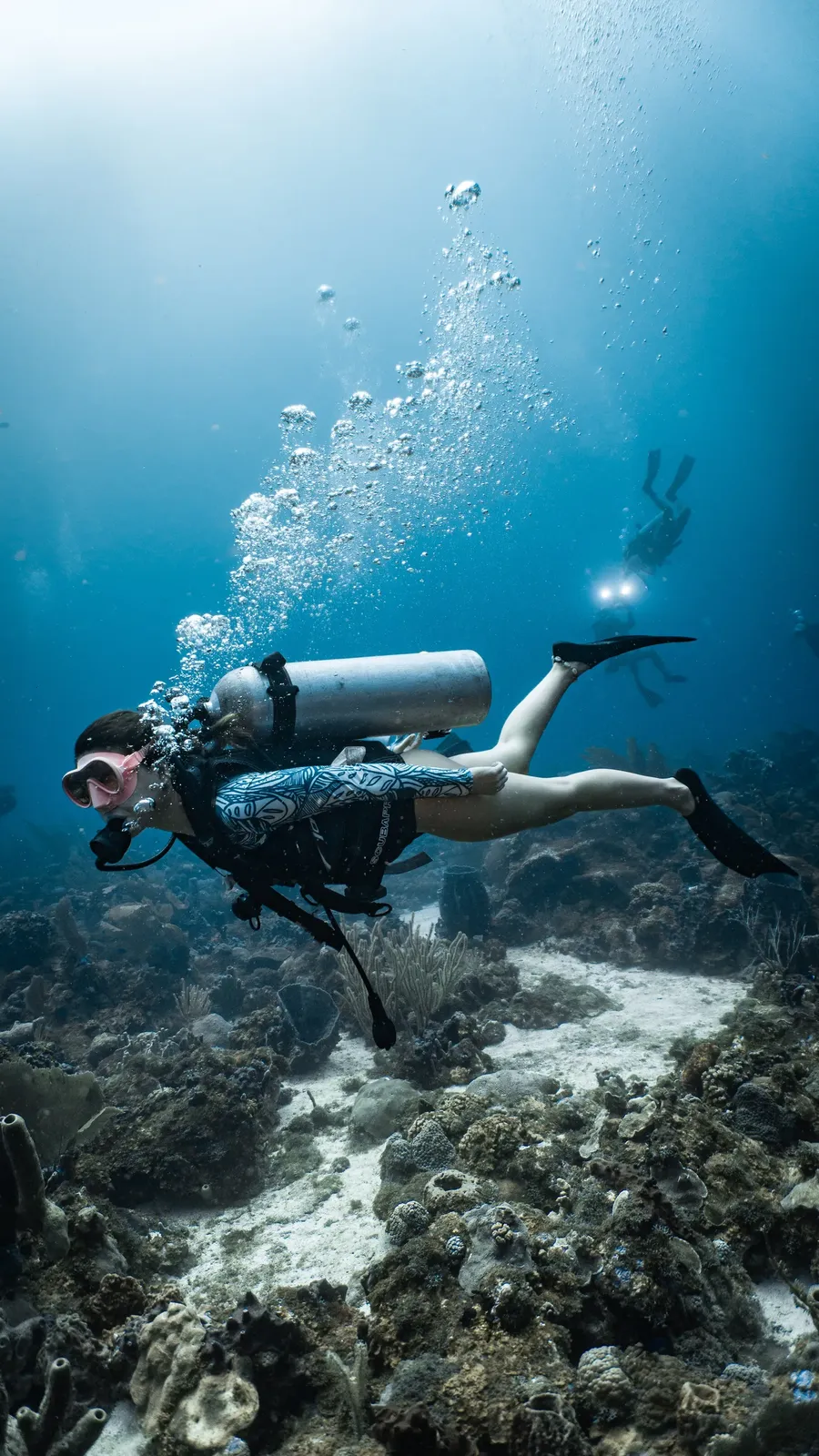
The Maldives is a chain of nearly 1,200 coral islands scattered across 26 atolls in the Indian Ocean, and it is one of the planet's great pelagic playgrounds. Divers come for the channels, where tidal currents pull big animals through narrow gaps, and for the cleaning stations where manta rays and whale sharks gather. It is warm, blue, and wonderfully alive. This guide covers what makes it special, what you will see, and how to plan a trip.
What makes it special
Maldivian diving is built around three features: thilas (submerged pinnacles), kandus (channels) and outer reef walls. Currents concentrate plankton, which draws filter feeders and the predators that follow them.
Most visitors dive from a liveaboard or a resort, moving between atolls to chase the best conditions. Baa Atoll's Hanifaru Bay is a UNESCO Biosphere Reserve famous for its seasonal manta feeding frenzies.
Marine life
The headline acts are reef manta rays, oceanic manta rays and whale sharks, the last found year round in South Ari Atoll. Grey reef sharks, whitetip reef sharks and eagle rays patrol the channels.
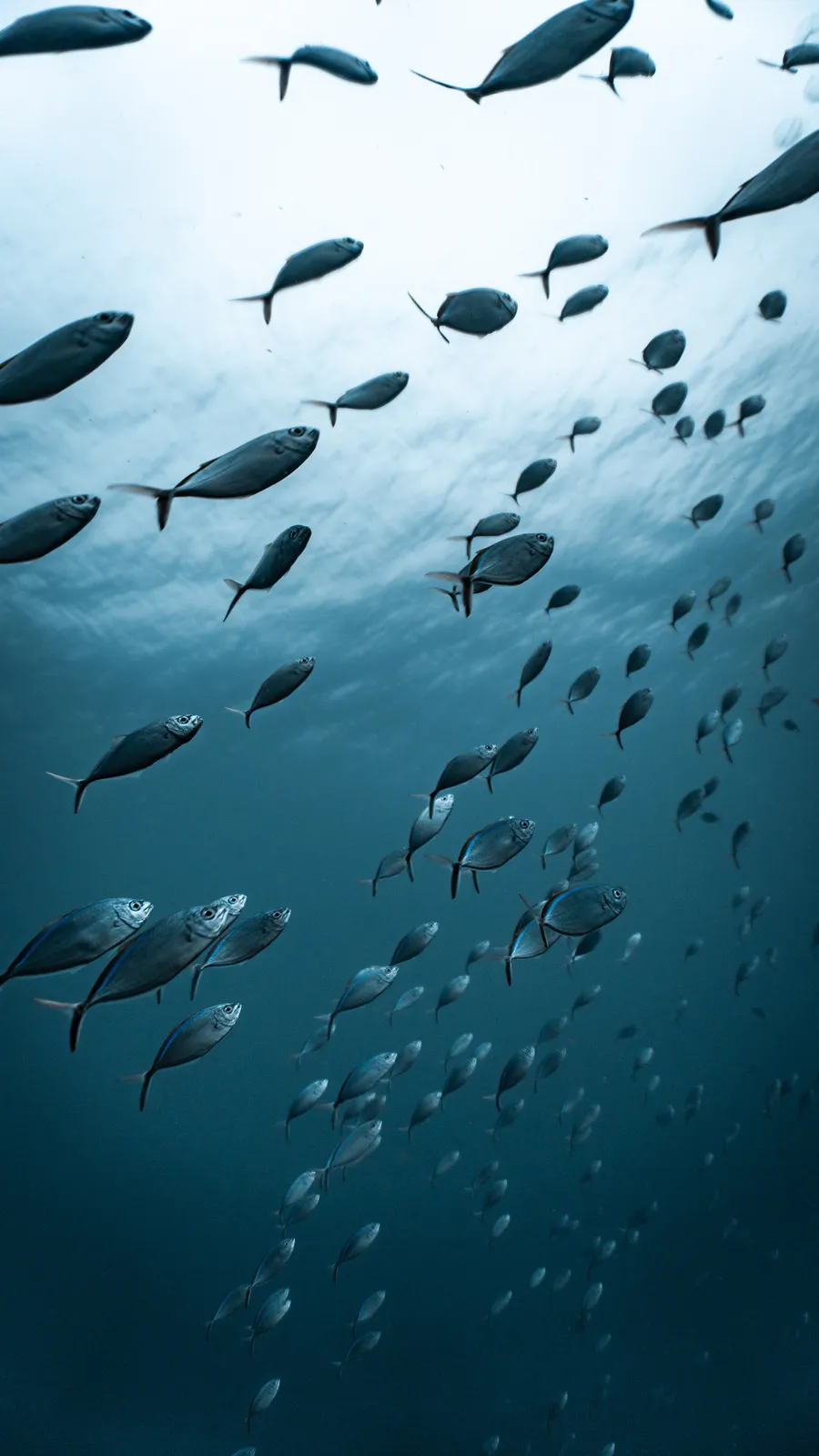
On the reef itself expect dense schools of fusiliers and snapper, moray eels, turtles, napoleon wrasse and vibrant soft coral where the current runs. Night dives often reveal nurse sharks and hunting rays.
Level and conditions
Channel and drift dives can be demanding, so many operators ask for an Advanced certification and some current experience. Reef hooks are common to hold position while the show passes by.
Water stays a balmy 27 to 30 degrees Celsius, and visibility is often 20 to 30 meters. Beginners can still enjoy sheltered house reefs, but the signature big-animal dives reward experience.
Best time and how to reach it
The dry northeast monsoon (December to May) brings the clearest water. Manta and whale shark action shifts across the atolls with the seasons, so timing depends on which animal you are chasing.
You fly into Malé, then transfer by seaplane, domestic flight or speedboat to your resort or liveaboard. It is a long journey, but a well-oiled one.
Closer than you think: Isla Fuerte
The Maldives is a bucket-list flight away, but the same thrill of drifting a living reef and meeting big animals lives much closer for anyone in the Americas. Off the coast of Córdoba, Colombia, Isla Fuerte shelters 29 dive sites among the best-preserved reefs of the continental Caribbean, with eagle rays, hammerheads at Bushnell and warm 27 to 29 degree water.
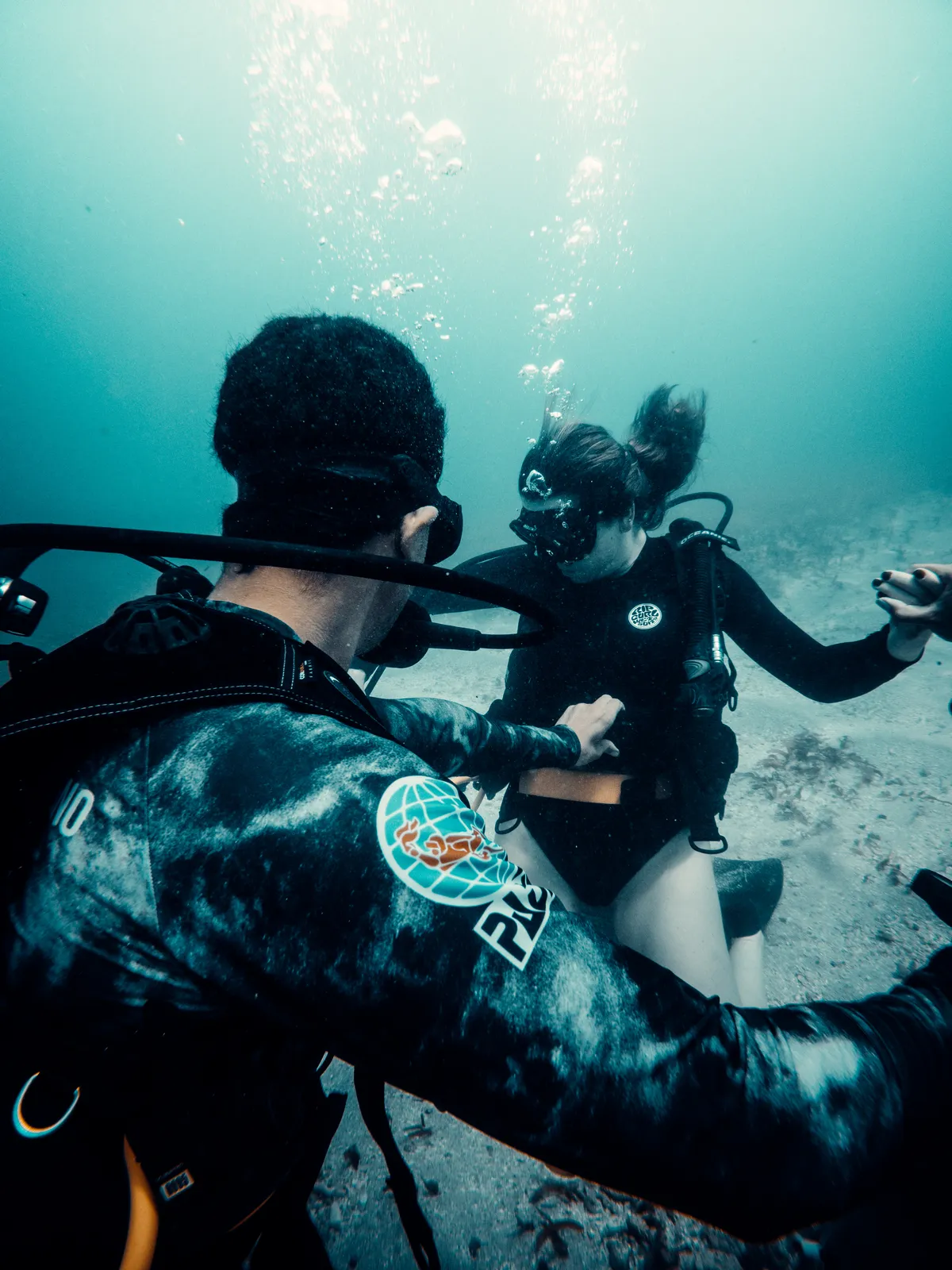
You do not need a seaplane to start. Come learn or log dives with us through our courses and dives, then plan the Indian Ocean once your logbook is deeper. Trace the reefs first on our interactive dive map.