Cenotes and caves are diving's most otherworldly rooms. Sunbeams pierce crystal freshwater, stalactites hang from ancient ceilings, and the silence is total. It is a beautiful, alien environment, and also one of the most serious in all of diving. This is our ranking of the best cenote and cave dives in the world, along with a clear-eyed look at the training these overhead environments demand. Beauty and respect go hand in hand underground.
What are cenotes and caves
A cenote is a natural sinkhole where a limestone ceiling has collapsed, opening a window into a flooded cave system. Many cenote dives are actually cavern dives, staying within sight of daylight and the exit.
True cave diving goes beyond the light zone into full overhead passages, sometimes for kilometers. The distinction matters enormously, because it changes the training, the risk and the rules that keep you alive.
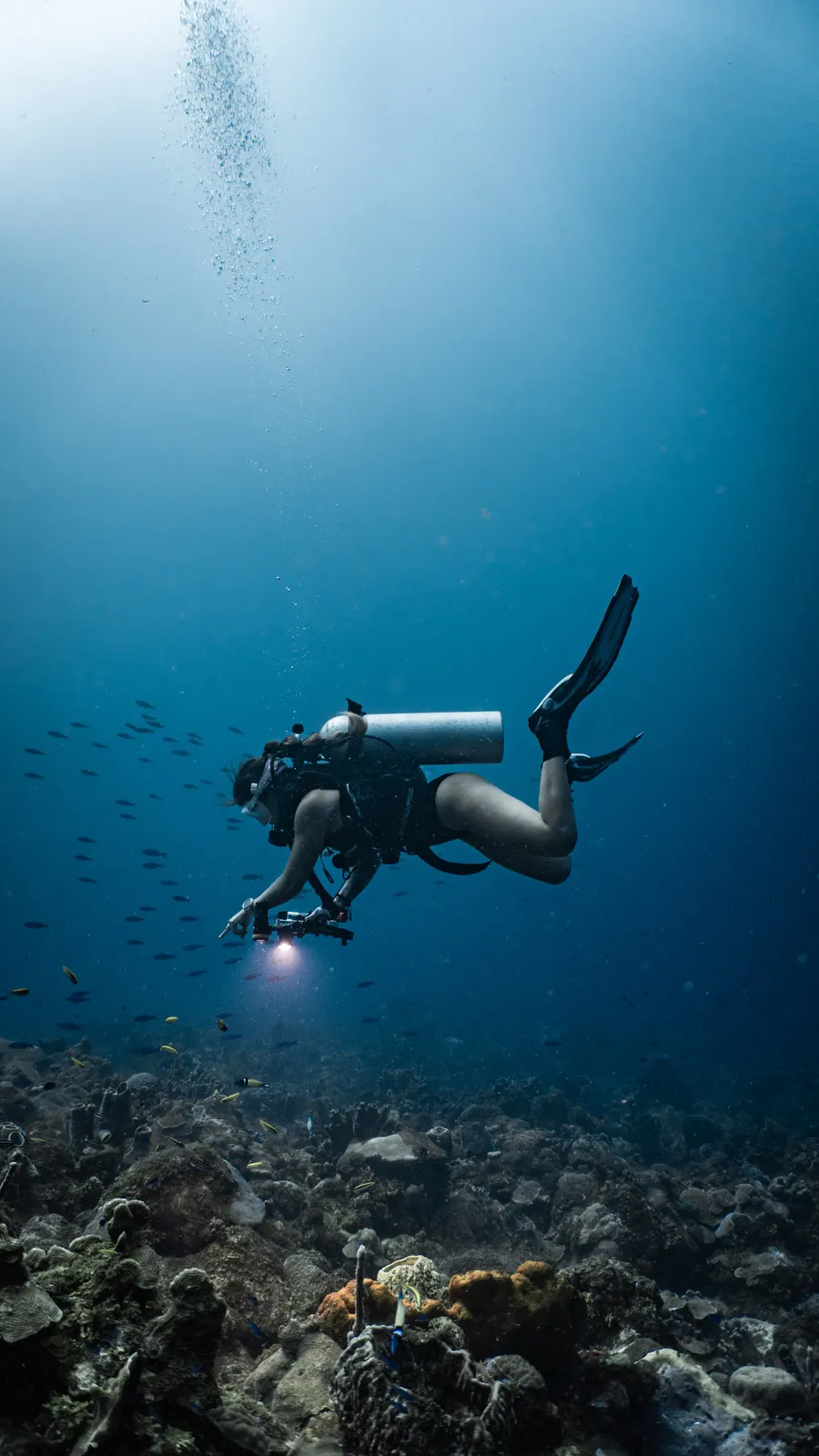
The best cenote and cave dives
These are the world's most celebrated overhead dives, ranging from beginner-friendly caverns to serious cave systems.
- 1. Dos Ojos (Mexico): dazzling light beams, cavern-friendly.
- 2. The Pit, Tulum (Mexico): deep and haunting.
- 3. Angelita (Mexico): a hydrogen sulphide cloud like a river underwater.
- 4. Ginnie Springs (Florida): a cave-diving classic.
- 5. Gran Cenote (Mexico): turtles and stalactites.
- 6. Chac Mool (Mexico): light shows and halocline.
- 7. Devil's Den (Florida): a spring in a cavern.
- 8. Orda Cave (Russia): the longest underwater gypsum cave.
- 9. Molnar Janos (Hungary): a warm thermal cave.
- 10. Cenote Carwash (Mexico): easy and full of life.
Why overhead diving is serious
In open water, you can always ascend straight to the surface. In a cave, a ceiling stands between you and the sky, and that single fact changes everything.
- You cannot make a direct emergency ascent.
- Silt can be stirred up, dropping visibility to zero in seconds.
- Navigation and gas planning must be precise and redundant.
- Specialized cavern or cave training and equipment are non-negotiable.
Never enter an overhead environment beyond your training. This is the rule that has no exceptions.
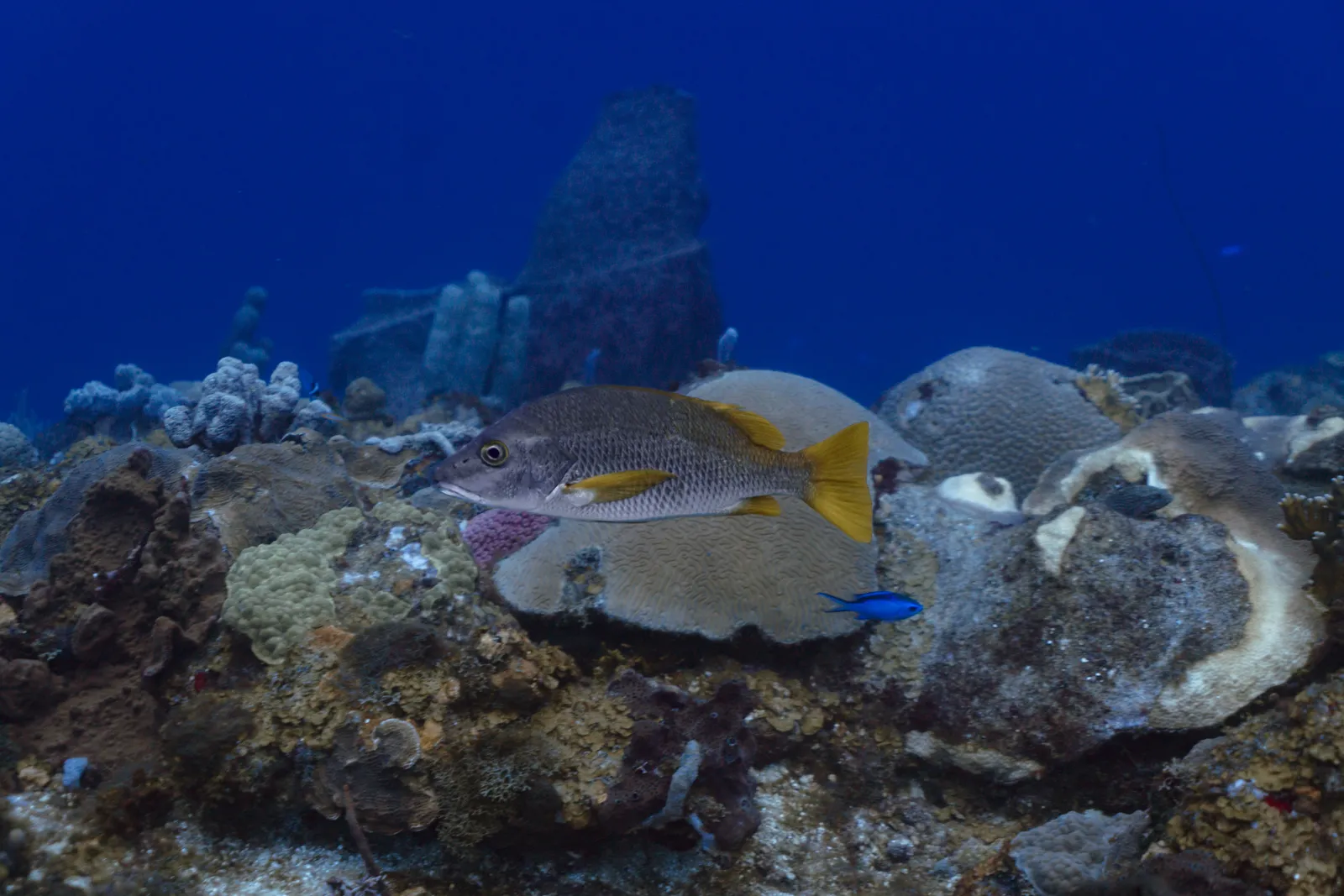
Building the skills first
Cave diving sits at the end of a long road, and every step of that road is built on open-water fundamentals. Precise buoyancy, controlled finning that never stirs silt, and calm gas management all begin in ordinary reef diving.
Master those basics in a forgiving environment, log plenty of dives, and only then pursue proper cavern and cave certifications with specialized instructors. There are no shortcuts underground.
Master your fundamentals in Colombia
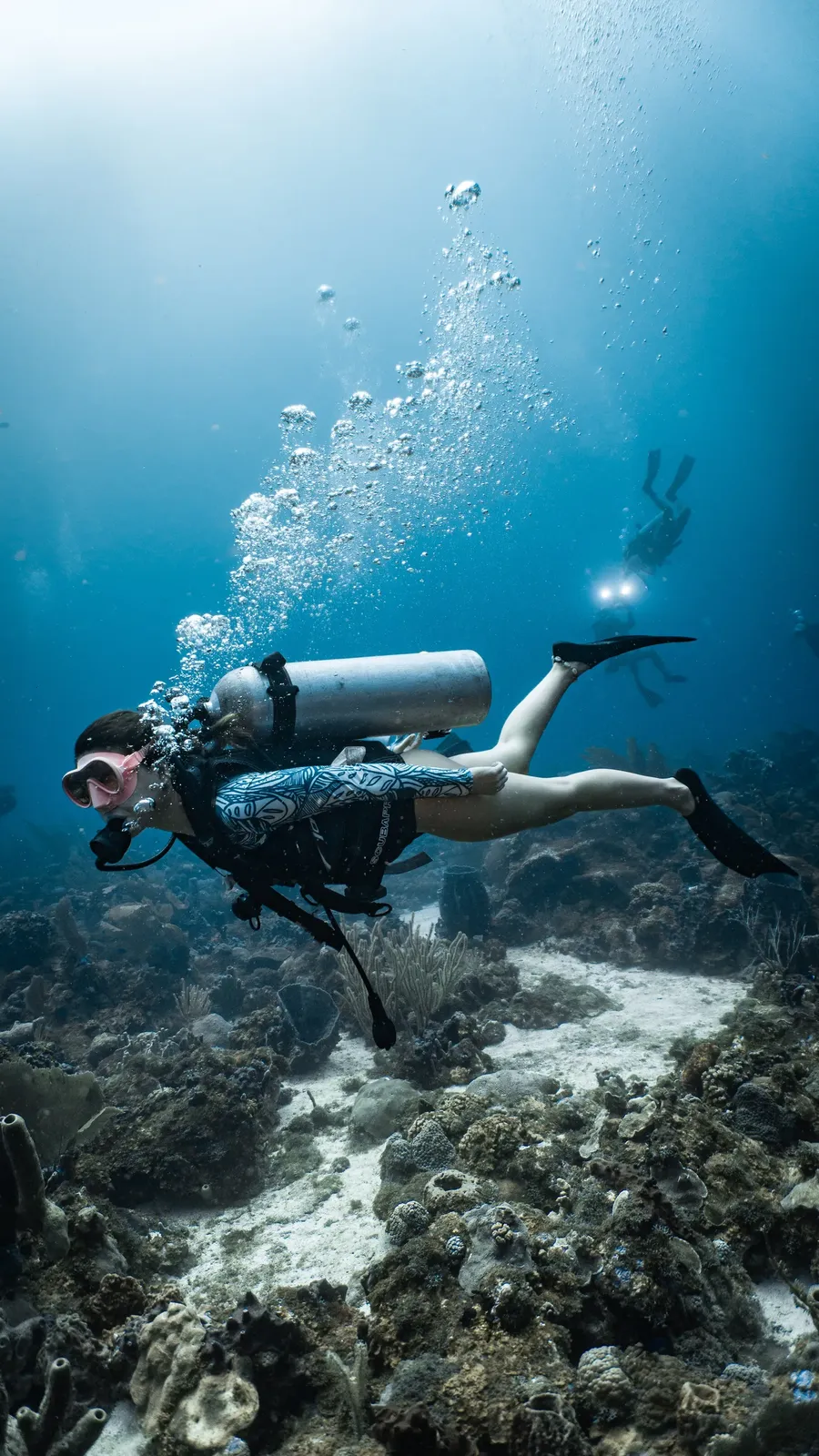
Before any cenote, you need rock-solid buoyancy and control, and Isla Fuerte is a superb place to build them. Warm 27 to 29 degree water and 29 calm dive sites let you refine your finning and trim until they are instinctive.
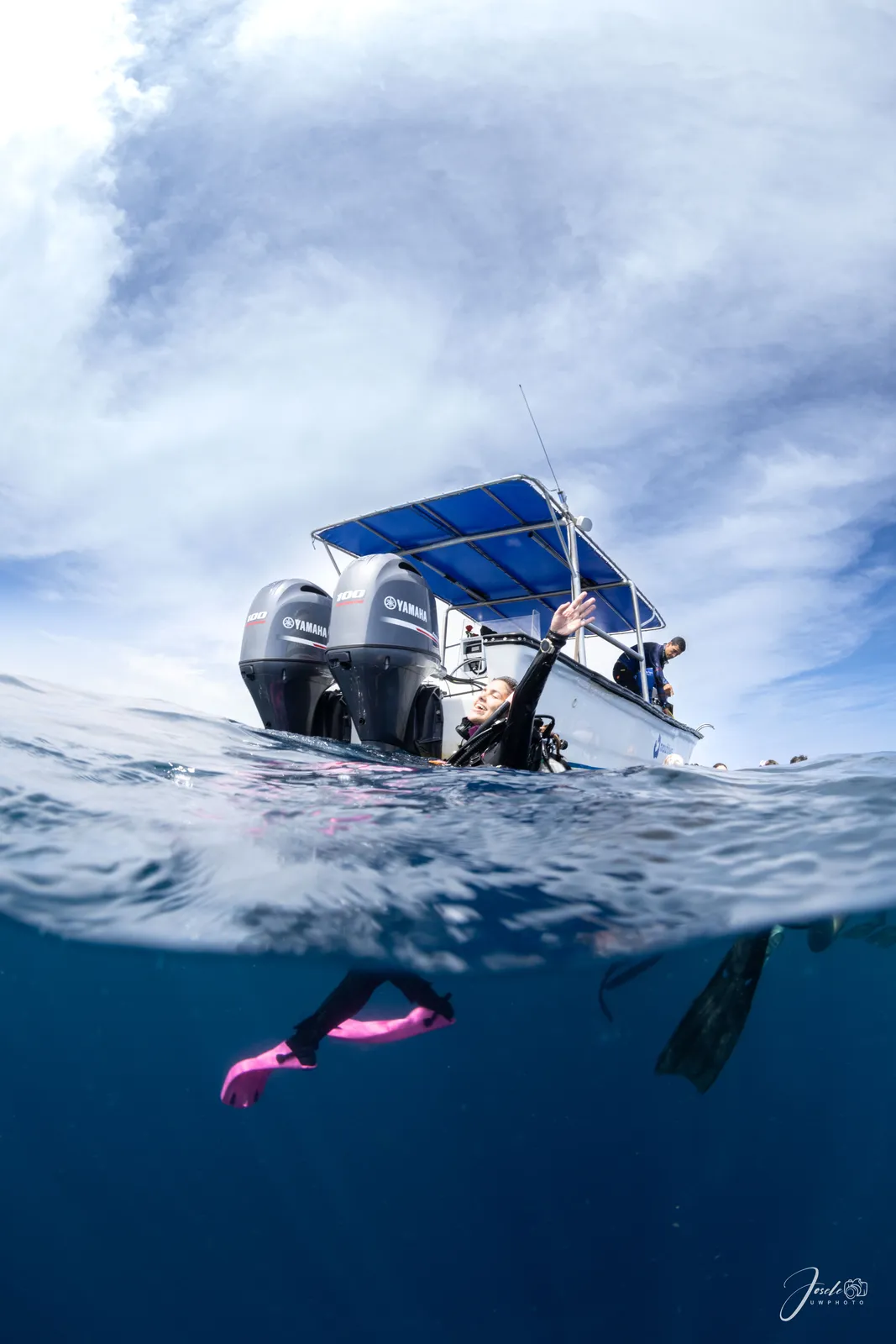
Nautilus is the island's PADI center, teaching in small groups with gear included so every skill gets attention. See our courses and dives or explore the reefs on our interactive dive map, and lay the foundation for the world's most beautiful caverns.