The SS President Coolidge is one of the world's largest and most accessible shipwrecks, lying off Espiritu Santo in Vanuatu. Once a luxury ocean liner, it was converted to a troopship in World War II and sank in 1942 after striking friendly mines. Today it rests on its side, dived directly from shore. This guide covers the wreck, its treasures, and why it is a bucket-list dive.
What makes it special
At over 200 meters long, the Coolidge is a colossal wreck you could never see in a single dive. It slopes from about 20 meters at the bow to past 70 meters at the stern, offering a lifetime of exploration.
Remarkably, you enter straight from a black-sand beach, no boat required. Few world-class wrecks are so easy to reach yet so vast and layered inside.
What you will see
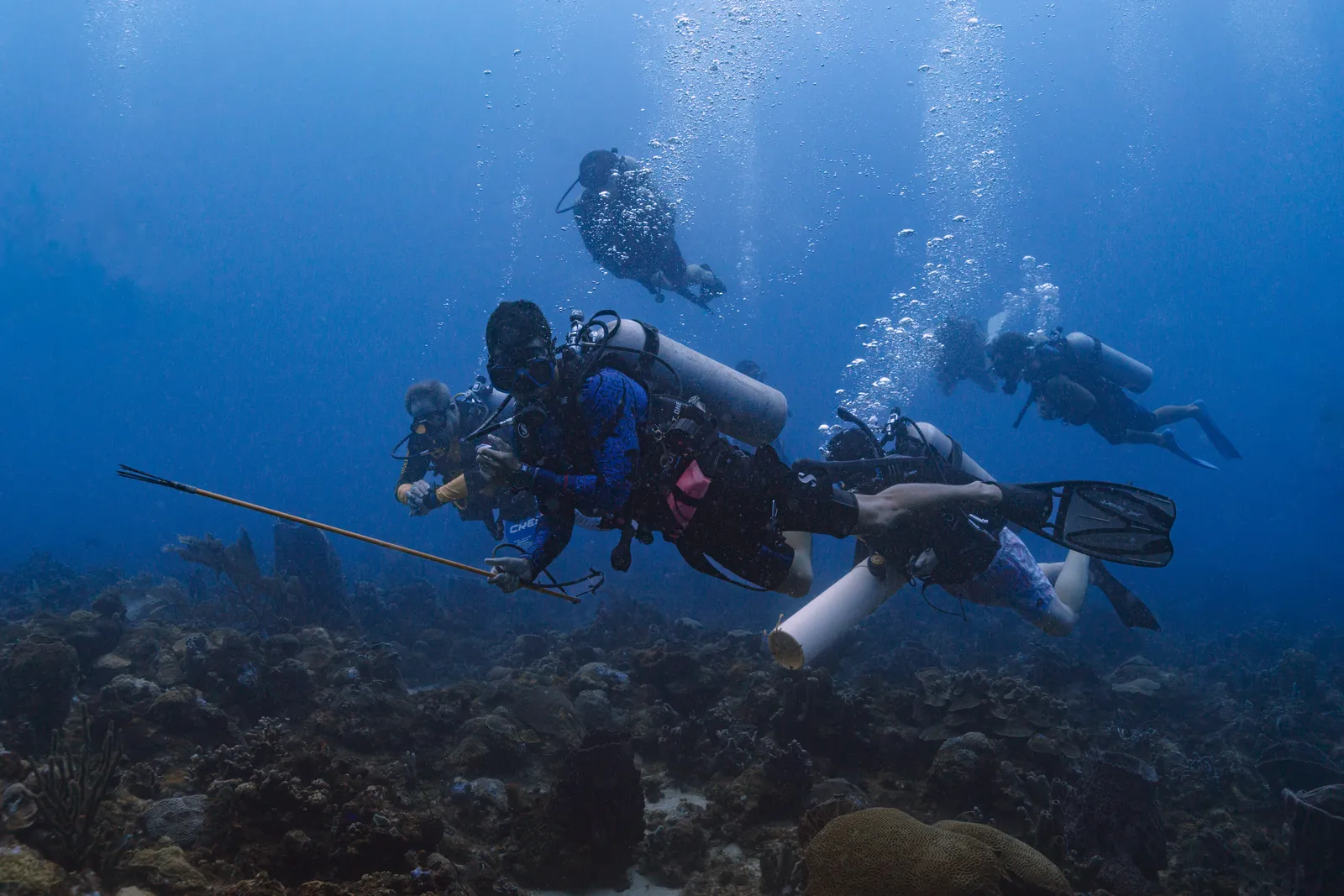
The ship is a time capsule: cannons, jeeps, helmets, rows of gas masks, a chandelier and a mosaic-tiled fountain still sit where they settled. The most famous artifact is a porcelain relief known as The Lady, a woman riding a unicorn, deep inside the wreck.
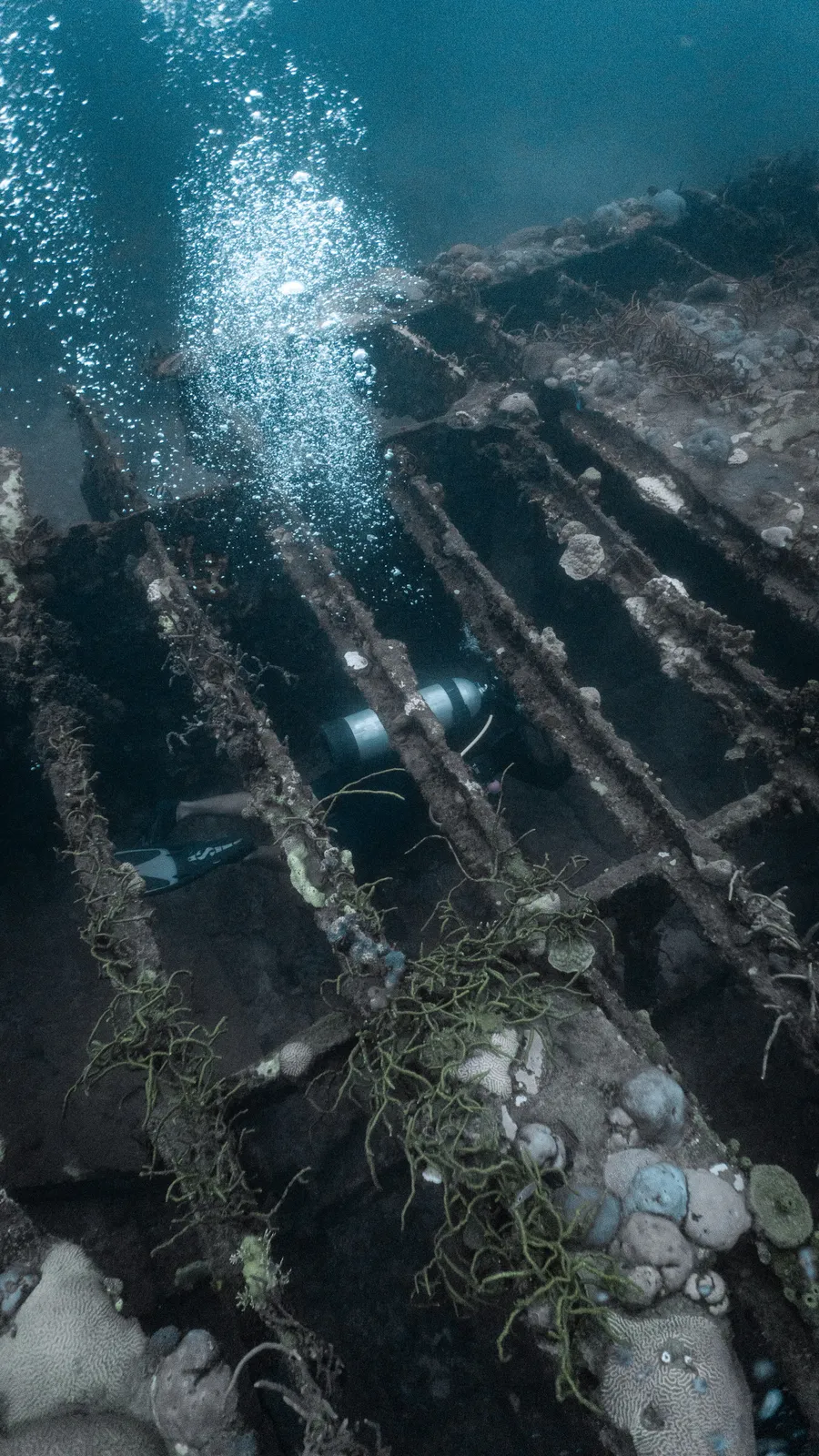
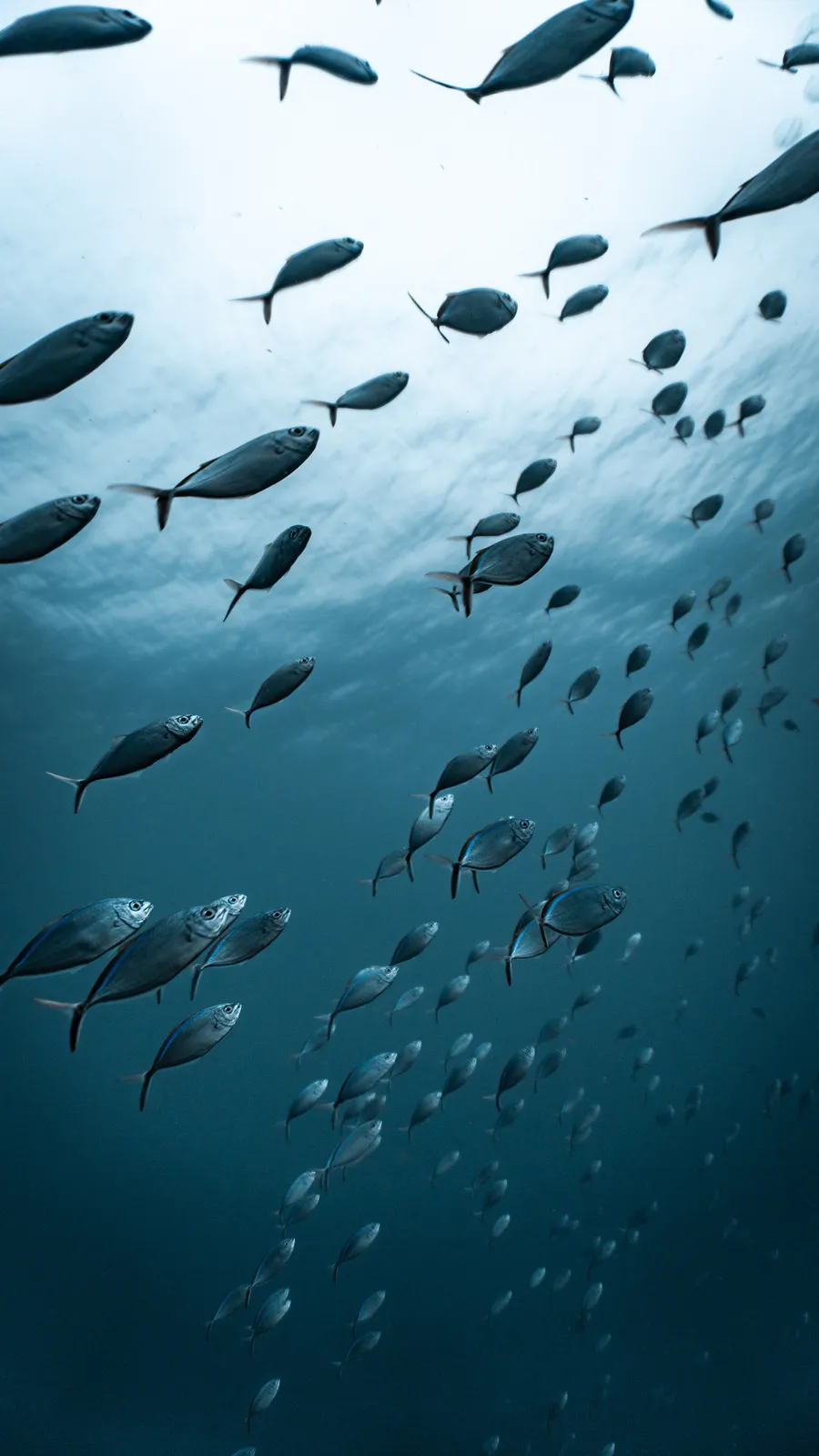
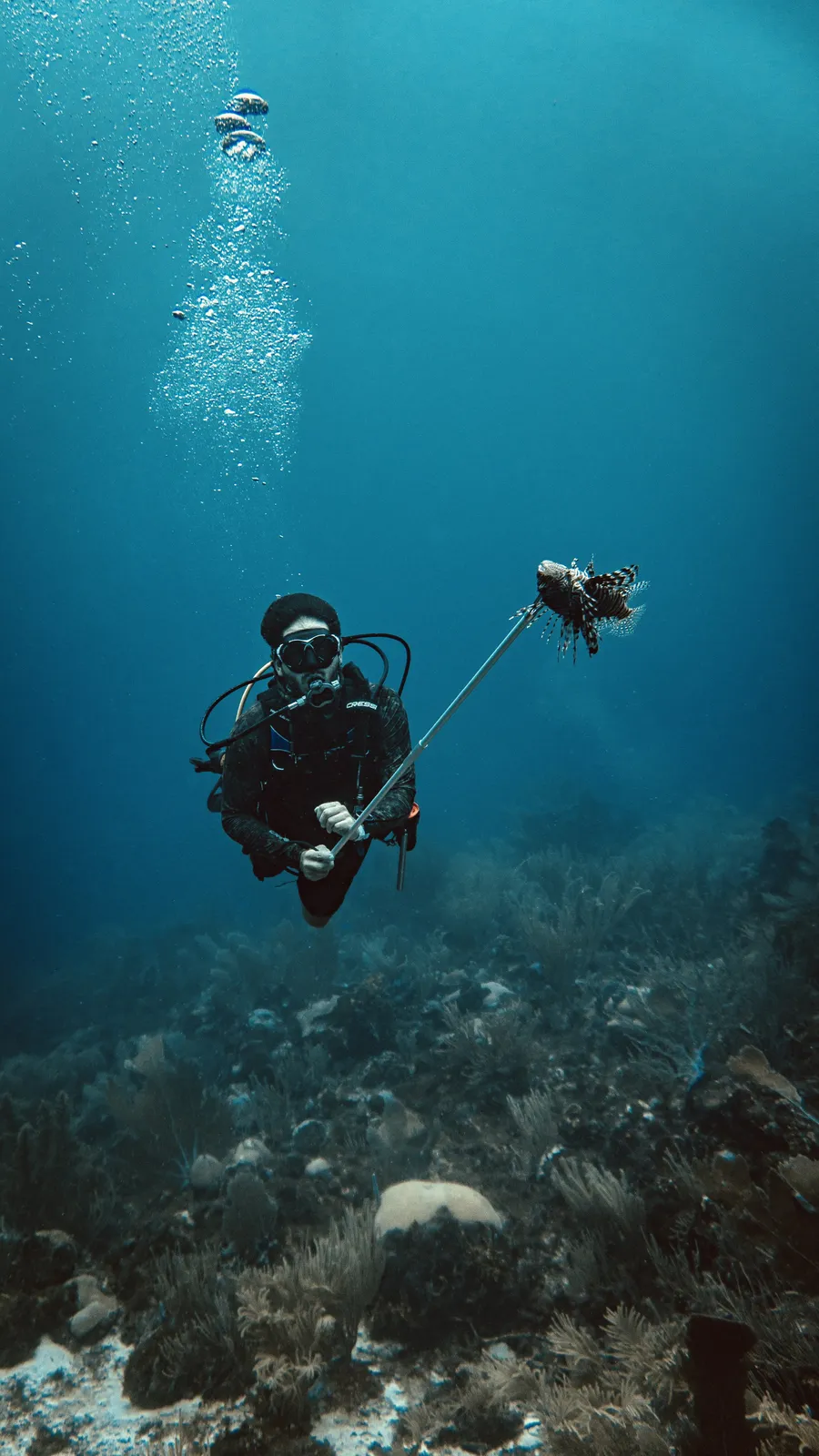
Marine life has claimed the steel too, with reef fish, moray eels, lionfish and coral colonizing the hull. Coral gardens nearby add gentler dives between wreck penetrations.
Level and conditions
This is an advanced, deep-diving destination. Reaching the stern and interior spaces means technical or decompression diving, and even shallower sections benefit from Advanced training and good air management.
Water is warm at around 26 to 28 degrees, but depth and darkness make guides essential. Always dive the Coolidge with an experienced local operator.
Best time and how to reach it
Espiritu Santo can be dived year round, with the drier, calmer season (April to October) generally the most comfortable. Because you enter from shore, the wreck is diveable in almost any weather.
You fly to Santo via Vanuatu's capital, Port Vila, then base yourself in Luganville, a short walk or drive from the dive sites.
Wrecks and history, in the Colombian Caribbean
The Coolidge shows how a wreck becomes both a museum and a living reef. Isla Fuerte offers its own submerged history: at Bajo Bonito you glide over a sunken Zenú museum among coral restoration structures, a nod to the island's ancient heritage as a burial ground for Zenú chiefs.
You can explore it long before you are ready for a 70-meter troopship. Start with our courses and dives and see where history meets the reef in our experiences.