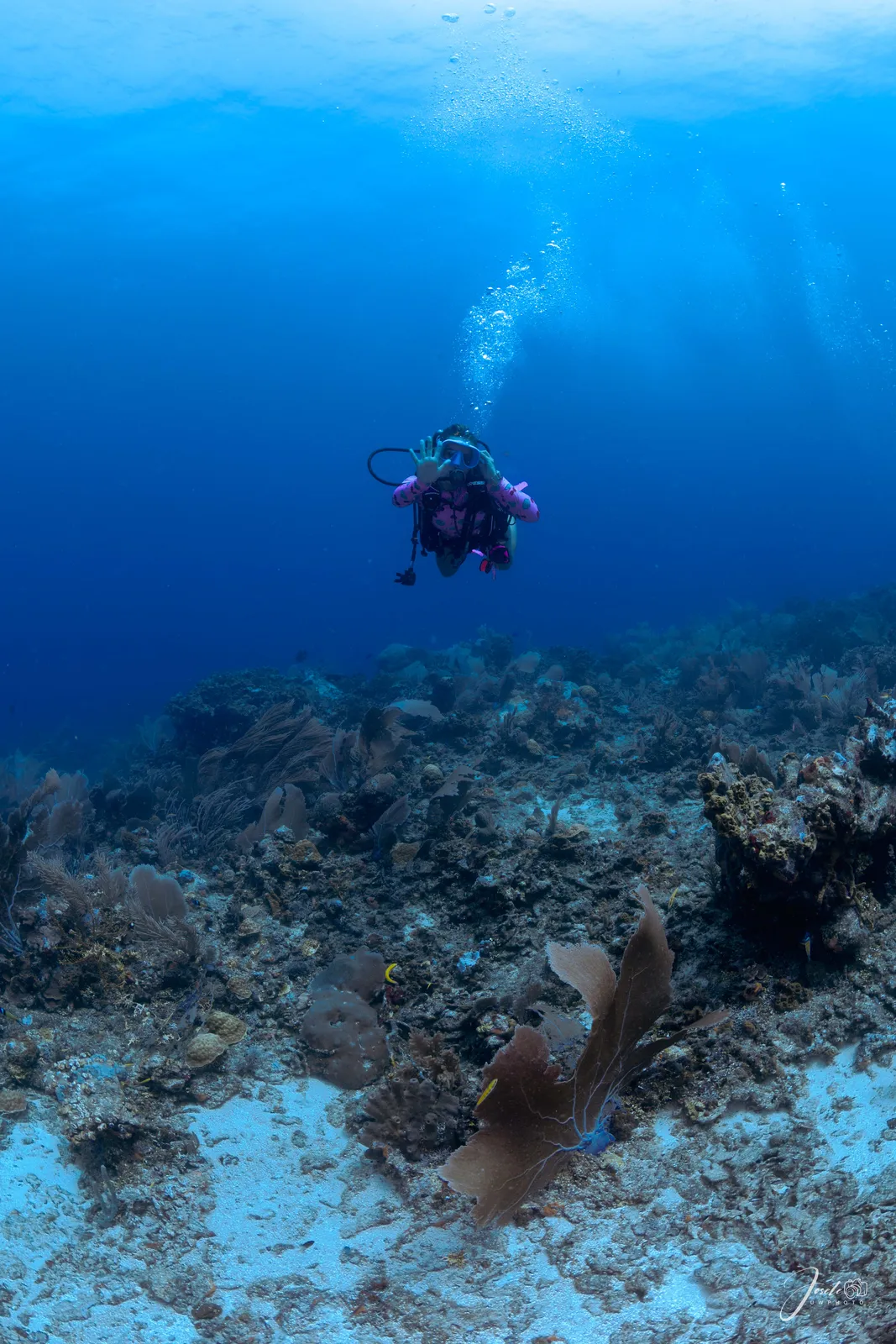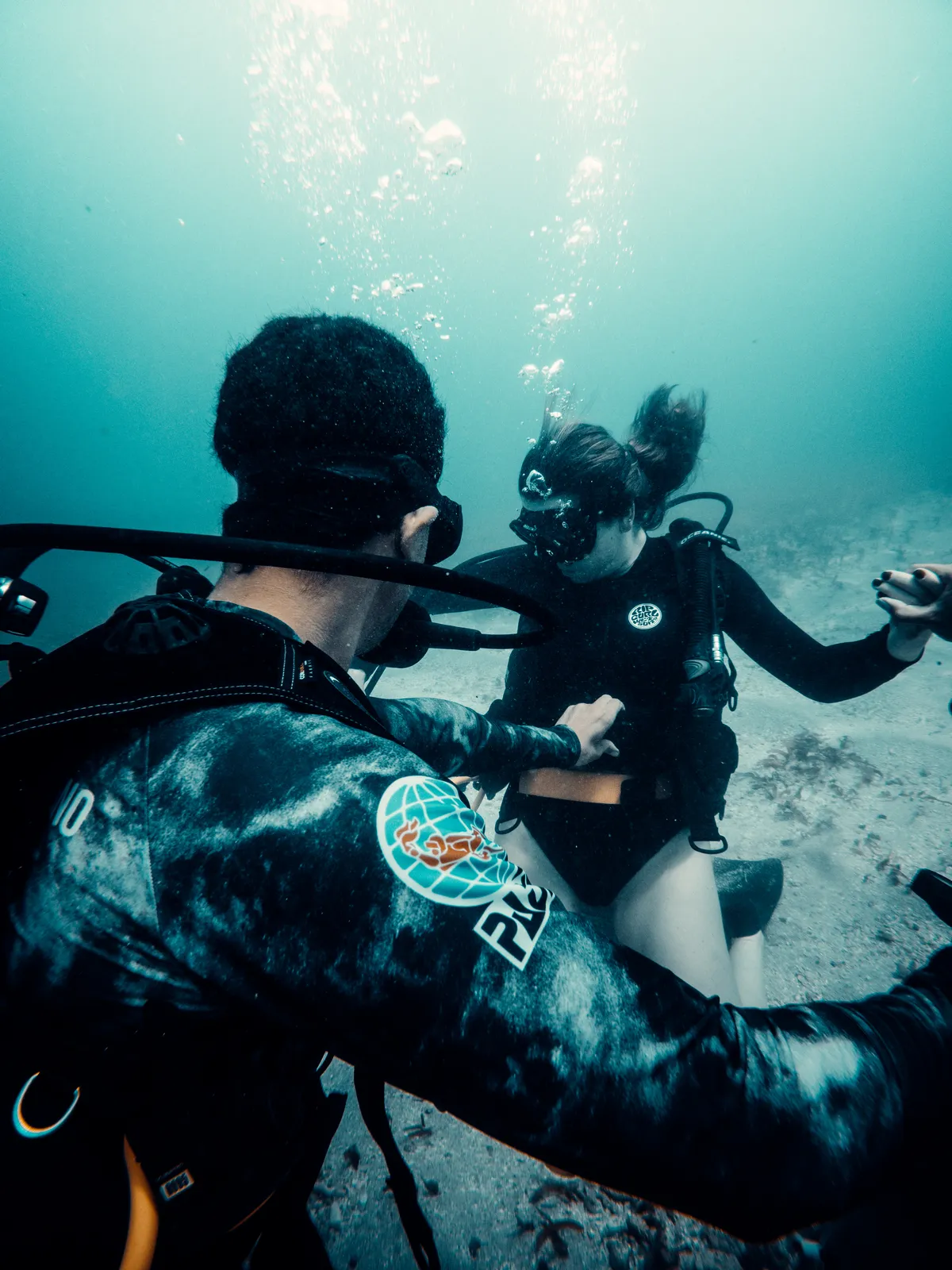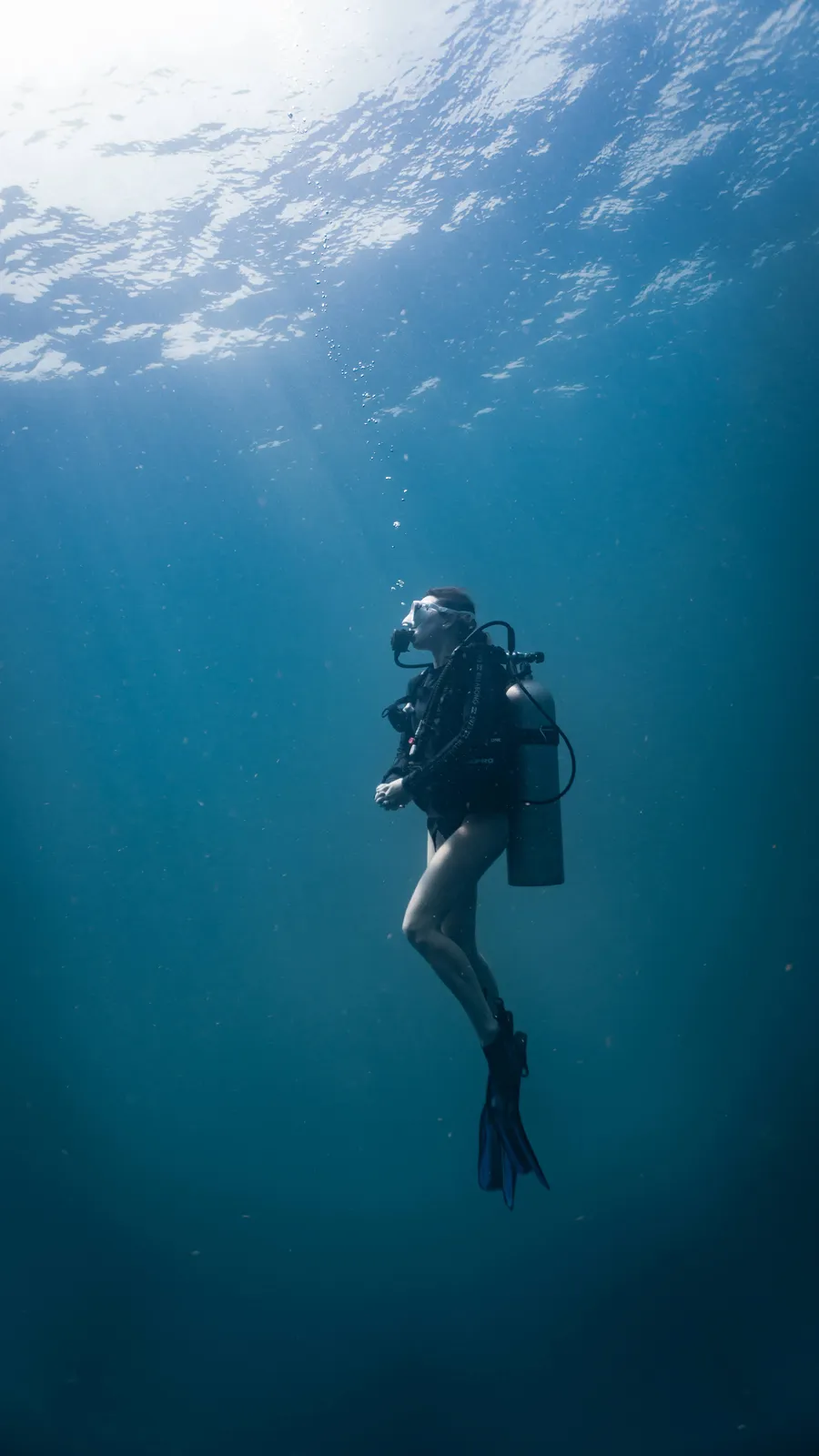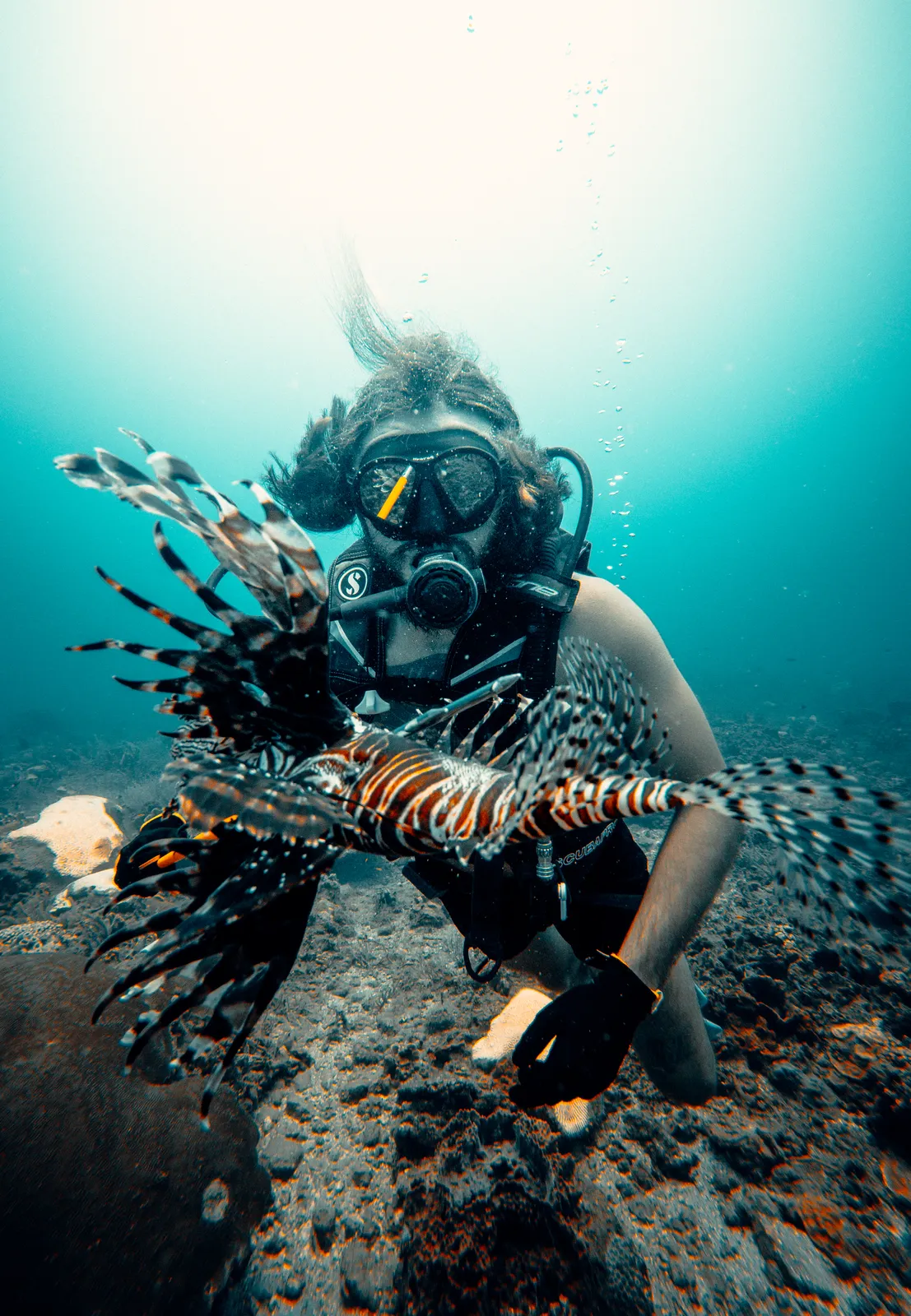
A liveaboard is exactly what it sounds like, a boat you live on for several days while diving remote sites far from any shore. You wake up already floating over the reef, dive four or five times a day, and fall asleep to the sound of water against the hull. For serious divers it is the ultimate way to travel, unlocking places that day boats simply cannot reach. Here is how they work and where they shine.
How a liveaboard works
You board a purpose-built boat with cabins, a dining area and a dedicated dive deck. Over several days the boat moves between remote sites, and a typical schedule offers four or even five guided dives daily, including night dives.
Everything is handled onboard, filling tanks, cooking meals, briefing dives. You do little but eat, dive, rest and repeat, which is precisely the appeal.
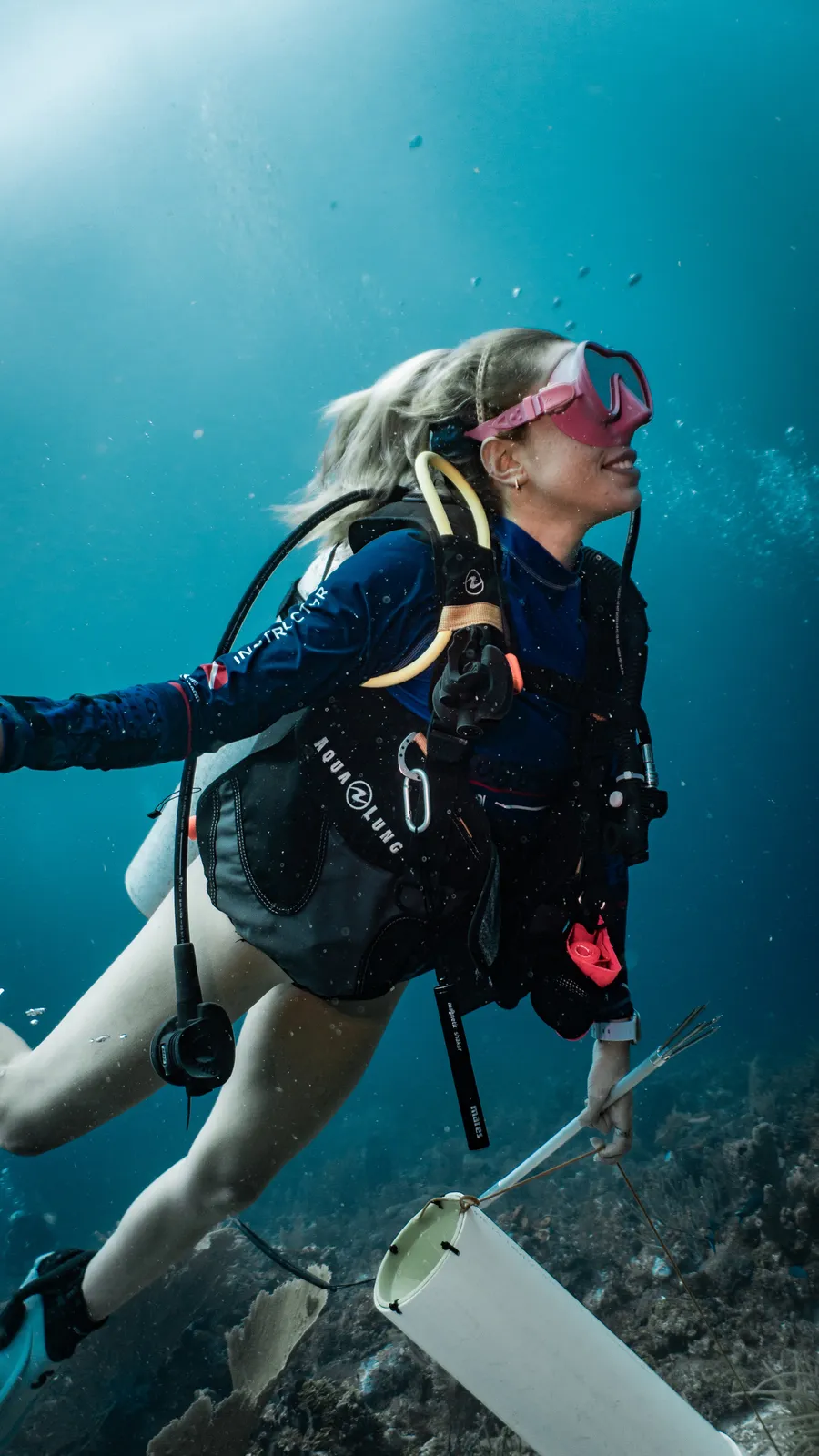
Why divers love them
Liveaboards reach reefs too far offshore for day trips, often the healthiest and wildest sites in a region. Less human pressure means bigger animals and more of them.
They also maximize dive time. Instead of two dives split by long boat rides, you log many dives with minimal travel, packing a week of diving into a few days. For photographers and serious enthusiasts, that concentration of underwater time is impossible to match from shore.
The most legendary liveaboard routes
Certain regions are almost synonymous with liveaboard travel:
- The Maldives, for manta rays, whale sharks and endless atolls.
- The Egyptian Red Sea, for wrecks and shark-filled offshore reefs.
- Indonesia's Raja Ampat and Komodo, for peak biodiversity.
- The Galápagos and Cocos, for schooling hammerheads.
These trips are bucket-list material, the kind divers save years for.
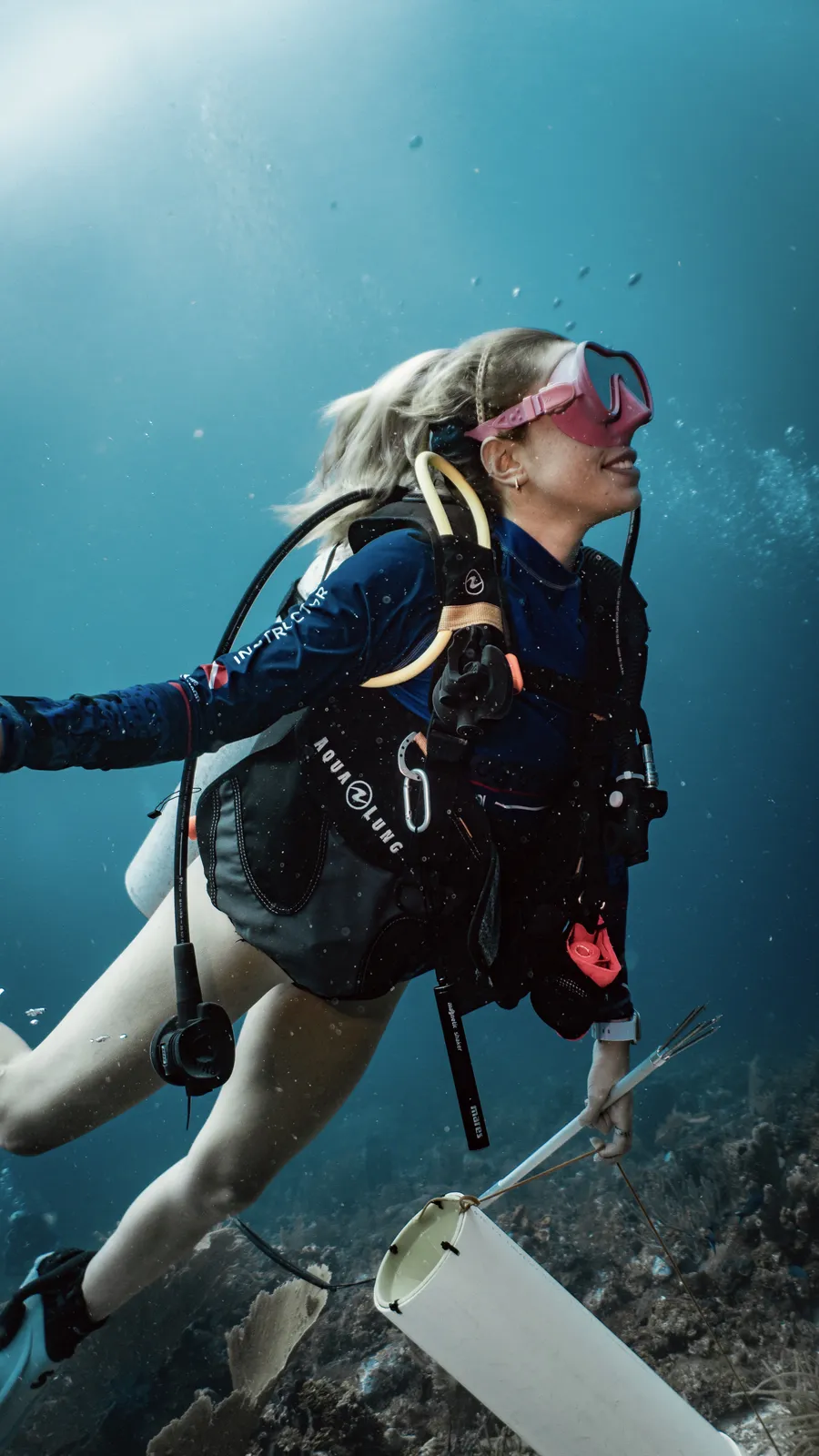
Is a liveaboard right for you
Liveaboards reward experience. Most require an Open Water certification at minimum, and many remote sites suit Advanced divers comfortable with currents and depth. Good buoyancy and air control make the days far more enjoyable.
They are also a commitment, days at sea with no easy exit. Building solid skills first ensures you spend the trip enjoying the reef rather than managing nerves.
Build your sea legs in Isla Fuerte
Before you book a week at sea, it pays to log dives and sharpen skills somewhere warm and calm. Isla Fuerte, with 29 dive sites and gentle conditions, is an ideal training ground, and advanced sites like Bushnell let you practice deeper walls with hammerheads and whitetips.
At Nautilus you can move from Open Water to Advanced with certified instructors before chasing that dream liveaboard. Explore our interactive dive map and start building the experience these trips demand.