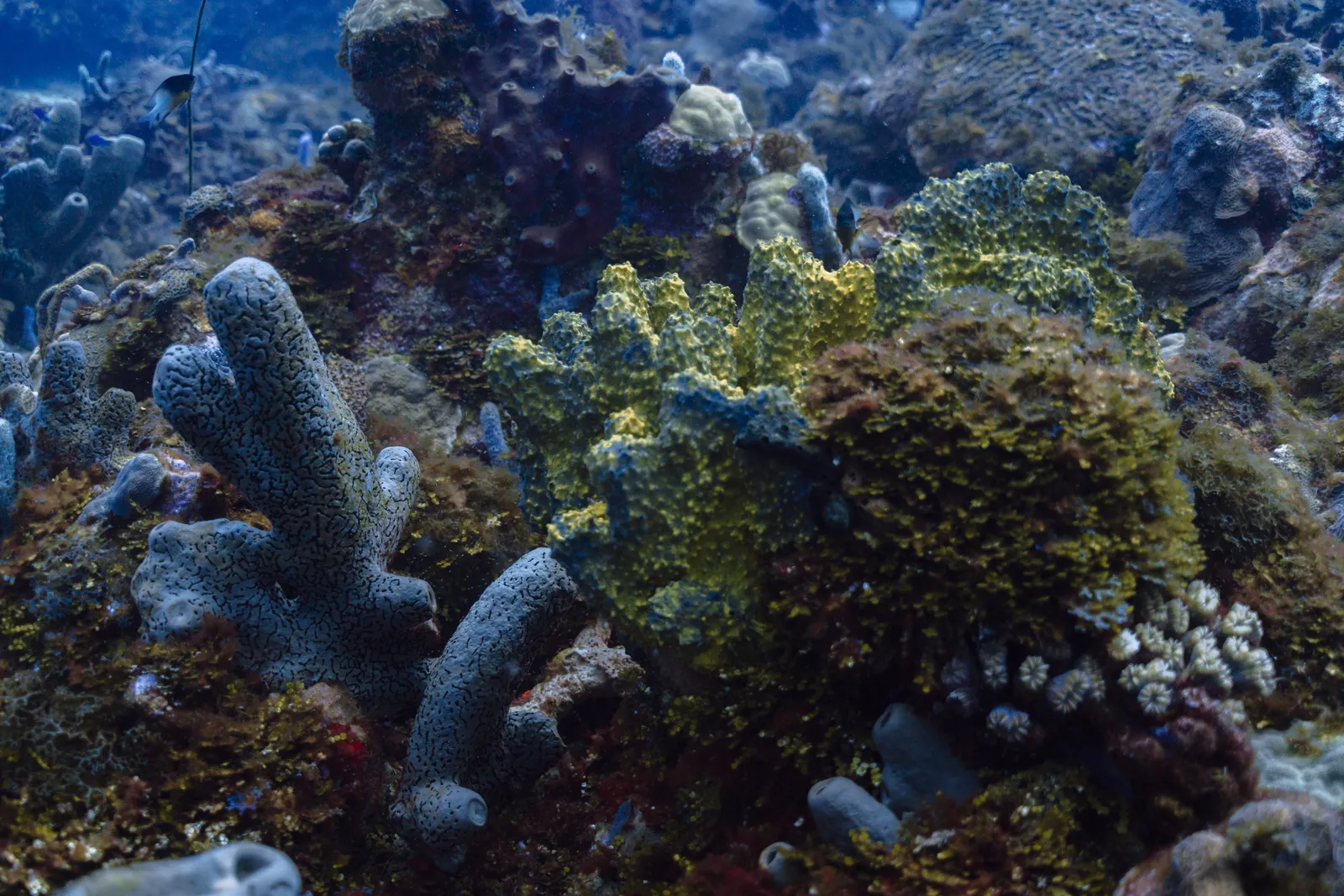
Immersion pulmonary edema is a lesser-known dive condition where fluid builds up in the lungs during a dive, causing breathlessness and a wet-sounding cough. It is not caused by inhaling water, but by the way immersion and pressure shift blood and fluid inside the body. Most divers will never experience it, yet it deserves awareness because it can feel frightening and, occasionally, be serious. Recognizing it early and surfacing calmly is the most important response, and a doctor should always follow up.
What happens inside the body
When you are immersed, water pressure and cool temperatures push blood from your limbs toward your chest. This raises the pressure in the vessels around your lungs.
In some people, and in some conditions, that pressure forces a little fluid out of the vessels and into the tiny air sacs of the lungs. That fluid is what makes breathing feel wet and difficult during the dive.
Signs to notice underwater
The condition usually appears during the dive rather than after, and the signs can build quickly:
- Shortness of breath that does not match your effort
- A cough, sometimes producing frothy or pink-tinged sputum
- A feeling of tightness or gurgling in the chest
- Unusual fatigue and a need to work hard just to breathe
If you feel these, signal your buddy, stop exertion, and begin a calm, controlled ascent. Do not push through it.
Who is more at risk
It can affect fit divers, but certain factors raise the odds. Being older, having high blood pressure or a heart condition, over-hydrating before a dive, cold water, and hard exertion all seem to play a role.
Because some of these overlap with heart and lung health, anyone who has had an episode should be checked thoroughly before diving again. It is not a condition to shrug off, even if you feel fine on land.
Sensible prevention
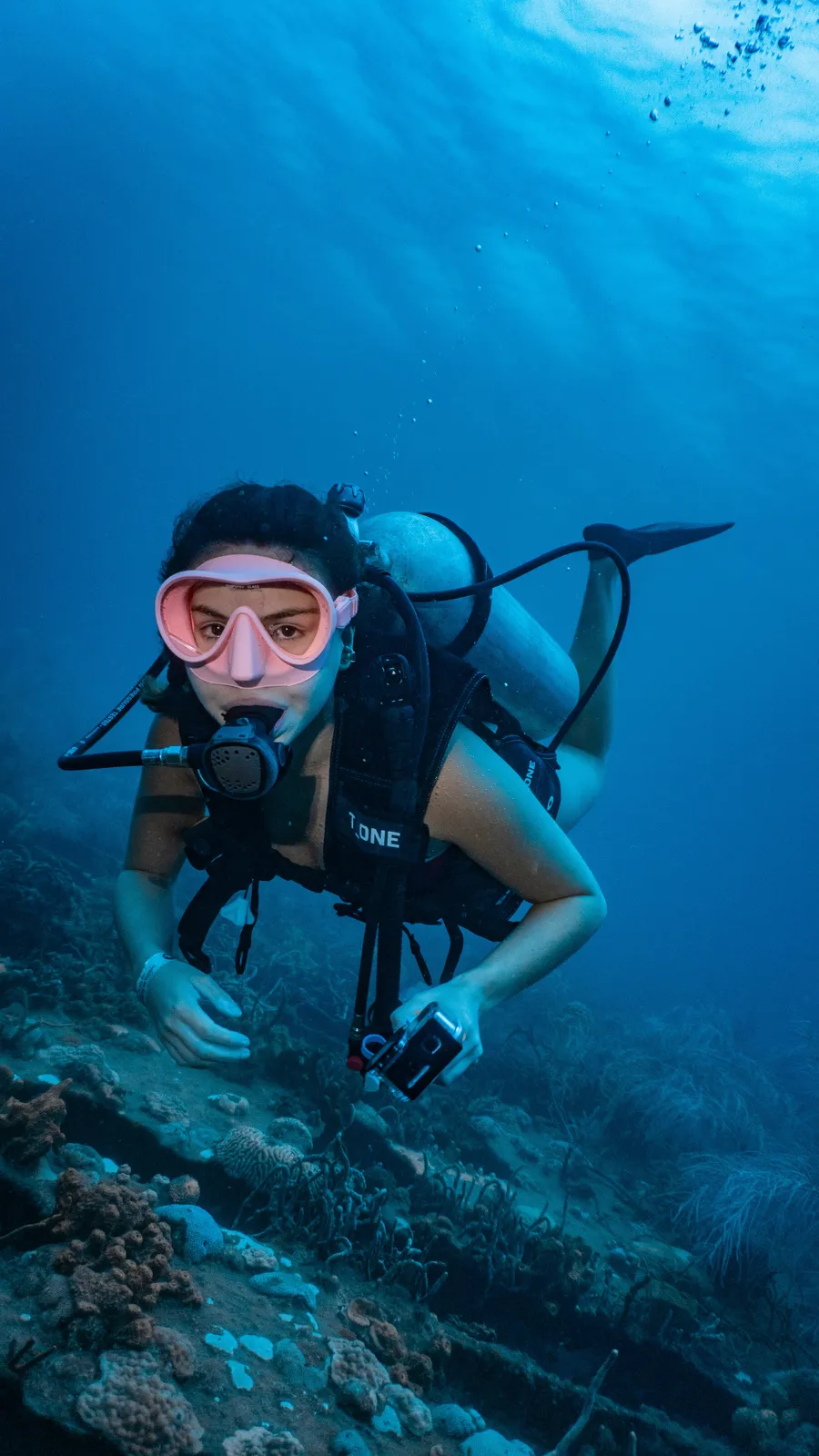
You cannot control everything, but a few habits lower the risk. Avoid drinking large amounts of water right before a dive, stay well rested, dress warmly enough, and pace yourself rather than finning hard against current.
If you have heart or blood pressure concerns, get a proper dive medical first. Managing those conditions well on land is one of the best protections you have in the water.
Calm, well-supervised diving here
At Nautilus we keep groups small so a guide is always close, and our warm 27 to 29°C water reduces the cold stress linked to this condition. Gentle sites and easy currents mean you rarely have to exert yourself hard.
Tell us about any heart, lung or blood pressure history when you book, and read our advice on when to see a dive doctor before your trip. Then enjoy our courses and dives knowing your comfort and safety come first.
Important
This is general educational information, not medical advice. Always complete the medical questionnaire honestly, dive within your training and, if in doubt, consult a diving physician or contact DAN (Divers Alert Network). In an emergency in Colombia, the nearest hyperbaric chamber is in Coveñas.


