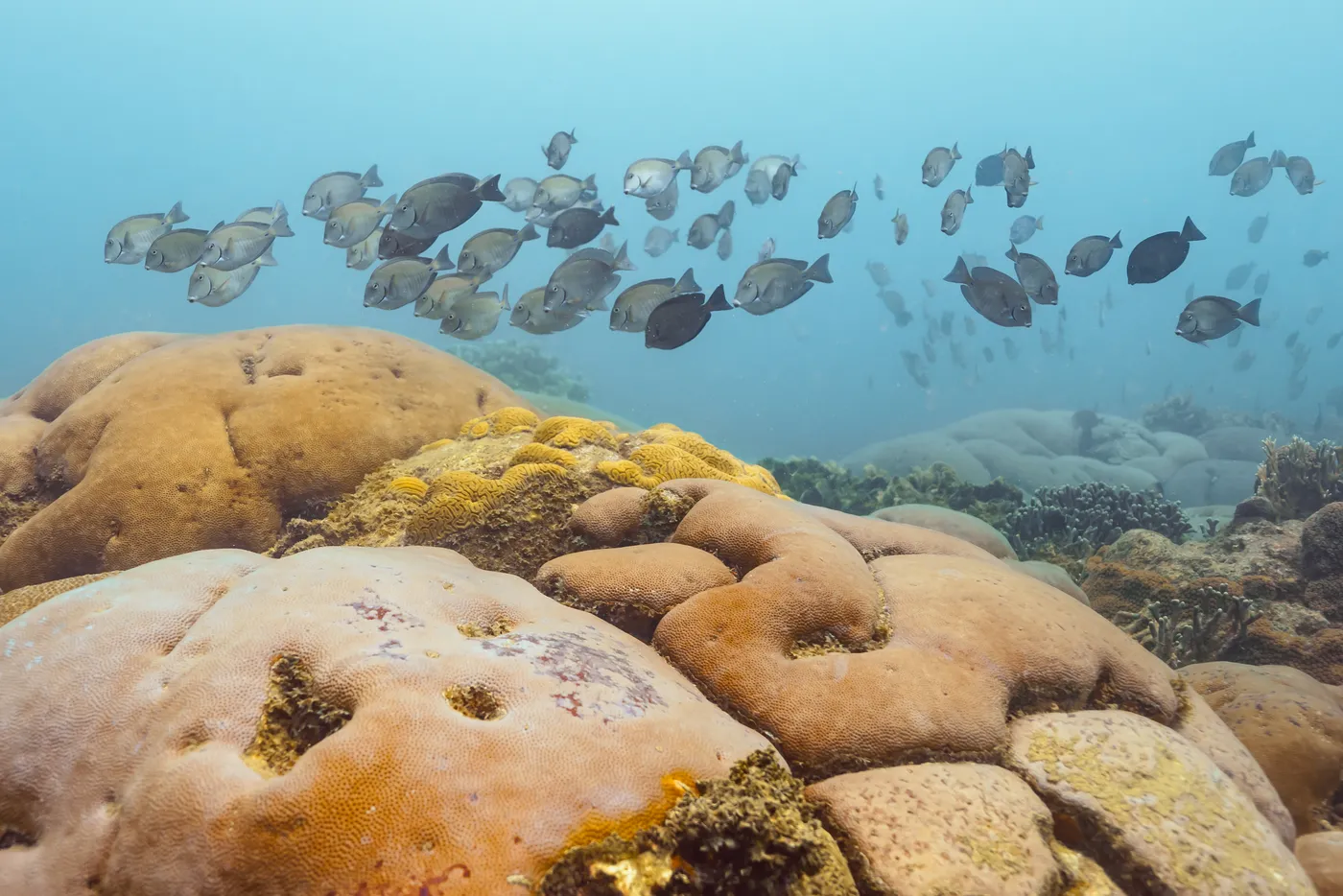
Every scuba course drills one rule above all others: never hold your breath. On land, holding your breath is harmless, but with a tank of compressed air underwater it can cause a serious lung injury in seconds. The reason lies in simple physics that every diver learns early and never forgets. Understanding why this rule exists, rather than just memorizing it, is what makes it stick. Breathe continuously, always, and this danger simply never touches you.
The physics in one idea
Gas expands as pressure drops. When you ascend, the air in your lungs expands as the water pressure around you decreases. If you are breathing normally, the extra air simply flows out as you exhale.
But if you hold your breath and ascend, that expanding air has nowhere to go. It stretches your lungs beyond their limit, and even a small depth change can do real damage.
What lung overexpansion can cause
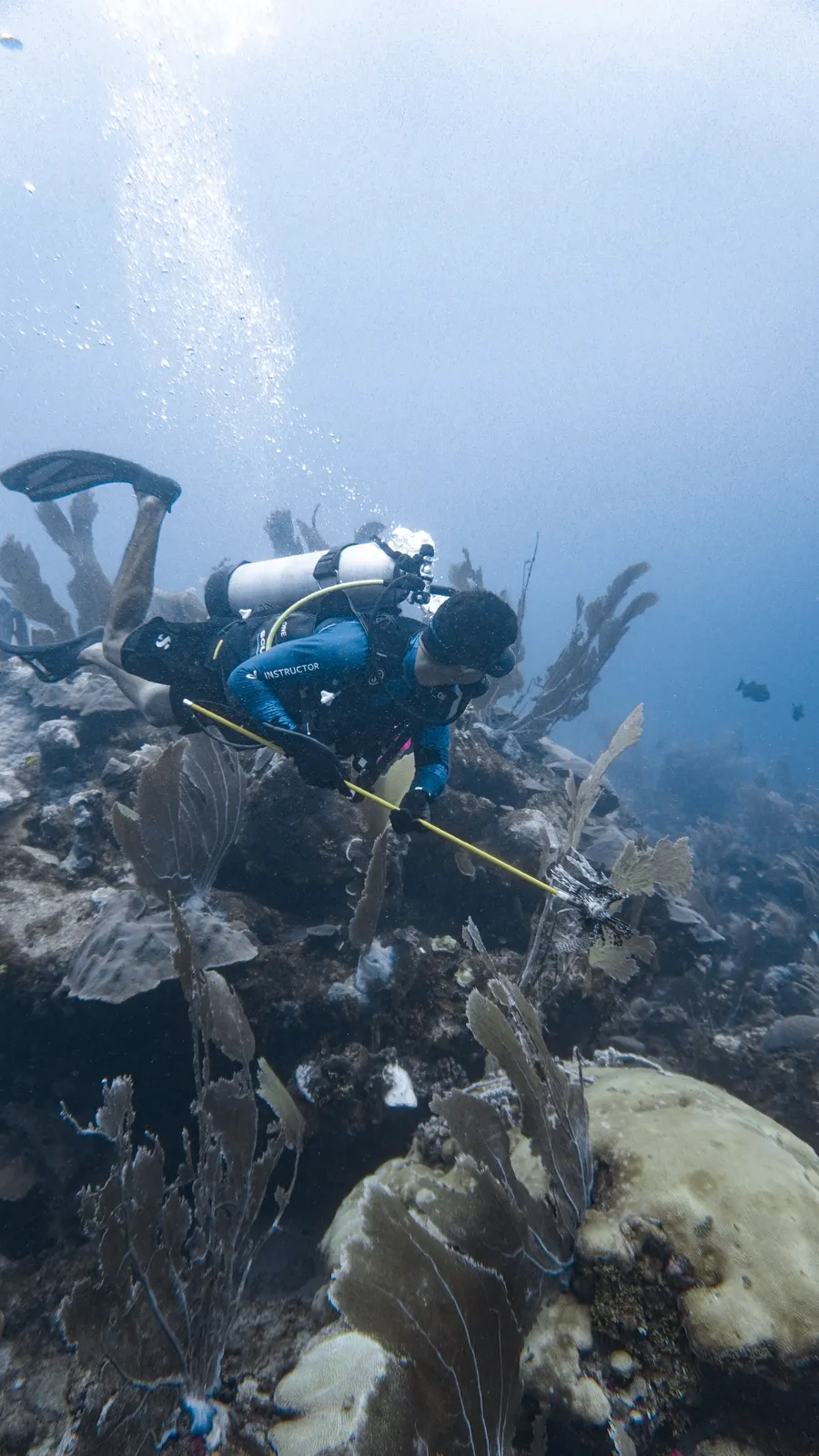
Overstretching the lungs can tear delicate tissue and lead to several injuries, together called lung overexpansion injuries:
- Air forced into the chest cavity, collapsing a lung
- Air trapped around the heart or under the skin of the neck
- Air bubbles pushed into the bloodstream, an arterial gas embolism
An arterial gas embolism is the most serious, because bubbles can reach the brain. This is why the rule is treated as absolutely non-negotiable.
Why the shallowest water is trickiest
It seems backwards, but the greatest proportional pressure change happens in the last few meters near the surface. Air in your lungs expands most rapidly there, so a held breath during a shallow ascent is especially dangerous.
This is why instructors watch students most carefully in shallow water and in the pool. Never think a dive is too shallow to matter, since the physics is actually more aggressive close to the top.
The simple habit that protects you
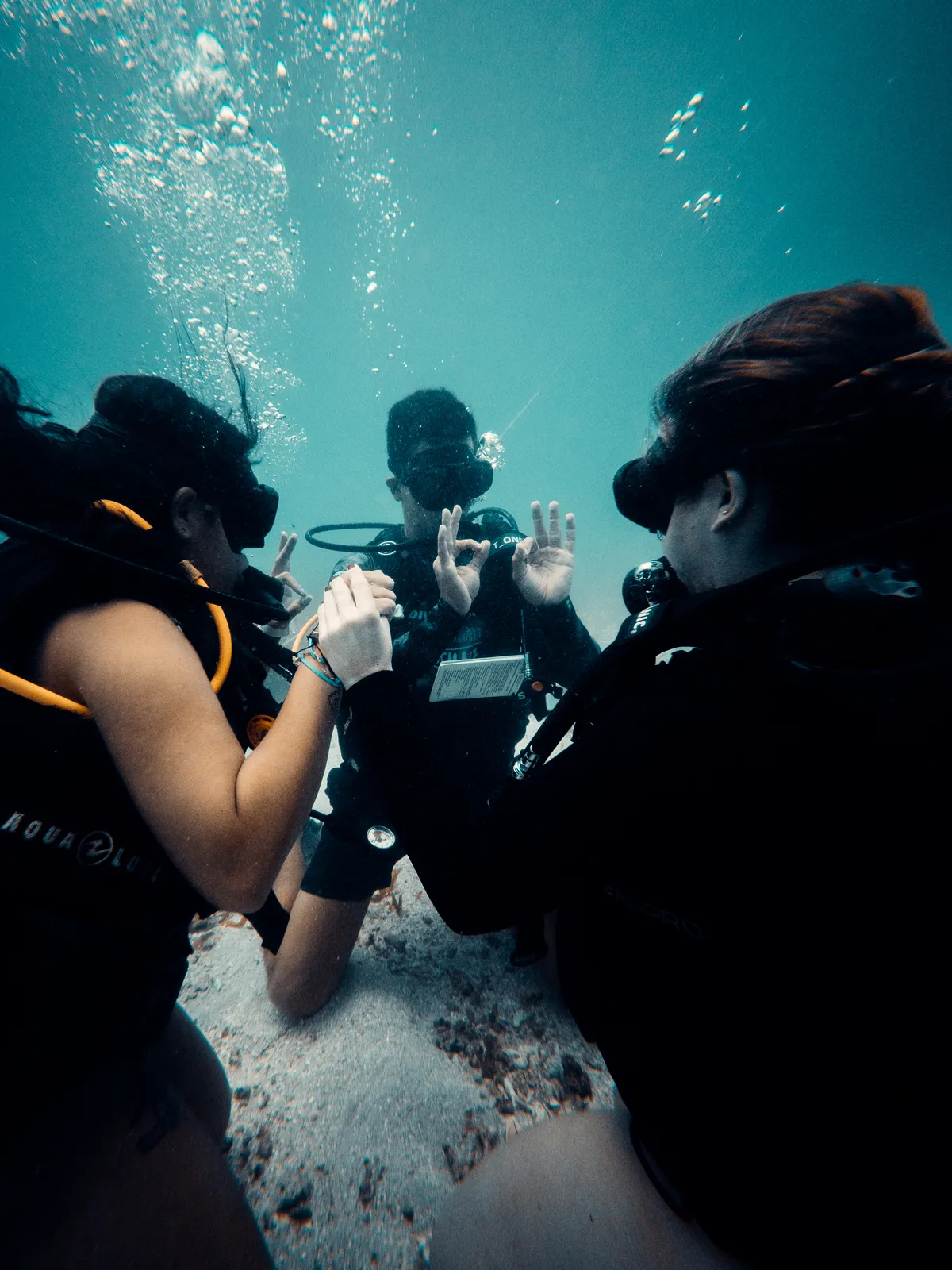
The solution is easy and becomes automatic: breathe slowly and continuously, and never stop. If you ever need to remove the regulator, exhale a gentle, steady stream of bubbles so expanding air always has an exit.
Relaxed, rhythmic breathing also keeps you calm and conserves air, so the habit that protects your lungs improves your whole dive. Once it is second nature, you will not even think about it.
We build good habits from dive one
At Nautilus this rule is the very first thing our PADI instructors teach, and we reinforce it in the calm, shallow water of sites like Rosa Vieja before we ever go deeper. Small groups mean an instructor is always close as you build the habit.
Learning to dive here means learning it right, in warm 27 to 29°C water with patient guides. Start with our courses and dives and keep learning through more guides as your confidence grows.
Important
This is general educational information, not medical advice. Always complete the medical questionnaire honestly, dive within your training and, if in doubt, consult a diving physician or contact DAN (Divers Alert Network). In an emergency in Colombia, the nearest hyperbaric chamber is in Coveñas.


