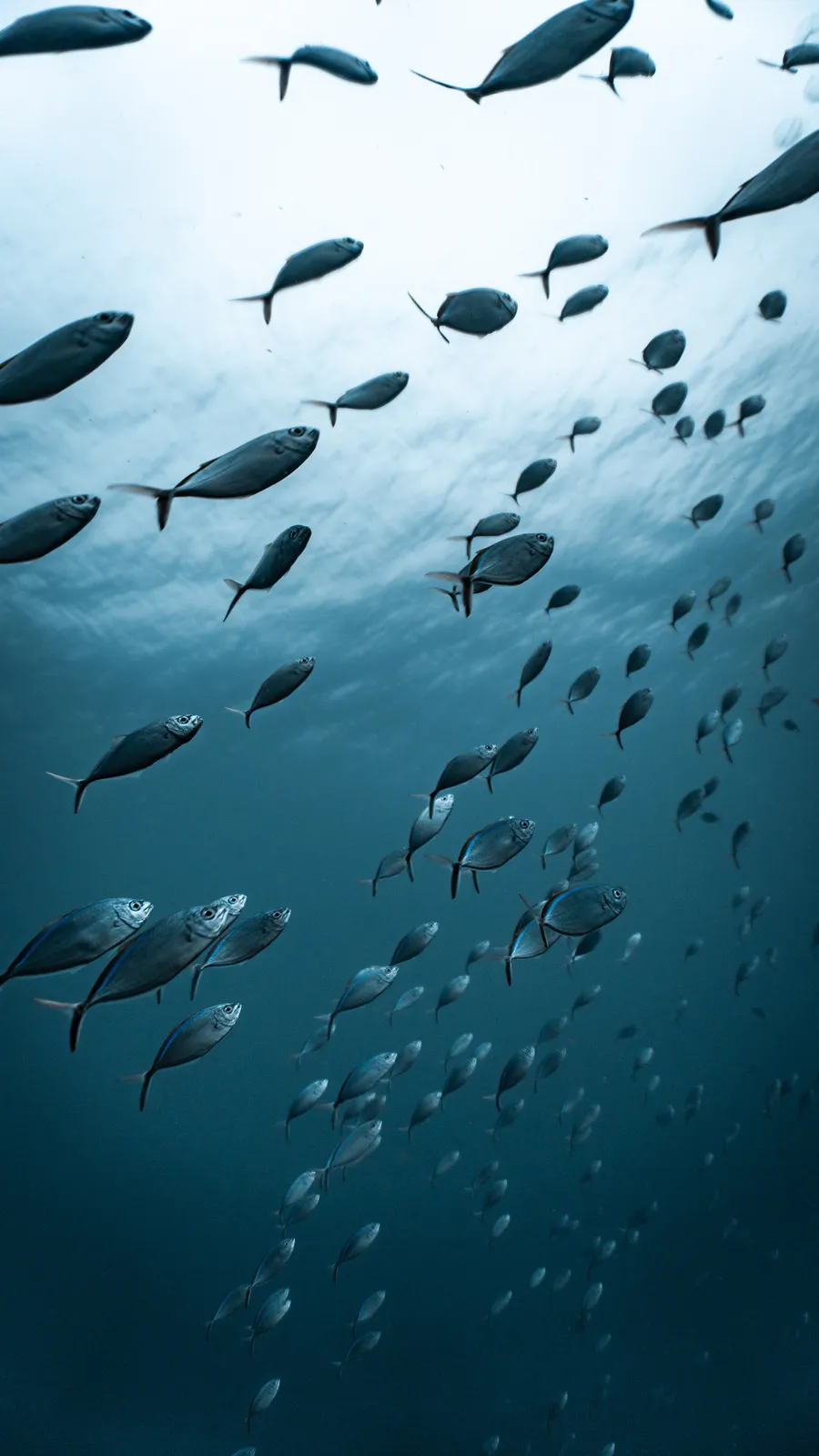
Good divers know that the bravest call is sometimes to stay on the boat. Diving is safe when you dive within your limits and listen to your body, and part of that discipline is recognizing the days when conditions or your health say no. Sitting one out is a sign of a skilled, mature diver, not a timid one. This checklist gathers the clearest reasons to skip a dive, so the decision is easy when the moment comes.
Health reasons to sit out
Skip the dive if you have a cold or blocked sinuses, because you will not equalize safely. The same goes for a hangover, significant fatigue, dehydration or simply feeling unwell. Pregnancy is a clear reason not to scuba dive at all.
- Cold, congestion or blocked ears.
- Hangover or recent heavy drinking.
- Very tired, run-down or dehydrated.
- Pregnant, or any uncleared medical condition.
Mindset reasons to sit out
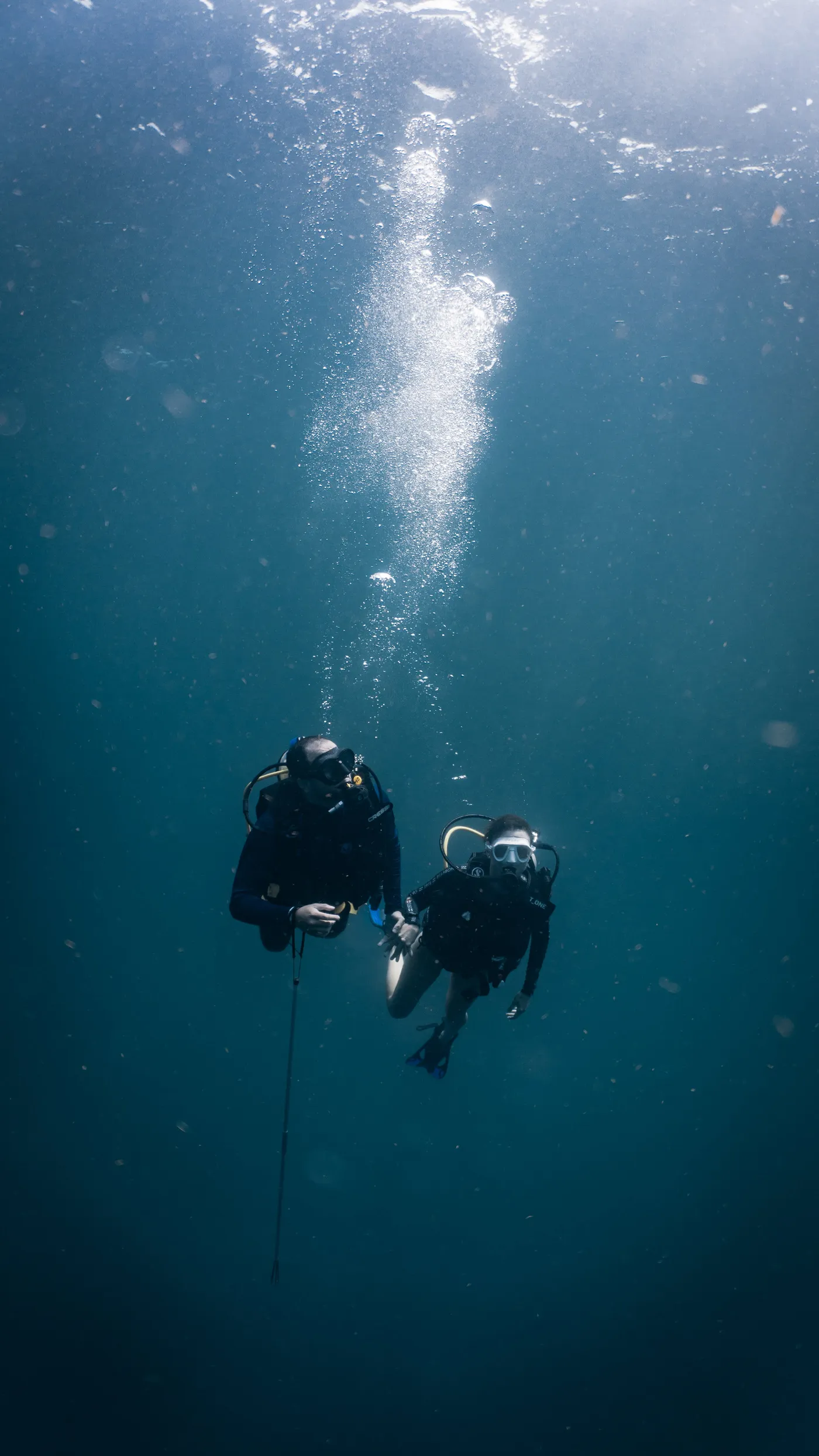
Your head matters as much as your body. If you feel anxious, distracted, rushed or pressured, that is a valid reason to pause. Diving asks for a calm, focused mind, and forcing a dive when you are not in the right frame rarely goes well.
Never let peer pressure or a fear of missing out push you underwater. A confident no earns respect from good dive teams.
Conditions and equipment
Environmental factors count too. Rough seas, poor visibility beyond your training, strong currents at an advanced site like Bushnell, or gear that is not working right are all good reasons to wait or change the plan.
Diving within your certification and comfort is a rule, not a suggestion. Our team will never push you toward a site beyond your level.
How to make the call
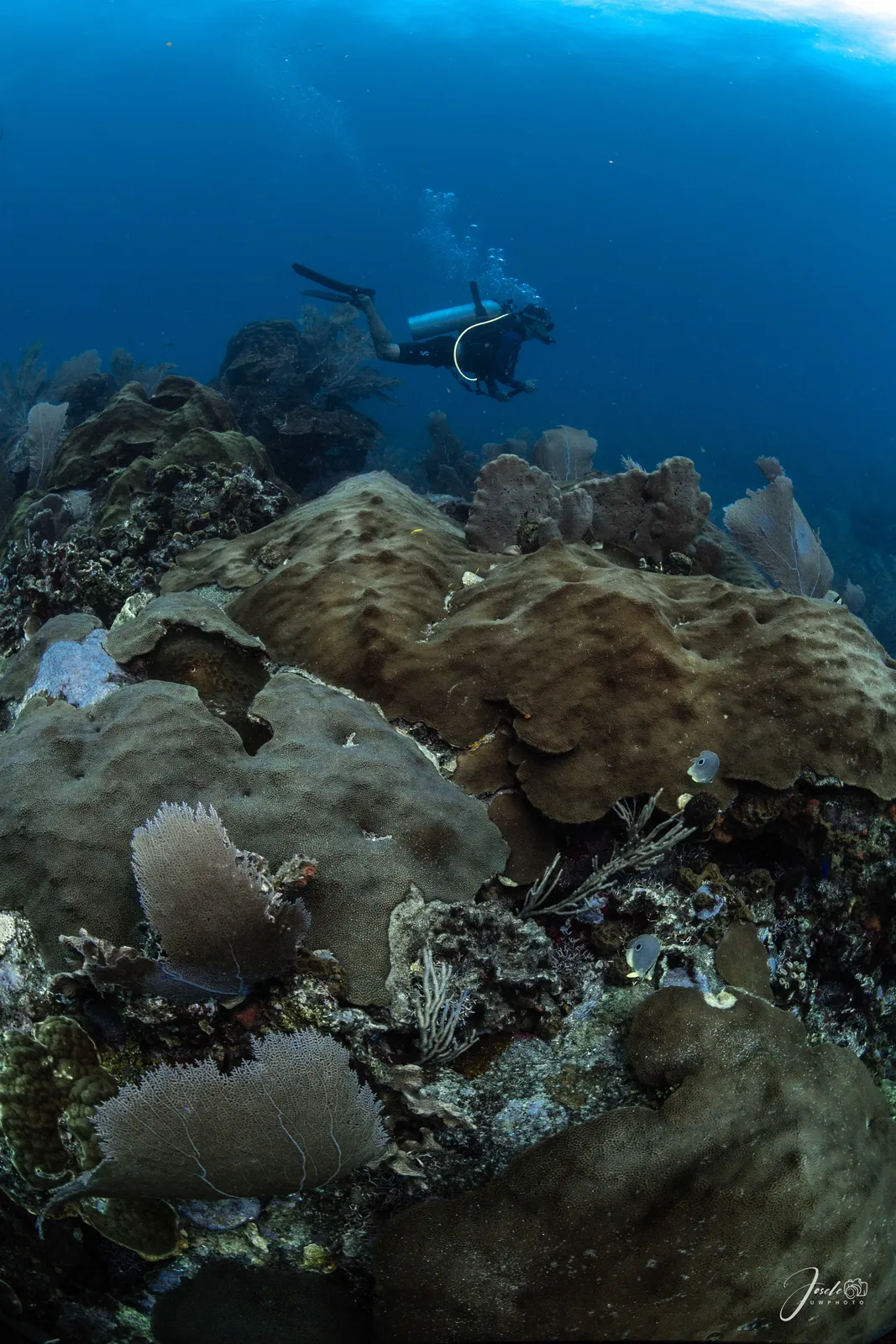
Do a quick honest check before you gear up: How is my body, how is my head, how are the conditions, how is my equipment? If any answer raises doubt, talk to your guide. We would always rather adapt than push.
With 29 dive sites and warm water year-round, there is usually a calmer alternative or a better day nearby.
There is always another dive
Skipping a dive is never a failure. The reef will still be there tomorrow, and diving well over many years beats pushing one risky dive today. This mindset is what separates lifelong divers from cautionary tales.
See courses and dives to plan flexibly, and read more guides on diving safely and often.
Important
This is general educational information, not medical advice. Always complete the medical questionnaire honestly, dive within your training and, if in doubt, consult a diving physician or contact DAN (Divers Alert Network). In an emergency in Colombia, the nearest hyperbaric chamber is in Coveñas.


