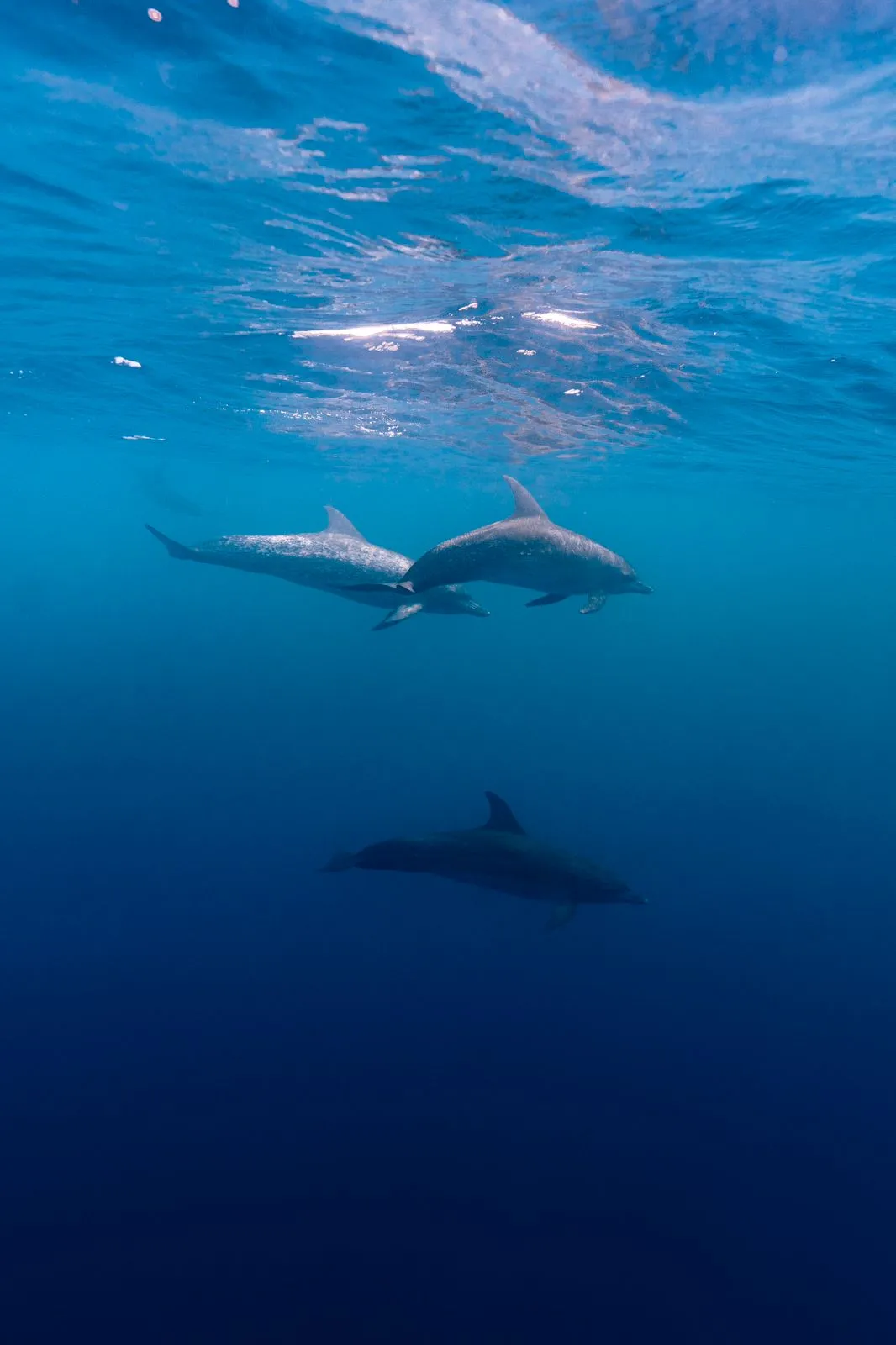
Diving is quietly dehydrating in several ways at once. You breathe dry compressed air that pulls moisture from your body, you sweat under the tropical sun on the boat, and immersion itself makes you lose fluid without ever feeling thirsty. Dehydration thickens the blood and is thought to raise your risk of decompression sickness and muscle cramps, so staying well hydrated is one of the simplest and most effective safety habits a diver can build.
Why divers lose so much fluid
Several factors stack up on a dive day. The air in your tank is very dry, and your body spends energy humidifying every breath. The warm Isla Fuerte sun and the effort of carrying gear make you sweat, often more than you notice under a wetsuit.
On top of that, being immersed triggers a natural response that makes your kidneys produce more urine, a phenomenon divers jokingly know all too well. All of this adds up to real fluid loss.
Why it matters for safety
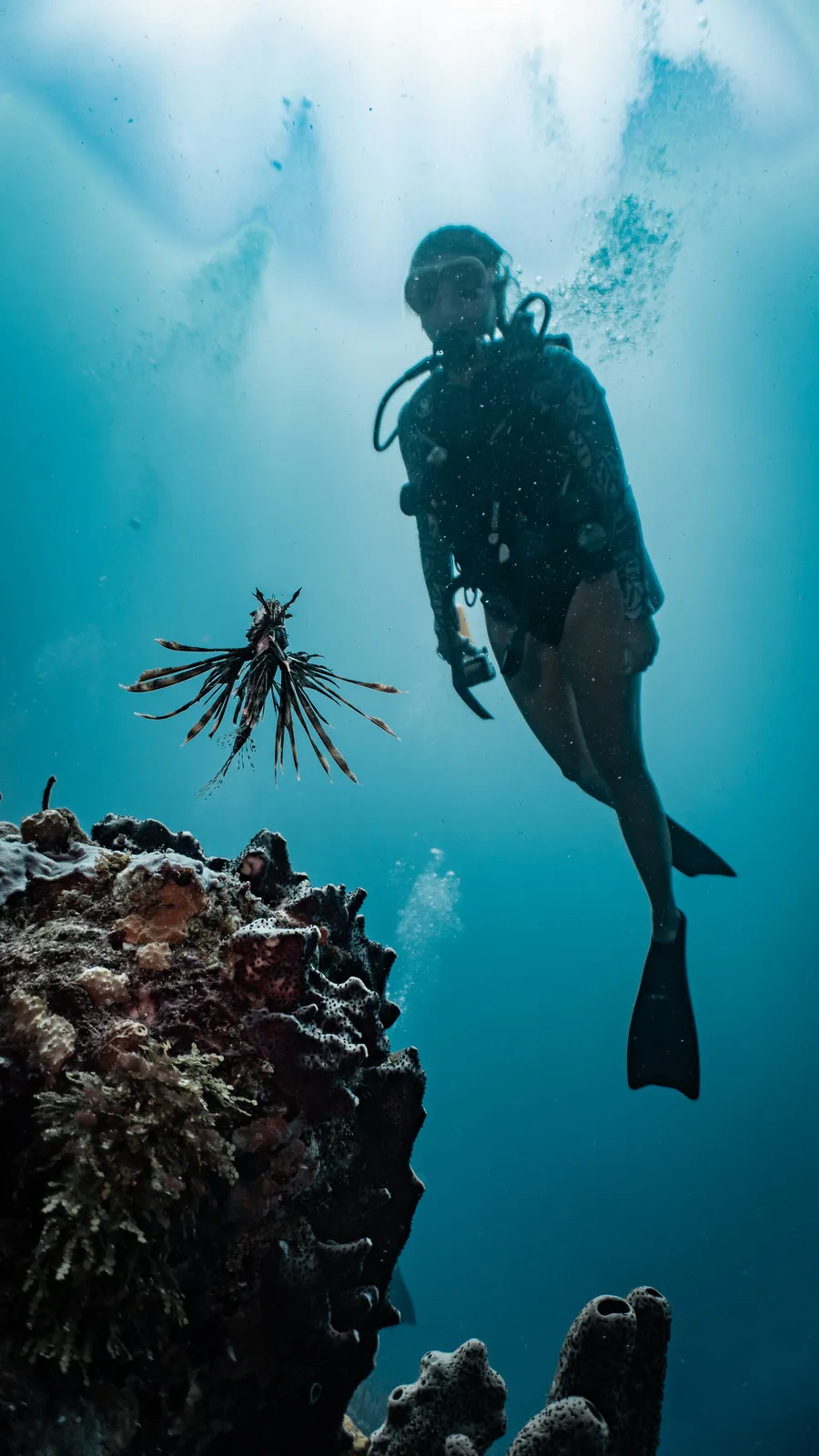
When you are dehydrated, your blood is thicker and circulation is less efficient, which may slow the way your body releases nitrogen after a dive. That is one reason dehydration is linked to a higher risk of decompression sickness.
It also makes muscle cramps more likely, leaves you tired and headachy, and can worsen the effects of heat and seasickness. Good hydration quietly improves nearly every part of your diving day.
Stay ahead of it
The goal is to arrive already hydrated and to keep topping up, rather than trying to catch up once you feel thirsty:
- Drink water steadily the day before and the morning of diving
- Sip water between dives, during the surface interval
- Skip or limit alcohol the night before, as it is strongly dehydrating
- Go easy on coffee and very sugary drinks on dive mornings
A useful check is the color of your urine: pale means well hydrated, dark means you need more water.
Comfort and performance too
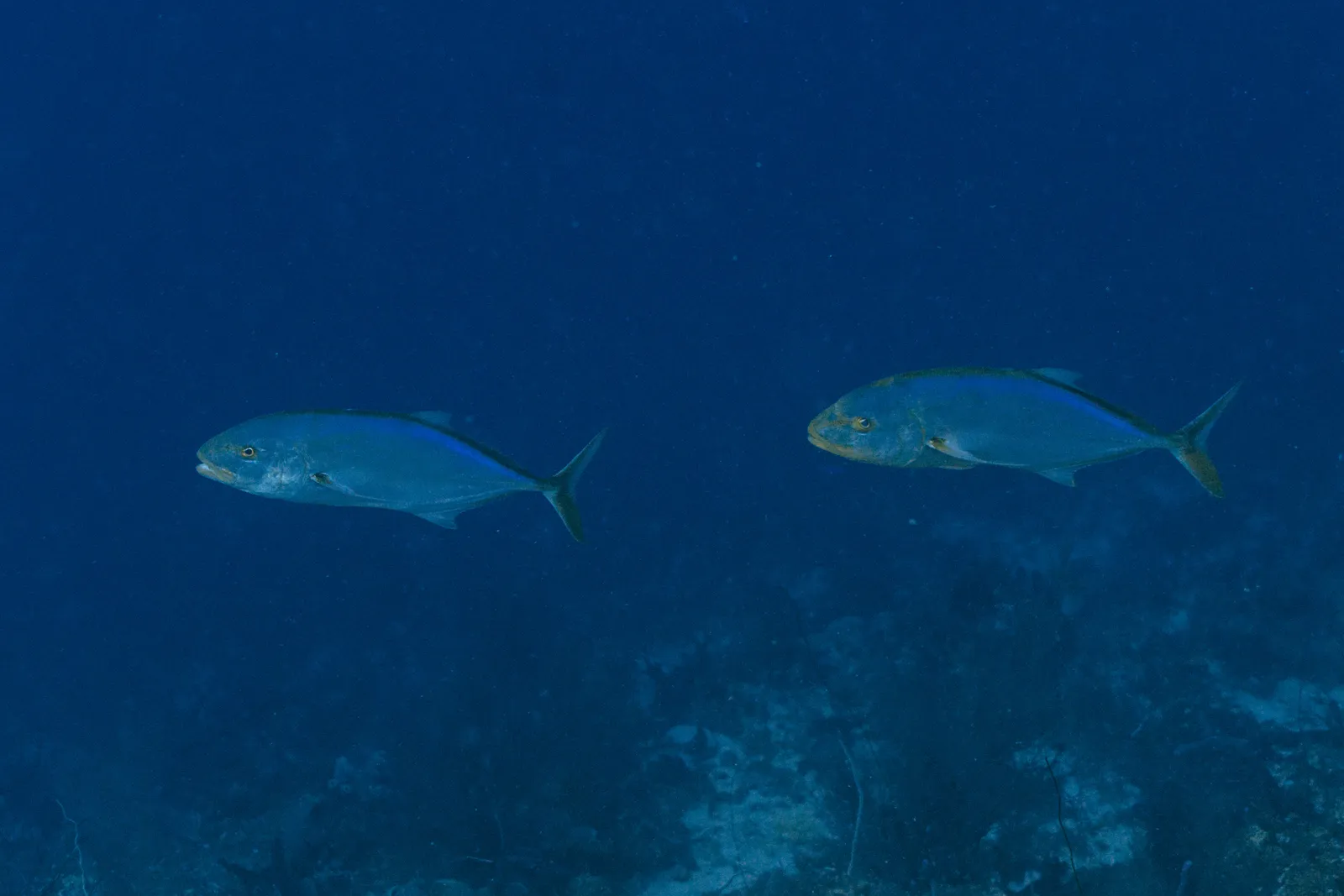
Beyond safety, hydration simply makes diving more enjoyable. Well-hydrated divers tend to feel warmer, have more energy across a multi-dive day, and even use their air a little more efficiently because they are relaxed rather than stressed.
Come to Isla Fuerte with a full water bottle and a good night's rest, and you will get more out of every dive. See our courses and dives and browse more guides to prepare for a great day underwater.
Important
This is general educational information, not medical advice. Always complete the medical questionnaire honestly, dive within your training and, if in doubt, consult a diving physician or contact DAN (Divers Alert Network). In an emergency in Colombia, the nearest hyperbaric chamber is in Coveñas.


