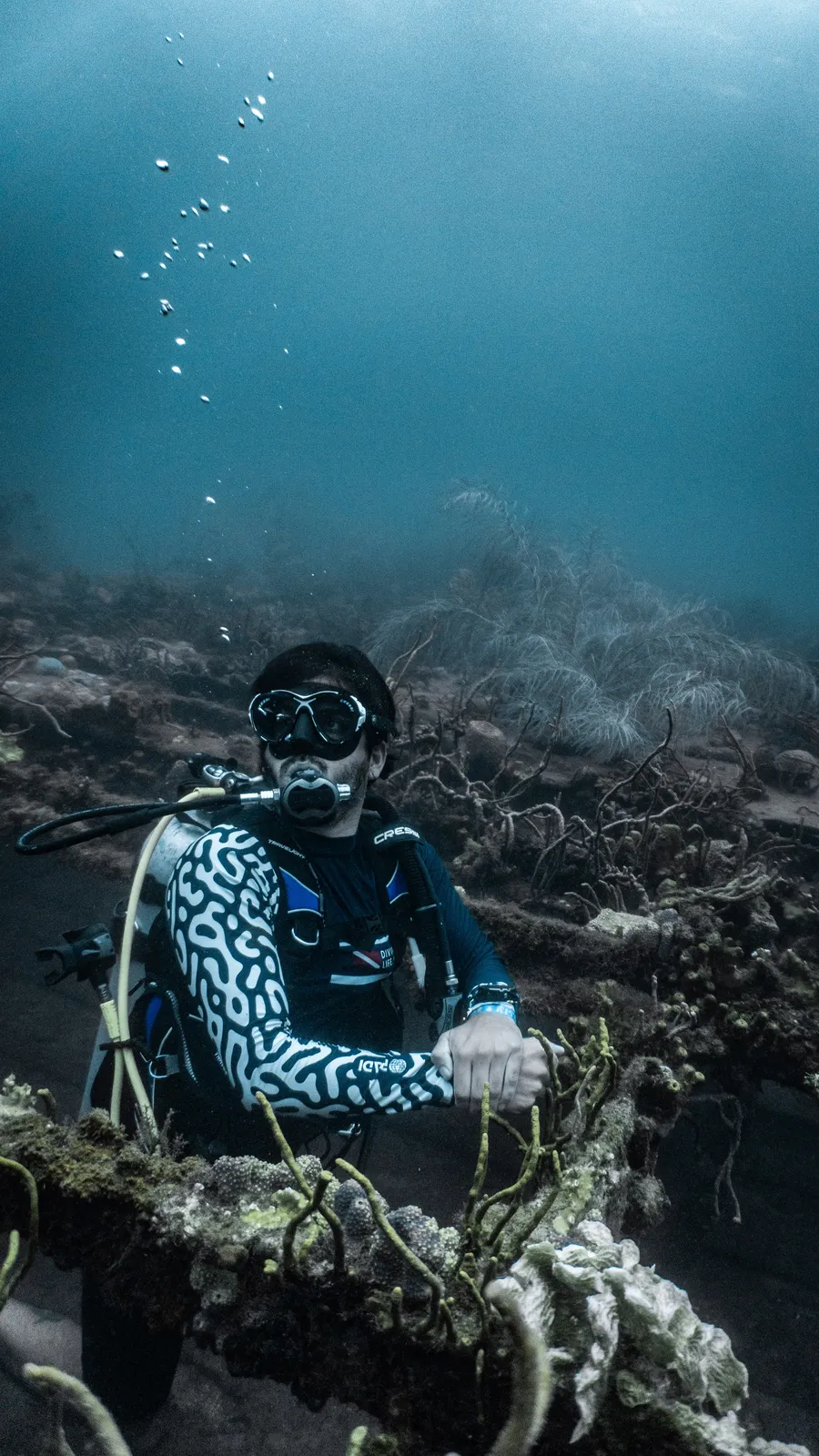
Your sinuses are hollow, air-filled spaces in the bones of your face, and just like your ears they need to equalize as depth and pressure change. When they are healthy, this happens automatically and you never notice it. When they are blocked by a cold, allergy or infection, the trapped air cannot balance, and the pressure difference causes pain or a nosebleed. This is sinus barotrauma, sometimes called a sinus squeeze.
How it feels
A sinus squeeze usually shows up as a dull or sharp pain over the cheeks, forehead or between the eyes as you descend or ascend. Some divers also notice a small amount of blood in the mask or when they clear their nose afterward, which comes from the delicate sinus lining and is usually minor.
Unlike an ear that simply will not clear, sinus pain often cannot be fixed underwater, because there is no reliable way to force air into a blocked sinus.
Prevention is everything
The single best defense is simple: do not dive with a blocked nose, a head cold or an active allergy flare. Waiting until you are clear is always the right call, and the reef will still be there tomorrow.
Decongestant sprays or tablets can seem to help, but they carry a real risk. They may wear off partway through a dive and let the sinus swell shut at depth, trapping air and causing a reverse squeeze on the way up. That is why we treat them with caution rather than relying on them.
If you feel a squeeze
Handle it gently and do not push through pain:
- Ascend slowly a meter or two until the pain eases
- Give the sinus a moment to equalize on its own
- If the pain persists, calmly end the dive
A little blood in the mask afterward is common and usually clears up quickly. If bleeding is heavy or pain lasts, see a doctor to rule out infection.
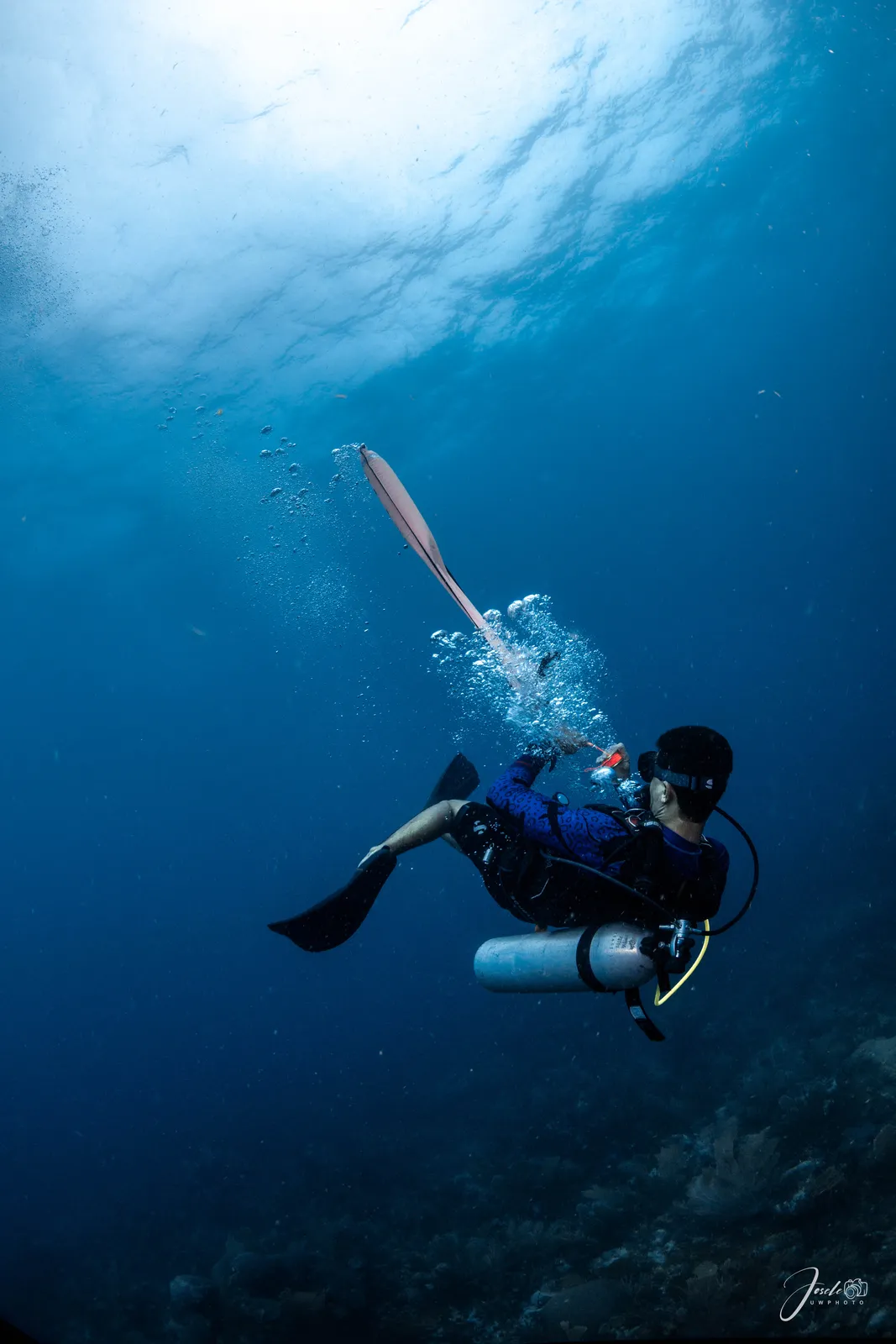
Dive when you are truly ready
Our warm Isla Fuerte water and short crossings from Paso Nuevo make for easy, relaxed diving, but only if your airways are healthy. If you arrive with a lingering cold, tell your instructor. We can adjust your schedule, start you on a gentle beginner reef like Rosa Vieja, or postpone a day.
See what is on offer in our courses and dives, and use our interactive dive map to picture the sites before you go.
Important
This is general educational information, not medical advice. Always complete the medical questionnaire honestly, dive within your training and, if in doubt, consult a diving physician or contact DAN (Divers Alert Network). In an emergency in Colombia, the nearest hyperbaric chamber is in Coveñas.


