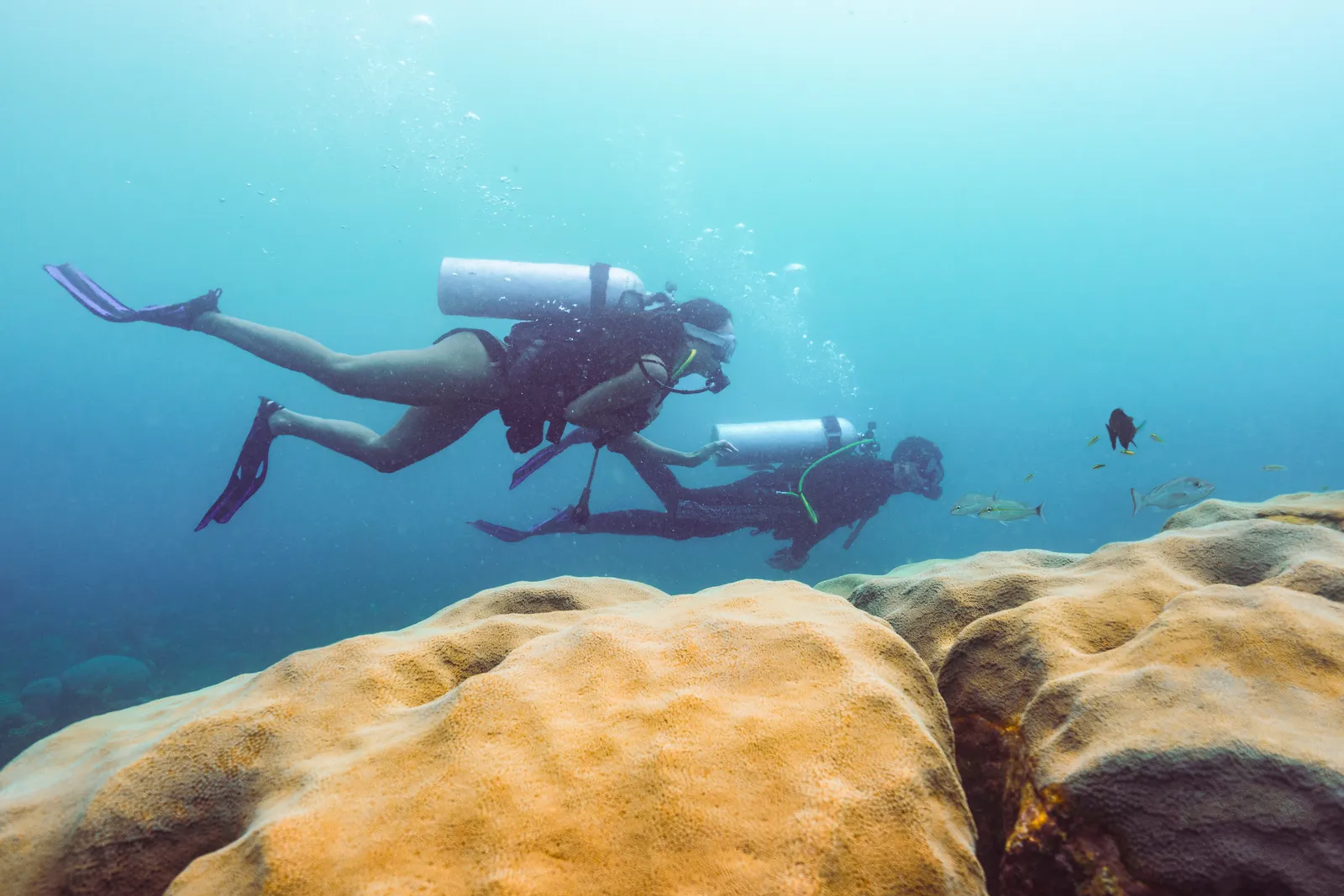
Water pulls heat from your body far faster than air, so even a mild-looking sea can chill a diver over time. Hypothermia, a dangerous drop in core temperature, develops when you lose heat faster than you can produce it, and it clouds judgment before it becomes obvious. In warm places like the Colombian Caribbean the risk is low, but understanding it helps you dive comfortably anywhere. The core message is simple: dress for the water, notice the early signs, and end a dive before cold takes over.
Why water chills you so fast
Water conducts heat away from your skin roughly twenty-five times faster than air of the same temperature. That is why a pool that feels fine at first can leave you shivering after a long swim.
Diving adds to this because you are still, breathing cool compressed gas, and exposed for a whole dive. Heat loss is gradual and easy to underestimate, especially on repeated dives across a day.
Recognize the early signs
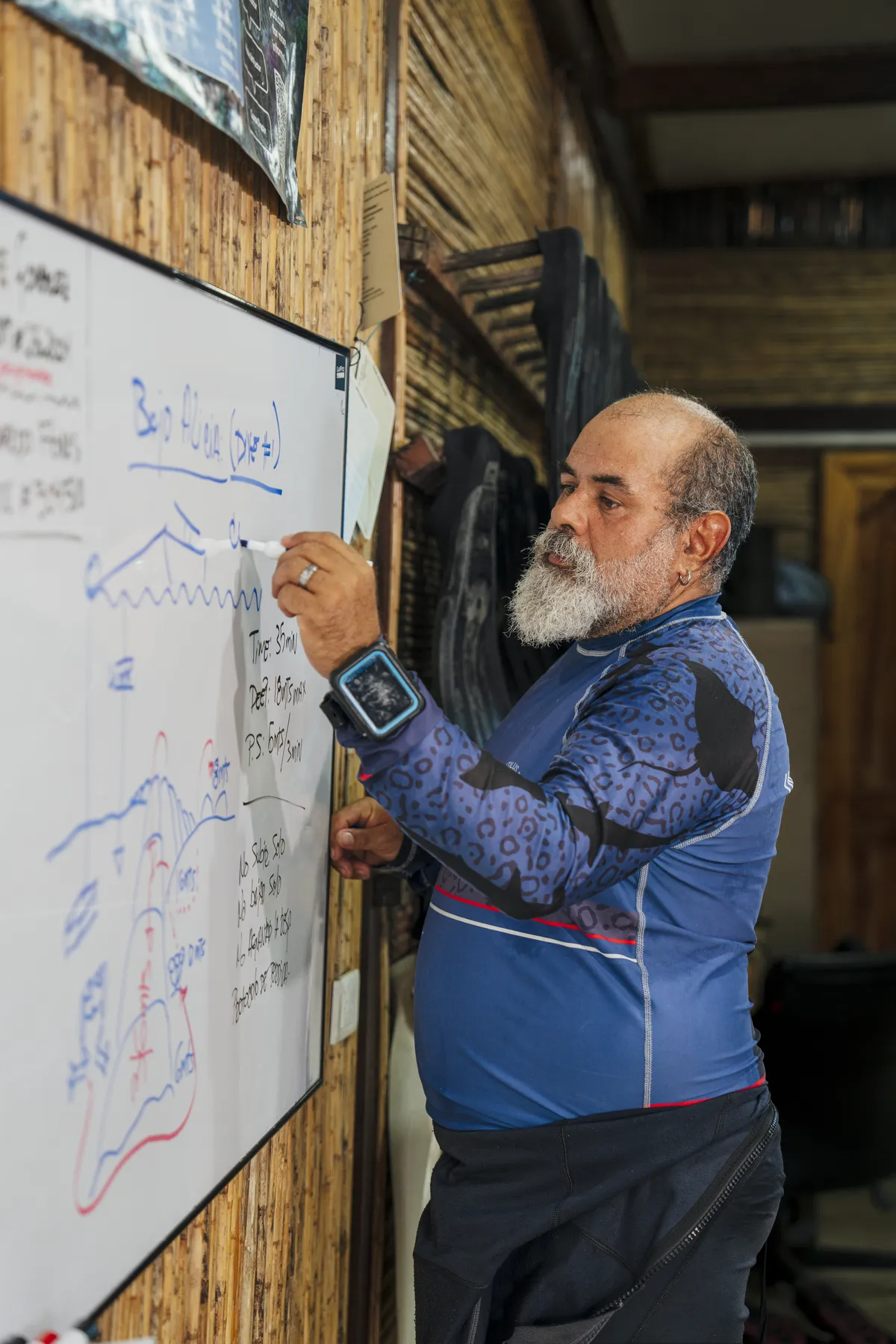
Hypothermia gives clear warnings if you pay attention. Catching them early lets you end the dive while everything is still easy:
- Shivering, at first mild, then hard to control
- Numb fingers and clumsy hands
- Feeling sluggish, distracted or unusually quiet
- Trouble focusing on simple tasks like reading a gauge
Once shivering stops in a genuinely cold diver, that can be a bad sign rather than a good one, so never ignore deepening cold.
Dress for the temperature
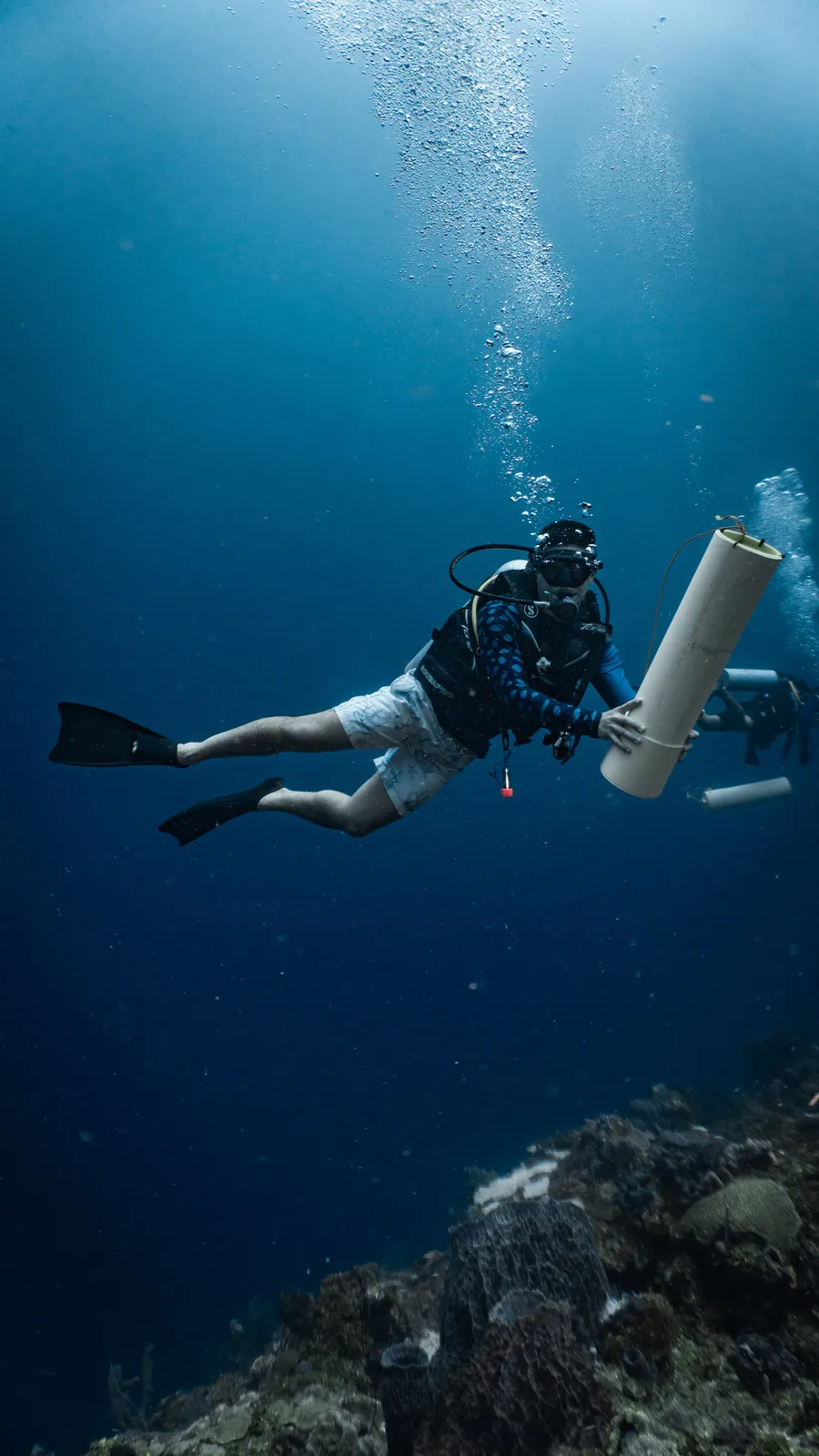
The right exposure suit is your main defense. A thin wetsuit suits warm tropical water, a thicker one suits cooler seas, and a drysuit is for genuinely cold diving. A hood matters too, since a lot of heat escapes from your head.
Fit is as important as thickness. A suit that is too loose lets water flush through and steal warmth, while a well-fitting suit traps a thin insulating layer against your skin.
Warm up the right way
After a cold dive, get out of the wind, dry off, add layers and sip a warm drink. Rewarm gradually rather than jumping straight into very hot water, which can stress the body.
Give yourself a genuine surface interval to recover before the next dive. If you are still cold or shivering, that dive can wait, since a chilled diver makes slower decisions and is more prone to other problems.
Warm water is a real luxury here
One of the quiet joys of diving Isla Fuerte is water that stays a steady 27 to 29°C all year. A thin wetsuit is usually plenty, and cold is rarely a limiting factor, which keeps you relaxed and clear-headed on every dive.
That comfort makes our island a wonderful place to learn or simply to enjoy long, easy dives. See our warm-water courses and dives and plan your sites on the interactive dive map.
Important
This is general educational information, not medical advice. Always complete the medical questionnaire honestly, dive within your training and, if in doubt, consult a diving physician or contact DAN (Divers Alert Network). In an emergency in Colombia, the nearest hyperbaric chamber is in Coveñas.


