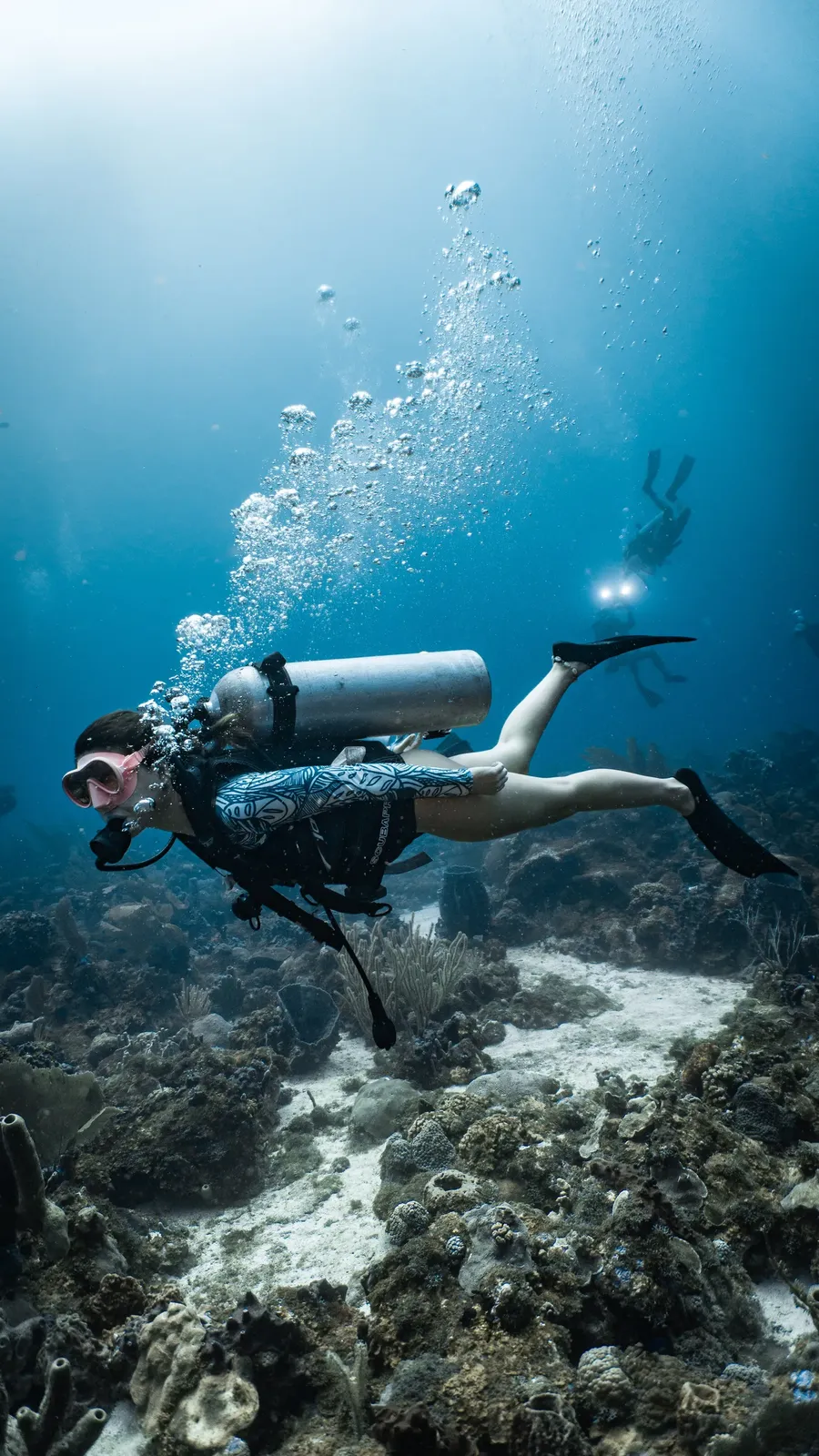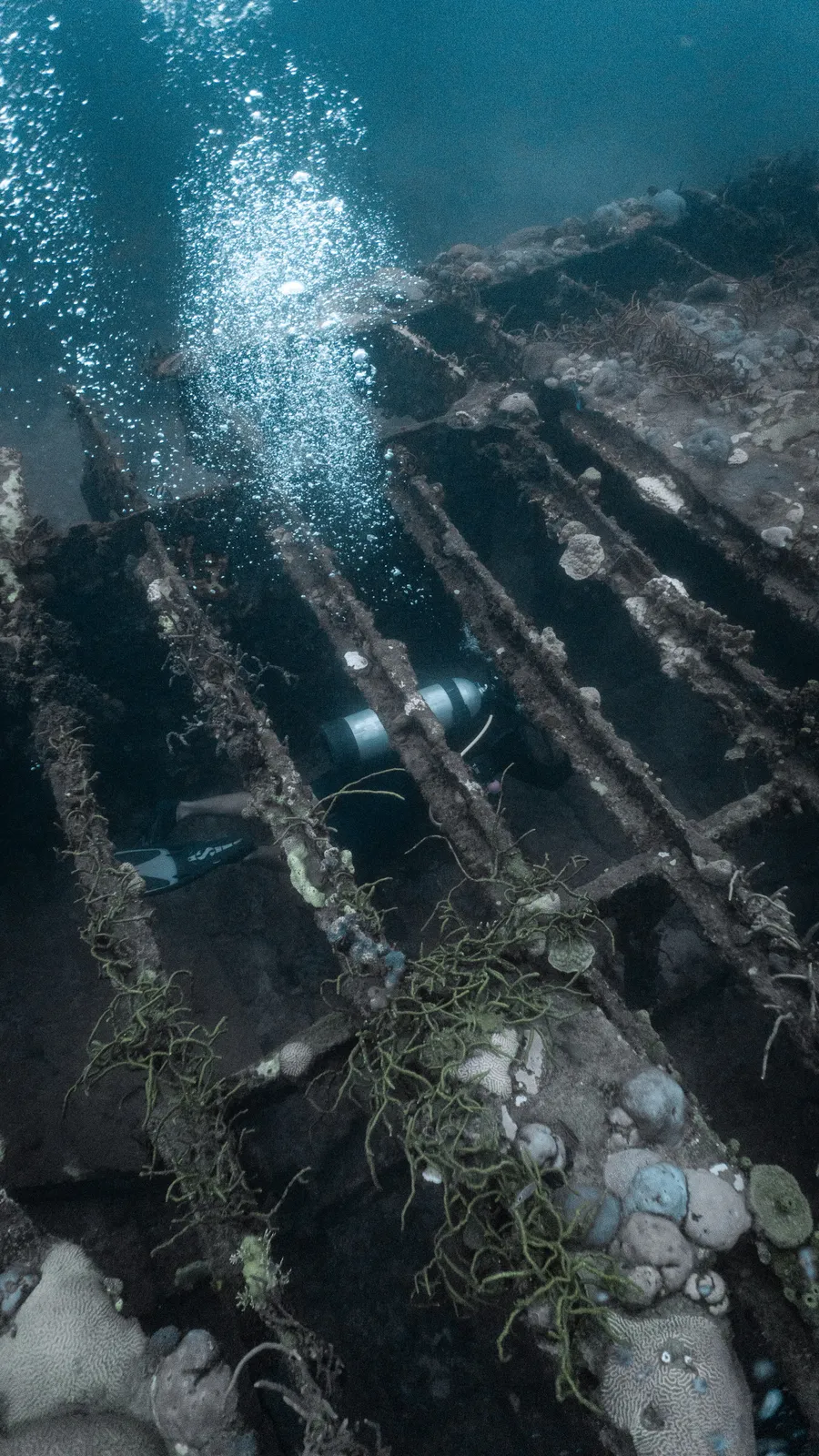
The Poor Knights Islands lie about 20 kilometers off New Zealand's Northland coast, where a warm subtropical current sweeps in and mixes worlds. Jacques Cousteau ranked it among his top ten dives on Earth. It is a landscape of volcanic arches, caves and kelp, riddled with life you find nowhere else. This guide covers the geology, the marine life, and how to reach this protected reserve.
What makes it special
These are the eroded remains of ancient volcanoes, riddled with caves, tunnels, arches and sheer walls. Rikoriko is one of the largest sea caves in the world, big enough to take a boat inside.
The East Auckland Current carries subtropical species far south, so cold-water New Zealand life mingles with tropical strays. The result is a biodiversity hotspot unlike anywhere else in the country.
Marine life
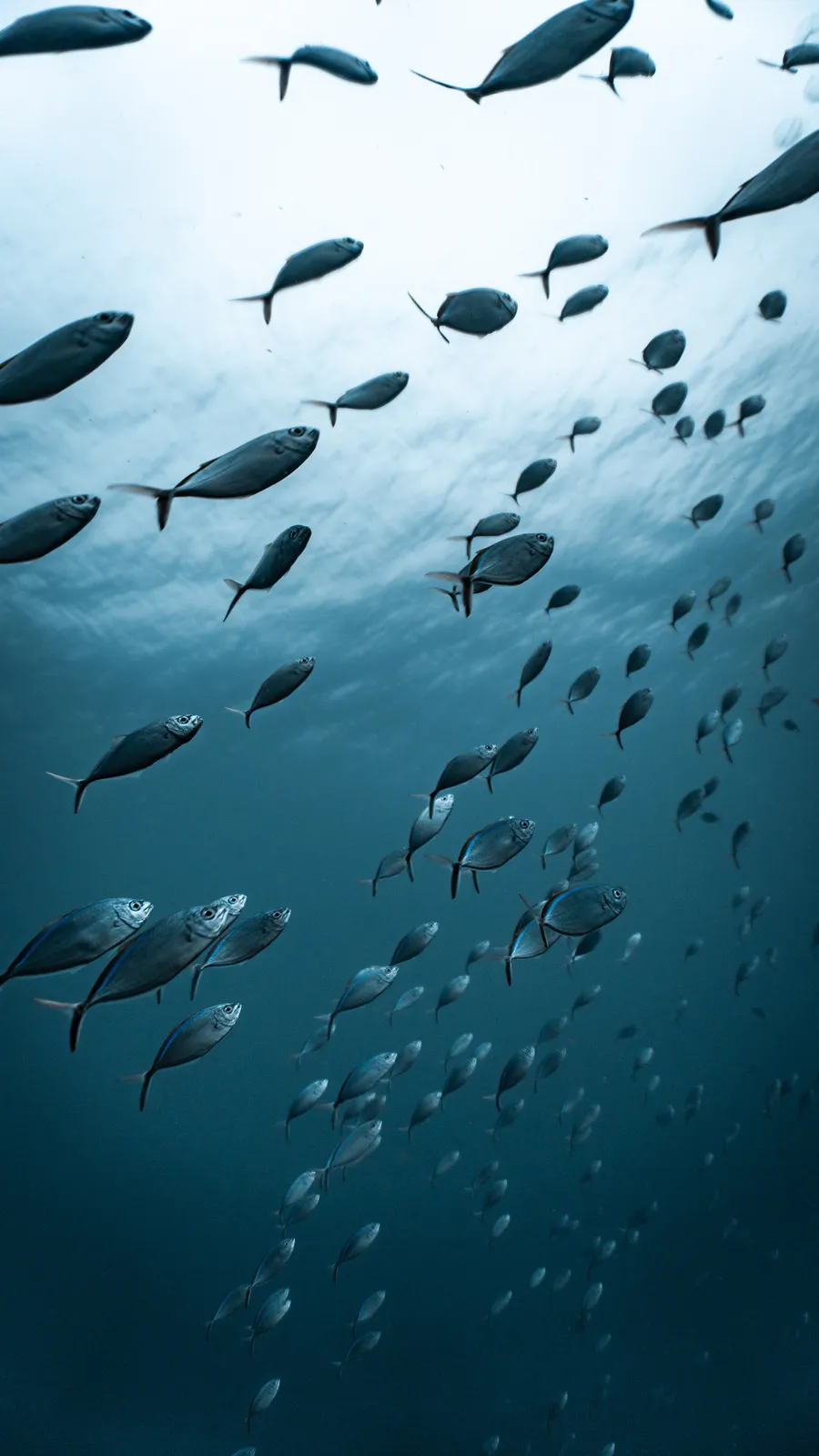
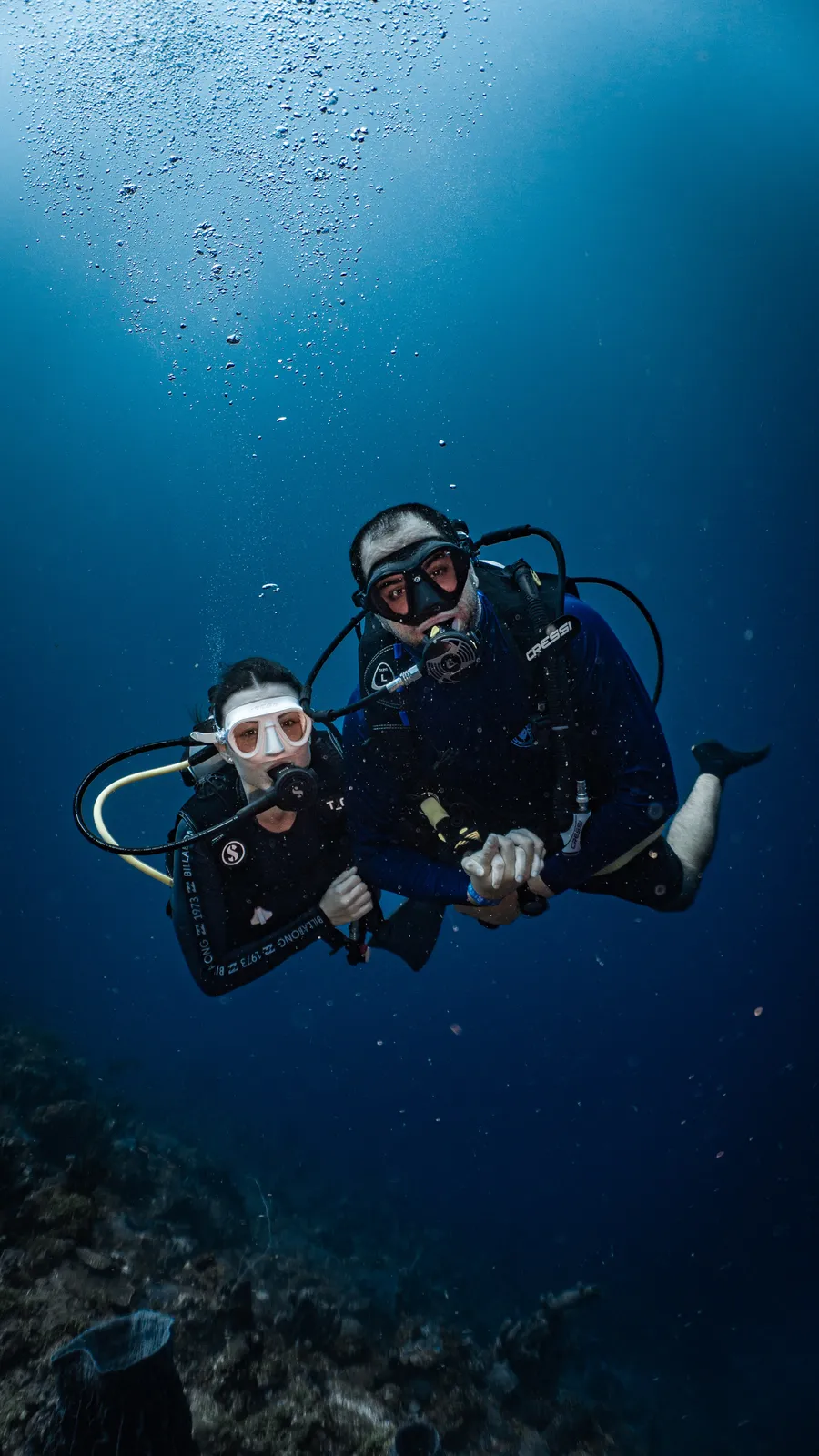
Expect huge schools of blue maomao and demoiselles, moray eels, scorpionfish and stingrays gliding through the arches. In summer, short-tailed stingrays gather in remarkable numbers.
Kelp forests and sponge gardens carpet the walls, and lucky divers spot bronze whaler sharks, orca passing offshore or even a sunfish drifting near the surface.
Level and conditions
There is diving for every level, from sheltered shallow bays to deep walls and swim-throughs for the experienced. Caves and arches call for good buoyancy and a torch.
Water is cooler than the tropics, ranging from about 14 degrees in winter to 22 in late summer, so a thick wetsuit or drysuit is standard. Visibility is often excellent, sometimes beyond 30 meters.
Best time and how to reach it
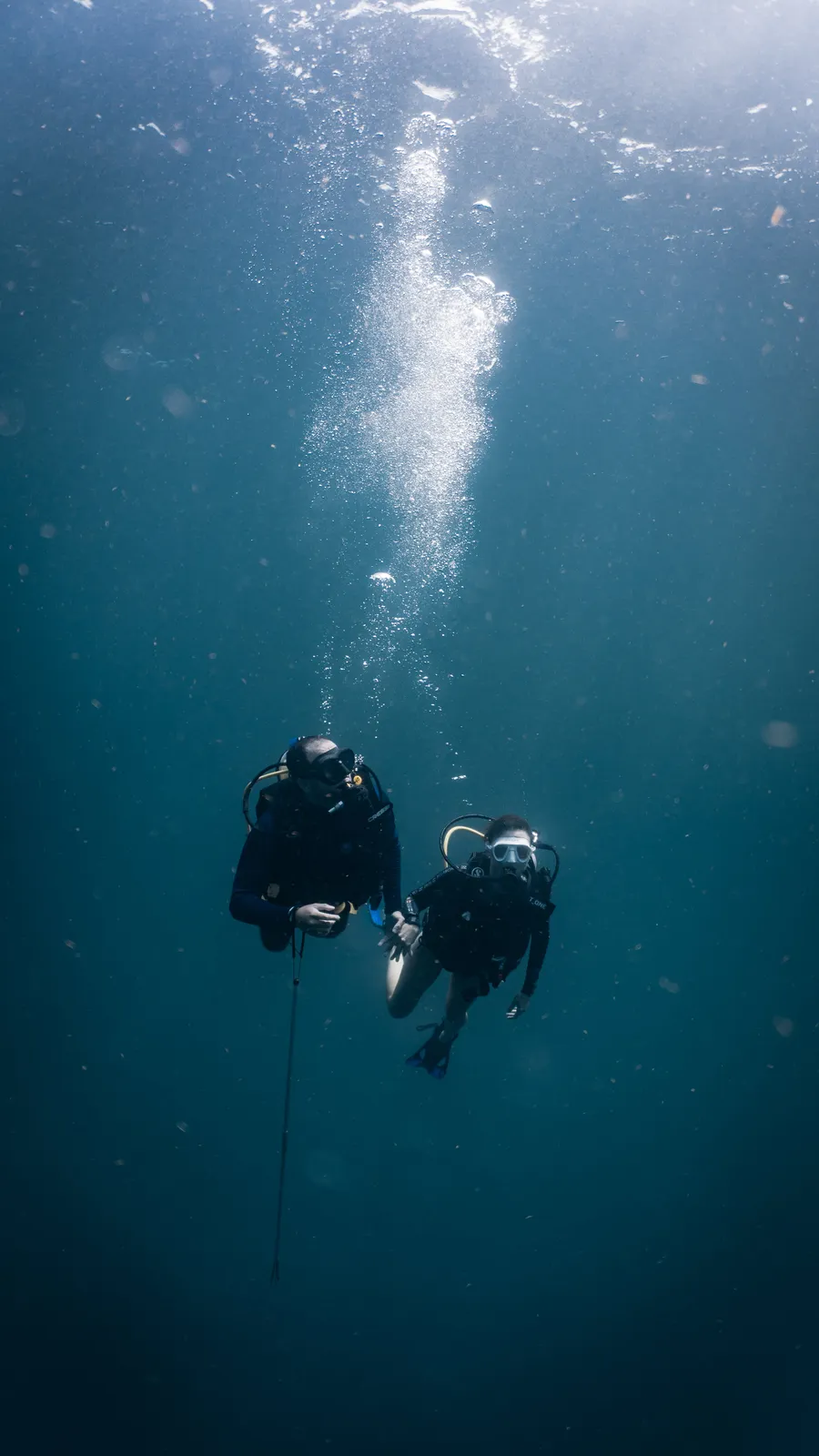
The best window is late summer and autumn (February to May), when the subtropical current is warmest and clearest. Diving is possible year round for those who do not mind cooler water.
Boats depart from Tutukaka on the Northland coast, a short crossing to the reserve. Landing on the islands is forbidden to protect their unique ecology.
Warm-water arches, closer to the equator
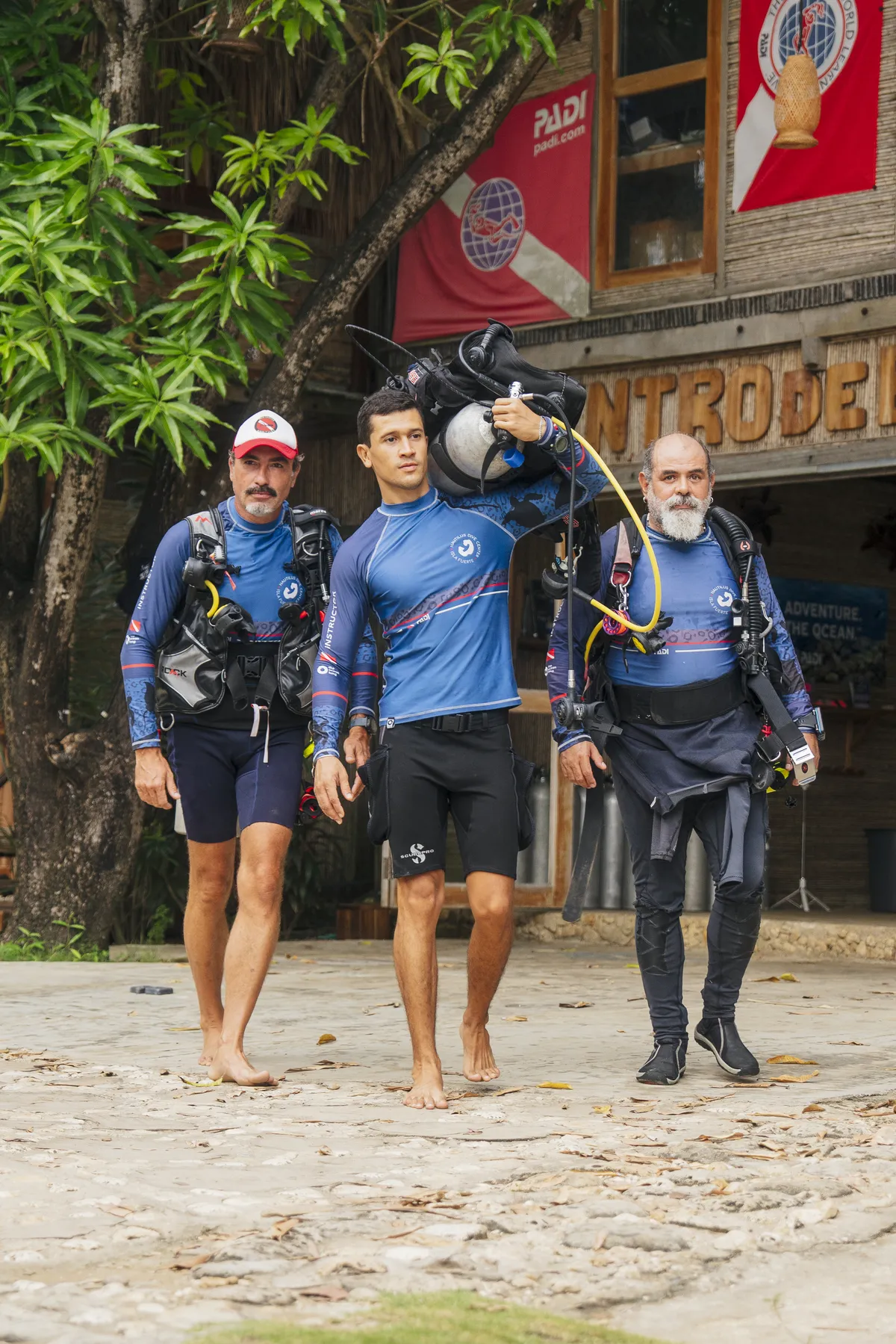
The Poor Knights thrill divers with swim-throughs and a reserve kept wild by strict protection. If cold New Zealand water is a hurdle, Isla Fuerte offers dramatic terrain, terraces, walls and coral gardens carved by the ancient clash of tectonic plates, in a bathwater 27 to 29 degrees.
Same sense of exploring a protected underwater world, none of the drysuit. Map the terrain on our interactive dive map, then plan lodging and dives via our lodging page.