The cenotes of Mexico's Yucatán Peninsula are among the most magical dive sites in the world, a vast network of flooded limestone sinkholes and caves connected to the largest underwater cave system on the planet. Sacred to the ancient Maya, these crystalline freshwater pools open into caverns decorated with stalactites, dramatic light beams and mirror-like halocline layers where fresh and salt water meet. Diving a cenote feels like entering a cathedral hidden beneath the jungle. It is a completely different experience from reef diving and utterly unforgettable.
What makes them special
Cenotes formed as rainwater slowly dissolved the limestone bedrock over thousands of years, creating caverns and tunnels that later flooded. The water is often astonishingly clear, with visibility that can seem infinite.
The interplay of sunlight streaming through openings, ancient rock formations and the shimmering halocline gives cenote diving a dreamlike quality found nowhere else.
What you will see
Cenotes are about geology and atmosphere more than marine life. You will glide past stalactites and stalagmites, fossilized formations and the eerie beauty of the halocline blur where fresh water floats on salt.
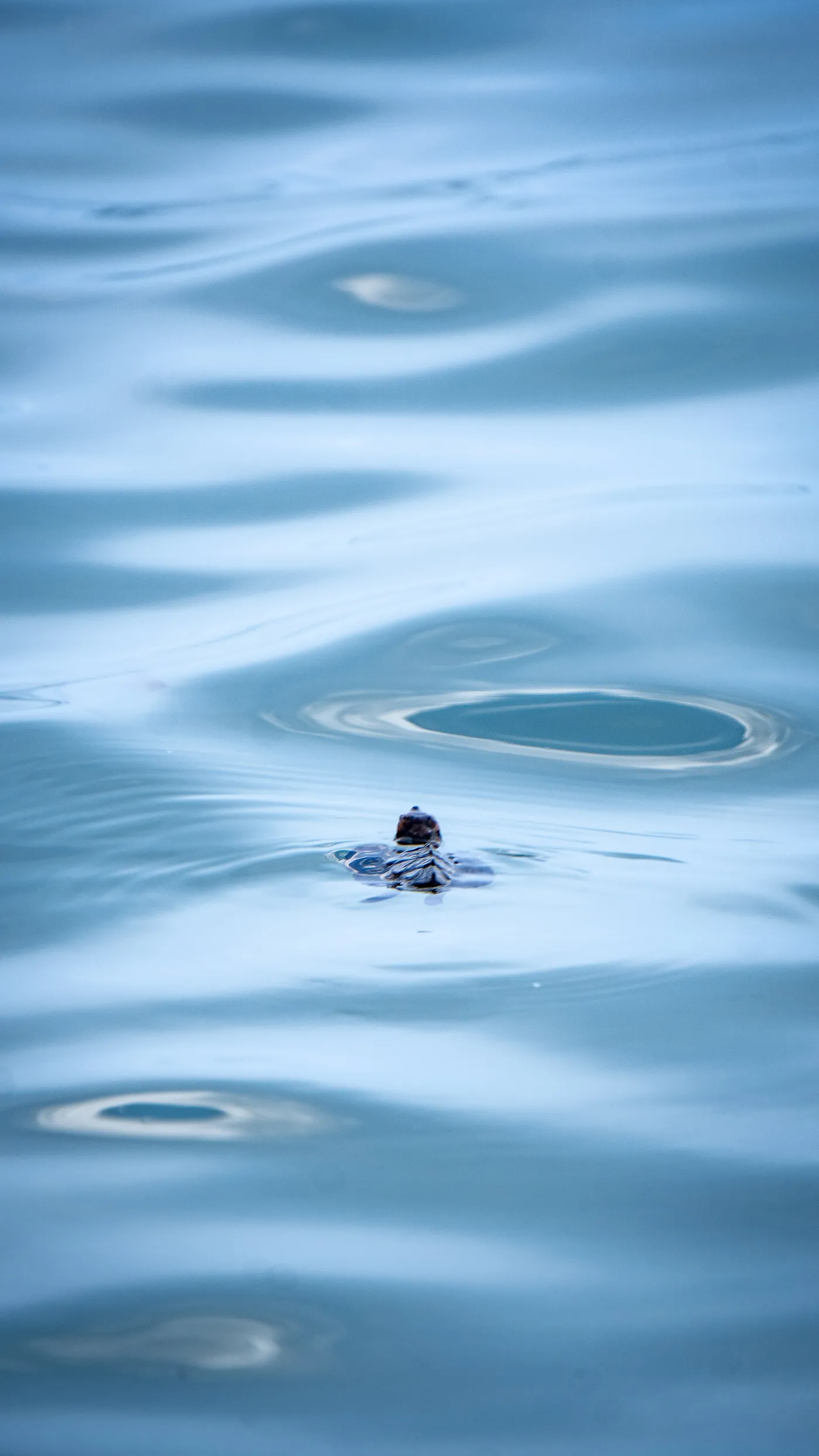
Some cenotes host small fish, freshwater turtles and, in a few caves, ancient bones and Maya artifacts. Famous sites like Dos Ojos and The Pit are highlights of any trip.
Level and conditions
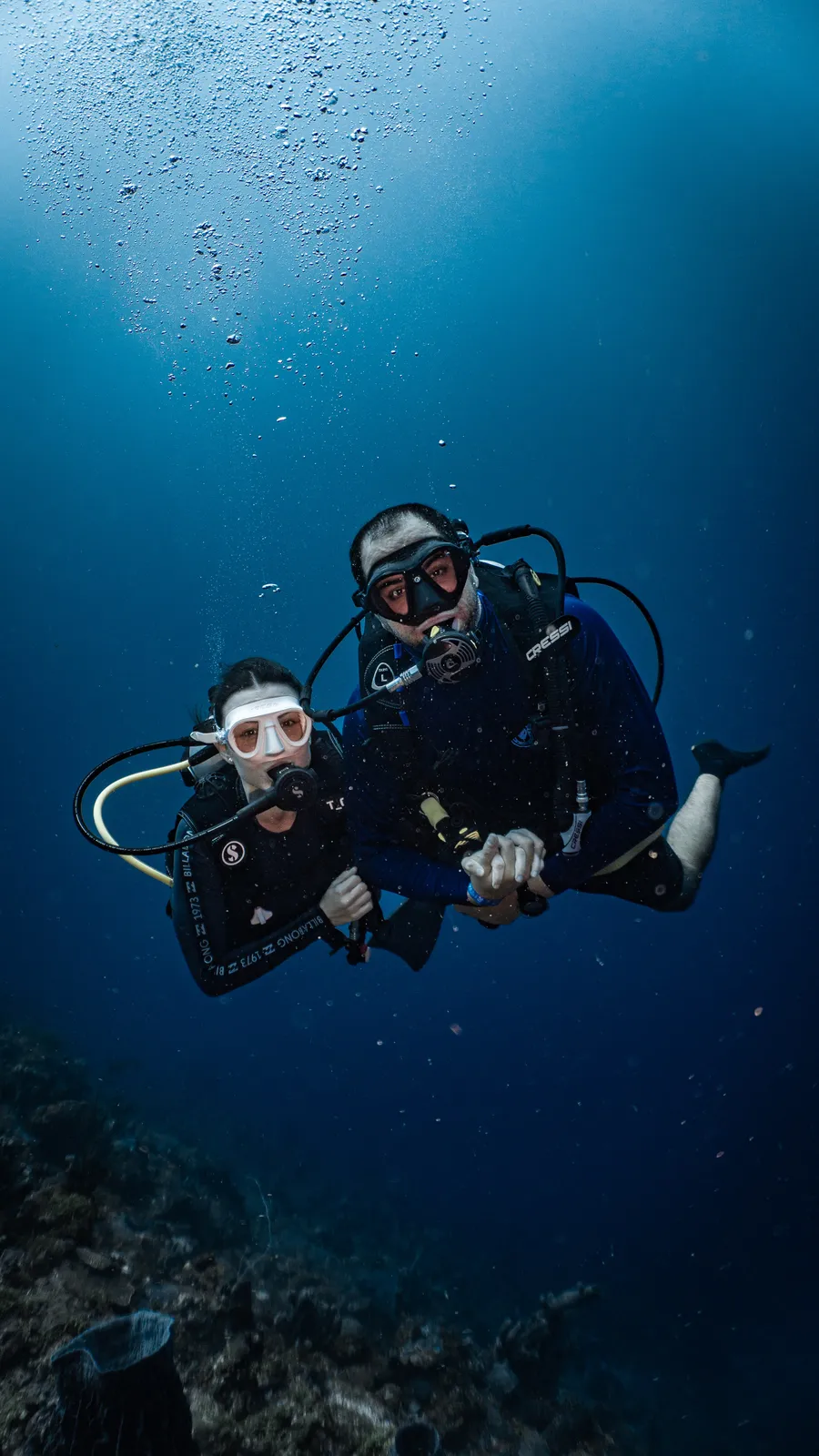
Most cenote diving for certified divers is cavern diving, meaning you stay within the natural light zone and always with a specialized guide. True cave diving beyond the light requires advanced technical training and is not for recreational divers.
Water is fresh, cool at around 24 to 25 degrees, and calm with no current. An Open Water certification is usually enough for guided cavern tours, but good buoyancy is essential to protect the fragile formations.
Best time and how to reach them
The cenotes can be dived year-round thanks to their stable conditions, though the drier months from November to April are most popular. They are spread across the Riviera Maya near Tulum, Playa del Carmen and Cancún.
You fly into Cancún and reach the cenotes by a short road trip, often combining several in a single day with a guide.
Underwater heritage in Colombia
The cenotes blend natural wonder with ancient culture, and Isla Fuerte offers its own underwater heritage. Born from the clash of tectonic plates and once a burial ground for Zenú chiefs, the island holds Bajo Bonito, a submerged Zenú museum among living coral.
At Nautilus you can dive it with certified guides in warm, calm water. Discover more on our interactive dive map and more guides.