Ever since the movie, half the divers on Earth want to meet Nemo in person. The good news is that clownfish are real, common and easy to find if you know where to look. The catch is that they live only in the warm reefs of the Indo-Pacific, always tucked into the tentacles of a host anemone. This guide covers where and when to see them, and the honest answer about spotting them closer to home in the Caribbean.
What Nemo actually is
Nemo is a clownfish, or anemonefish, and there are around 30 species. The famous orange-and-white one is the ocellaris clownfish. Every clownfish lives in a partnership with a sea anemone, immune to the stinging tentacles that keep other fish away.
They almost never stray more than a meter from their anemone, so once you find the host, you have found the fish. That makes them one of the easiest reef icons to photograph.
The best places to see them
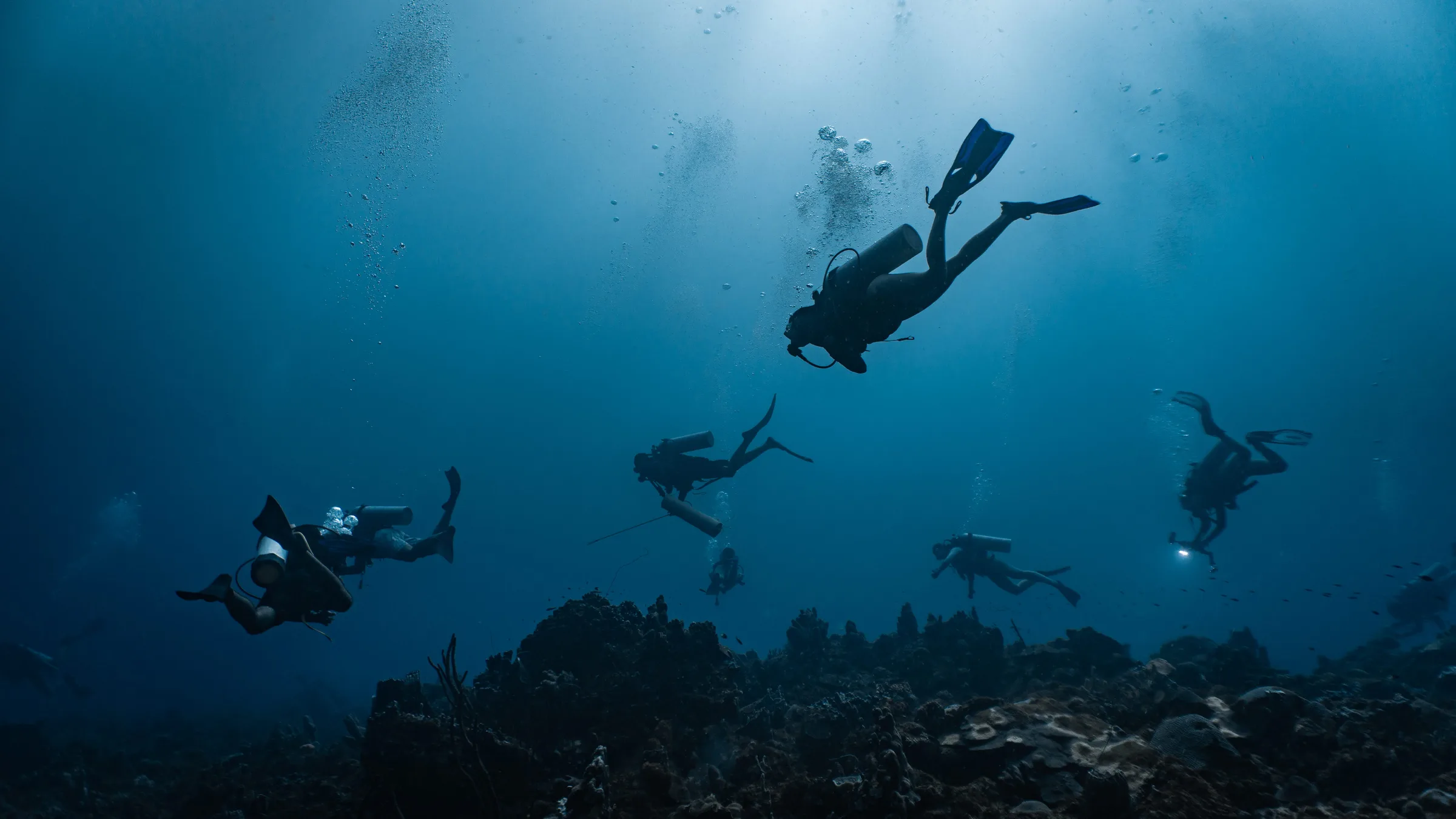
The Indo-Pacific is clownfish country. The standout destinations are:
- Great Barrier Reef, Australia: the classic, with several species on shallow reefs.
- Raja Ampat, Indonesia: the richest reef biodiversity on the planet.
- The Philippines and Malaysia: warm, calm sites full of anemones.
- The Red Sea: home to its own endemic two-band clownfish.
When to go
Clownfish are present all year, so timing is really about water conditions. Aim for each region's dry season, when visibility is best: roughly June to October for the Great Barrier Reef, and October to April for much of Southeast Asia.
Because they live in shallow water, even snorkelers can meet them. No deep diving is required to tick this one off the list.
Can you see Nemo in the Caribbean?
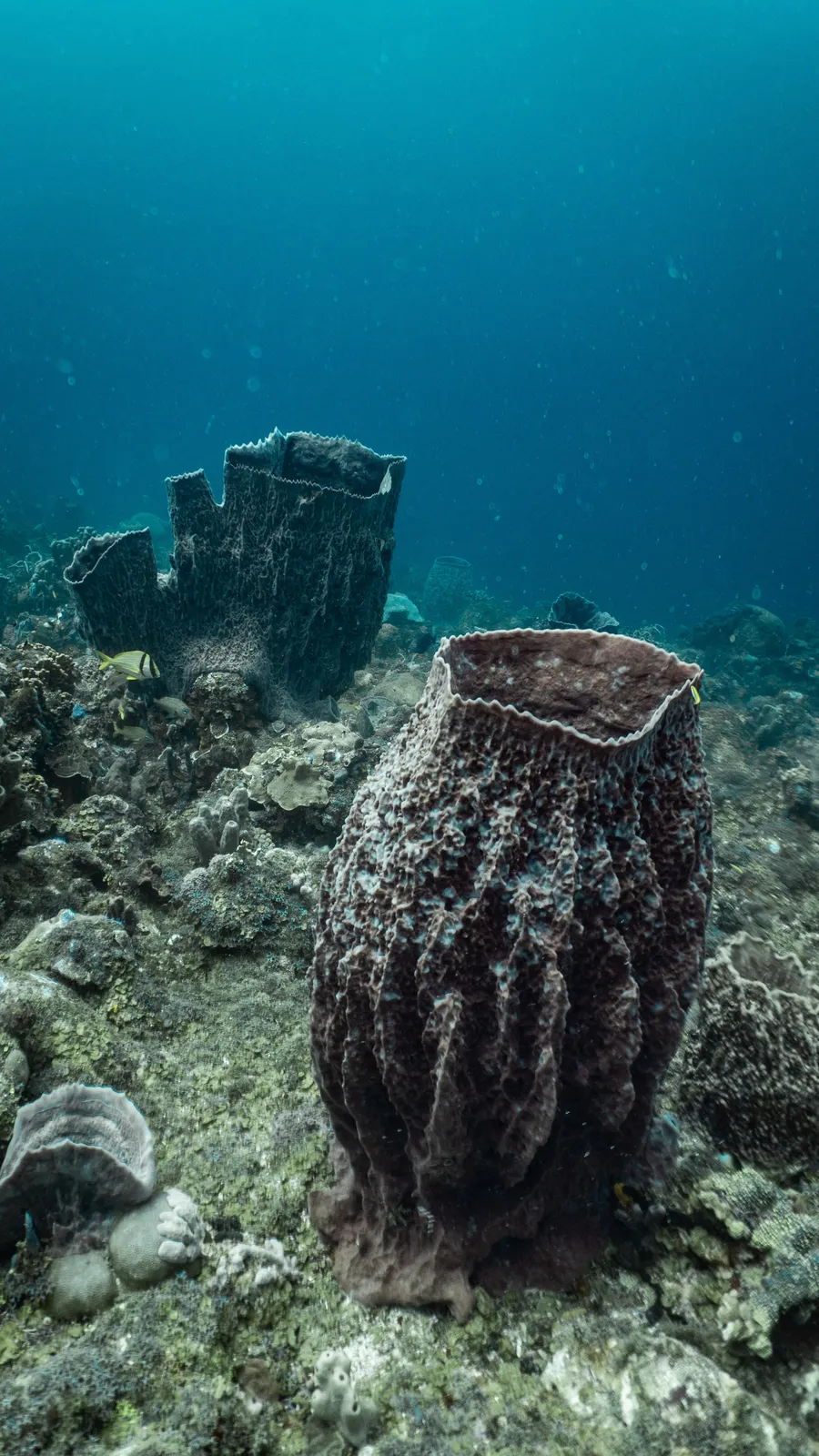
Honestly, no. There are no clownfish and no host anemones of that kind in the Atlantic or the Caribbean, so you will not meet Nemo on a reef in Colombia. It is purely an Indo-Pacific animal.
What the Caribbean offers instead is its own cast of characters that are just as charming once you know them.
Our own reef stars at Isla Fuerte
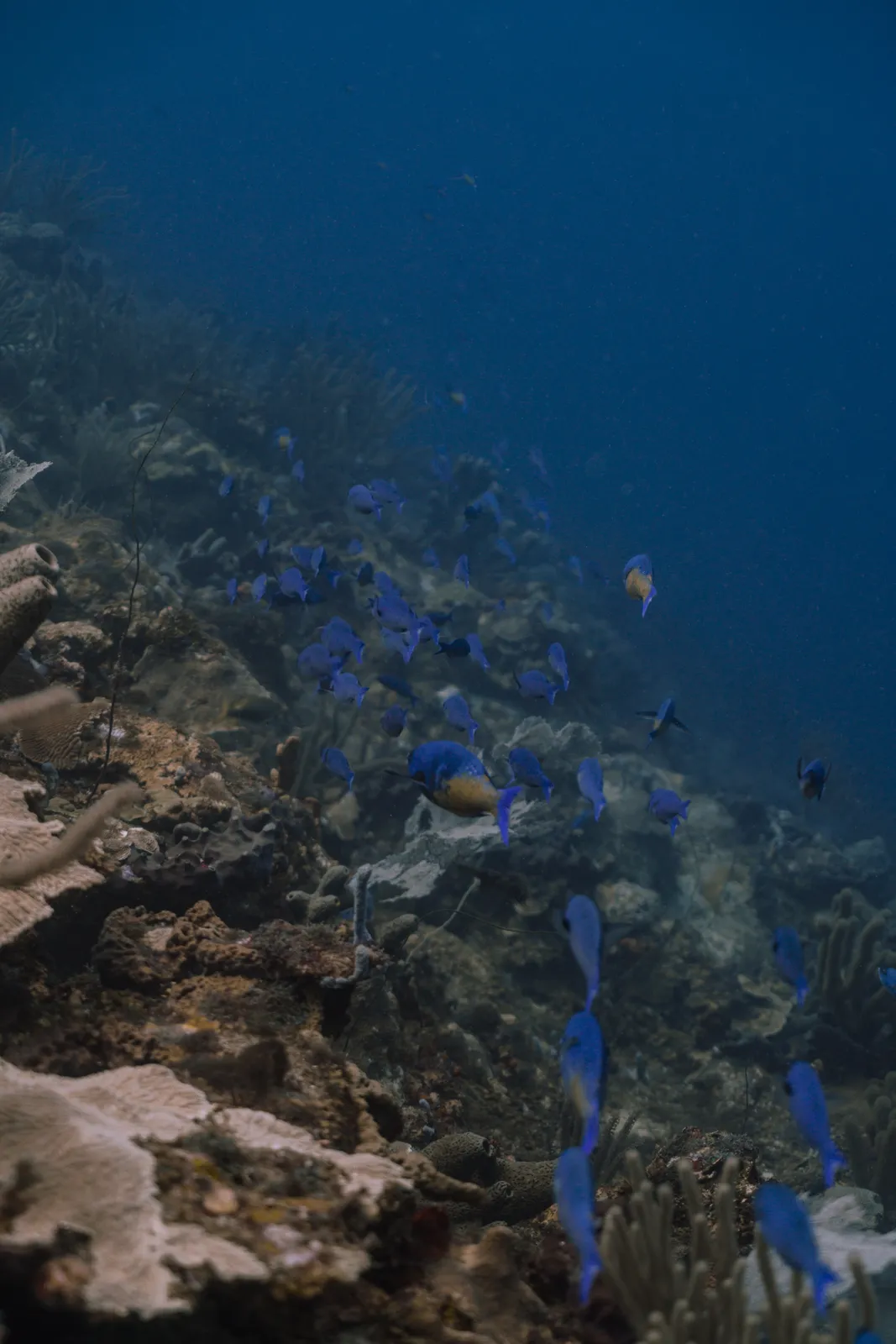
Here on Isla Fuerte, eleven kilometers off Córdoba, the anemones host tiny cleaner shrimp instead of clownfish, and the reef stars are hawksbill turtles, French angelfish and curious moray eels. It is a different magic, but magic all the same, on some of the best-preserved reefs of the continental Caribbean.
Come find your own favorite fish with Nautilus. Browse the reefs on our interactive dive map or see our courses and dives to get in the water.