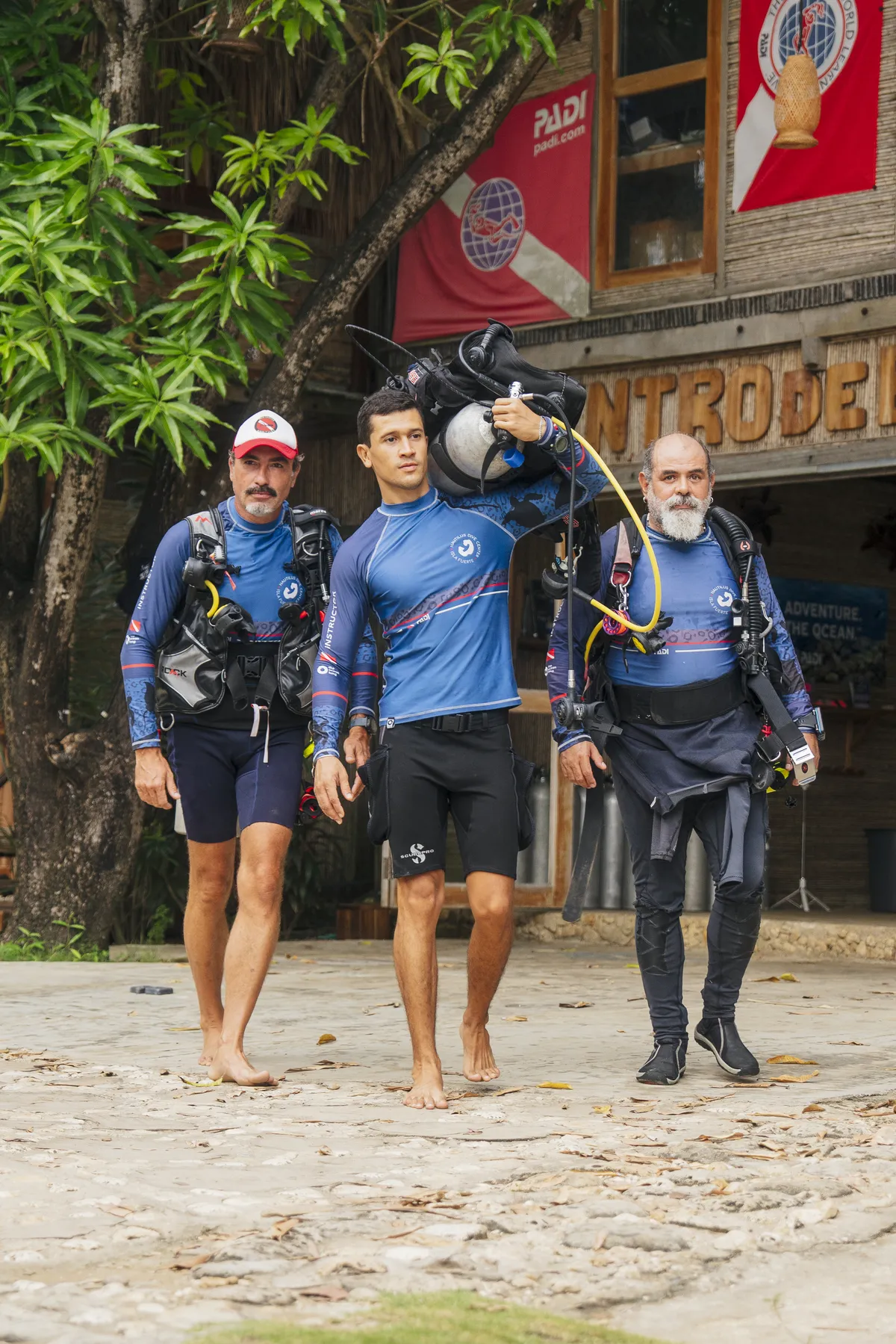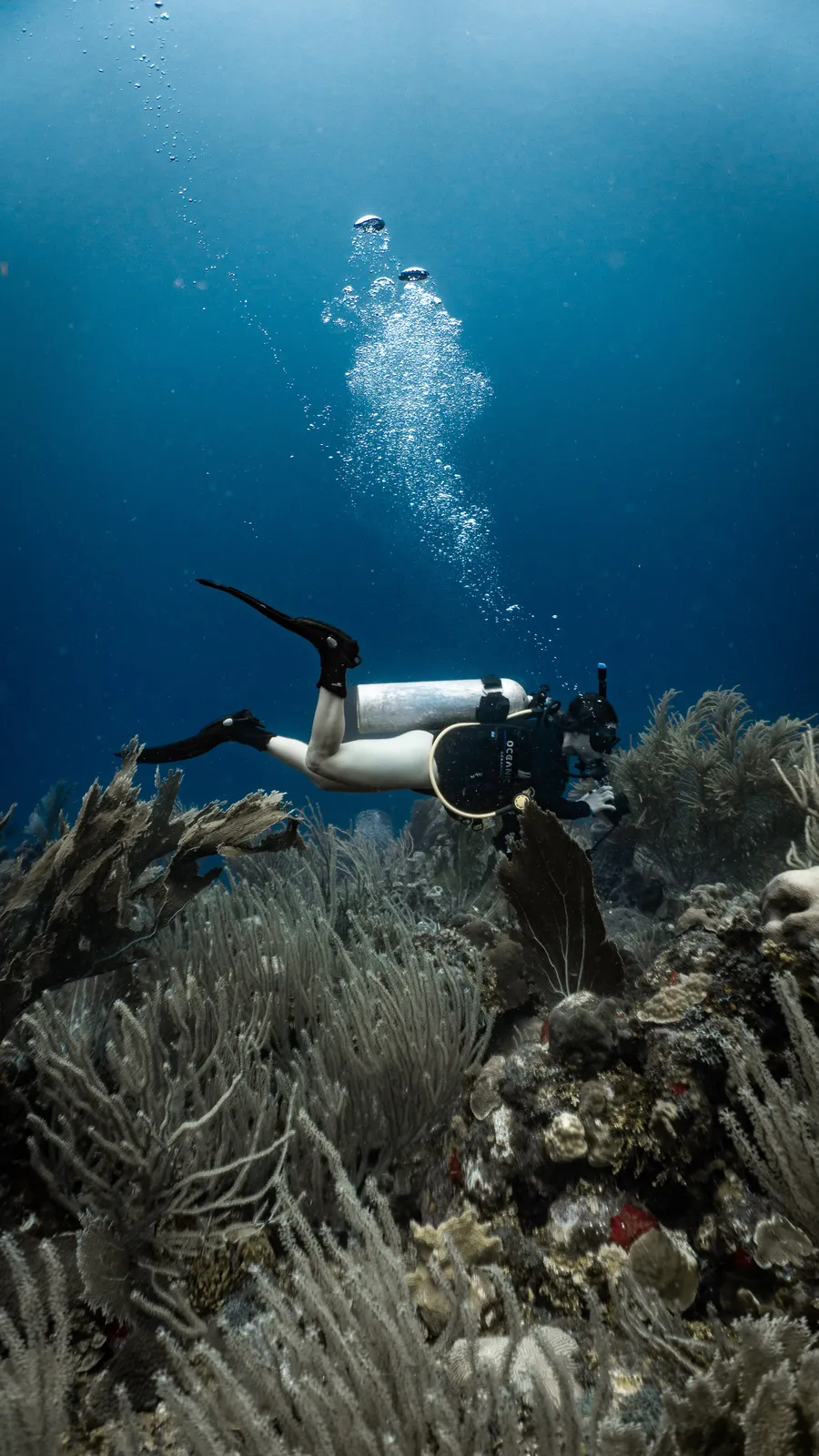
Nitrogen loading is the quiet reason divers pay such close attention to time and depth, and understanding it takes the mystery out of dive planning. The air you breathe is mostly nitrogen, and under pressure your body slowly absorbs more of it than usual. This is completely normal and harmless as long as you let it back out gradually. Learning how it works helps you dive safely for years, whether on a first reef or the deeper walls off Isla Fuerte.
Why your body absorbs nitrogen
The air in your tank is about seventy-eight percent nitrogen, a gas your body does not use. On land it passes in and out of your lungs without a trace. Underwater, though, the higher pressure pushes more of that nitrogen into your blood and tissues, where it dissolves quietly.
The deeper you go and the longer you stay, the more nitrogen your body takes on. Think of it like a sponge slowly soaking up water; it is gradual, invisible and perfectly manageable when you plan for it.
Letting nitrogen back out
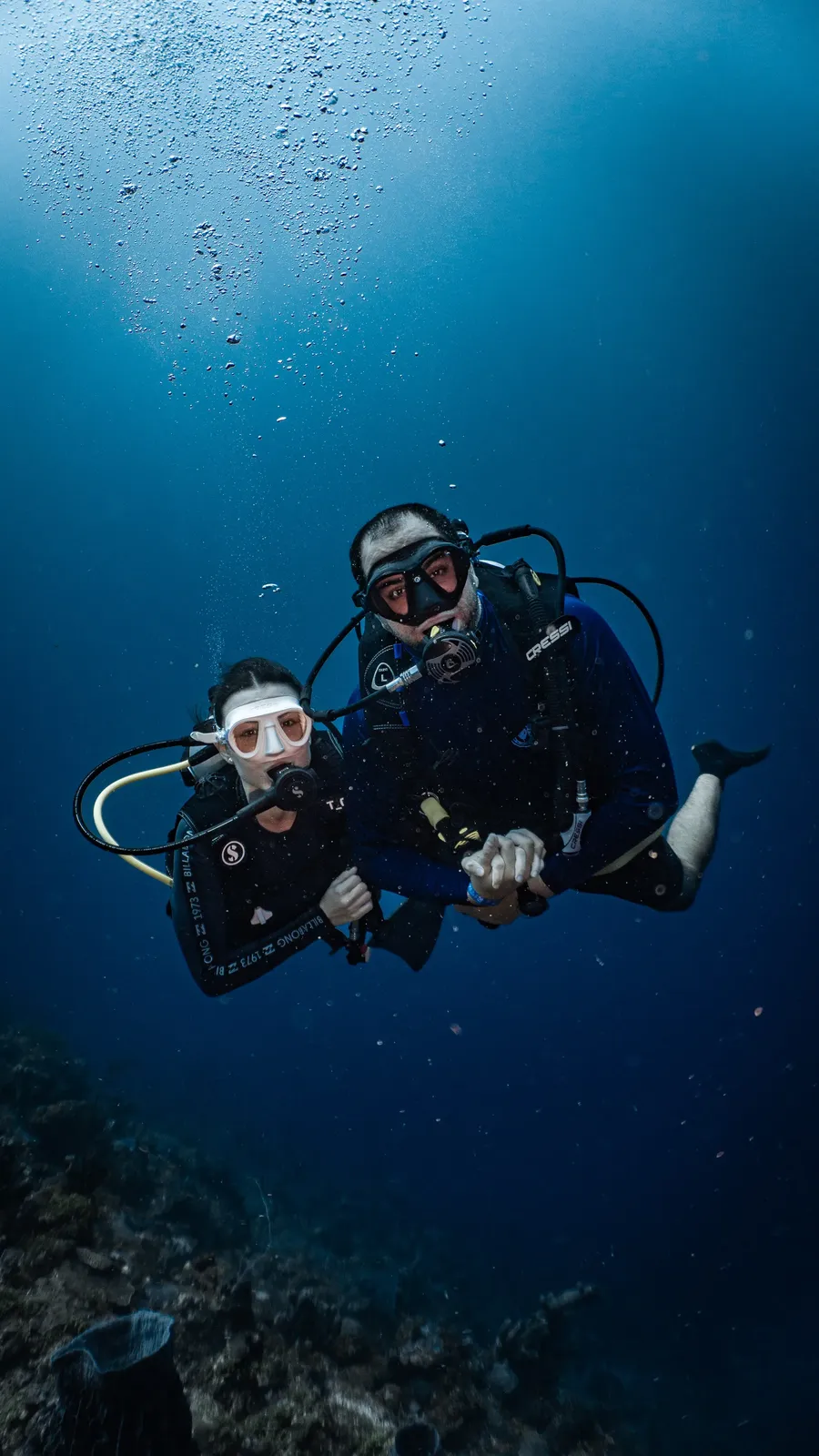
The absorbed nitrogen has to leave your body just as gently as it entered. As you ascend, the pressure drops and that dissolved gas comes back out of your tissues and into your lungs, where you simply breathe it away.
The key is to ascend slowly. If you rise too fast, the nitrogen can form bubbles instead of leaving smoothly, which is the cause of decompression sickness. A slow ascent and a safety stop give your body time to release the gas the safe way.
How divers manage it
You do not have to calculate any of this by feel. Divers use simple, proven tools to keep nitrogen within safe limits on every dive.
- No-decompression limits that cap how long you can stay at a given depth.
- A dive computer that tracks your depth and time and shows your remaining limit.
- A slow ascent, no faster than your smallest bubbles.
- A three-minute safety stop at around five meters.
- Surface intervals between dives to let nitrogen levels drop.
Follow these and your body handles the rest naturally.
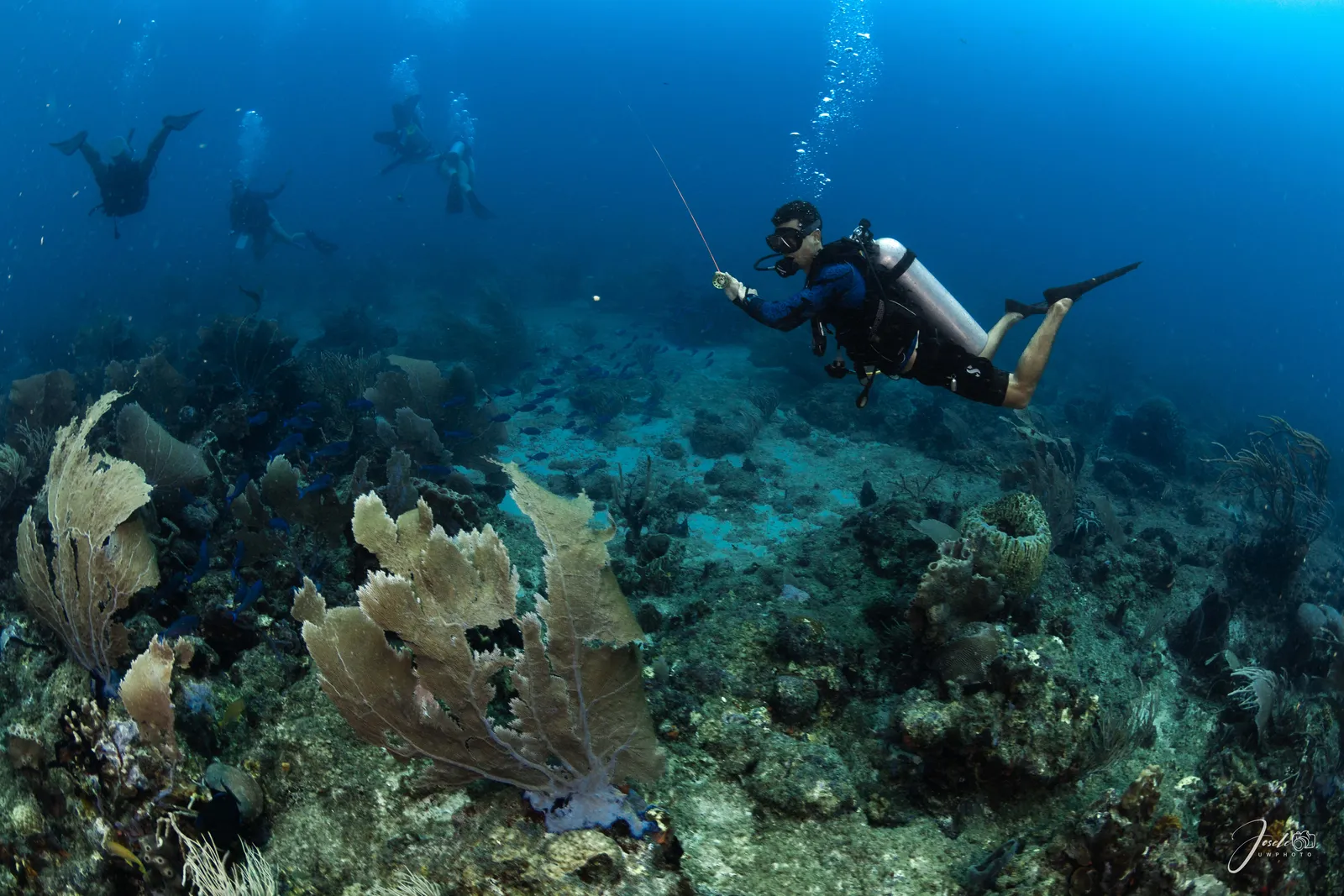
Relaxed, well-planned dives here
Managing nitrogen sounds technical, but on gentle reefs it simply means enjoying an unhurried dive within easy limits. Many of Isla Fuerte's best sites, like Rosa Vieja and El Museo, are shallow enough that you can linger a long time well inside safe boundaries.
At Nautilus our certified instructors plan every dive around comfortable limits, teach you to read your computer and lead a proper safety stop on the way up. If deeper walls call to you later, our Bushnell site awaits once you are advanced. Start on the courses and dives page.