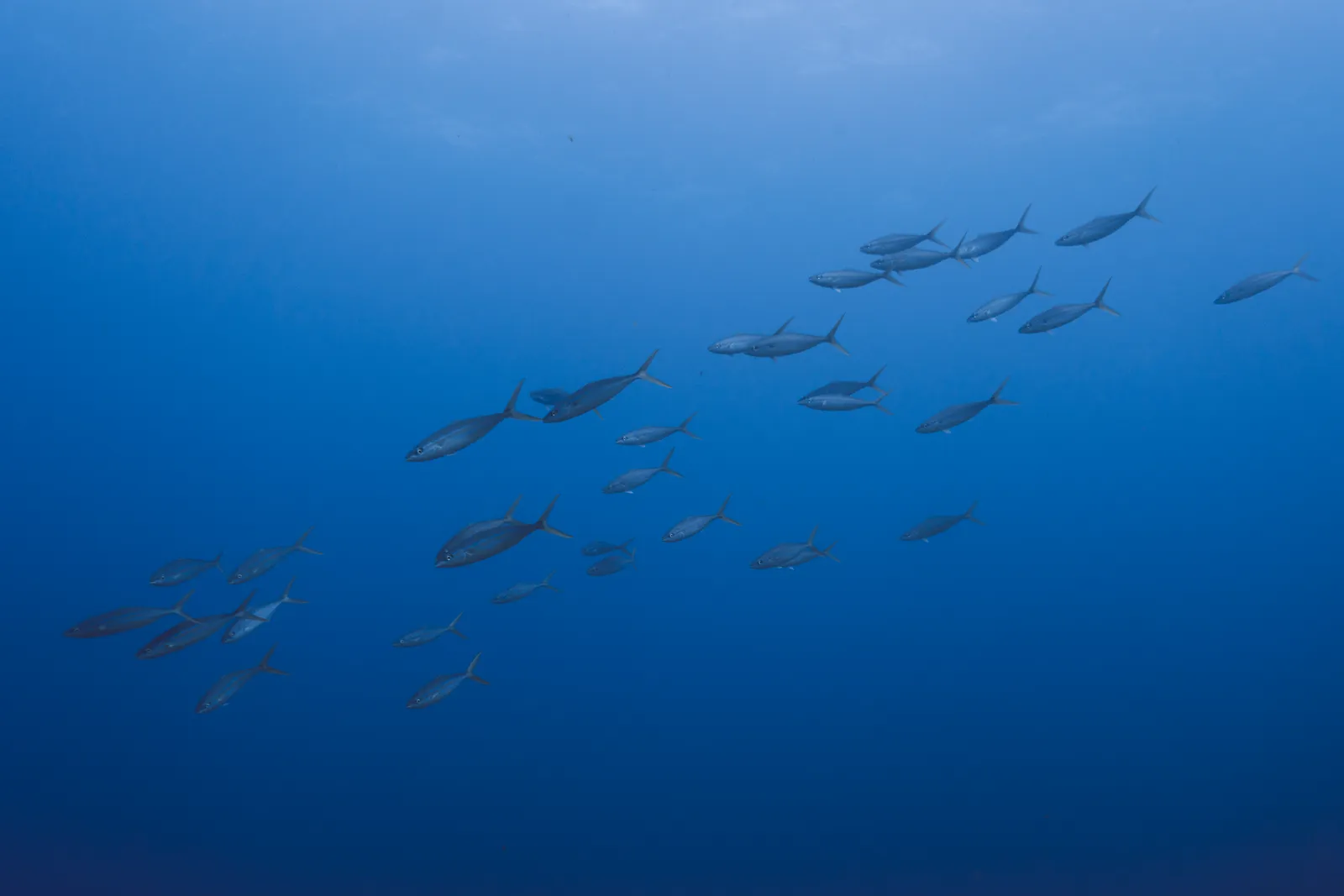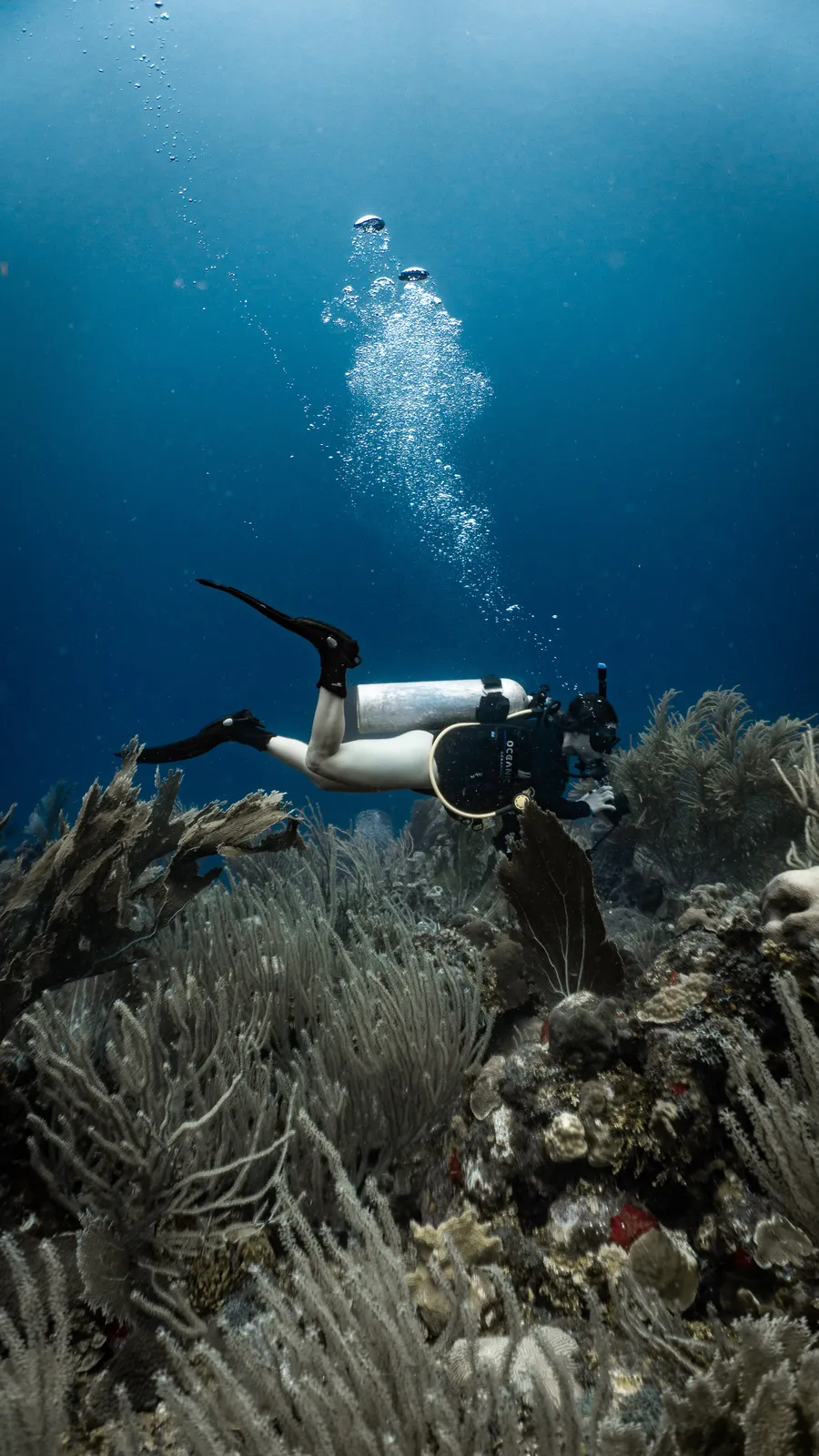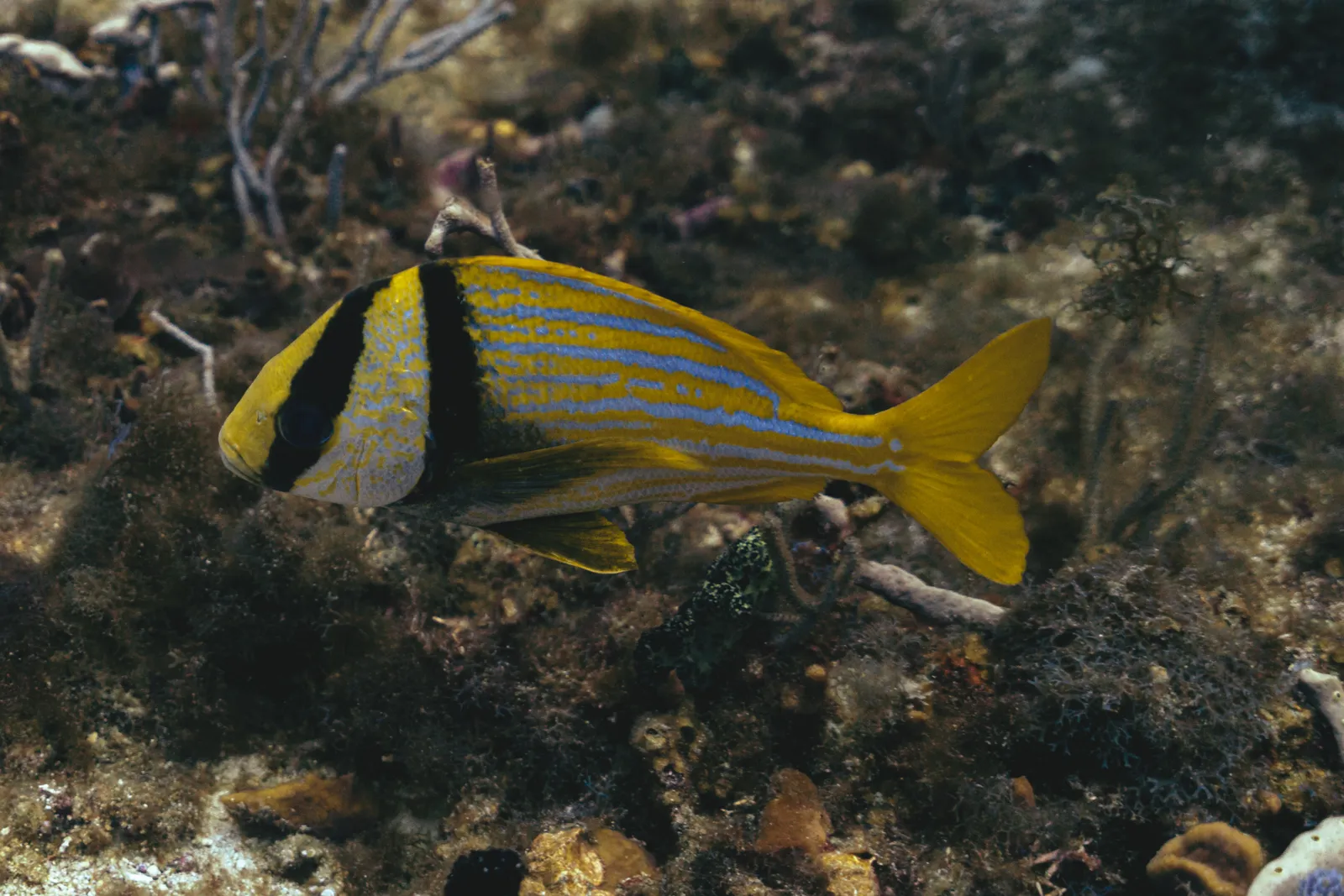
Scuba stands for Self-Contained Underwater Breathing Apparatus, and the whole idea is simpler than it sounds. You carry your own supply of compressed air on your back, and a clever valve delivers it to your lungs at exactly the pressure your body needs at any depth. That single trick turns the ocean from a place you visit for a few seconds into a world you can live in for the better part of an hour. On the warm, clear reefs of Isla Fuerte, that hour feels like flying through a living aquarium.
Air on demand
The tank on your back holds ordinary air, the same mix you are breathing right now, just squeezed into a small steel or aluminum cylinder at very high pressure. It is not pure oxygen, and it is not anything exotic. Compressing it simply lets you carry a large amount of breathable air in a container you can swim with.
Between the tank and your mouth sits a regulator, which does the real magic. It steps that fierce pressure down in two stages and hands you a fresh breath only when you inhale, so breathing feels almost as natural as it does on land.
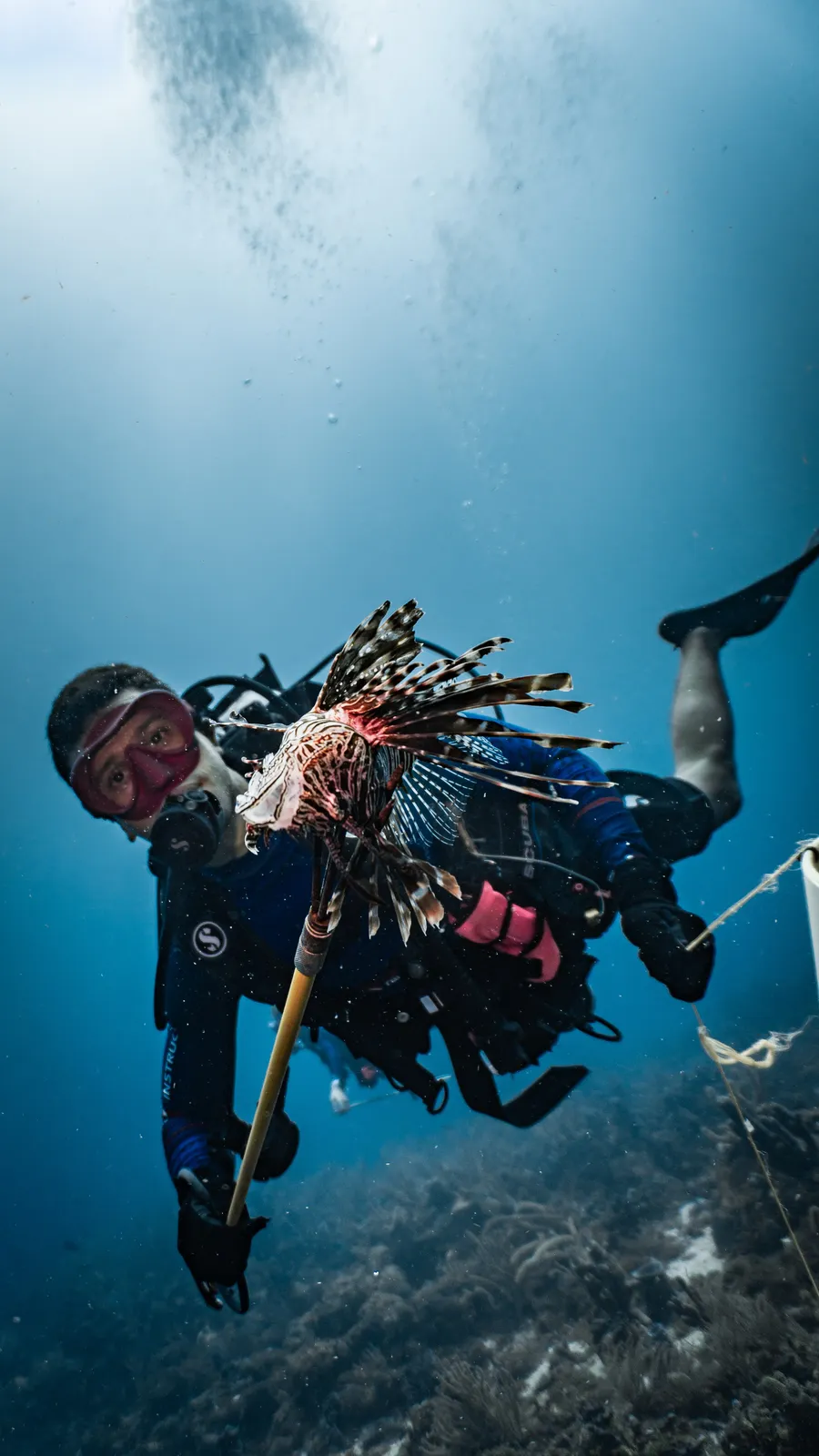
Pressure and your body
As you go deeper, the water above you presses in from every side. Your regulator automatically matches that pressure, so your chest never feels squeezed and you keep breathing comfortably at ten or eighteen meters just as you would at the surface.
The one rule that flows from this is the most important in all of diving: breathe continuously and never hold your breath. Because the air you inhale is compressed to match your depth, it expands again as you rise, and keeping your airway open lets it escape gently and safely.
Floating in the middle
The rest of the gear is about balance. A buoyancy control device, or BCD, is an inflatable jacket that holds your tank and lets you add or release air until you hang weightless in the water, neither sinking nor rising. A few weights offset your body's natural tendency to float.
Fins turn slow leg movements into smooth forward glide, and a mask gives your eyes a pocket of air so the reef comes into sharp focus. Put it together and you are not fighting the water, you are simply part of it.
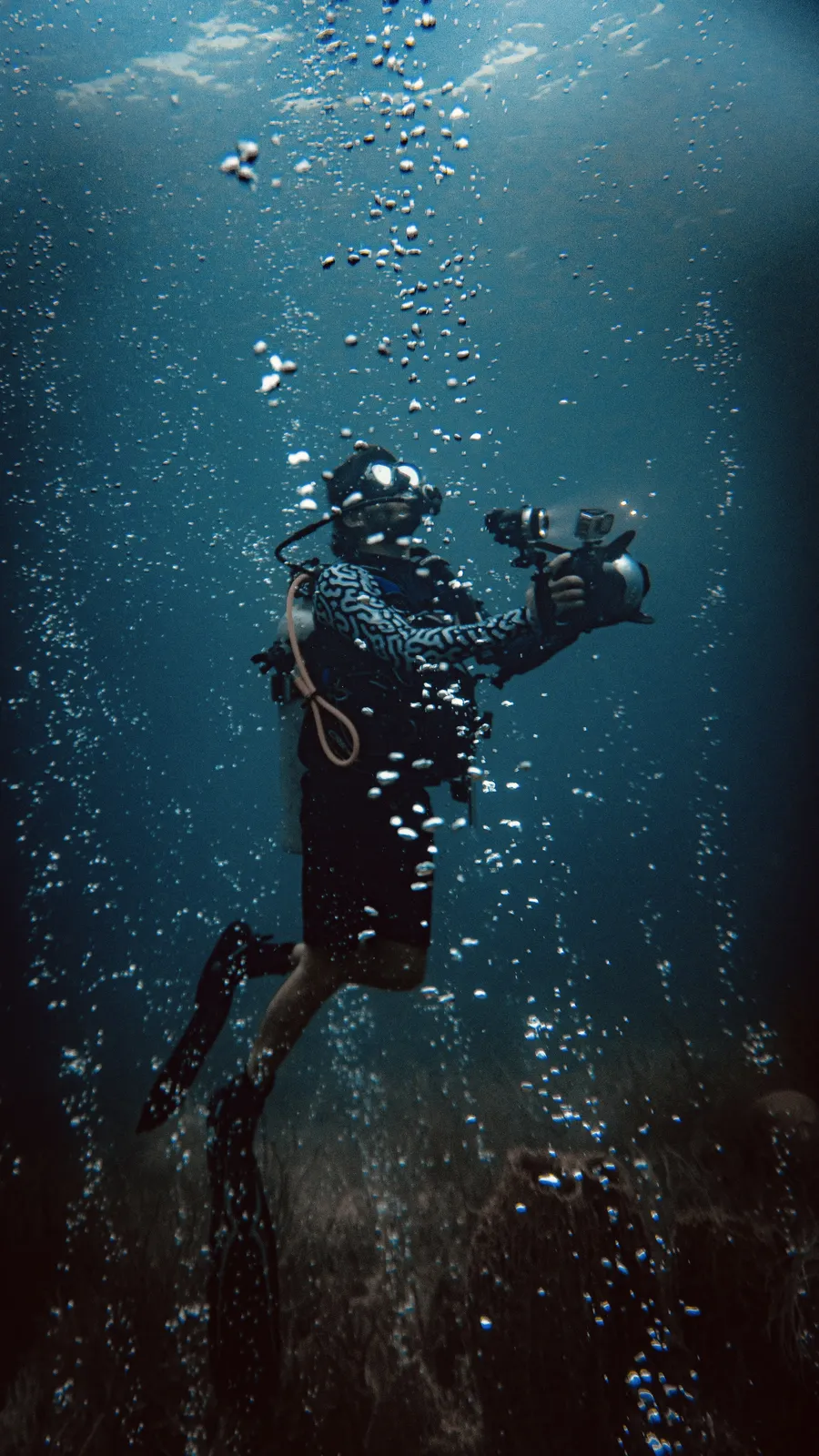
Your first breath here
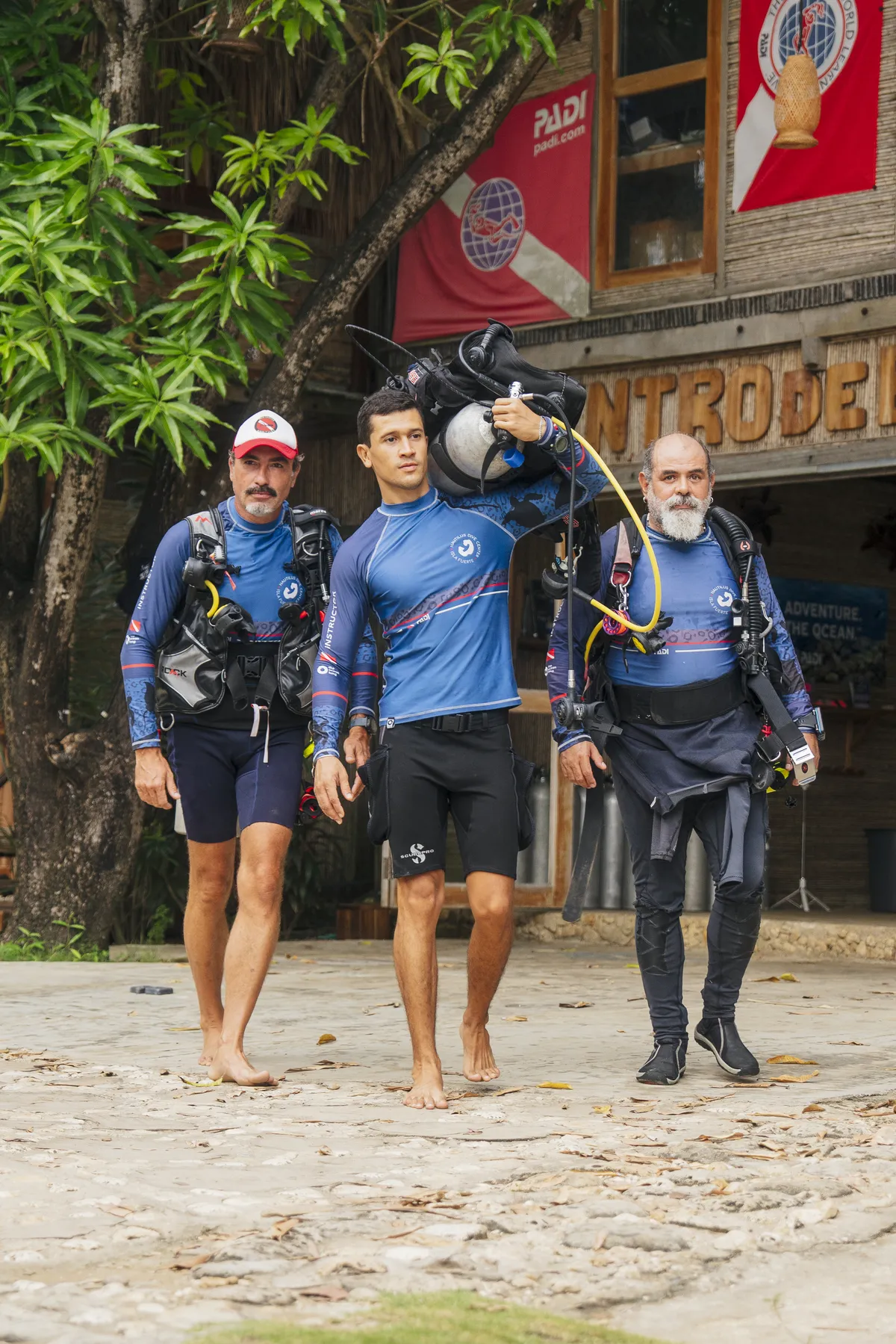
You do not need to own any of this or understand every detail to start. At Nautilus all gear is provided and checked by certified instructors before you get wet, and your very first breaths happen in shallow, calm water where you can stand up any time.
Our beginner-friendly reefs like Rosa Vieja and El Museo are made for this first encounter, with gentle conditions and water at a steady twenty-seven to twenty-nine degrees. If you want to try it before committing to a course, ask about the Discover Scuba experience on our courses and dives page.