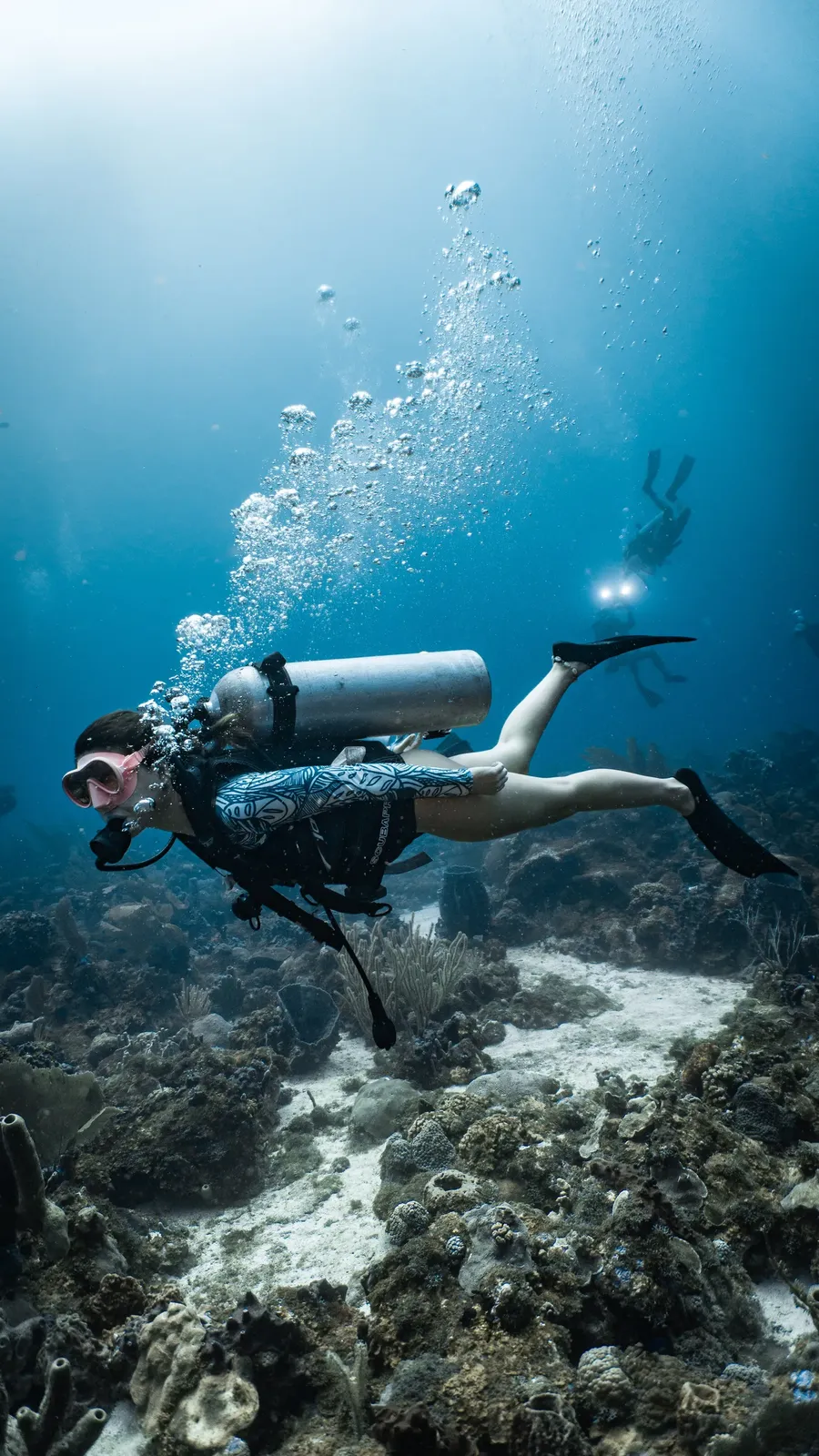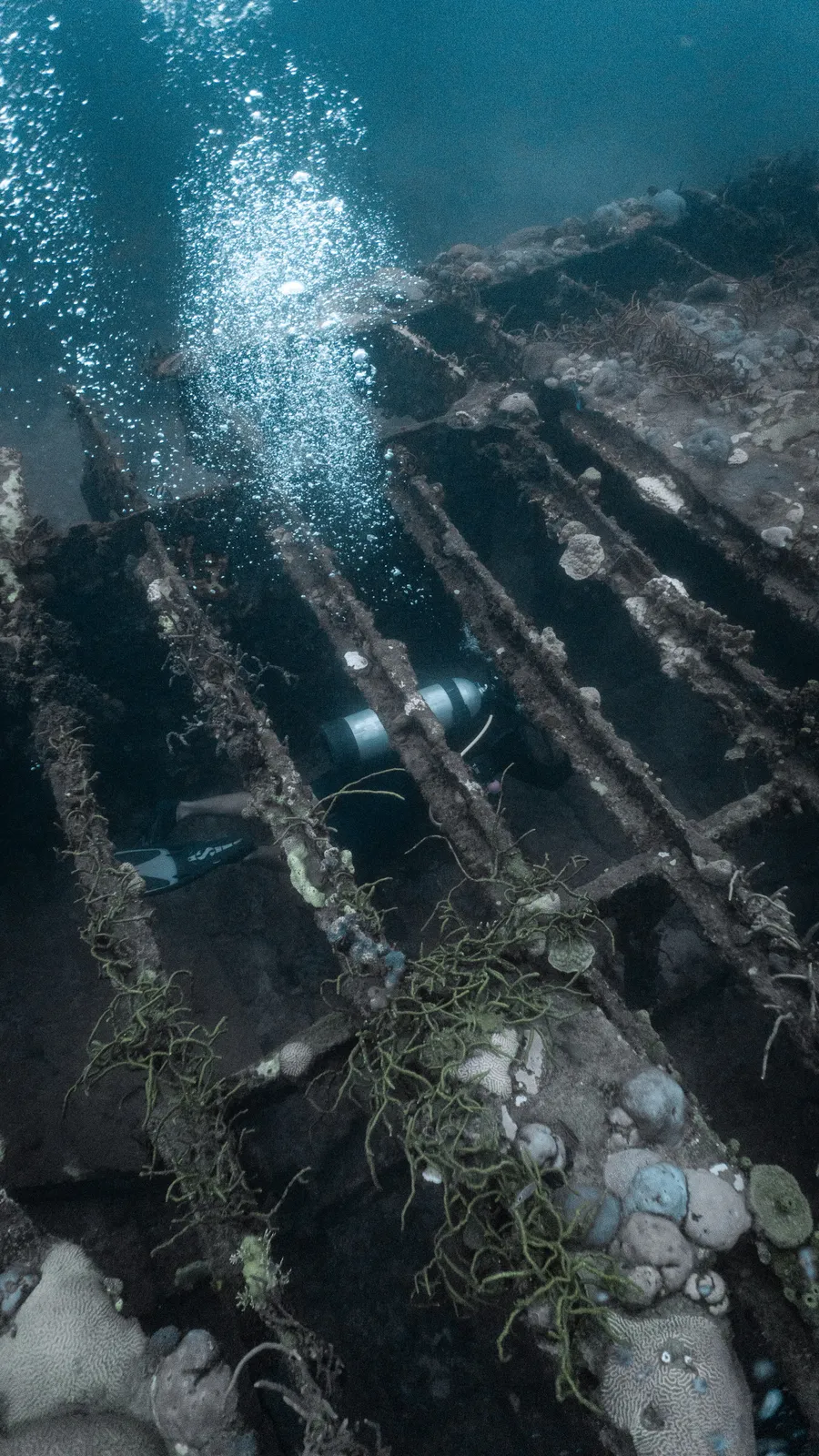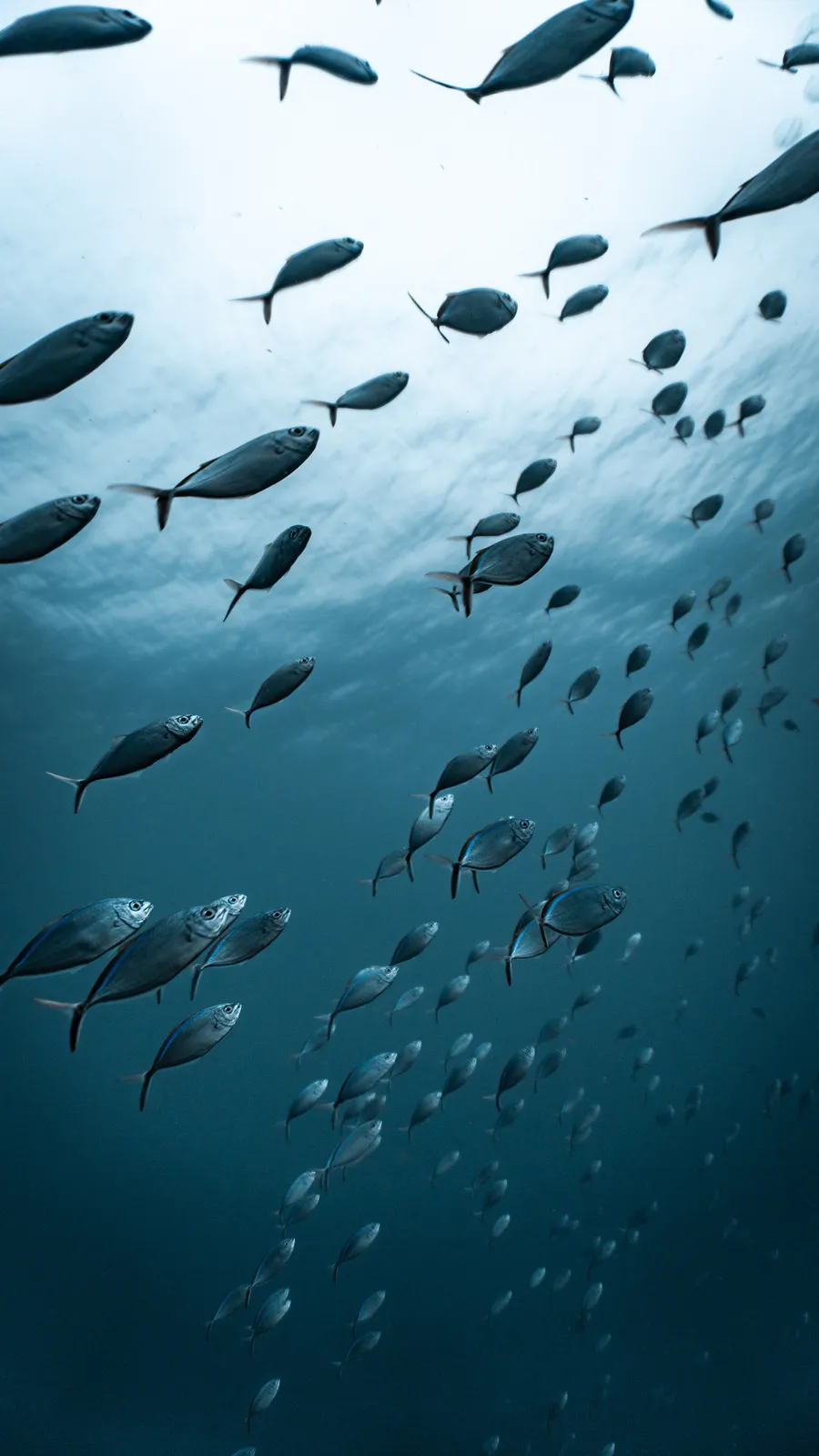
A shipwreck is history frozen underwater. Steel that once carried cargo or soldiers now shelters coral, fish and the imagination of every diver who swims past. Wreck diving mixes adventure with an eerie kind of beauty, and the best wrecks become artificial reefs teeming with life. This is our ranking of 10 of the world's greatest wreck dives, from wartime giants to purpose-sunk ships, plus how to build the skills to explore them safely.
The top 10 wrecks
These wrecks are famous for scale, history and the marine life that has claimed them. Some are deep and advanced, others sit shallow enough for newer divers.
- 1. SS Thistlegorm, Red Sea (Egypt): a WWII cargo ship full of trucks and motorcycles.
- 2. USAT Liberty, Tulamben (Bali): a shore-accessible classic.
- 3. SS Yongala (Australia): a coral-encrusted passenger ship.
- 4. Fujikawa Maru, Truk Lagoon (Micronesia): a wartime fleet graveyard.
- 5. USS Kittiwake (Grand Cayman): a purpose-sunk navy vessel.
- 6. President Coolidge (Vanuatu): a huge, deep ocean liner.
- 7. Zenobia (Cyprus): a Mediterranean ferry on its side.
- 8. HMHS Britannic (Greece): sister of the Titanic, for technical divers.
- 9. Um El Faroud (Malta): a tanker in clear blue water.
- 10. Bianca C (Grenada): the Caribbean's Titanic.
Why wrecks come alive
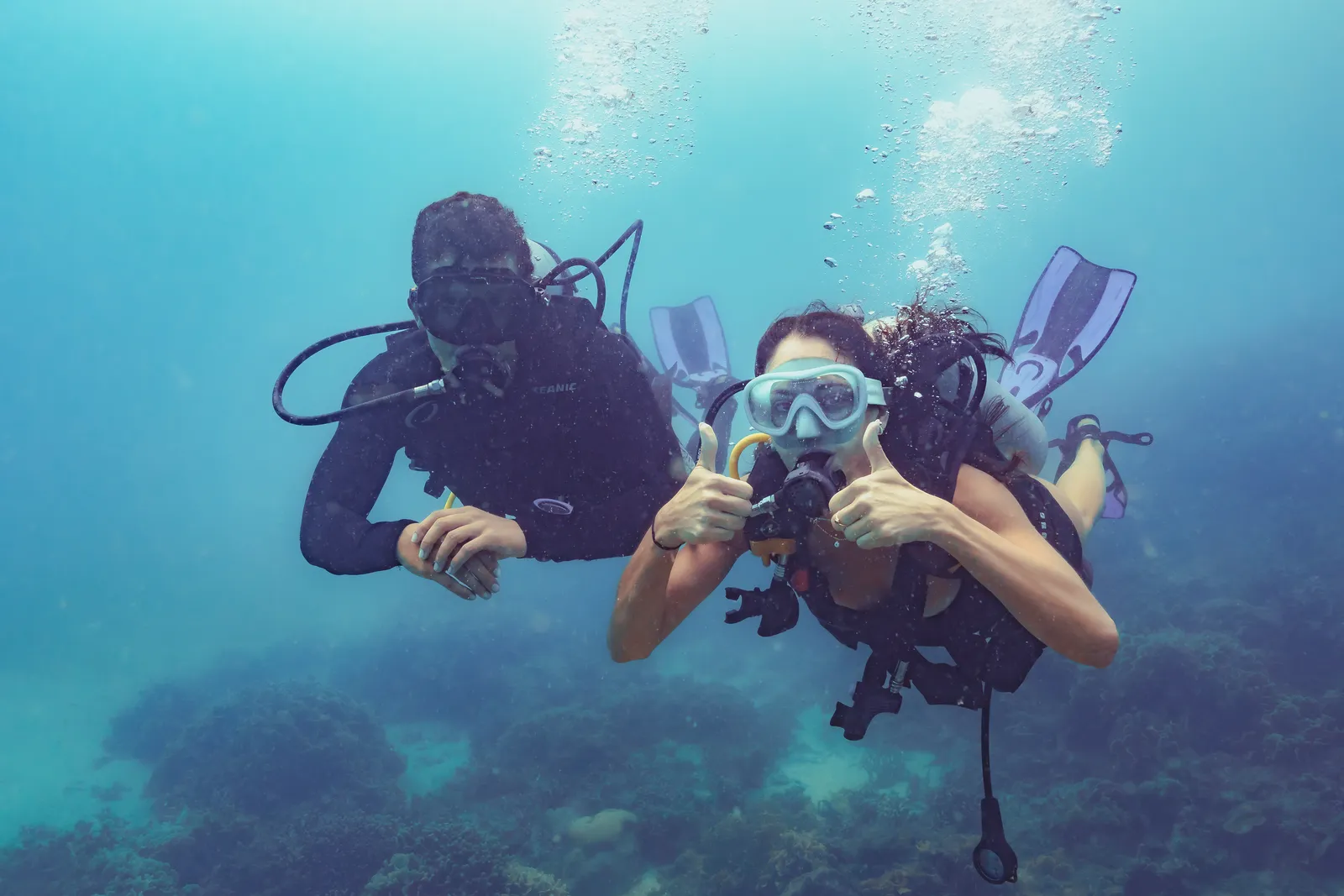
A sunken ship gives the ocean a scaffold. Within a few years, coral polyps, sponges and algae colonize the steel, and fish move in for shelter and food. A drab hull becomes a living reef.
That is why many wrecks are deliberately sunk as artificial reefs. They boost marine life, take pressure off natural reefs and give divers a dramatic structure to explore, all at once.
Skills wreck diving demands
Wrecks are thrilling, but they demand respect. Deep, dark and sometimes penetrable, they reward divers who build the right foundation first.
- Excellent buoyancy, so you never touch or damage the wreck.
- Good air and depth awareness, since many wrecks sit deep.
- Deep and wreck specialty training before any penetration.
- Never entering an overhead space without proper training and guidance.
Start with solid open-water skills, then add specialties step by step.
A wreck story in Colombia
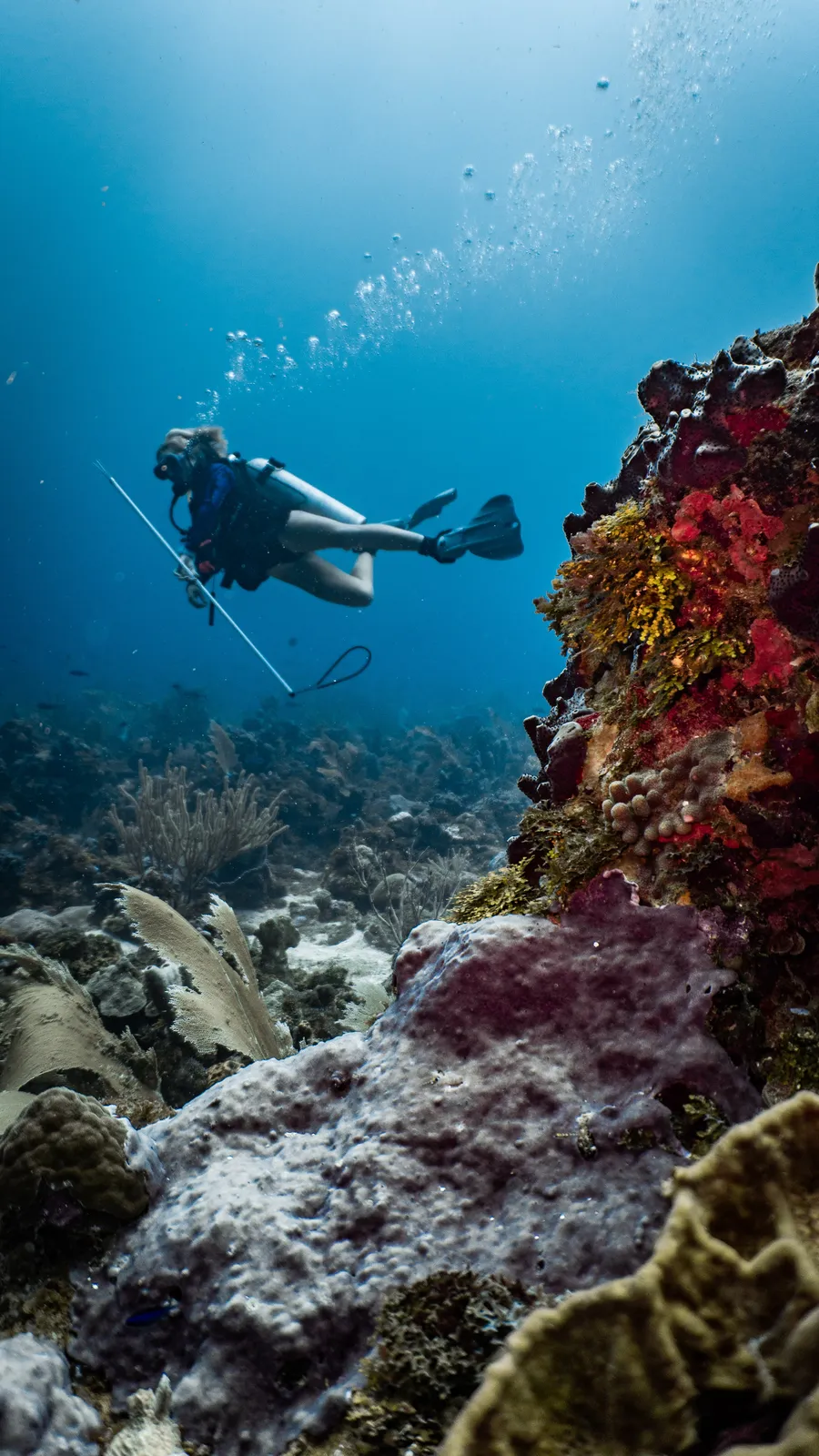
Not every underwater structure is a warship. On Isla Fuerte, the site of Bajo Bonito holds a submerged Zenú museum and an active coral restoration project, an artificial reef that is part heritage, part living science experiment.
It shows the same principle as the great wrecks: give the sea a structure, and life will claim it. Here, sculptures and coral frames grow into a garden that divers help protect on every visit.
Build your wreck skills with us
Great wreck diving starts with great fundamentals, and Isla Fuerte is the perfect place to build them. Warm 27 to 29 degree water, 29 dive sites and calm conditions let you master buoyancy and air control before you ever tackle a deep wreck abroad.
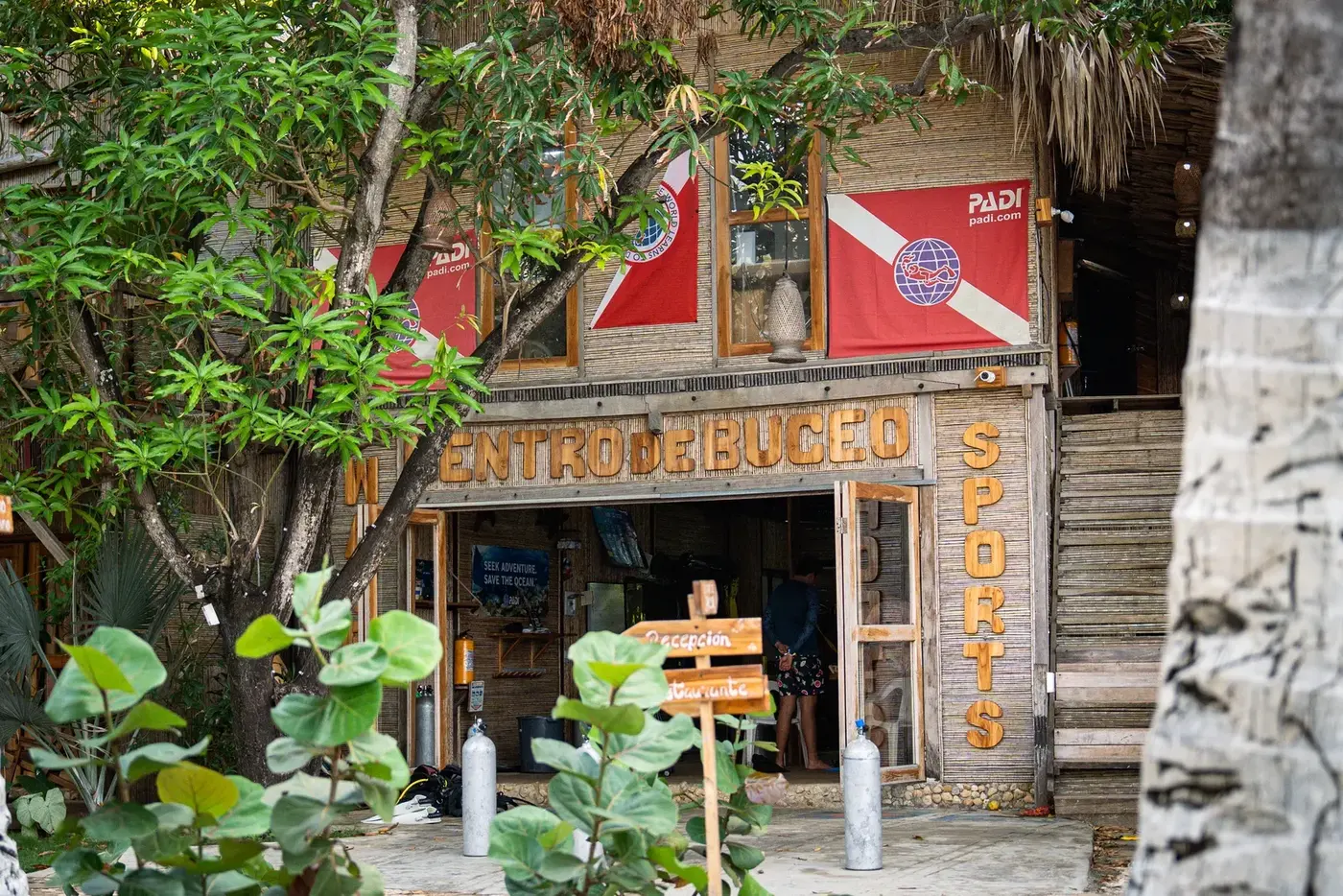
Nautilus is a PADI center where you can train step by step in small groups with gear included. Explore Bajo Bonito and the rest on our interactive dive map, or see our courses and dives and start building toward the world's great wrecks right here.