Ask any experienced diver what separates a beginner from a natural, and the answer is almost always the same: buoyancy. Neutral buoyancy is the state of perfect balance where you neither sink nor float, hanging motionless in the water like an astronaut in space. It is the single most important skill in diving, because it protects the reef, saves your air and turns swimming into effortless flight. It sounds like magic the first time you feel it, and it becomes second nature with practice. The warm, clear reefs of Isla Fuerte are an ideal classroom for finding that weightless sweet spot.
The three states of buoyancy
Every object in water sits in one of three conditions, and a diver moves between them on purpose. Understanding the three is the whole concept:
- Positive: you float upward, like at the surface with an inflated jacket.
- Negative: you sink, useful for descending in a controlled way.
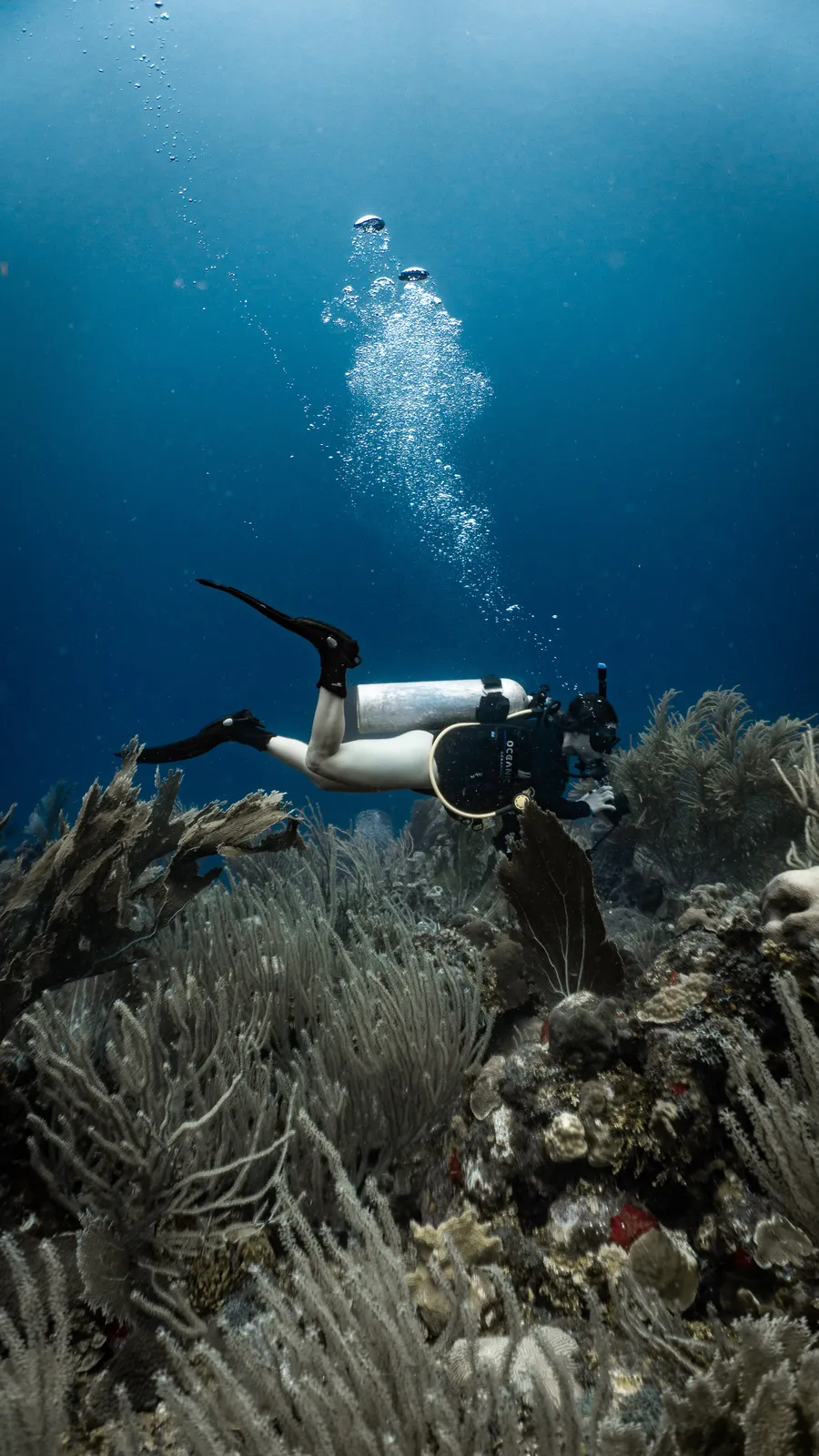
- Neutral: you hang perfectly still at any depth, going neither up nor down.
Neutral is the goal for the main part of the dive, because it lets you glide over the reef using only your fins for direction, not for holding depth.
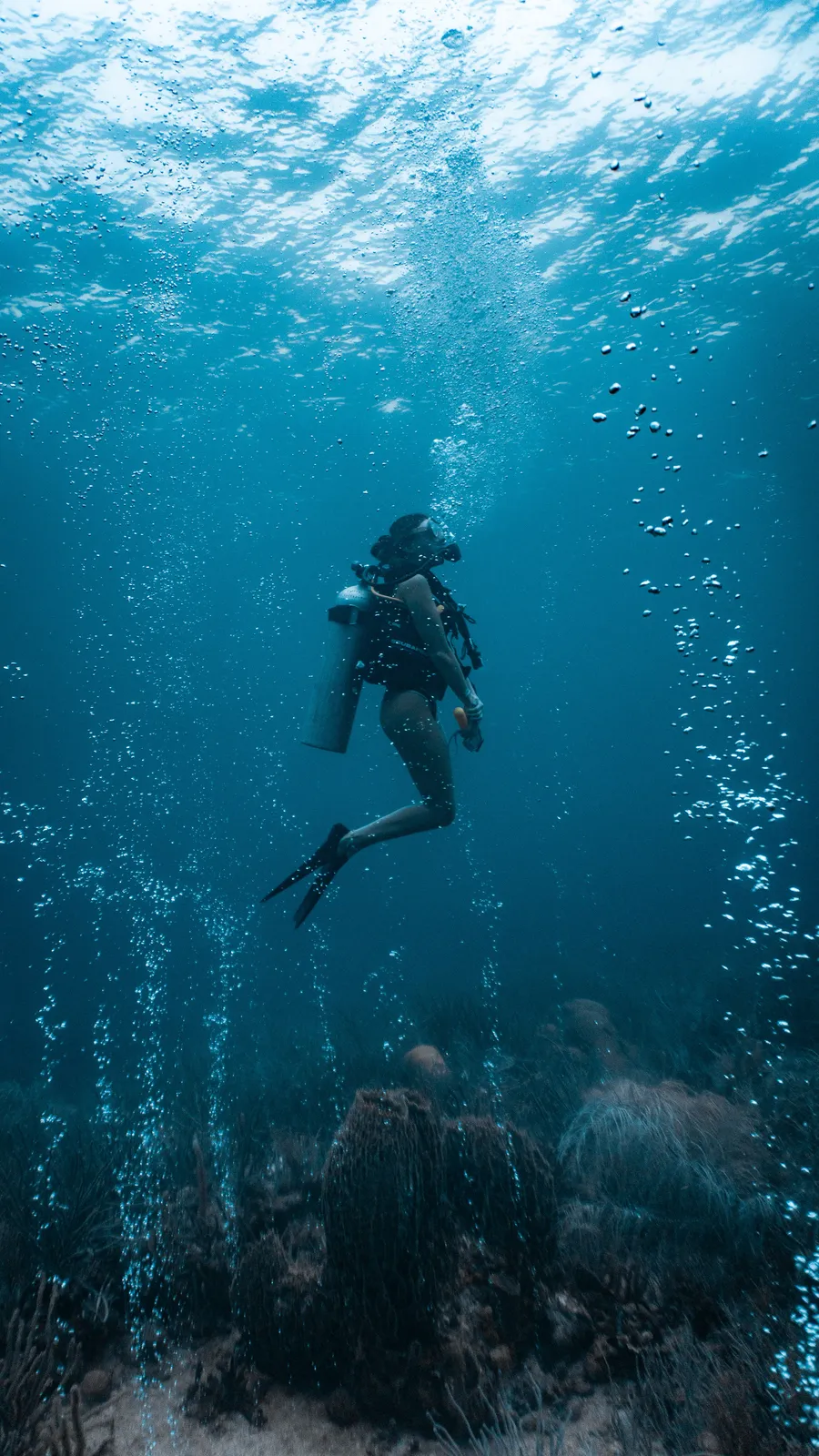
How the BCD and weights balance
Two tools let you fine-tune your buoyancy. Your weights, worn on a belt or in pockets, offset the natural tendency of your body, wetsuit and empty tank to float. Your buoyancy control device, or BCD, is an inflatable jacket you add air to or release air from.
The art is in balance. You want just enough weight to descend, and then you add small amounts of air to the BCD until you hover. Overweighting is the classic beginner error, because it forces you to carry more air in the jacket, which then expands and contracts as you change depth and makes you unstable.
Breathing is fine control
The surprise that delights every new diver is that your lungs are a buoyancy tool too. A full breath adds a little lift, and a long exhale lets you settle. Once you are close to neutral, you steer up and down over small obstacles just by breathing.
This is why calm, slow breathing produces such stable, elegant divers. Instead of fighting to hold position, they simply inhale to rise over a coral head and exhale to sink back down. It takes a few dives to trust, but once it clicks, hovering feels completely natural.
Practicing buoyancy on Isla Fuerte
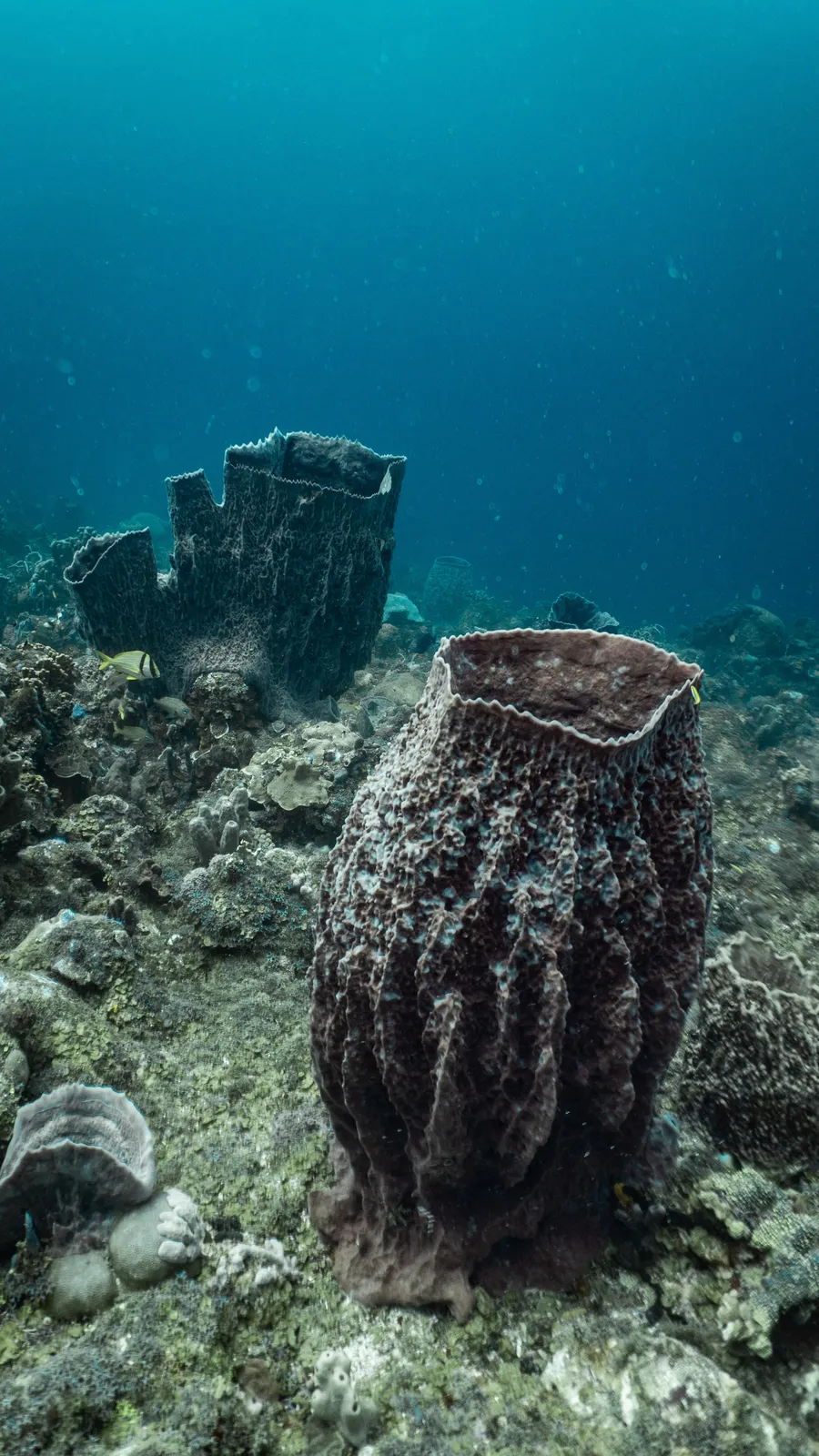
There is no better reward for good buoyancy than a healthy reef, and Isla Fuerte has some of the best-preserved coral of the continental Caribbean. Hovering cleanly means you never brush or break the fragile structures that took decades to grow.
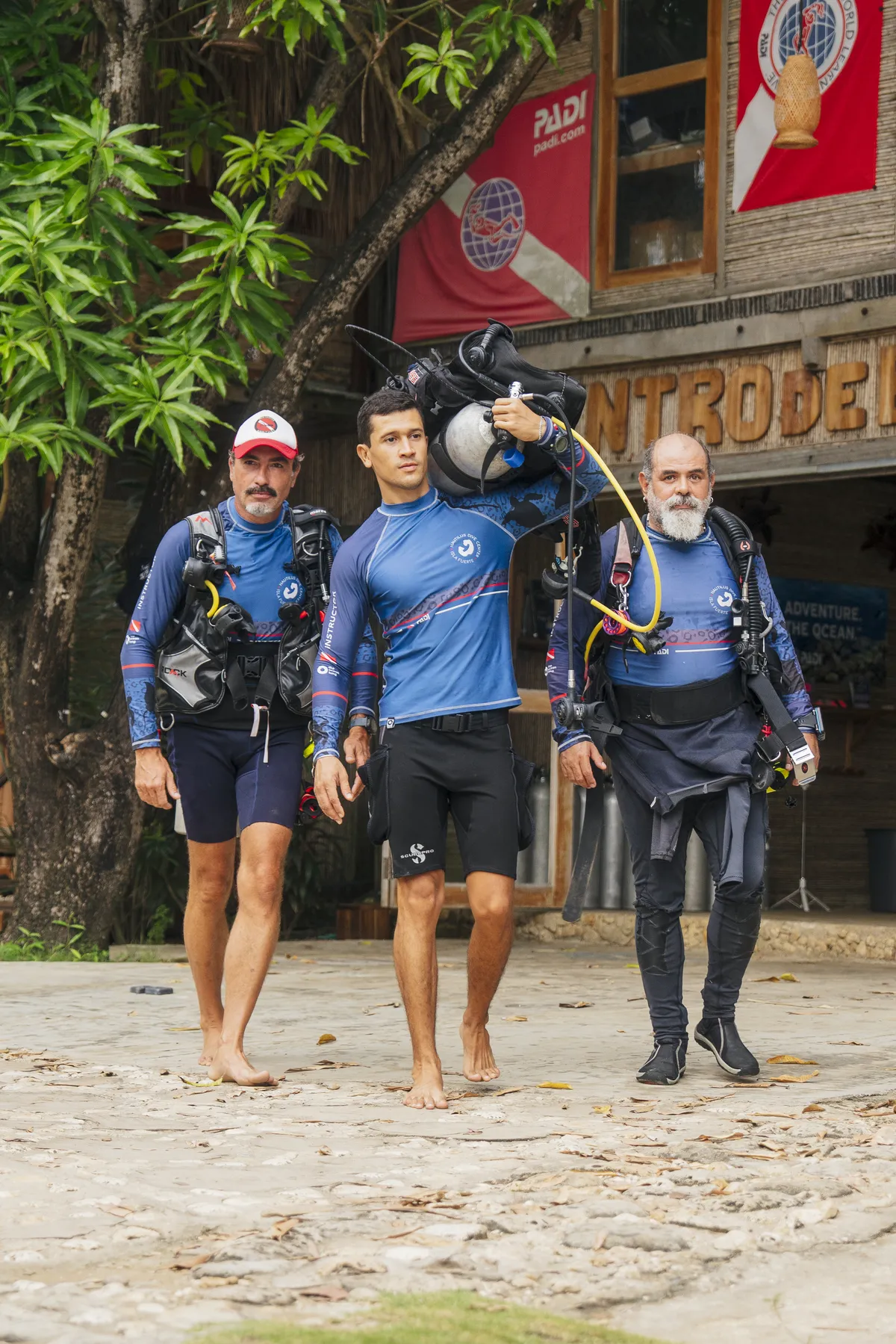
Nautilus is a PADI center where you can take the Peak Performance Buoyancy specialty or simply refine the skill dive by dive with a certified instructor. Warm 27 to 29 degree water and calm sites like Rosa Vieja make it easy to relax and find your balance. See how to practice on our courses and dives page and picture the sites on the interactive dive map.