Underwater photography rewards patience, good light and reefs full of life, and the right destination gives you all three. The best places for shooting are not always the most famous ones. They are the reefs with clean water, cooperative subjects and enough calm to compose a frame without fighting a surge. Whether you shoot wide-angle walls or tiny macro critters, choosing your location well is half the image. Here is what to look for.
Chase visibility and light
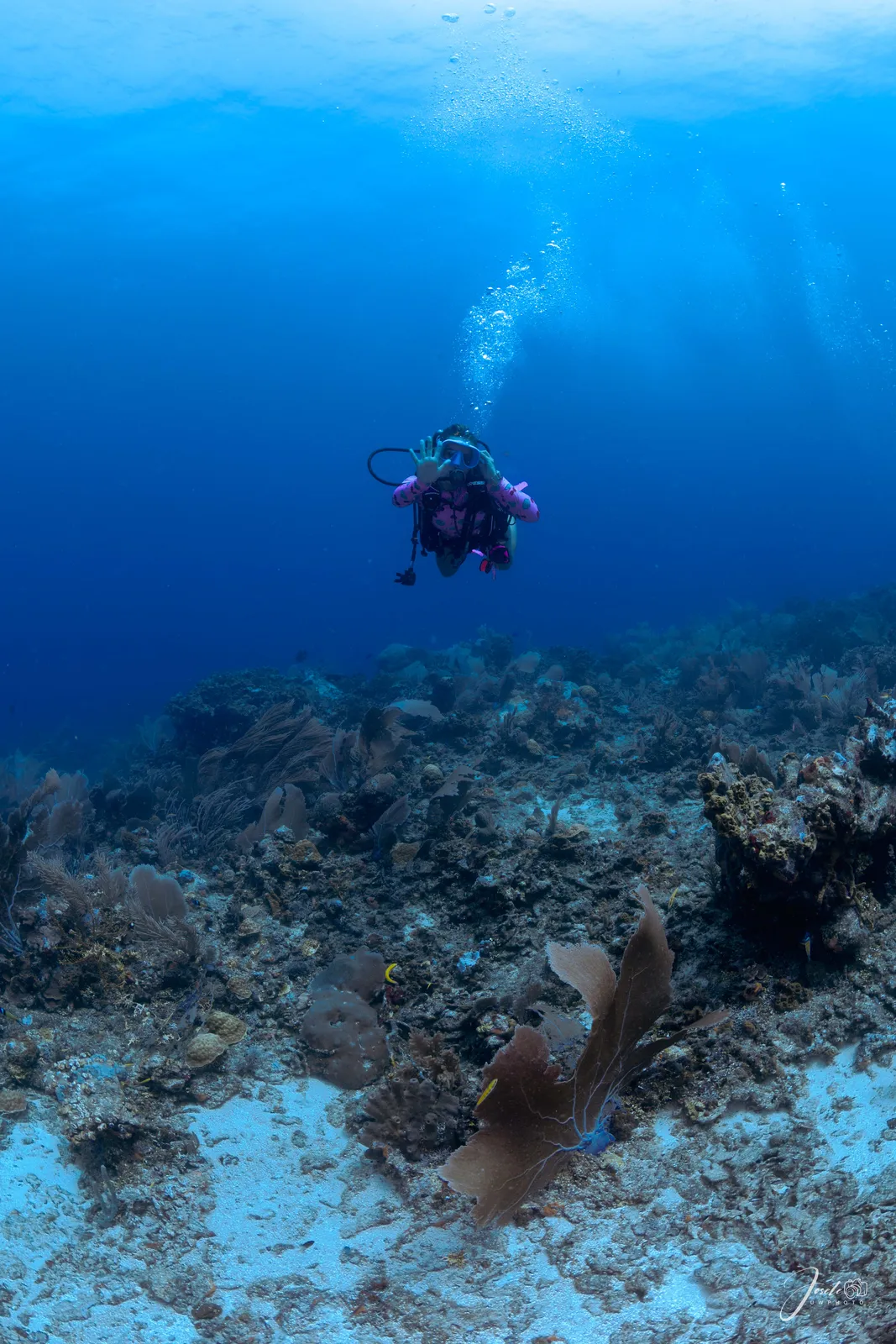
Great images start with clear water. Look for destinations with high visibility seasons, when suspended particles drop and light reaches deep into the reef, giving you sharp colors and clean backgrounds.
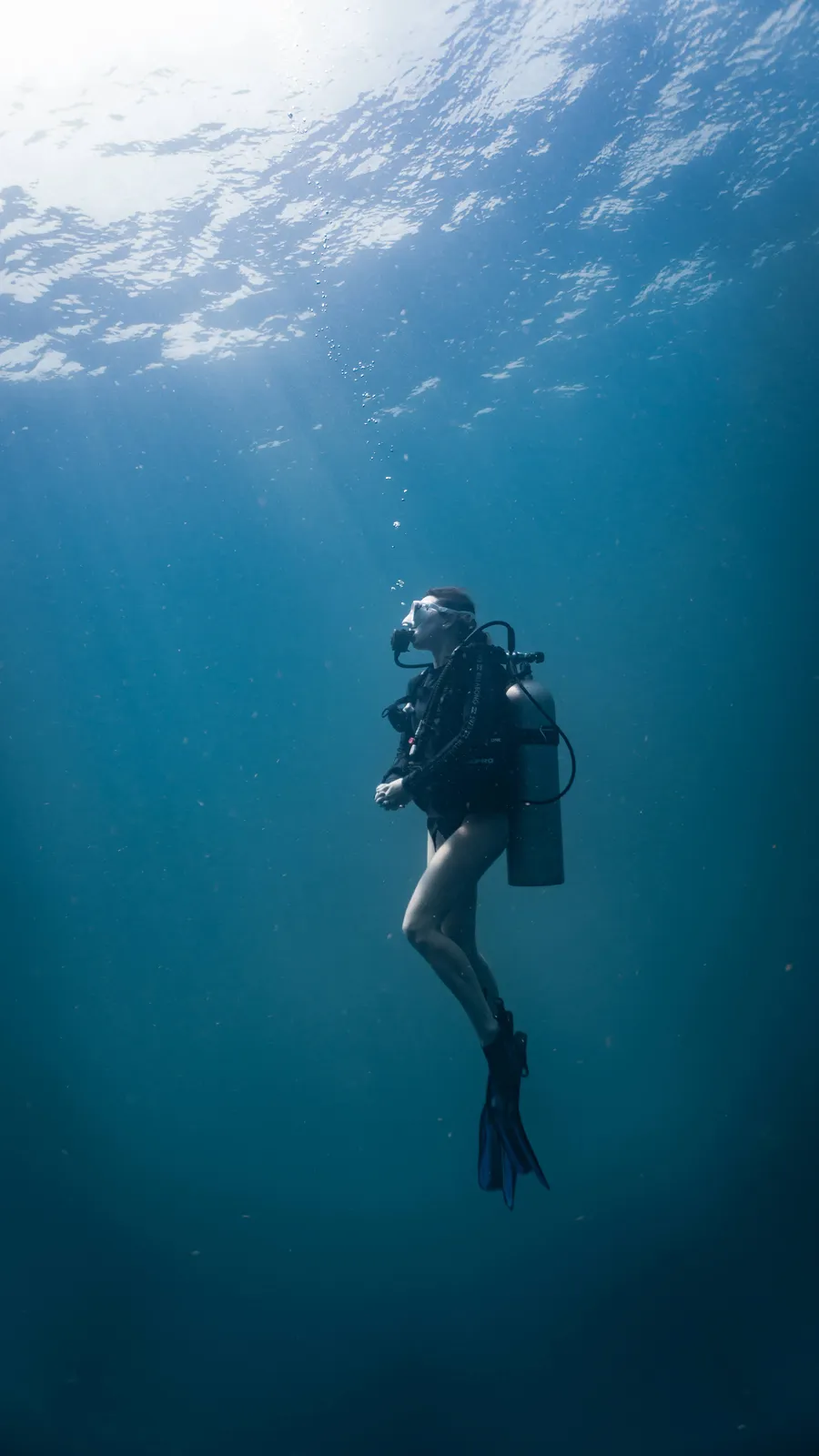
Shallow reefs are a photographer's friend because sunlight still carries color there, sparing you from a fully artificial-light setup. Plan your dives for late morning when the sun is high and the beams punch straight down into the coral.
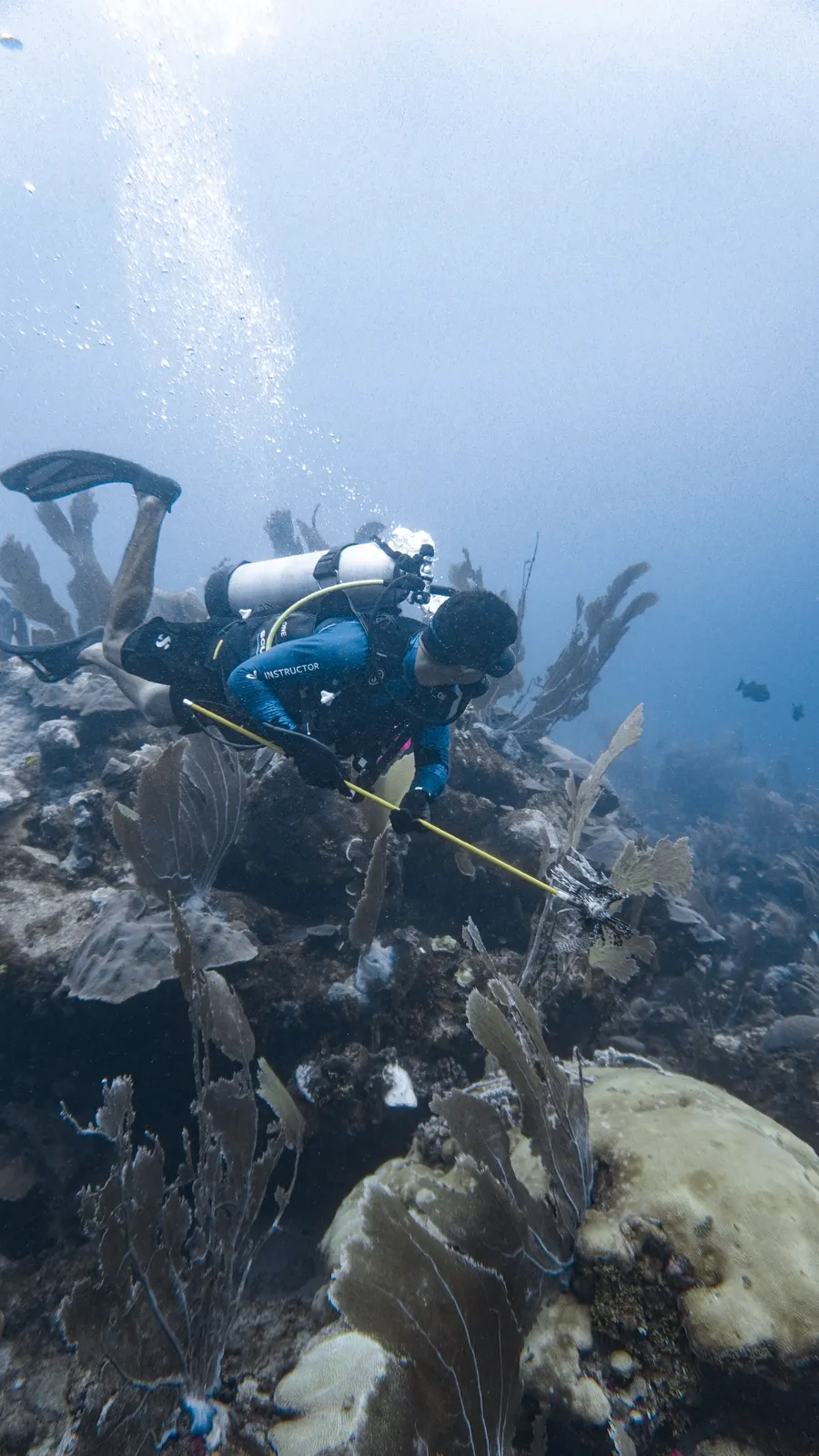
Wide-angle versus macro destinations
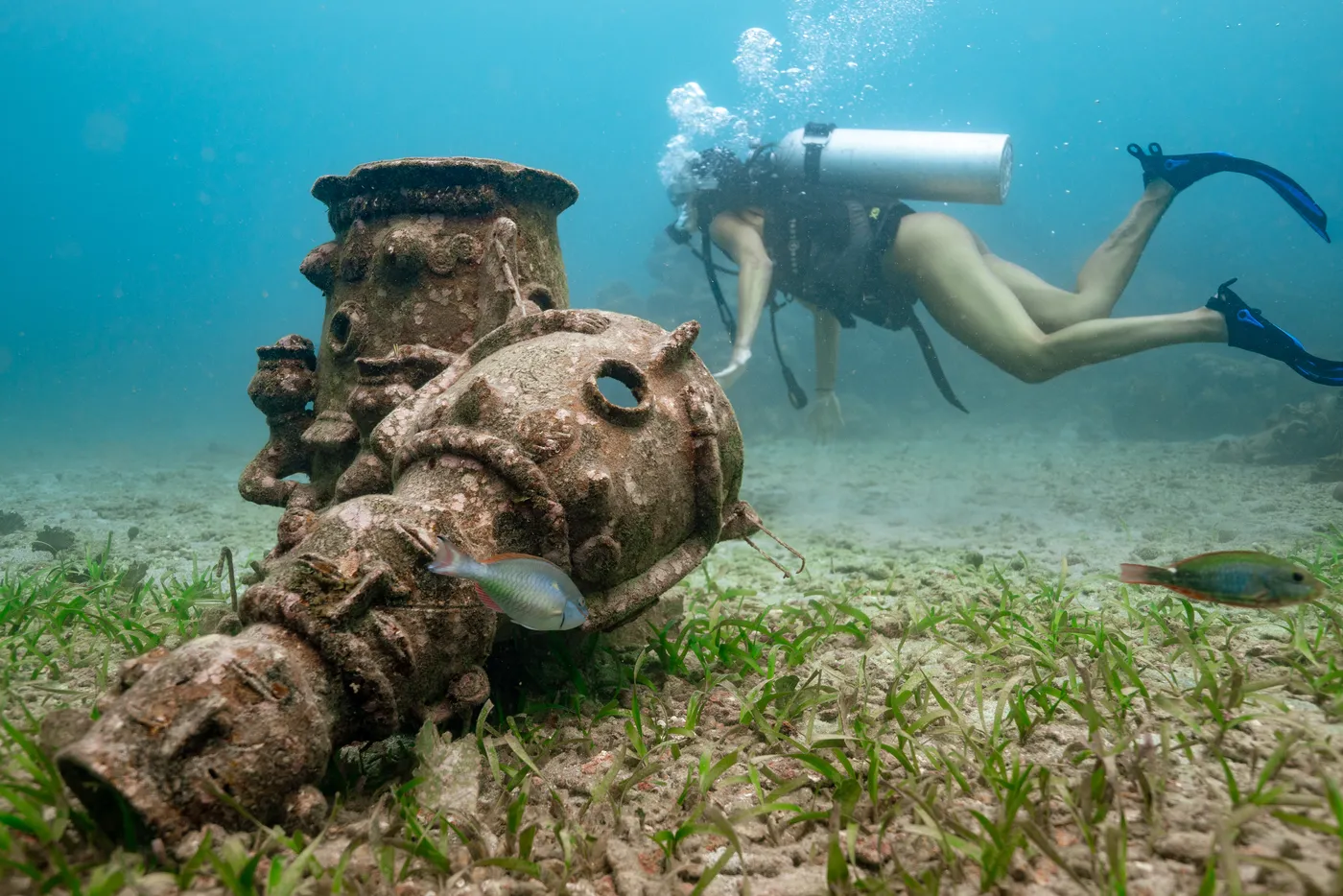
Decide what you want to shoot before you pick a reef. Wide-angle photographers want walls, big animals and sweeping reefscapes, while macro shooters want muck, nudibranchs and tiny cooperative critters.
- Wide-angle: walls, schooling fish, turtles, rays.
- Macro: seahorses, nudibranchs, shrimp, blennies.
- Both: varied reefs with deep drops and shallow gardens.
The most rewarding destinations offer a mix, so a single trip can fill your portfolio in both styles.
Dive slow, protect the reef
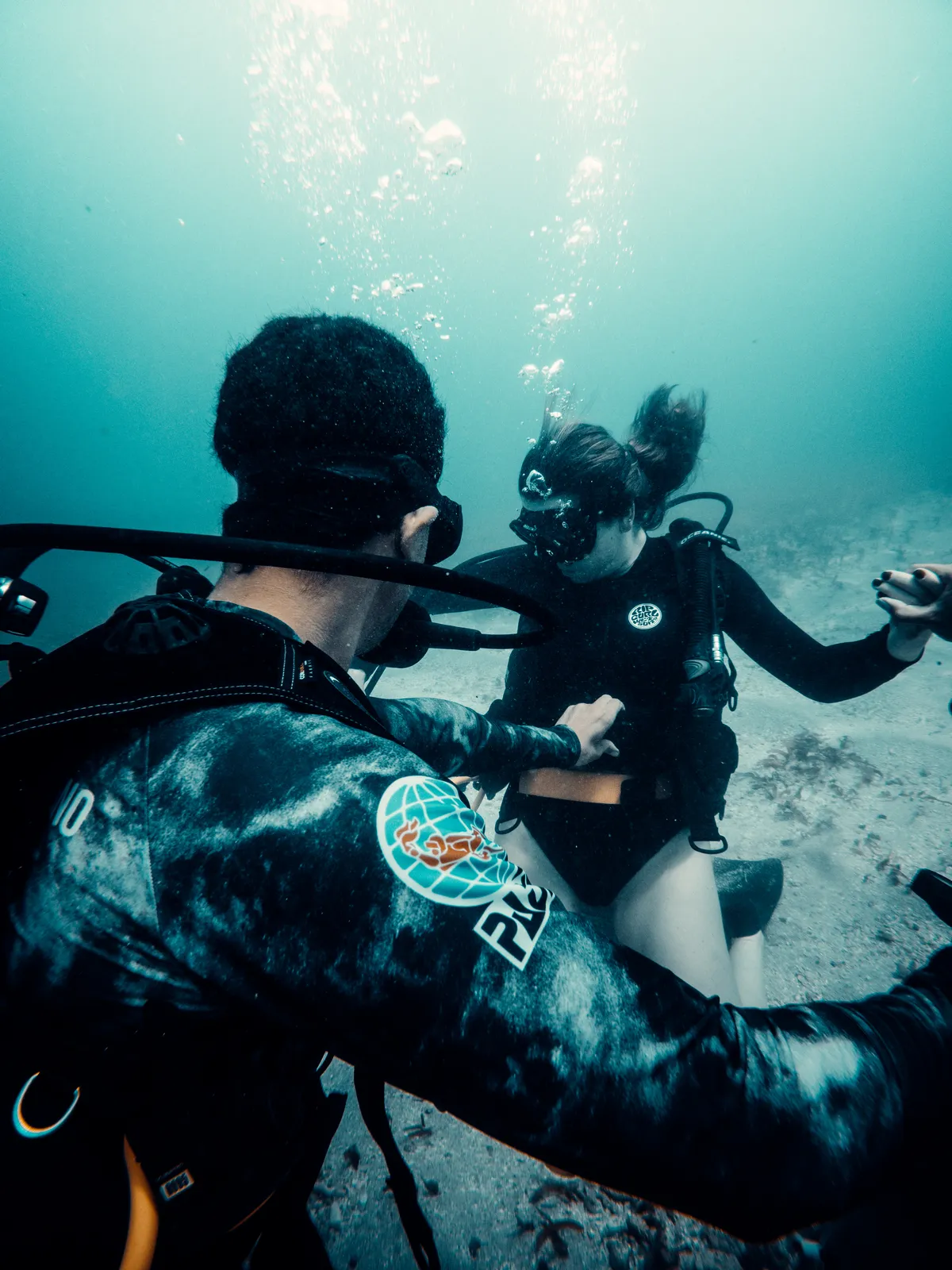
Good underwater photography demands perfect buoyancy. Hovering still, never touching the coral and moving slowly not only protects the reef, it gets you closer to skittish subjects than any zoom lens.
Never chase or corner an animal for a shot. Patient, respectful divers get the best images because relaxed marine life behaves naturally, and a healthy undisturbed reef simply looks better in every frame.
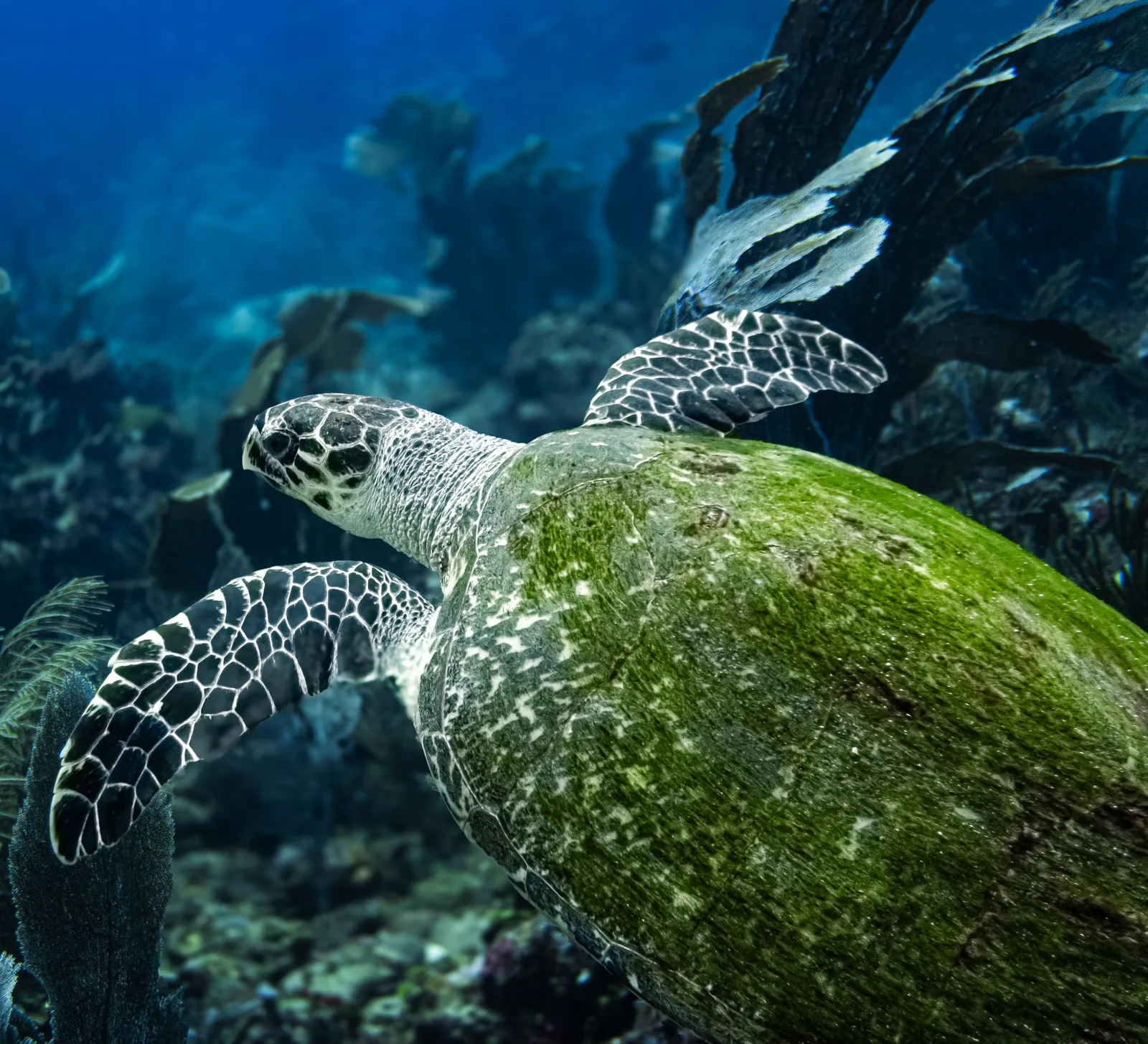
Gear and settings that travel
You do not need the biggest rig to make great images. A compact camera in a housing with one good strobe or video light covers most reef scenes, and it keeps your luggage manageable.
Shoot in the reef's ambient light when you can, add artificial light to restore reds and oranges, and get low so you shoot slightly upward into the blue. Backing up your files each night means a flooded camera never costs you the whole trip.
Untouched frames at Isla Fuerte
Photographers love a reef that few others have shot, and Isla Fuerte delivers exactly that. With 29 dive sites, warm 27 to 29 degree water and peak visibility from March to May and September to October, you get clean backgrounds and healthy coral in nearly every frame.
Shoot the dramatic walls of Bushnell in wide-angle, then work the coral gardens of Rosa Vieja for detail, all with hardly another diver in the water. Plan your shoot through our courses and dives and find your compositions on our interactive dive map.