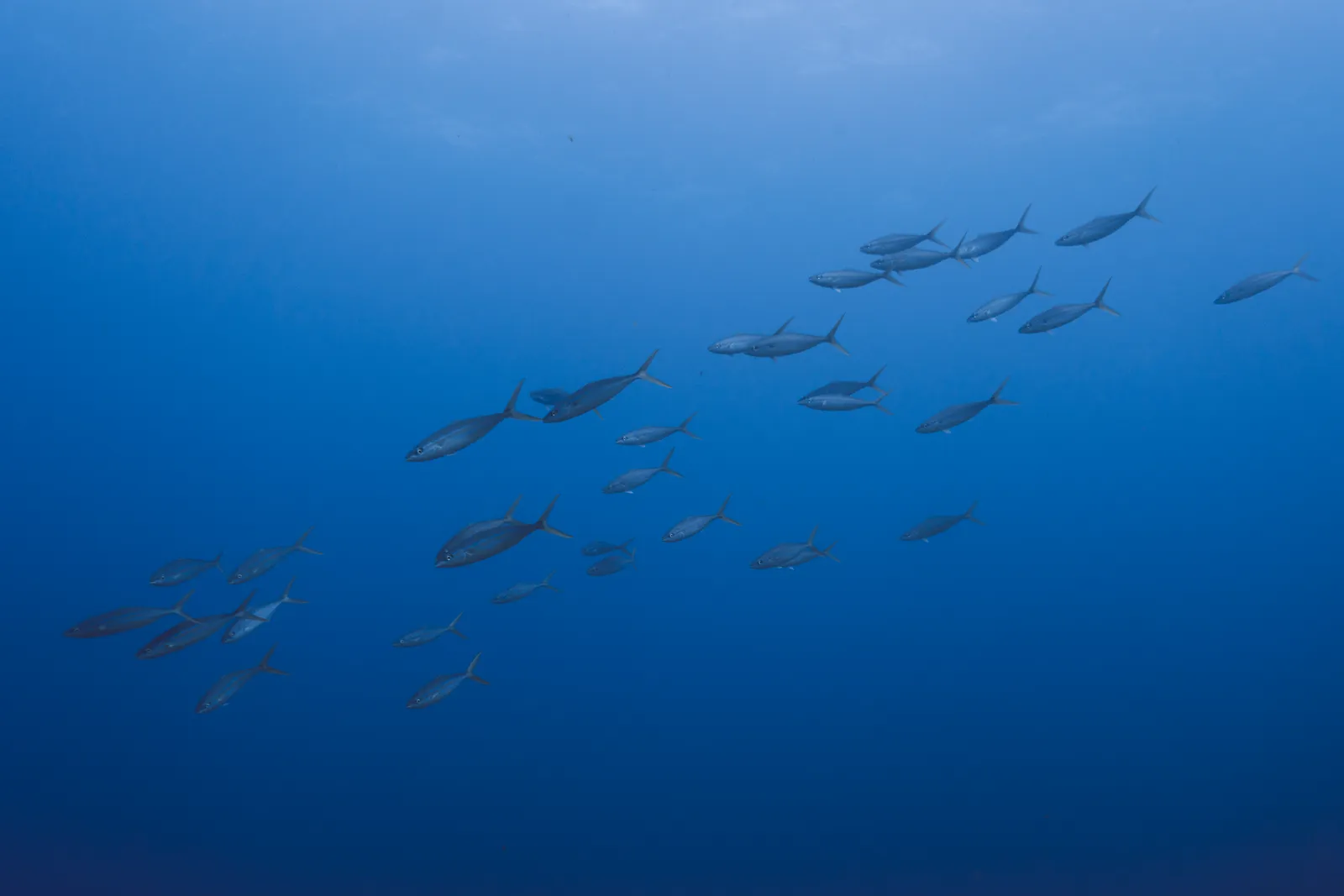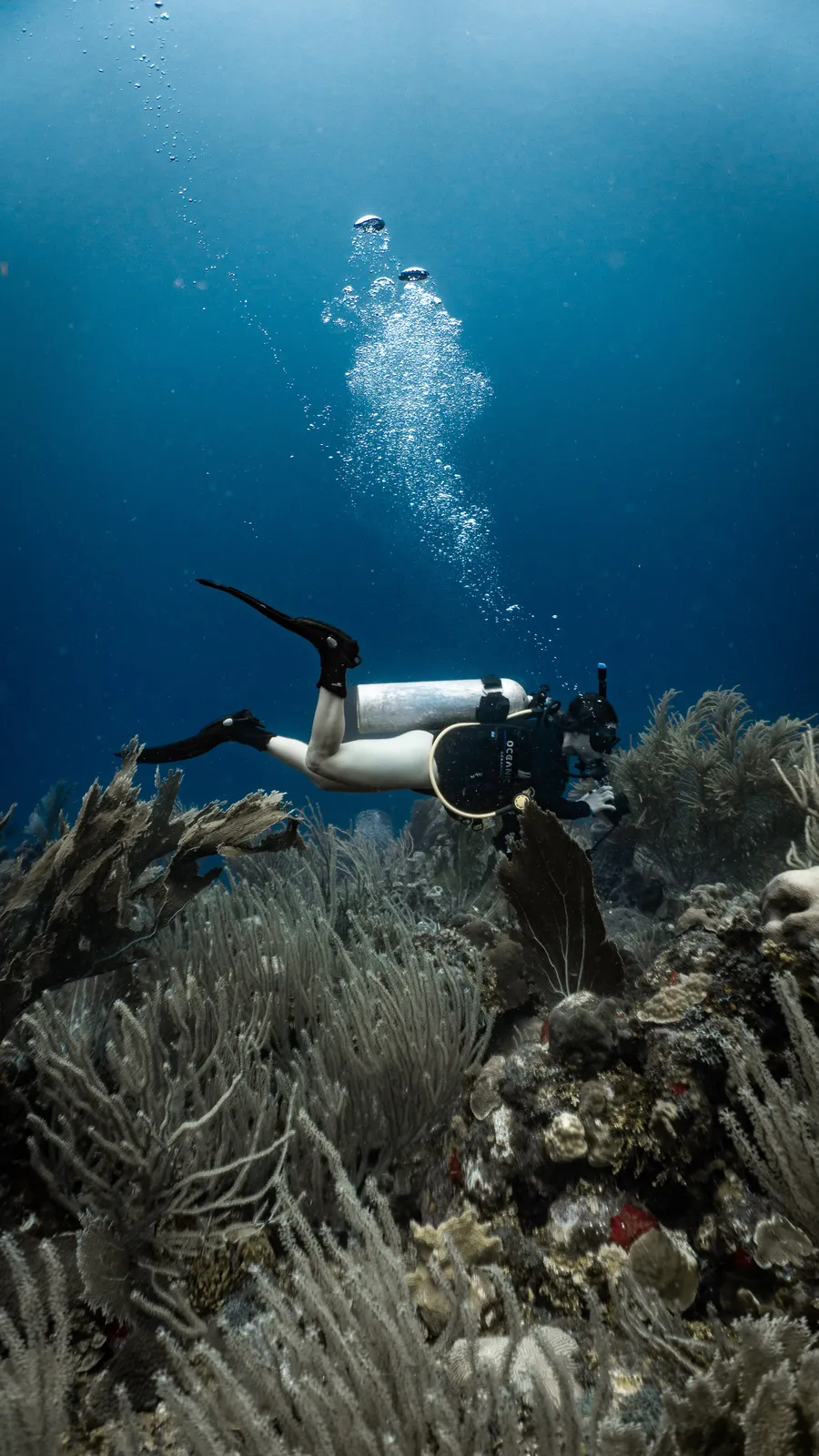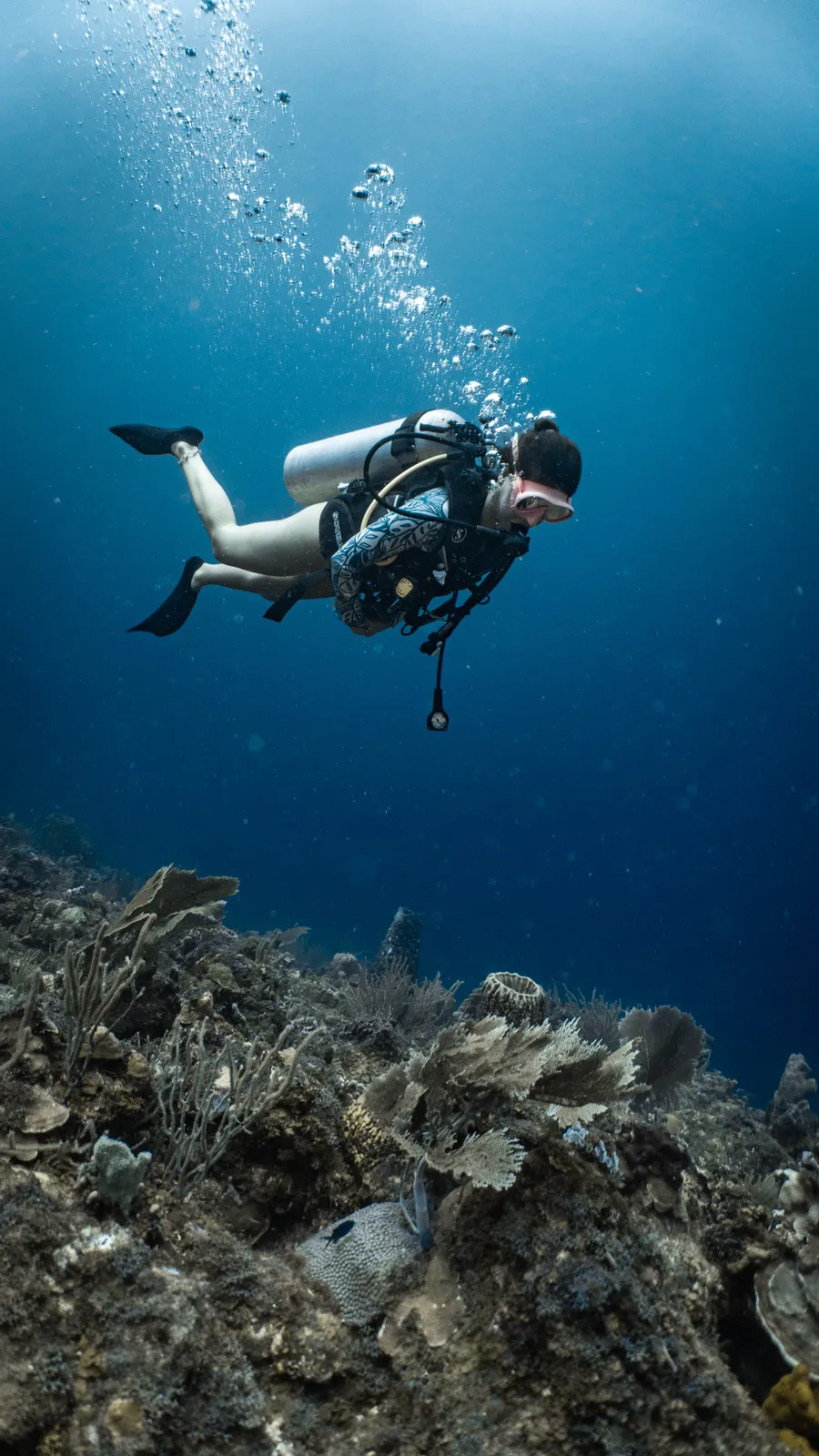
If you dive long enough you will hear the word nitrox, usually spoken with a little bit of insider pride. It sounds exotic, but nitrox is simply air with the oxygen turned up and the nitrogen turned down. That small change to the recipe can give you longer bottom times and shorter surface intervals, which is why so many divers add the specialty to their card. It is not a magic gas and it does not let you go deeper, but understood correctly it is a genuinely useful tool. At Nautilus you can learn to use it on the same warm reefs where you learned to dive.
What is actually in the tank
The air we breathe on land is roughly 21 percent oxygen and 79 percent nitrogen. A standard scuba tank holds that same ordinary mix, just compressed.
Nitrox, also called enriched air or EANx, raises the oxygen fraction and lowers the nitrogen. The two most common blends are:
- EAN32: 32 percent oxygen, the most popular recreational mix.
- EAN36: 36 percent oxygen, for shallower profiles and even longer no-stop times.
The number in the name always tells you the oxygen percentage, which is the whole point of the blend.
Why less nitrogen helps
The main thing that limits how long you can stay at depth is not running out of air, it is nitrogen. As you dive, your body slowly absorbs nitrogen from every breath, and you have to manage that build-up to surface safely.
Because nitrox contains less nitrogen than air, your body absorbs it more slowly. That translates directly into longer no-decompression limits at a given depth, or a bigger safety margin if you stay within normal air limits. Many divers also report feeling less tired after a day of enriched-air dives, though that effect is harder to measure.
The tradeoff: oxygen and depth
Nitrox is not a free upgrade. The extra oxygen that helps you at moderate depths becomes a hazard if you go too deep, because oxygen can turn toxic under high pressure. Every blend therefore has a maximum operating depth you must respect.
For EAN32 that limit is around 33 meters, and for EAN36 it is shallower still. This is exactly why nitrox requires a short specialty course: you learn to analyze the mix yourself, set your computer, and calculate that depth ceiling. It is simple math, but skipping it is dangerous.
Trying nitrox on Isla Fuerte
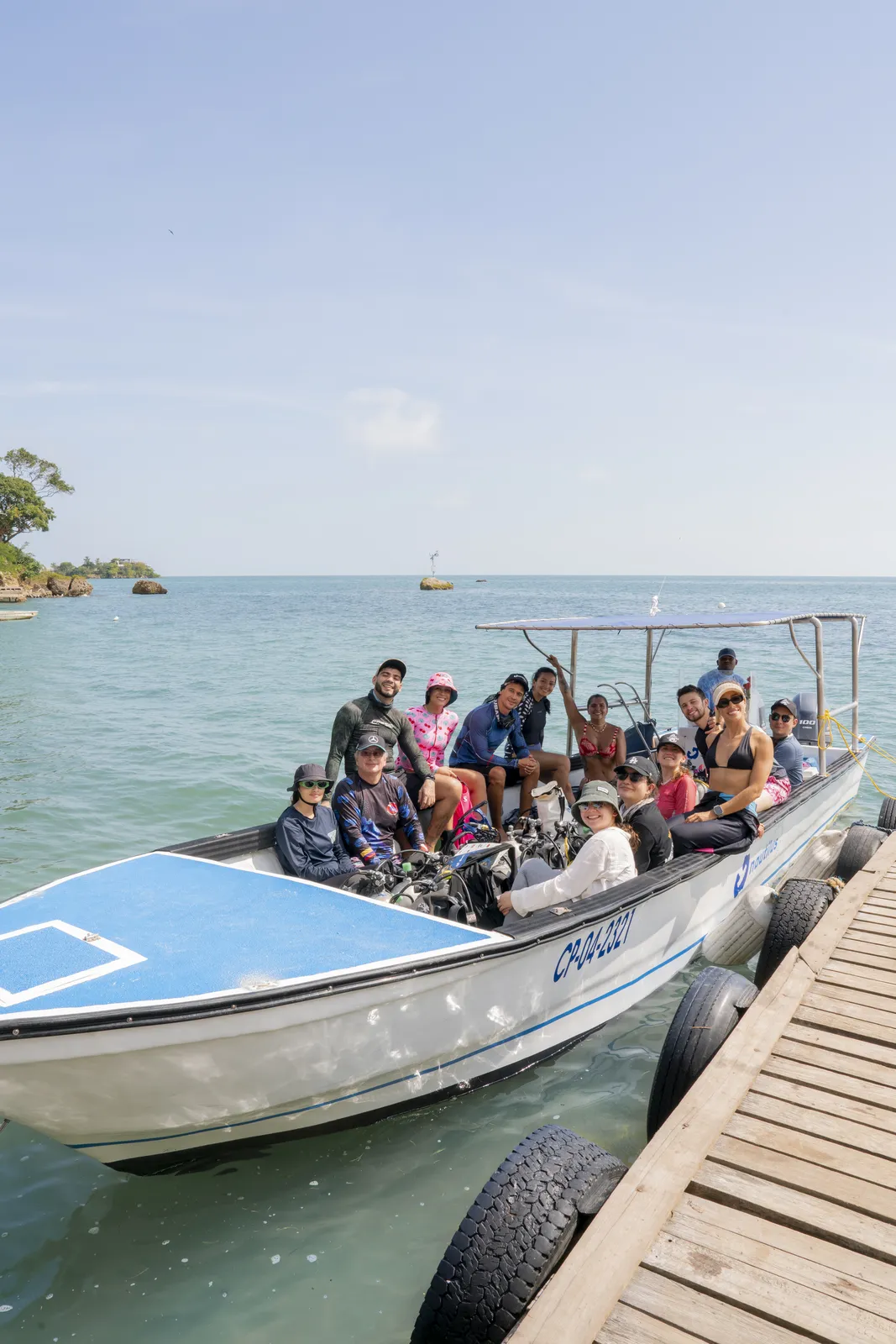
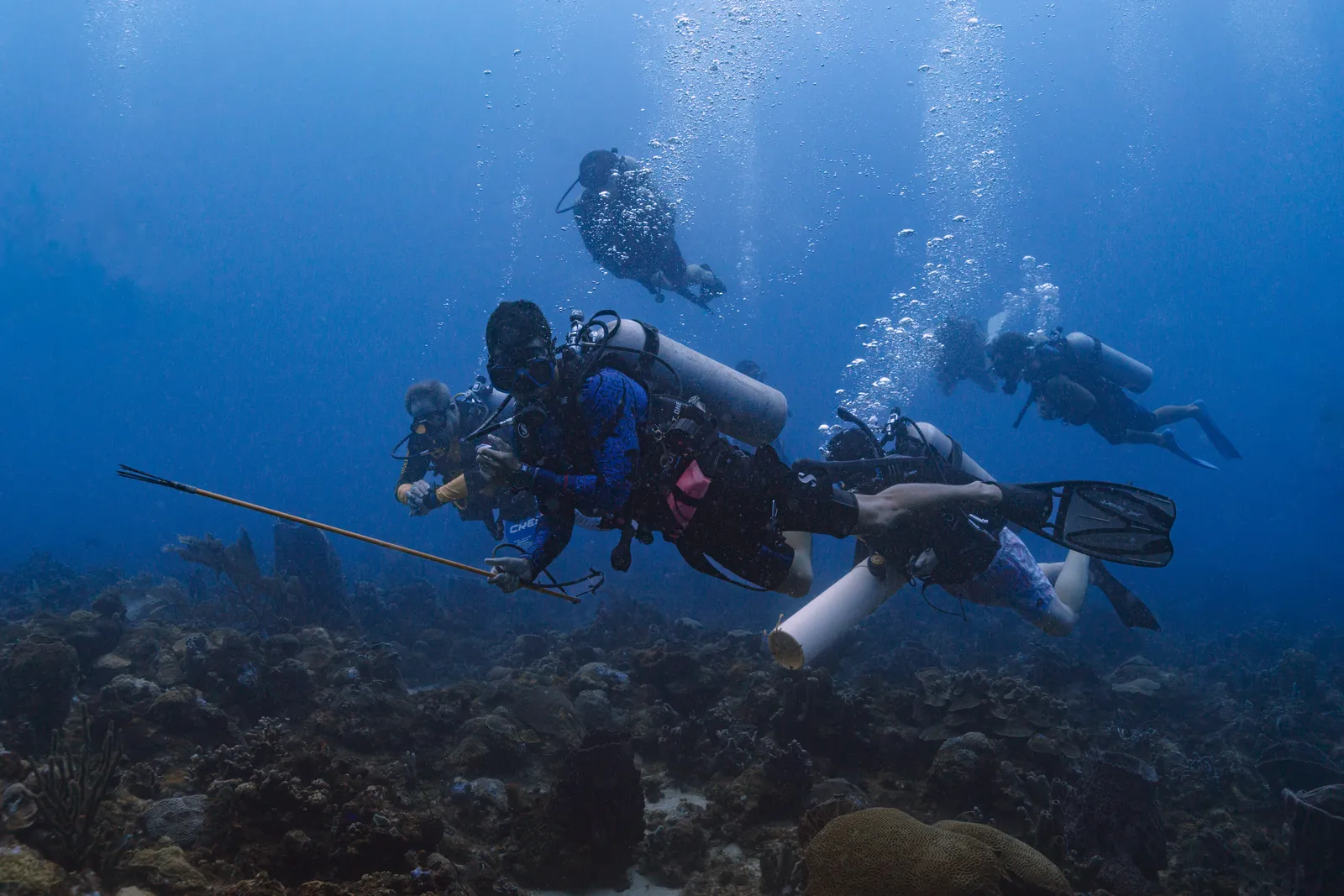
Enriched air shines exactly on the kind of diving Isla Fuerte offers: repetitive dives on warm, moderate-depth reefs across a relaxed day. Longer no-stop limits mean more time watching parrotfish work the coral instead of watching your computer count down.
Nautilus is a PADI dive center with certified instructors, and the enriched-air specialty is one of the easiest and most rewarding to add. If you are curious, ask about it alongside our fun dives on the courses and dives page, and see more beginner guides on our more guides section.