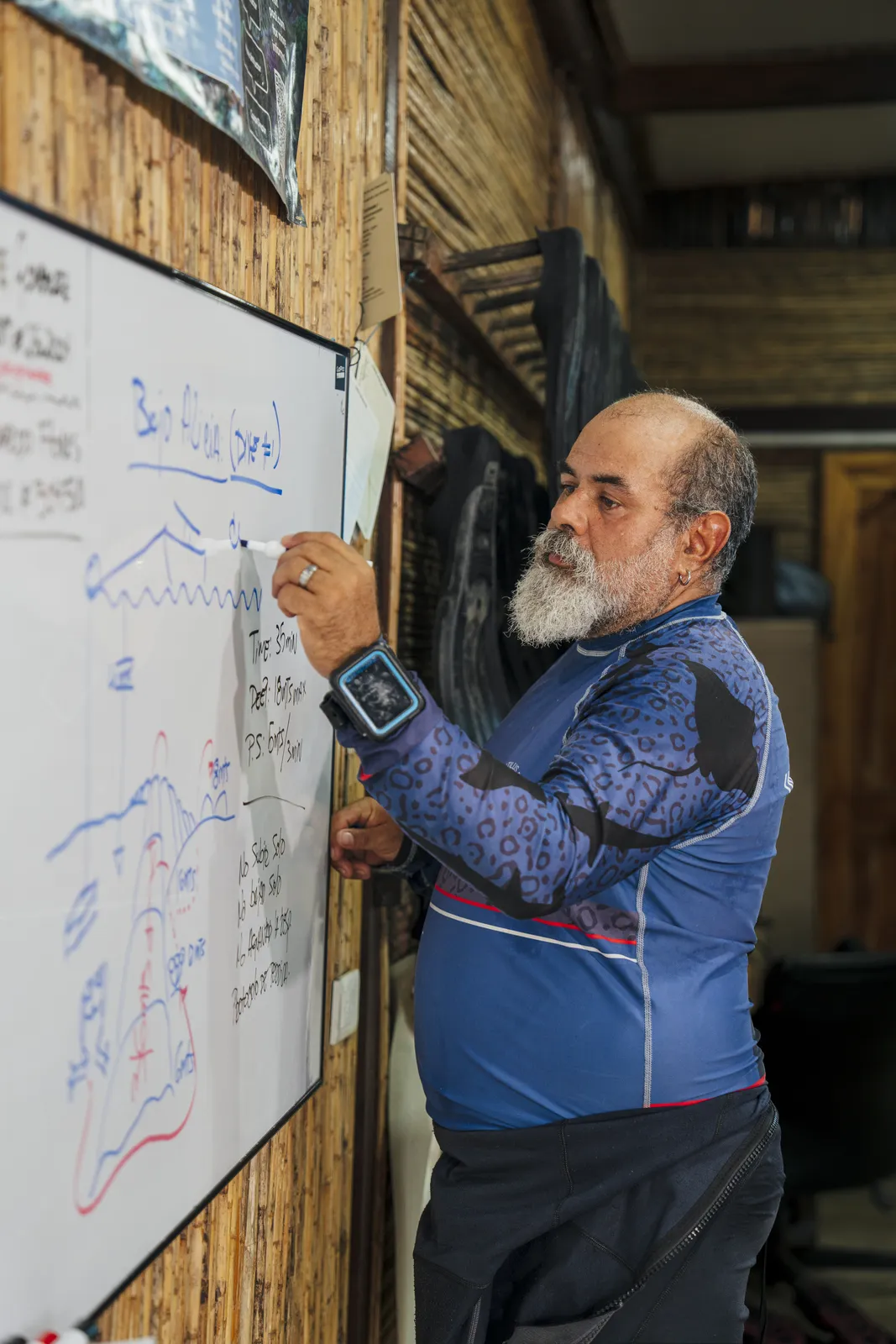
A cold sore and the flu sit at opposite ends of the diving question. A cold sore on your lip is a minor cosmetic nuisance that almost never stops you diving, while the flu, with its congestion and fatigue, is a genuine reason to stay out of the water. The deciding factor is almost always whether your ears and sinuses can equalize and whether you feel strong enough to dive safely. Here is how to tell the difference and make a sensible call.
Cold sores: usually fine
A cold sore is a small blister on or near the lip caused by a common virus. It does not affect your ears, sinuses or lungs, so it does not interfere with the mechanics of diving.
The only real considerations are comfort and hygiene. A regulator mouthpiece may rub a tender sore, and you should never share a mouthpiece or snorkel while you have one, to avoid passing the virus to others.
The flu: a clear no
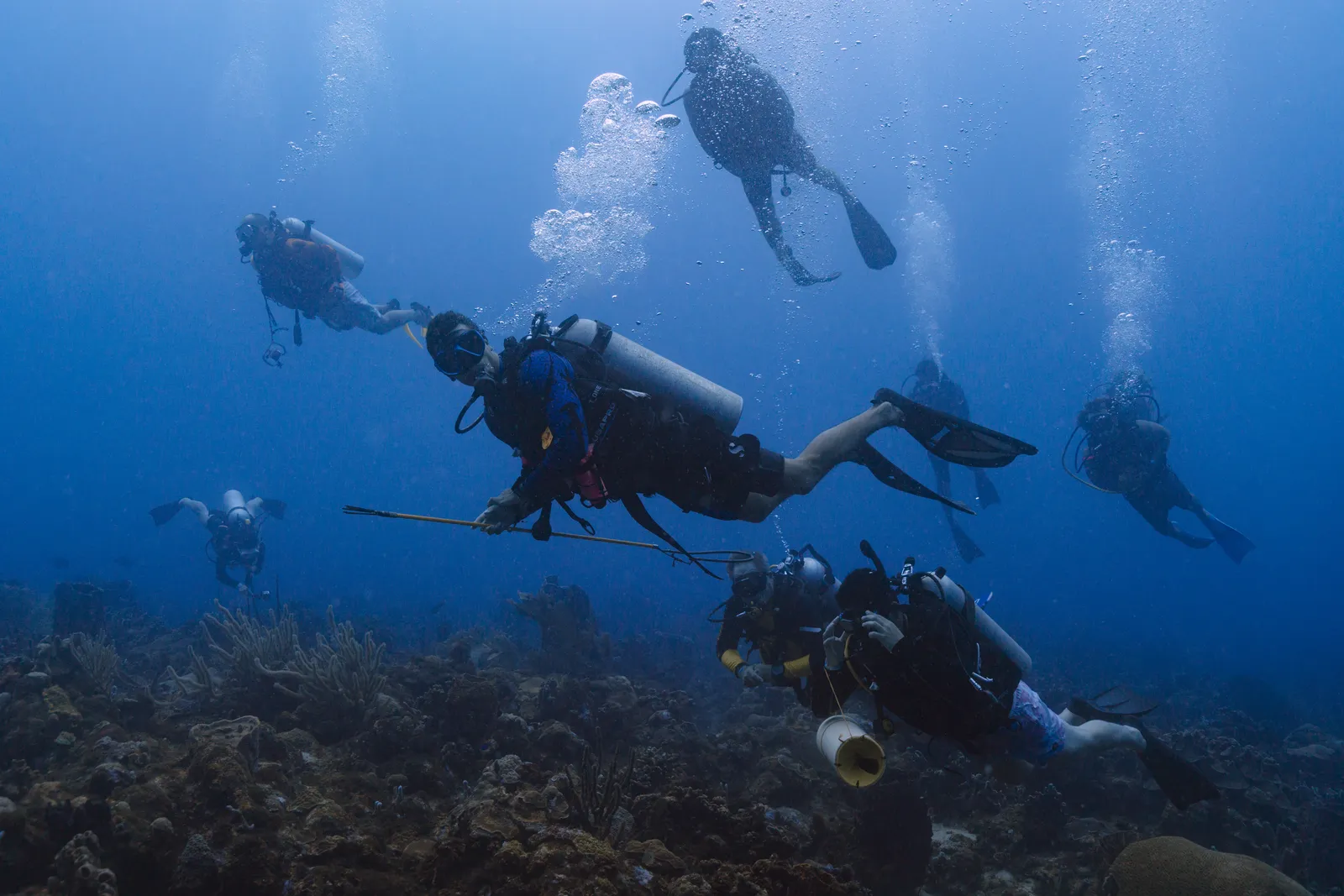
The flu is a different story. It brings fever, body aches, fatigue and often congestion, and every one of those works against safe diving:
- Congestion blocks equalizing, risking painful ear and sinus barotrauma
- Fever and aches sap the strength and focus diving needs
- Coughing underwater is unpleasant and can interrupt your breathing
- Your body is busy fighting the illness, not adapting to pressure
When you have the flu, rest and recover. The reef is not going anywhere.
Congestion is the real dealbreaker
Whether the culprit is a cold, flu or allergy, blocked ears and sinuses are the reason to skip a dive. If you cannot equalize gently on land, you will not be able to underwater, and forcing it can cause a painful injury.
Relying on decongestants to dive is risky, because they can wear off at depth and let a blockage clamp shut on the way up. It is far safer to wait until you can equalize naturally.
Coming back after being ill
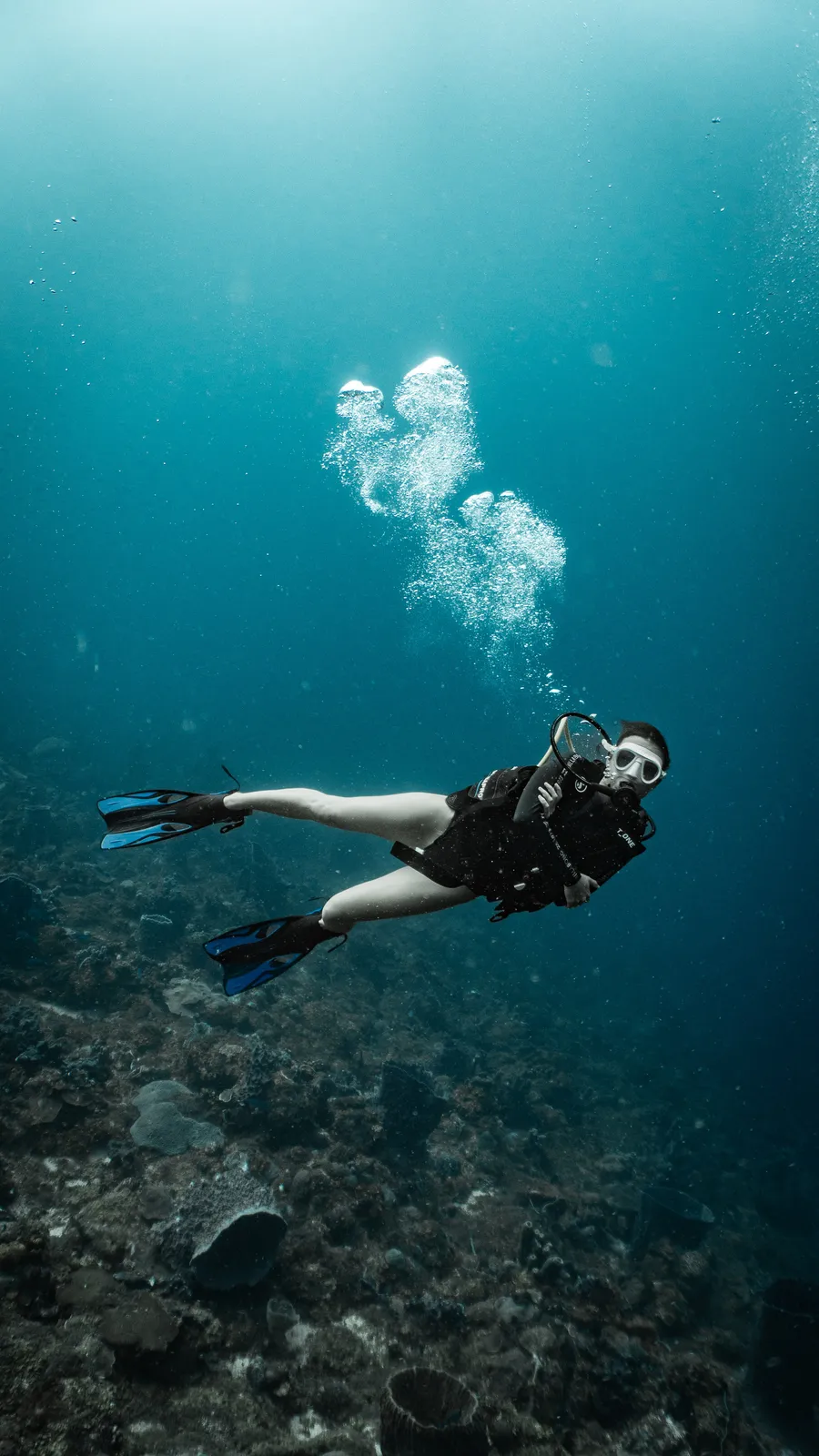
Once you feel better, give yourself a little extra time before diving. Wait until your energy is back, your nose and ears are clear, and you can equalize easily by pinching and gently blowing.
Ease in with a shallow, relaxed dive rather than a demanding one. If any congestion lingers, it is worth one more day on land rather than risking your ears on the descent.
Flexible plans when you visit us
If a bug catches you on your trip, talk to us. On Isla Fuerte there is plenty to enjoy from the surface while you recover, and we would always rather move your dive than have you descend congested. Certification never expires, so there is no rush.
Rest at your lodging, enjoy the island, and pick up your courses and dives once your ears are clear. Our small groups make it easy to be flexible with your schedule.
Important
This is general educational information, not medical advice. Always complete the medical questionnaire honestly, dive within your training and, if in doubt, consult a diving physician or contact DAN (Divers Alert Network). In an emergency in Colombia, the nearest hyperbaric chamber is in Coveñas.


