The ocean has a fearsome reputation, but experienced divers know the truth is calmer than the movies suggest. Almost every "dangerous" animal is defensive, not aggressive, and injuries usually come from touching, cornering or surprising it. Here are the marine animals that command the most respect, and the simple habits that keep divers safe. The golden rule runs through all of them: look, do not touch.
Fear versus reality
Sharks kill only a handful of people worldwide each year, while humans kill tens of millions of sharks. The animals that actually send divers to a clinic are small and easy to avoid: stinging jellyfish, spiny fish stepped on by accident, and coral scrapes.
Respect is the right attitude, panic is not. A calm, well-trained diver who keeps good buoyancy and hands to themselves almost never has a problem. The animals below deserve respect precisely because they are wild, not because they are out to hurt you.
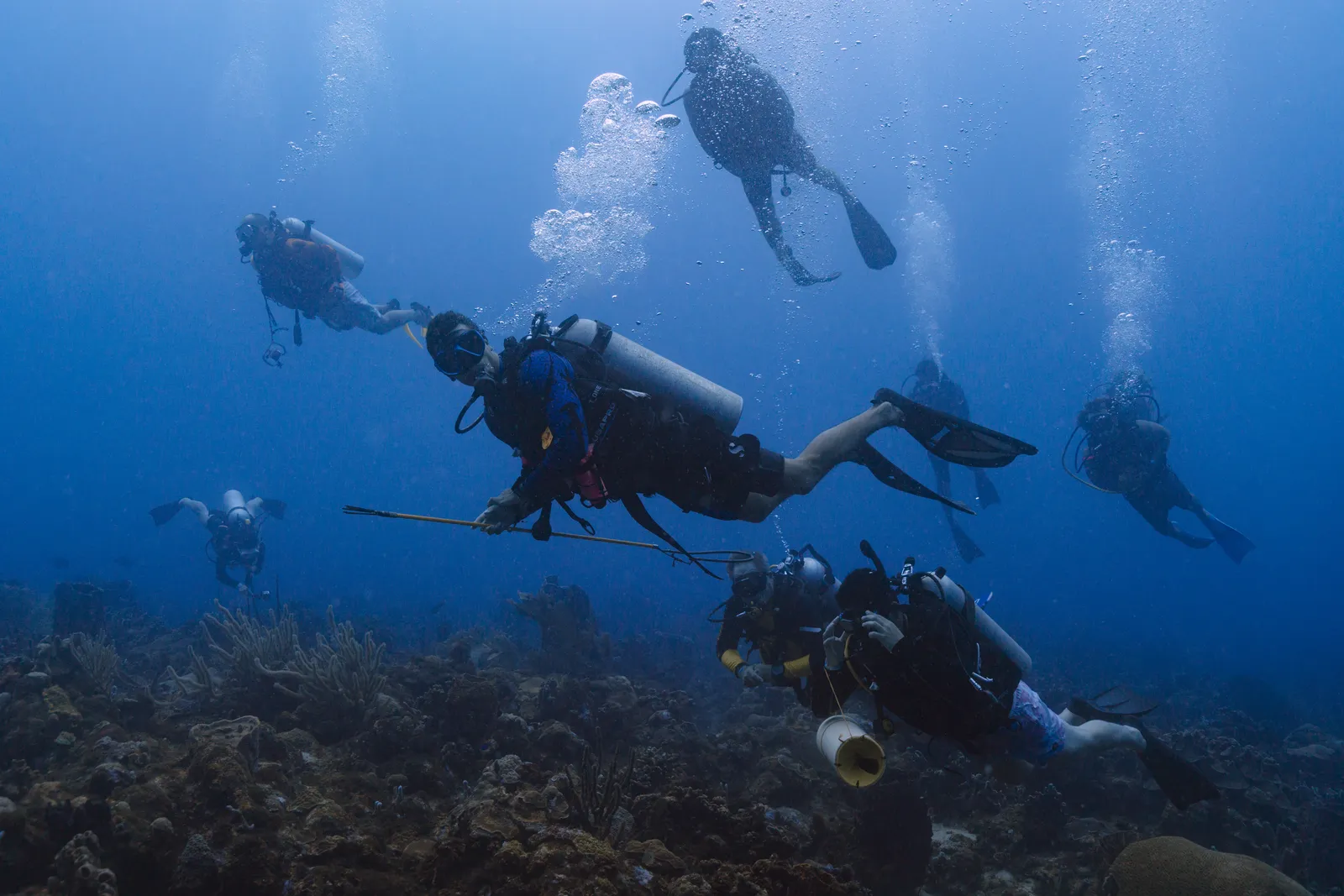
The animals that command respect
- Sharks: apex predators, but reef sharks are wary of divers. Never chase, corner or spearfish near them.
- Stonefish and scorpionfish: masters of camouflage with venomous spines. Never rest a hand on the reef.
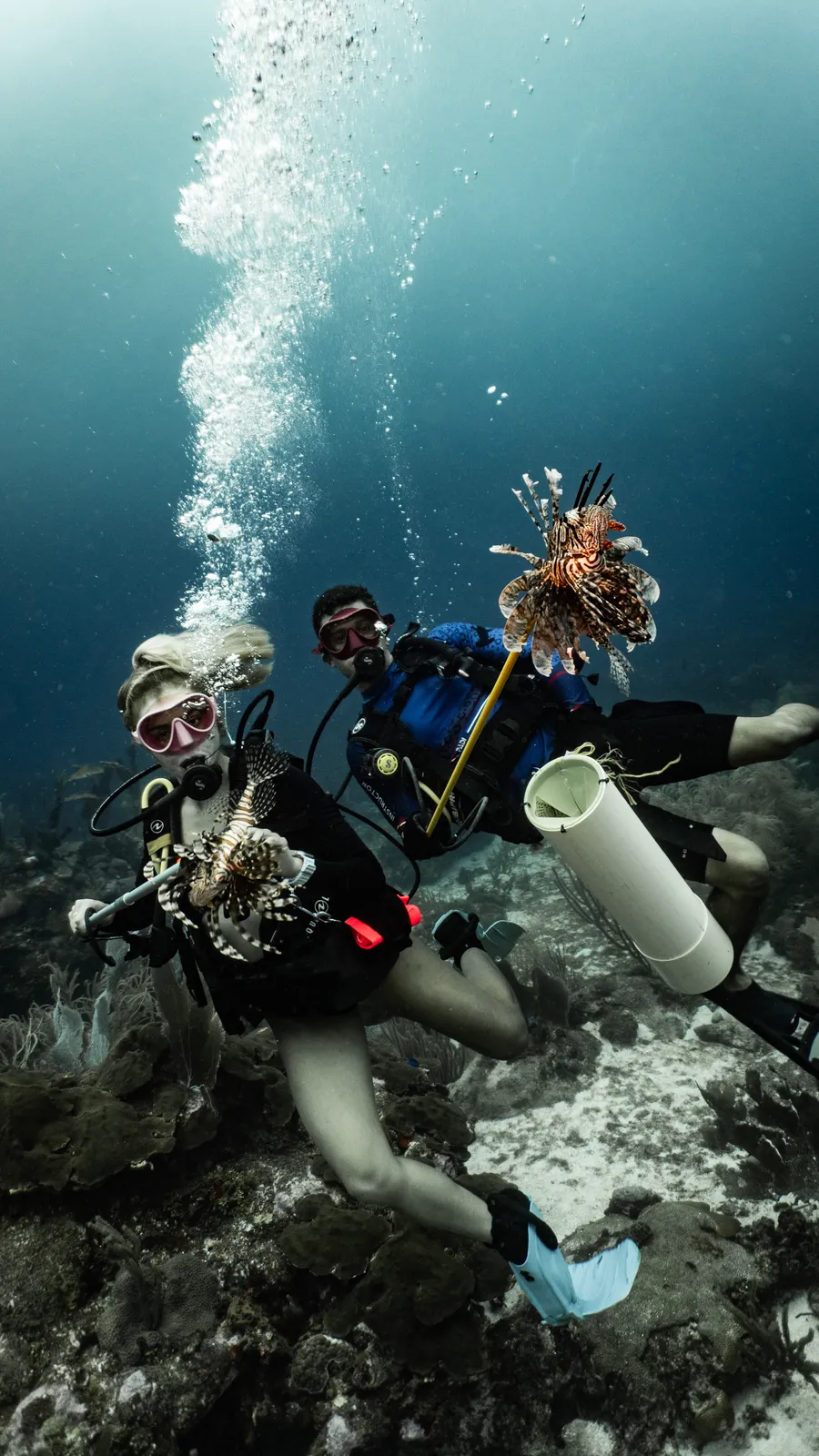
- Lionfish: beautiful but venomous. Admire the fan of spines from a distance.
- Stingrays: a defensive tail barb. Shuffle your feet in shallows and never block their escape.
- Sea snakes and cone snails: highly venomous and best simply left alone.
- Moray eels: harmless unless you put a hand in their hole or try to feed them.
- Box jellyfish and Portuguese man o' war: powerful stings, so a wetsuit or dive skin is your friend.
How divers stay safe
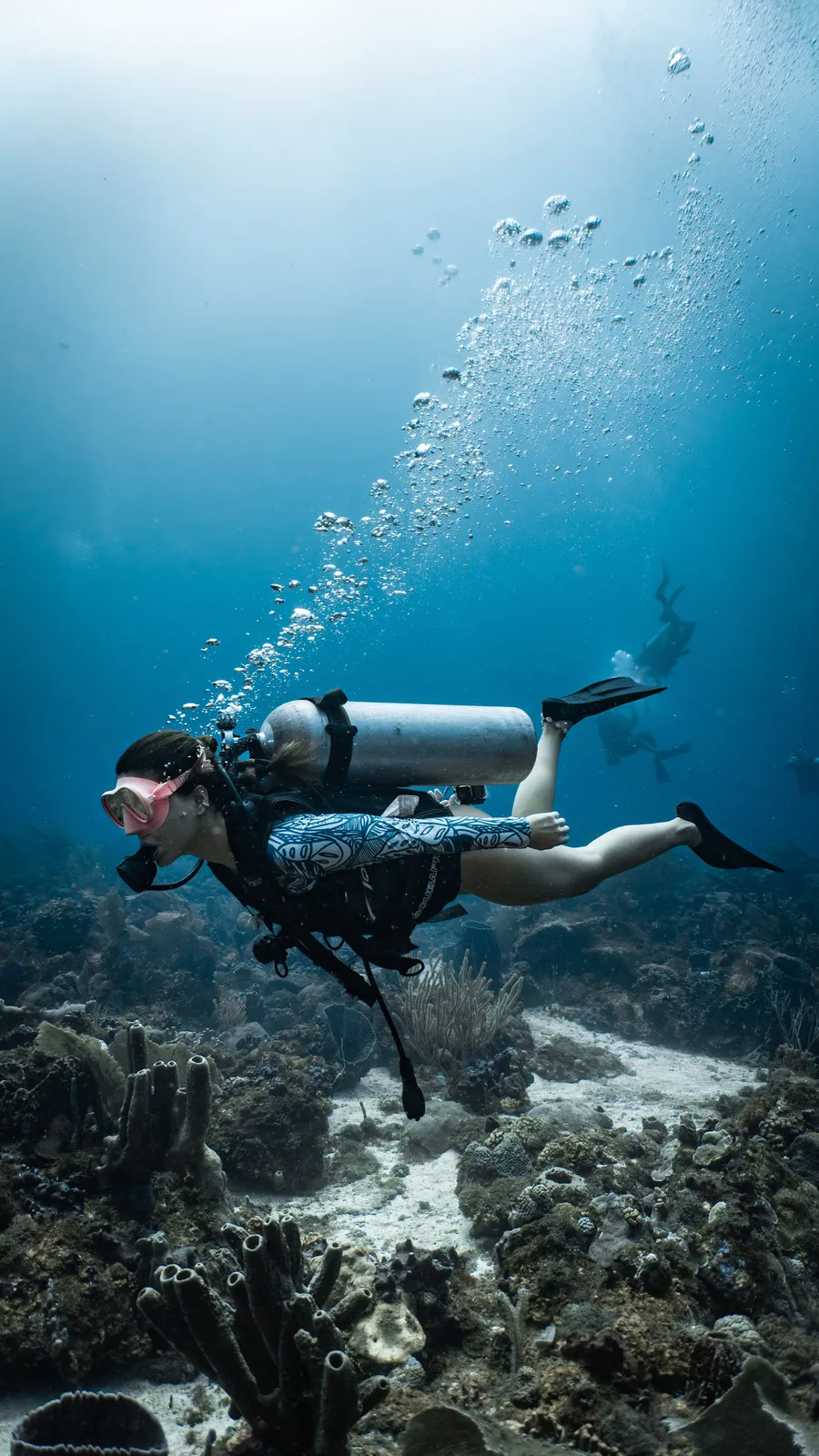
Safety underwater is mostly good habits. Perfect your buoyancy so you never crash into the reef, keep your hands to yourself, and move slowly and calmly so animals do not feel threatened.
- Never touch, chase, corner or feed marine life.
- Wear exposure protection to prevent stings and scrapes.
- Shuffle your feet in sandy shallows to warn rays.
- Dive within your training and always with a buddy.
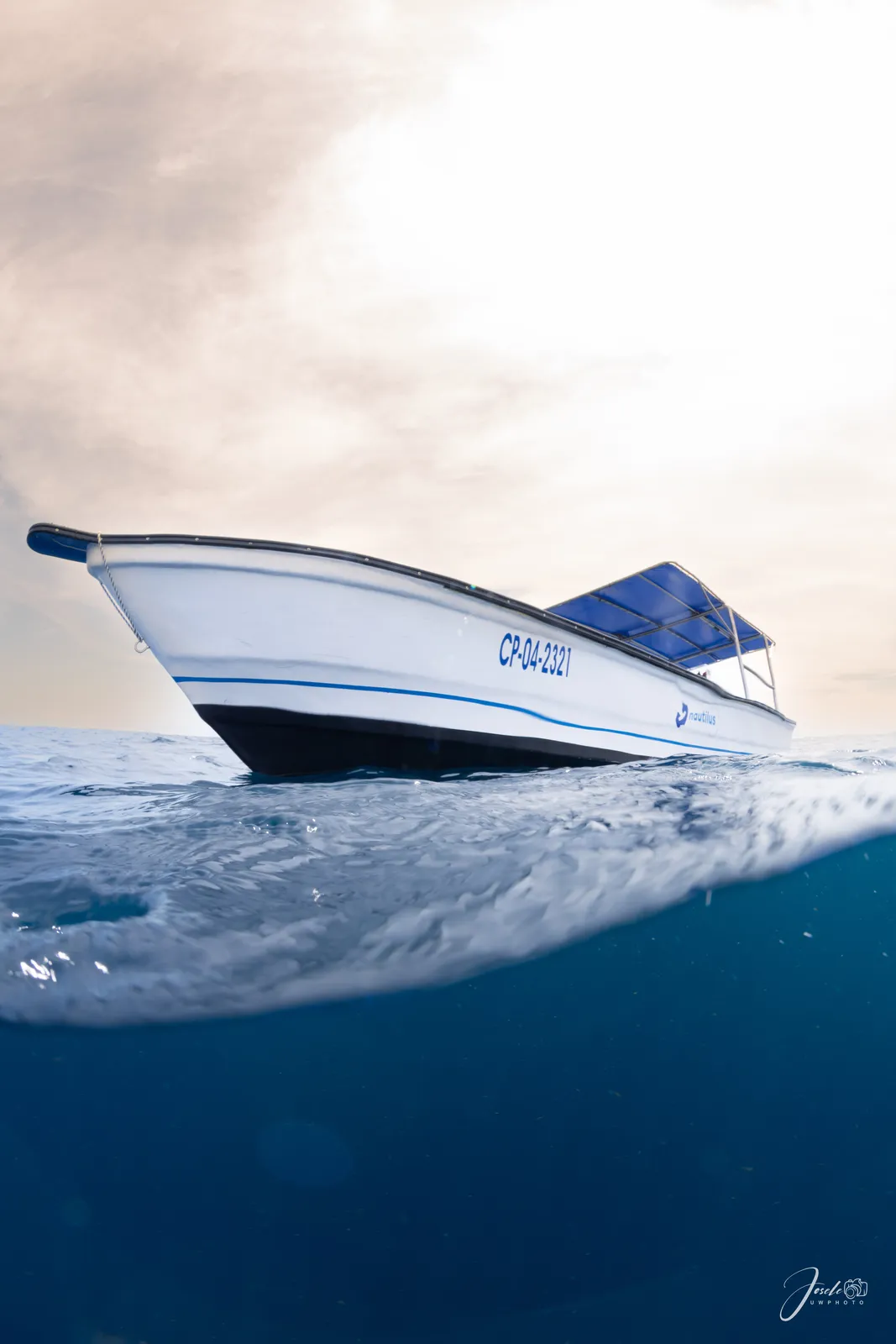
Calm diving on the reefs of Isla Fuerte
On Isla Fuerte the "dangerous" animals are simply part of a healthy reef. Nurse sharks doze under ledges, scorpionfish hide in plain sight and the occasional stingray glides over the sand, and none of them are a threat to a respectful diver. We teach safe interaction from your very first breath.
As a PADI center we run small groups with certified instructors, and every dive includes insurance and a full briefing. Learn more on our courses and dives page, and remember the nearest hyperbaric chamber sits close by in Coveñas.