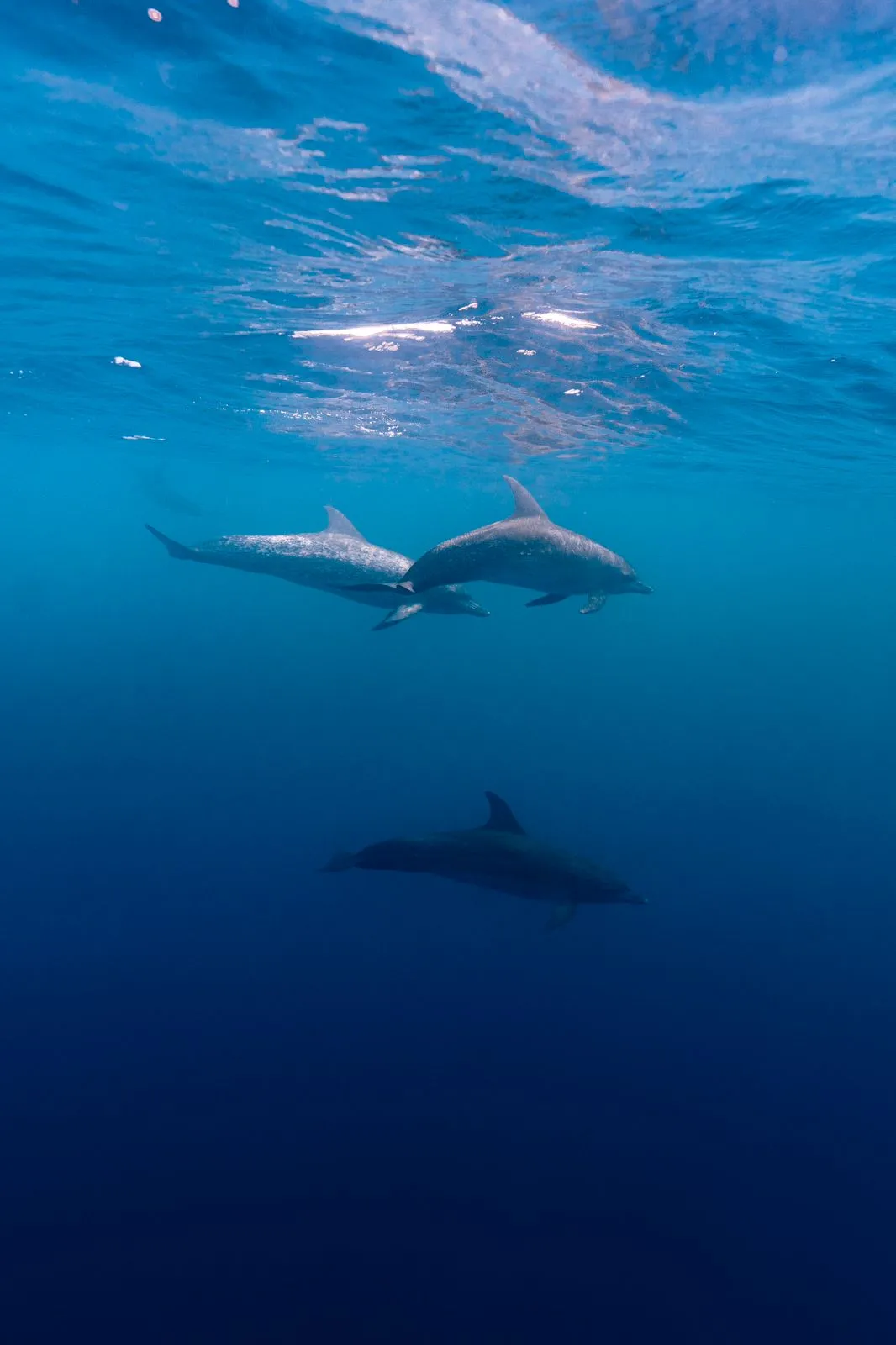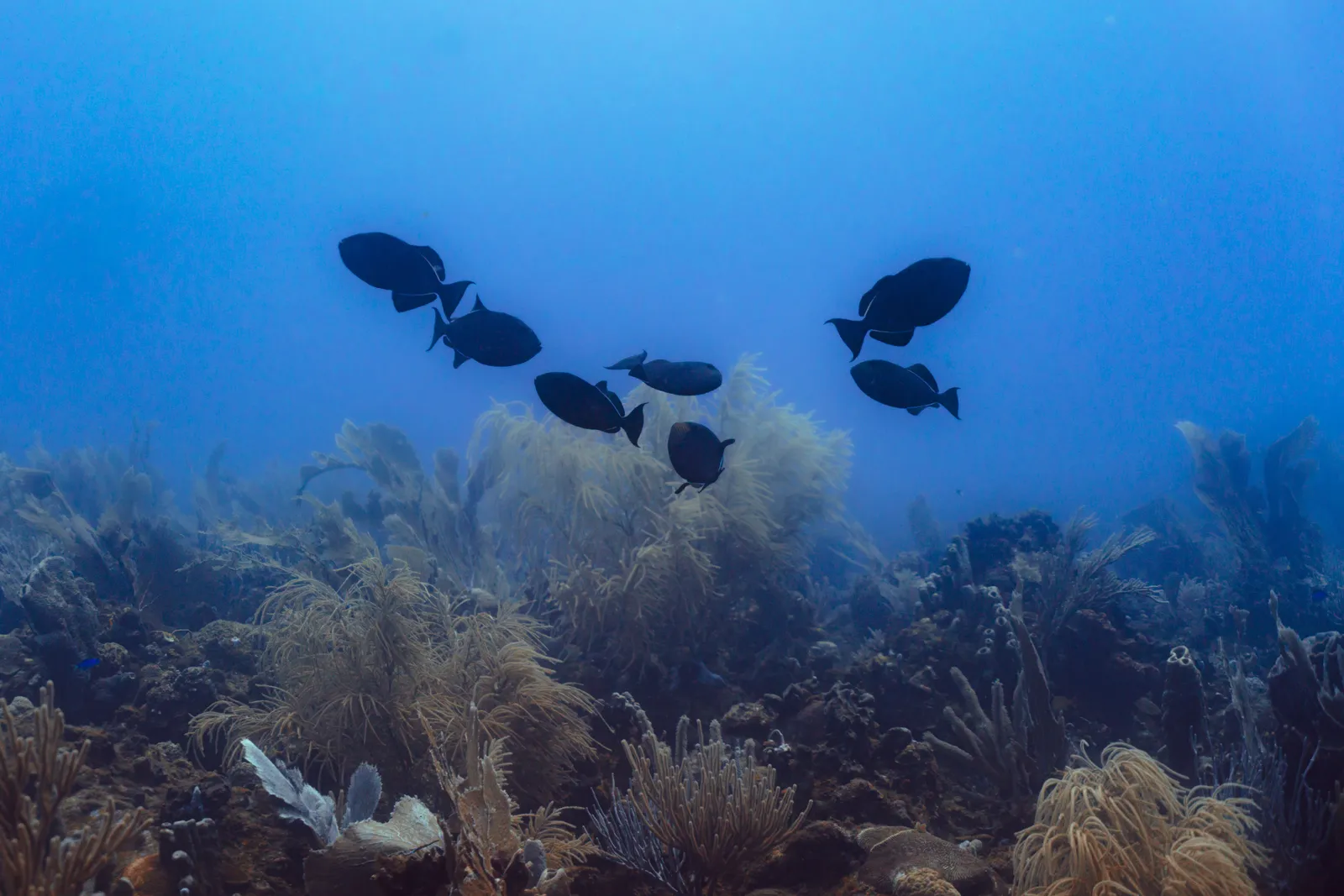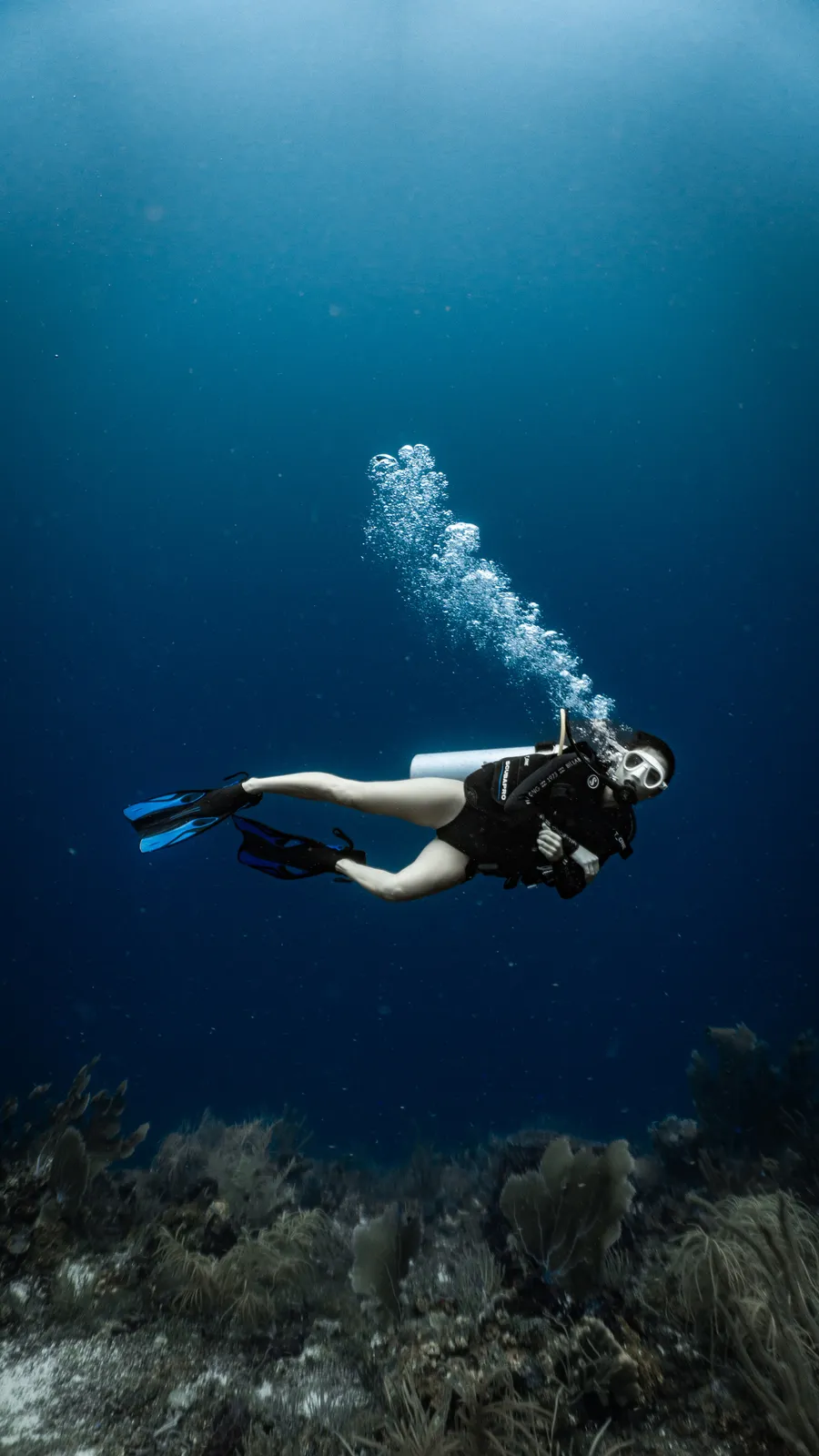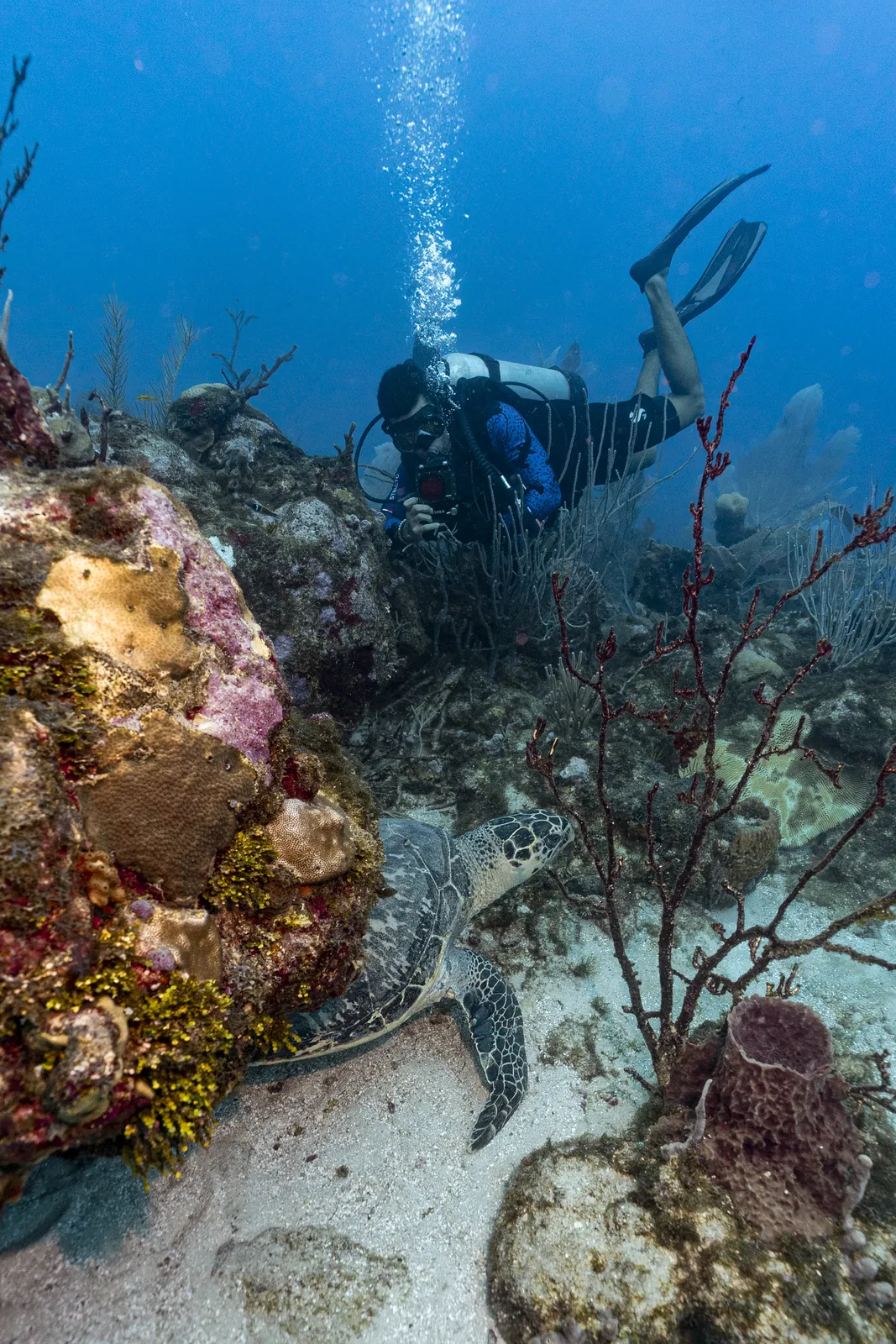
Freediving and scuba diving are two very different ways to explore underwater, and the right choice depends on what you want from the ocean. Scuba uses a tank of compressed air so you can breathe and stay down for a long dive. Freediving uses a single breath, relying on training and technique to descend quietly and return. Both are wonderful, both have real certifications, and many people eventually do both. Here is how to decide where to start.
How scuba works
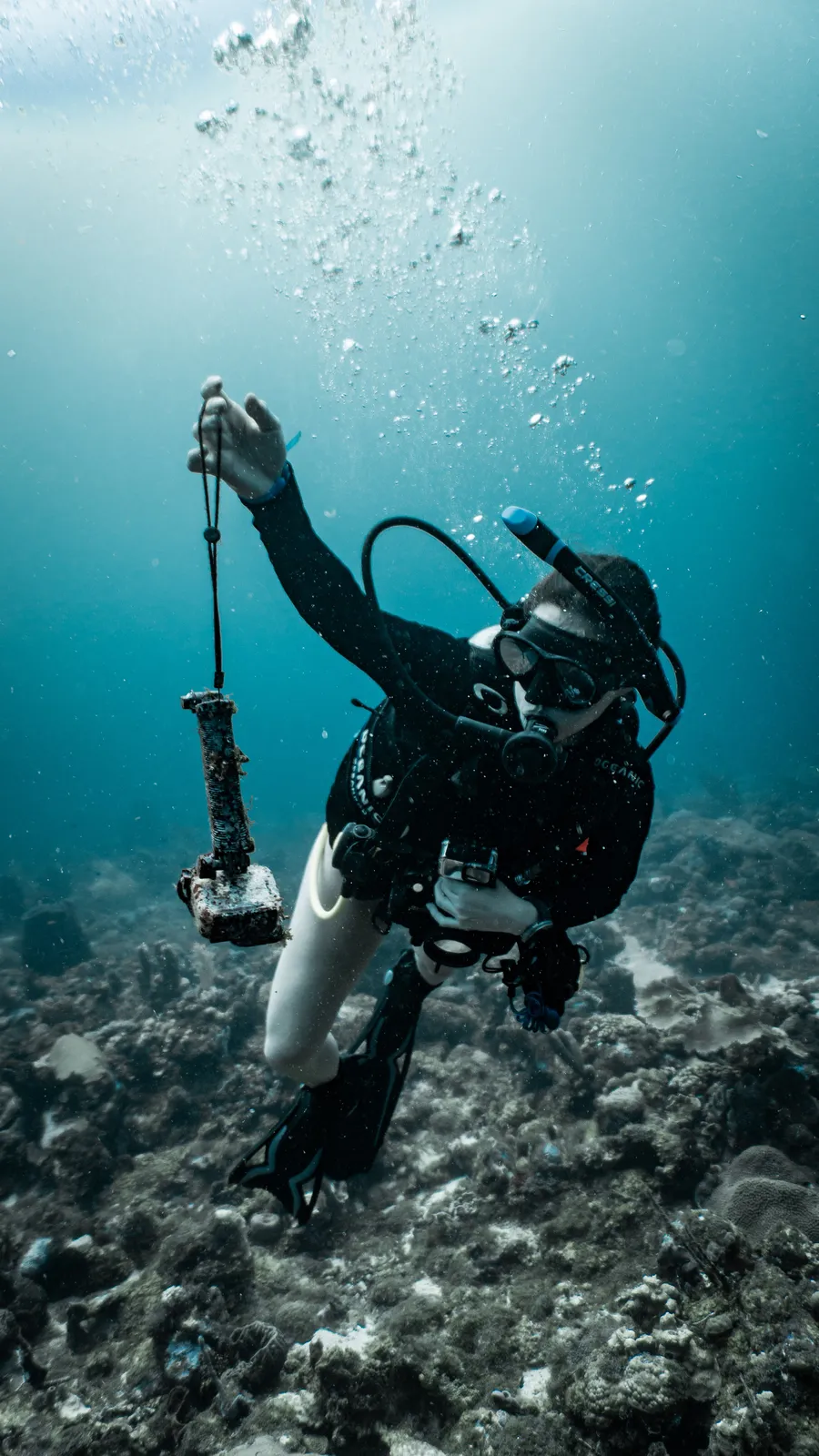
Scuba diving lets you breathe continuously from a tank, so a single dive can last 40 minutes or more at a relaxed pace. You can reach greater depths, explore reefs and wrecks slowly, and take photos without rushing.
It requires more equipment and a course like PADI Open Water, but it opens the widest range of underwater experiences.
How freediving works
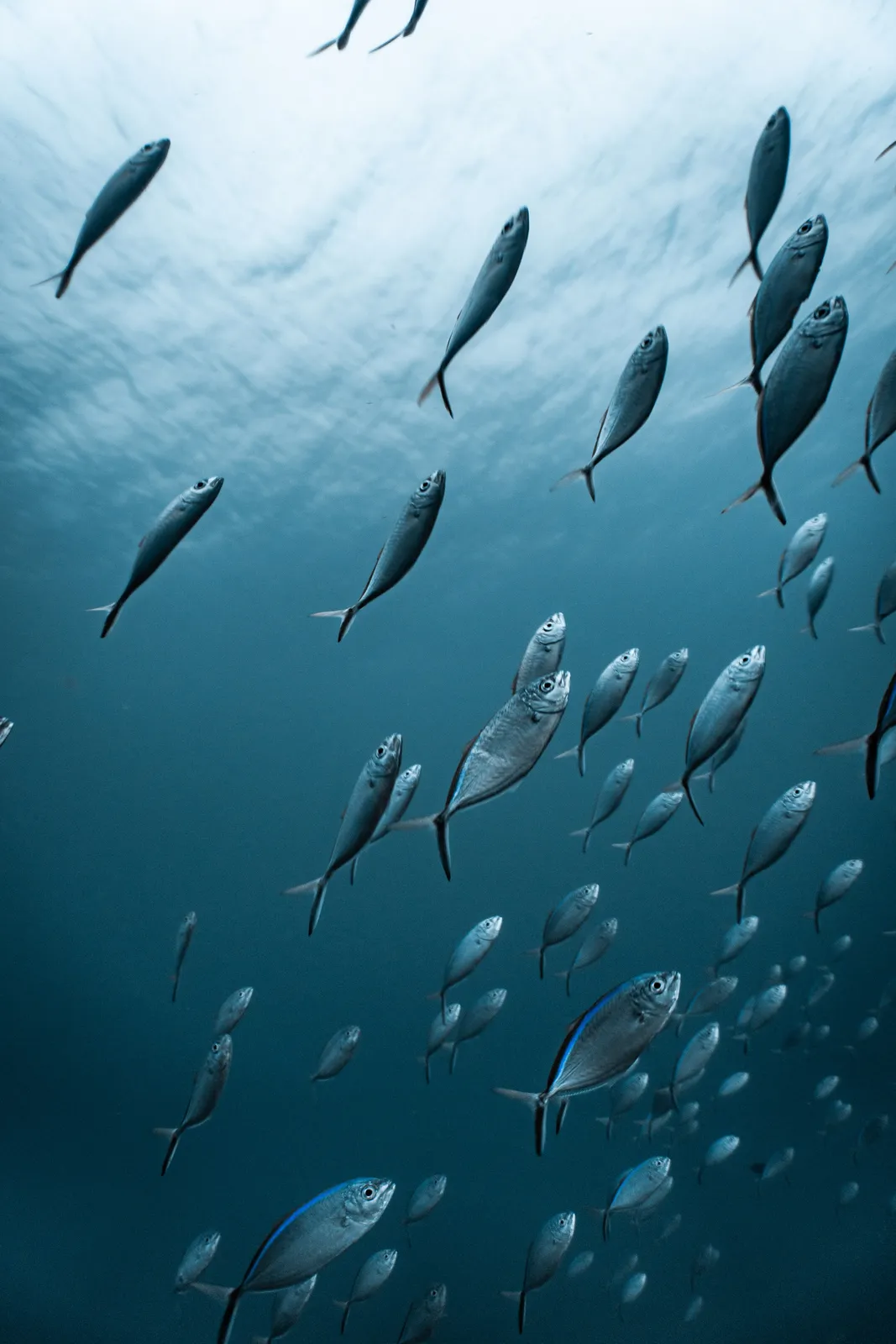
Freediving is diving on a single breath, using relaxation, efficient technique and breath-hold training to descend and return. It needs very little gear, just a mask, fins and often a wetsuit, and it feels intimate and quiet.
Certifications like PADI Freediver teach breath-hold safety, equalization and, above all, how to relax, because calm is what extends your time underwater.
Which should you choose?
Choose scuba if you want long, relaxed dives, greater depth and time to observe or photograph marine life. Choose freediving if you love simplicity, breath-hold challenge and moving silently through the water.
Neither is better, and the skills complement each other. Many divers start with scuba for its gentle learning curve, then add freediving later. There is no wrong order, and trying one often deepens your appreciation of the other.
Safety in each discipline
Both disciplines are safe with proper training, and both share one golden rule: never do it alone. Scuba safety centers on breathing continuously, ascending slowly and staying within your no-decompression limits.
Freediving safety centers on always diving with a trained buddy who watches you, because the main risk is blacking out near the surface. This is why freediving certifications spend so much time on buddy procedures. In both sports, the training exists precisely to make the risks small and manageable.
Try both at Isla Fuerte
The warm, clear water of Isla Fuerte, 27 to 29 degrees year-round, suits both disciplines beautifully. As one of the best-preserved reefs of the continental Caribbean, it rewards the slow, quiet observation that freedivers and scuba divers both love.
At Nautilus, certified instructors and small groups let you explore whichever path calls to you. See our courses and dives and find your way into the ocean.