Before your first scuba course, you complete a short medical questionnaire, and understanding it ahead of time removes a lot of worry. Most people tick every box "no" and are cleared to dive immediately, with no doctor's visit needed. The questionnaire simply flags conditions that deserve a professional's opinion, because diving puts unique pressures on the heart, lungs and ears. This guide explains what the form asks, which conditions matter most and when a physician's sign-off is required.
How the medical questionnaire works
The standard diver medical form is a simple yes-or-no checklist about your health history. Its only purpose is to catch conditions worth a second look.
- If you answer "no" to everything, you are generally cleared to dive.
- A single "yes" does not mean you cannot dive, only that a doctor should confirm it is safe.
- It covers heart, lung, ear, neurological and other relevant history.
- Honesty matters, because these rules exist for your own safety.
Conditions that need extra care
Certain conditions interact with the pressure changes of diving and deserve a professional assessment. Many divers with these conditions still dive safely once cleared.
- Asthma or other lung conditions, which affect how air moves under pressure.
- Heart disease or high blood pressure, given the exertion involved.
- Recent surgery, especially involving the ears, eyes or chest.
- Epilepsy, diabetes and pregnancy, which each need individual evaluation.
When you need a doctor's sign-off
If you answer "yes" to any question, most dive centers will ask for a signed medical clearance before you get in the water. This protects you and is standard practice everywhere.
It is worth handling this before you travel, since finding a dive-aware doctor on a small island can take time. Bring the completed form to your regular physician, or one experienced in dive medicine, and arrive at your course already cleared and ready to go. A little planning here saves you from losing precious holiday days searching for a signature, and it means your very first morning can be spent on the reef rather than in a waiting room.
Dive with peace of mind in Isla Fuerte
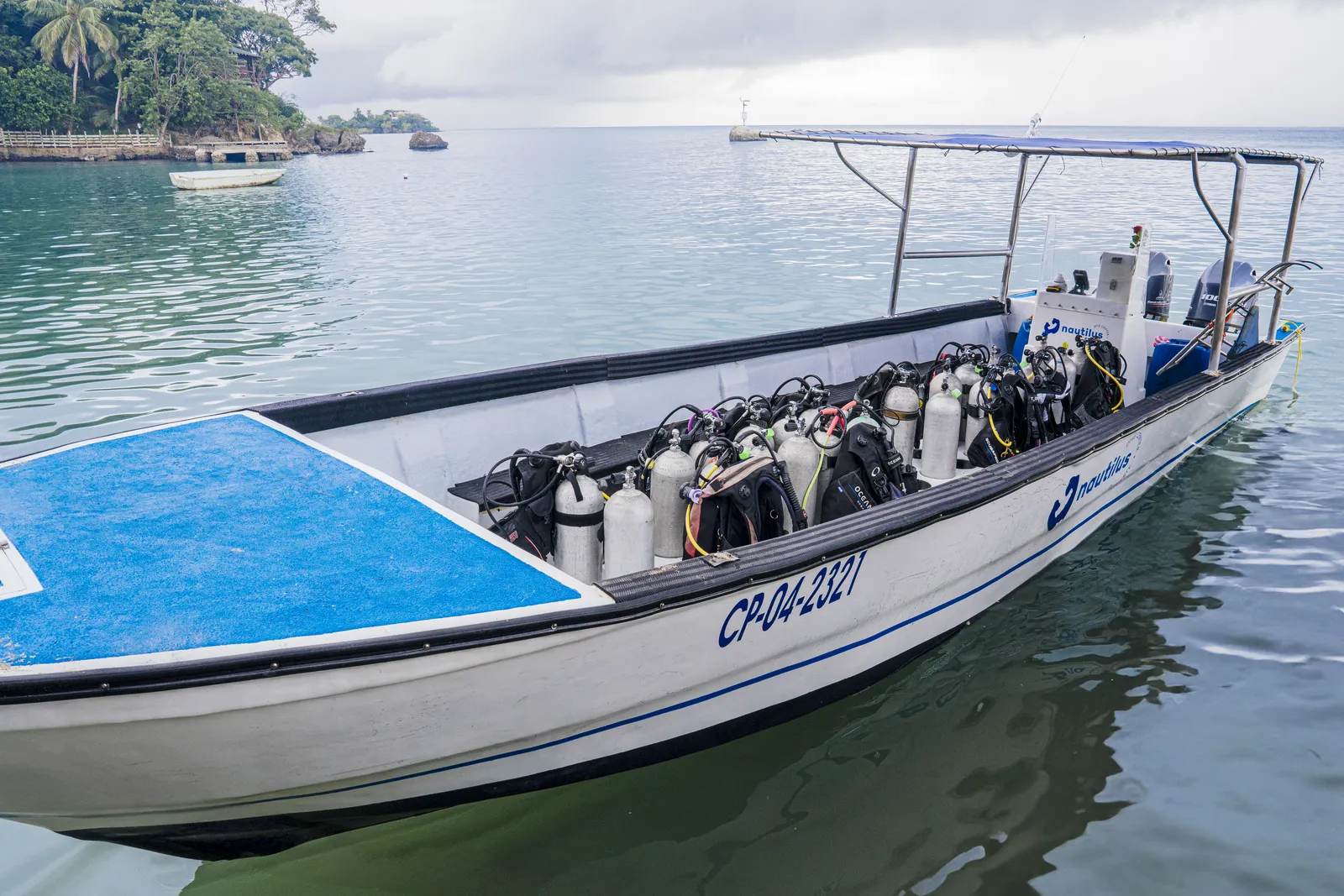
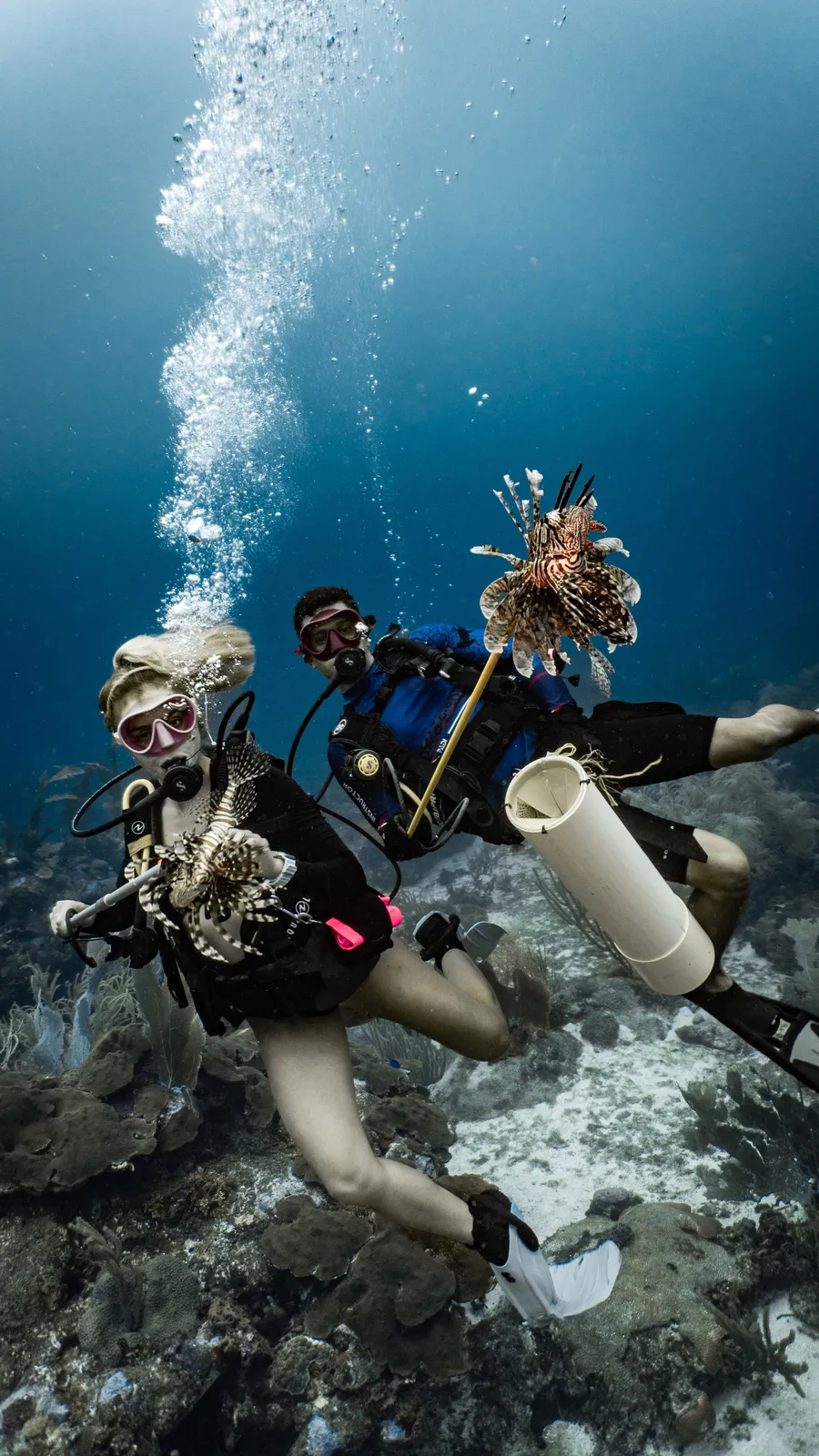
Nautilus, a PADI center on Isla Fuerte, guides you through the medical questionnaire before your course so there are no surprises, and its warm, calm reefs make for gentle, low-exertion diving. For added safety, the nearest hyperbaric chamber is in Coveñas and every diver is covered by the included Magenta insurance.
Sort your paperwork early and the ocean is yours. See our courses and dives to plan a safe, worry-free trip to the reef.