Nudibranchs are the sea's living jewels, soft-bodied sea slugs painted in colors and patterns so wild they hardly look real. Divers become obsessed with them, and macro photographers plan entire trips around finding new species. There are thousands of them, from the tropics to cold temperate seas, but a few destinations are true nudibranch capitals. This guide covers where to find the greatest diversity, when conditions are best, and how a slow, patient dive turns a bare patch of reef into a treasure hunt.
The world's nudibranch capitals
- Lembeh Strait, Indonesia: arguably the richest nudibranch site on earth.
- Anilao, Philippines: staggering diversity on volcanic muck bottoms.
- Bali and Ambon, Indonesia: reliable species counts on every dive.
- The UK and South Africa: surprising cold-water diversity, including species found nowhere else.
- The Caribbean: smaller but beautiful lettuce sea slugs and flabellinas.
Muck sites usually beat pristine reefs here, because slow, silty bottoms hide the most species.
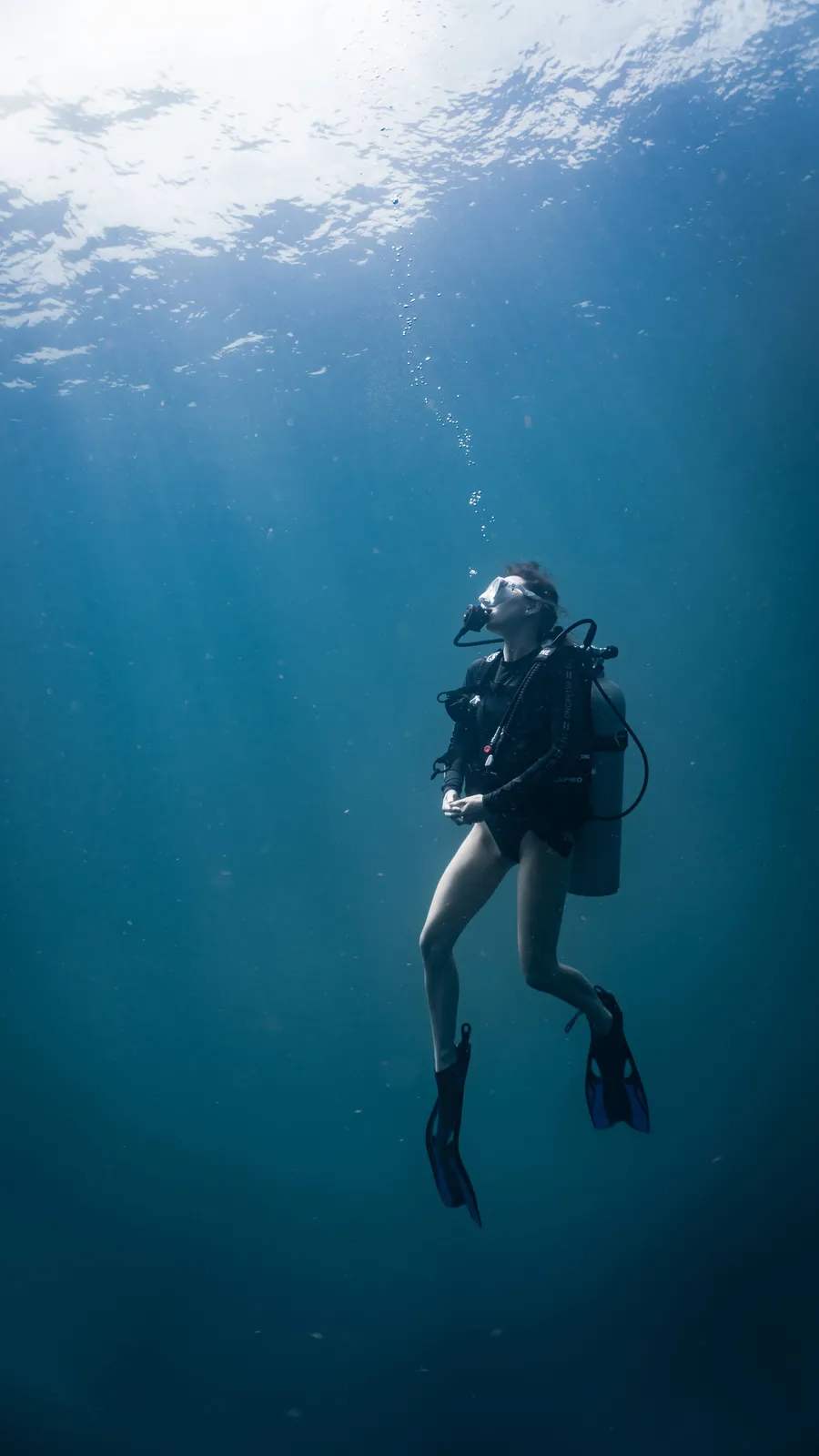
When to go
Nudibranchs live year round, so seasonality is about water conditions, not the animals. In Indonesia and the Philippines, the calmer dry-season months from roughly April to November give the clearest water for slow macro dives.
In temperate seas like the UK, spring and early summer bring blooms of activity as many species gather to feed and breed. Anywhere, calm days with good visibility make the tiny ones easier to find.
How to find them
Nudibranchs are small, often under three centimeters, so you have to slow down and look closely. Search their food sources: sponges, hydroids, sea fans and algae, where different species graze.
Look for a slow-moving splash of color that does not belong, and check the same patches carefully because many species stay put for days. Good buoyancy is essential, so you can hover close without crushing the reef or stirring up silt.
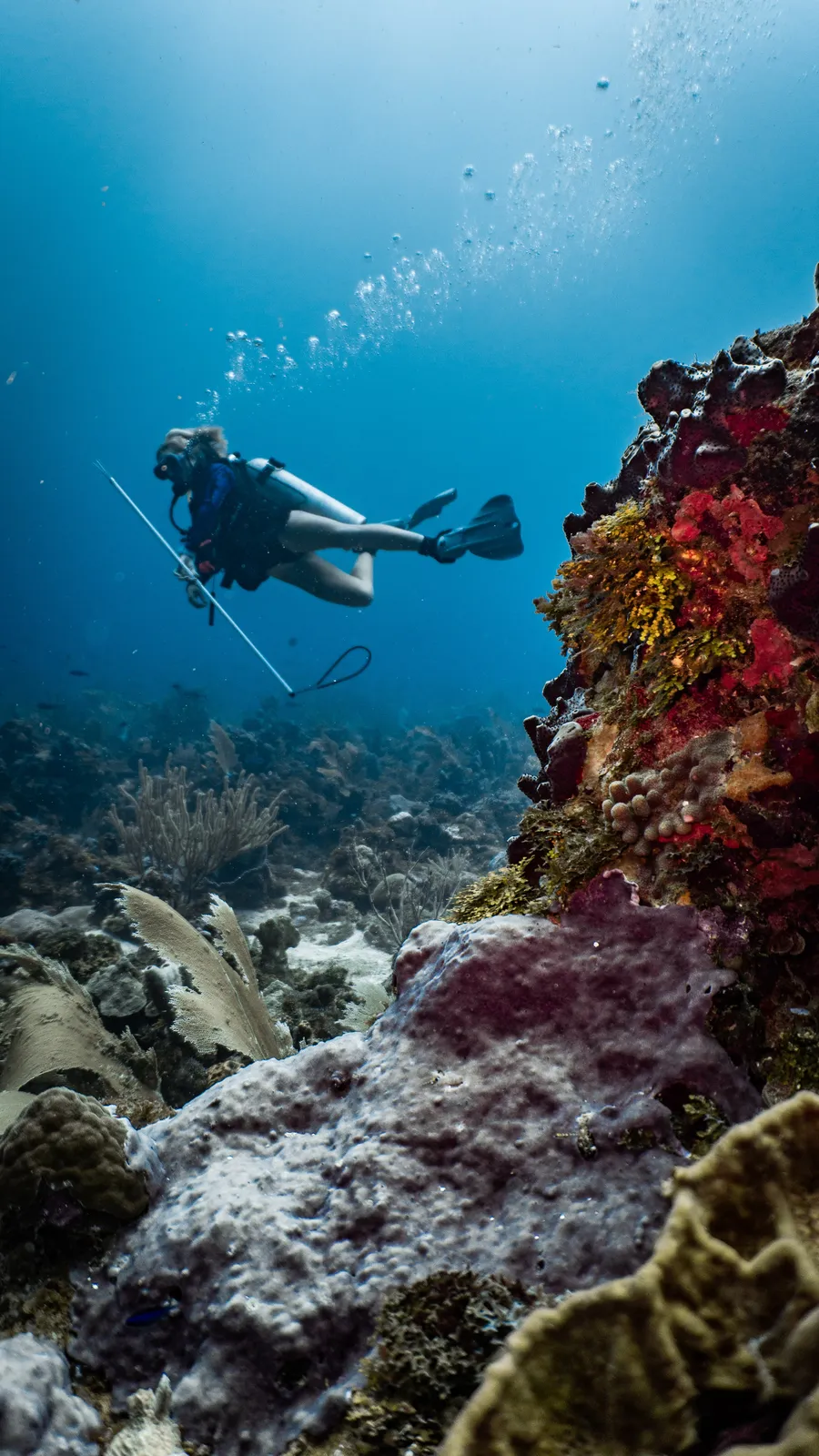
Jewel-hunting at Isla Fuerte
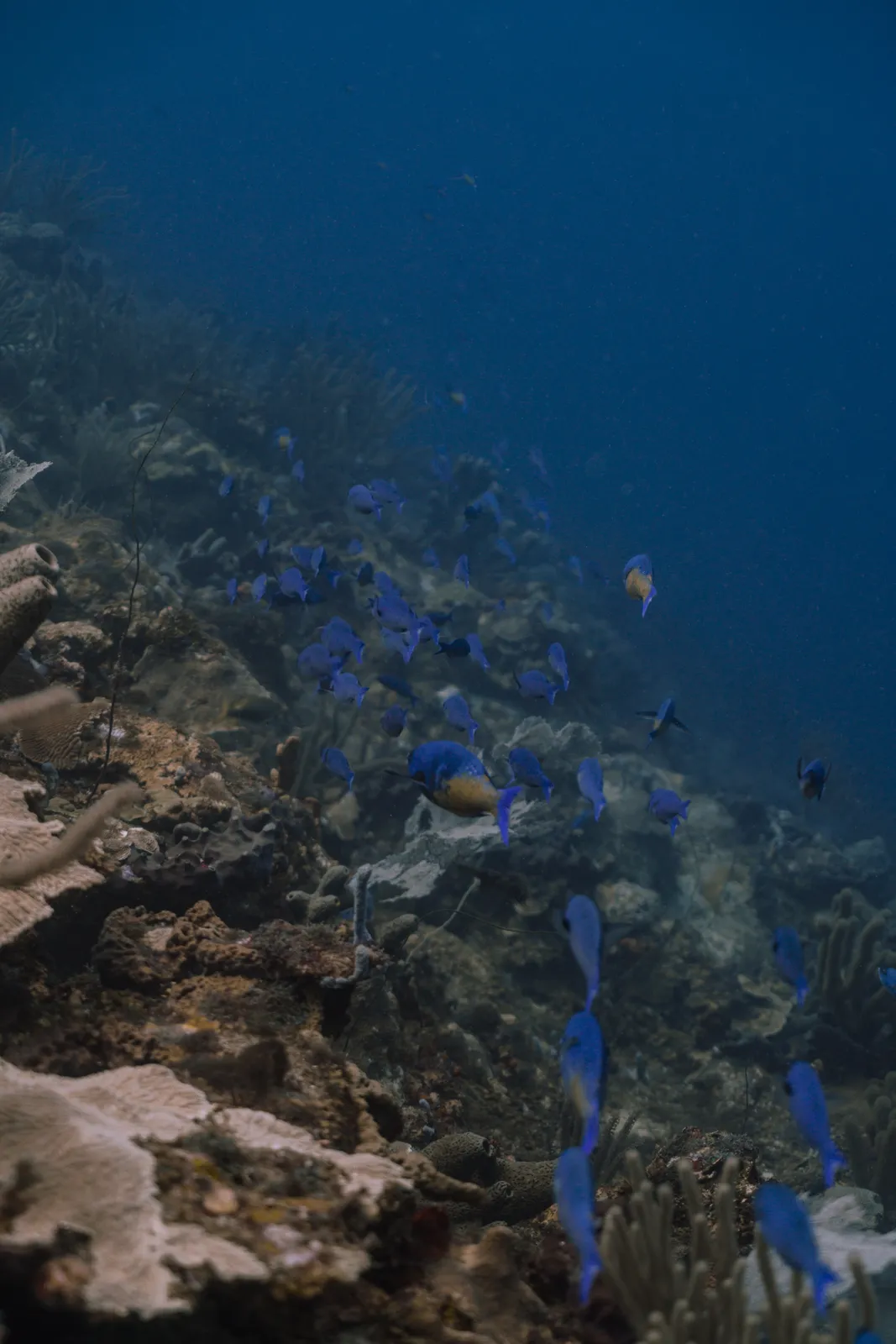
The Caribbean has its own colorful sea slugs, and the healthy, lightly dived reefs of Isla Fuerte are ideal ground for the slow, deliberate diving that nudibranch-hunting demands. Because our sites are quiet, the reef stays intact and its smallest residents are easy to approach.
Nautilus dives in small groups across 29 sites, with gentle reefs like Rosa Vieja and El Museo perfect for practicing your macro eye. It is a friendly place to fall in love with the reef's tiny details before chasing rare species abroad. Plan through our courses and dives, or read more guides to learn what else hides on our reefs.