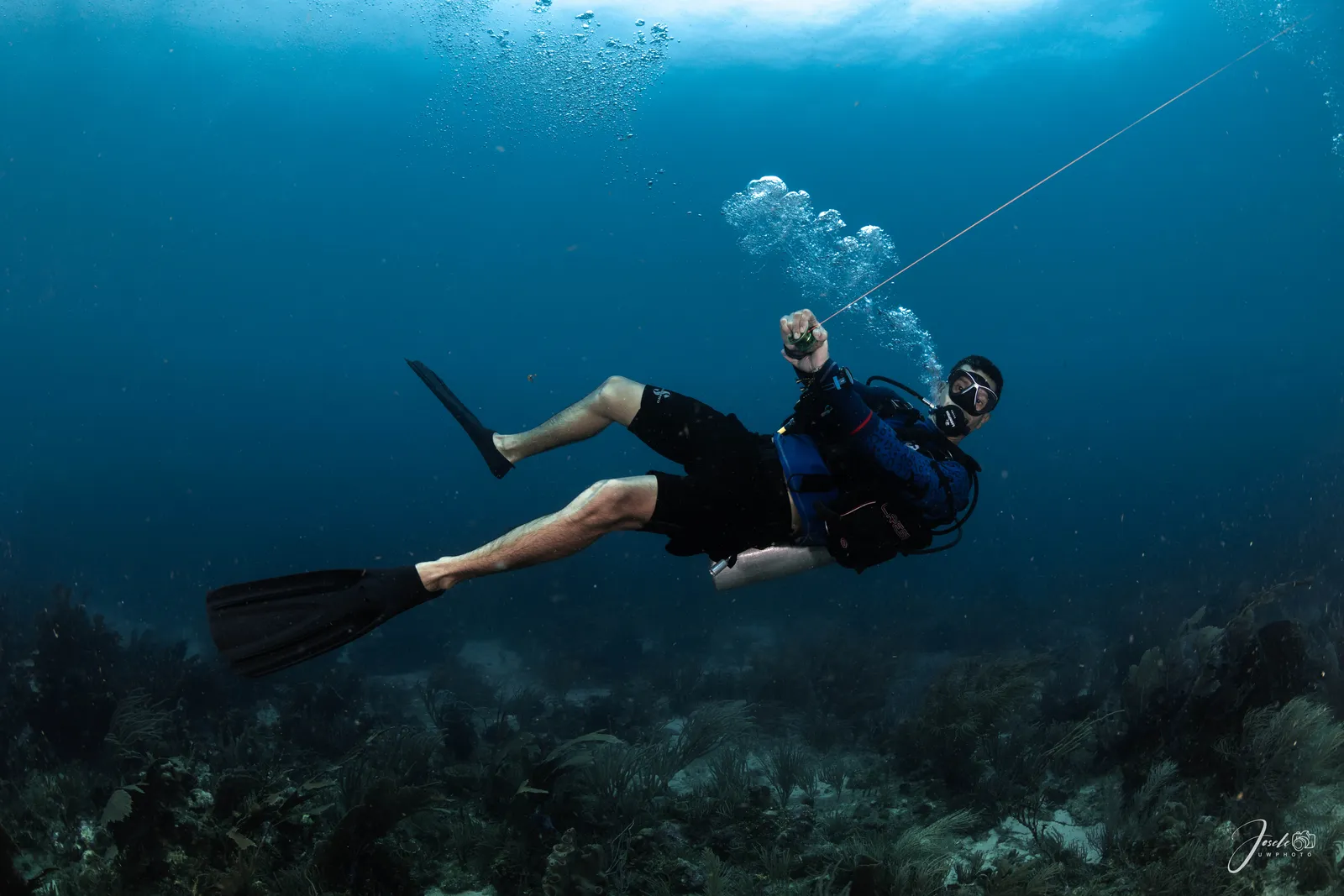
Many people who live with anxiety worry that scuba diving will overwhelm them, yet diving can be one of the calmest, most meditative things you ever do. The key is a slow, supported start and honest communication with your instructor. Panic underwater is a genuine safety concern because it can lead to rushed ascents, so it is worth understanding and preventing. With patience and the right guide, a huge number of anxious beginners discover a quiet confidence they did not know they had.
Why panic matters underwater
On land, panic is unpleasant but rarely dangerous. Underwater, a panicked diver may hold their breath, bolt for the surface, or pull off their mask, and those reactions carry real risk.
This is why prevention matters more than willpower. The goal is not to be fearless, but to build habits and comfort that keep you calm enough to think, even when something surprises you.
Start slow and in control
A gentle introduction changes everything. Begin in shallow, calm water where you can stand or surface easily, and master a few core skills before going deeper.
- Practice breathing slowly and steadily through the regulator
- Learn to clear your mask calmly in shallow water
- Stay within easy reach of the surface at first
- Agree on clear hand signals with your instructor
Each small success tells your nervous system that you are safe, which is what steadily replaces fear with confidence.
Breathing is your anchor
Slow, deep breathing is the single best tool against underwater anxiety. Long, calm exhalations settle your heart rate and remind your body that everything is working as it should.
If you feel tension rising, the plan is simple: stop, hold onto something stable or signal your buddy, breathe slowly, and let the moment pass. Almost every wave of anxiety fades within a minute if you do not fight it.
Talk to your instructor honestly
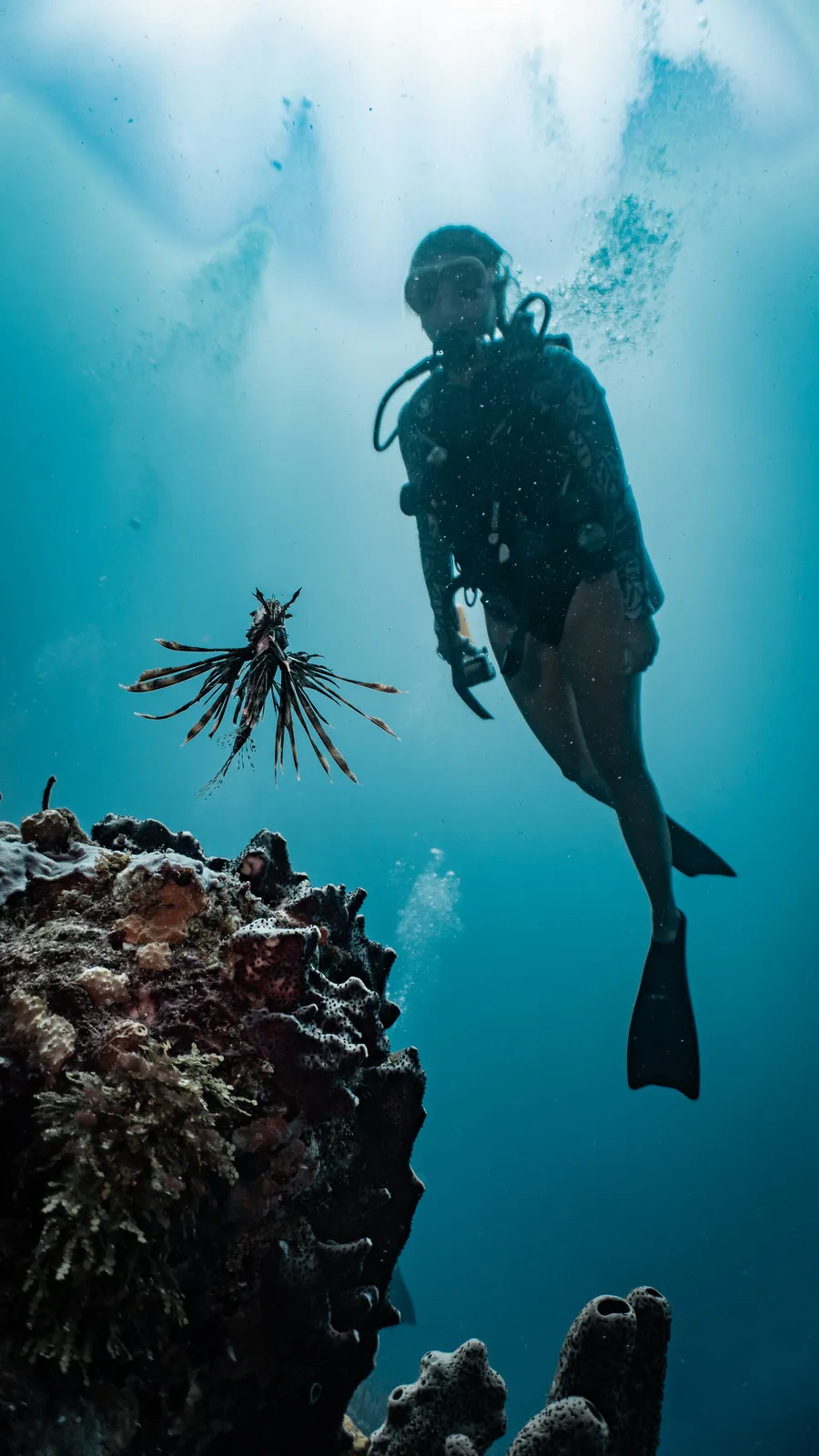
Tell your instructor about your anxiety before you get in the water. A good instructor will slow the pace, stay close, and never push you past what feels manageable. There is no shame in it, and it makes you safer, not weaker.
If you take medication for anxiety, mention it, since some drugs interact with depth. A dive doctor can advise you, and honesty here protects both you and your dive team.
A patient, small-group welcome
Isla Fuerte is a forgiving place to face the water. Our groups are small, our instructors are patient, and our shallow reefs like Rosa Vieja let you build comfort with the surface always close and the water a warm 27 to 29°C.
A Discover Scuba minicourse is a low-pressure way to try, with no commitment beyond a single session. Tell us how you feel, explore our gentle experiences, and start with the reassuring courses and dives that fit your pace.
Important
This is general educational information, not medical advice. Always complete the medical questionnaire honestly, dive within your training and, if in doubt, consult a diving physician or contact DAN (Divers Alert Network). In an emergency in Colombia, the nearest hyperbaric chamber is in Coveñas.


