Molokini is a crescent-shaped volcanic crater that rises just above the sea between Maui and Kaho'olawe in Hawaii. Its curved inner reef gives beginners some of the clearest, calmest diving in the islands, while its sheer outer back wall drops into deep blue for the experienced. This guide covers both faces of the crater, the marine life, and how to visit a protected Marine Life Conservation District.
What makes it special
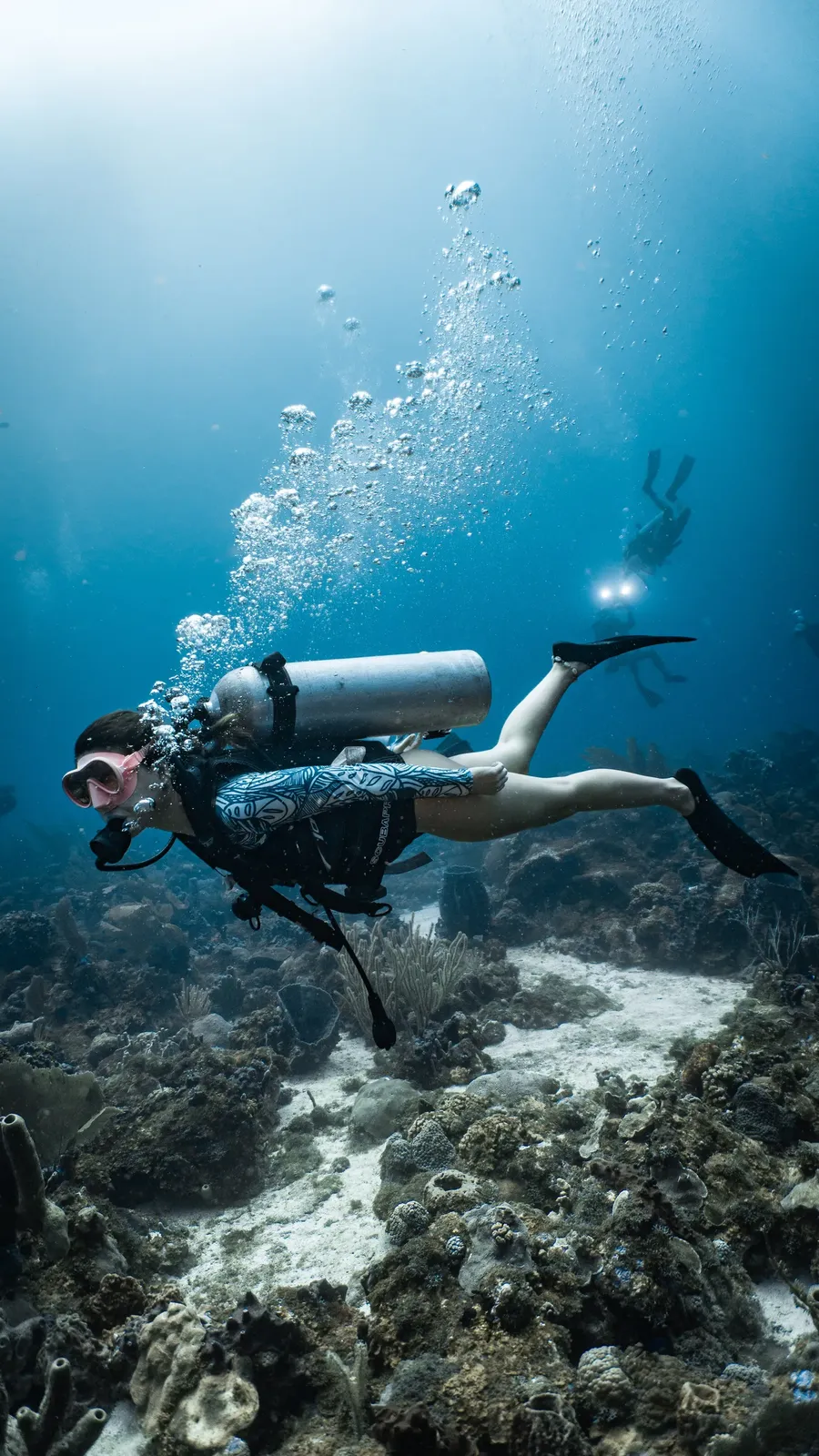
The crescent shelters the inner reef from wind and swell, producing extraordinary visibility, often 30 meters or more. It is a picture-perfect first ocean dive, with gently sloping coral and dazzling light.
The back wall is a different beast entirely: a vertical drop plunging past 60 meters, where divers hover over the abyss and scan the blue for pelagics. Two very different dives share one small crater.
Marine life
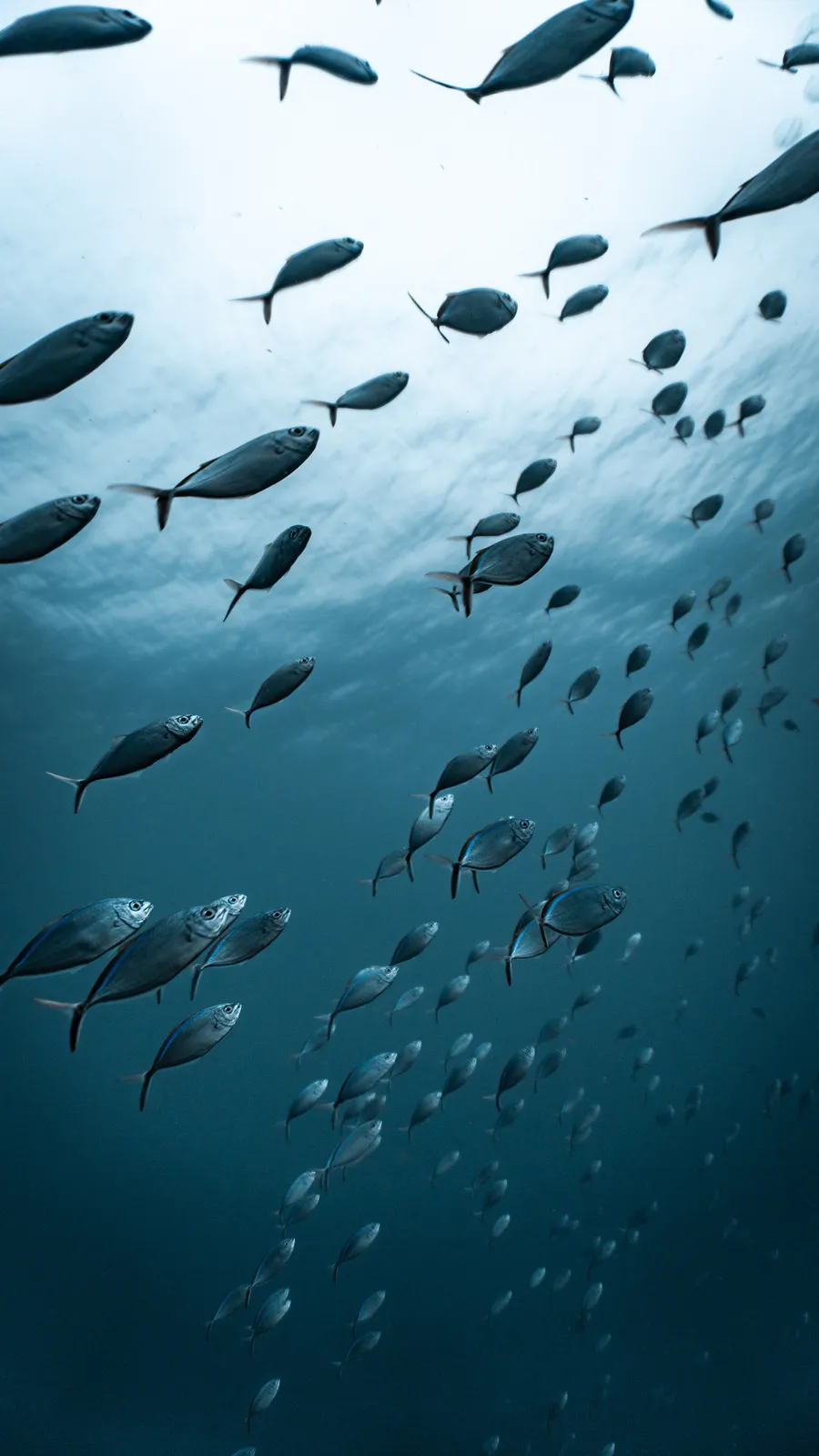
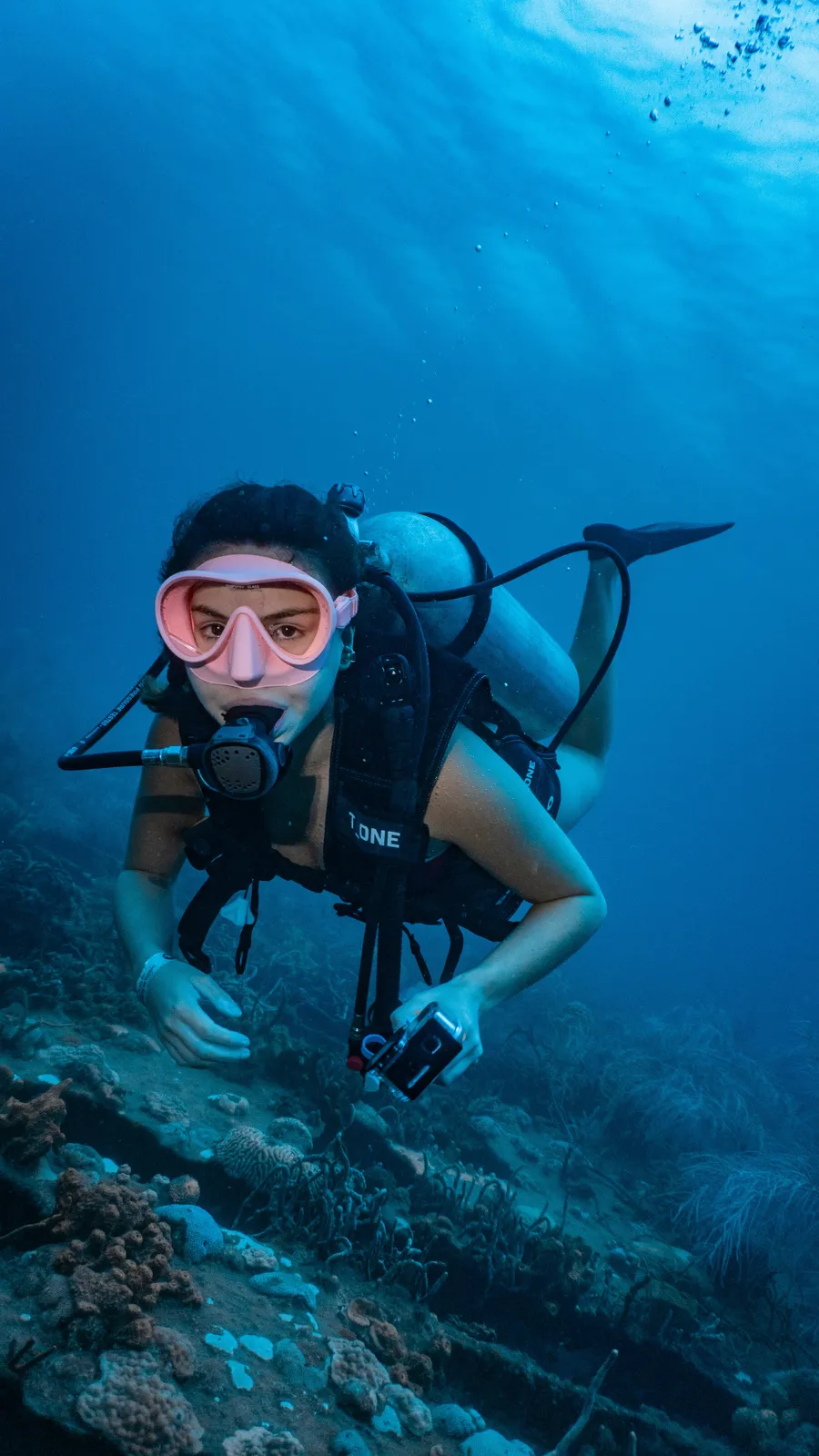
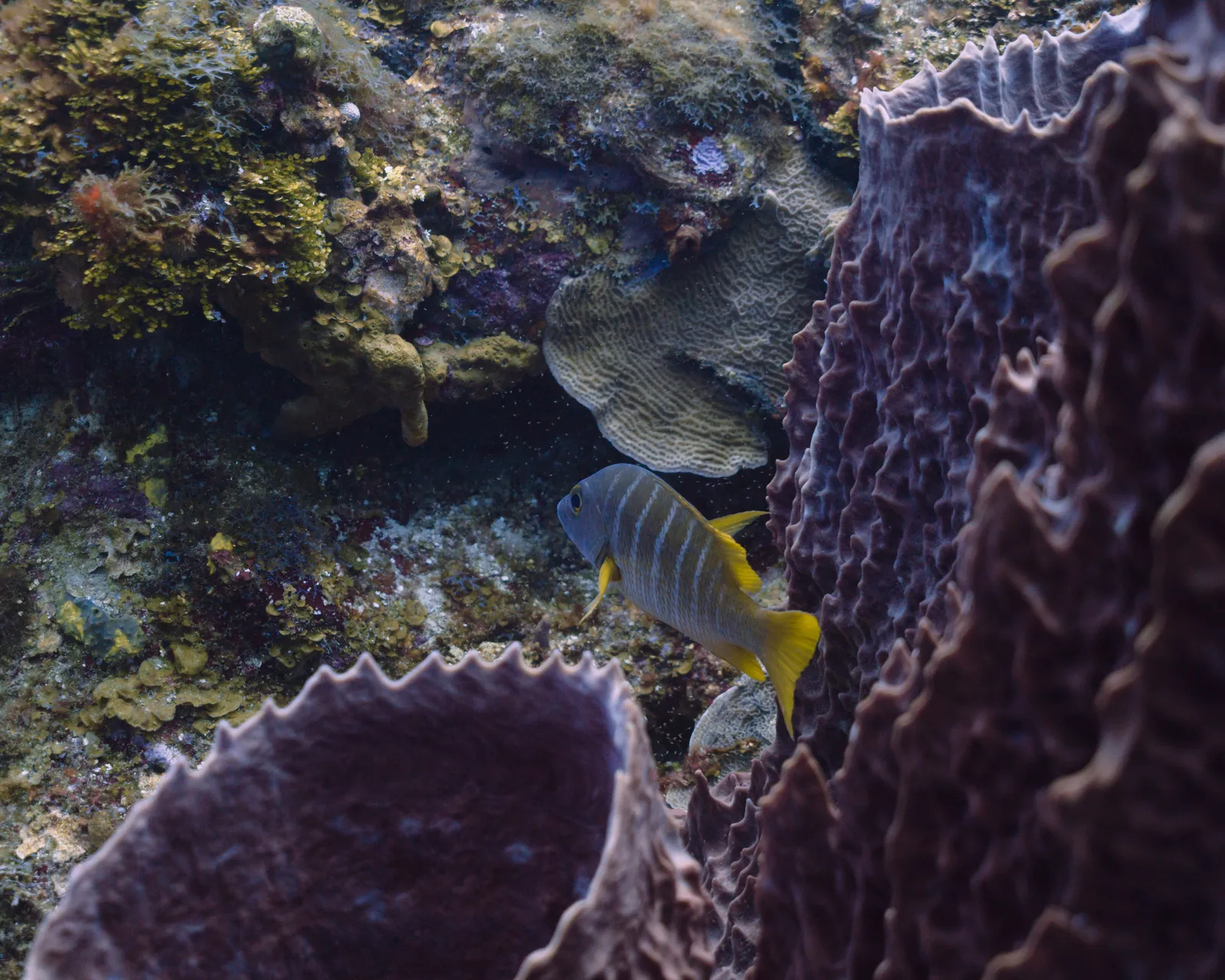
The inner reef teems with Hawaiian endemics like the raccoon butterflyfish, Moorish idols, parrotfish and the state fish, the humuhumunukunukuapua'a triggerfish. Whitetip reef sharks often rest in the reef's ledges.
Along the back wall, divers watch for manta rays, eagle rays, gray reef sharks and, in winter, the songs of humpback whales carrying through the water.
Level and conditions
The inner reef is ideal for beginners and Discover Scuba divers, with shallow depths and little current. The back wall, exposed to open ocean and deep water, is strictly for Advanced divers.
Water hovers around 24 to 27 degrees Celsius. Molokini is a protected conservation district, so nothing may be taken or touched, and anchoring is forbidden.
Best time and how to reach it
Diving is good year round, but the calmest water and best visibility come in summer (April to October). Winter brings the bonus of humpback whale song, though seas can be rougher.
Every visit is by boat, departing from Maui harbors such as Ma'alaea or Kihei on a short morning run before the wind builds.
Crystal water without the long flight
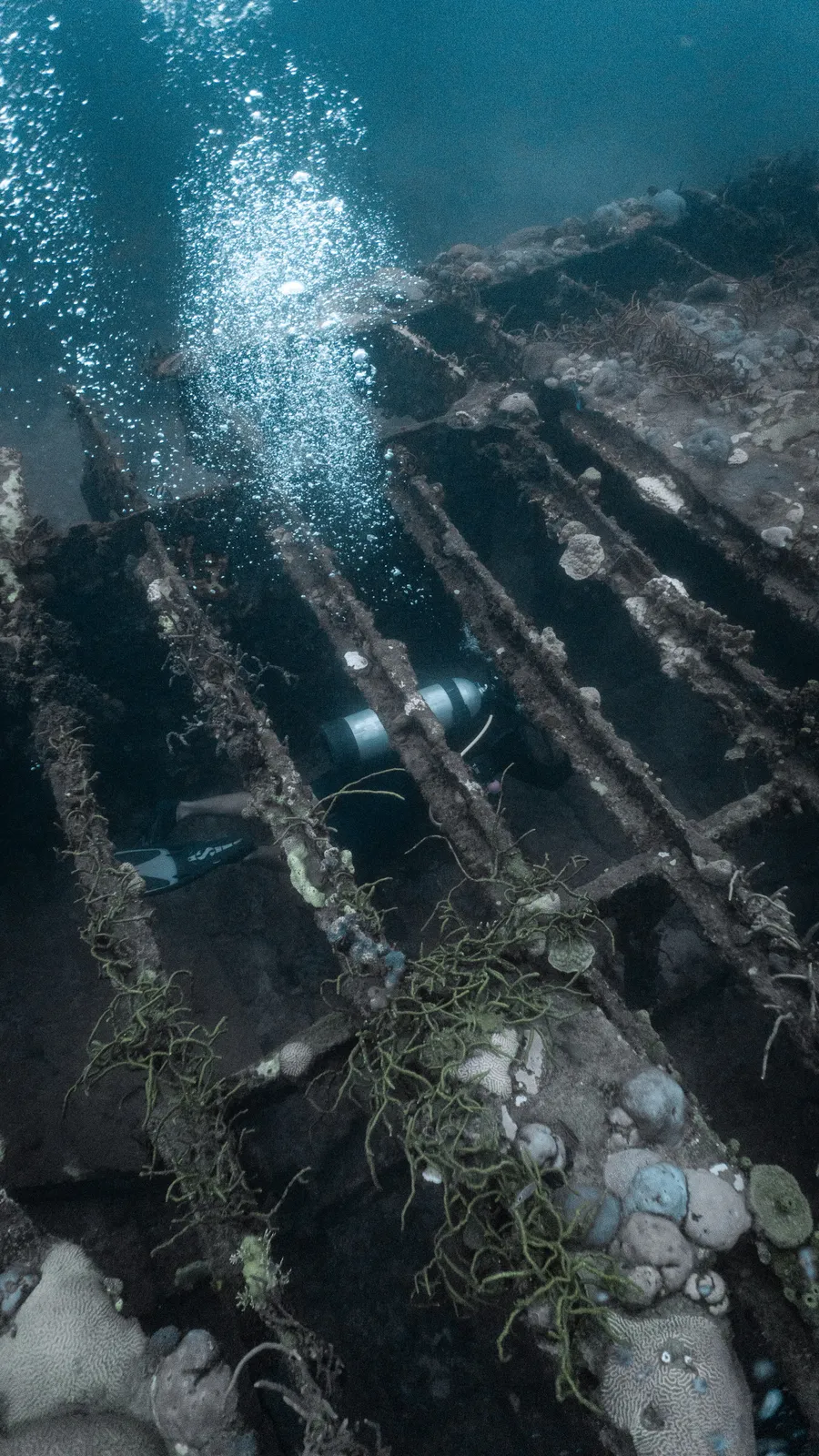
Molokini's magic is that one small site serves both a first-timer and a seasoned diver. Isla Fuerte works the same way: gentle beginner reefs like Rosa Vieja and the submerged Zenú museum at Bajo Bonito sit near the deep, advanced walls of Bushnell, all in warm 27 to 29 degree water with visibility that peaks March to May.
You do not have to cross the Pacific for clarity like this. Try your first breaths, or your hundredth dive, through our courses and dives and plan with our interactive dive map.