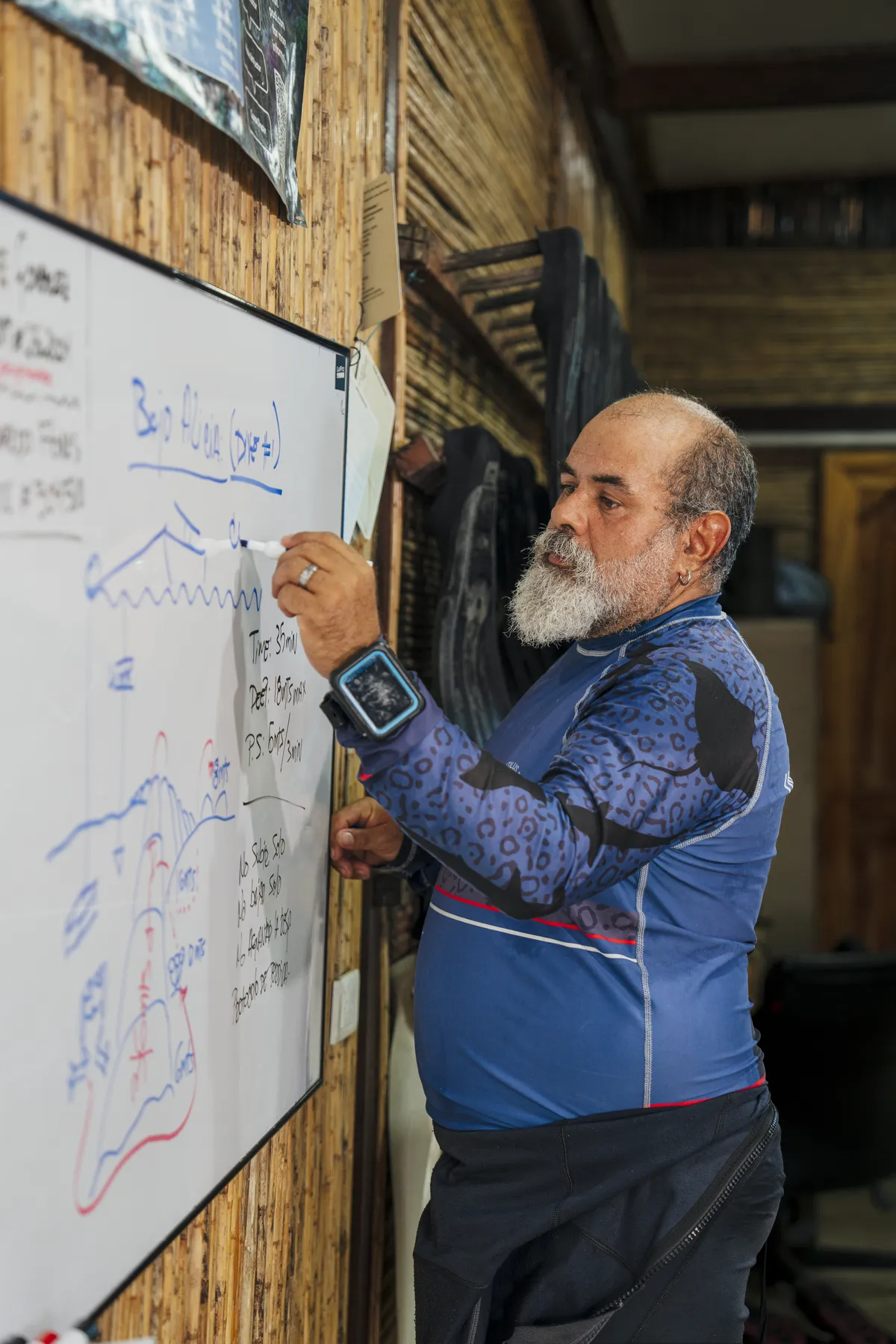
Diving looks effortless, but it places real, quiet demands on your cardiovascular system. Cold water, physical exertion, the pressure of depth and the diving reflex all ask your heart to work harder than a walk on the beach suggests. That is why any heart condition deserves careful medical assessment before you enter the water. The goal is not to scare you away but to make sure diving stays the safe, joyful hobby it should be. Here is what to consider and the right step to take.
The hidden workload
Immersion shifts blood from your limbs toward your chest, raising the volume your heart handles. Cold water and exertion increase heart rate and blood pressure, while the pressure of depth adds further strain.
For a healthy heart these are easy adjustments. For a heart with underlying disease, they can expose weaknesses that stay hidden during everyday life on land.
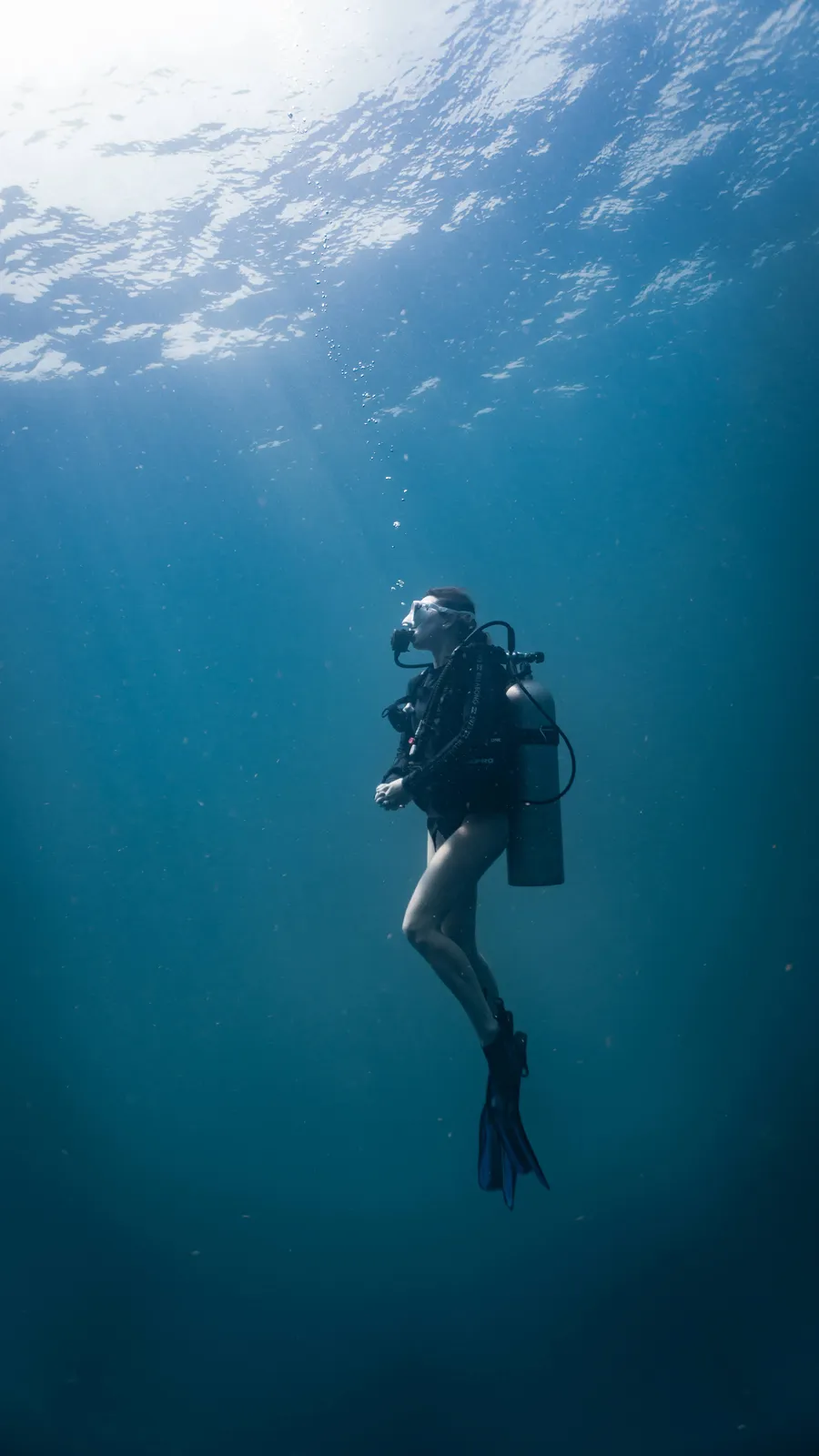
Conditions that need review
Coronary artery disease, previous heart attack, heart failure, significant arrhythmias, uncontrolled high blood pressure and certain structural or valve conditions all call for specialist assessment before diving.
Some medications for these conditions also affect exercise tolerance or hydration, which matters underwater. This is a conversation for a physician, not a checklist you should judge alone.
The right step
If you have any heart condition, high blood pressure or take related medication, get clearance from a diving physician before booking. They may recommend an exercise stress test or other checks to confirm your heart can handle the load.
This assessment is the difference between a safe hobby and a real, avoidable risk. It is worth the appointment.
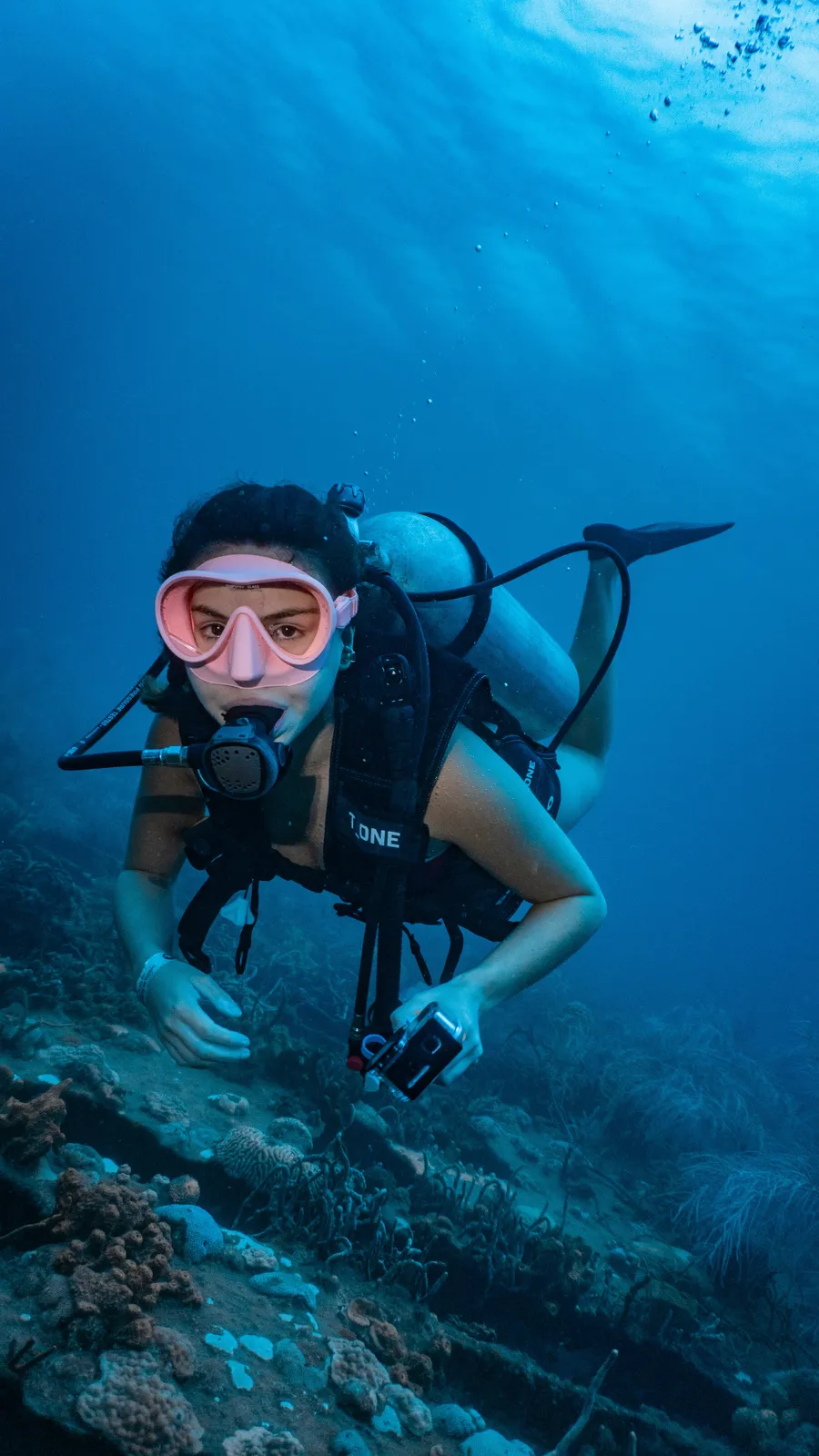
Cardiac events are a leading cause
Studies of diving fatalities consistently find that cardiac events, not equipment or technique, are among the leading causes, especially in older divers. Many were preventable with prior screening.
Knowing this is empowering, not frightening. A simple medical check dramatically reduces your personal risk and lets you dive with a clear mind.
Dive within your fitness
With clearance, choose calm, sheltered sites and an unhurried pace, and tell your guide about your history. Our warm year-round water and gentle beginner reefs reduce cold stress and exertion.
Read more guides on dive fitness, and see courses and dives to plan an experience matched to your comfort and health.
Important
This is general educational information, not medical advice. Always complete the medical questionnaire honestly, dive within your training and, if in doubt, consult a diving physician or contact DAN (Divers Alert Network). In an emergency in Colombia, the nearest hyperbaric chamber is in Coveñas.


