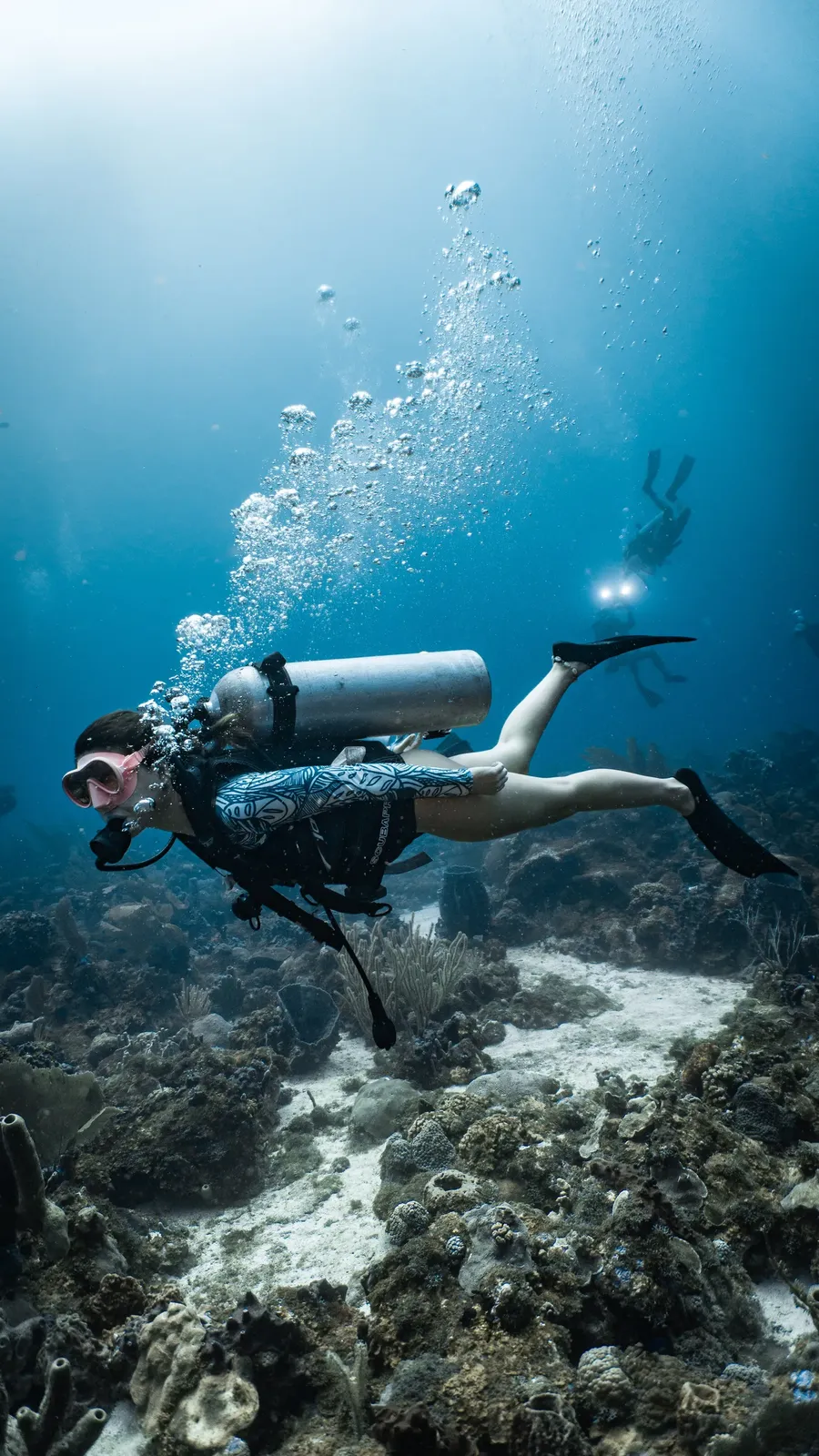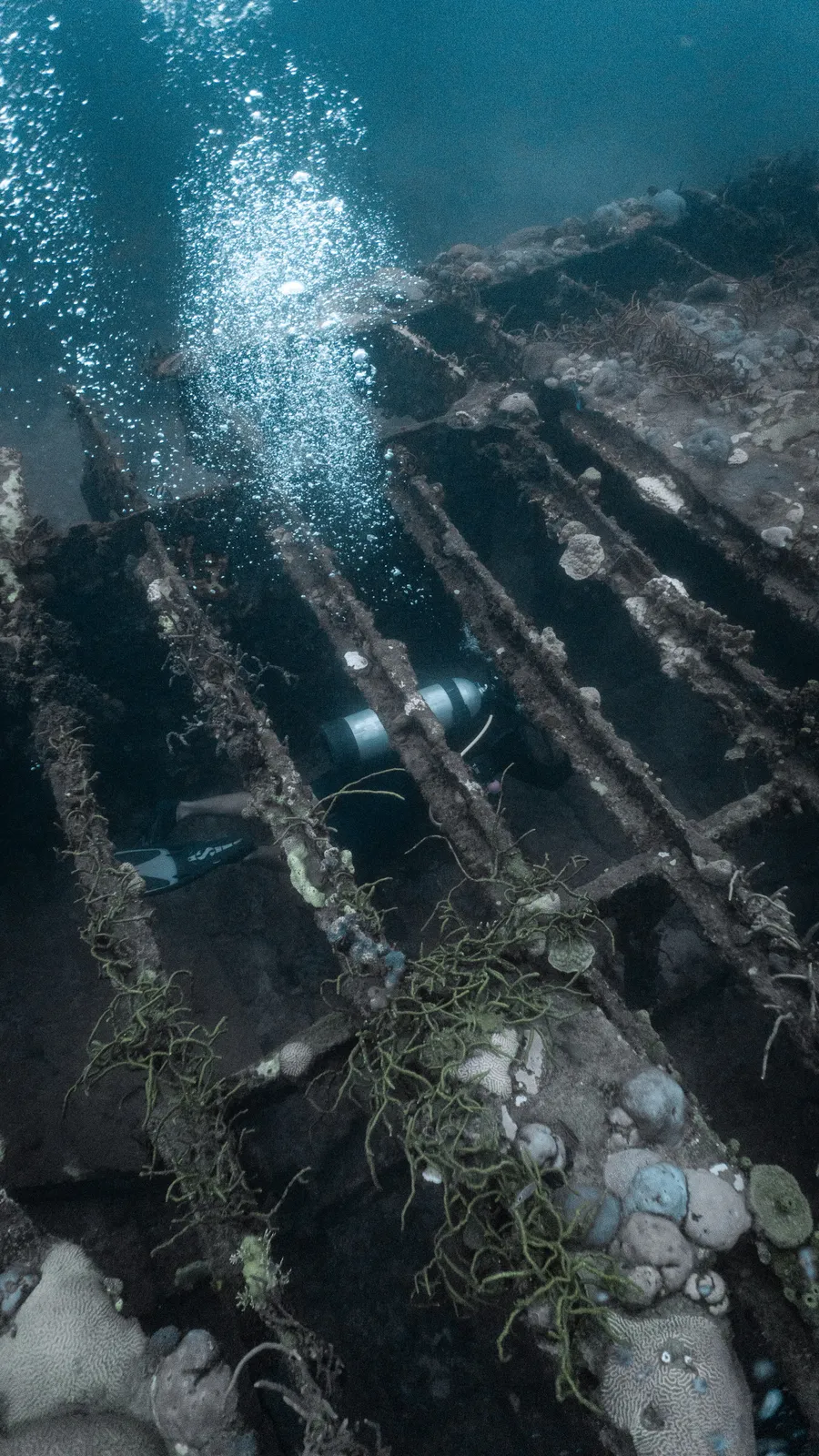
The SS Thistlegorm is widely considered the finest wreck dive on the planet. This British cargo ship was sunk by German bombers in 1941 while carrying war supplies to North Africa, and it now rests upright in about 30 meters of water in the northern Red Sea. What sets it apart is its cargo: motorcycles, trucks, rifles, aircraft parts and even train locomotives, still recognizable after eight decades underwater. Diving it is like swimming through a preserved page of history that has become an artificial reef.
What makes it special
Few wrecks combine history, intact cargo and abundant marine life the way the Thistlegorm does. The blast that sank her tore the hull open, so divers can peer into holds still stacked with wartime vehicles and equipment.
The scale is impressive, over 120 meters long, and the sense of stepping back to 1941 is unmatched. It is a dive that appeals to history lovers as much as to divers.
Marine life you may see
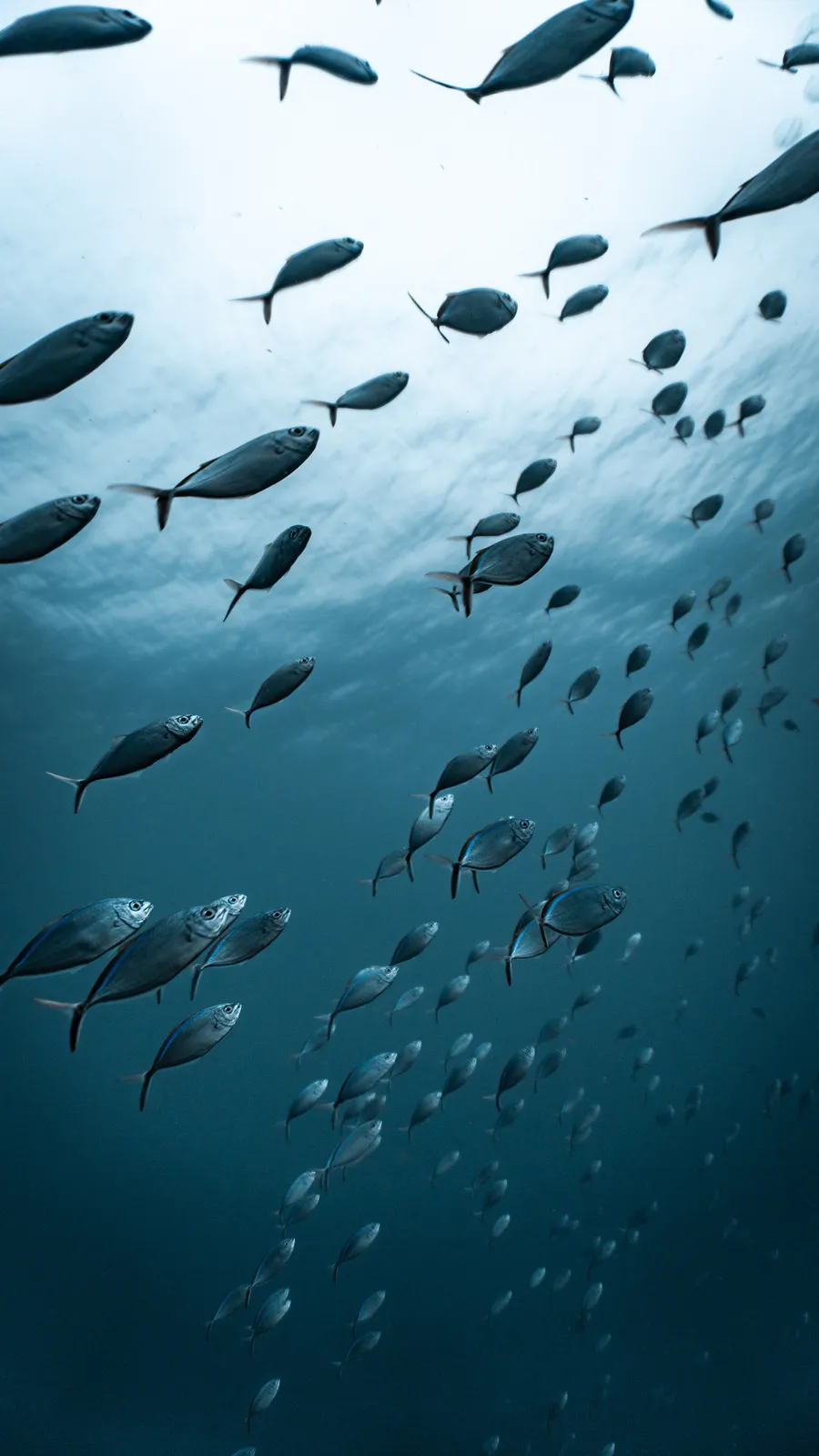
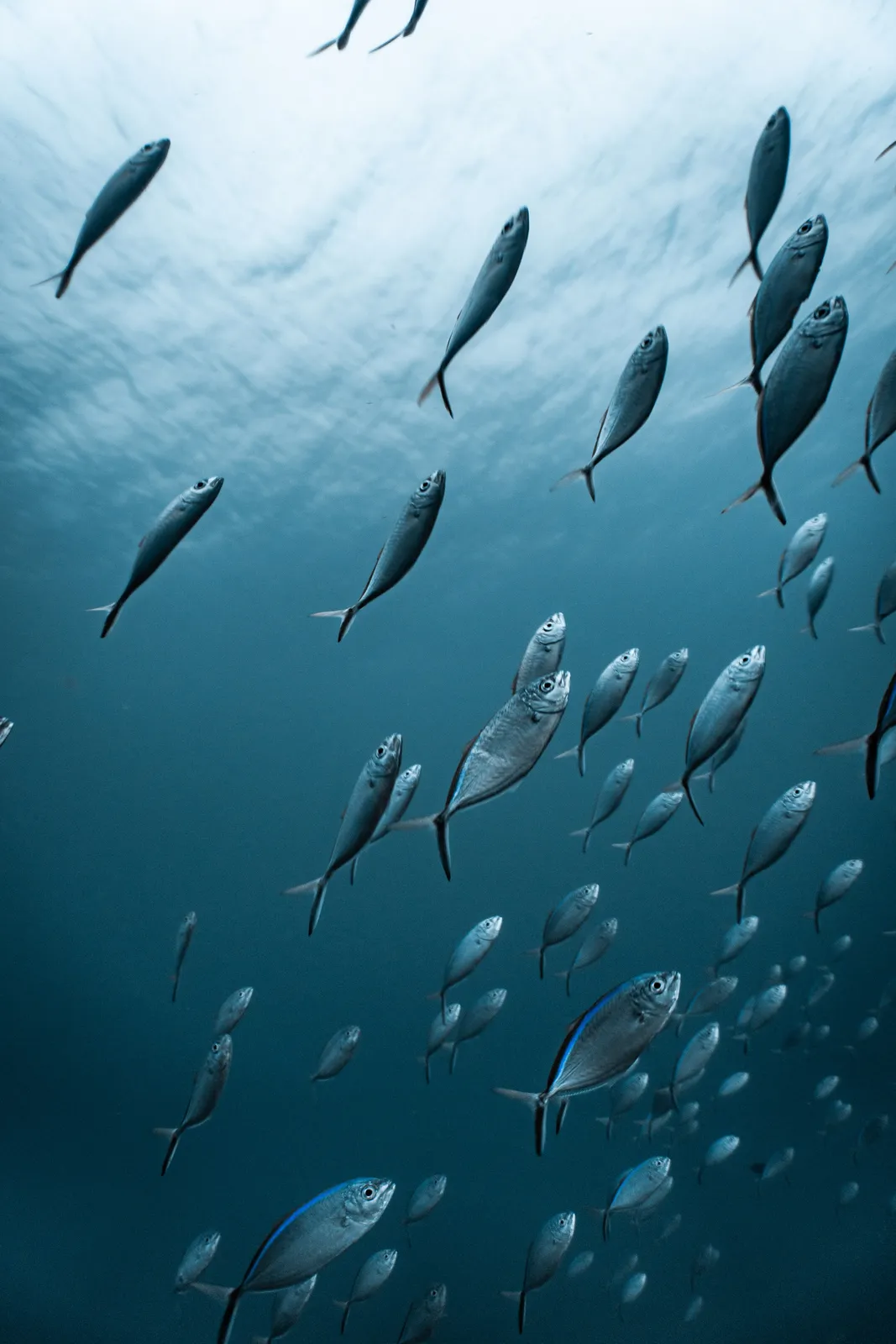
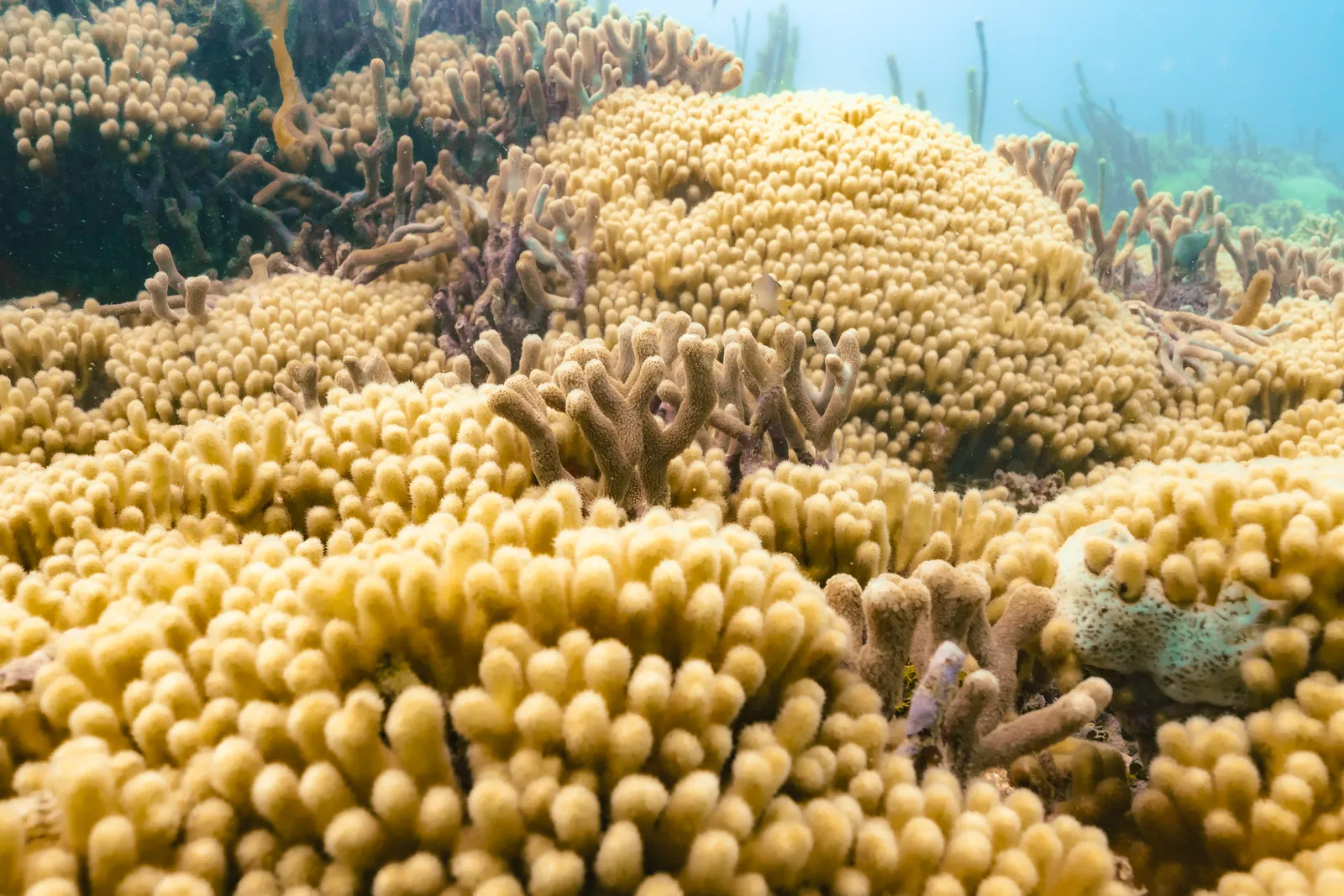
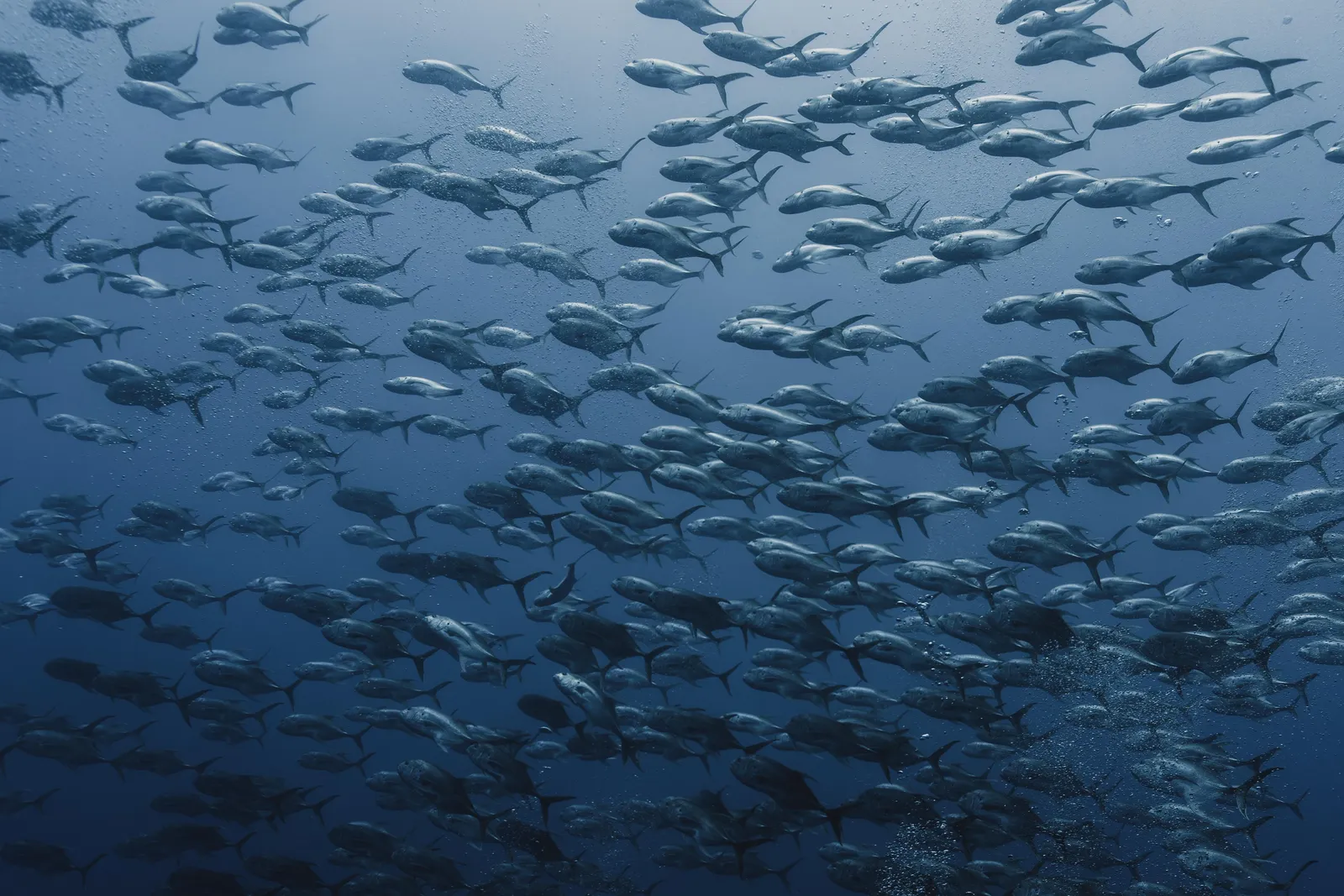
Decades underwater have turned the wreck into a thriving reef. Huge schools of batfish and glassfish swirl around the structure, and barracuda, trevally and tuna hunt in the current.
Look closely and you find lionfish, moray eels, stonefish and nudibranchs colonizing the metal. The mix of soft coral growth and hovering fish makes the wreck feel intensely alive.
Level and conditions
The deck sits around 16 to 18 meters and the seabed at roughly 30, so an Advanced Open Water certification is recommended, especially if you plan to explore inside the holds. Penetration should only be done with proper training and a guide.
Currents here can be strong and unpredictable, and the site is often busy, so good buoyancy and a calm attitude matter. Visibility is usually very good.
Best time and how to reach it
The Thistlegorm can be dived year-round, with warmer water from May to October and calmer seas in spring and autumn. Most divers visit on a liveaboard from Sharm El Sheikh or Hurghada, though long day trips from Sharm are also possible.
Egypt's Red Sea resorts are easy to reach by international flights, making this one of the more accessible world-class dives.
Wrecks and walls in Colombia
Exploring history and structure underwater does not require a trip to Egypt. The Colombian Caribbean holds its own stories, and Isla Fuerte was a burial ground for Zenú chiefs long before divers arrived.
At Nautilus you can dive Bajo Bonito, a submerged Zenú museum paired with an active coral restoration project, and build the buoyancy and air control that wreck diving demands. Browse our more guides or plan a trip through our lodging page.