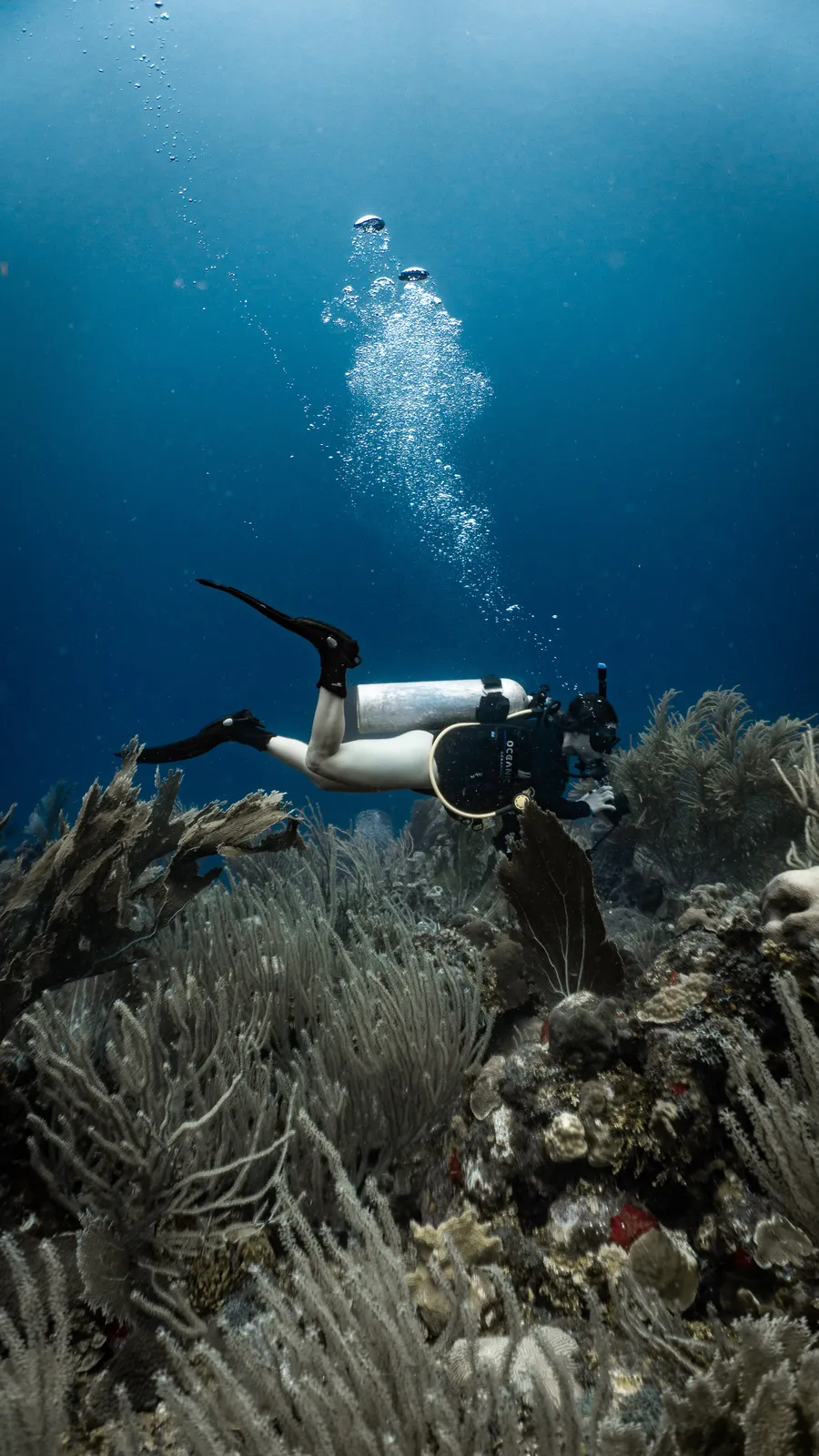
New divers sometimes confuse two similar-sounding pauses on the way up: the routine safety stop and the mandatory decompression stop. Both are about the same thing, giving your body time to release nitrogen gently, but they belong to very different kinds of diving. Recreational diving is designed so that you almost never need a true decompression stop, while the short safety stop is a habit on every dive. Understanding the difference makes you a more informed and confident diver. On the moderate reefs of Isla Fuerte, your dives stay comfortably within limits that keep the ascent simple.
Why nitrogen needs to escape
As you breathe compressed air at depth, your body slowly absorbs extra nitrogen into its tissues. This is harmless while you are down there, but it has to come back out as you rise and the pressure drops.
If you ascend slowly, that nitrogen leaves gently through your lungs, like a carbonated drink losing fizz quietly. If you rush up, it can form bubbles in your tissues and cause decompression sickness. Controlling the ascent, and pausing when needed, is simply giving the gas time to escape the safe way.
No-stop limits and safety stops
Recreational diving is built around no-decompression limits, the maximum time you can spend at a given depth and still ascend straight to the surface without a required pause. Your computer tracks this constantly.
Within those limits, divers still make a voluntary safety stop, typically 3 minutes at around 5 meters, as an extra margin. It is not strictly mandatory, but it is standard good practice on essentially every dive. Staying inside the no-stop limits is what keeps recreational diving simple and forgiving.
When a stop becomes mandatory
A true decompression stop is different: it is required, not optional. If a diver goes deep enough or stays long enough to exceed the no-stop limit, they take on so much nitrogen that they must pause at set depths on the way up to release it safely.
- It is planned in advance with training, gas and equipment for the extra time.
- Skipping it risks serious decompression sickness.
- It belongs to technical diving, beyond the recreational scope.
This is exactly why recreational courses teach you to respect your computer and turn the dive before you ever reach that point.
Staying within limits on Isla Fuerte
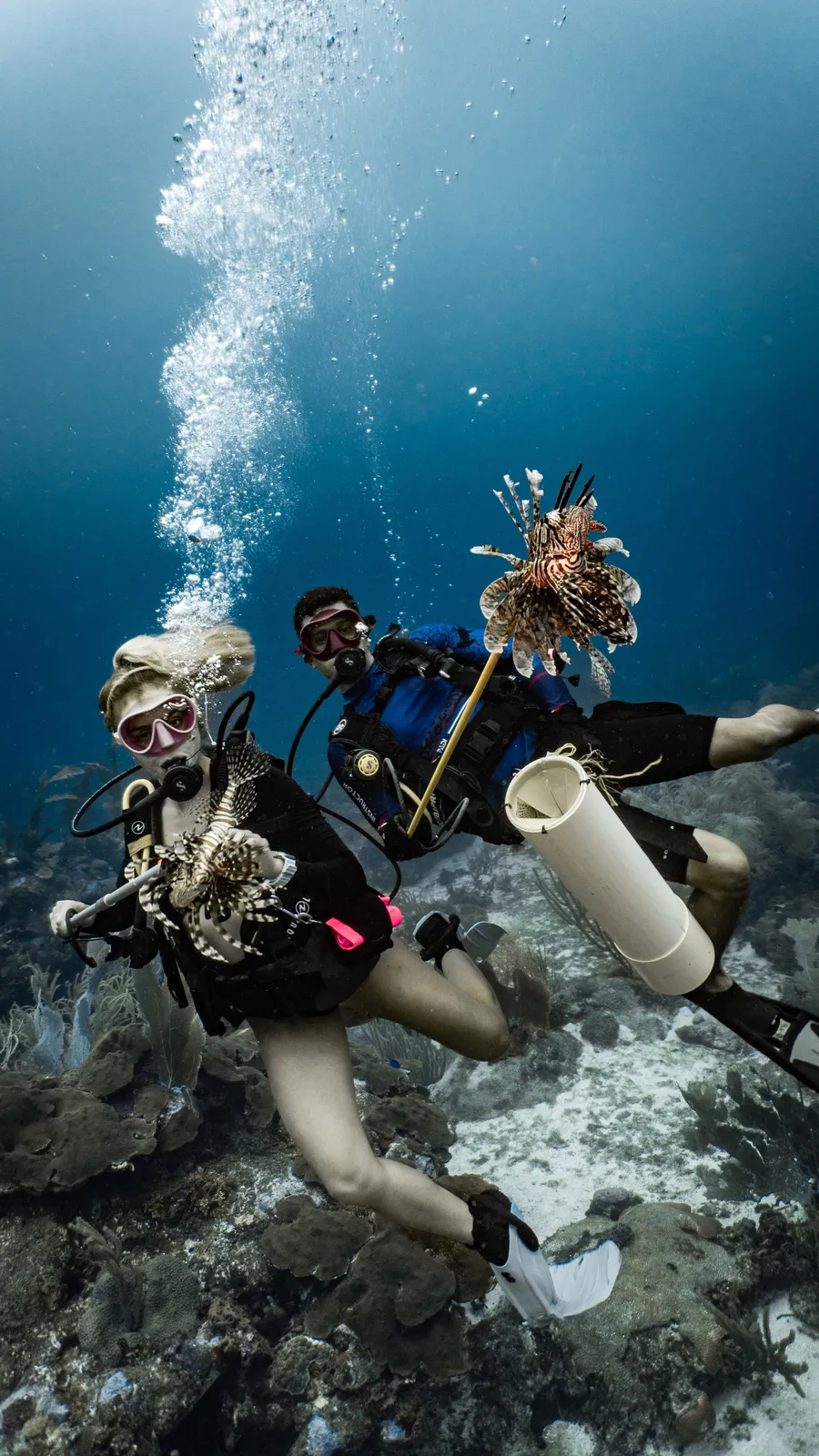
The kind of diving Isla Fuerte offers is exactly the kind that keeps you comfortably in no-stop territory: warm, clear reefs at moderate depths where you can enjoy long, relaxed bottom times without approaching decompression limits. A gentle safety stop caps off almost every dive.
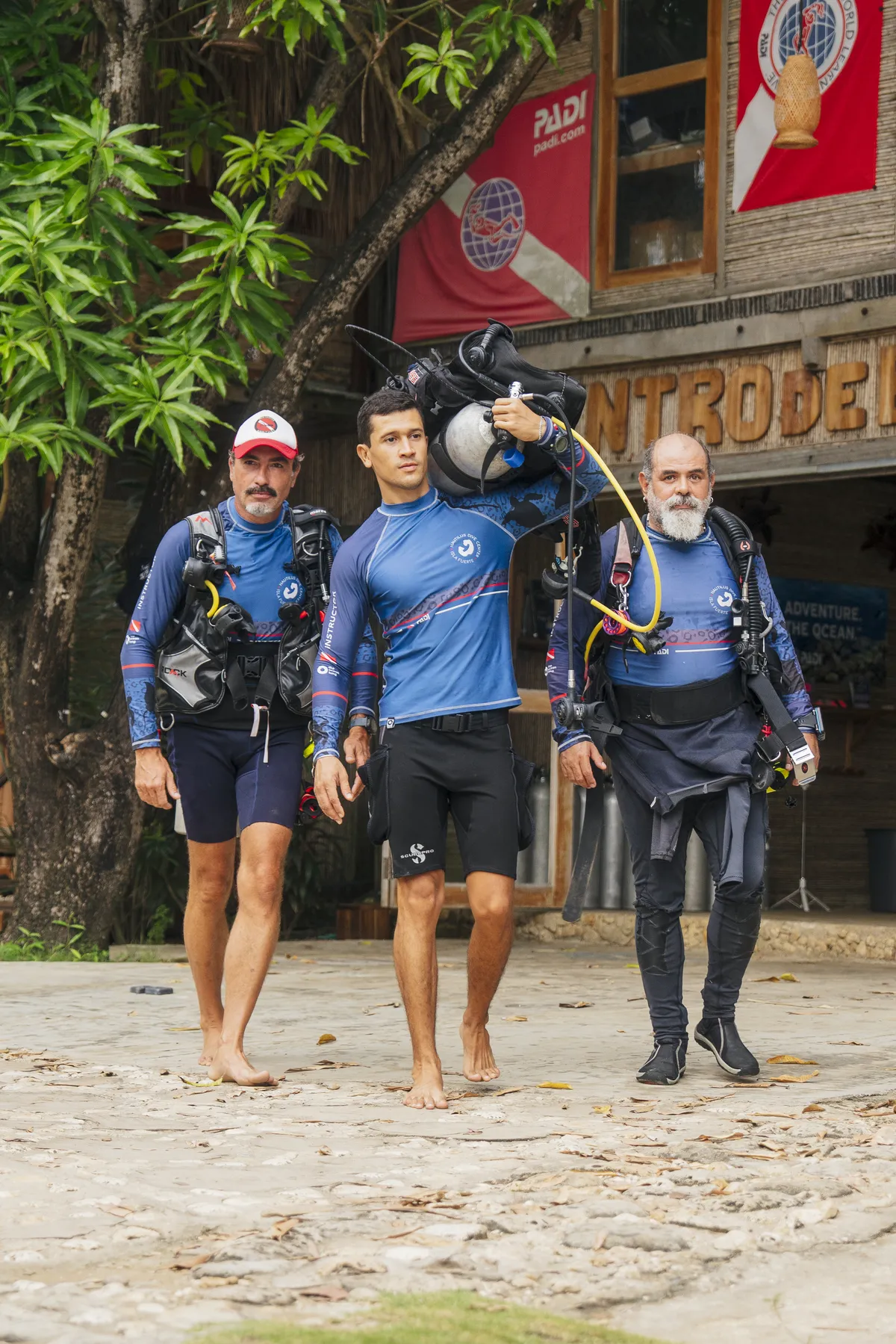
Nautilus is a PADI dive center, and our certified instructors plan every dive conservatively, with the nearest hyperbaric chamber in Coveñas and DAN coverage for emergencies. Advanced divers can explore deeper walls like Bushnell under proper guidance. Plan your dives within safe limits on our courses and dives page, or read more in our more guides.