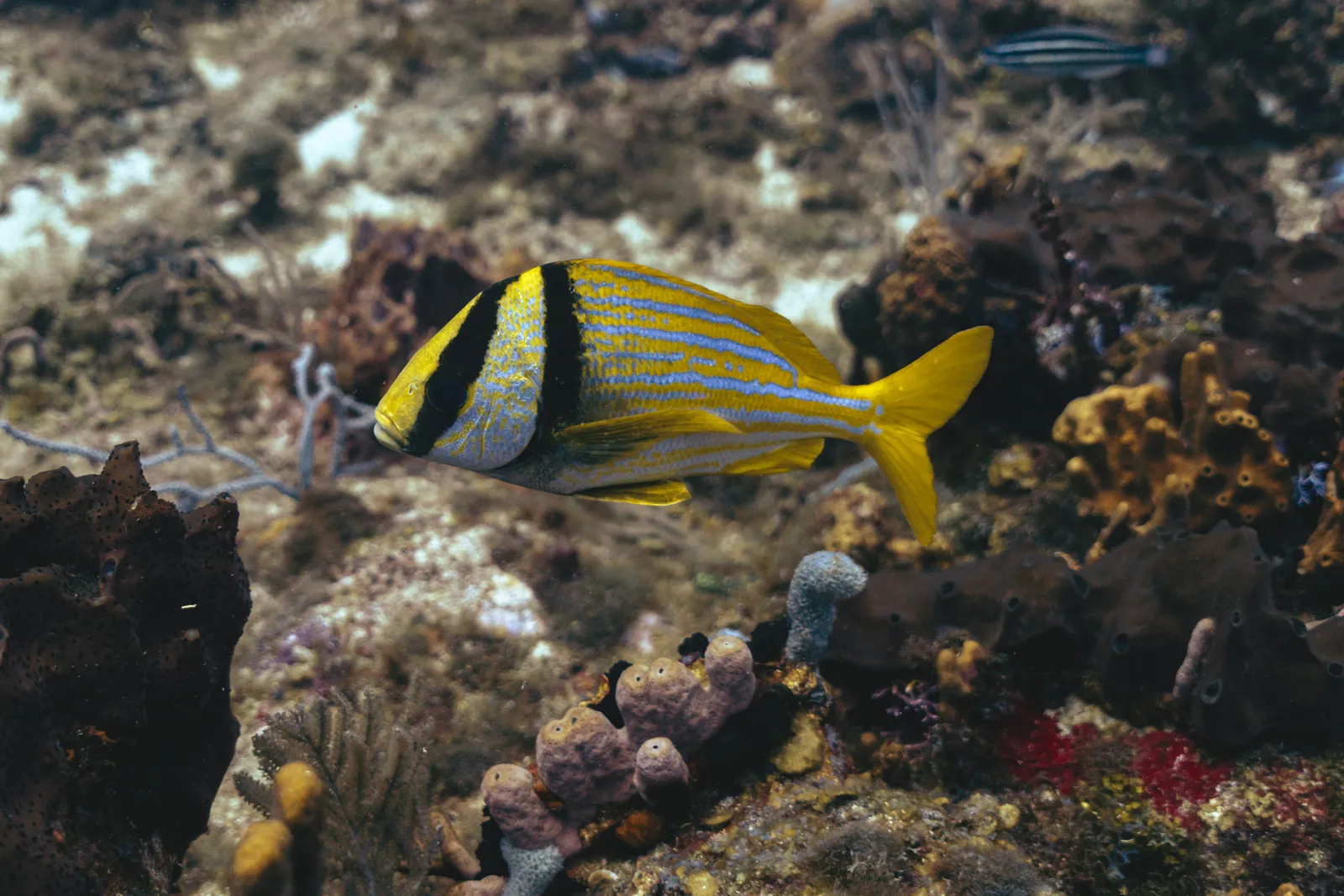
Scuba diving is remarkably safe when you follow a small set of well-tested rules, and most incidents trace back to breaking one of them. You do not need to memorize a thousand things to dive safely, you need to internalize a handful of habits until they become automatic. These are the same principles that let millions of people dive for decades without incident. Think of this as the short list that matters most, drawn from the core of every good dive training program.
Breathe and ascend slowly
The two most fundamental habits protect your lungs and your blood. Never hold your breath, and always ascend slowly with a safety stop.
- Breathe continuously at every moment underwater
- Ascend no faster than 18 meters per minute
- Make a 3-minute safety stop at 5 meters
- Let your smallest bubbles rise faster than you do
Breathing continuously prevents lung overexpansion, and a slow ascent protects you from decompression sickness. Together they cover the two biggest risks in one gentle routine.
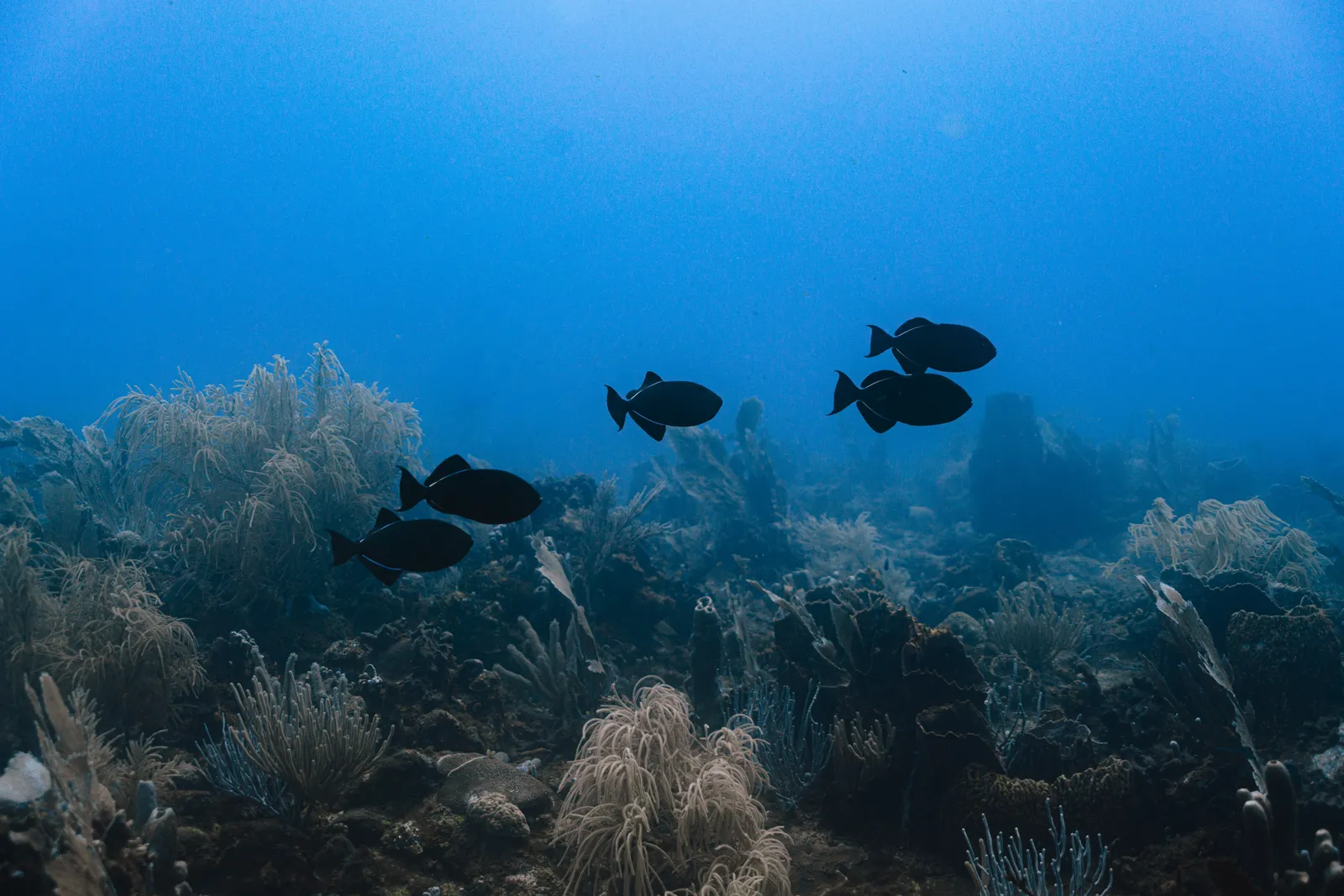
Plan your dive and dive your plan
Every safe dive starts before you enter the water. Agree with your buddy on the maximum depth, the time, the route and the turnaround air pressure, then stick to it.
Check your gear together before every dive, so a loose strap or a low tank is caught on the boat, not at depth. A minute of planning and checking prevents the majority of small problems from ever starting.
Stay with your buddy and your limits
Diving is a team activity for good reason. Stay close to your buddy so you can help each other with air, equalizing or any surprise, and never wander off alone.
Just as important, dive within your training and your comfort. Do not follow a group deeper than your certification, and never let pride push you past what you have practiced. Saying no to one dive is always cheaper than an injury.
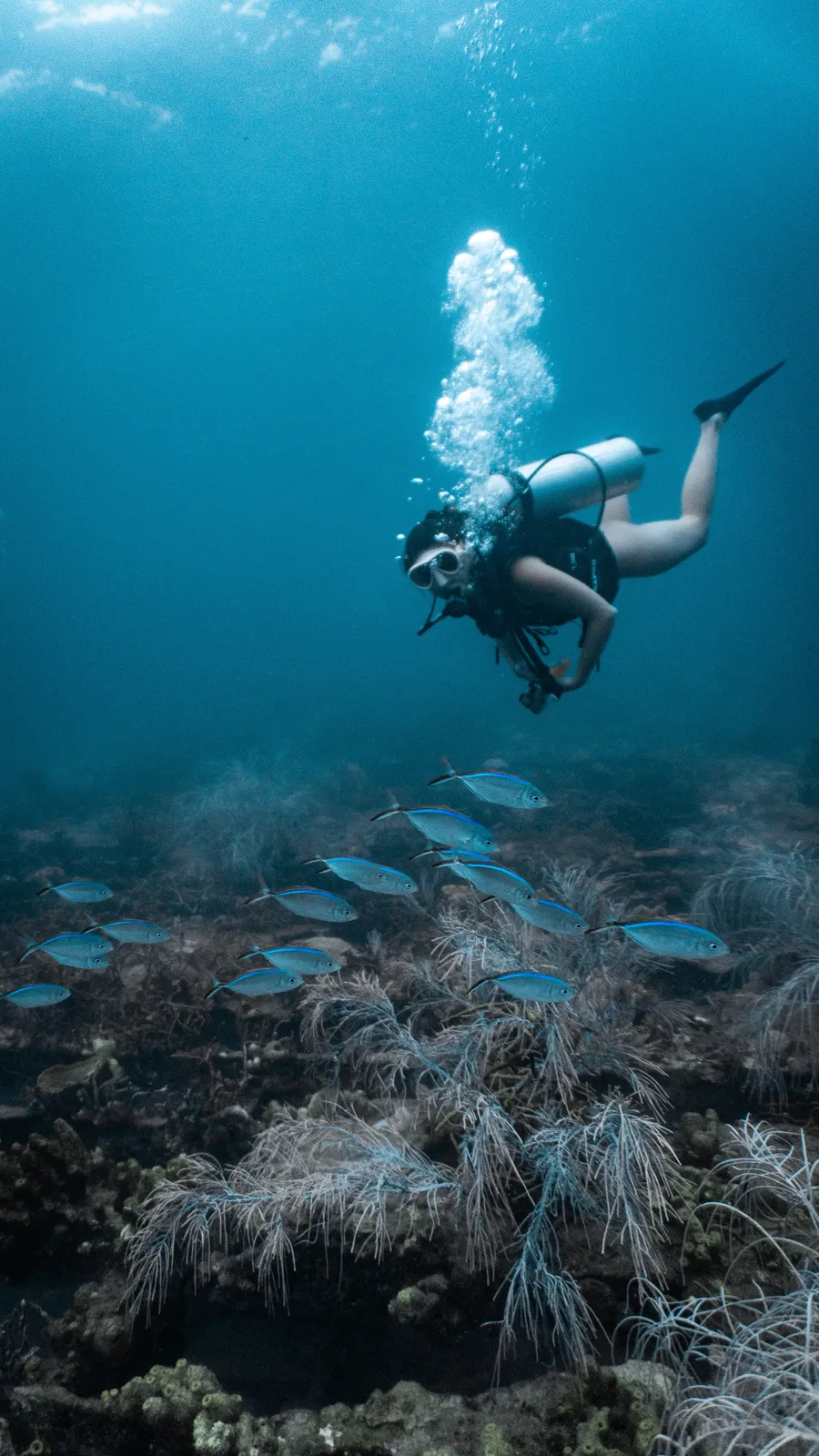
Respect your body and the surface interval
Your body's condition changes the risk. Dive well rested, hydrated and sober, and skip a dive when you feel unwell, congested or exhausted. Add a margin of caution on off days.
Between dives, take a proper surface interval to release nitrogen, and never fly too soon after diving. Waiting at least 18 to 24 hours before a flight is a simple habit that closes off a real risk.
Dive these rules with us in Isla Fuerte
At Nautilus these rules are woven into every dive. Our PADI instructors plan conservative profiles, keep groups small, brief every dive carefully, and carry emergency oxygen, with Magenta insurance included and a hyperbaric chamber in nearby Coveñas as backup.
Isla Fuerte, one of the best-preserved reefs of the continental Caribbean, is a wonderful place to make these habits second nature in warm, calm water. Explore our courses and dives, plan your sites on the interactive dive map, and dive safe for life.
Important
This is general educational information, not medical advice. Always complete the medical questionnaire honestly, dive within your training and, if in doubt, consult a diving physician or contact DAN (Divers Alert Network). In an emergency in Colombia, the nearest hyperbaric chamber is in Coveñas.


