Recreational and technical diving are two levels of the same sport, separated by depth, equipment and how you return to the surface. Recreational diving keeps you within limits where you can always ascend directly to the surface if needed. Technical diving goes beyond those limits, into greater depths and overhead environments, using specialized gear and mandatory decompression stops. Almost every diver stays recreational, and it offers a lifetime of adventure, but it helps to understand the difference.
What recreational diving is
Recreational diving covers the vast majority of scuba: dives to a maximum of 40 meters, on a single tank of air or basic nitrox, with no required decompression stops. You can always make a direct, controlled ascent to the surface.
Certifications like Open Water, Advanced and the specialties all sit comfortably within this world, which is more than enough to explore most reefs on earth.
What technical diving adds
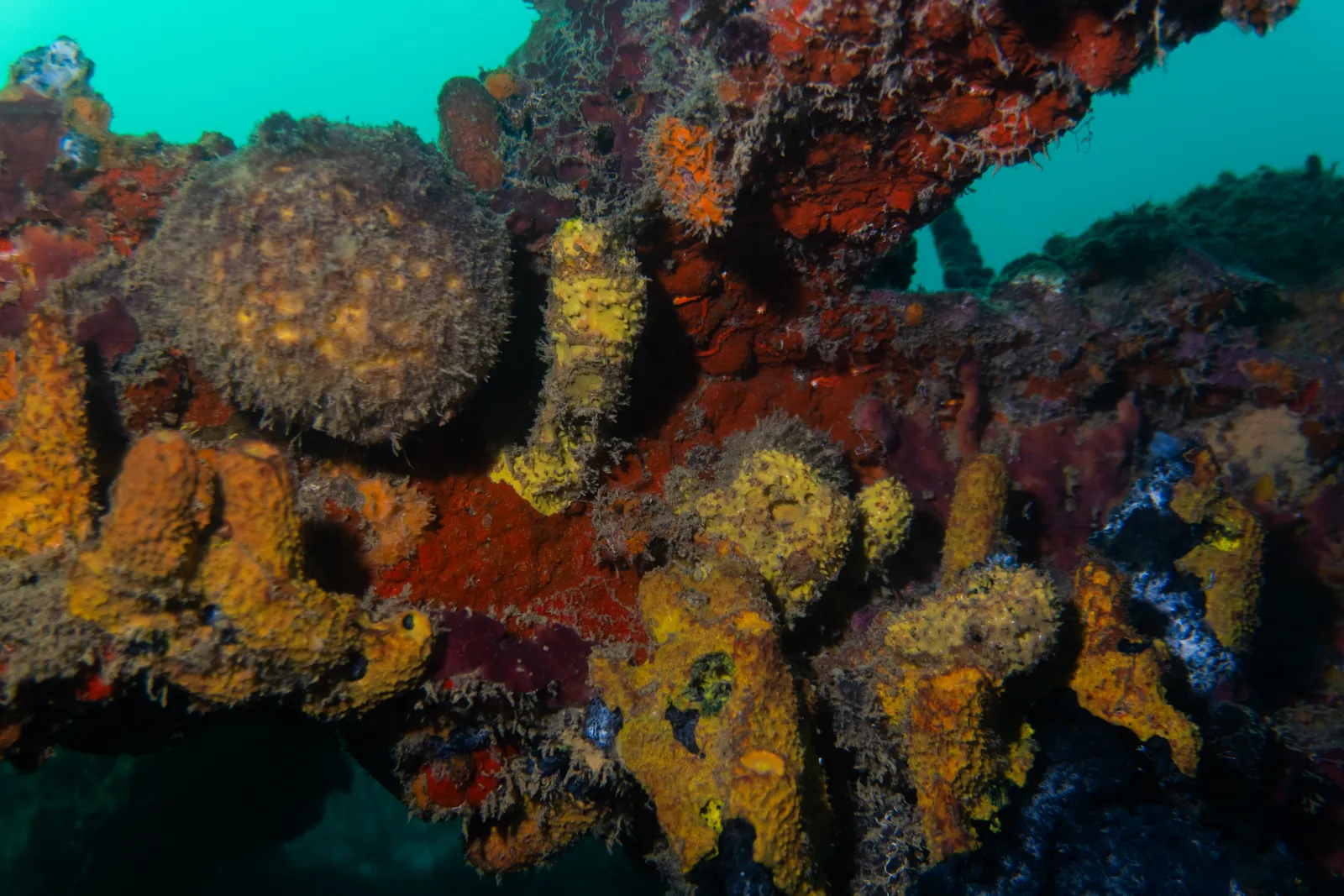
Technical diving goes past recreational limits: greater depths, longer times, overhead environments like caves and wreck interiors, and mandatory decompression. To do this safely it uses multiple tanks, different gas mixes and redundant equipment.
A key difference is that you cannot ascend directly, because you must complete decompression stops on the way up, so the training and planning are far more demanding.
Which is right for you
For almost everyone, recreational diving is the answer, offering endless reefs, wrecks and marine life within safe, simple limits. Technical diving is a serious commitment of time, training and money, suited to a small number of divers with specific goals.
The best path is to build deep, calm experience recreationally first. Only then does technical diving make sense.
The path from one to the other
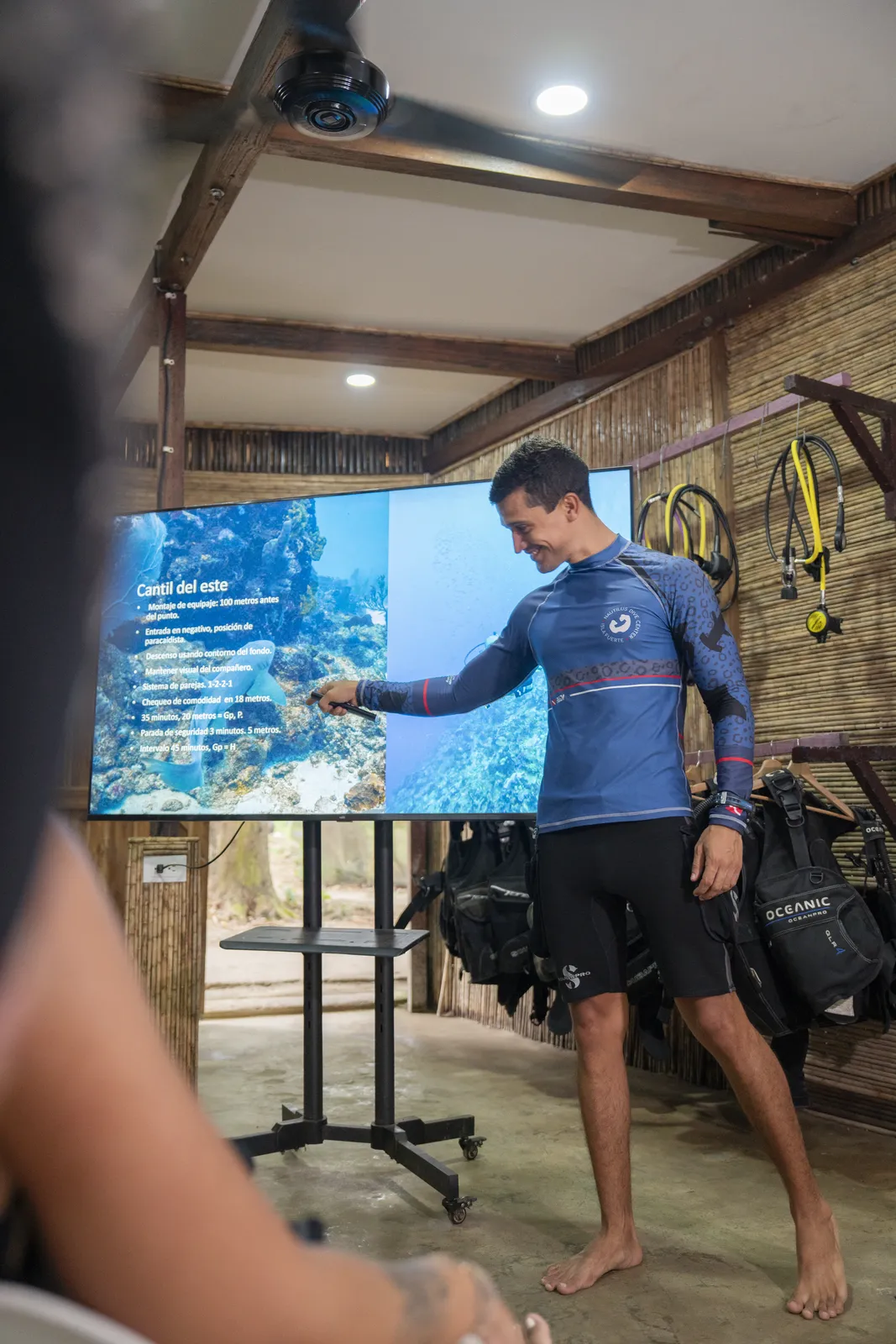
Technical diving is not a leap you take on a whim. It sits at the top of a long ladder that starts with Open Water and climbs through Advanced, Rescue and many logged dives, building calm and competence at each step.
Agencies offer structured technical programs, but every one of them expects strong recreational experience first. The best preparation is simply to dive often, master your buoyancy and gas management, and let your comfort in the water grow naturally before you even consider going technical.
Build your foundation at Isla Fuerte
Every technical diver started as a recreational one, and Isla Fuerte is a superb place to build that foundation. With 29 dive sites, advanced walls at Bushnell and gentle reefs for skill-building, you can grow from beginner to confident diver in warm, clear water.
At Nautilus, certified instructors and small groups help you master the fundamentals. Browse our courses and dives and start where every great diver does.