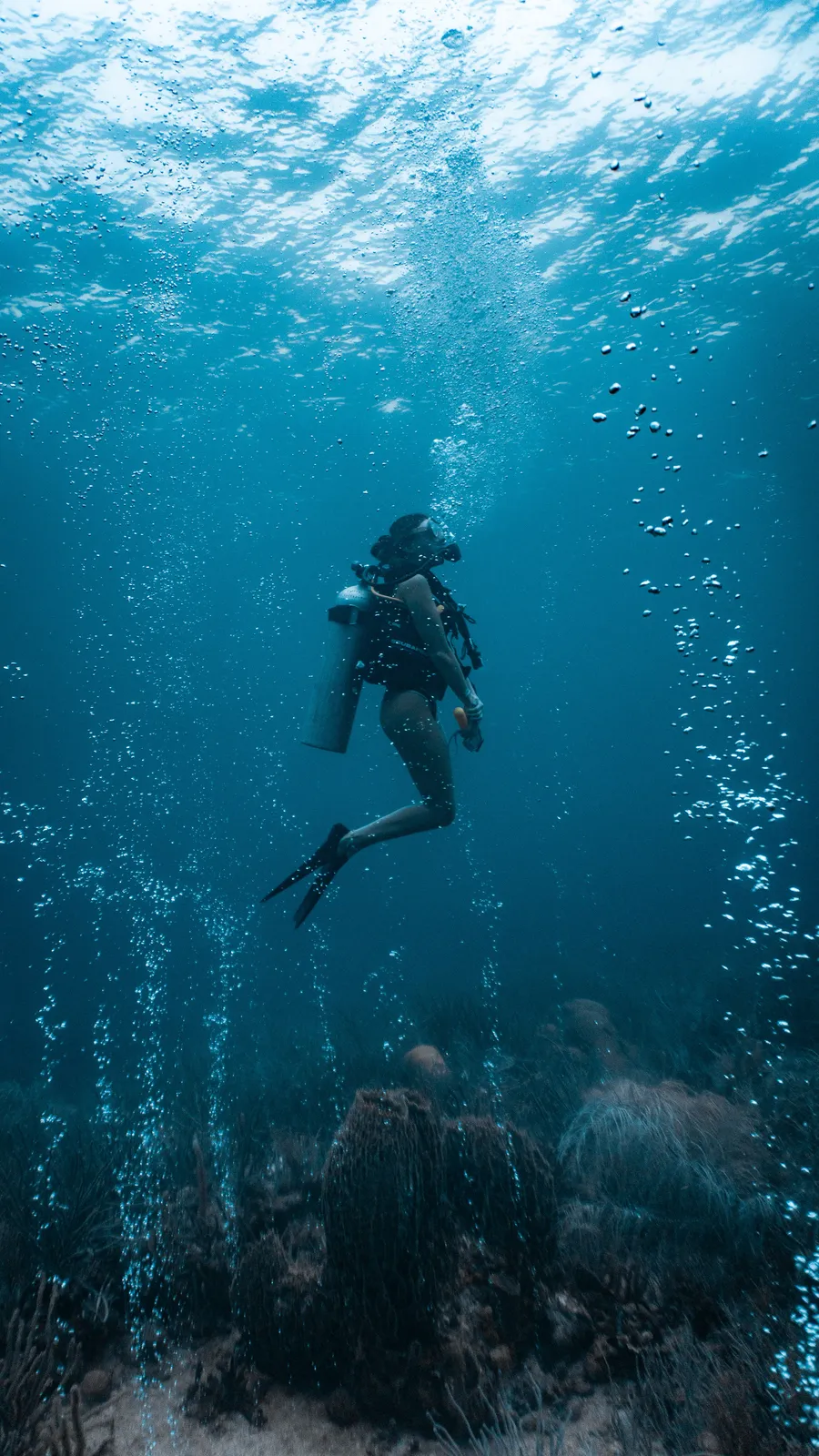
Your eardrum is a thin membrane that separates the outside world from your delicate middle ear, and diving depends on it being intact. With a perforation, or hole, water can flow straight into the middle ear, causing intense dizziness and a serious risk of infection. The short answer is that you should not dive with an open perforation, but the encouraging news is that most heal, and many divers return to the water afterward. Here is what is happening and how to think about your recovery.
What the eardrum does when you dive
As you descend, pressure pushes inward on the eardrum. Equalizing sends air up your Eustachian tubes to balance that pressure so the membrane stays comfortable and centered.
A healthy eardrum flexes and recovers. A perforated one cannot hold a pressure difference, so equalizing fails and water passes through the hole into a space that is meant to stay dry.
The two real dangers
The first is vertigo. When cold water hits your inner ear through the hole, it can trigger sudden, disorienting spinning, which is dangerous while you are submerged and trying to control buoyancy.
The second is infection. Sea water carries bacteria straight into the middle ear, and a wet perforation is slow to heal and prone to painful, sometimes lasting, ear problems.
Healing and when to return
Many small perforations close on their own within a few weeks, while larger ones may need a minor surgical repair. Either way, the ear must be fully healed and confirmed by a doctor before you dive again.
An ear, nose and throat specialist can look at the drum, test that it holds pressure, and tell you when equalizing will be safe. Never rush this, because a re-tear underwater is far worse than waiting a few extra weeks.
Protect your ears in the meantime
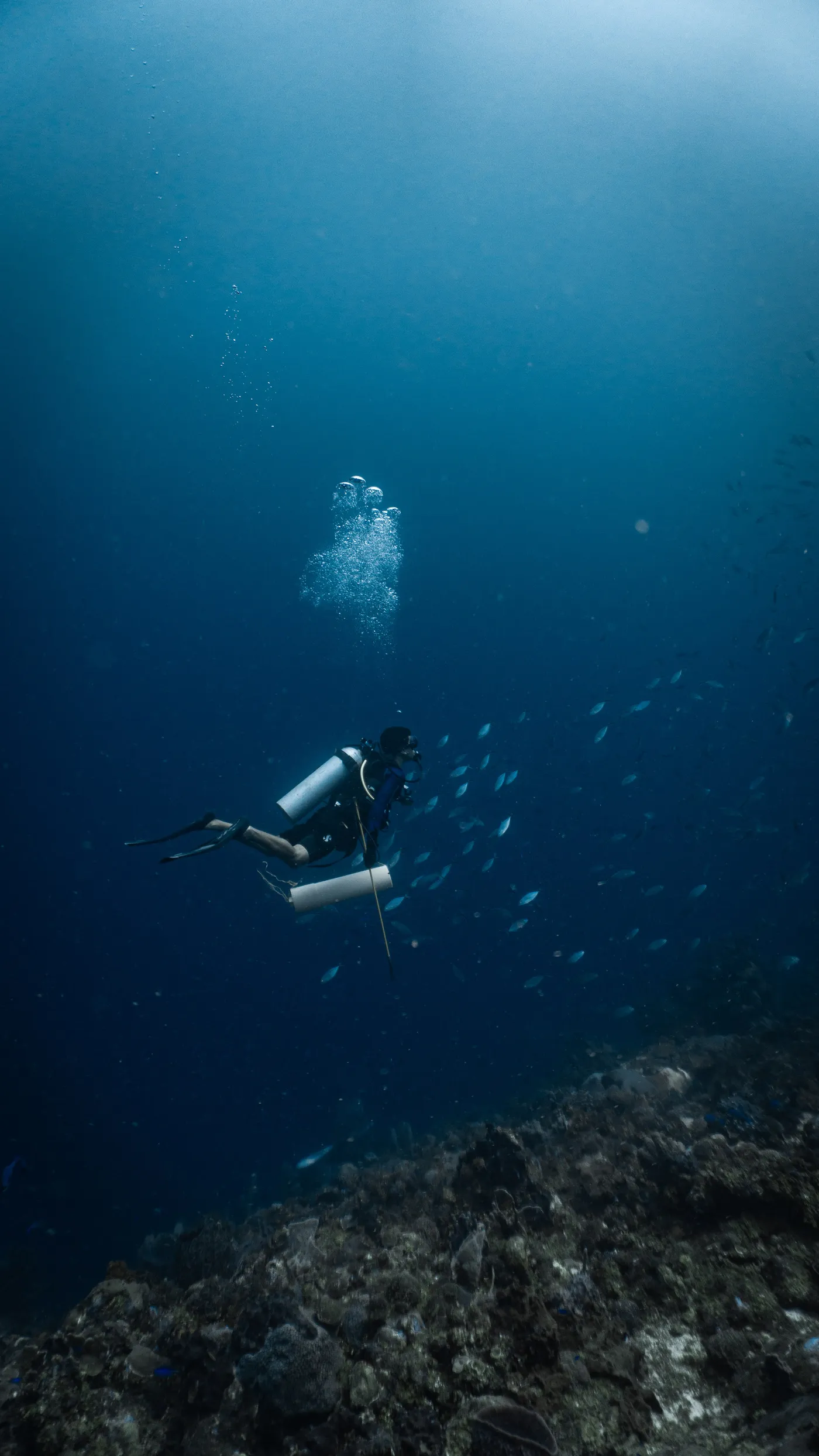
While you heal, keep the ear dry, avoid pushing water in, and follow your doctor's advice on drops or antibiotics. Do not swim underwater or fly with an active infection.
Good ear habits pay off long term:
- Equalize early and often, before you feel pressure
- Never force a descent against a blocked ear
- Skip diving when you have a heavy cold or congestion
- Rinse ears with fresh water after diving once fully healed
Ease back in with us
Once a doctor clears you, the calm, warm 27 to 29°C water around Isla Fuerte is an ideal place to rebuild confidence with your ears. Our gentle reefs like Rosa Vieja let you descend slowly and equalize at your own pace with an instructor beside you.
Tell our team about your history when you book courses and dives, and plan your ascent and descent on our interactive dive map so your first dives back are relaxed and shallow.
Important
This is general educational information, not medical advice. Always complete the medical questionnaire honestly, dive within your training and, if in doubt, consult a diving physician or contact DAN (Divers Alert Network). In an emergency in Colombia, the nearest hyperbaric chamber is in Coveñas.


