Venom is one of the ocean's oldest weapons, and some of its smallest animals carry the most potent. It is worth being clear on the difference: venomous animals inject toxins through a sting or bite, while poisonous ones harm you if touched or eaten. Almost none of these creatures hunt humans, and nearly every injury comes from stepping on, grabbing or brushing against them. Here are the sea's most venomous residents, and the one rule that keeps divers safe.
Venomous, not out to get you
Venom is for hunting and defense, not for attacking divers. Most venomous animals are slow, small or perfectly camouflaged, and they use their weapon only when cornered, stepped on or grabbed. Leave them alone and they leave you alone.
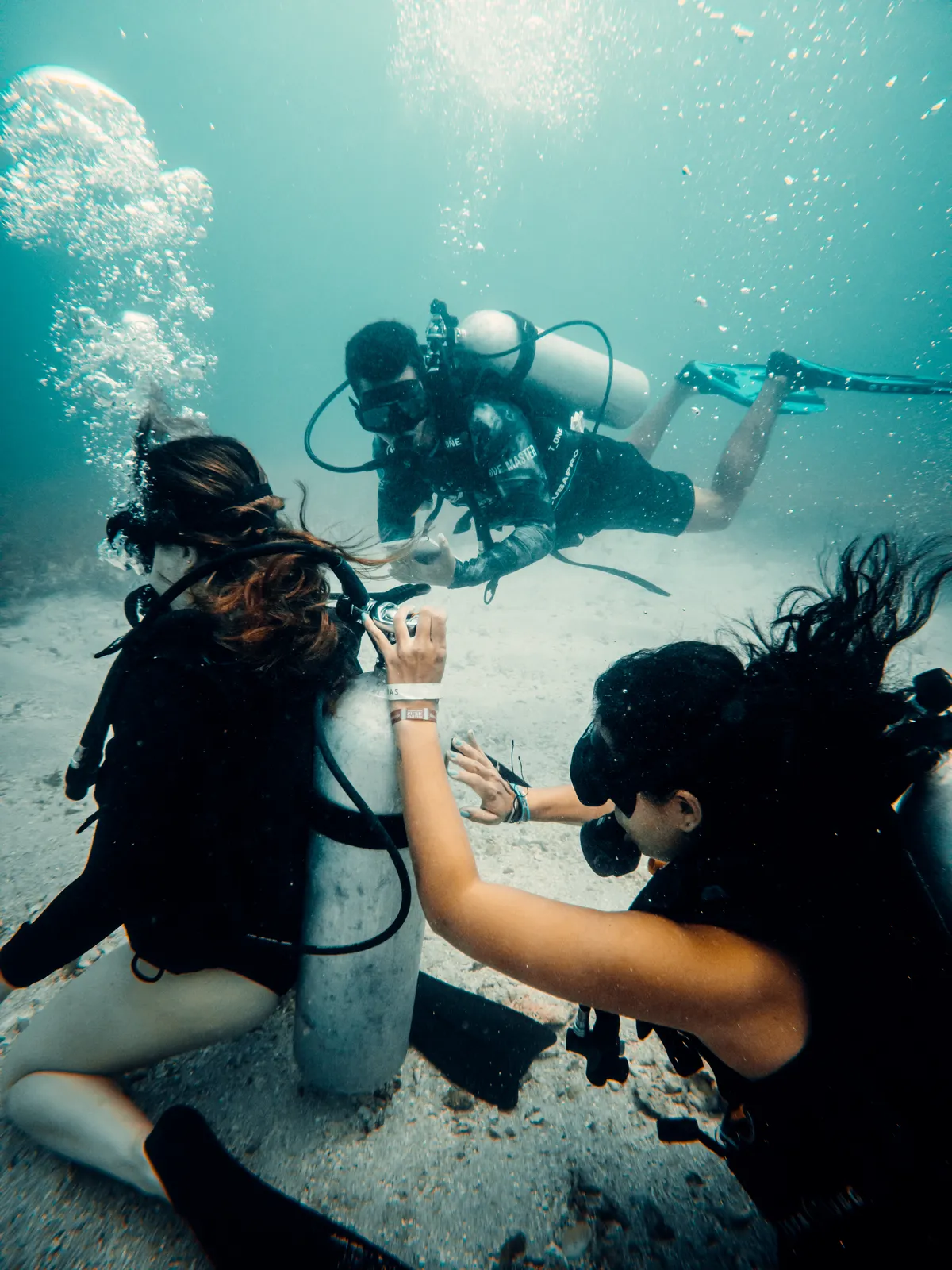
The takeaway is simple and it repeats through every dive briefing: keep excellent buoyancy, watch where you put your hands and feet, and never touch marine life. That single habit prevents almost every sting.
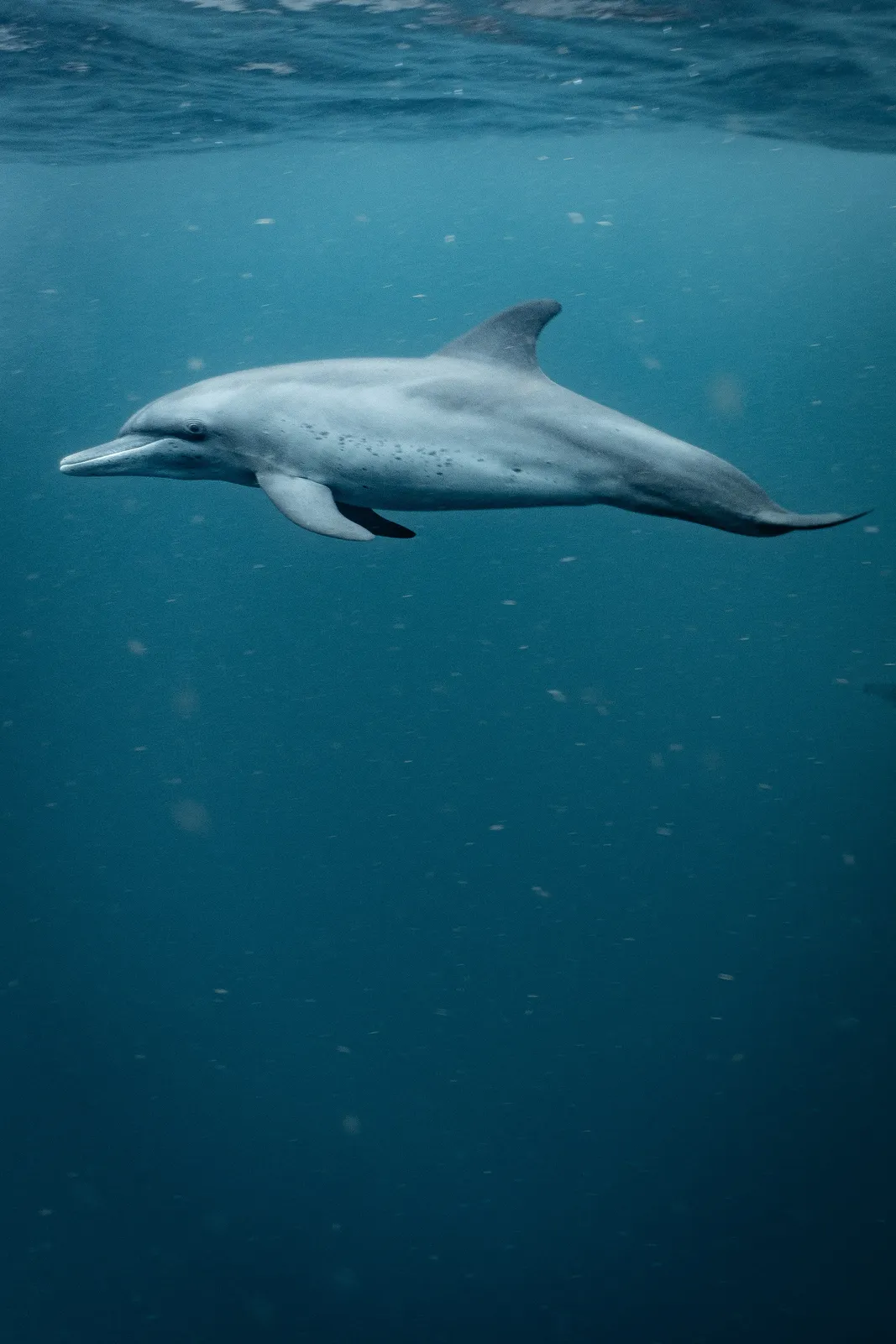
The ocean's most venomous animals
- Box jellyfish: among the most venomous animals on Earth, with tentacles that can be life-threatening.
- Blue-ringed octopus: tiny and gorgeous, its bite carries a toxin with no antivenom.
- Stonefish: the most venomous fish, a camouflaged rock with dorsal spines that inject agonizing venom.
- Cone snails: beautiful shells that fire a venomous harpoon, some dangerous to humans.
- Sea snakes: highly venomous but shy, and rarely inclined to bite.
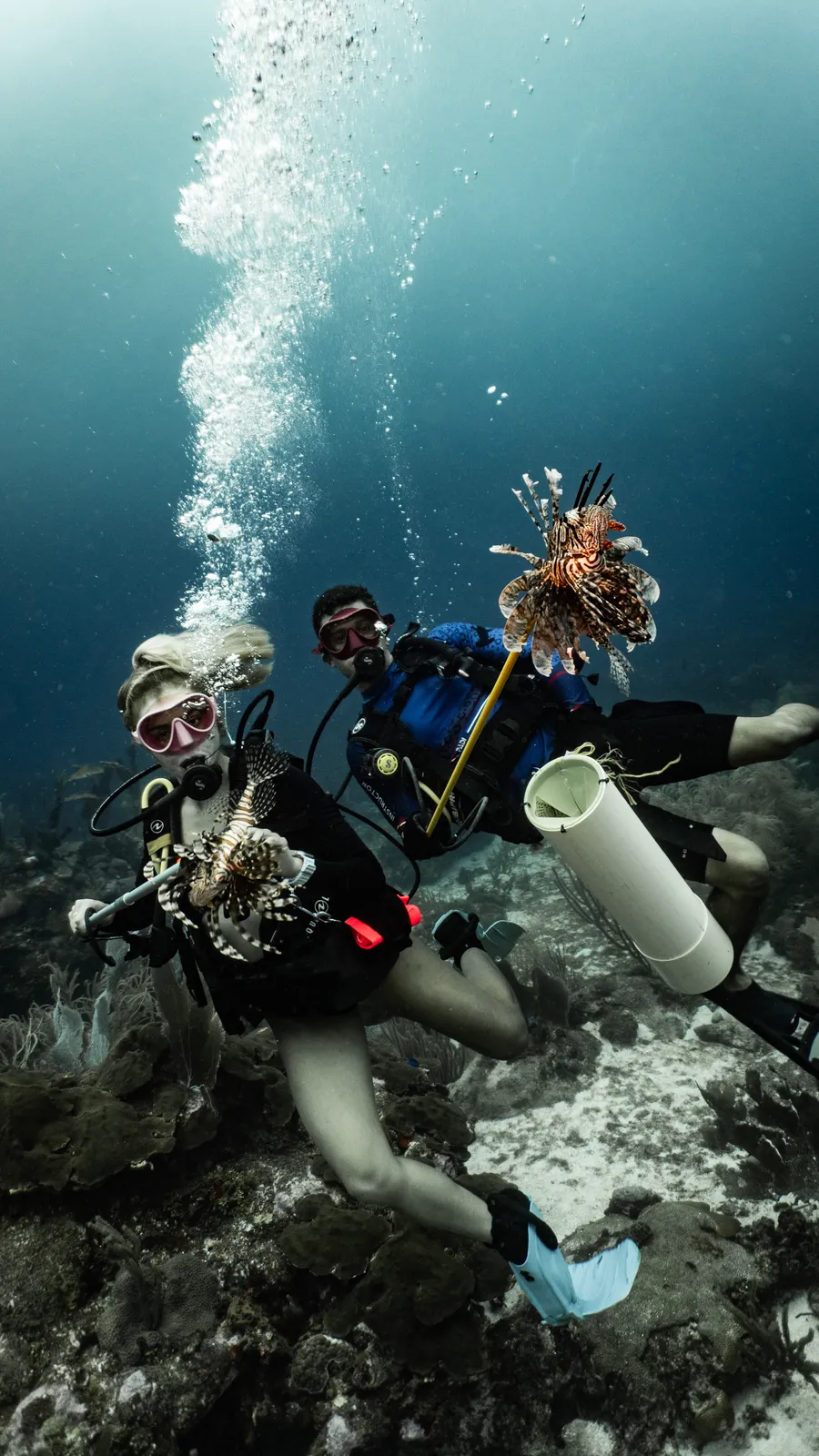
- Lionfish: venomous fin spines that cause intense pain but are seldom serious.
- Stingrays: a defensive tail barb used only when trodden on or trapped.
- Portuguese man o' war: not a true jellyfish, but its long tentacles pack a powerful sting.
What to do if you are stung
Most stings are painful but manageable. Exit the water calmly, and for fish spines like lionfish or stingray, hot water often eases the pain while you seek help. For jellyfish, rinse with seawater rather than fresh water and remove tentacles carefully.
- Stay calm and get out of the water.
- Do not rub the area or use fresh water on jellyfish stings.
- Seek medical attention for anything beyond mild, brief pain.

Respectful diving at Isla Fuerte
The reefs of Isla Fuerte have their share of venomous residents, and we treat every one as a fascinating neighbor rather than a threat. Scorpionfish, lionfish and the occasional stingray are all here, and knowing where they hide keeps our dives calm and safe.
As a PADI center we brief every diver on look-but-do-not-touch, and the nearest hyperbaric chamber and DAN support are close by in case of any emergency. Learn to dive confidently among them on our courses and dives page.