The PADI Wreck Diver specialty teaches you to explore shipwrecks the right way, treating each one as both a fragile piece of history and a thriving artificial reef. Wrecks attract marine life, from schooling fish to moray eels, and they hold a haunting beauty that draws divers back again and again. The course gives you the mapping, navigation and safety skills to enjoy them responsibly. It is one of the most popular specialties in the world.
What you learn
You learn to survey and map a wreck, to navigate around it safely, and to avoid the hazards that make wrecks different from open reefs, such as sharp metal, entanglement and silt that can cloud the water in seconds.
You also study the reasons a ship ended up on the bottom, and how to respect it as an archaeological and ecological site rather than a place to take souvenirs.
Penetration versus swim-around
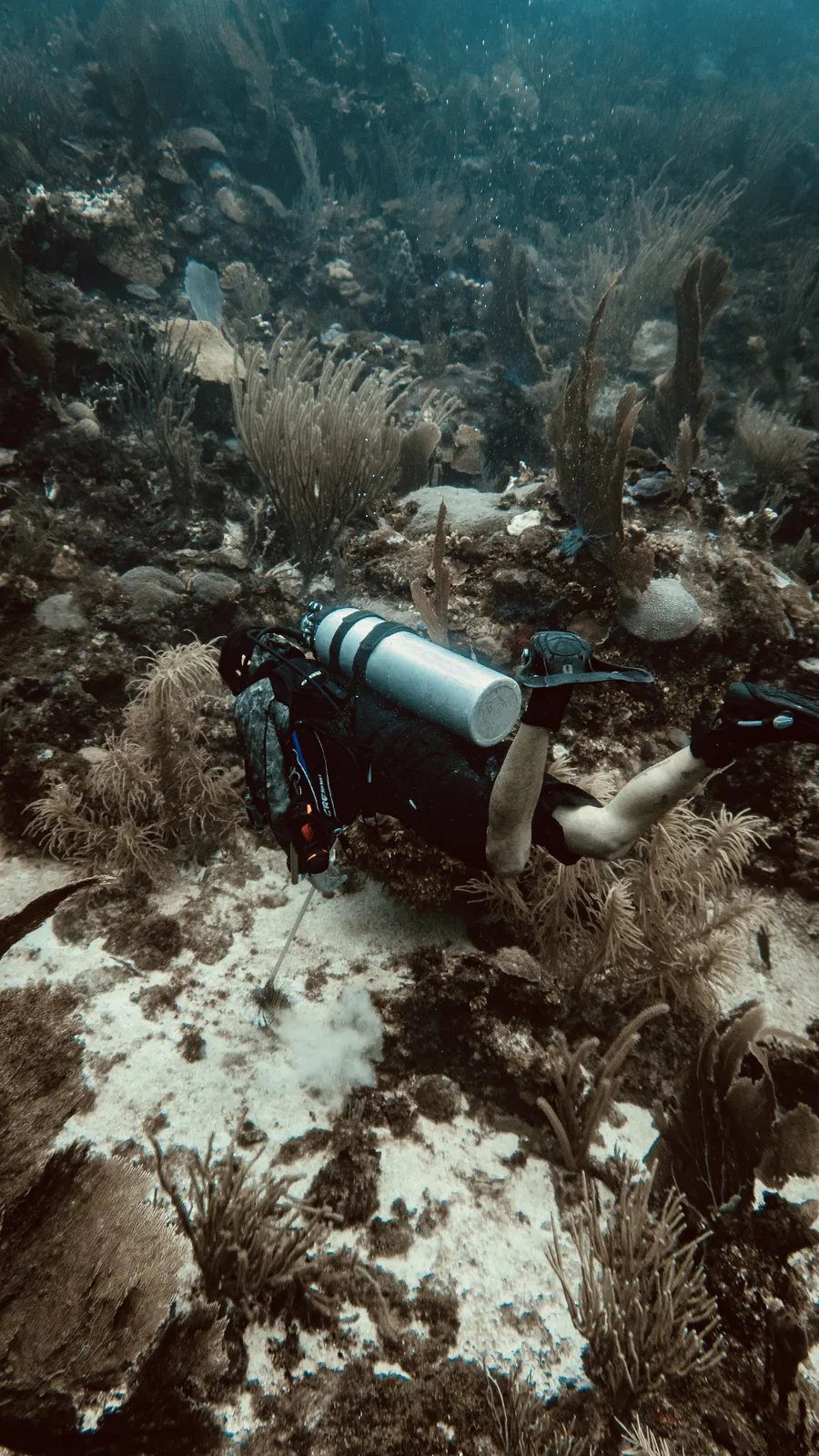
Most recreational wreck diving is a swim-around: you explore the outside of the hull, where the light is good and an exit to the surface is always straight up. The specialty focuses on this safe, rewarding style first.
Limited penetration, entering the wreck with a guideline and proper training, is an advanced skill that requires extra gear and experience, and it is never rushed.
Requirements
You need a PADI Adventure Diver or Advanced Open Water certification, or equivalent, and to be at least 15 years old. Comfortable buoyancy is essential, because a single careless fin kick can stir up silt and reduce visibility for everyone.
The course usually involves four dives, planned around the conditions and the specific wreck you are exploring.
Wrecks as living reefs
Left underwater for years, a wreck becomes an artificial reef teeming with life. Corals and sponges colonize the hull, small fish shelter in the structure, and larger predators arrive to hunt them. A single wreck can hold more marine life than a stretch of open sand many times its size.
This is part of what makes wreck diving so rewarding: you explore both history and a thriving ecosystem at once, which is exactly why conservation-minded divers treat these sites with such care.
History under the Caribbean
The Colombian Caribbean has a long maritime history, and Isla Fuerte itself sits on reefs shaped by tectonic clashes and centuries of human passage. At Nautilus we can build wreck and structure exploration into your dive plan, always with conservation first as a PADI AWARE center.
If wrecks fascinate you, start with solid buoyancy and navigation skills here, in warm, clear water. Browse our courses and dives to plan your training with us.