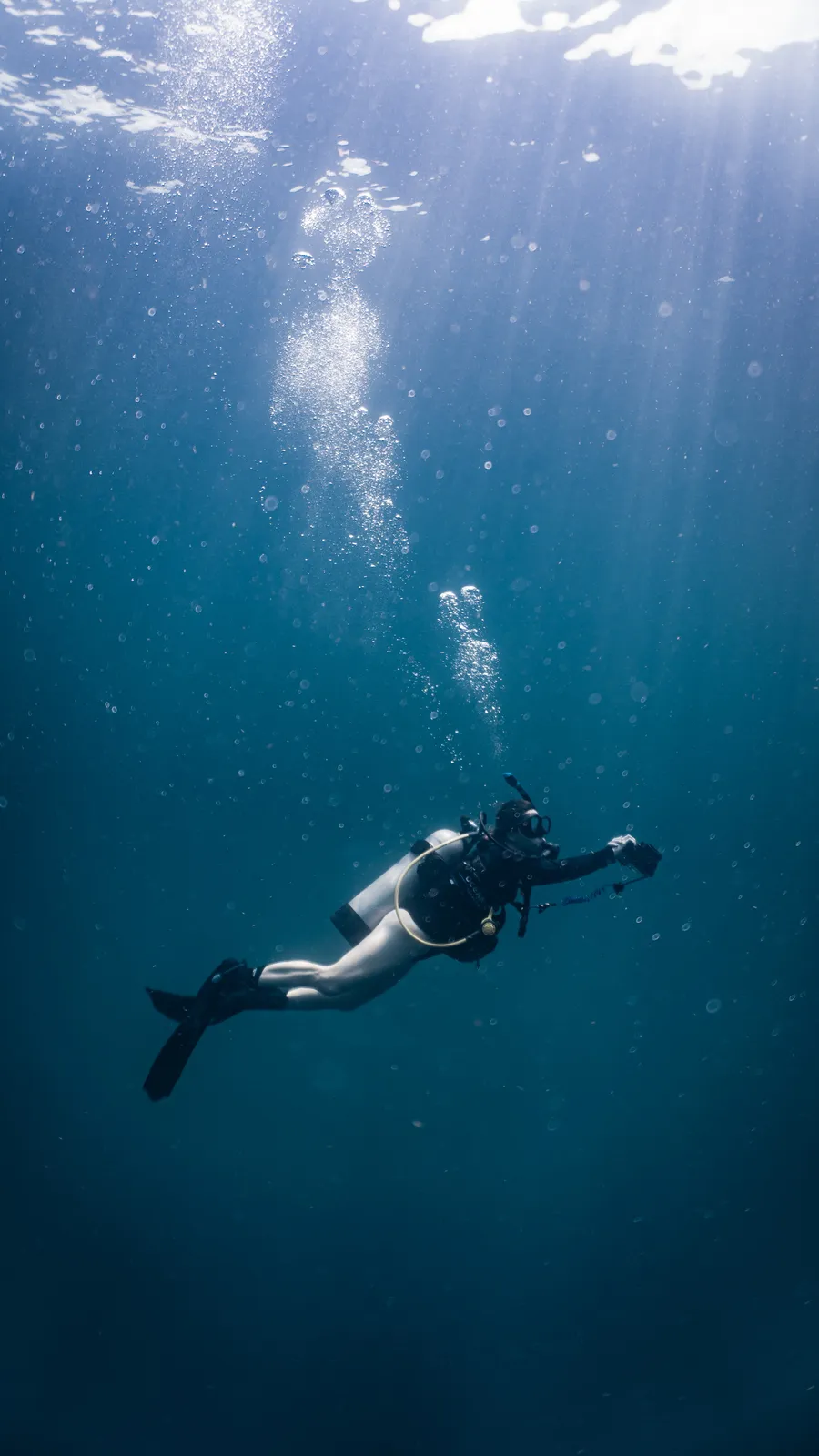
Sharks headline our fears, yet the data tells a calm, reassuring story. Serious shark incidents involving scuba divers are extraordinarily rare, and most encounters are curious, brief and peaceful. Understanding the real statistics replaces movie-fed anxiety with informed respect for these animals.
What the numbers say
Worldwide there are only around 60 to 80 unprovoked shark bites on humans in a typical year, and a mere handful are fatal. The vast majority involve surface activities like surfing and swimming, not scuba diving.
Scuba divers are underrepresented in these figures. Being underwater, moving calmly and exhaling bubbles makes you an unfamiliar and uninteresting shape to a shark, not the splashing silhouette that occasionally draws a curious bite at the surface.
Why divers rarely have problems
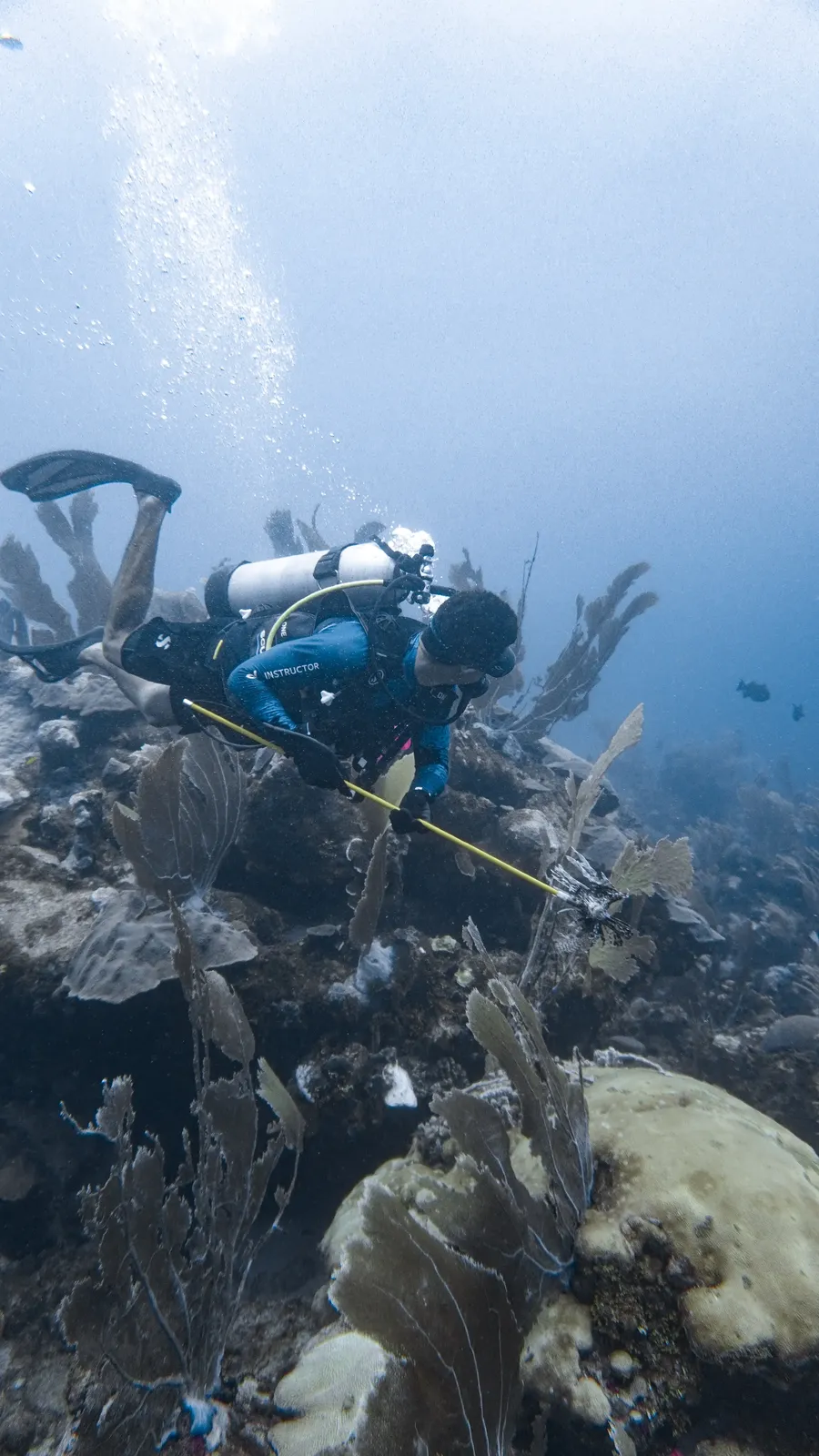
Sharks are cautious predators that rely on ambush and rarely mistake a slow, bubble-blowing diver for prey. Most divers who see a shark describe it gliding past, indifferent or shy, and then disappearing.
The species you are most likely to meet on a reef, such as nurse sharks or reef sharks, are not aggressive toward humans. They are far more wary of you than you are of them.
Simple respectful behavior
Good habits keep encounters positive for you and the animal:
- Stay calm and keep breathing steadily; do not thrash
- Never chase, corner, touch or feed a shark
- Maintain eye contact and give it space to pass
- Avoid diving in low visibility near fishing activity or bait
Treat a shark as a wild animal to admire from a respectful distance and it will almost always return the courtesy.
Putting the risk in perspective
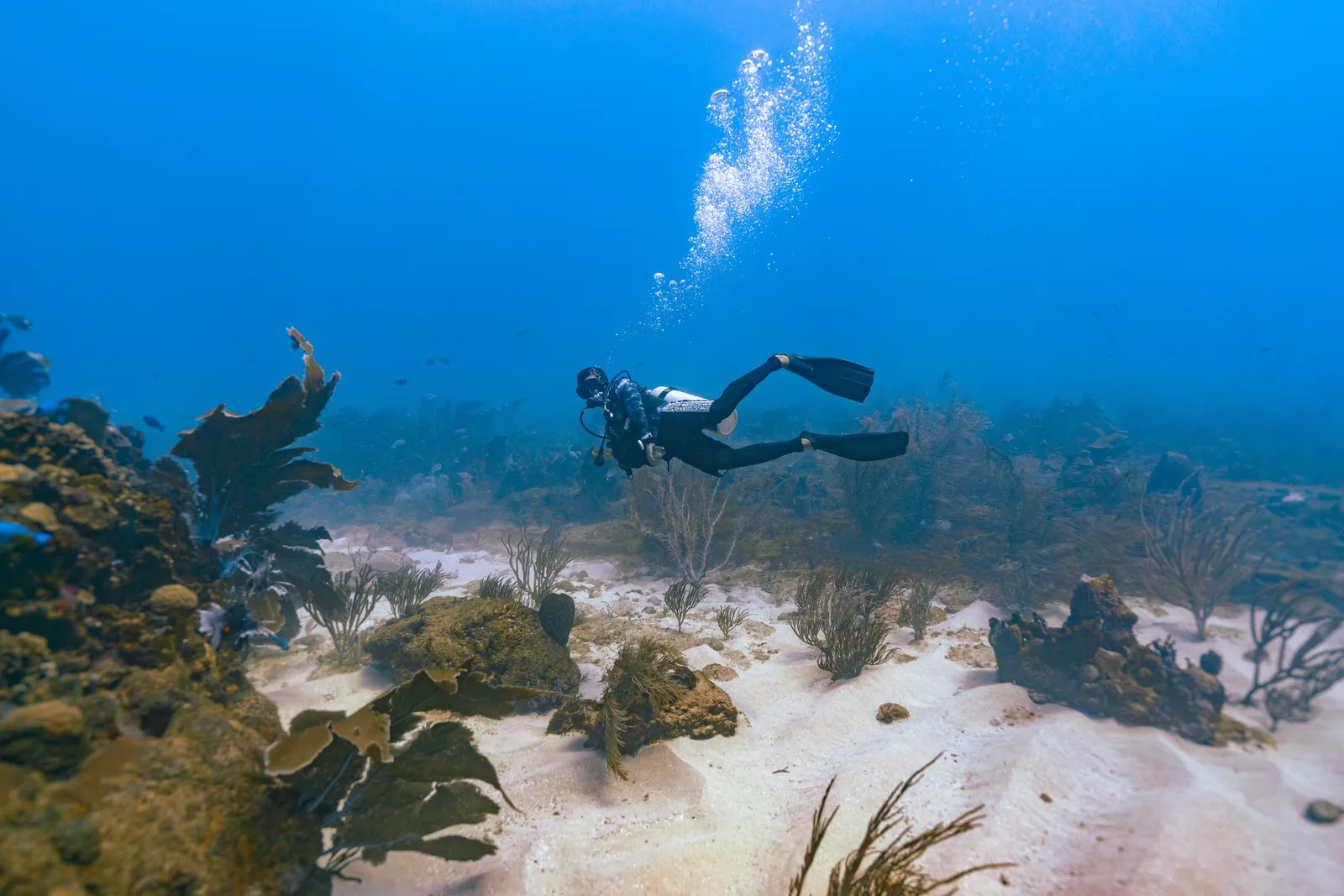
To see how small the danger really is, compare it to everyday life. You are far more likely to be hurt driving to the dive site, or even by a falling coconut, than by a shark on a reef.
Sharks also matter enormously to healthy oceans as top predators, and their populations are in steep decline from fishing. The reality is that they need protection from us far more than we need protection from them.
See them for yourself off Isla Fuerte
At our deeper site Bushnell, an advanced open-water wall, divers occasionally glimpse whitetips or even hammerheads passing in the blue, a thrilling and safe encounter. Isla Fuerte sits among the best preserved reefs of the continental Colombian Caribbean, where a healthy ecosystem still supports these top predators.
Curious to meet a shark on its terms? Plan an advanced dive with us through our courses and dives and explore the sites on our interactive dive map.
Important
This is general educational information, not medical advice. Always complete the medical questionnaire honestly, dive within your training and, if in doubt, consult a diving physician or contact DAN (Divers Alert Network). In an emergency in Colombia, the nearest hyperbaric chamber is in Coveñas.


