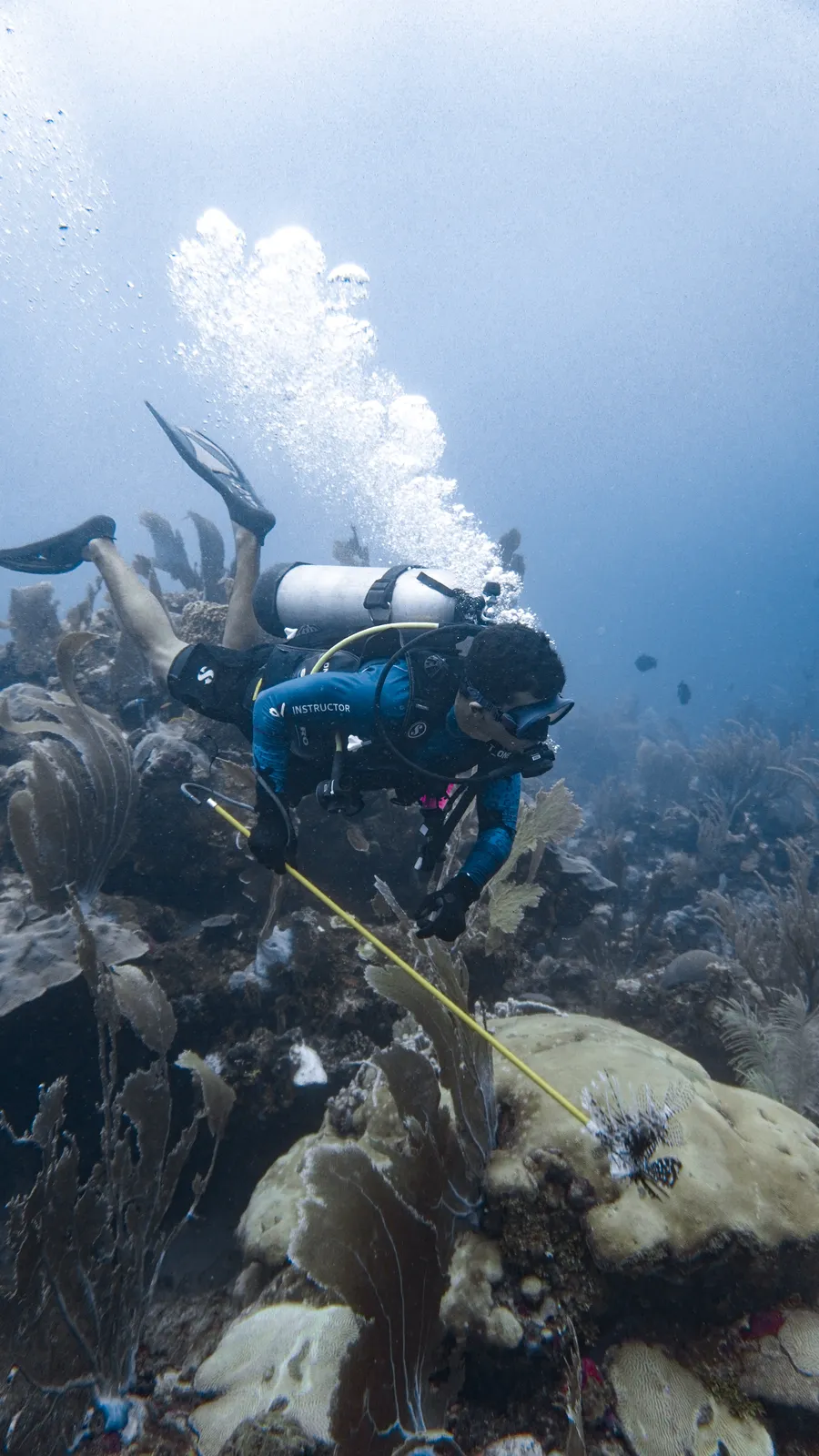
Jellyfish stings are uncommon in the waters around Isla Fuerte, but drifting tentacles can occasionally brush exposed skin and leave a stinging red line or welt. Most stings you might encounter here are mild, causing a burning irritation rather than any serious harm. Knowing how to respond, and how a simple exposure suit prevents almost all of them, means you can dive relaxed rather than worried about the water column around you.
How stings happen
Jellyfish do not chase divers. Stings happen by accident when a tentacle, sometimes nearly invisible, drifts into you on the current. Each tentacle carries thousands of microscopic stinging cells that fire on contact, injecting a small dose of venom into the skin.
The result is usually a red, painful line or patch that stings or itches. In our warm, clear Caribbean water these encounters are rare, but they are worth recognizing.
First aid
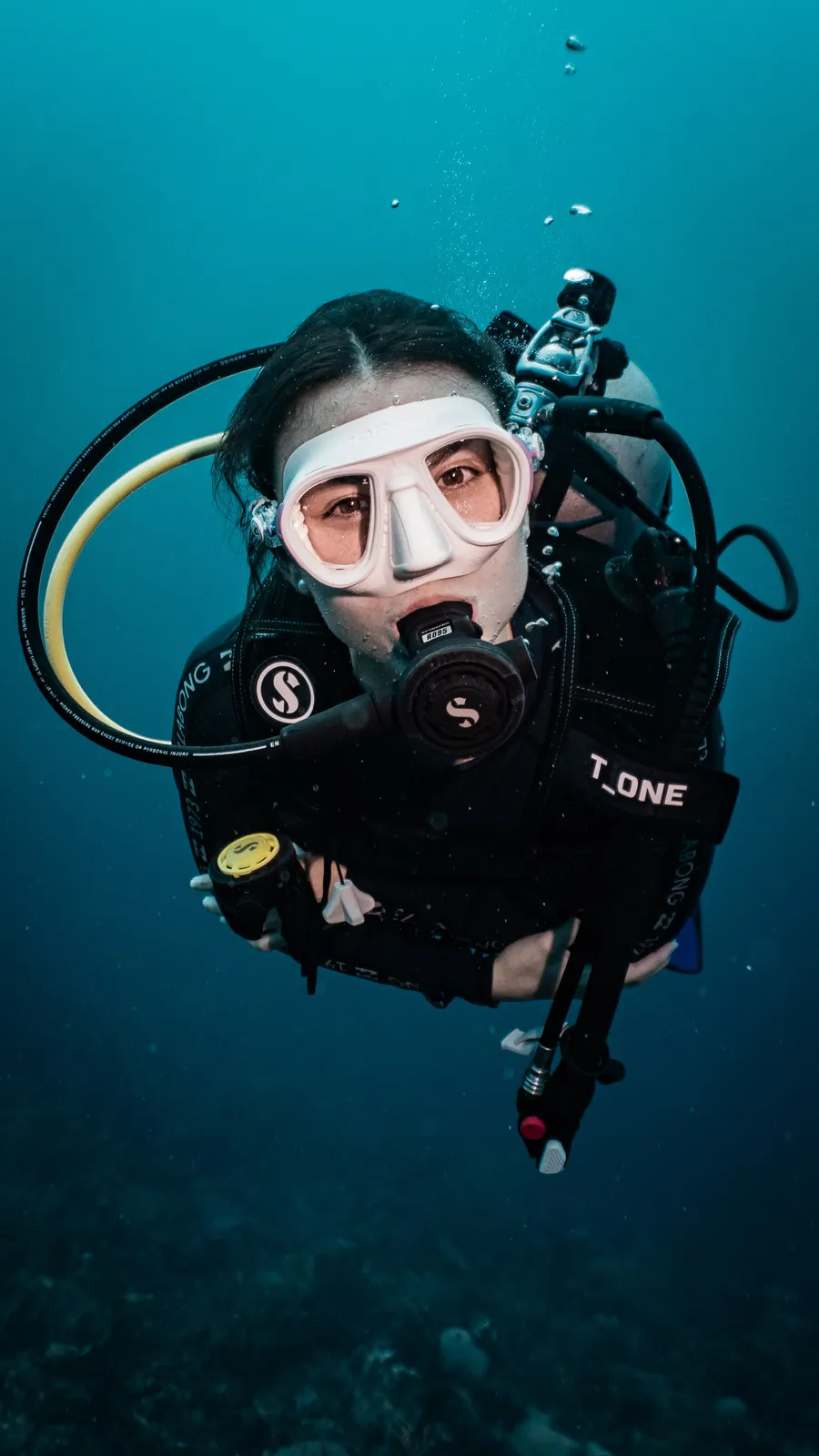
For a typical Caribbean sting, follow these steps:
- Rinse the area generously with seawater, not fresh water
- Remove any clinging tentacles with tweezers or the edge of a card, not bare fingers
- Apply vinegar if it is available to stop unfired cells from releasing more venom
- Do not rub the skin or scrape hard, which can worsen the sting
The discomfort usually fades within an hour or two, and a cold pack or antihistamine can help.
When to be more careful
Seek medical help if a sting covers a large area, if pain is severe, or if the person shows any sign of a wider reaction such as nausea, cramps or difficulty breathing. These reactions are uncommon with the species found here, but they are treated as emergencies.
Rinsing your gear and skin with fresh water after the dive, once any sting has been treated with seawater and vinegar, helps wash off any lingering fragments.
The best protection is coverage
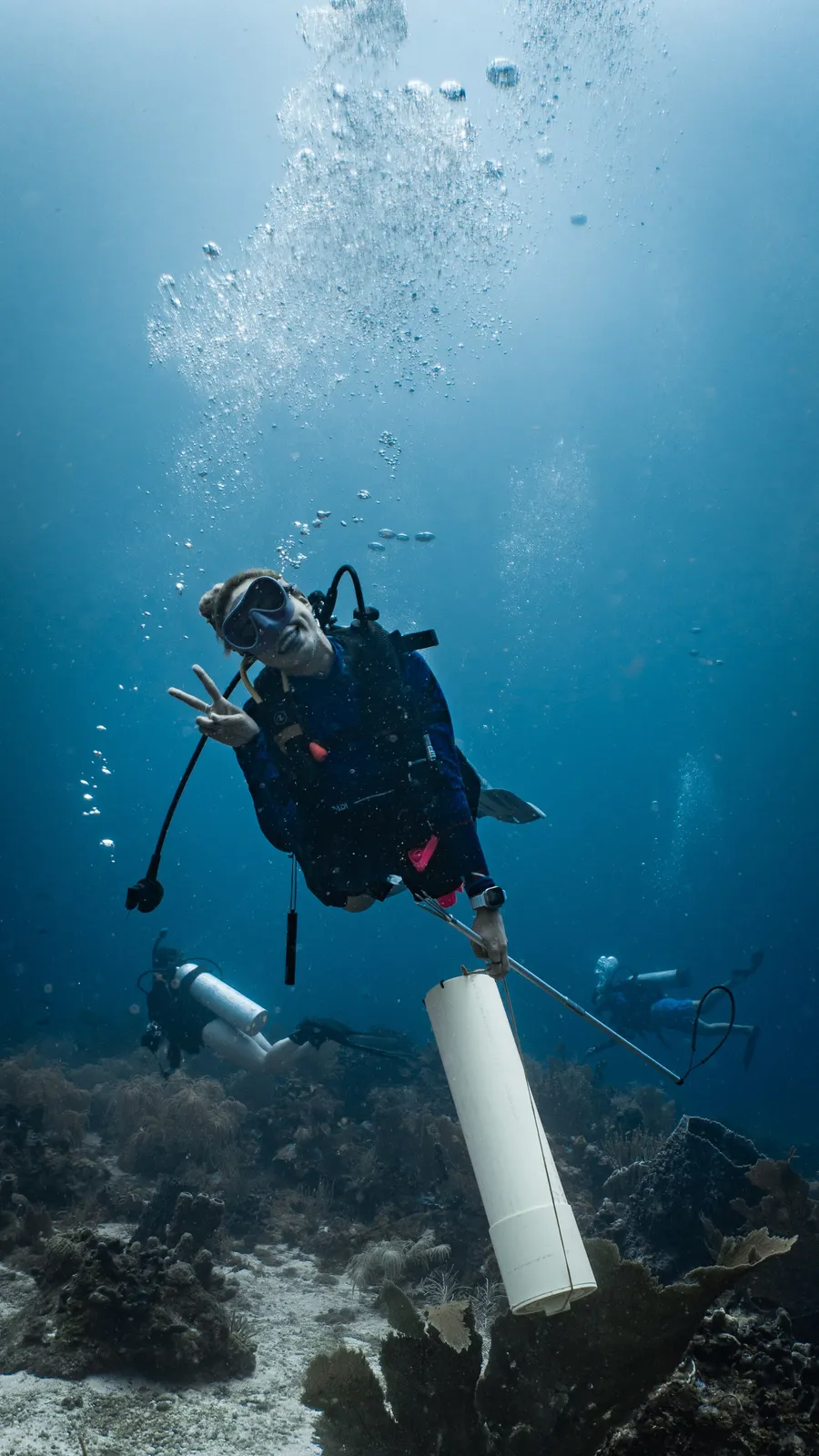
The simplest defense against jellyfish is to leave less skin exposed. A rash guard or a light wetsuit blocks almost all stings, and in our steady 27 to 29°C water a thin suit is plenty comfortable all year.
Diving with a group and a watchful guide adds another layer of care, since your guide spots hazards early. Explore our courses and dives and read more guides to get the most out of every dive.
Important
This is general educational information, not medical advice. Always complete the medical questionnaire honestly, dive within your training and, if in doubt, consult a diving physician or contact DAN (Divers Alert Network). In an emergency in Colombia, the nearest hyperbaric chamber is in Coveñas.


