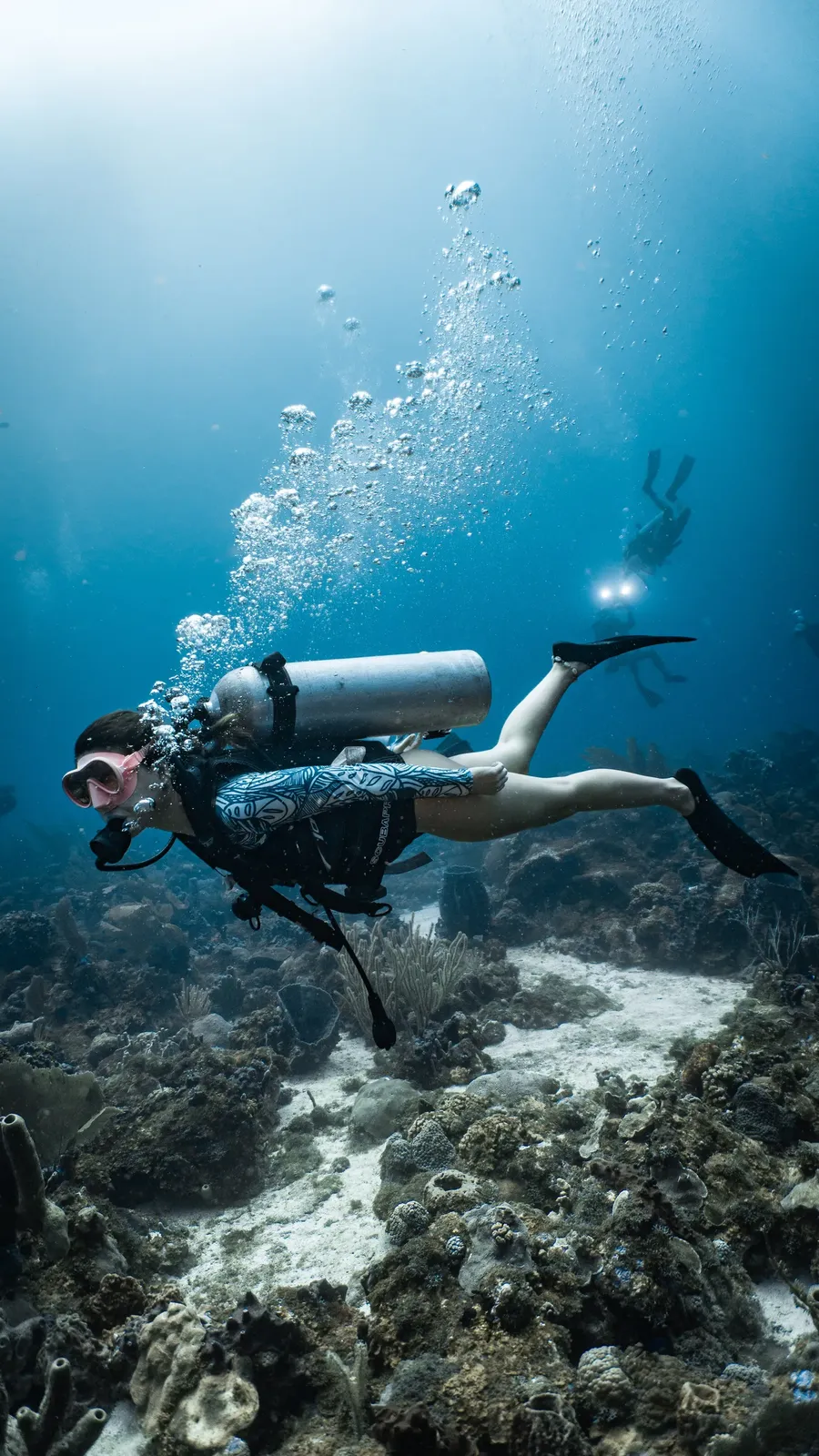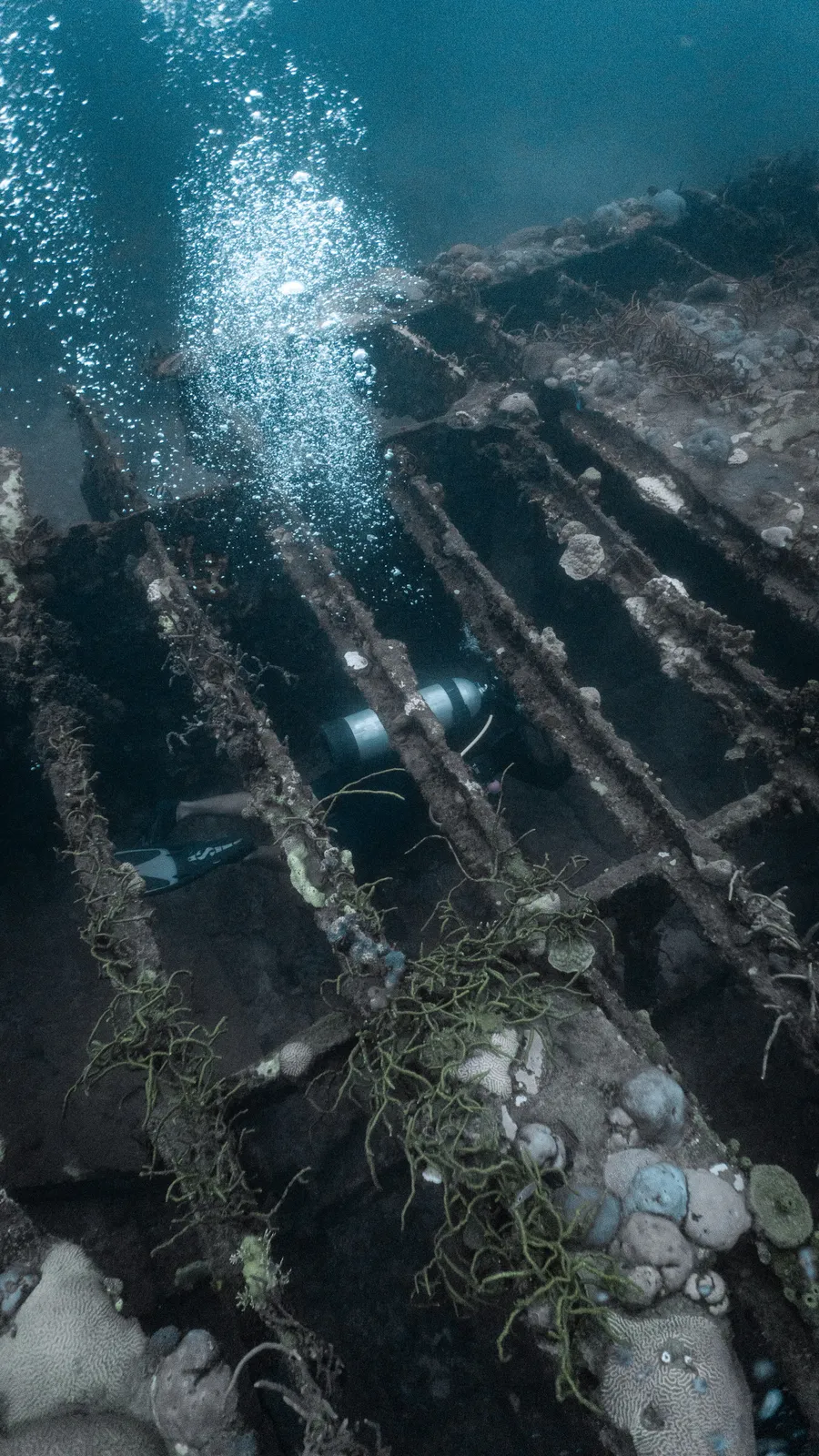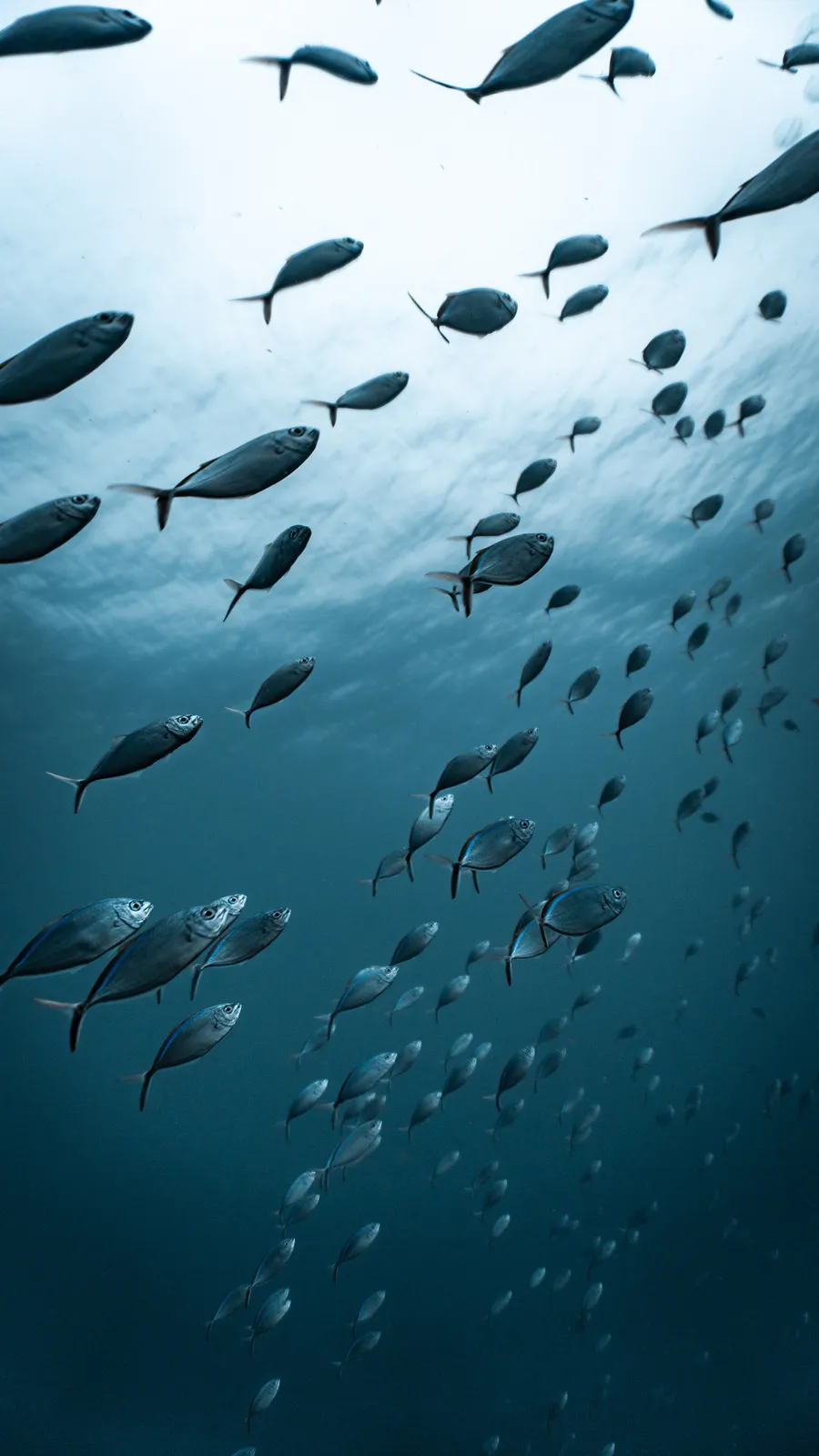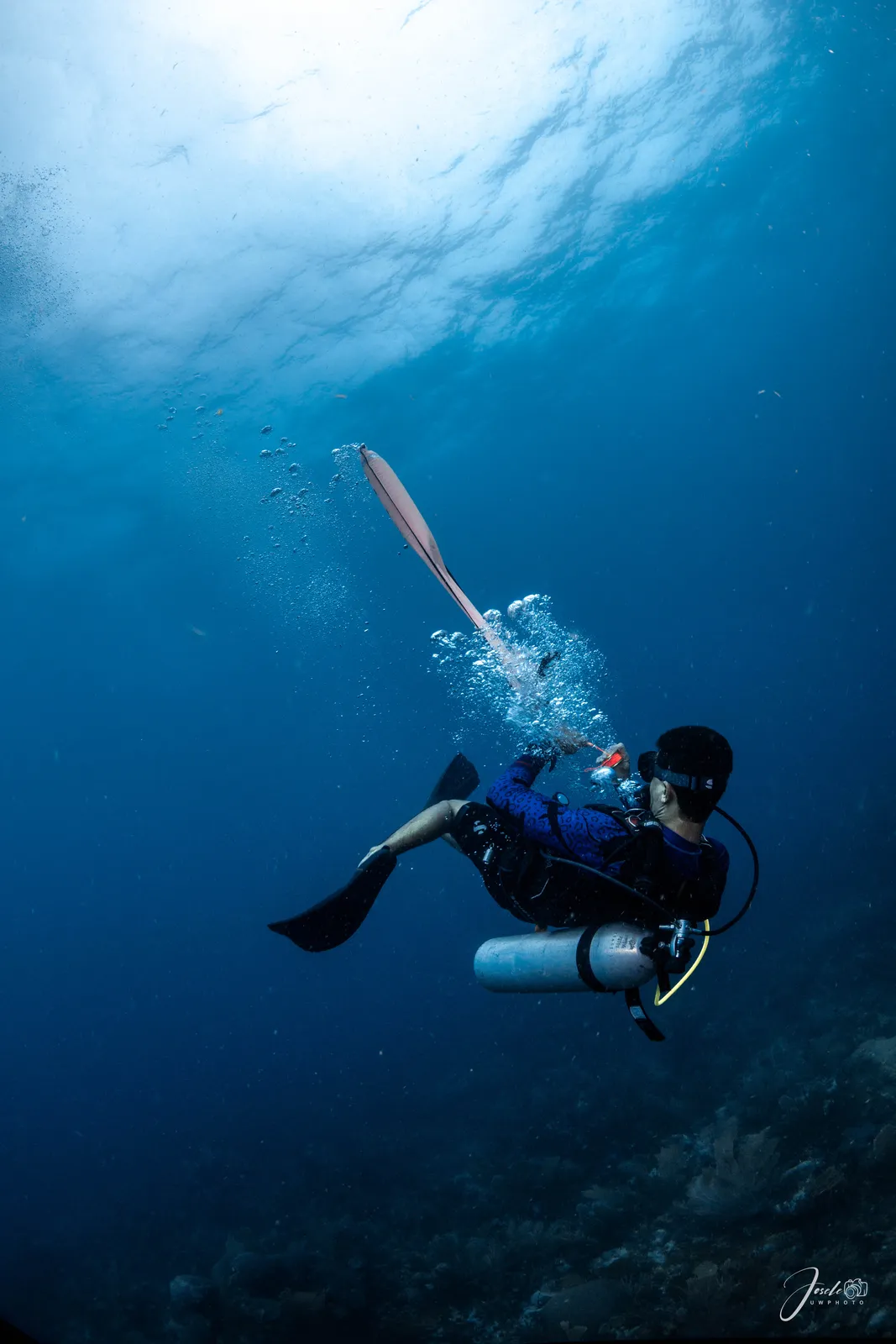
The Socorro Islands, also called the Revillagigedo archipelago, lie about 400 kilometers off Mexico's Pacific coast and are often called the Mexican Galápagos. This remote, volcanic UNESCO World Heritage Site is legendary for close encounters with giant oceanic manta rays that seem genuinely curious about divers, sometimes hovering overhead for entire dives. Add multiple shark species, dolphins and seasonal humpback whales, and you have one of the world's premier big-animal destinations. Diving Socorro is about intimate, awe-inspiring meetings with some of the ocean's largest and most charismatic creatures.
What makes it special
Socorro is best known for its giant oceanic mantas, which can span seven meters and famously interact with divers, drawn to the bubbles rising from regulators. These encounters feel remarkably personal.
The islands sit at a crossroads of ocean currents, concentrating pelagic life around their pinnacles and walls in a way few places can rival. Because the archipelago is uninhabited and strictly protected, the animals here are unusually bold and abundant.
Marine life you may see
Besides the mantas, Socorro offers silvertip, Galápagos and whitetip sharks, plus hammerhead schools at certain sites. Bottlenose dolphins often approach divers, and whale sharks appear in season.
From November to April, humpback whales migrate through, and their songs are frequently heard underwater. It is a destination that overwhelms the senses, where a single dive can bring mantas, sharks and dolphins all at once.
Level and conditions
Socorro is an advanced destination with strong currents, open-water pinnacles and sometimes challenging surface conditions. Operators generally require advanced certification and solid experience.
Water is warm but cooler than the Caribbean, so a proper wetsuit is important. Good buoyancy and comfort in blue water without a reference are key to enjoying the manta encounters calmly.
Best time and how to reach it
Socorro is reachable only by liveaboard, on a crossing of around 24 to 30 hours from Cabo San Lucas at the tip of Baja California. The dive season runs from November to May, with peak manta and shark action mid-season and whales toward the earlier months.
You fly into Cabo, then join a multi-day liveaboard that circuits the archipelago's main islands.
Rays and open water near home
Curious mantas and open-water pinnacles are the stuff of dive dreams, and every world traveler starts somewhere. Isla Fuerte, in the warm continental Caribbean of Colombia, is a welcoming place to become the confident diver these trips require.
With 29 dive sites, small groups and certified instructors, Nautilus helps you grow from first breath to advanced open water. Explore our experiences.