Shallow water blackout is a danger of breath-hold diving, not scuba, but it is important enough that every ocean lover should understand it. It is a sudden loss of consciousness from low oxygen, often striking near the surface at the end of a breath-hold dive, and it usually comes with no warning. The reason it is so dangerous is that the victim simply goes limp and quiet. Knowing how it happens is the best way to prevent it, both for yourself and for the people you swim with.
How it happens
When you hold your breath and dive down, the surrounding pressure keeps the oxygen in your lungs usable for a while. Your urge to breathe is driven mostly by rising carbon dioxide, not by falling oxygen.
As you ascend, the pressure drops and the remaining oxygen becomes too little to keep your brain conscious. Because your body is watching carbon dioxide rather than oxygen, you can black out before you ever feel a strong need to breathe.
Why hyperventilating is so risky
Some breath-hold divers take many fast, deep breaths before going under, believing it helps them stay longer. In reality it mainly lowers their carbon dioxide, which delays the urge to breathe without adding meaningful oxygen.
The result is a longer dive with a much smaller safety margin. The diver feels fine, pushes past the point where they should have surfaced, and can lose consciousness suddenly. Never hyperventilate before a breath-hold dive.
The rules that keep you safe
Freediving and even casual breath-hold swimming become far safer with a few firm habits:
- Never breath-hold dive alone, always have a dedicated buddy watching
- One person up, one person down, never both under at once
- Do not hyperventilate before going down
- Come up well before you feel desperate for air
- Watch your buddy closely for the first 30 seconds after they surface
Most tragedies happen when someone is swimming alone or when a buddy looks away too soon.
Scuba sidesteps the problem
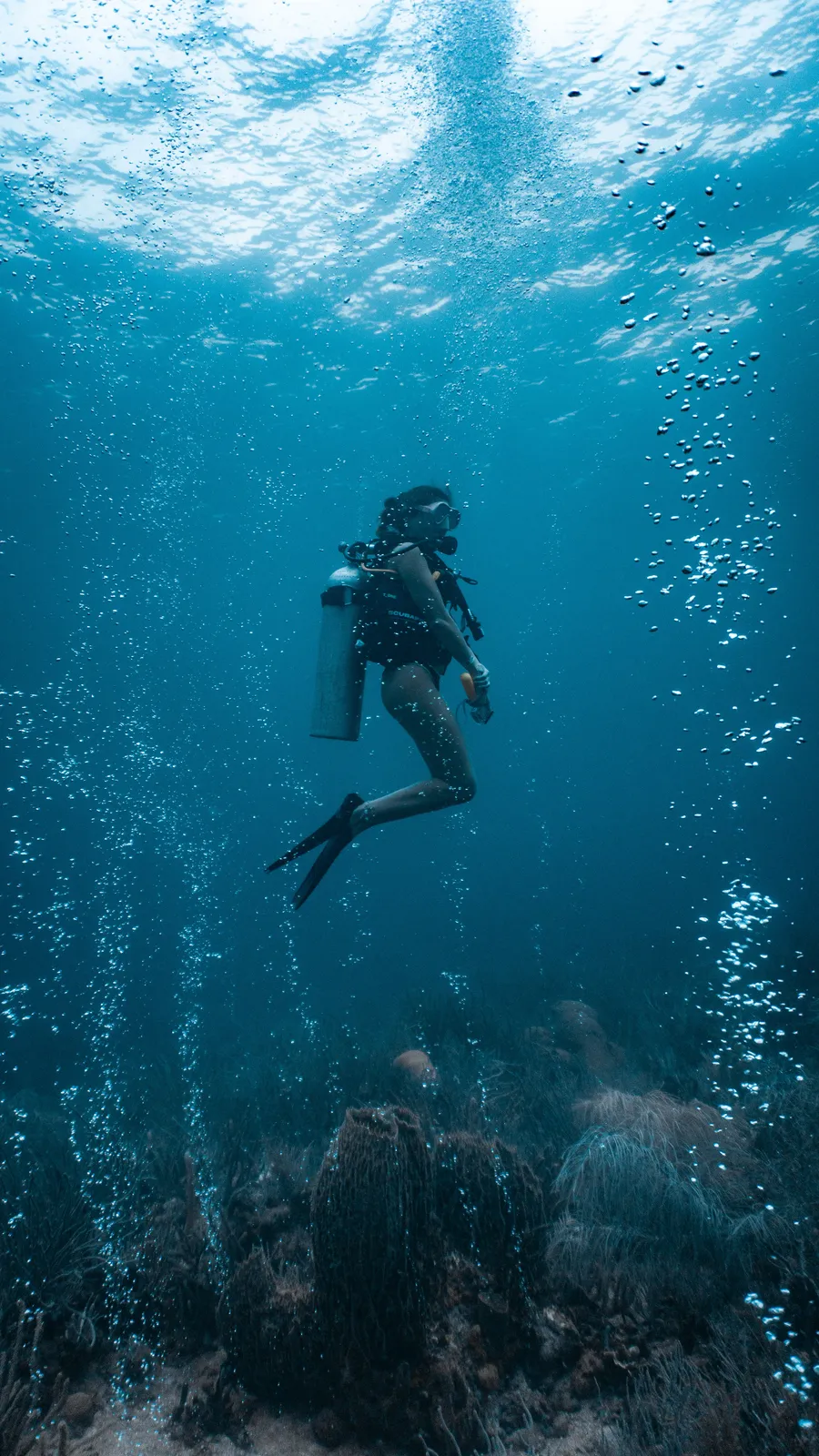
With scuba you breathe continuously from your tank, so your oxygen and carbon dioxide stay balanced and shallow water blackout is not a scuba risk. This is one quiet advantage of learning to dive with equipment and a buddy.
If you love holding your breath to explore, treat freediving as its own skill with its own training, rather than something to improvise.
Explore safely around Isla Fuerte
The clear, warm reefs around Isla Fuerte are perfect for snorkeling and supervised diving, where a guide keeps eyes on the group at all times. Whether you want to try scuba or simply float above the coral, we build the day around watchfulness and calm.
Ask about our guided experiences and beginner-friendly courses and dives, and let our team show you the reef in the safest possible way.
Important
This is general educational information, not medical advice. Always complete the medical questionnaire honestly, dive within your training and, if in doubt, consult a diving physician or contact DAN (Divers Alert Network). In an emergency in Colombia, the nearest hyperbaric chamber is in Coveñas.


