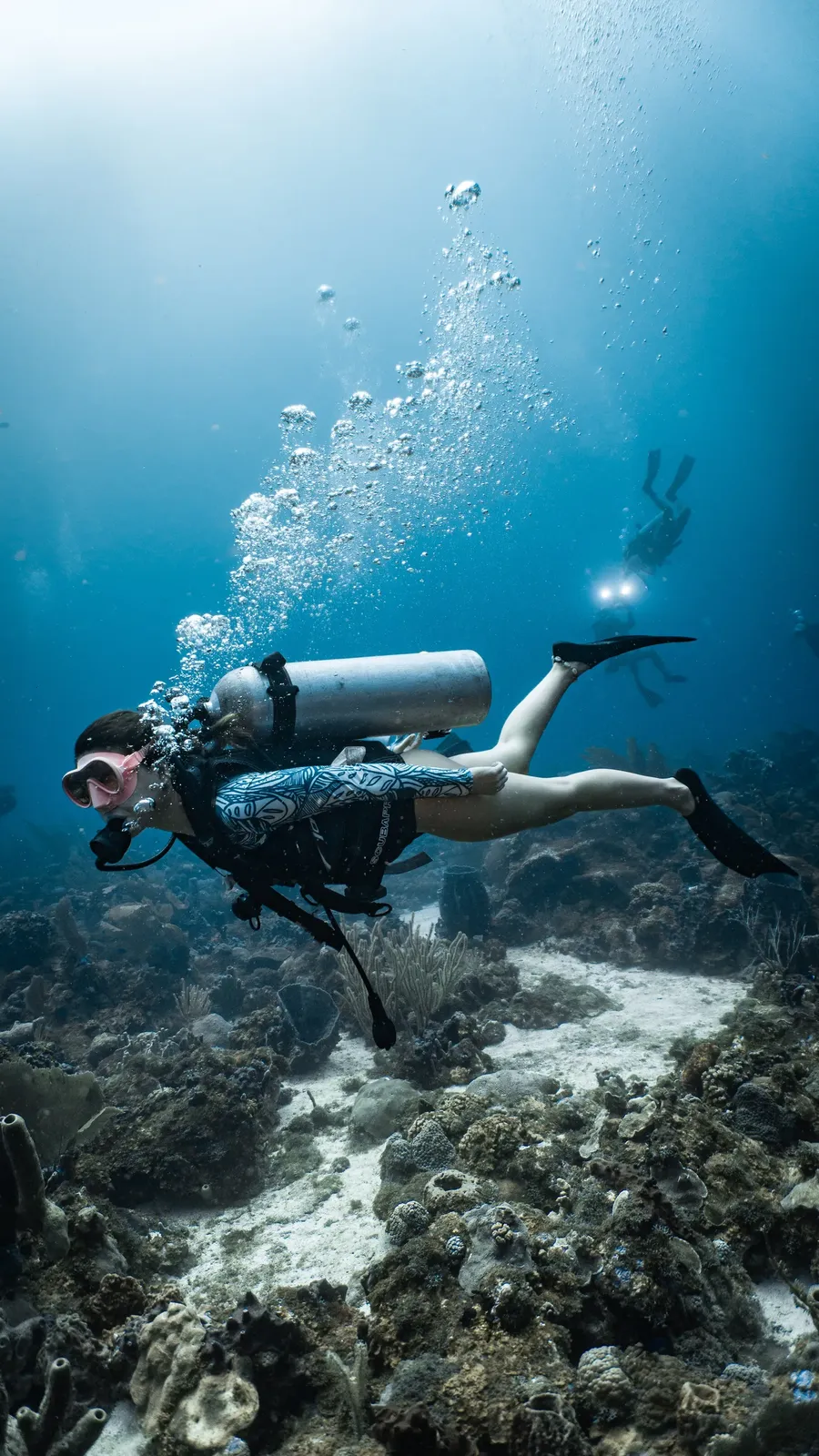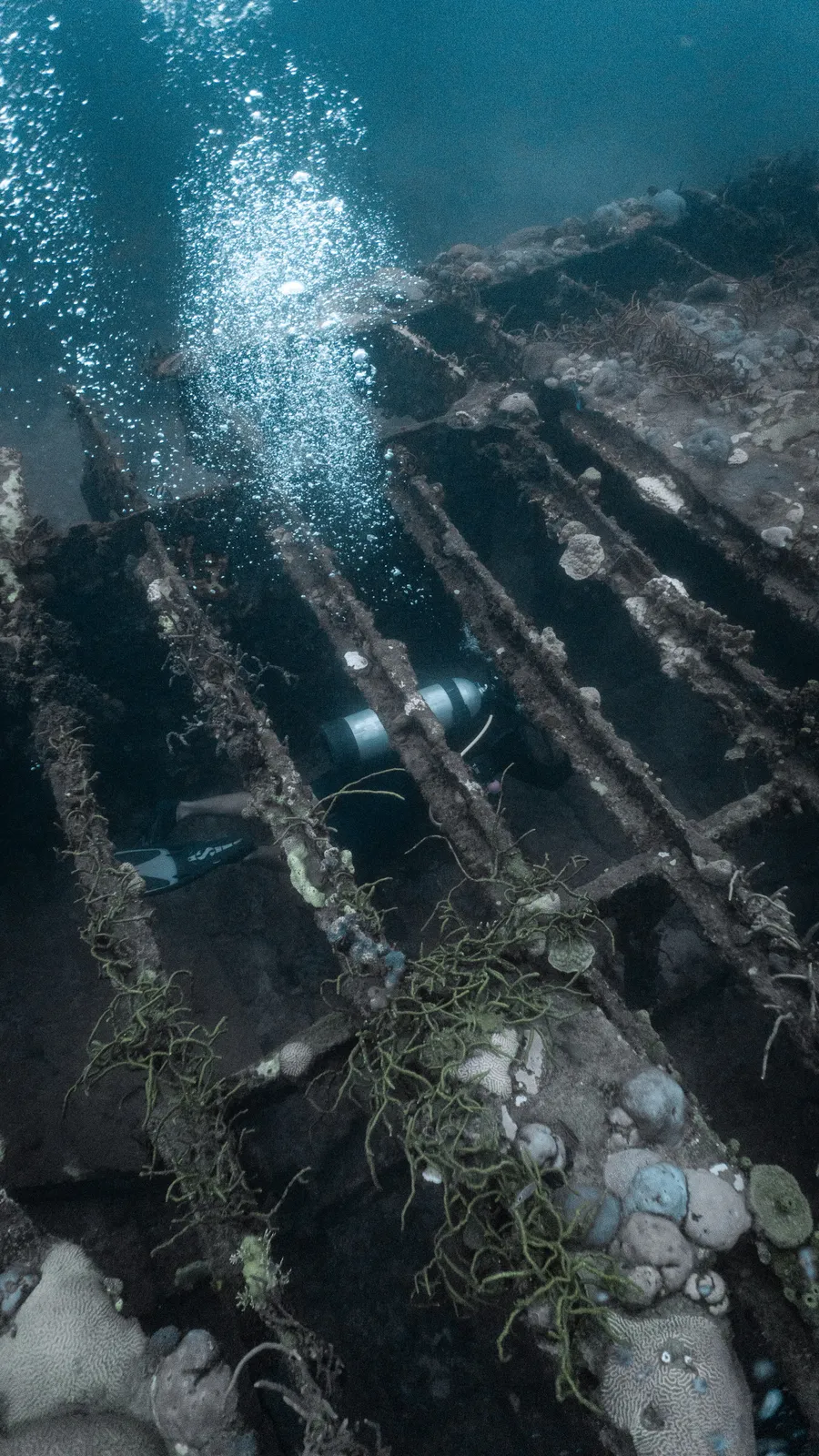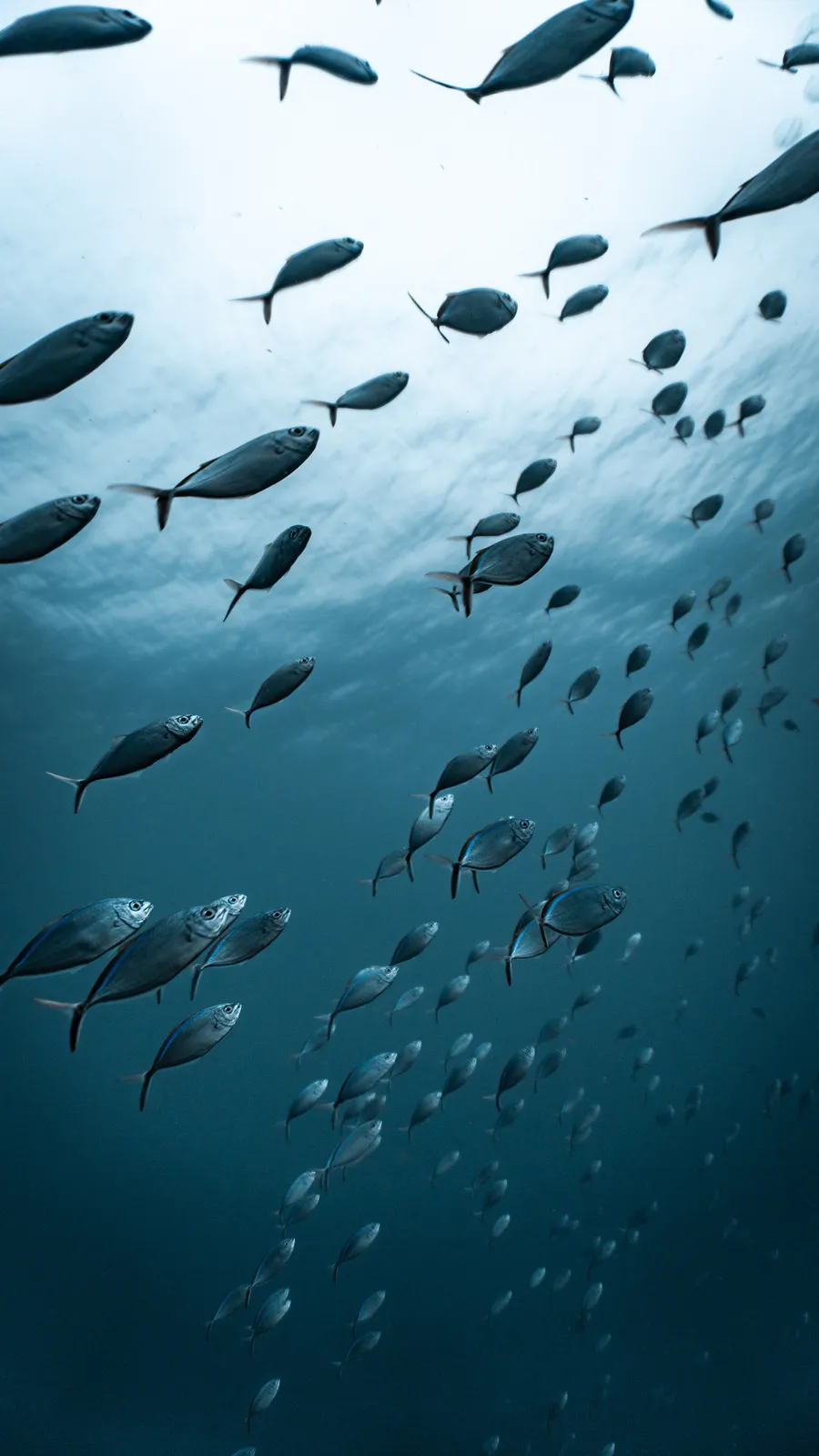
Not all great diving is warm and tropical. Some of the most extraordinary underwater experiences on earth happen in cold, green and even freezing water, from kelp cathedrals to the crack between two continents. Cold-water diving demands more gear and more skill, but it rewards you with landscapes no reef can match. This is our ranking of the best cold-water dives in the world, and a note on where to master your fundamentals first.
The best cold-water dives
These sites prove that cold water can be spectacular. Expect kelp, wrecks, marine mammals and scenery found nowhere warm.
- 1. Silfra Fissure (Iceland): dive between tectonic plates in glacial clarity.
- 2. Kelp forests of Monterey (California): golden underwater woodland.
- 3. British Columbia (Canada): giant octopus and wolf eels.
- 4. Lofoten and the Arctic (Norway): orcas and dramatic walls.
- 5. The Farne Islands (UK): playful grey seals.
- 6. Scapa Flow (Scotland): a famous WWI wreck fleet.
- 7. Lake Baikal (Russia): the world's deepest, clearest lake.
- 8. Tasmania (Australia): kelp and colorful cold reef.
- 9. Cape Town (South Africa): kelp forests and cow sharks.
- 10. Patagonia (Chile and Argentina): wild, remote cold-water reefs.
What makes cold water different
Cold-water diving changes your gear and your body's response to the water. Preparation is everything, and comfort makes or breaks the dive.
- A drysuit or thick wetsuit, hood, gloves and boots to stay warm.
- Extra weight and buoyancy adjustment for the added exposure gear.
- Regulators rated for cold to avoid free-flows.
- Shorter dive times, since cold drains energy and warmth fast.
Skills cold water demands
Thick gloves, bulky suits and reduced dexterity make every task harder in the cold. That is why cold-water divers need excellent fundamentals before adding the exposure equipment.
Solid buoyancy, calm problem-solving and smooth gear handling should all be automatic. When your hands are cold and clumsy, you do not want to be learning the basics; you want them already burned into muscle memory.
Warm water builds cold-water divers
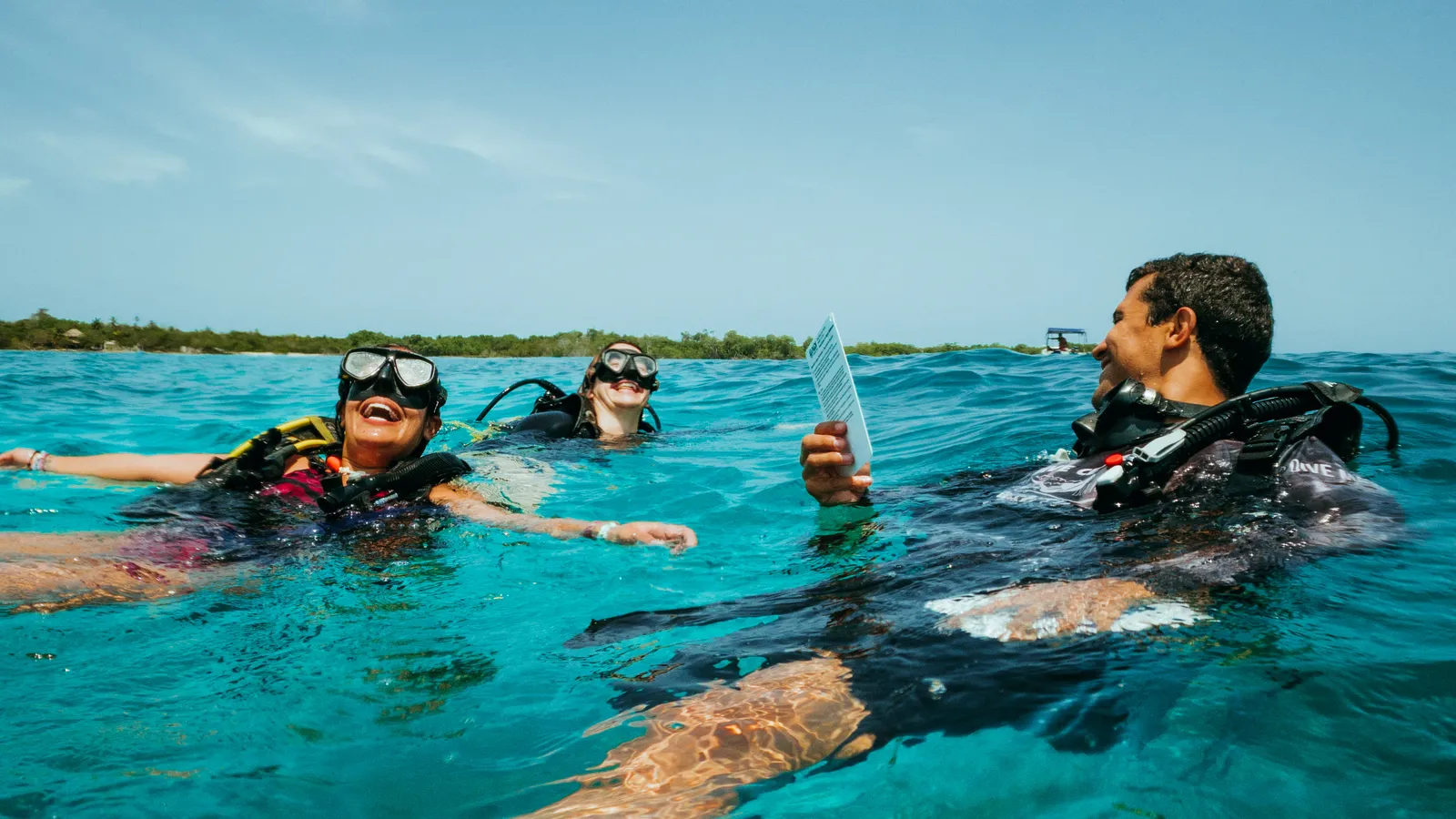
It sounds backwards, but the best place to prepare for cold water is warm water. In comfortable conditions you can focus purely on technique, without the distraction of being cold, without bulky gloves fumbling every buckle.
Master buoyancy, trim and calm air management where the water is friendly, and adding a drysuit later becomes one new variable instead of ten. Warm reefs build the confident, precise diver that cold water demands.
Train warm in Isla Fuerte
Isla Fuerte offers the ideal warm-water classroom before any cold adventure. Its water holds a steady 27 to 29 degrees, and its 29 dive sites let you refine every fundamental in comfort across gentle reefs and deeper walls alike.
Nautilus is the island's PADI center, with small groups, included gear and instructors who focus on precision. See our courses and dives or read more guides, and build the rock-solid skills that will carry you from a warm Colombian reef to the world's coldest, wildest water.