Going down is easy. Coming back up correctly is the skill that keeps divers safe. Descending and ascending are the two moments of every dive where the surrounding pressure changes fastest, so they are also where your body most needs a calm, controlled pace. Doing them well is not complicated, but it is deliberate, and it is one of the first things a good course teaches. Master the rhythm and the whole dive feels smooth from the first meter to the last. At Nautilus, every descent and ascent happens under the eye of a certified instructor.
Descending: slow and equalized
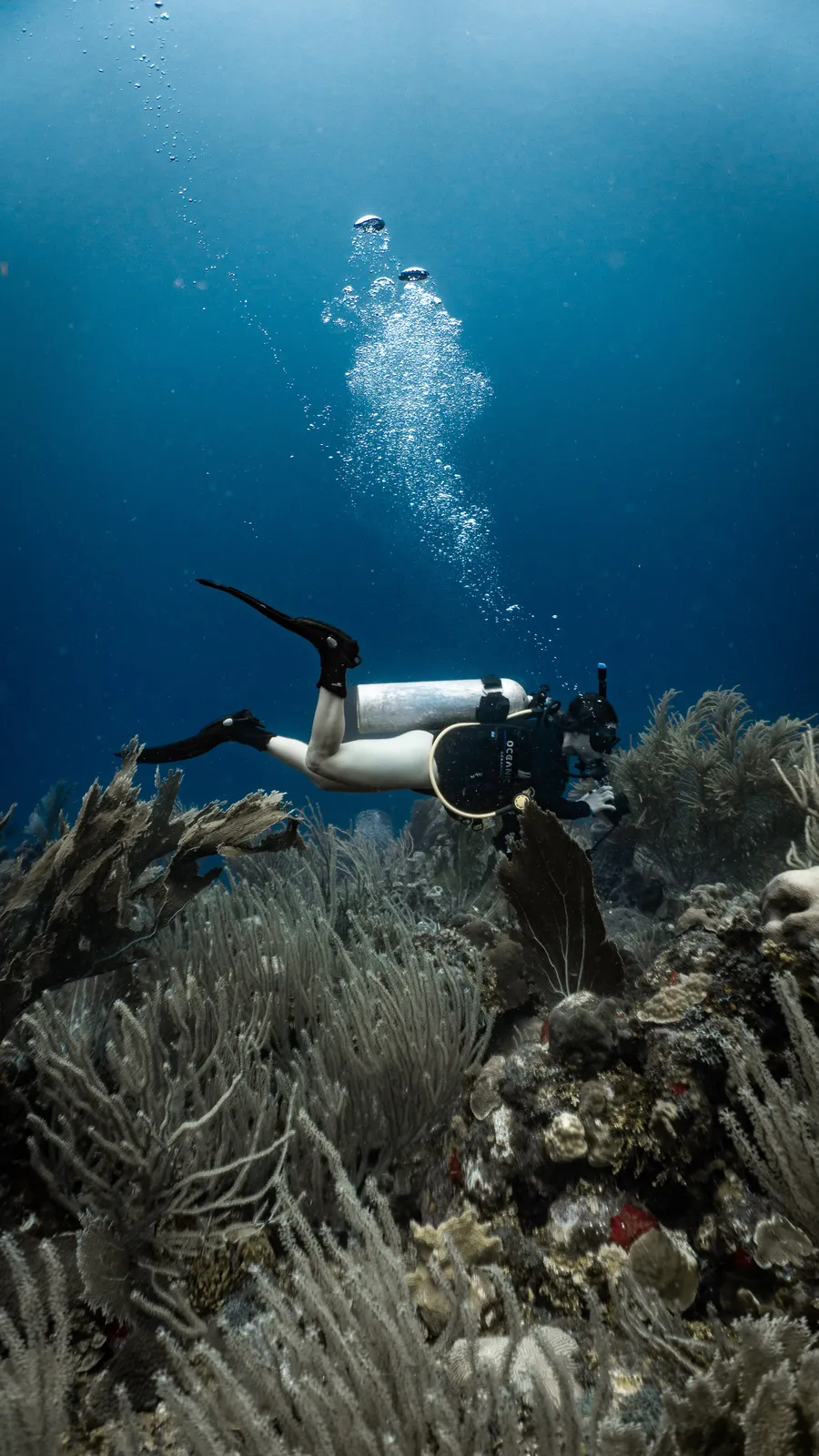
A good descent is unhurried. You release the air from your buoyancy jacket and sink gently, feet or head first depending on the reference, always staying in control rather than dropping like a stone.
The one thing you must do on the way down is equalize your ears. As pressure builds, you gently pinch your nose and blow, or swallow, every meter or so to keep the air spaces balanced. The golden rule is to equalize early and often, before you feel any discomfort. If your ears will not clear, you stop, rise slightly, and try again.
Neutral at the bottom
Once you reach your planned depth, the goal shifts from descending to hovering. You add a small puff of air to your buoyancy jacket to become neutrally buoyant, neither sinking nor floating, so you glide over the reef without touching it.
Getting neutral quickly is what separates a relaxed dive from a stressful one. It protects the coral, saves your air and lets you focus on the marine life. Small, patient adjustments are the secret, and it becomes second nature within a few dives.
Ascending: the slowest part
The ascent is where patience matters most, because the nitrogen your body absorbed needs time to leave gently. Rushing up is the classic mistake, so divers follow a simple, safe routine:
- Rise no faster than about 9 to 18 meters per minute, slower than your own smallest bubbles.
- Keep breathing continuously and never hold your breath.
- Watch your computer and your buddy the whole way.
- Pause for a 3-minute safety stop at around 5 meters before surfacing.
That safety stop gives dissolved nitrogen a final chance to release quietly before you break the surface.
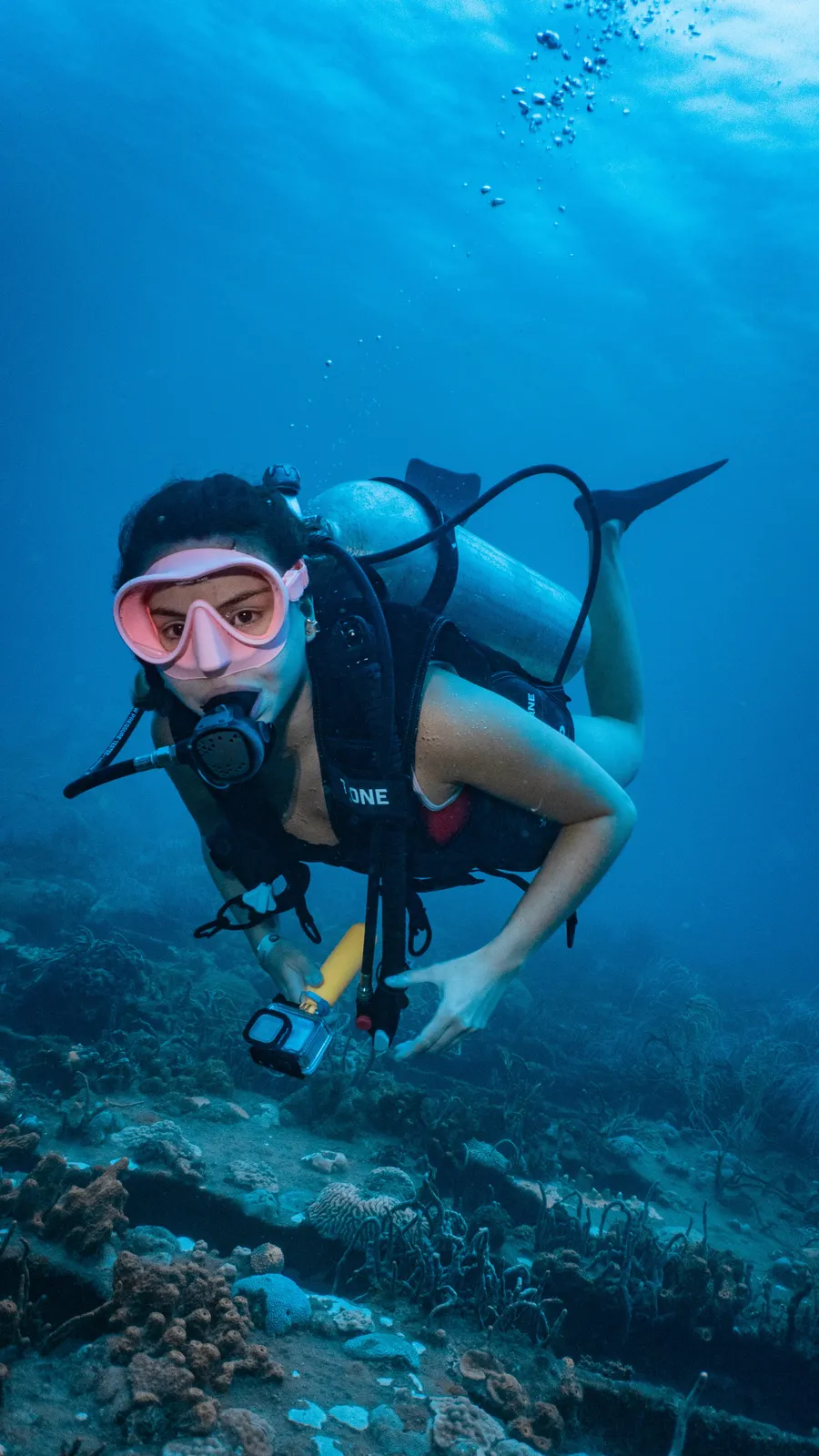
Guided descents on Isla Fuerte
The calm, clear conditions around Isla Fuerte are ideal for learning these rhythms, because good visibility and warm water make it easy to stay oriented and unhurried. Many of our 29 sites have gentle profiles perfect for practicing controlled descents and ascents.
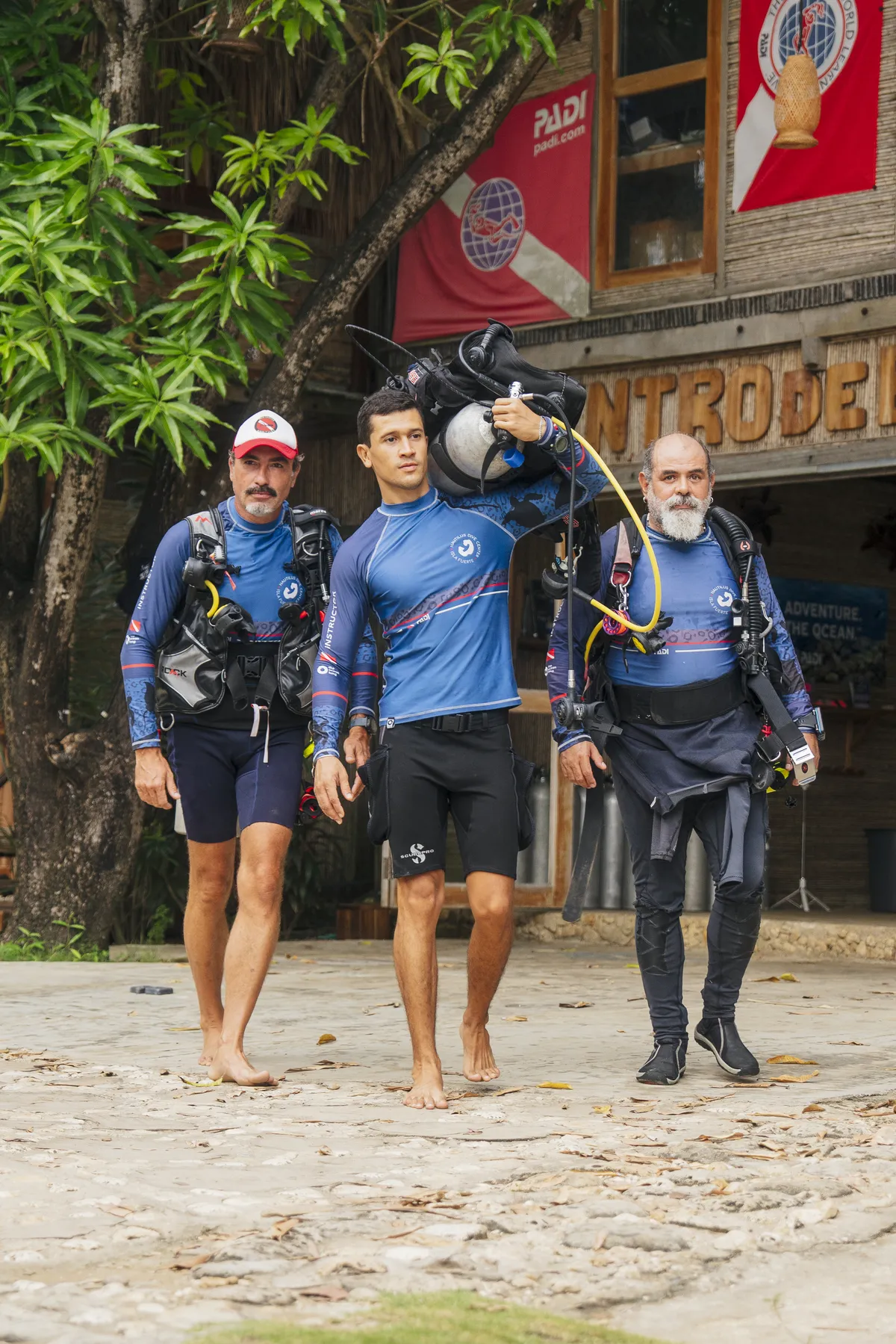
Nautilus is a PADI dive center, and our instructors guide every group up and down with a clear plan, so you build safe habits from your very first dive. Warm 27 to 29 degree water helps you relax and take your time. Start your journey on our courses and dives page or read more in our more guides.