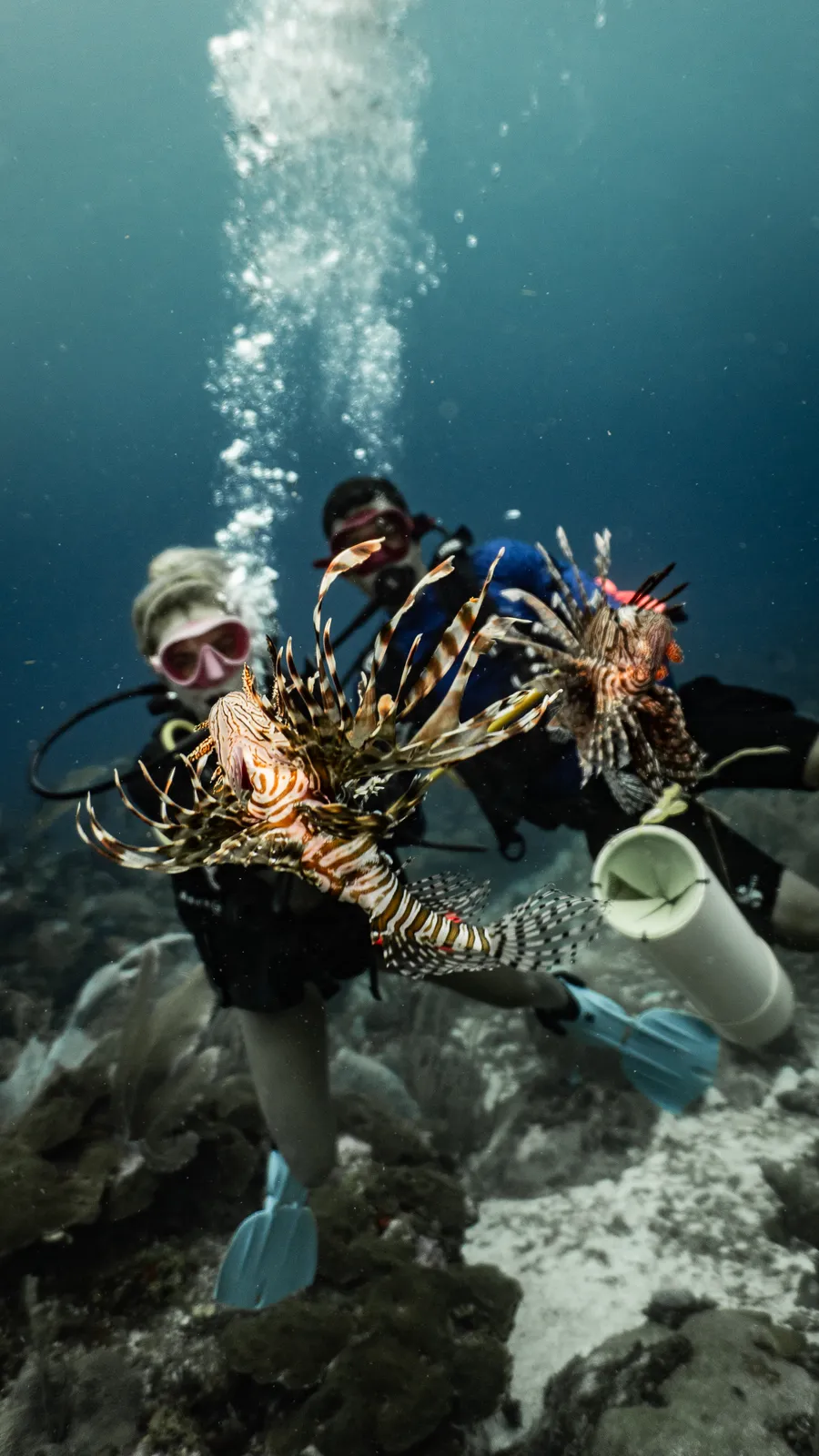
Not long ago diabetes ruled out scuba diving entirely, but today many people with well-controlled diabetes dive safely under clear guidelines. The central concern is hypoglycemia, or low blood sugar, which underwater can be disorienting and dangerous because you cannot simply stop and eat. With medical clearance, a strict protocol and good communication, diabetes and diving can coexist. This guide covers what safe diving with diabetes looks like on a trip to Isla Fuerte.
Why low blood sugar is the risk
Exertion, cold and stress all consume glucose, and a diver cannot eat or easily signal distress at depth. Early hypoglycemia symptoms like confusion, weakness and shakiness are especially hazardous underwater.
This is why the protocols focus so heavily on starting each dive with blood sugar on the higher side of normal and stable, giving you a safe margin throughout.
Who can dive
Recognized guidelines generally require stable, well-controlled diabetes with no recent severe hypoglycemic episodes, no significant complications affecting the eyes, kidneys, nerves or heart, and a solid understanding of how activity affects your levels.
Diving is usually not advised right after a diagnosis or a change in treatment, while your body is still adjusting. A diving physician makes the individual call.
Diving smart: the protocol
Get diving-medical clearance, then follow a strict blood-sugar routine around every dive. Measure before diving, aim for a stable level with a safe margin, and carry fast-acting glucose you can reach at the surface.
- Test blood sugar before and after each dive.
- Start each dive stable and on the higher side.
- Keep fast sugar accessible on the boat.
- Skip the dive if levels are low or unstable.
Tell your guide and buddy
Your PADI instructor and dive buddy must know you have diabetes and how to help if your sugar drops. Agree on a simple hand signal for feeling low, and plan a prompt, calm ascent if you sense symptoms.
Shared knowledge is a safety tool. A well-briefed buddy can get you to the surface and to your glucose quickly.
Choose easy, shallow dives
Favor short, shallow, low-exertion dives in calm conditions, especially while you learn how your body responds. Our warm water and sheltered beginner reefs like Rosa Vieja are ideal starting points.
See our courses and dives and message us with your needs so we can plan a comfortable, well-supported day.
Important
This is general educational information, not medical advice. Always complete the medical questionnaire honestly, dive within your training and, if in doubt, consult a diving physician or contact DAN (Divers Alert Network). In an emergency in Colombia, the nearest hyperbaric chamber is in Coveñas.


