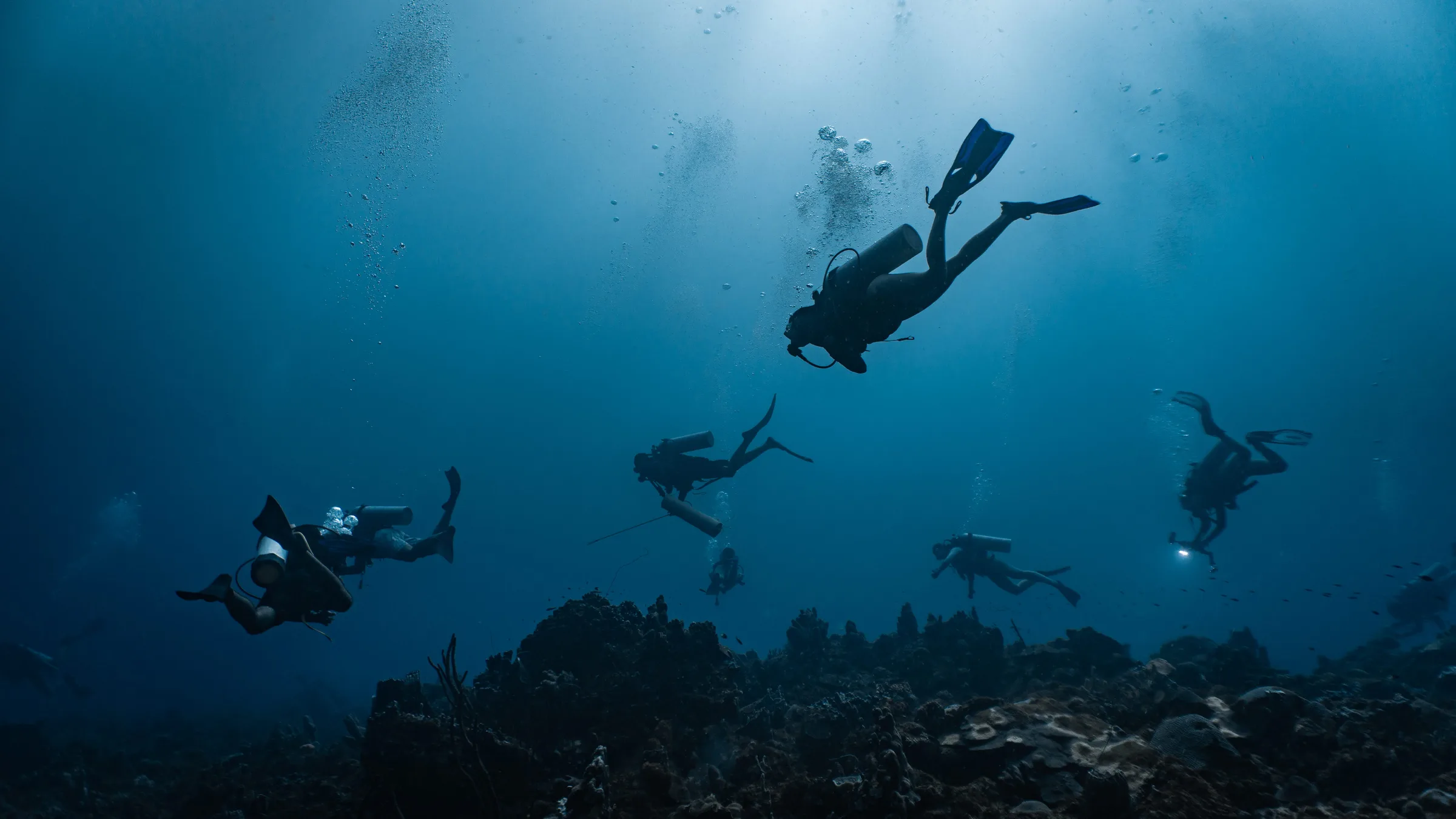
Returning to diving after an operation is very common, but the timing depends entirely on the type of surgery and how you heal. The one universal rule is that your surgeon decides when you are ready, not a fixed calendar. Diving adds pressure, exertion and remoteness that a healing body needs to be prepared for.
Why pressure matters after surgery
Diving exposes your body to changing pressure and to nitrogen loading, and it demands physical effort to swim, climb ladders and carry gear. A surgical site that has not fully healed can be stressed by all of this.
Any procedure that leaves gas spaces, such as some eye, ear, chest or abdominal surgeries, needs special care, because trapped gas expands and contracts with depth.
General healing guidelines
Recovery windows vary widely, but as a rough guide:
- Minor keyhole procedures may allow diving in a few weeks once fully healed
- Abdominal or chest surgery often needs several months
- Eye surgery may require avoiding pressure changes for a set period your ophthalmologist defines
- Any surgery affecting the lungs, heart or ears needs specialist clearance
These are only starting points. Your medical team knows your case and should give the final word.
Get cleared, then ease back in
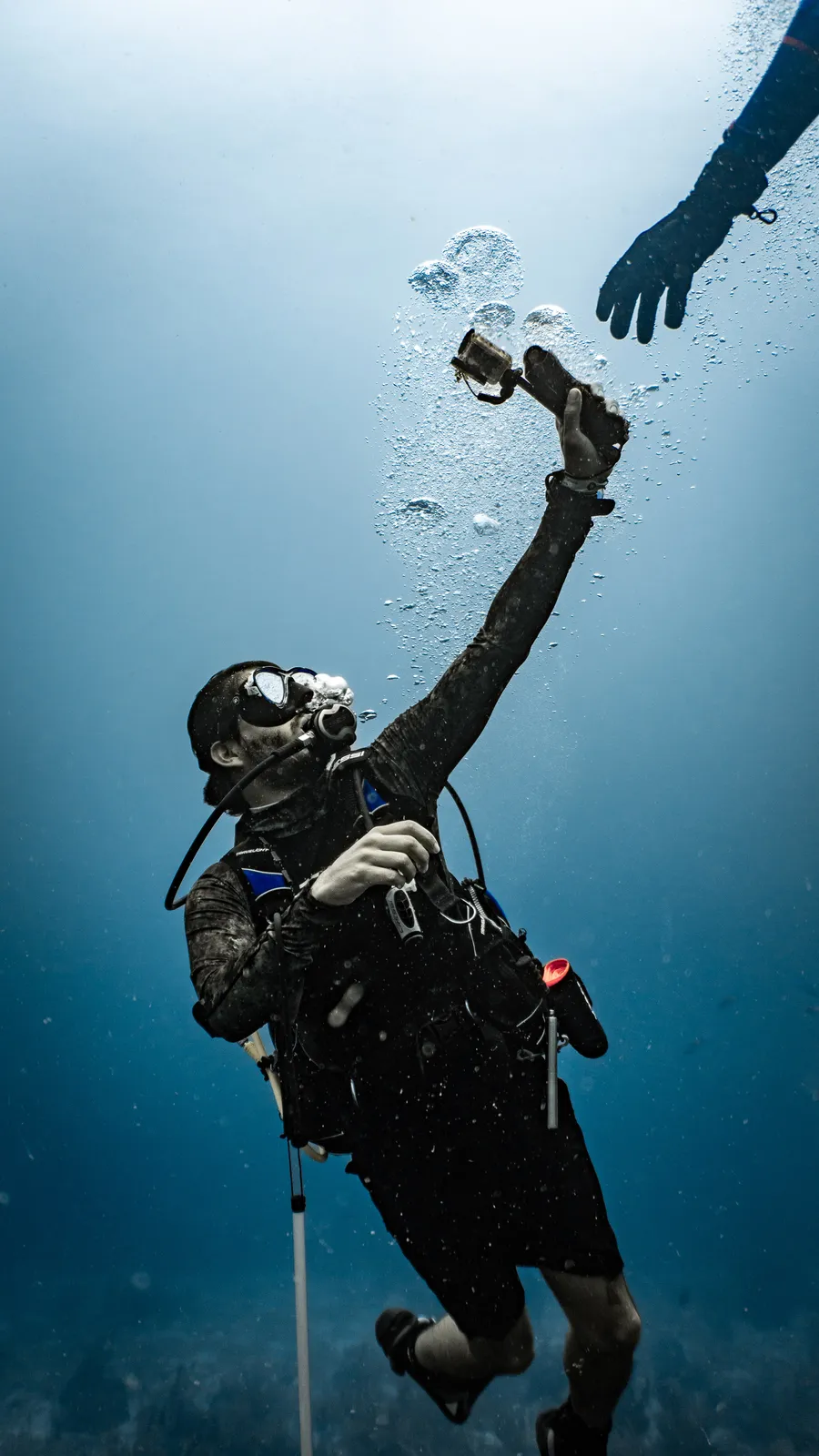
Once your doctor clears you, plan a gentle return. Start with shallow, relaxed dives before anything deep or demanding, and be honest with your dive team about your recent surgery.
Listen to your body. Any pain, weakness or unusual fatigue is a reason to stop and reassess rather than push through.
Be honest with your dive team
Even with your doctor's clearance, always tell your instructor or divemaster about a recent operation. They can adjust the dive plan, help you in and out of the water, and keep a closer eye on how you are doing.
There is no reason to hide it. A good dive team would rather know so they can support you, and being open makes your return smoother and safer for everyone.
A gentle place to return
Isla Fuerte is an ideal setting for an easy comeback: warm 27 to 29°C water, calm beginner reefs like Rosa Vieja, and small groups where an instructor keeps a close eye on you. Every Nautilus service includes Magenta insurance and we carry emergency oxygen on the boat.
Bring your medical clearance and let us tailor the pace. Take a look at our courses and dives and message us about your first post-surgery dive.
Important
This is general educational information, not medical advice. Always complete the medical questionnaire honestly, dive within your training and, if in doubt, consult a diving physician or contact DAN (Divers Alert Network). In an emergency in Colombia, the nearest hyperbaric chamber is in Coveñas.


